Garden Blog - Top Tropicals

Date: 23 Jan 2026

Insulin Ginger traditional remedies: Quick-n-fun exotic recipes

Insulin Ginger (Chamaecostus cuspidatus) traditional remedies recipes

Insulin Ginger (Chamaecostus cuspidatus) traditional remedies recipes

❣️ Insulin Ginger traditional remedies: Quick-n-fun exotic recipes

  • 6 very simple, real-world ways people actually use Insulin Ginger (Chamaecostus cuspidatus)


✦ 1. 🍵 Simple leaf tea


Steep 1–2 fresh leaves (or dried) in hot water for 10–15 minutes. Drink warm, plain or lightly sweetened.
  • 2. ❄️ Refreshing iced herbal drink
Blend a couple of leaves with water, strain, add ice. Some people add a squeeze of lemon.
  • ✦ 3. Coconut water blend


    Blend 1–2 leaves with fresh coconut water. Drink chilled as a mild daily tonic.
  • ✦ 4. 🌿 Fresh leaf chew


    The simplest method - chew a fresh leaf in the morning, then discard. Very common traditional use.
  • ✦ 5. Salad add-in


    Finely slice young leaves and mix with other greens. Use lightly, like a functional herb.
  • ✦ 6. 🍲 Leaf Chutney


    Leaves can be blended with spices and other herbs into a savory condiment. Meals like this make the leaves easy to include in everyday diet (though you’d want to adapt it for flavor and personal preferences).


👆This plant has a long history of traditional use. Everyone’s body is different, so if you have diabetes or take medication, it’s wise to check with your healthcare provider first.

🛒 Add Insulin Ginger to your medicinal herb garden

📚 Learn more:


#Food_Forest #Remedies #Shade_Garden #Discover #Recipes

🟢 Join 👉 TopTropicals

Date: 23 May 2024

The Magic of 3 top tropical trees
from the legends of Caribbean

Yellow Poinciana, Jacaranda, and Royal Poinciana:
Three happy colors of the Tropics

paintings  of  3  top  tropical  trees  -  Royal  Poinciana,  Yellow  Poinciana,  and 


Jacaranda

While traveling through the vibrant and diverse Caribbean, we acquired three exquisite local paintings. Two of these are masterfully rendered on jacaranda wood plates, and the third is beautifully crafted on a calabash. These stunning pieces of art celebrate the three most spectacular and revered flowering trees of the Tropics: Yellow Poinciana, Jacaranda, and Royal Poinciana.

These trees are not only visually stunning but also deeply embedded in Caribbean culture, legends, and folk remedies.

The Yellow Poinciana, with its bright golden blossoms, is often associated with joy and sunlight, symbolizing the warmth of the Caribbean spirit.
The Jacaranda, known for its striking lavender-blue flowers, is a symbol of wisdom and rebirth, often blooming in a breathtaking display that signals the change of seasons.
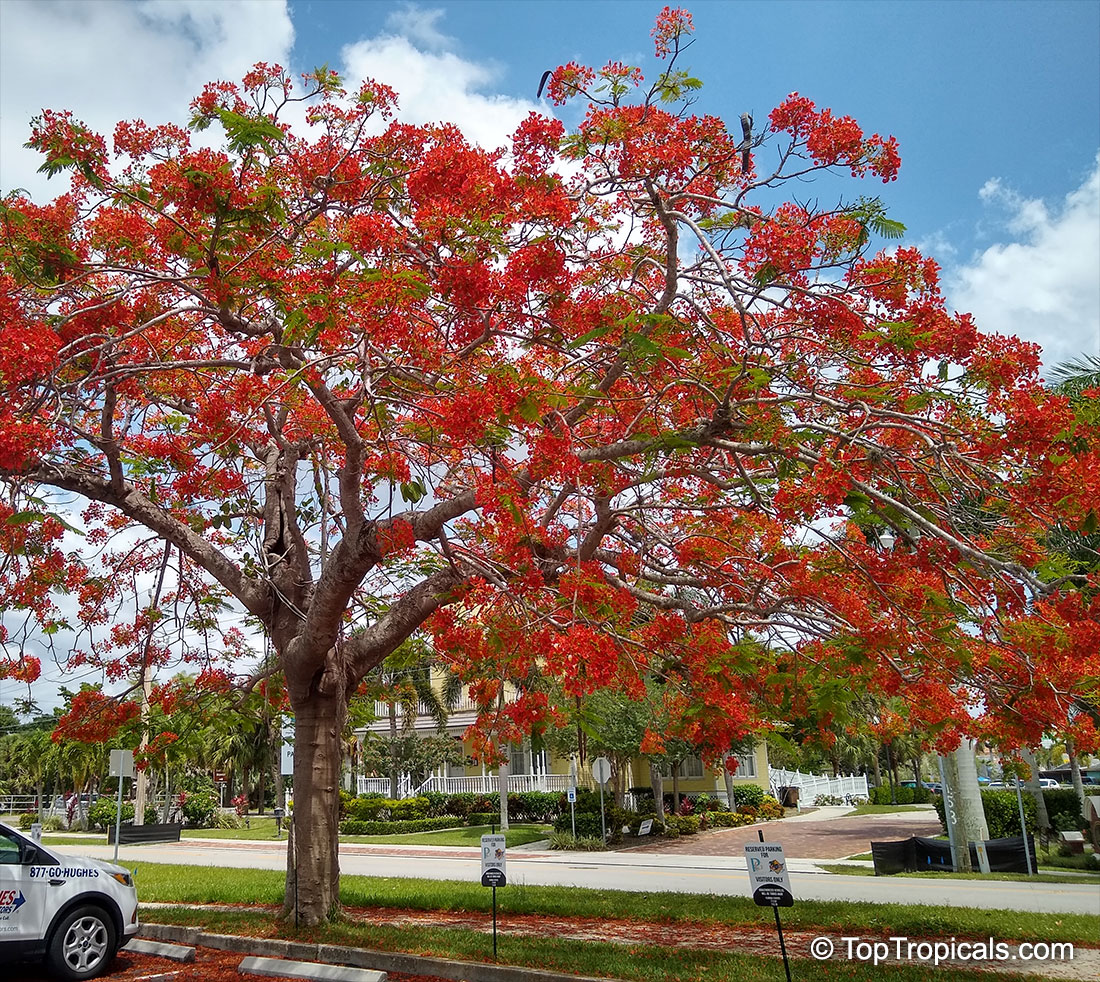
The Royal Poinciana, with its fiery red and orange flowers, is a symbol of passion and energy, often referred to as the "Flamboyant" tree due to its bold and dramatic appearance.

These trees hold a special place in the hearts of the Caribbean people. They are featured in numerous local stories and songs, and their flowers and leaves are used in traditional remedies and rituals. Owning these paintings feels like possessing a piece of the Caribbean's soul and its natural beauty.

Now, we are fortunate to have not only the paintings but also the actual trees. Watching them grow and bloom in our garden brings a piece of the Caribbean to our home, a constant reminder of our travels and the vibrant culture we experienced. These trees and their representations in art are a testament to the region's rich heritage and its enduring connection to nature.

Get them now while we have them. No need to go too far into Caribbean!

Peltophorum  africanum  -  Golden  Flamboyant,  Yellow  Poinciana

Peltophorum africanum - Golden Flamboyant, Yellow Poinciana. An excellent garden shade tree, beautiful in flower. This variety starts flowering at young age, in 3 gal pot.

Jacaranda  mimosifolia  (acutifolia)

Jacaranda mimosifolia - Hypnotizing bluish-purple, trumpet-like flowers create the magical image of the tree. Incredible, long-lasting purple blooms. When the trumpet-shaped blooms finally fall, they form a lilac carpet beneath the awe-inspiring Jacaranda for luxuriant curb appeal...

Royal  poinciana,  Flamboyant  tree,  Delonix  regia

Royal poinciana, Flamboyant tree, Delonix regia - "One of the most spectacular flowering trees in the USA, and probably among the top 10 on this planet. In full bloom, it is like a regal elephant caparisoned in red and yellow brilliance." (Larry M. Schokman, The Kampong, National Tropical Botanic Garden)

Date: 2 Jul 2024

What is the most useful tree in the world?

Moringa oleifera - Bridal veil, Horseradish tree, Drumstick Tree, Ben Oil Tree

Moringa oleifera - Bridal veil, Horseradish tree, Drumstick Tree, Ben Oil Tree

Moringa oleifera - Bridal veil, Horseradish tree, Drumstick Tree, Ben Oil Tree

Moringa oleifera - Bridal veil, Horseradish tree, Drumstick Tree, Ben Oil Tree

Moringa oleifera - Bridal veil, Horseradish tree, Drumstick Tree, Ben Oil Tree

Moringa oleifera - Bridal veil, Horseradish tree, Drumstick Tree, Ben Oil Tree

🌐 What is the most useful tree in the world?

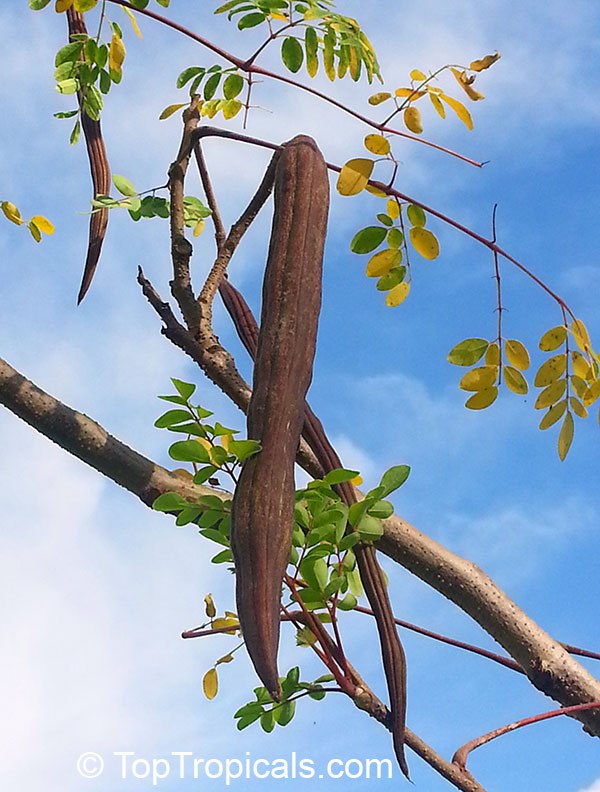
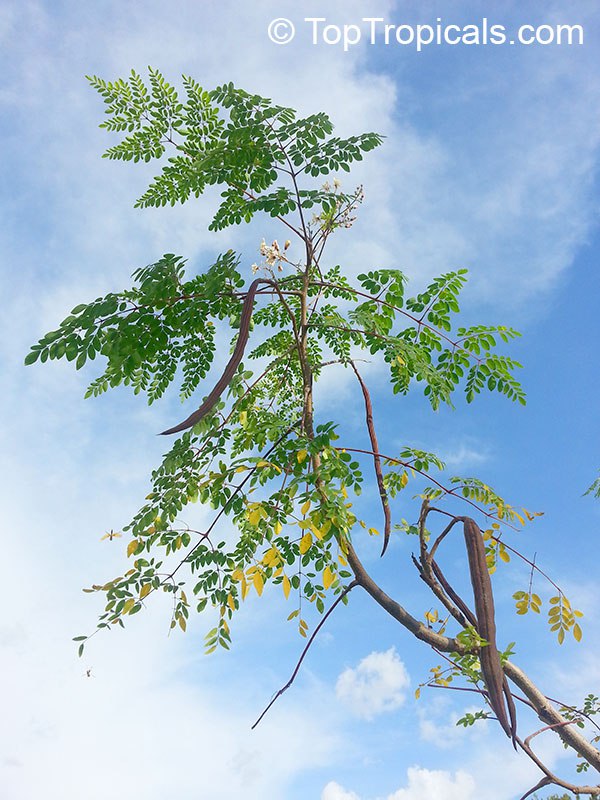
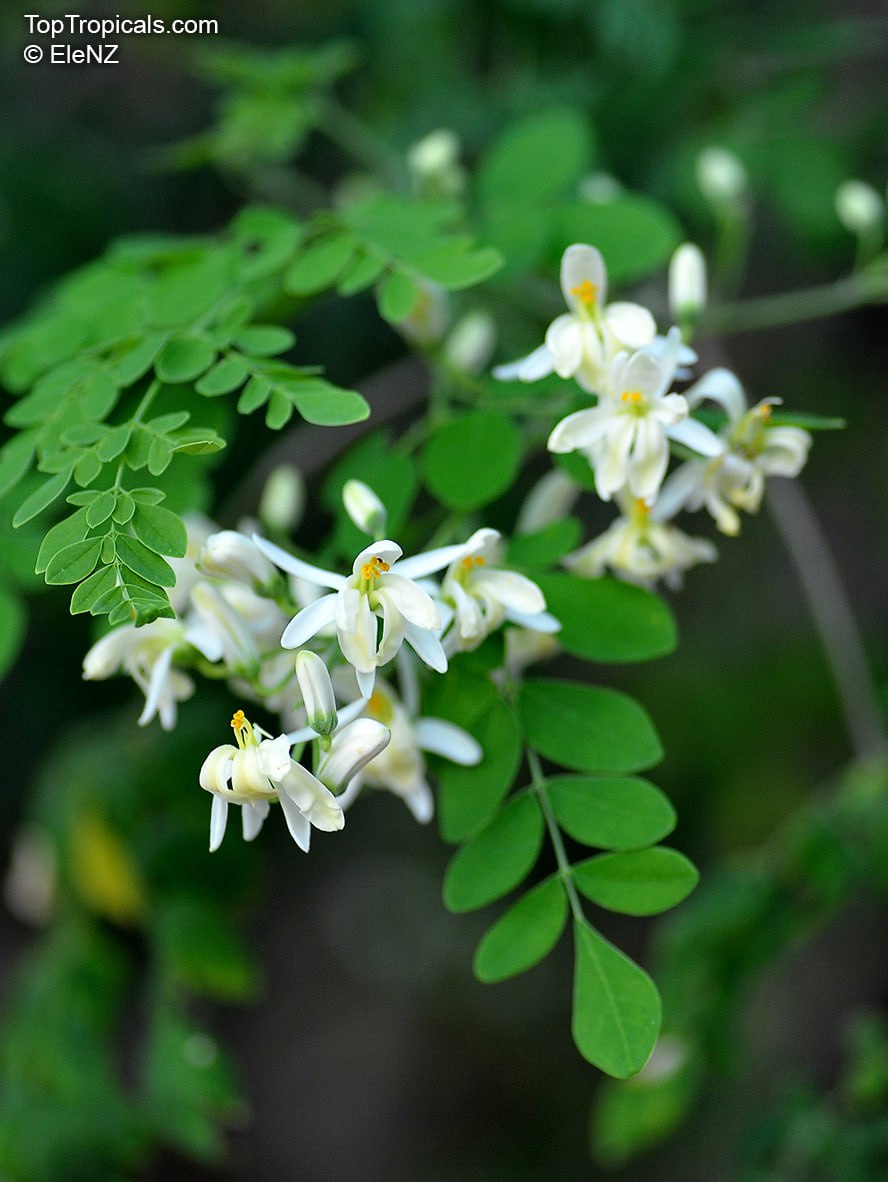
  • 💚 One of the most versatile and valuable trees known to humanity is Moringa oleifera, also called: Horseradish tree, Bridal veil, Horseradish tree, Drumstick Tree, Ben Oil Tree. It is indeed considered one of the most useful trees in the world. This reputation stems from its wide range of nutritional, medicinal, and practical applications.
  • 💚 Moringa is a beautiful flowering tree with fragrant white flowers. It produces long green pods (looking like drumsticks!) and the seeds have been compared to a cross between peanuts and asparagus.
  • 💚 Moringa leaves are rich in vitamins (A, B, C, E), minerals (calcium, potassium, iron), and amino acids, and have strong antioxidant properties. they are used in traditional medicine to treat inflammation. Moringa can help lower blood sugar and cholesterol levels.
  • 💚 Almost every part of the tree is edible, including the leaves, pods, seeds, and flowers. Each part has its unique nutritional profile and culinary uses. Used in teas and cooking.
  • 💚 The roots are used as a substitute for horseradish and the edible leaves make a highly nutritious vegetable. The roots have also been used in many folk remedies.
  • 💚 Many Moringa products produced commercially: leaves, powder, oil. Moringa oil, extracted from the seeds, is used in cosmetics, skincare products. Seeds can be used to purify water, making it safer to drink.
  • 💚 The plant can be used as a natural fertilizer and pesticide. Leaves are used as a nutritious feed for livestock.


📚 Learn more: How to grow a happy Moringa Tree

🛒 Plant your own Moringa Tree and save the Planet

#Food_Forest #Remedies

🏵 TopTropicals

Date: 17 Nov 2024

What is the most delicious Annona fruit?

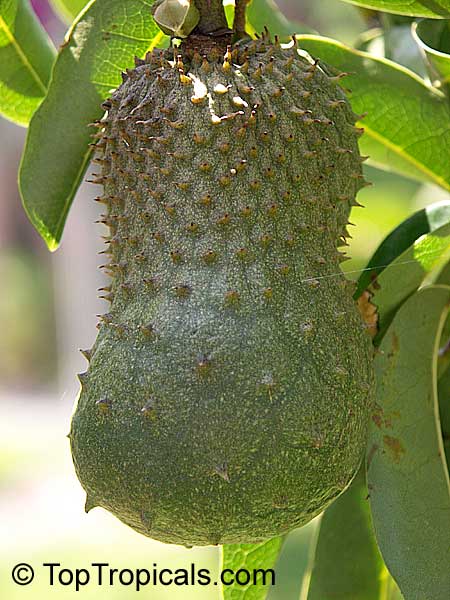
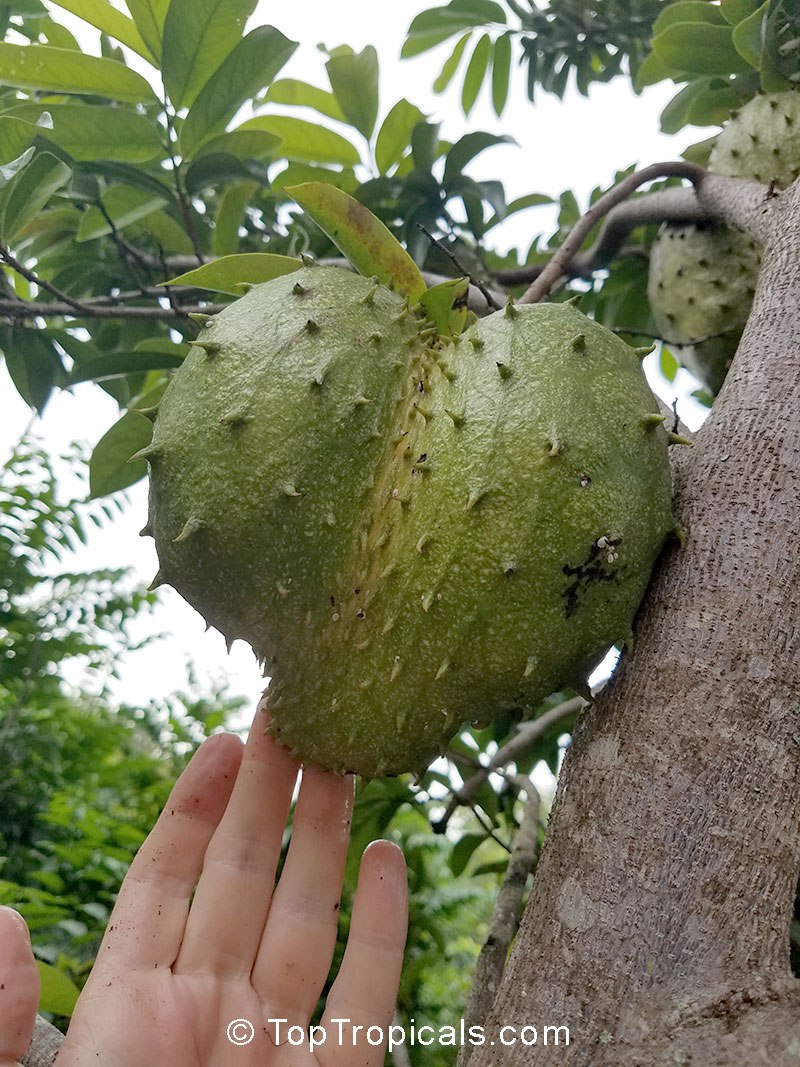
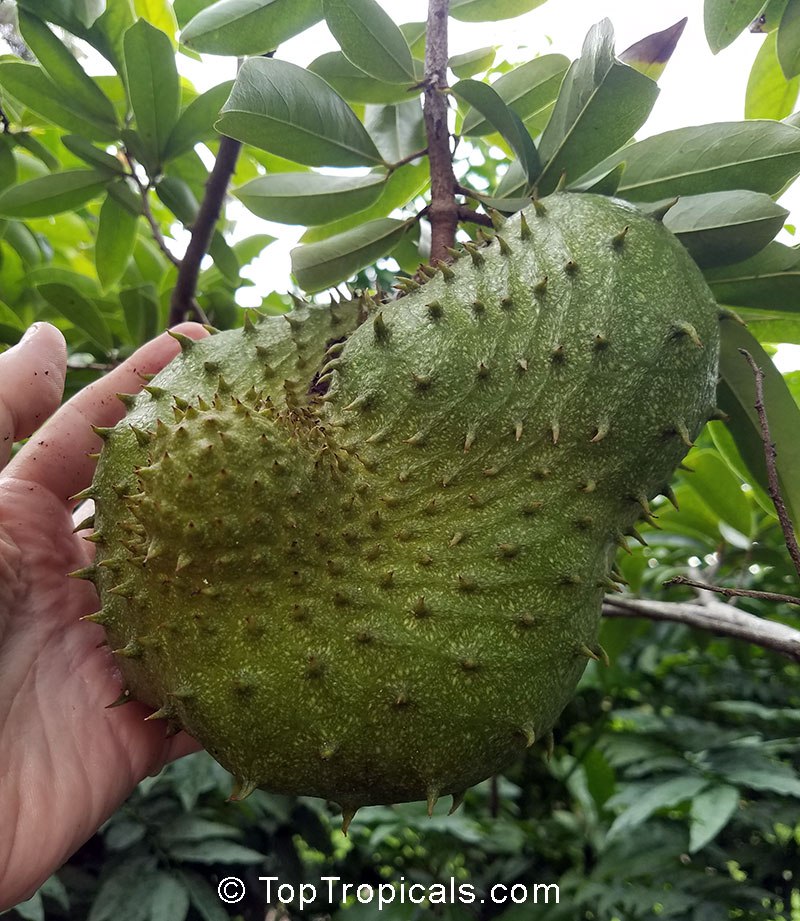
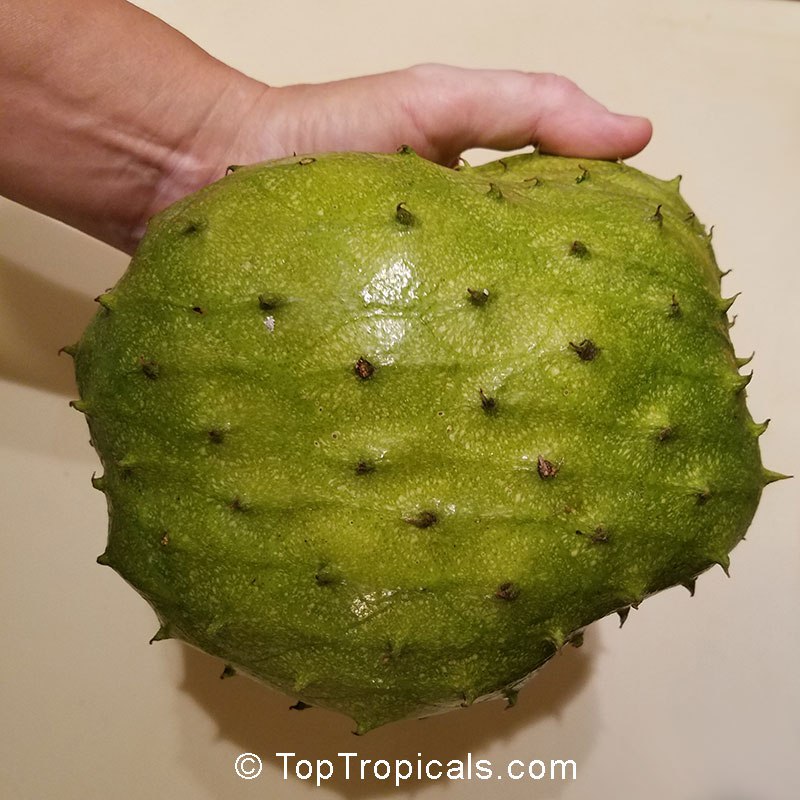
Annona muricata - Soursop, Guanabana, Graviola

Annona muricata - Soursop, Guanabana, Graviola

Annona muricata - Soursop, Guanabana, Graviola

Annona muricata - Soursop, Guanabana, Graviola

Annona muricata - Soursop, Guanabana, Graviola

Annona muricata - Soursop, Guanabana, Graviola

Annona muricata - Soursop, Guanabana, Graviola

Annona muricata - Soursop, Guanabana, Graviola

Annona muricata - Soursop, Guanabana, Graviola

Annona muricata - Soursop, Guanabana, Graviola

Annona muricata - Soursop, Guanabana, Graviola

Annona muricata - Soursop, Guanabana, Graviola

Annona muricata - Soursop, Guanabana, Graviola

Annona muricata - Soursop, Guanabana, Graviola

❓ What is the most delicious Annona fruit? Guanabana!

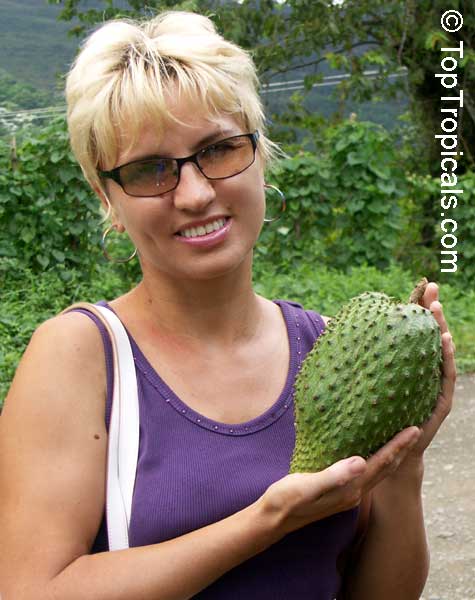
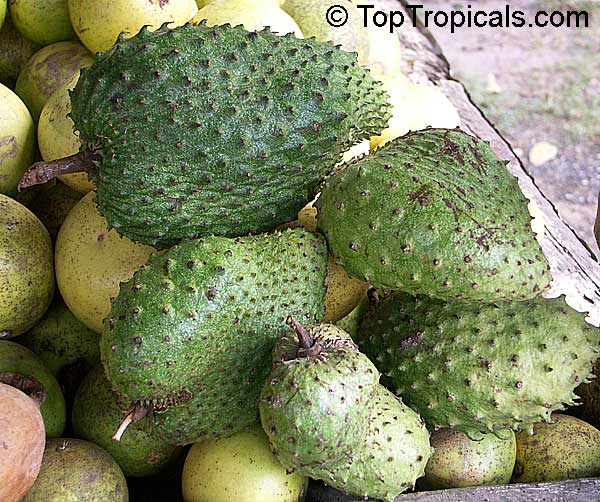
  • 🍐 Annona muricata - commonly known as Soursop, Guanabana, or Graviola, is widely regarded as the best-tasting annona fruit.
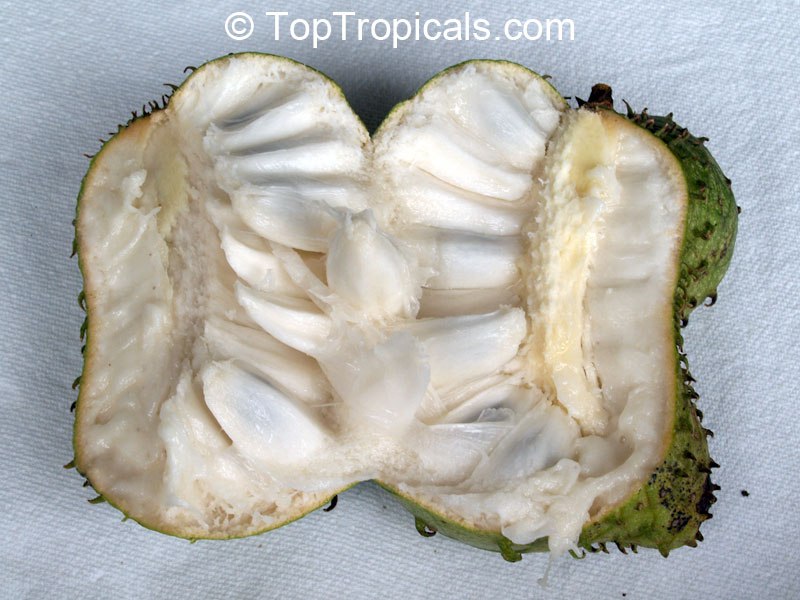
  • 🍐 This tropical tree, native to Tropical America, produces large, unusual-looking fruits with a unique blend of sweet and slightly sour flavors. The custard-like pulp is fragrant, smooth and creamy, making Soursop perfect for milkshakes, desserts, or simply enjoyed fresh.
  • 🍐 Soursop is evergreen in warm climates, though it's highly sensitive to cold and requires temperatures above 50°F to thrive. However, it can also be grown indoors in containers, making it possible to enjoy its delicious fruit even in cooler regions. The tree itself is medium-sized, fast-growing, and relatively easy to manage in a pot, offering a wonderful option for indoor fruit growing.
  • 🍐 Soursop is one of the largest of the Annonas, and its quirky, bumpy fruit shapes make it a fun conversation starter. We even have an interesting article on how to grow, hand-pollinate and fruit Soursop in an apartment - ideal for plant lovers looking to bring a taste of the tropics into their homes!
  • 🍐 Soursop leaves are superheroes in the world of natural remedies. Known for their potential to fight cancer, these leaves are packed with compounds that may help keep rogue cells in check. Whether brewed into tea or turned into extracts, they've become a popular go-to in holistic health circles.


📚 Tropical Treasures Magazine:


Growing and fruiting Soursop in apartment (PDF download)
Spoiler in the next post ⬇️⬇️⬇️

More about Anonnas in previous posts:
Top 10 fast-fruiting trees: #1. Annona
Why everyone wants the Sugar Apple?
The best tropical fruit tree for container growing, and the fastest to fruit: Annona
Spiny Hedgehog fruit: what does it taste like?

🛒 Plant your own Guanabana

#Food_Forest #Remedies

🔴 Join 👉 TopTropicals

Date: 25 Jun 2025

What are Health Benefits of Alpinia galanga (Galangal)

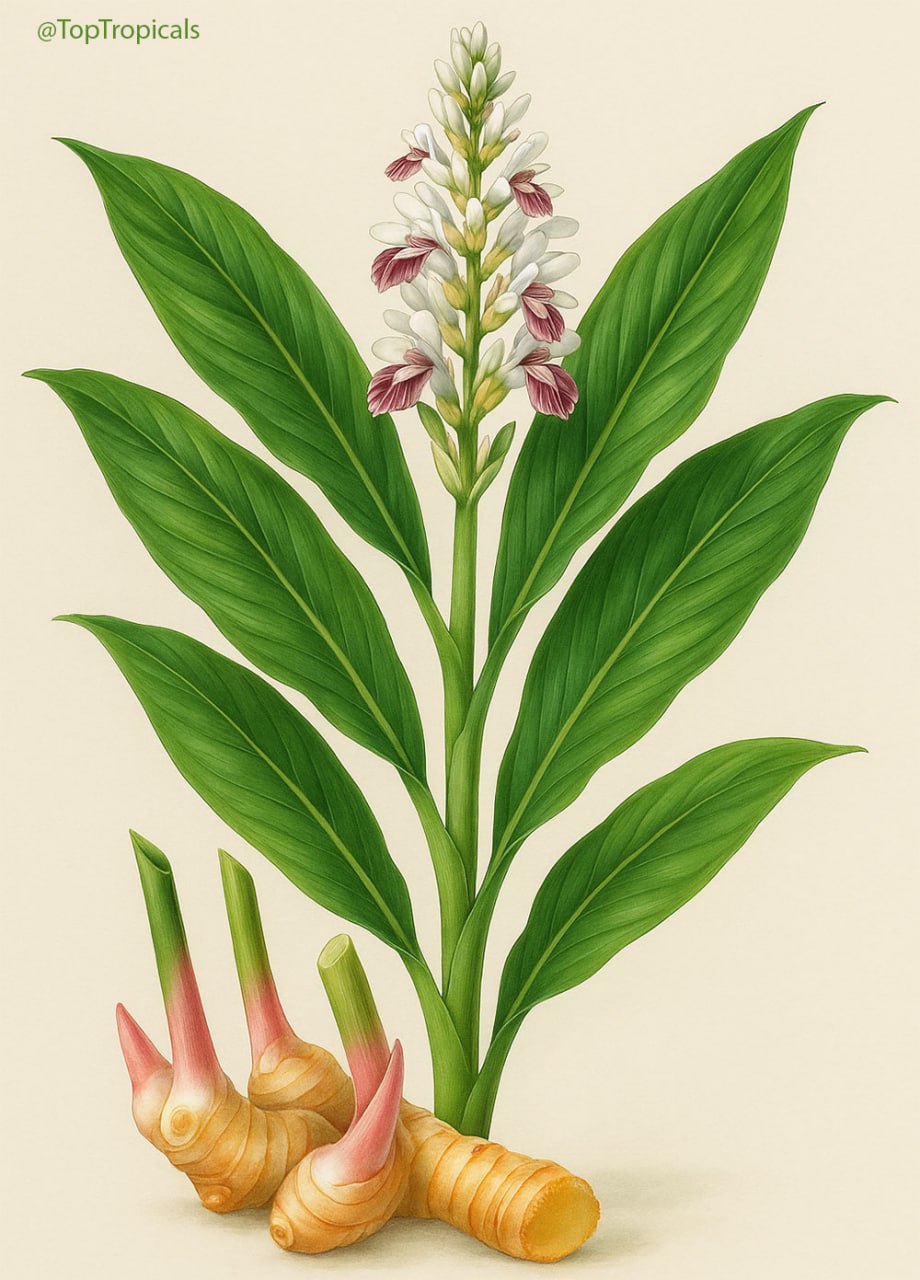
Alpinia galanga (Galangal)

Alpinia galanga (Galangal)

What are Health Benefits of Alpinia galanga (Galangal)


🌿 Galangal, also known as Thai ginger, is more than just a fast growing ornamental ginger and flavorful root - it's also a powerful healing plant with centuries of use in both kitchens and traditional medicine. Here are some of its top health benefits:
  • Digestive aid - Galangal stimulates digestion, reduces bloating, and relieves nausea. It's especially helpful after heavy or oily meals.
  • Anti-inflammatory properties - Contains compounds like galangin that help reduce inflammation, making it useful for joint pain and inflammatory conditions.
  • Antioxidant rich - Packed with flavonoids and polyphenols that fight oxidative stress and may help slow aging and support overall wellness.
  • Immune support - Traditionally used to fight colds and infections thanks to its antimicrobial and antiviral properties.
  • Respiratory health - Used in Thai herbal remedies for clearing the lungs, soothing sore throats, and reducing coughs.
  • Brain function - Some studies suggest galangal may help protect brain cells and improve cognitive performance due to its antioxidant profile.
  • Circulatory support - Acts as a natural stimulant and may help improve blood flow and circulation.


🛒 Grow your own Thai ginger – fresh, healing, and flavorful!

#Food_Forest #Discover #Remedies

🟢 Join 👉 TopTropicals
Date: 21 Jul 2025

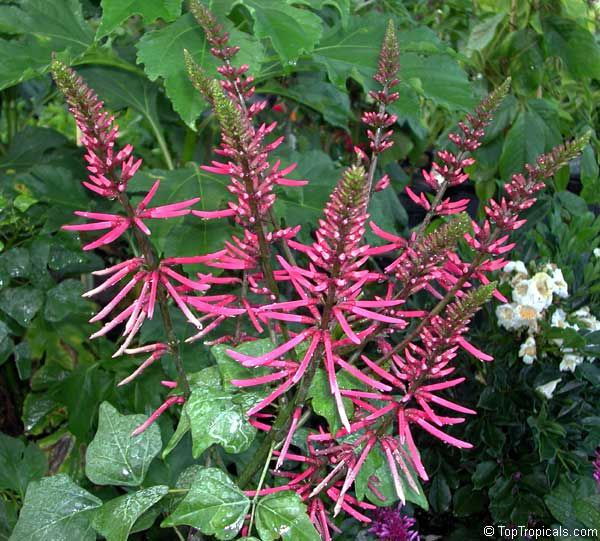
Health benefits of a simple plant: Coral bean

Health benefits of a simple plant: Coral bean

🍒 Health benefits of a simple plant: Coral bean


  • Don't let the tough, thorny branches fool you - this native plant has a long history of traditional use. While the seeds are poisonous, the young leaves and flowers have been safely cooked and eaten in small amounts by various cultures.

  • Traditionally, Erythrina herbacea - Coral Bean has been used in folk remedies for calming the nerves, easing muscle pain, and even promoting better sleep.

  • Modern science hasn’t fully explored these uses yet, but the plant contains alkaloids that may have sedative and muscle-relaxing properties. It's a reminder that even rugged native plants can carry powerful natural potential.

  • As a bonus, Erythrina herbacea is also beautiful and beneficial in the garden, drawing in hummingbirds and butterflies with its vibrant pink flowers - hummingbirds can't resist this wild bloomer! It grows well in poor soil and dry conditions - low effort, high reward!


🛒 Plant once, enjoy for years

#Food_Forest #Remedies #Butterfly_plants #Discover

🟢 Join 👉 TopTropicals

Date: 11 Nov 2025

Fruits with the most vitamin E, according to dietitians

Fruits with the most vitamin E

Fruits with the most vitamin E

🥭 Fruits with the most vitamin E, according to dietitians

  • 🔛 Vitamin E works as an antioxidant that helps fight inflammation throughout the body. While nuts and seeds top the charts, some fruits quietly add their share to your daily needs - especially when eaten with a bit of healthy fat. According to New York City Nutrition, vitamin E anti-inflammatory action supports heart, brain, and skin health.
  • 🔛 Vitamin E is a fat-soluble vitamin that acts as an antioxidant, meaning it fights inflammation in the body. Because of this anti-inflammatory role, vitamin E is beneficial for immune health, heart health, eye health, brain health, and skin health.
  • 🔛 Adults need about 15 milligrams a day, according to the National Institutes of Health. Deficiency is rare, but it’s smart to get vitamin E from a variety of foods. Fruits alone don’t provide large amounts, but they can complement vitamin-E-rich foods like almonds or sunflower seeds.
  • 🔛 Since vitamin E needs fat for absorption, pair fruit with something creamy or crunchy - like yogurt, olive oil, nuts, or seeds - for best results.
  • 🔛 Here are some fruits that naturally offer vitamin E:

  • 🍊 Sapote 1 cup = 3.7 mg vitamin E. A tropical favorite with rich orange flesh and a flavor somewhere between pumpkin pie and sweet potato, with hints of honey and almond, Sapote is great fresh, blended in shakes, or scooped over ice cream. It also packs calcium, iron, potassium, and vitamins A and C.
  • Blackberries 1 cup = 1.7 mg vitamin E. Deep color, bold flavor, and plenty of antioxidants, Blackberries are high in fiber and low in calories. Dietitian Keri Glassman calls them her top fruit for fighting inflammation.
  • 🥭 Mango 1 cup = 1.5 mg vitamin E. The “king of fruits” brings more than tropical sweetness, Mango supports digestion, helps you feel full longer, and delivers both vitamin A and E in one juicy package.
  • 🍉 Guava 1 cup = 1.2 mg vitamin E. This fragrant fruit has a flavor that lands between strawberry and pear, Guava is also one of the highest-fiber fruits and surprisingly rich in protein for a fruit.
  • 🍑 Persimmon 1 fruit = 1.2 mg vitamin E. An autumn favorite that looks like an orange tomato but tastes sweet and mellow, Persimmons are rich in vitamins A and C and make a colorful, fiber-filled snack or dessert.
  • Avocado 1 fruit = 0.9 mg vitamin E. Creamy, mild, and versatile, Avocado’s healthy fats help your body absorb vitamin E while protecting heart health. Try it on toast, in salads, or as a smooth butter substitute in baking.

🛒 Plant more remedies in your food forest

📚
Learn more:
#Food_Forest #Remedies #Discover

🟢 Join 👉 TopTropicals
Date: 19 Nov 2025

5 fruits that help manage gout (high uric acid)

5 fruits that help manage gout

5 fruits that help manage gout

🍒 5 fruits that help manage gout (high uric acid)


💥 High uric acid, hyperuricemia, also called gout, causes painful swelling in joints and can affect kidney health over time. Medicine helps, but so does what you grow and eat. Some fruits can naturally flush out excess uric acid and reduce inflammation. Here are five easy fruit trees and plants that can help:

🍋 Citrus


Citrus trees are great to grow in pots or sunny yards. Lemons and oranges are rich in vitamin C, which helps kidneys remove uric acid and keeps the body’s pH balanced. A glass of lemon water in the morning or a fresh orange during the day can help. Studies in Science Direct show lemon juice lowers uric acid levels in the blood.

Berries (mulberries, blackberries, blueberries, strawberries)


Berries are packed with antioxidants that fight inflammation and support kidney health. Mulberry trees are perennial trees and bushes that produce berries year after year. They grow well in both temperate and warm areas, and are an easy choice for all backyard gardeners. Mulberry high water content helps flush out toxins. Research from the National Institute of Health shows berries rich in polyphenols can lower uric acid naturally.

🍒 Cherries


Cherries are one of the best fruits for gout. They’re rich in anthocyanins, compounds that reduce inflammation and uric acid levels. National Institute of Health studies have found regular cherry intake helps lower gout attacks. Dwarf cherry trees can grow in large pots if space is limited.

🍌 Bananas


Bananas are rich in potassium, which helps the kidneys remove uric acid more efficiently, according to PubMed central. They’re also low in purines, the compounds that form uric acid. Dwarf banana varieties grow well in containers and add a tropical look while supporting healthy digestion and uric acid balance.

🍍 Pineapple


Pineapple contains bromelain, a natural enzyme that eases swelling and pain caused by gout. It’s also refreshing and supports kidney function. Studies by global health science group show pineapple juice can help reduce inflammation and uric acid. It’s easy to grow in a pot or sunny garden bed.

These fruits won’t replace medicine, but they can support your body’s natural detox system. Grow them, eat them fresh, and enjoy both their flavor and health benefits.

🛒 Explore Fruit trees and grow your own natural remedies

📚
Learn more:
#Food_Forest #Mango #Remedies #Discover

🟢 Join 👉 TopTropicals

Date: 19 Feb 2026

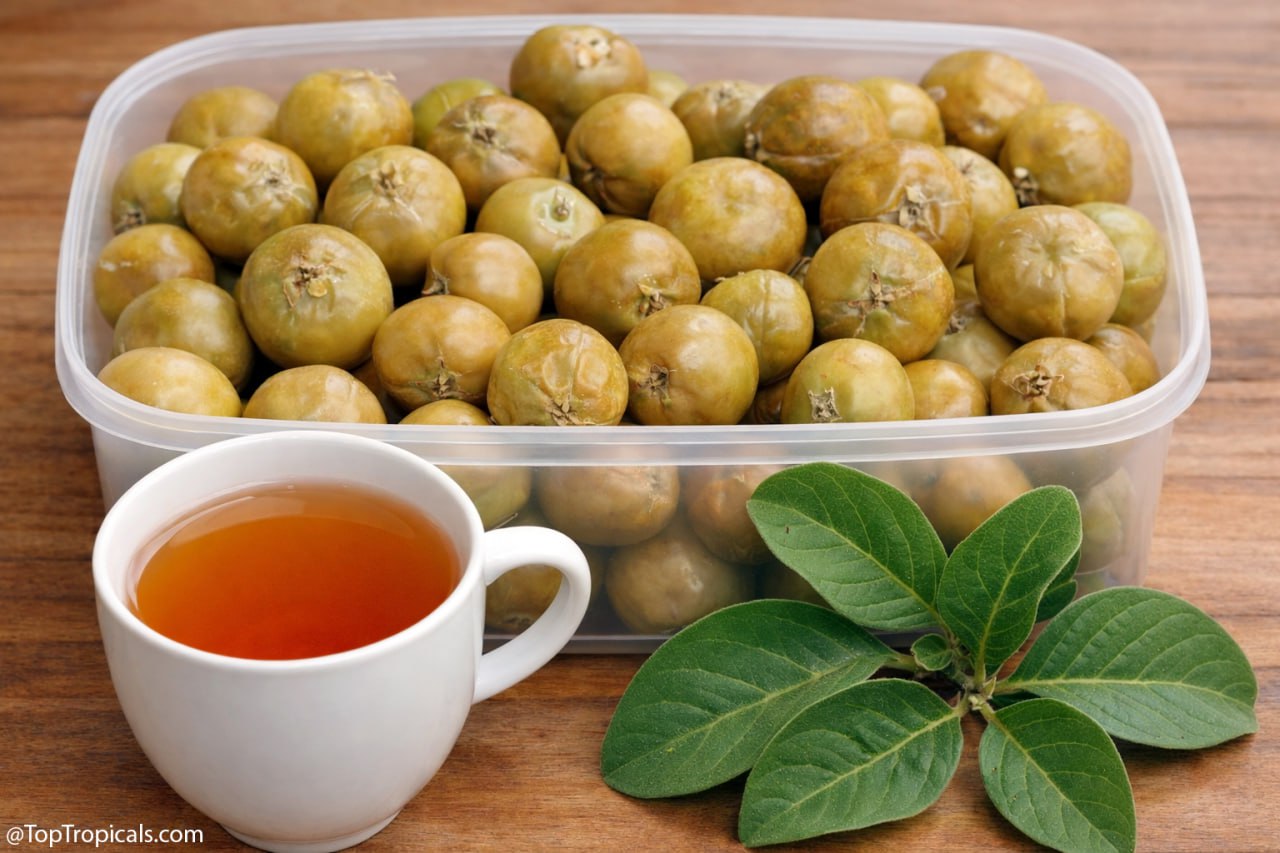
10 ways to enjoy Wild Medlar - Spanish Tamarind

Vangueria infausta (Spanish Tamarind, Wild Medlar)

Vangueria infausta (Spanish Tamarind, Wild Medlar)

🍊 10 ways to enjoy Wild Medlar - Spanish Tamarind


Vangueria infausta (Spanish Tamarind, Wild Medlar) from Africa to your backyard: the fruit, the medicine, the tradition.

Spanish Tamarind may look like a small, unassuming fruit - but don’t let it fool you. In its native Africa, this tree is a food staple, a home remedy, and a cultural favorite, all wrapped into one. And now, it’s ready to bring that same magic into your garden and kitchen. People have used this fruit for generations - and how you can too.

🍊 1. Eat it fresh, off the tree


When ripe, the fruit turns golden brown and softens slightly. Its flavor is sweet-tart, almost like a tangy apple or tamarind with a hint of citrus. Just peel and eat!

🍬 2. Dry it for snacks


In many African regions, the fruit is sun-dried and enjoyed like natural fruit leather. It keeps well, travels well, and makes a great healthy snack.

🍵 3. Brew it into a fruit tea


Dried fruit can be steeped into a tart, refreshing tea that’s packed with vitamin C and antioxidants. Add honey or ginger for a soothing drink.

🍷 4. Ferment it into traditional beer or wine


In some local cultures, the fruit is fermented into a mild alcoholic drink, similar to fruit wine or beer. This is one of the tree’s oldest known traditional uses.

🍧 5. Make jams and preserves


Boil the pulp with sugar and lemon juice to make tangy medlar jam. Spread it on toast, stir into yogurt, or use it in baking.

6. Add to porridge or smoothies


Crushed or juiced medlar fruit is added to traditional maize porridge for a nutrient boost. You can do the same with oatmeal or smoothies.

7. Try traditional fruit pudding


A simple medlar mash with a little sweetener makes a rich, apple-like pudding with hints of spice. Great as a chilled dessert.

🌿 8. Use the leaves and bark medicinally


In folk medicine, leaves are brewed into a tea for treating fever, colds, and stomach aches. Bark is used for chest congestion and coughs. Roots are sometimes used for even stronger remedies like malaria treatment.

9. Clean your teeth the traditional way


Believe it or not, people use medlar leaves to clean their teeth! The leaves are antimicrobial and have a slight astringent taste that leaves your mouth feeling fresh.

🎨 10. Dye fabric naturally
Crush the bark or boil the leaves to create natural dyes in yellow, green, and even purple tones. This use is still practiced in rural areas of southern Africa.

✍️ Why this tree belongs in your life


Wild Medlar is more than just a fruit. It’s a versatile, resilient, and deeply cultural plant that connects generations. It’s food, it’s healing, it’s art—and now it can be part of your garden story.
Grow it for the fruit, the medicine, the tradition… or just for the joy of growing something wild and wonderful.

🛒 Plant Spanish Tamarind and enjoy exotic fruit benefits

📚 Learn more:


#Food_Forest #Remedies #Recipes #Discover

🟢 Join 👉 TopTropicals

Date: 20 Sep 2025

How to make lots of Insulin Ginger plants quickly and get more health benefits

Costus igneus (Chamaecostus cuspidatus) - Fiery Costus or Spiral Flag

💚 How to make lots of Insulin Ginger plants quickly and get more health benefits

  • Costus igneus (Chamaecostus cuspidatus) - Fiery Costus or Spiral Flag is believed to help lower blood glucose levels naturally and managing diabetes.
  • Have you heard of Insulin Ginger? Everyone wants to have it in the garden!
  • Gardeners in India grow it not just for its pretty spiral leaves, but for what those leaves do. People with diabetes often chew them fresh or brew them into tea, saying it helps keep their blood sugar under control.
  • Researchers have found something interesting: the leaves contain an insulin-like compound, along with antioxidants and anti-inflammatory properties. In animal studies, extracts from the plant lowered blood sugar, protected the liver and kidneys, and even made the body more sensitive to insulin.
  • The way folks use it is simple. You can chew a leaf right off the plant, steep dried leaves for tea, or find it in powders and capsules. It's one of those plants that shows how tradition and science sometimes meet in the garden.
  • Its lush, turmeric-like leaves spiral around upright stems, with a glossy dark green top and a striking light purple underside. In warm months, it produces bright orange, cone-like flowers that stand out beautifully in the garden.
  • Beyond its beauty and natural insulin effects, the insulin plant is credited with aiding digestion, reducing cholesterol, boosting energy, improving skin health, supporting weight loss, relieving stress, and promoting heart wellness. A real botanical multitasker!


🎥 In this video, we’ll show you how to multiply Insulin Ginger fast, so you’ll have plenty of plants for yourself and even extras to share with friends and family.

✅ Don’t forget to use Green Magic fertilizer for the best results. Gingers absolutely love this plant food - they thrive on it and respond better than any other plant, with vigorous growth, lush foliage and loads of leaves you’ll need for all the benefits.

🛒 Grow your own sugar-fighter - the Insulin Ginger

📚 Learn more:


#Food_Forest #Remedies #Shade_Garden #Discover

🟢 Join 👉 TopTropicals