Garden Blog - Top Tropicals
Date: 15 Feb 2026
Tamarind date dipping sauce, quick-n-fun exotic recipes
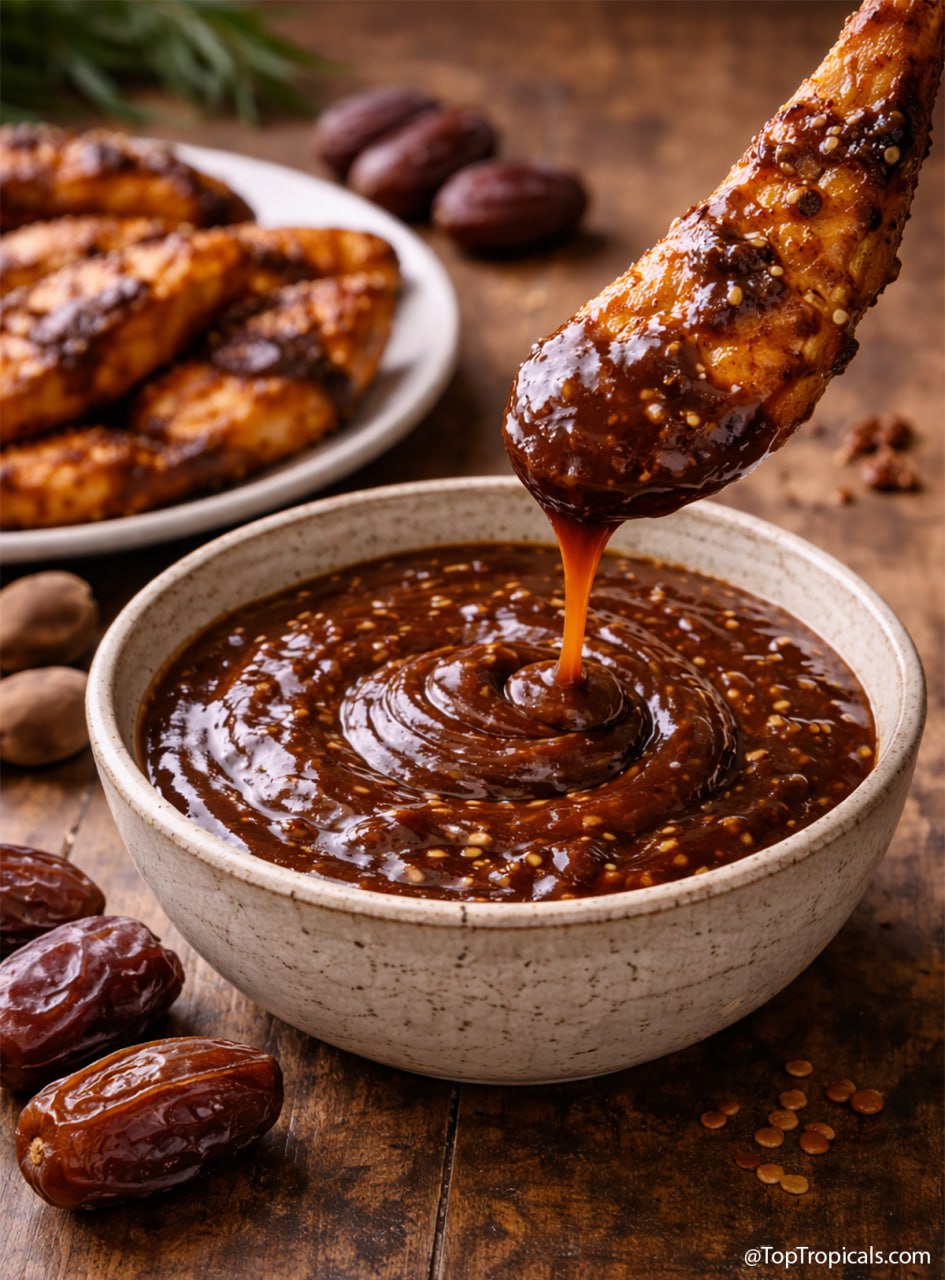
Tamarind date dipping sauce
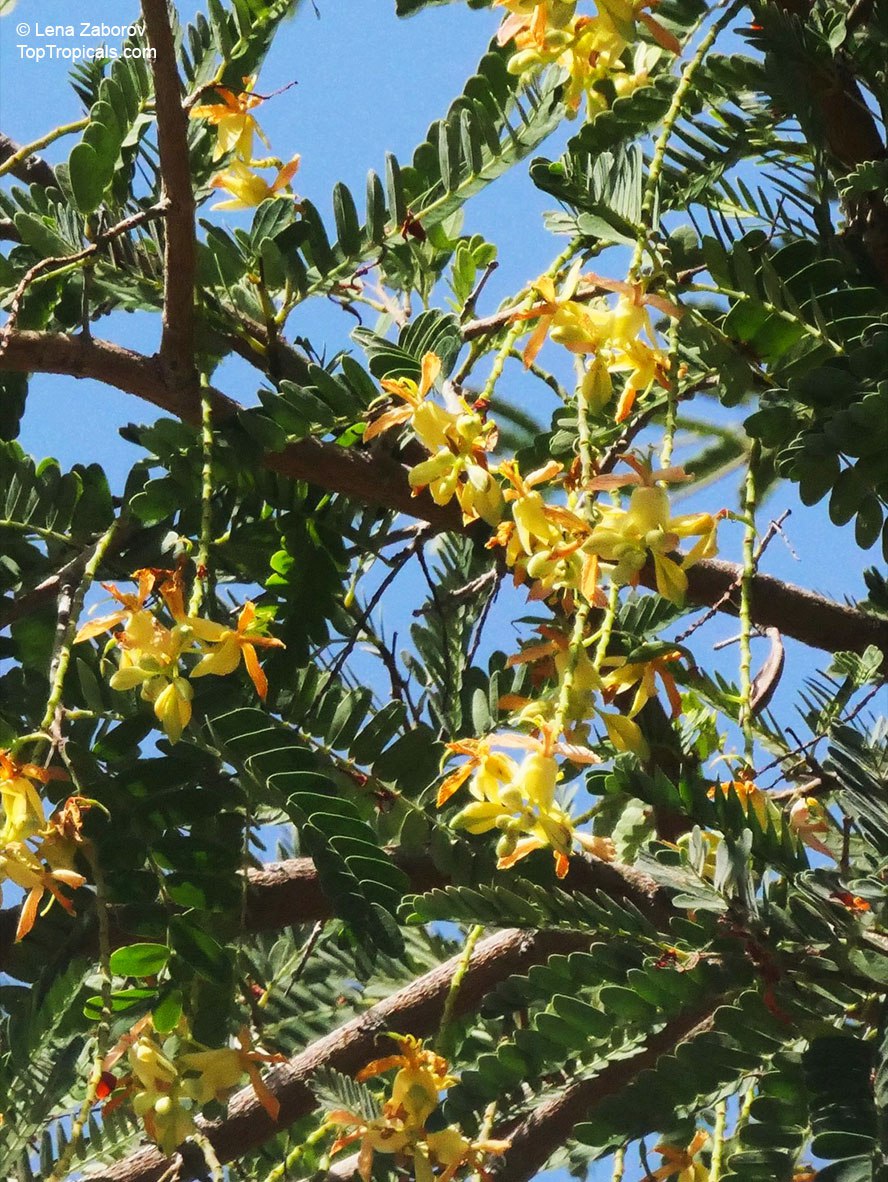
Tamarind - Tamarindus indica - flowers
🍴 Tamarind date dipping sauce: quick-n-fun exotic recipes
Tamarind Date Dipping Sauce
Ingredients
- 3 soft dates
- 1 tablespoon tamarind pulp
- 1 pinch salt
- 2-3 tablespoons warm water
Instructions
- Soak the dates briefly in warm water if they are firm.
- Add the dates, tamarind pulp, and salt to a blender.
- Blend until smooth.
- Add warm water gradually until the sauce reaches dipping consistency.
- Serve with snacks, roasted vegetables, or grilled foods.
🌿 About the plant:
When combined with dates, tamarind transforms into a sweet-sour chutney common in Indian street food.
🏡 In the garden:
Tamarind (Tamarindus indica) flowering occurs in warm months with small yellowish blooms. Pollination leads to the familiar curved pods.
🛒 Add Tamarind tree to your garden
📚 Learn more:


Tamarindus indica in Plant Encyclopedia
#Food_Forest #Recipes
🟢 Join 👉 TopTropicals
Date: 26 May 2026
♊ Gemini Season Starts. We Are Five Days Late. Very Gemini.
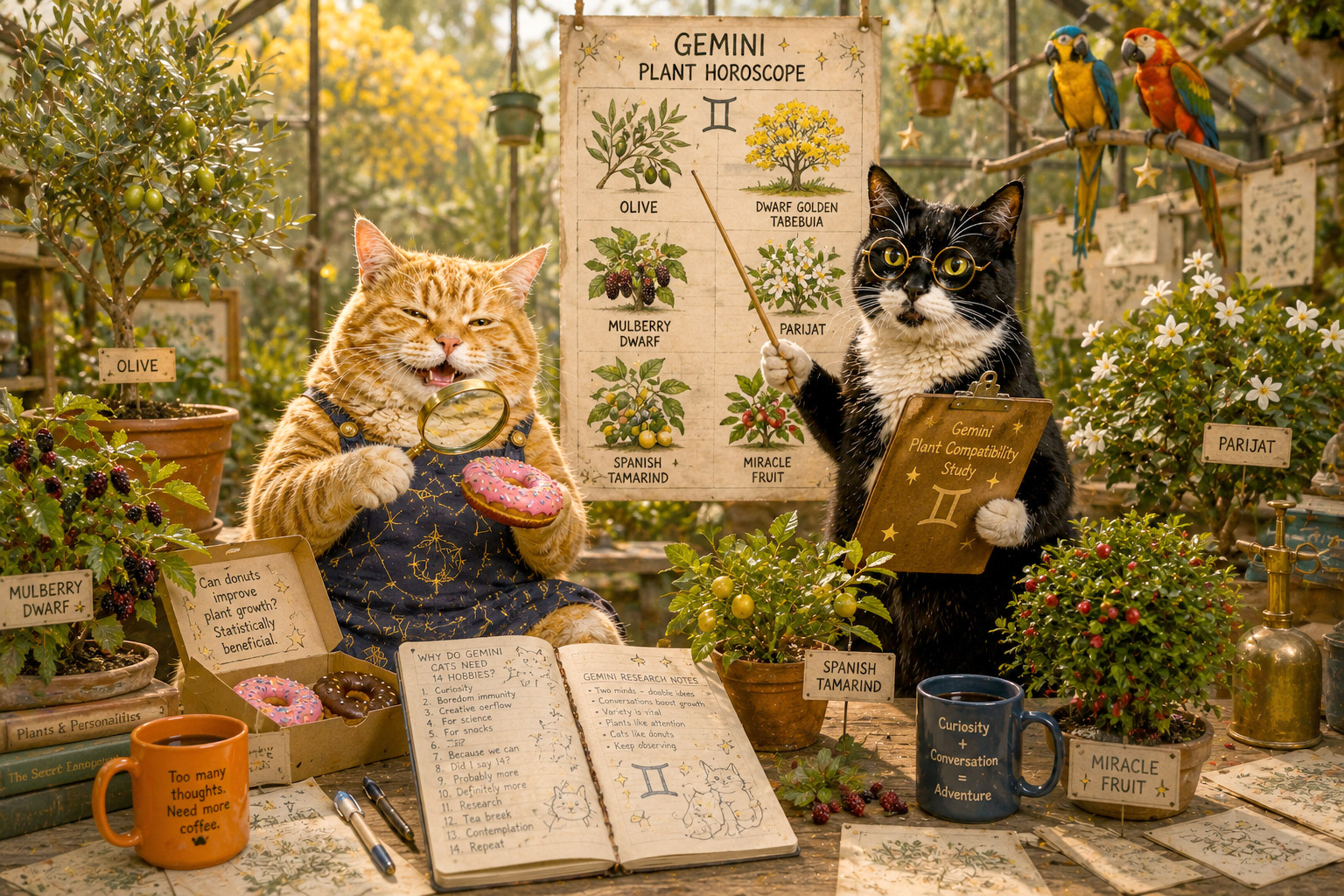
Smokey: You meant horoscopes.
Sunshine: That is what I said.
Smokey: You said gyroscopes.
Sunshine: Same thing.
Smokey: One predicts your future. The other stabilizes aircraft.
Sunshine: I don't believe in aircraft either.
Smokey: She left, didn't she.
Sunshine: She said she had to go assemble something.

♊ Gemini season started on May 21. Today is May 26 But honestly? That is not a problem. That is actually very Gemini. Gemini probably got distracted, opened three browser tabs, started a new hobby, forgot what it was doing, and came back five days later with a notebook full of ideas and zero apologies. So here we are.
Why these plants and not others
No, there is no scientific proof that olive trees belong to Gemini. We checked. The olives refused to comment. But if you are going to assign plants to zodiac signs — and we are — then Gemini deserves plants with intelligence, motion, surprise, fragrance, and a little chaos. Gemini is the sign of curiosity, conversation, and dual natures. It gets bored easily and talks to everyone at the party. These plants were picked because they fit that energy. And also because they are genuinely good plants worth growing, which Smokey insisted we mention.
Olive (Olea europaea)
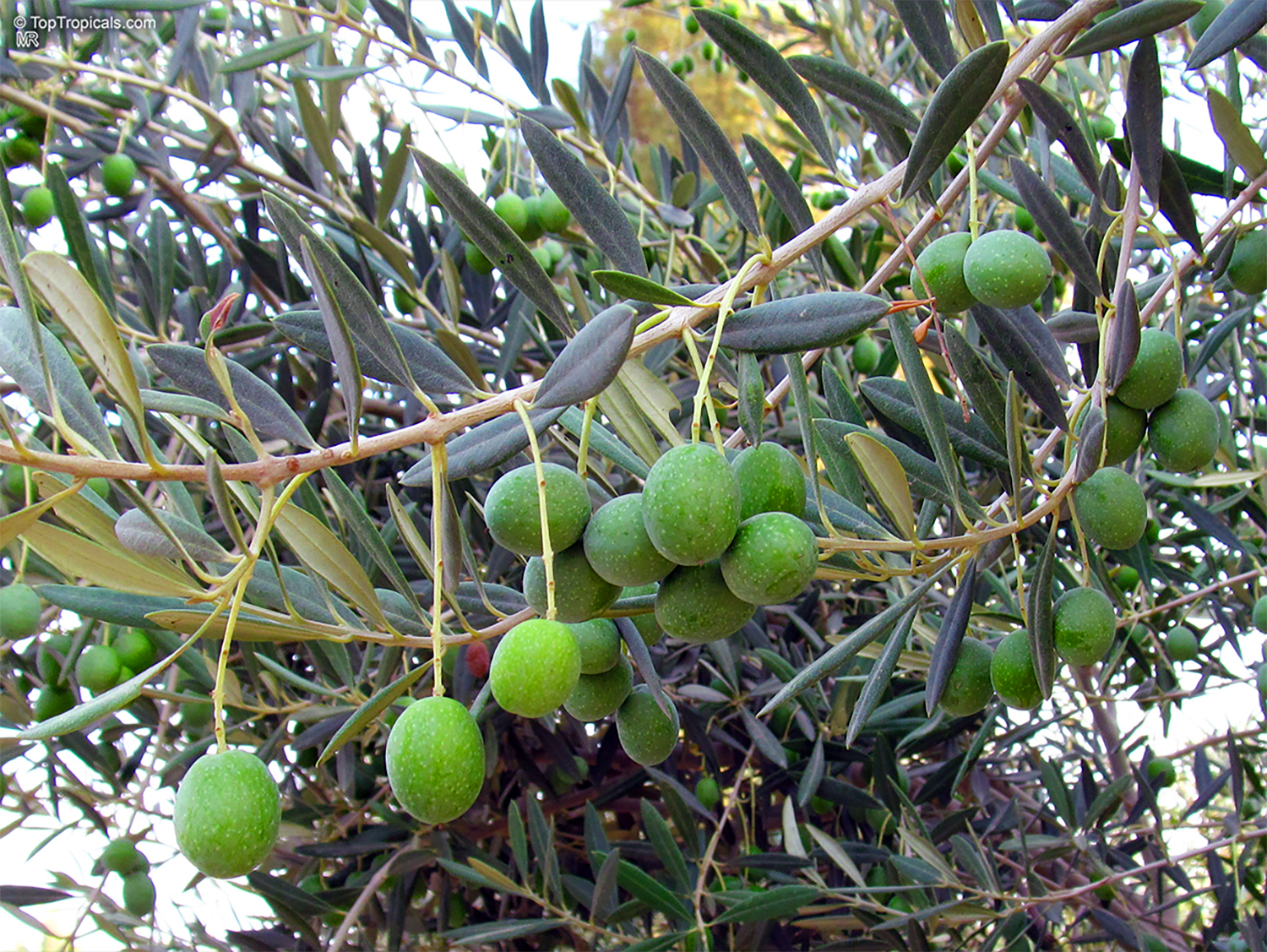
Olive is the thinking plant of this group. Ancient, silver-leaved, and quietly dramatic, it belongs to Gemini because Gemini loves history, long conversations, and plants that look like they know something you don't.
If you are growing olive in a container — which works very well — give it full sun, fast-draining soil, and a firm commitment to not overwatering it. Olive does not want wet feet. It wants to think in dry conditions, like a philosopher in a warm courtyard.
Sunshine: And snacks with much better branding than they get credit for.
Dwarf Mulberry (Morus sp.)
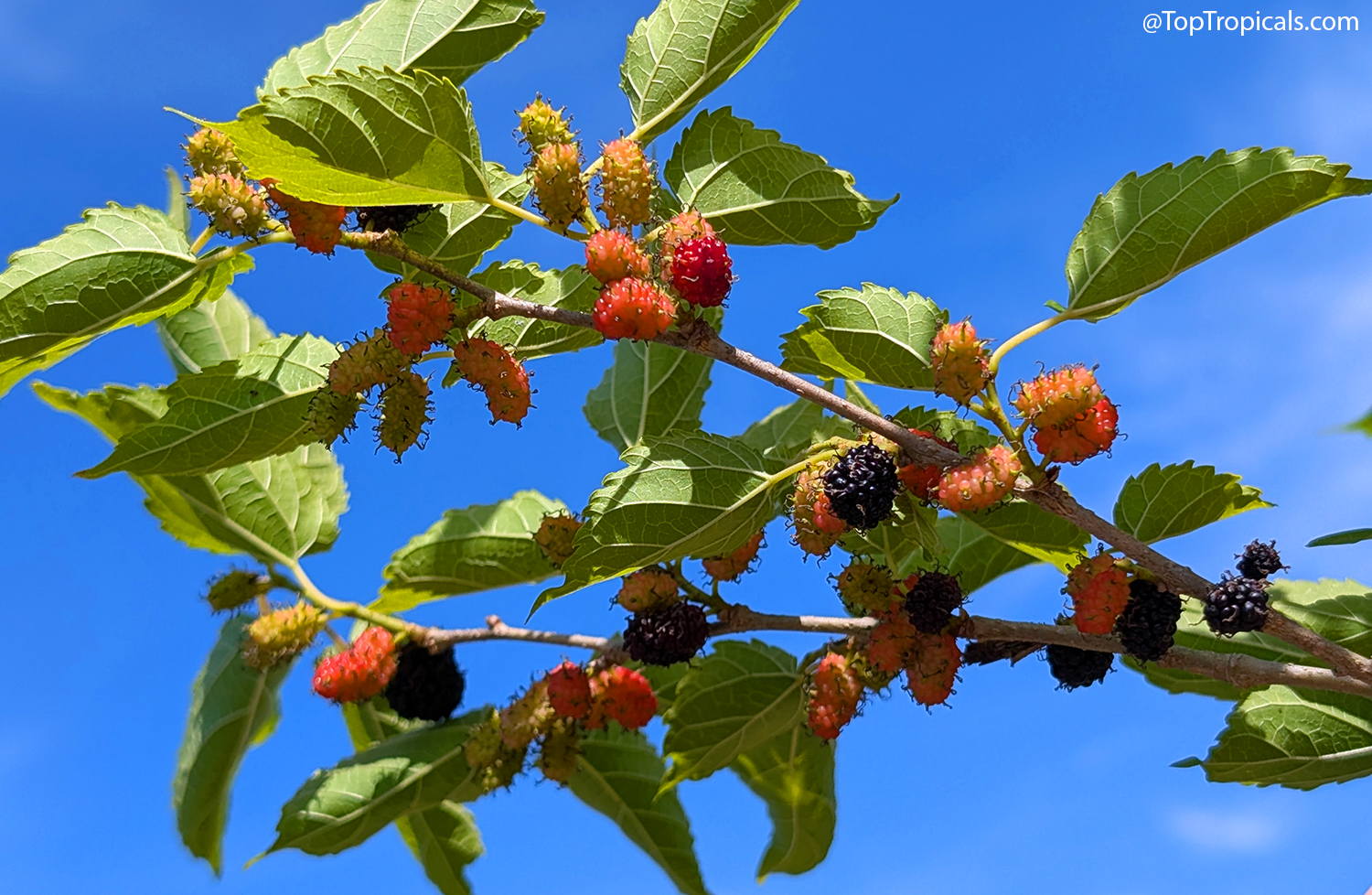
Mulberry is Gemini in motion. It grows fast, produces generously, and absolutely refuses to be boring. A standard mulberry will take over your yard before you finish reading this sentence. A dwarf mulberry, however, is patio-friendly, container-happy, and still delivers fruit, birds, and mild garden chaos on schedule.
Prune after fruiting to keep the shape. Full sun. Large pot if you're growing in a container. This is the plant for people who want results and do not enjoy waiting.
Sunshine: Finally, a tree with a snack schedule.
Parijat (Nyctanthes arbor-tristis)
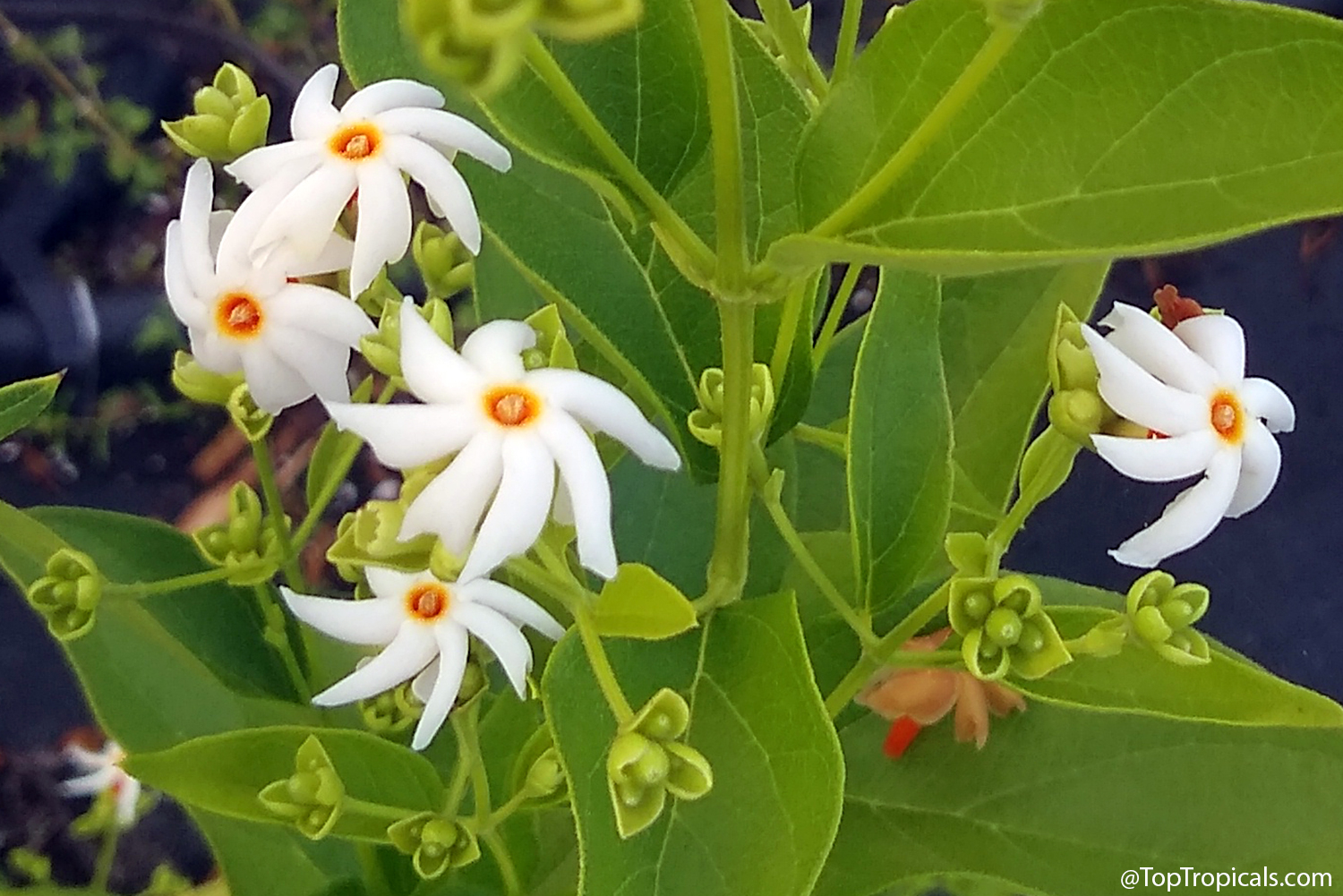
Parijat belongs to Gemini's quieter, more poetic side. It blooms with small fragrant white flowers — orange centers, delicate petals — often at night. By morning, the flowers have fallen. They drop like little messages from the universe, which Sunshine finds meaningful and Smokey finds botanically interesting.
This one is for the gardener who wants something to actually stop and look at. Good in containers, good on a warm patio, needs decent light and warmth to do its best work.
Sunshine: It's a tree that leaves notes.
Dwarf Golden Tabebuia (Tabebuia chrysotricha)
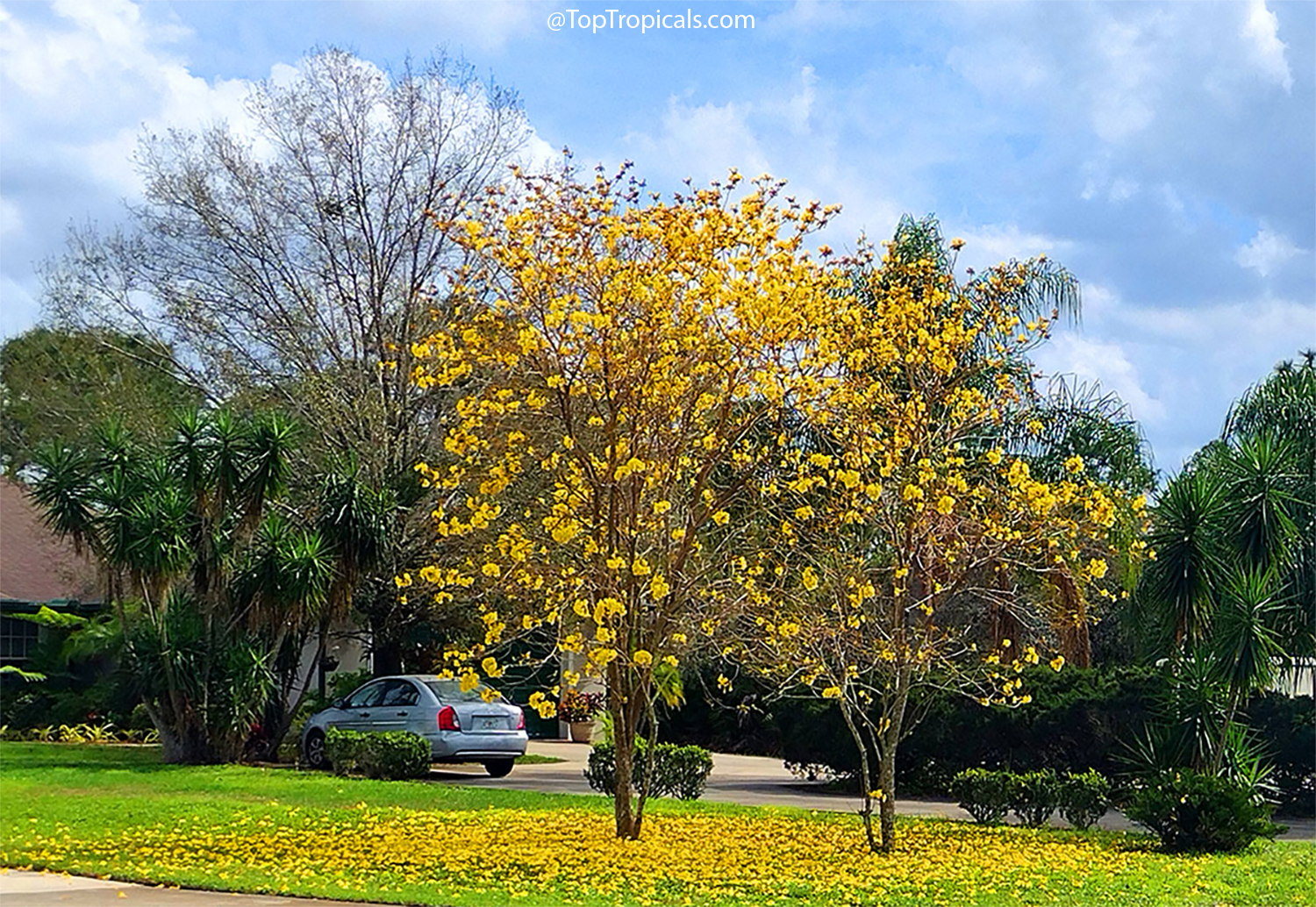
This is the Gemini show-off. Quiet for most of the year, then suddenly covered in golden yellow flowers like it just remembered it has an announcement to make.
Dwarf Golden Tabebuia is compact enough for a large container or a sunny entrance, but it needs strong light to bloom well. Give it sun. Give it room. Then step back and let it perform.
Sunshine: Botanical applause.
Miracle Fruit (Synsepalum dulcificum)
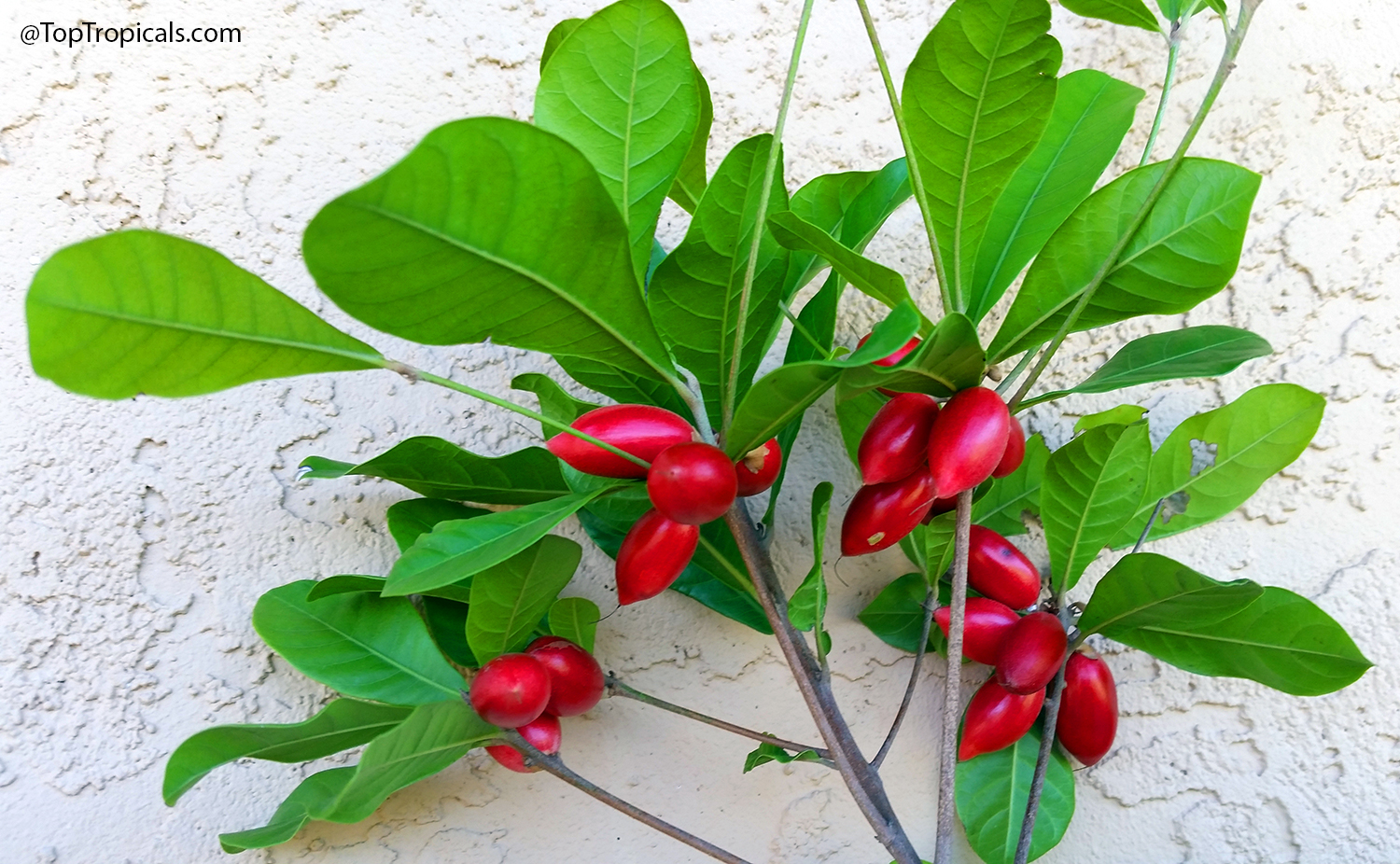
Miracle Fruit belongs on this list because it is, without argument, the most Gemini plant in existence. It does not taste like much on its own. But eat one berry and everything sour suddenly tastes sweet. Lemons taste like lemonade. Lime juice tastes like candy. A plain piece of sourdough becomes something you would pay extra for. The fruit literally changes how you experience everything that comes after it.
If that is not Gemini energy — dual nature, transformation, making you see the same thing two completely different ways — nothing is.
Miracle Fruit is a slow grower that likes warmth, humidity, acidic soil, and protection from cold. It does well in containers, which is good news because it genuinely hates frost. Keep it in a pot, bring it in when temperatures drop, and give it filtered light or morning sun rather than harsh afternoon exposure.
Sunshine: It's a fruit that lies. Beautifully.
Spanish Tamarind (Wild Medlar, Vangueria infausta)
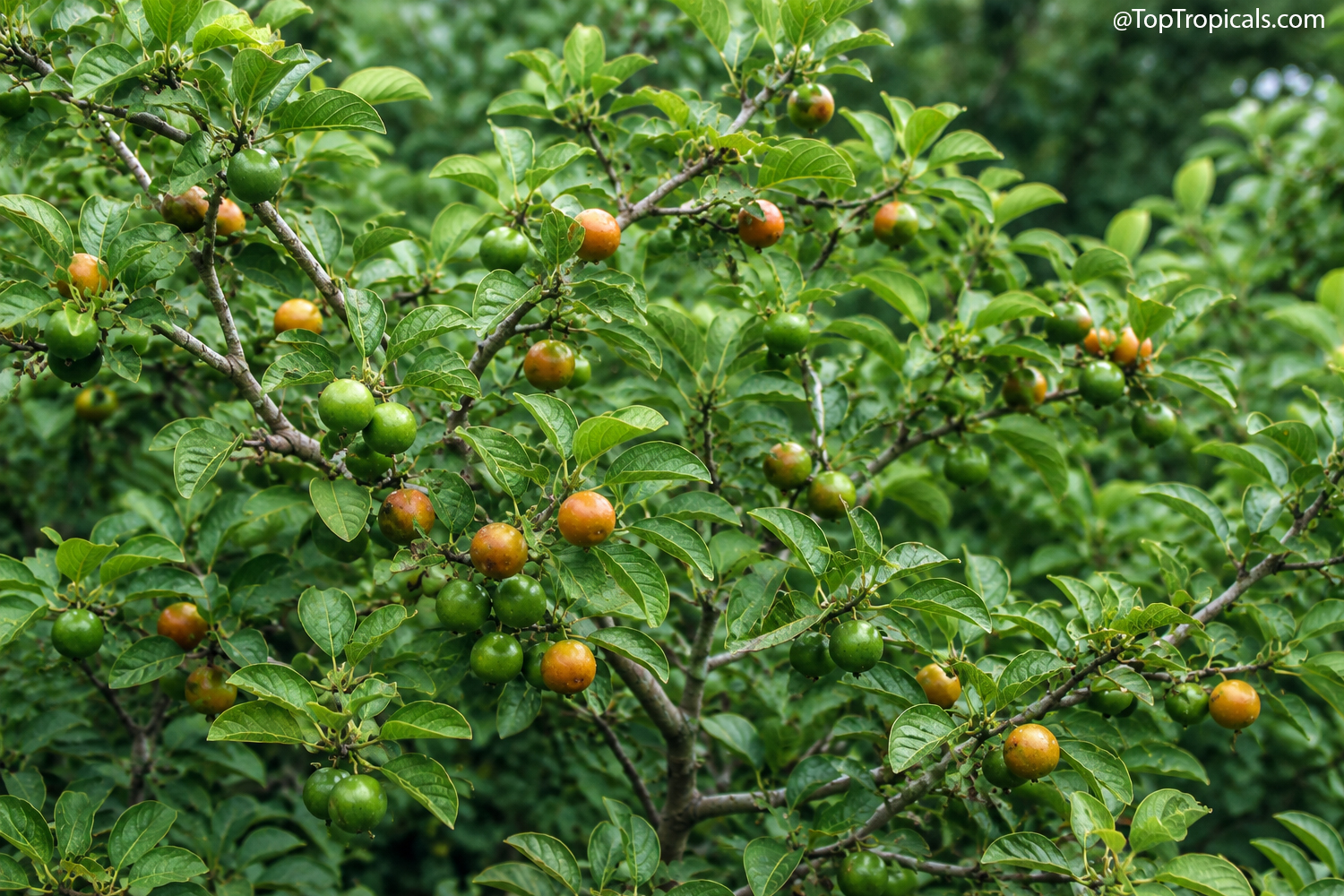
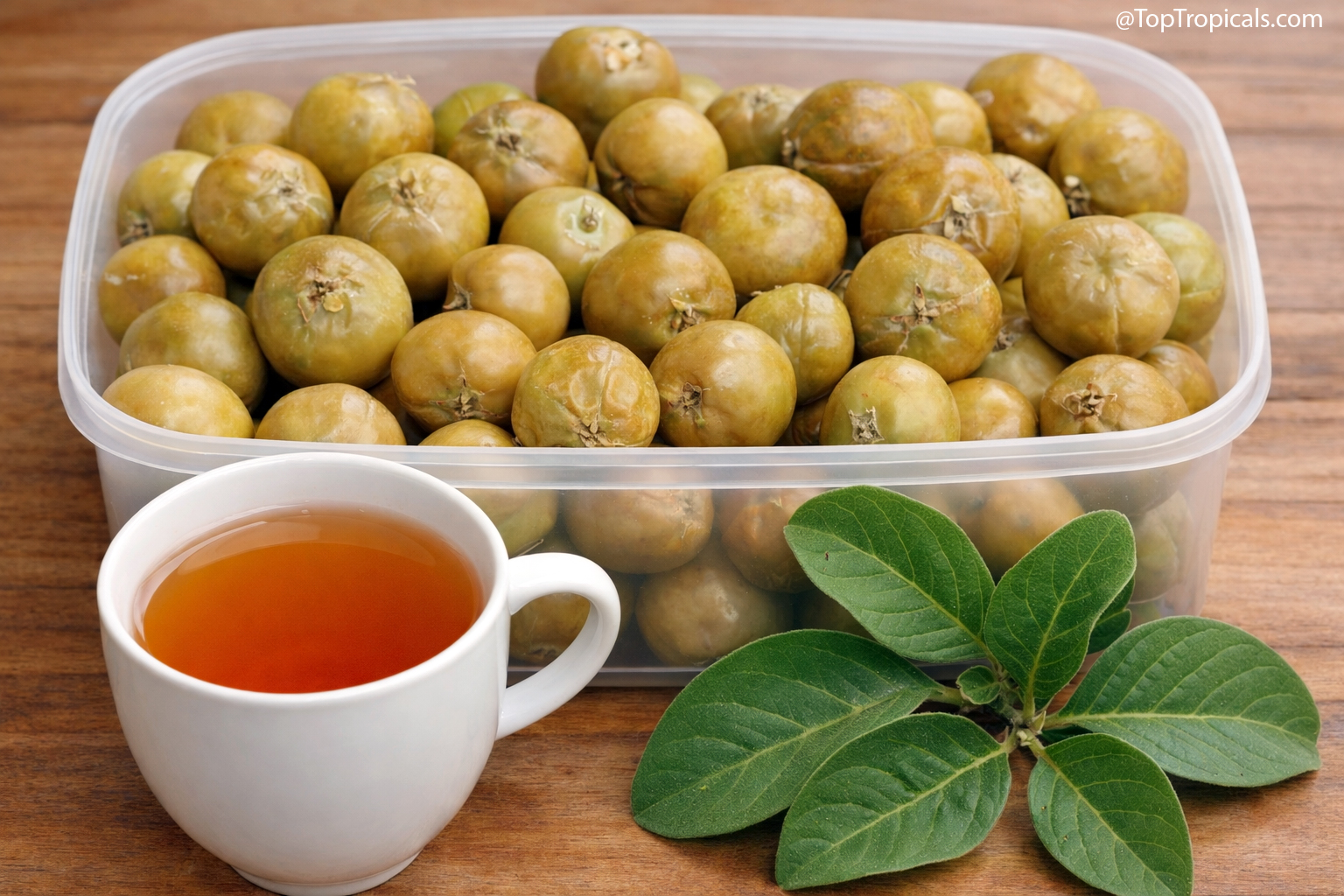
Spanish Tamarind belongs to Gemini because it is unusual enough to start a conversation before anyone even knows what it is. The name alone does it. People will ask. You will explain. The fruit changes color as it ripens, the plant has collector appeal, and the whole thing feels like something you found in a book about plants that don't get enough attention.
This one needs warmth, sun, good drainage, and patience. It can live in a container with pruning. It rewards the gardener who is genuinely interested in something a little different.
Sunshine: Sounds like something I would order at a restaurant without reading the description.
Horoscope aside — why these plants are actually worth growing
Even if Gemini energy has nothing to do with your garden, these plants offer real value: fruit, fragrance, flowers, container growing, and something interesting to look at or talk about.
- Olive — full sun, excellent drainage, don't overwater, thrives in containers. Tropical varieties: USDA Zone: 8-10. Cold hardy to 15-20°F.
- Dwarf Mulberry — full sun, large pot, prune after fruiting, fast results. USDA Zone: 8-11. Cold hardy to 20-25°F. Most mulberry varieties can be grown in USDA Zone 5-6 to 10 and cold hardy to 5°F.
- Parijat — warmth, good light, patio or container, fragrant and ornamental. USDA Zone 9-11. Tolerates light freezing to about 30°F for short periods (mature plants). Young plants must be protected.
- Dwarf Golden Tabebuia — strong sun, large container or sunny ground spot, compact but dramatic when it blooms. USDA Zone 9-11. Protect young plants from frost. Best flowering in full sun.
- Spanish Tamarind — warmth, sun, drainage, patience, collector interest. USDA Zone 9-11. USDA Zone 10-11, possibly warm Zone 9b in protected microclimates. Protect from frost, especially young plants.
- Miracle Fruit — warmth, humidity, acidic soil, filtered light, protect from frost. Best in containers. USDA Zone 10-11. Cold hardy only to about 40°F — bring it in well before first frost, not after.
Can you grow them in pots?
Yes. With the standard warning: a pot is not magic. Use a large container, fast-draining soil, full sun where the plant wants it, regular feeding with Green Magic conrolled-release fertilizer every 6 months and Sunshine Boosters - safe to use with every watering. Apply a bit of pruning when things get out of hand.
Sunshine: A pot is a drainage system with ambitions.
📅June gardening reality check
June is a good time to establish tropical and subtropical plants. The soil is warm, the days are long, and actively growing plants will take root faster than they would in cooler months.
👉 A few things to keep in mind:
- Containers dry out fast even when rain increases. Check them. Don't assume rain did the job.
- Don't let pots sit in standing water. Root rot is quiet until it isn't.
- Feed actively growing plants. They are working hard and they need the input. We recommend Green Magic controlled release fertilizer during active growth (twice a year) and Sunshine Boosters for spray and daily watering year around.
- Watch new growth for pests. Tender leaves are the first target.
- Prune lightly to shape if needed, but don't do heavy cutting in peak heat. Save that for after flowering or early in the season.
- Mulch around in-ground plants to hold moisture, but keep mulch away from the trunk.
🌠 The stars don't care? Grow anyway!
Maybe the stars do not care whether your garden is a Gemini garden. Maybe olive trees are not receiving transmissions from Mercury. But a garden full of fruit, fragrance, flowers, and strange little stories is still a very good idea.
Sunshine: Second. The donut research was also important.
Happy Gemini gardening season from all of us!
Date: 13 Mar 2026
Tamarind shrimp stir-fry: quick-n-fun exotic recipes
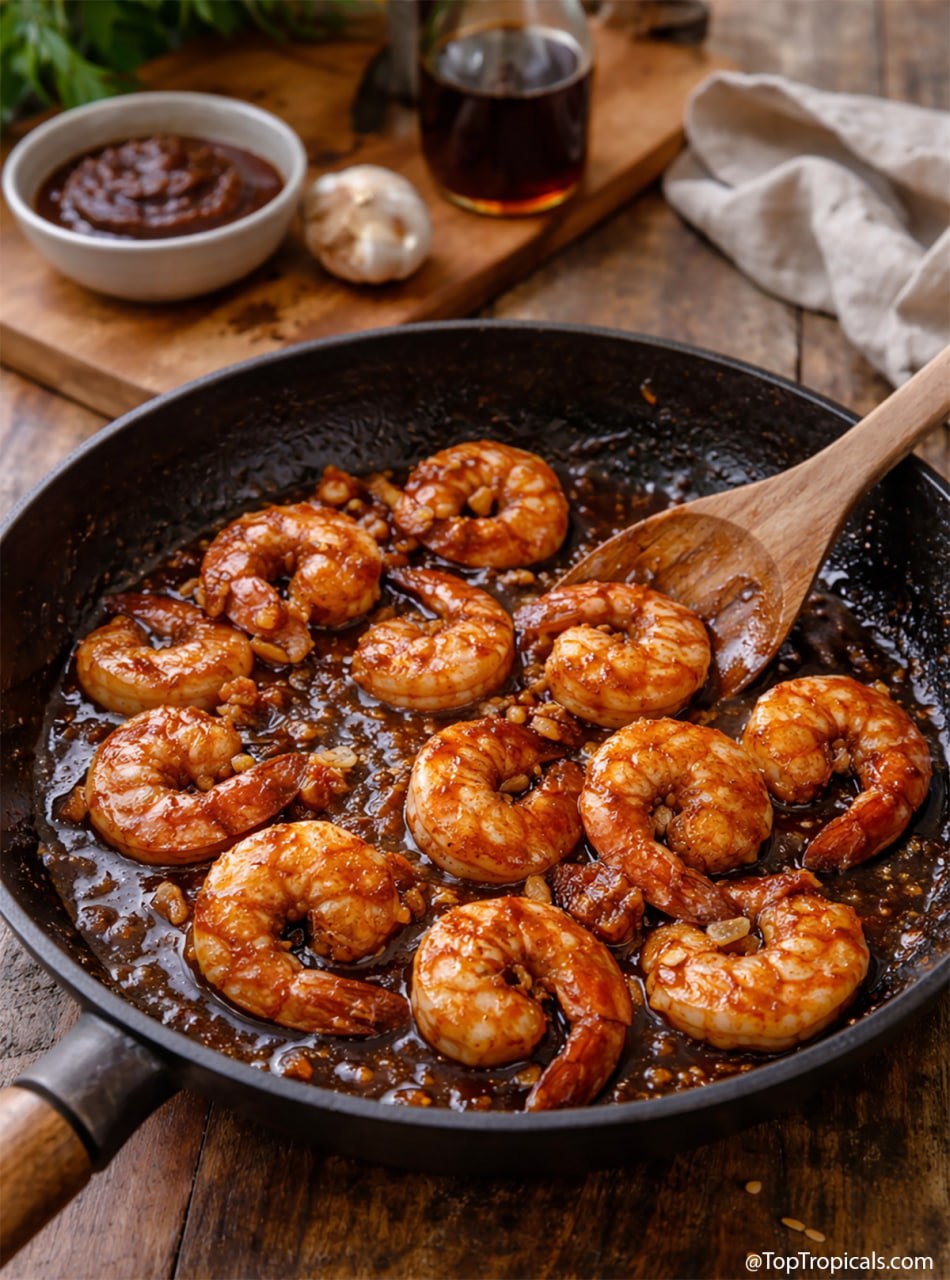
Tamarind shrimp stir-fry in skillet
🍴 Tamarind shrimp stir-fry: quick-n-fun exotic recipes
Tamarind Shrimp Stir-Fry
Ingredients
- 1 lb shrimp, peeled and deveined
- 2 tbsp tamarind pulp
- 2 cloves garlic, minced
- 1 tbsp fish sauce
- 1 tbsp brown sugar
- 1 tbsp vegetable oil
- 1 tbsp water (to loosen tamarind pulp if needed)
- Optional: sliced green onions or chili flakes for garnish
Instructions
- In a small bowl mix tamarind pulp, garlic, fish sauce, brown sugar, and water until a smooth sauce forms.
- Heat oil in a very hot skillet or wok.
- Add shrimp and stir-fry for 3 to 4 minutes until they begin turning pink.
- Pour the tamarind sauce into the skillet and toss shrimp to coat evenly.
- Cook about 1 more minute until the sauce becomes glossy and slightly thick.
- Serve immediately. Garnish with green onions or chili flakes if desired.
🌿 About the plant:
The pulp of tamarind can be used fresh from the pod, pressed into blocks, or sold as concentrate. Its acidity works like citrus but with more complexity - slightly fruity, slightly caramel-like.
🏡 In the garden:
Tamarind trees - Tamarindus indica - are drought-tolerant once established and surprisingly hardy in brief cool snaps. They develop a beautiful spreading canopy and fine, fern-like leaves that close at night.
🛒 Plant a Tamarind tree
📚 Learn more:
Tamarindus indica in Plant Encyclopedia
#Food_Forest #Recipes
🟢 Join 👉 TopTropicals
Date: 11 May 2023
The
Wonderful World of Tamarind:
from Planting to Plating
Q: I use a lot of tamarind in my cooking. Can I grow my own Tamarind fruit? Can Tamarind tree grow in North Florida? Will Tamarind grow well outside or should I keep it in a pot?
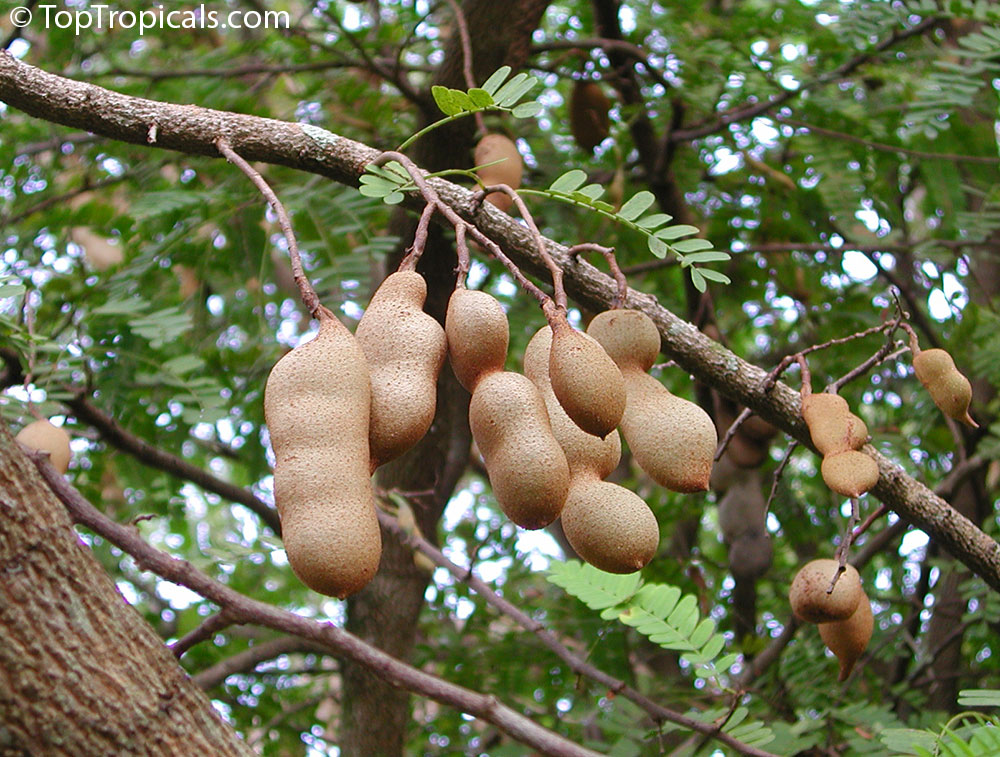
A: Originating from tropical Africa, the Tamarind - Tamarindus indica - is a tropical tree that is highly appreciated for its ornamental beauty, delightful shade, and soft texture.
Tamarind is a highly valued culinary ingredient, with its tangy and sweet-sour flavor profile making it a popular addition to many dishes. It is frequently used in South Asian, Latin American, Caribbean, and African cuisines to add a touch of acidity and sweetness. Tamarind paste, made from the fruit's pulp, is a key ingredient in Worcestershire sauce, tamarind chutney, and many curry dishes. The seeds, when roasted and ground, can be used as a coffee substitute or as a thickening agent in sauces and stews....
Tamarind tree is prized for its versatile fruits and numerous health
benefits. The tree can be grown outside in warm climates, as well as in pots and
indoors... even as bonsai!
CONTINUE READING >>

Date: 20 Jan 2026
7 steps for a care-free Spanish Tamarind - the easiest rare fruit to grow
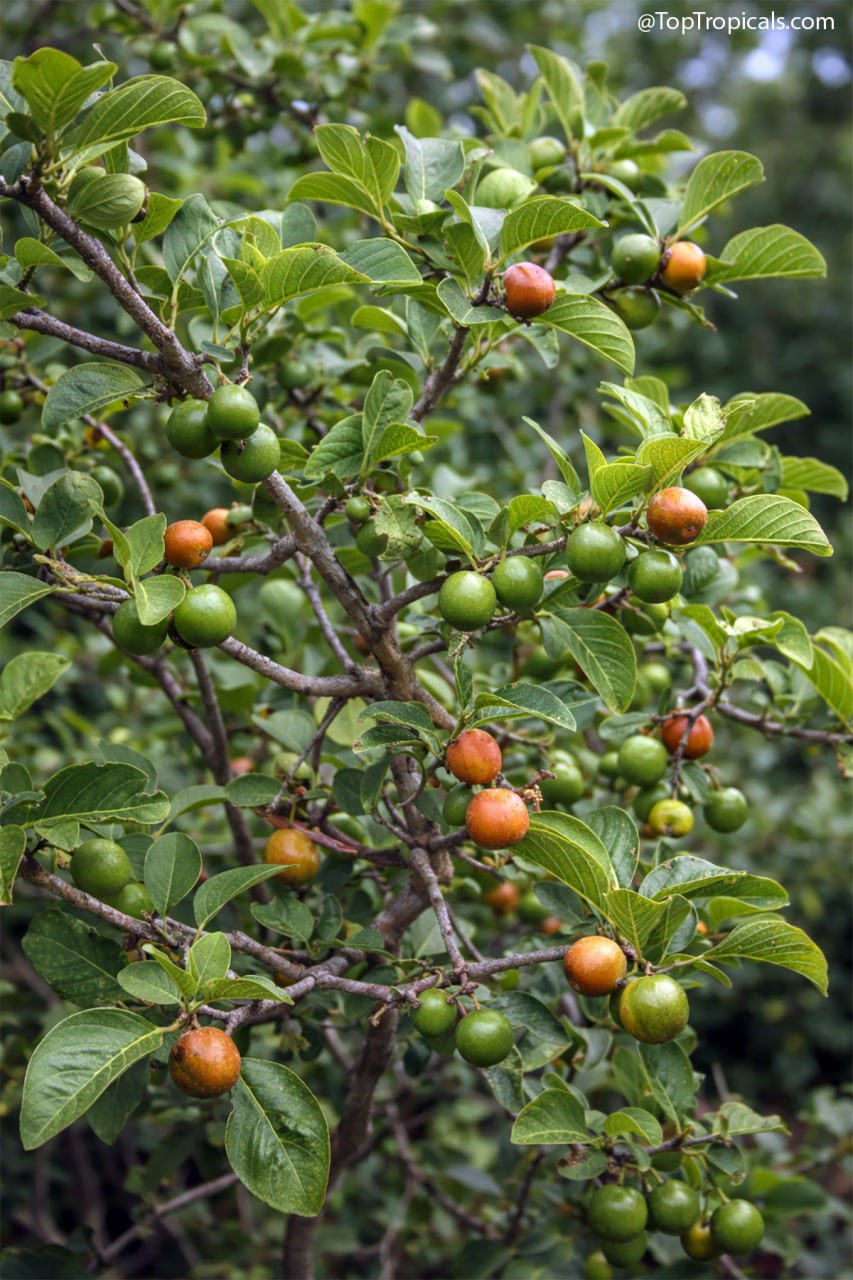
Vangueria infausta (Spanish Tamarind, Wild Medlar)
🍊 7 steps for a care-free Spanish Tamarind - the easiest rare fruit to grow
Yes, it can handle light frost - Vangueria infausta (Spanish Tamarind, Wild Medlar) - we just discovered it can handle cold snaps! After a few cold nights in January, our young tree planted just a few months ago, still looks happy and strong!


If you are looking for a tough little fruit tree that thrives on neglect but gives you something truly special in return - try this rare, compact fruit tree. Spanish Tamarind is native to southern Africa, it is drought-tolerant, pest-resistant, and surprisingly cold-hardy once established - making it a great choice even for gardeners in borderline zones.
🛒 Add rare Spanish Tamarind to your rare fruit collection
📚 Learn more:
Vangueria infausta - Spanish Tamarind in Plant Encyclopedia
The wild fruit with a secret: health benefits of rare Spanish Tamarind - the exotic fruit you've never heard of
#Food_Forest #Remedies #Discover
🟢 Join 👉 TopTropicals