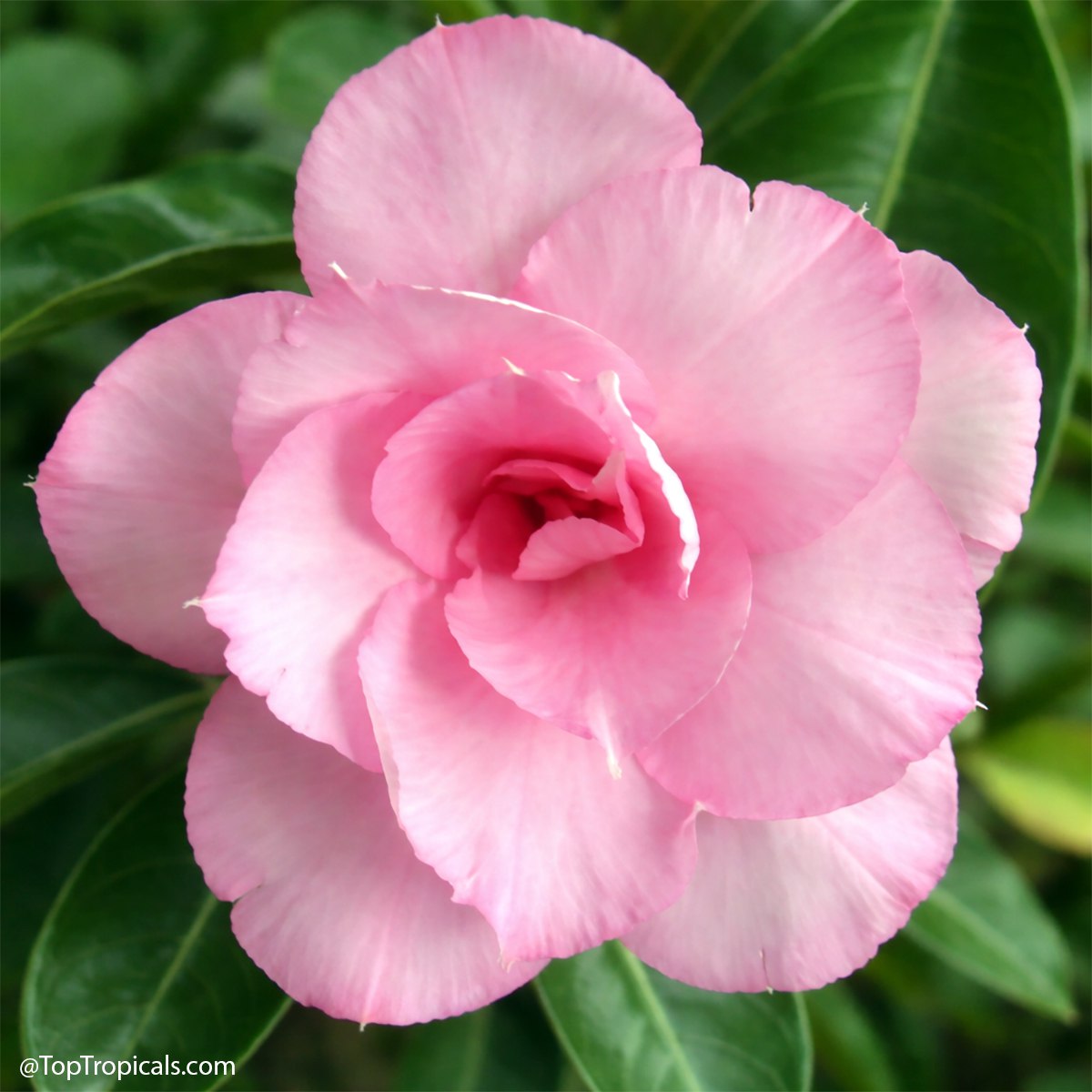
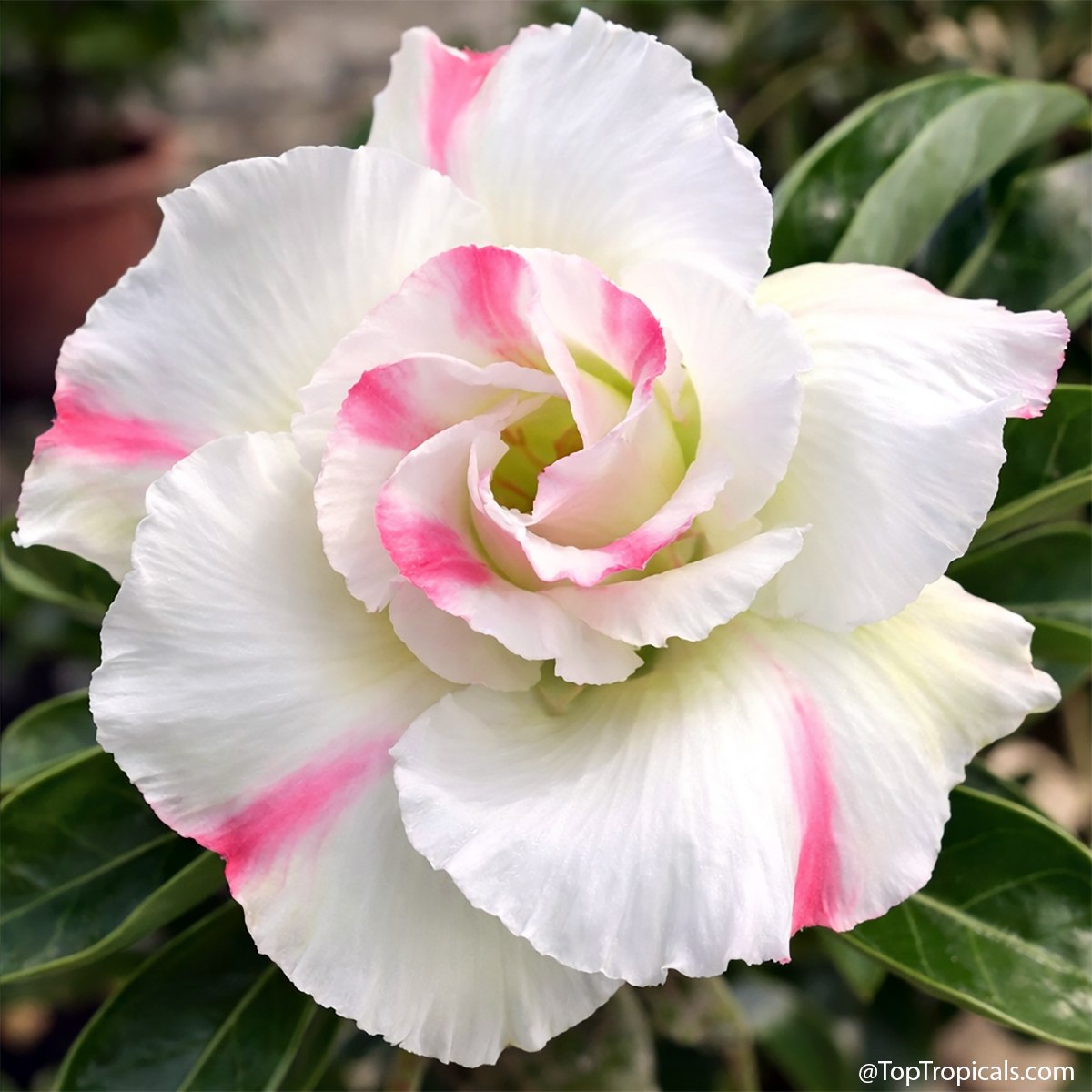
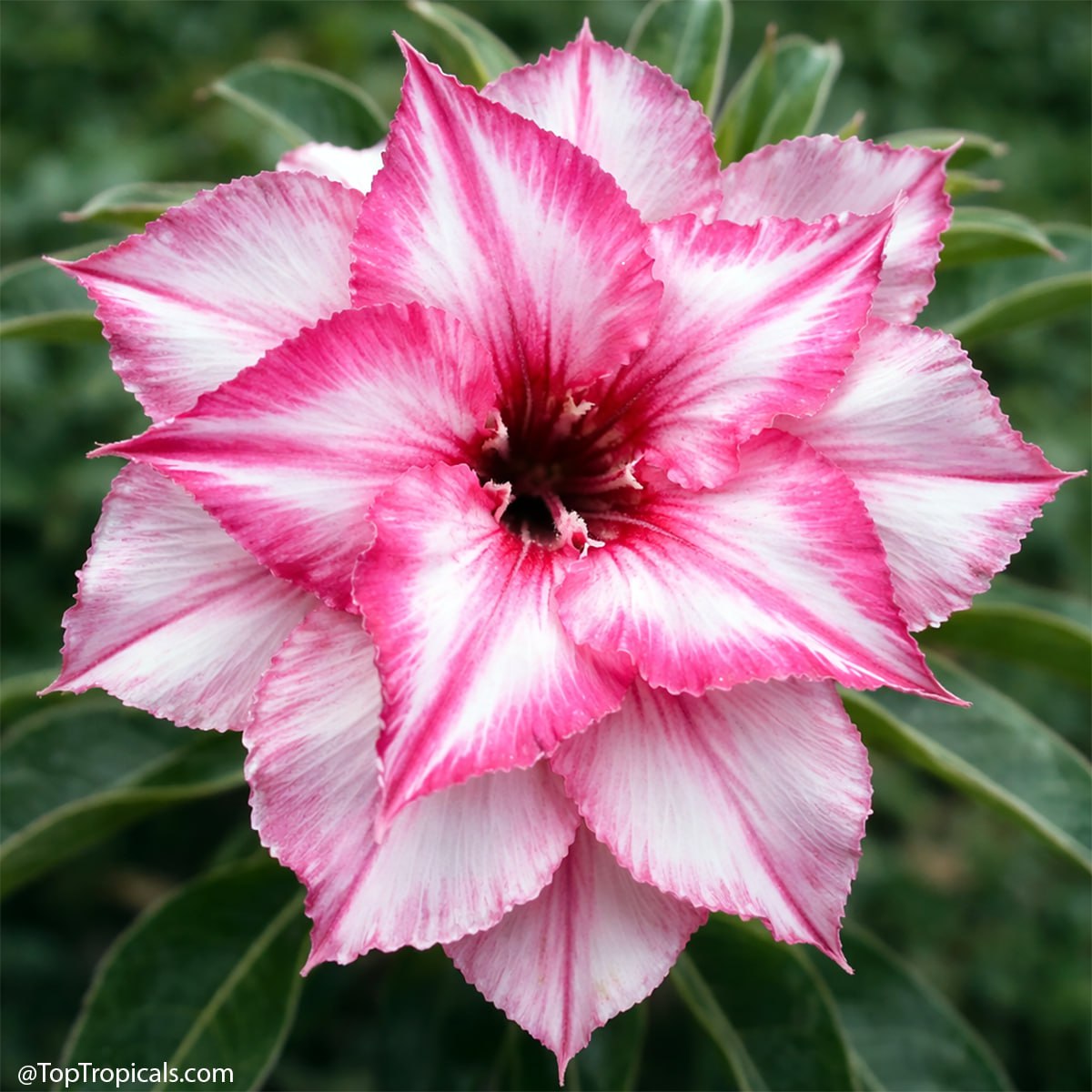
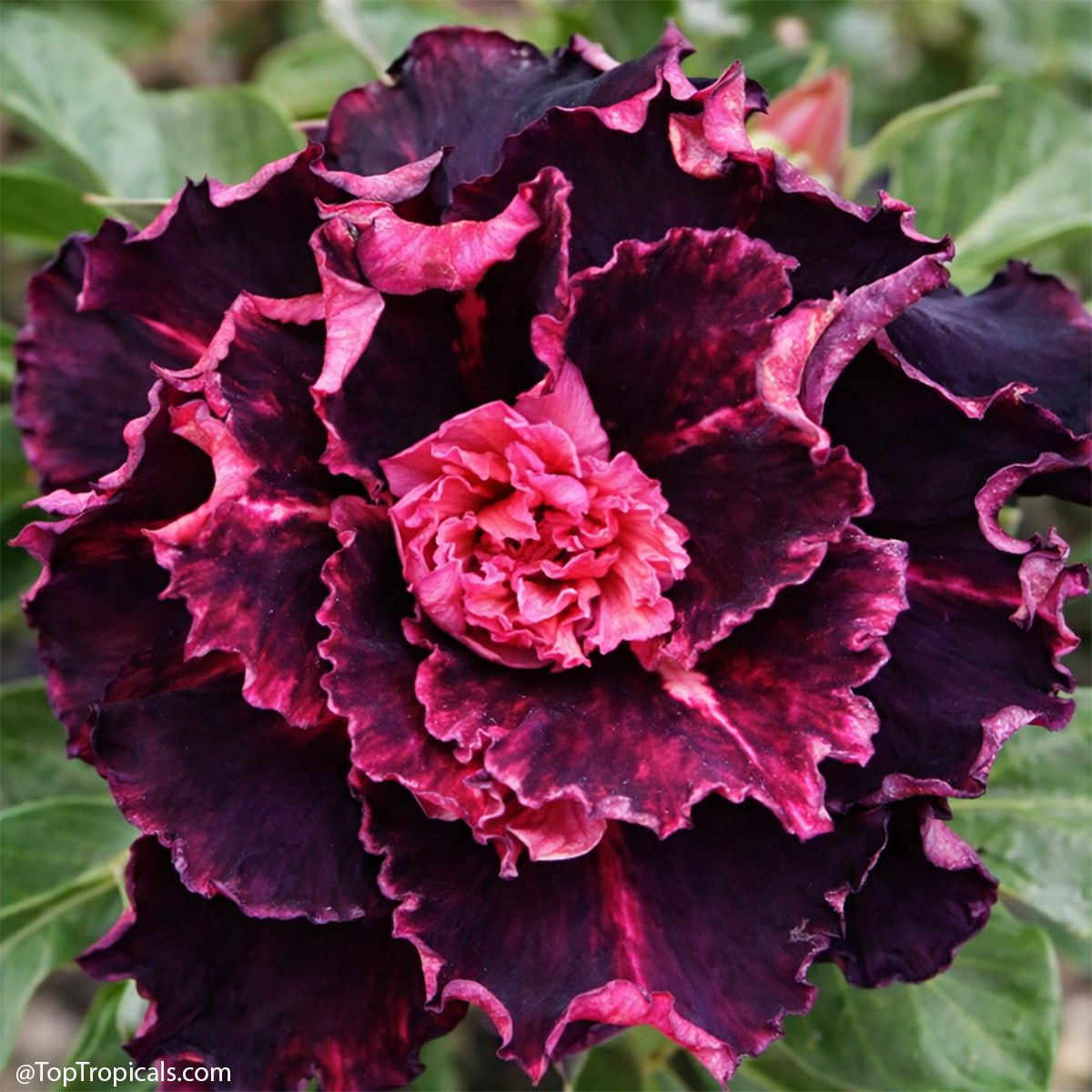
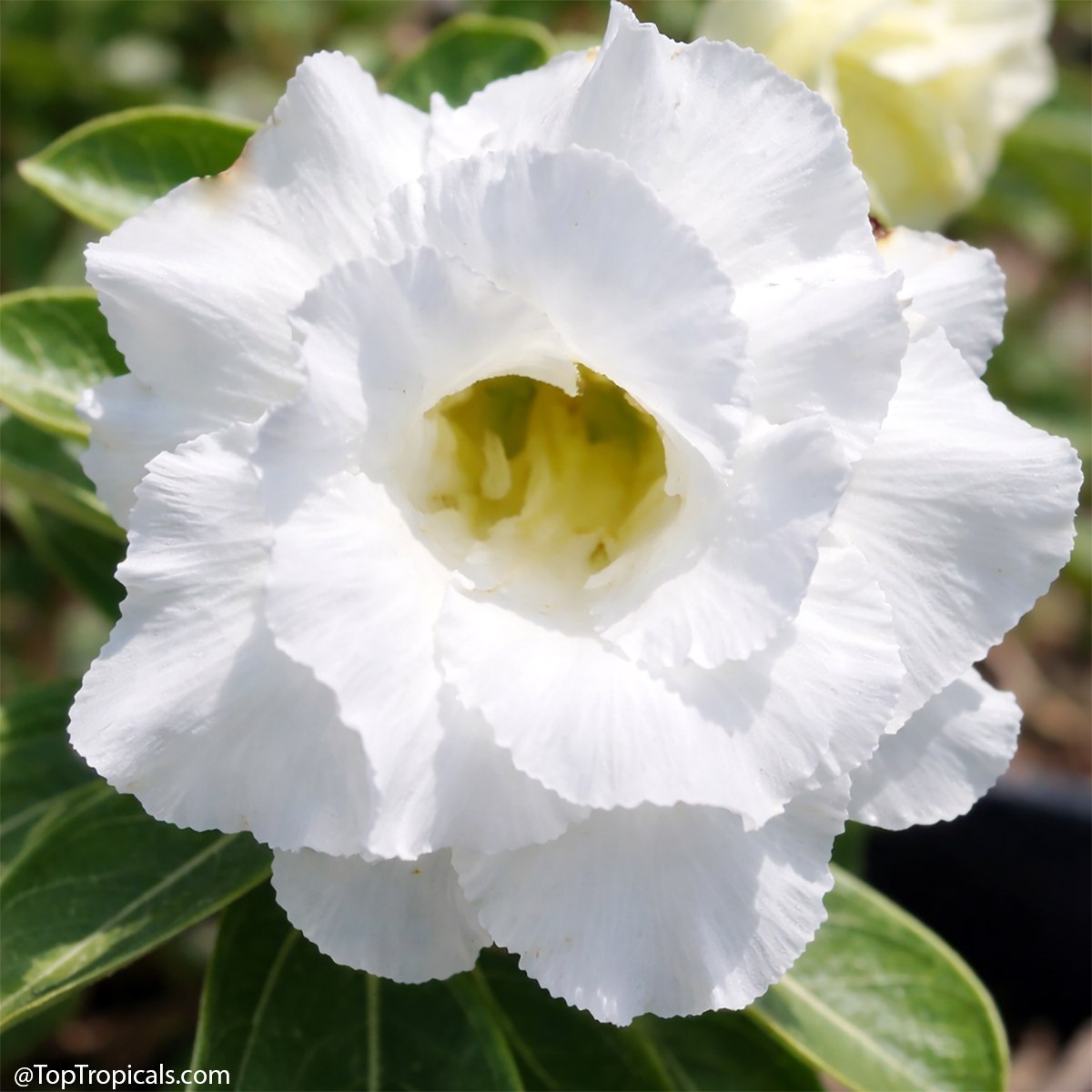
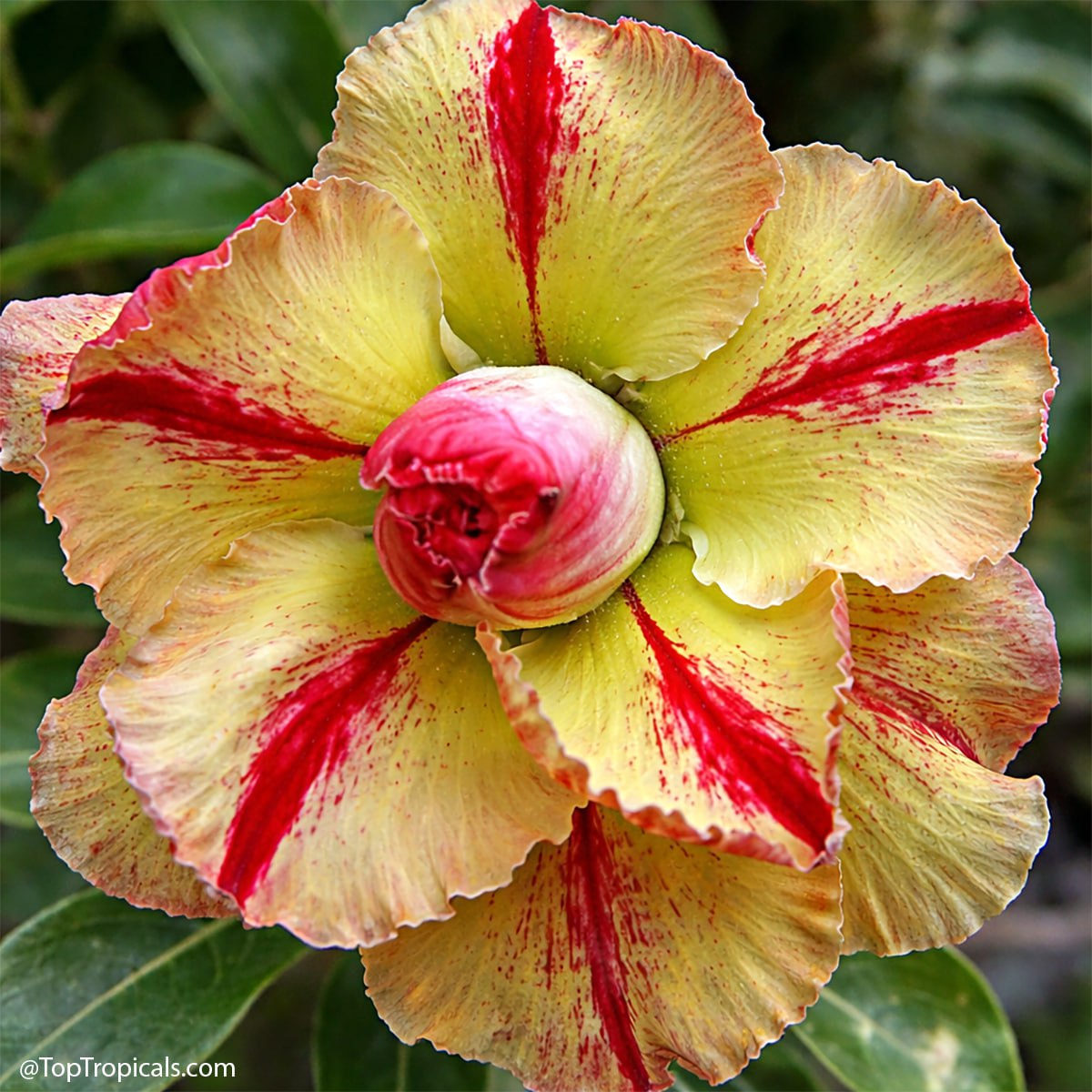
Plumerias are one of those plants that instantly feel like a vacation - soft, fragrant flowers, warm colors, and that unmistakable tropical look. Known as a symbol of Hawaii and the Aloha spirit, they’re loved for their scent, their beauty, and how effortlessly they turn any space into something special. And the best part - their colors feel almost endless, from soft pastels to rich, glowing tropical tones, even into rainbow-like multicolor blooms.
Plumeria Plant Facts
Botanical name: Plumeria sp. Also known as: Plumeria, Frangipani
USDA Zone: 9 - 11
Highligths
💡 How to Grow a Blooming Plumeria?
Plumerias are surprisingly easy to grow - once you follow a few simple rules, they almost take care of themselves. Give them sun, fast-draining soil, and don’t overwater, and they’ll reward you with strong growth and fragrant blooms.
In #PlumeriaRainbow series, we’ll share simple tips to keep them happy, healthy, and blooming - bringing that perfumed tropical Aloha right into your garden.
🌸 Today's featured plumerias
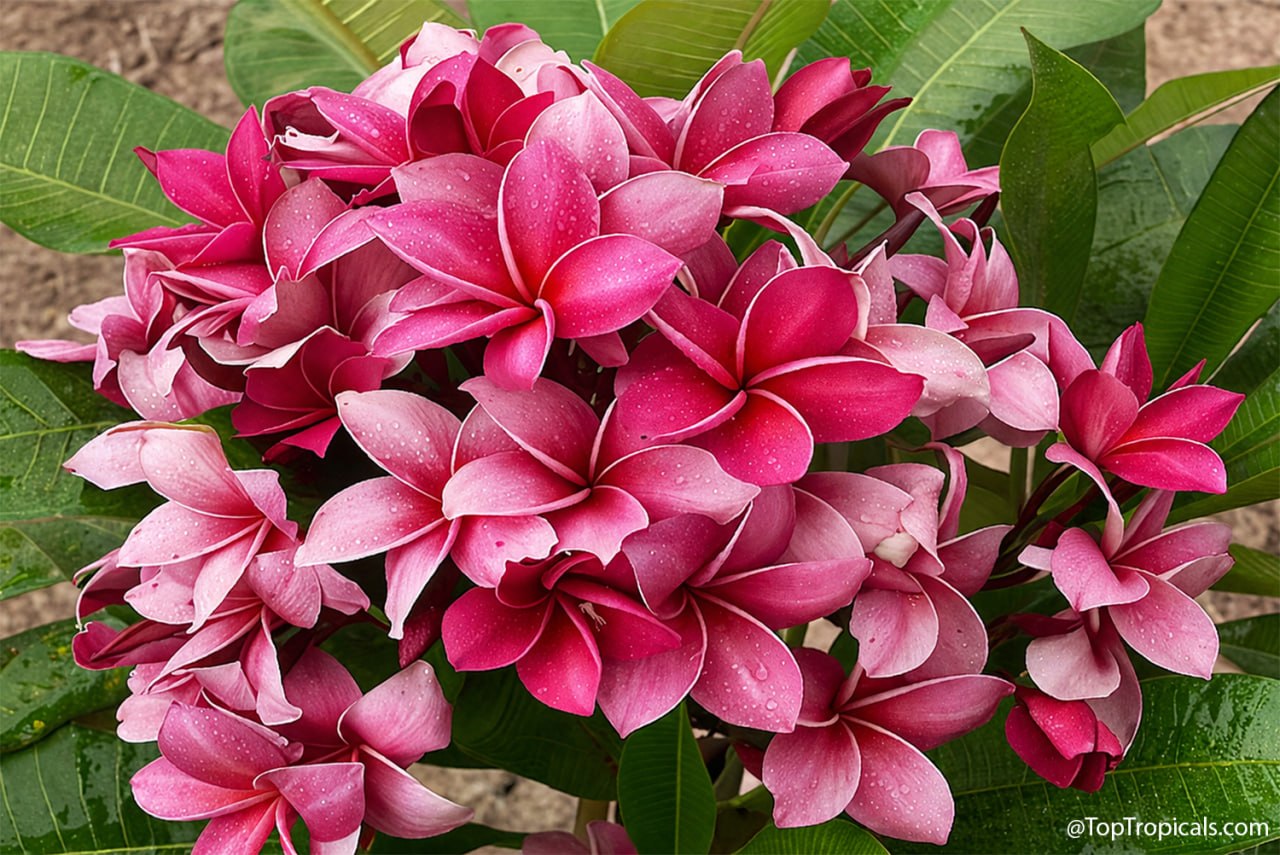
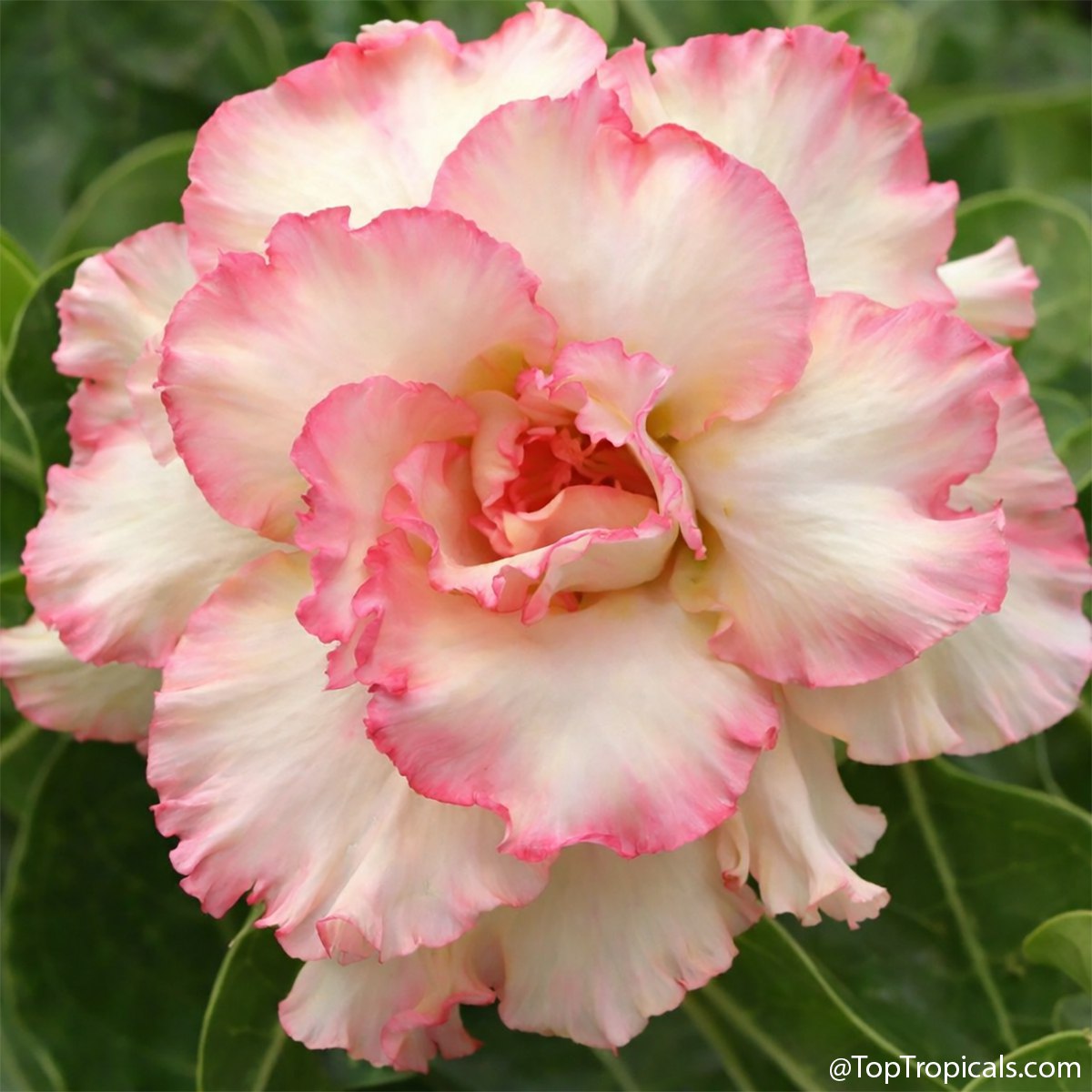
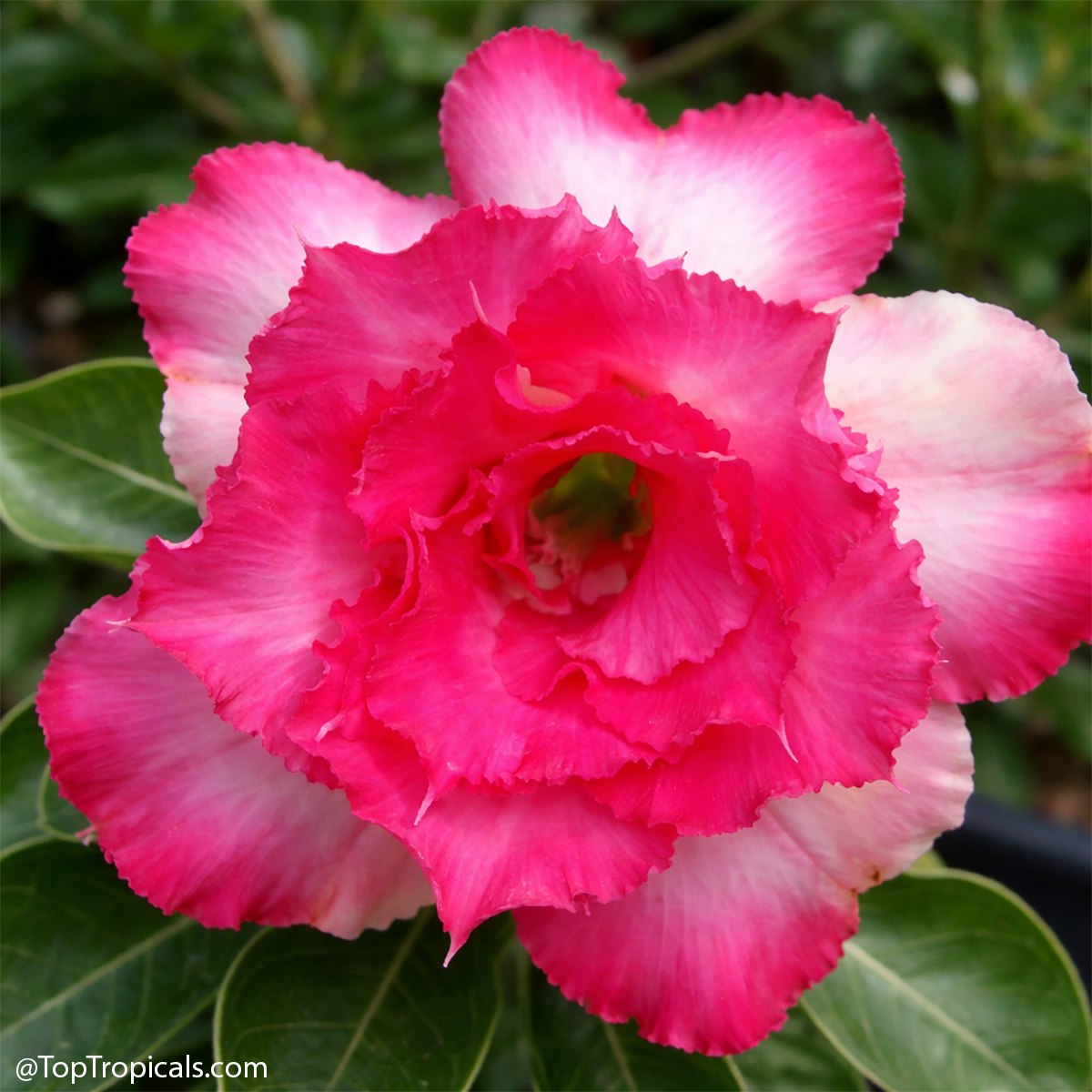
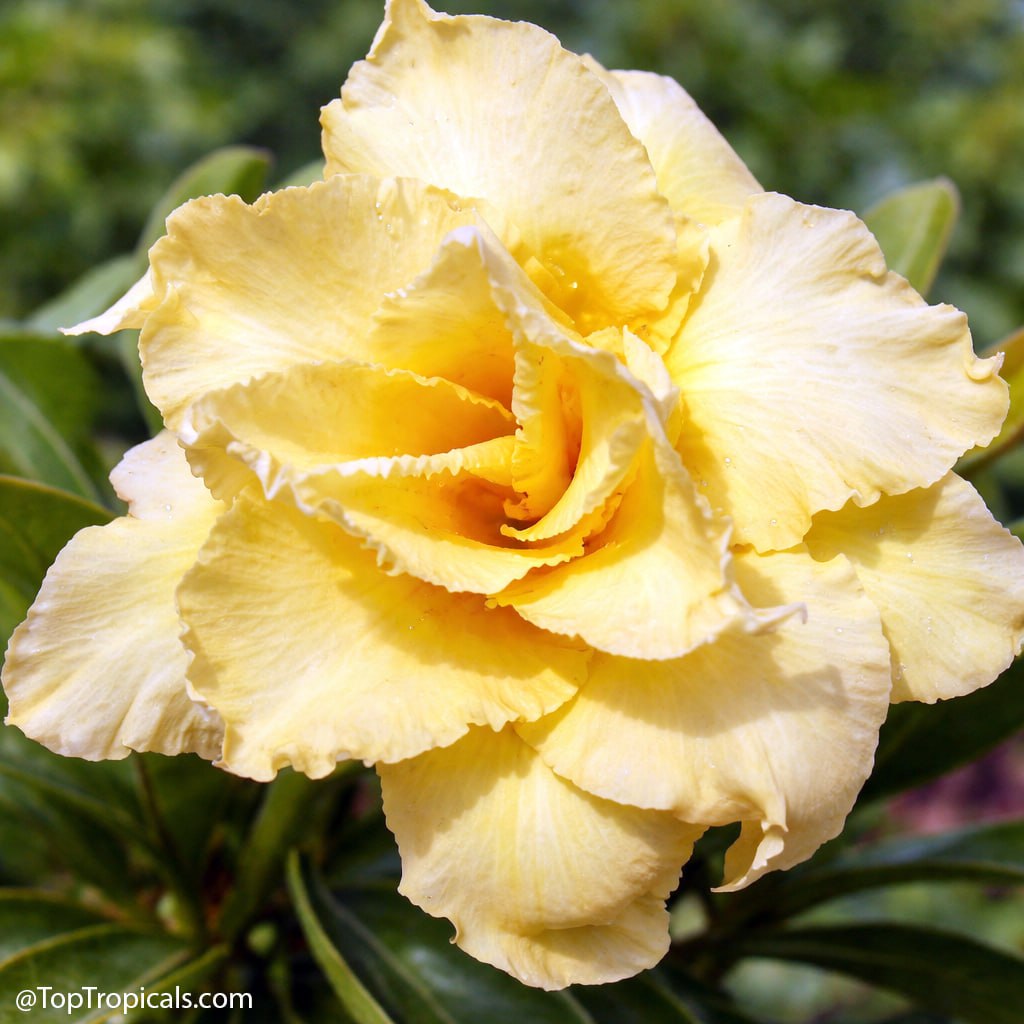
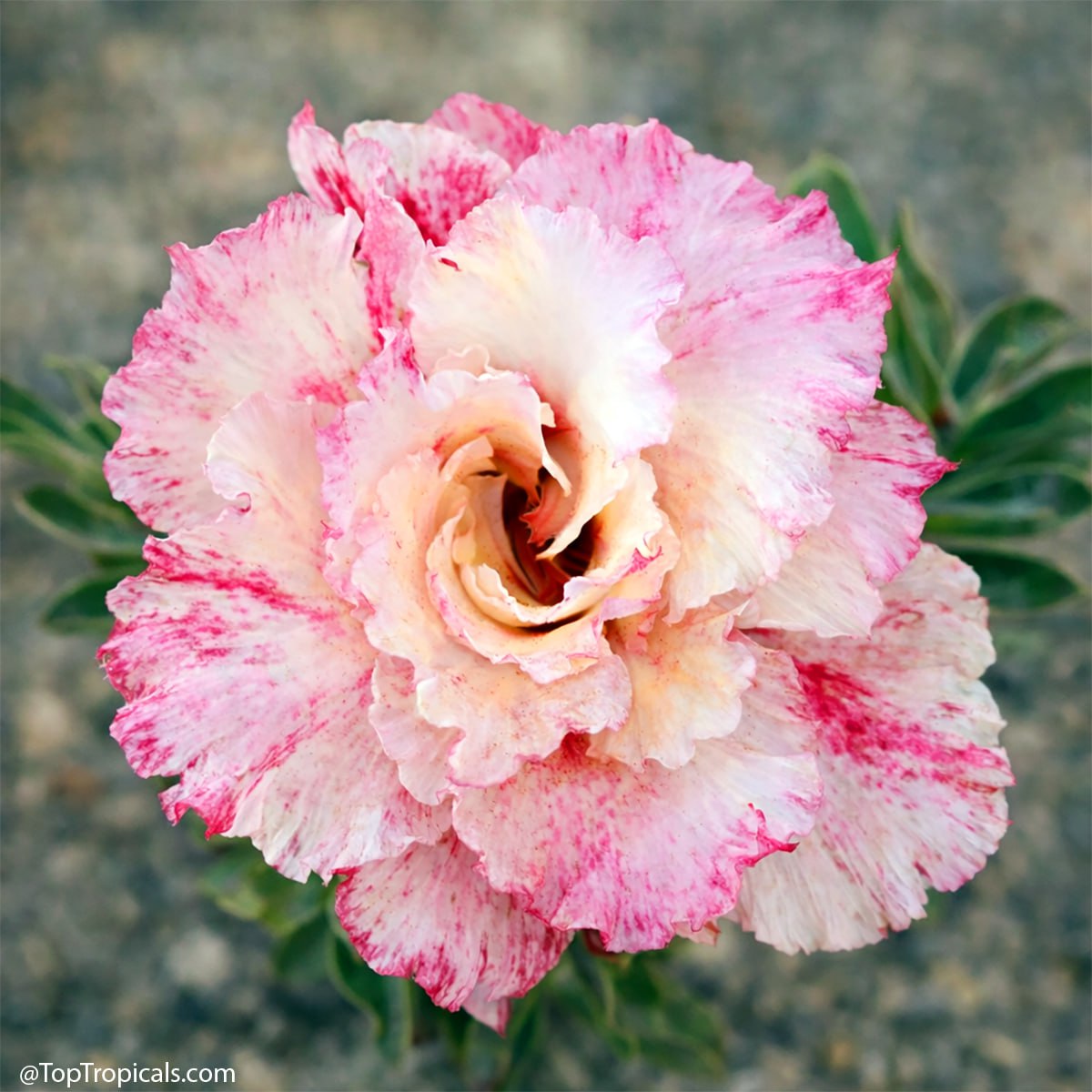
✦ Plumeria Granny - a full, eye-catching variety with rich pink blooms ranging from soft blush to deeper rosy tones, often mixed within the same cluster. Petals are smooth and slightly overlapping, giving flowers a rounded, softly layered look. It blooms in dense clusters, creating a lush, full appearance that stands out from a distance while still showing nice detail up close.
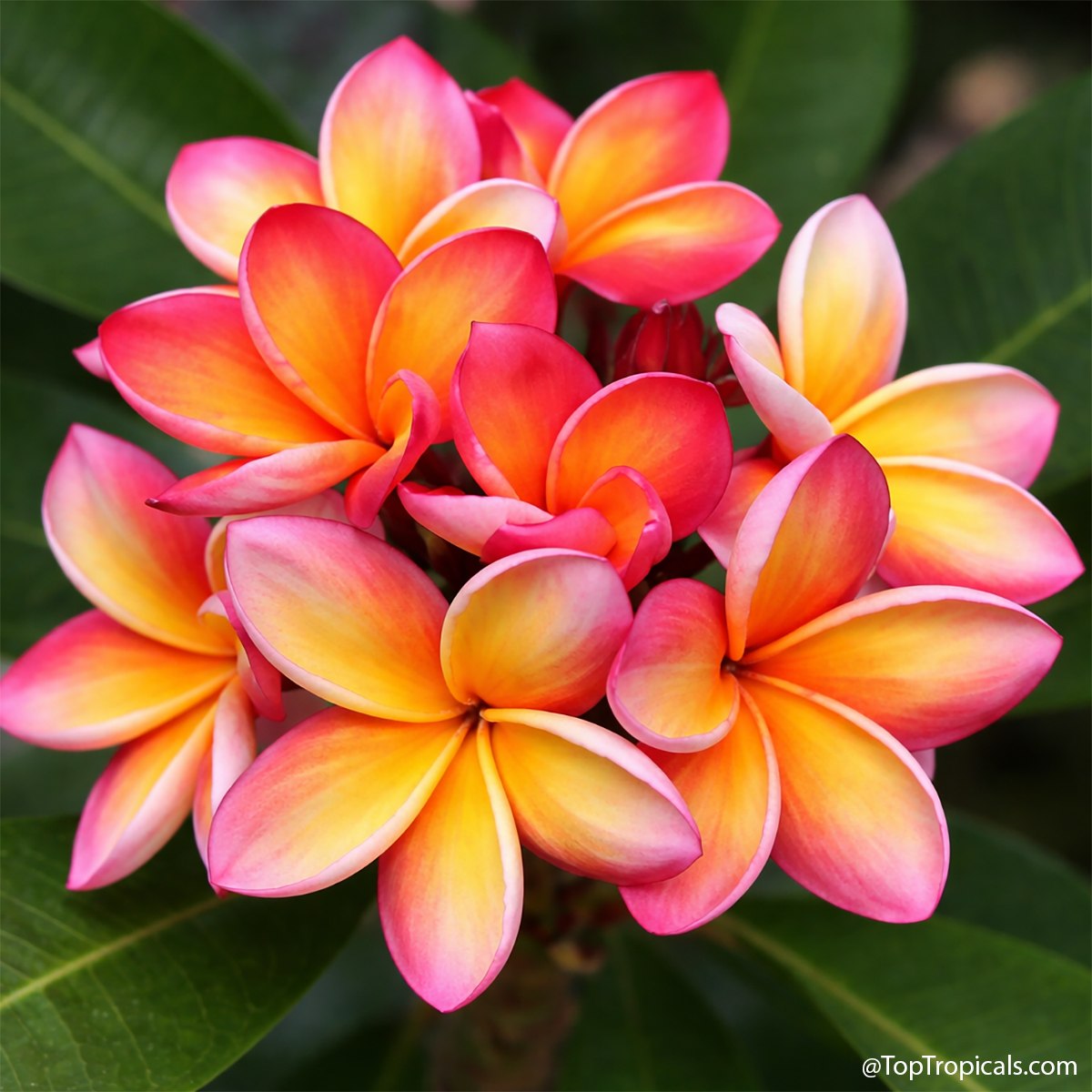
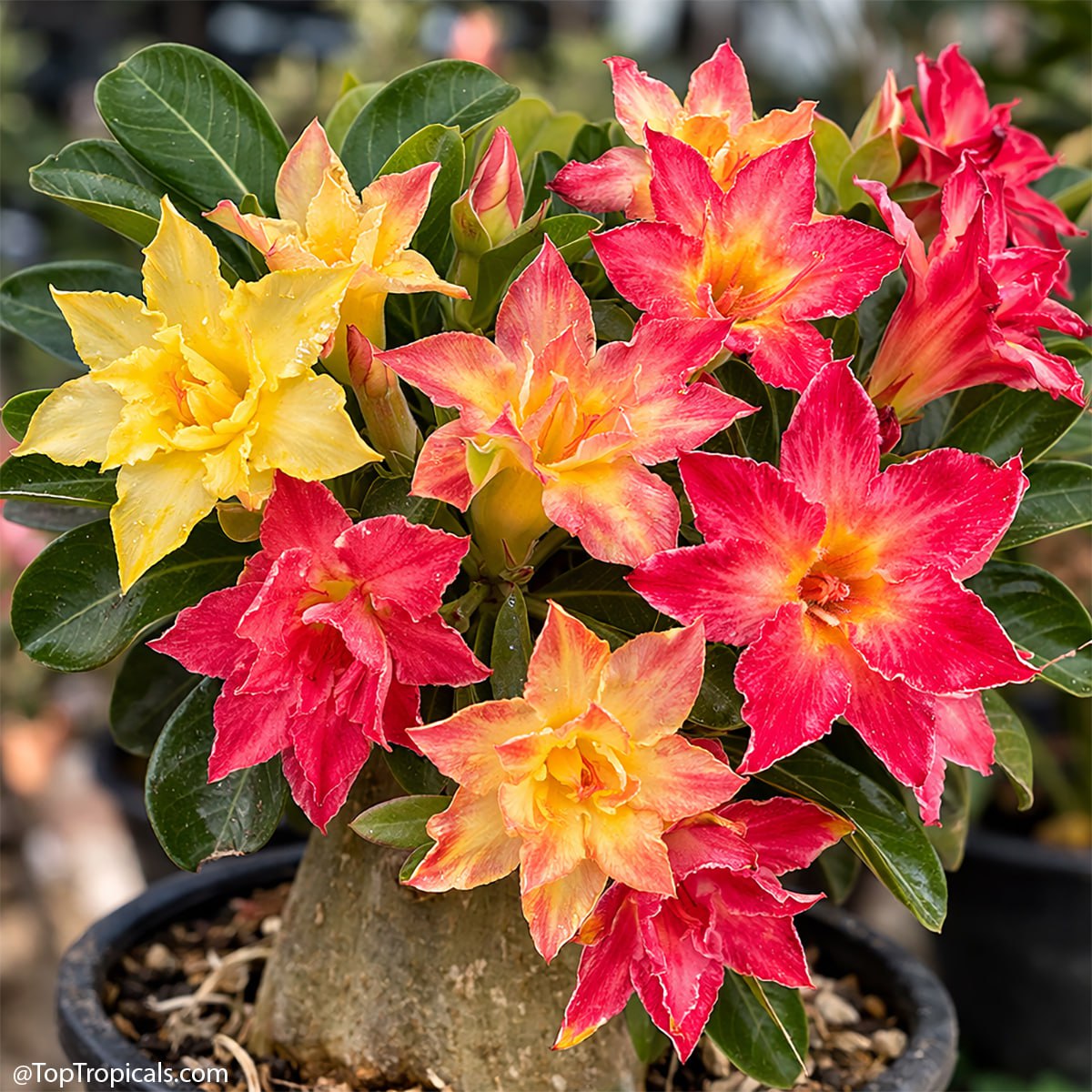
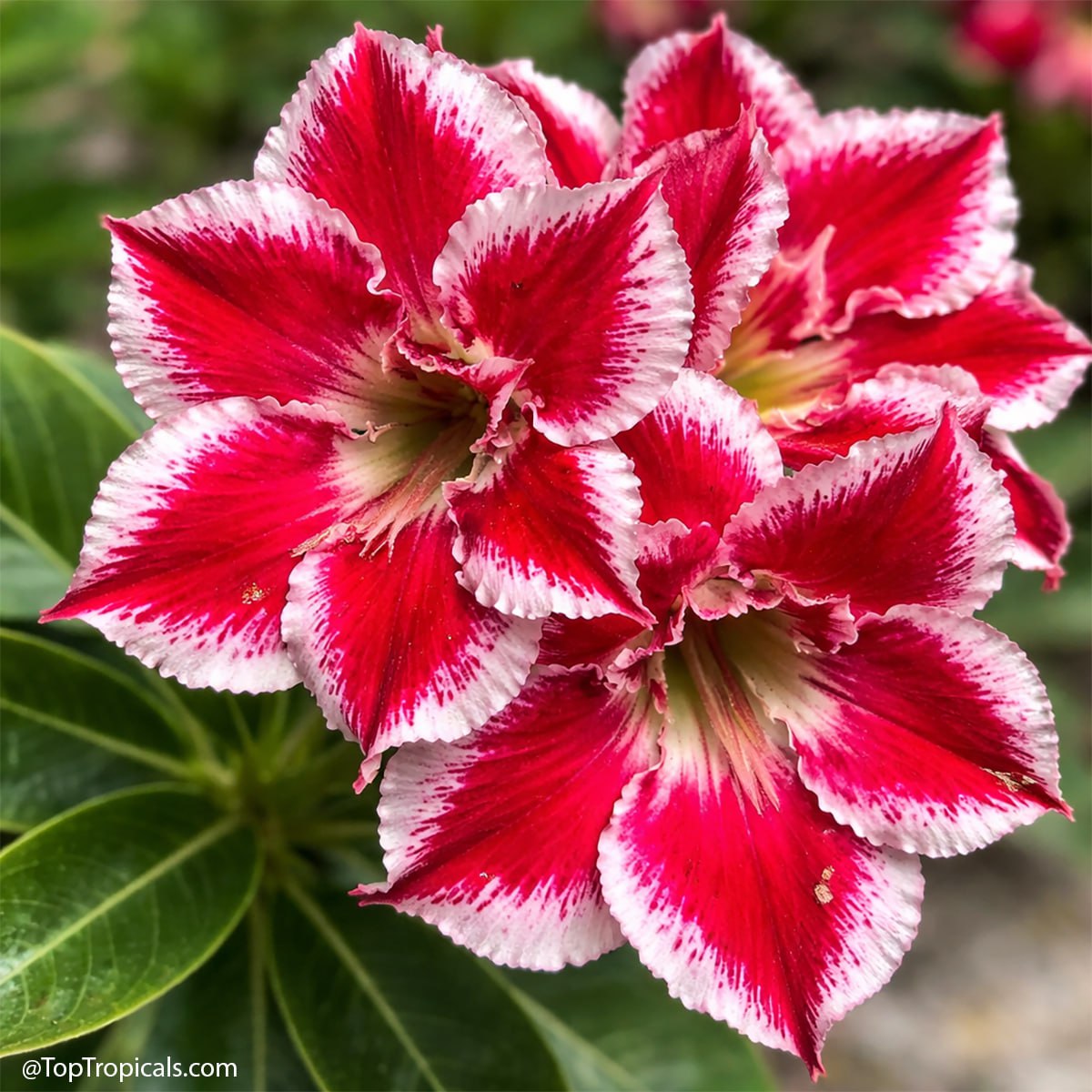
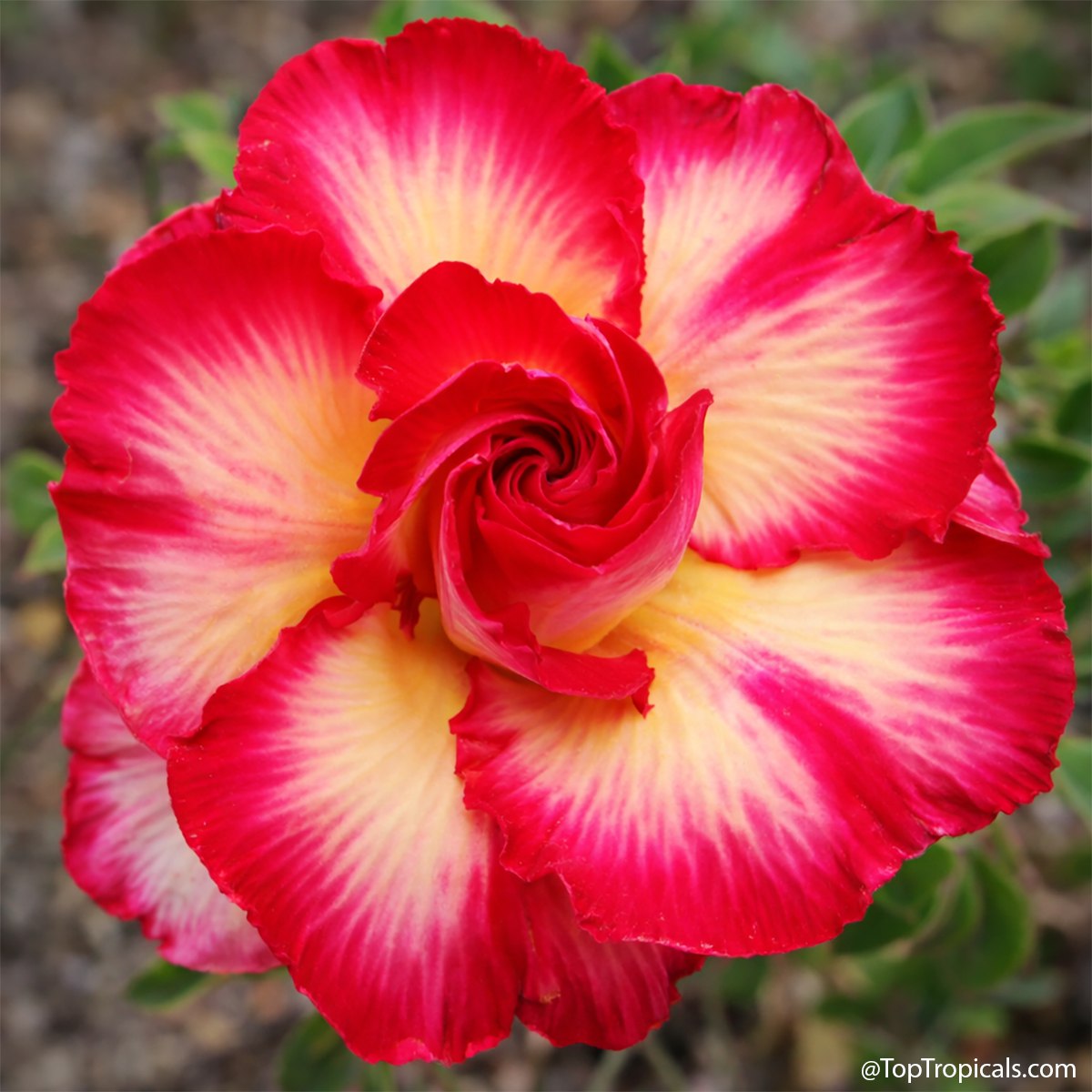
✦ Plumeria Som Paruay - a bright, cheerful "Rainbow" variety with golden-yellow centers blending into orange, coral, and rosy pink edges. The smooth color gradient gives each flower a warm, glowing look. Clusters are vibrant and lively, adding strong tropical color. The name comes from Thai - Som means orange, Paruay refers to prosperity and good fortune.
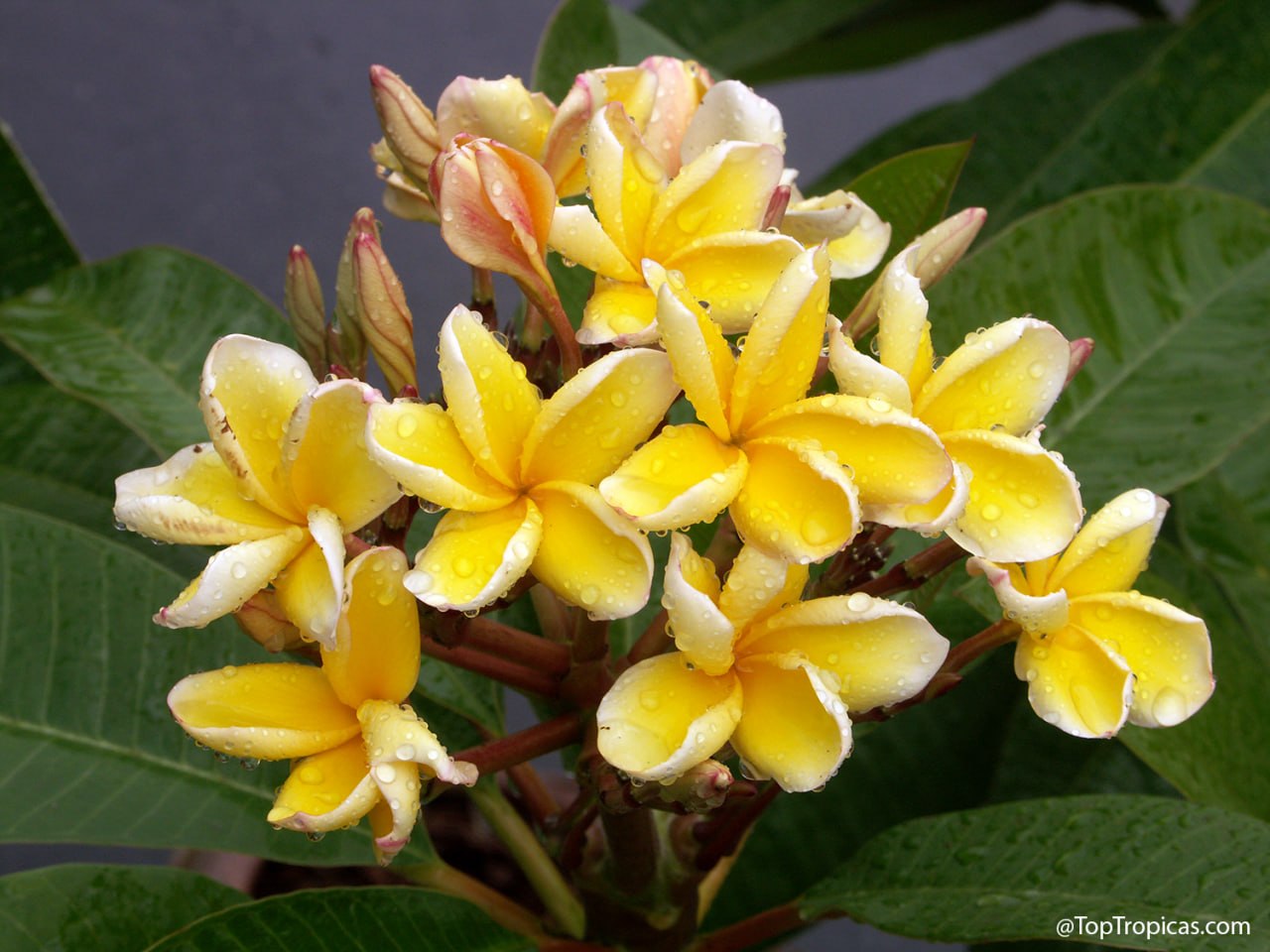
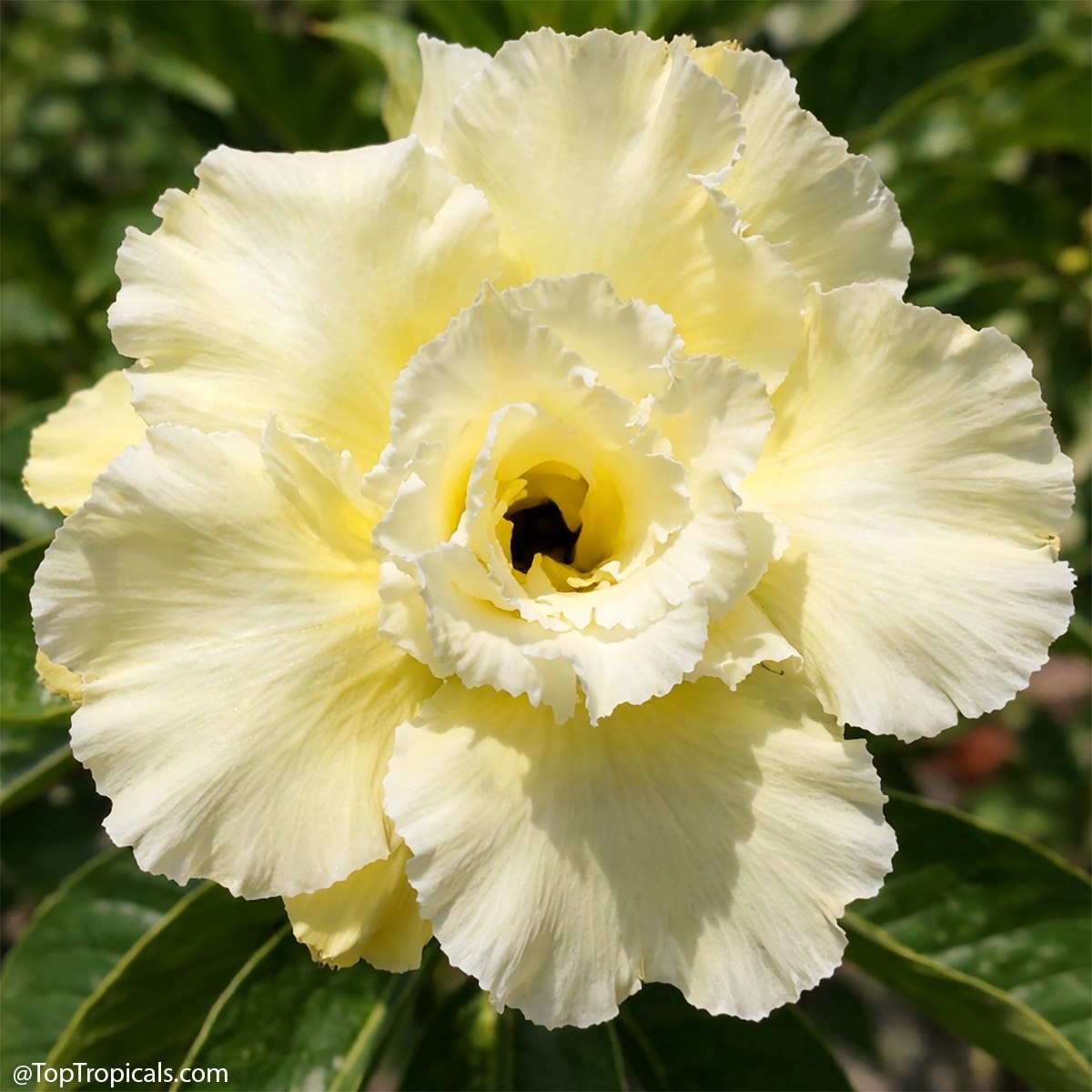
✦ Plumeria Yellow Maha - a striking variety with extra-long petals in bright yellow, cleanly outlined in white. The shape alone makes it stand out. It is also super aromatic - yellow varieties are the most fragrant, filling the air with a strong, sweet scent.
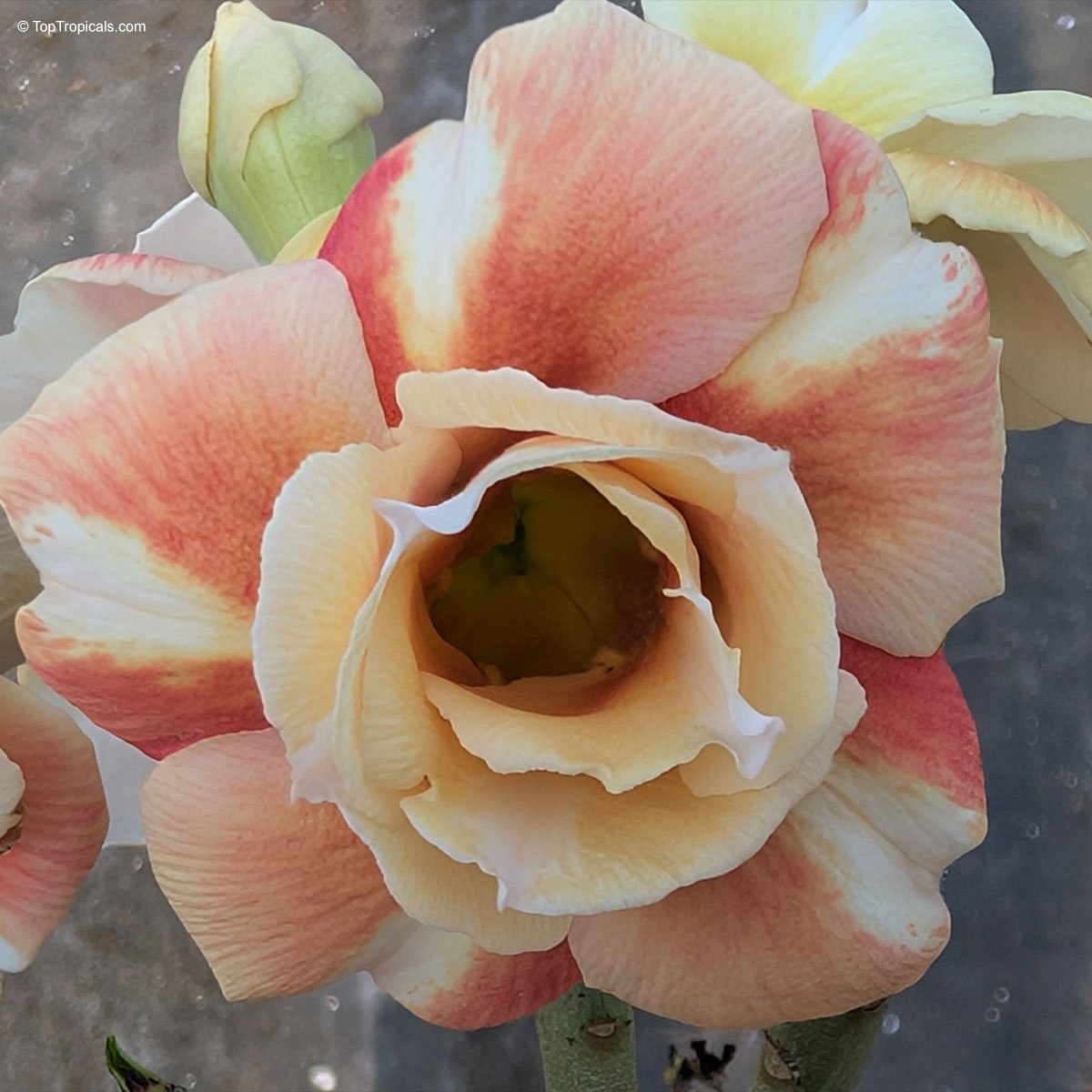
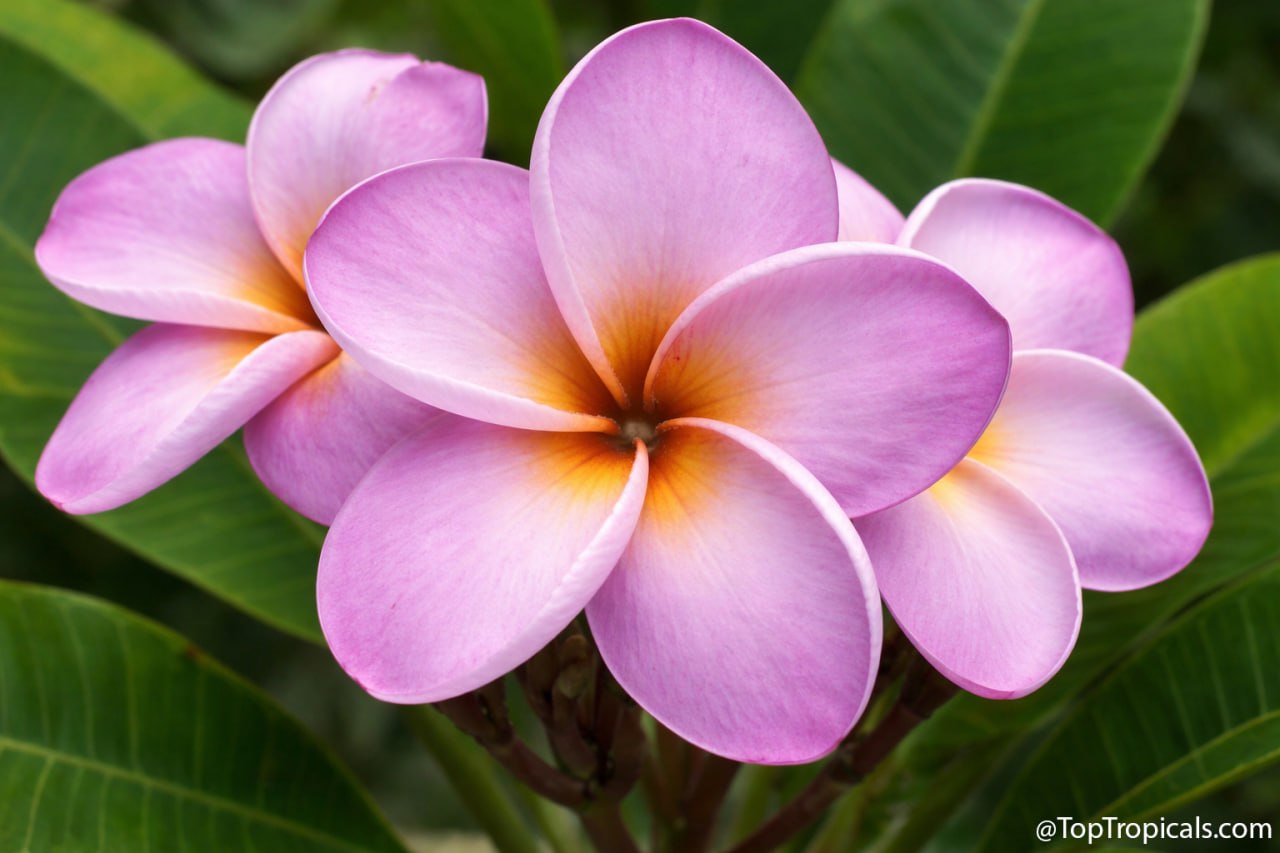
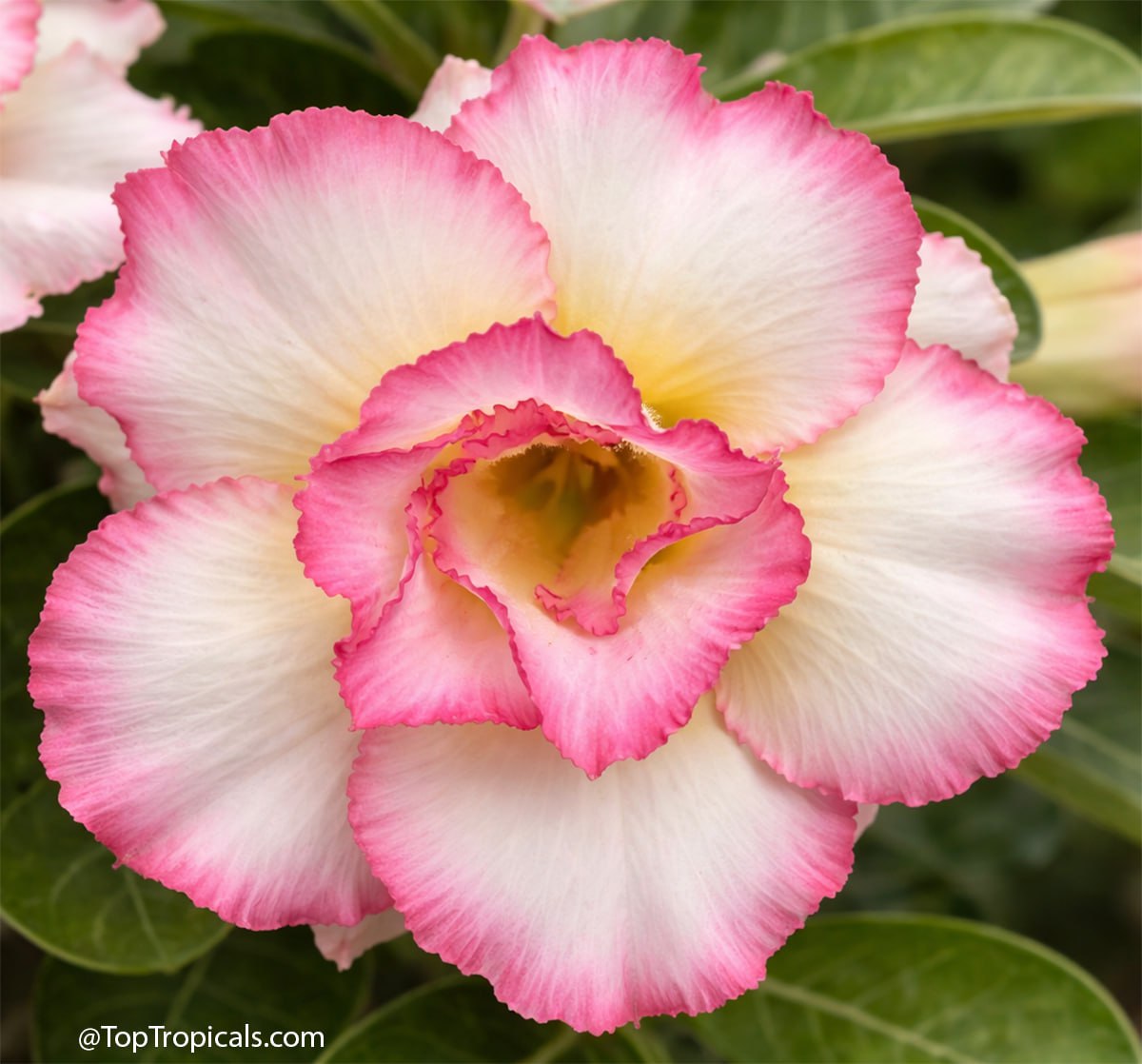
✦ Plumeria Moung Jack (Jacque) - a softer, more unusual variety with lavender-pink tones and a warm yellow-orange center. The color is smooth and slightly muted, giving it a calm, pastel look. Petals are broad and rounded, forming a classic shape with a velvety feel. Moung means purple in Thai, referring to its gentle lavender tones.
Adenium rainbow - warm, bright, and full of energy
Adenium Phoenix
Adenium rainbow - warm, bright, and full of energy 🌈
Some adeniums feel calm. And some feel like sunshine!
This set is all about warm orange tones - bright, happy, and hard to overlook. These are the ones that light up a bench even on a cloudy day.
💡 Rainy summer tip
In places like Florida, summer rain can be too much for adeniums.
Adenium Plant Facts
Botanical name: Adenium sp. Also known as: Adenium, Desert Rose, Impala Lily
USDA Zone: 9 - 10
Highligths
They are succulents - Desert Roses they are! - and don’t like staying wet for long periods. Constant rain keeps the soil saturated, which can lead to root rot and weak growth.
If you have a rainy season, it’s best to keep them under a roof or covered area.
This helps control watering, keeps the soil from staying soggy, and protects the caudex and roots.
They still need bright light - just not endless rain.
🌸 Today's featured adeniums
✦ Phoenix: Color-changing blooms that shift from soft yellow to pink and coral - looks like a living sunset on one plant. ✦ Pra Rod Mary: Warm orange shades with a soft, rounded bloom. ✦ Pratum Thong: Golden-orange color with a rich, glowing look. ✦ Som Term Sab: Bright, lively tones - name tied to wealth and good fortune. ✦ One Heart: Balanced form with warm color and a clean structure. ✦ Thong Nuekao: Golden shades with a slightly deeper, more refined tone.
Orange adeniums bring a different kind of energy - warm, glowing, and full of life.
And once you add a few - your collection starts to feel a lot brighter!
Some adeniums go bold, and some stay soft and classic.
This set is all about pink - from light and delicate to rich and bright. Simple at first glance, but full of subtle differences once you look closer.
💡 Growing from seed vs grafted Adeniums
You can grow adeniums from seeds, and it’s the only way to get that naturally swollen caudex from the start.
Seedlings develop a nice base, but they take time - usually 2–3 years before blooming.
There’s also a catch: seed-grown plants don’t come true to type. Most will turn into simple pink flowers, no matter what the parent looked like.
That’s why named varieties are grafted. A selected variety is grafted onto a seed-grown plant with a developed caudex - so you get both the shape and the exact flower you want.
Adenium Plant Facts
Botanical name: Adenium sp. Also known as: Adenium, Desert Rose, Impala Lily
USDA Zone: 9 - 10
Highligths
🌸 Today's featured adeniums
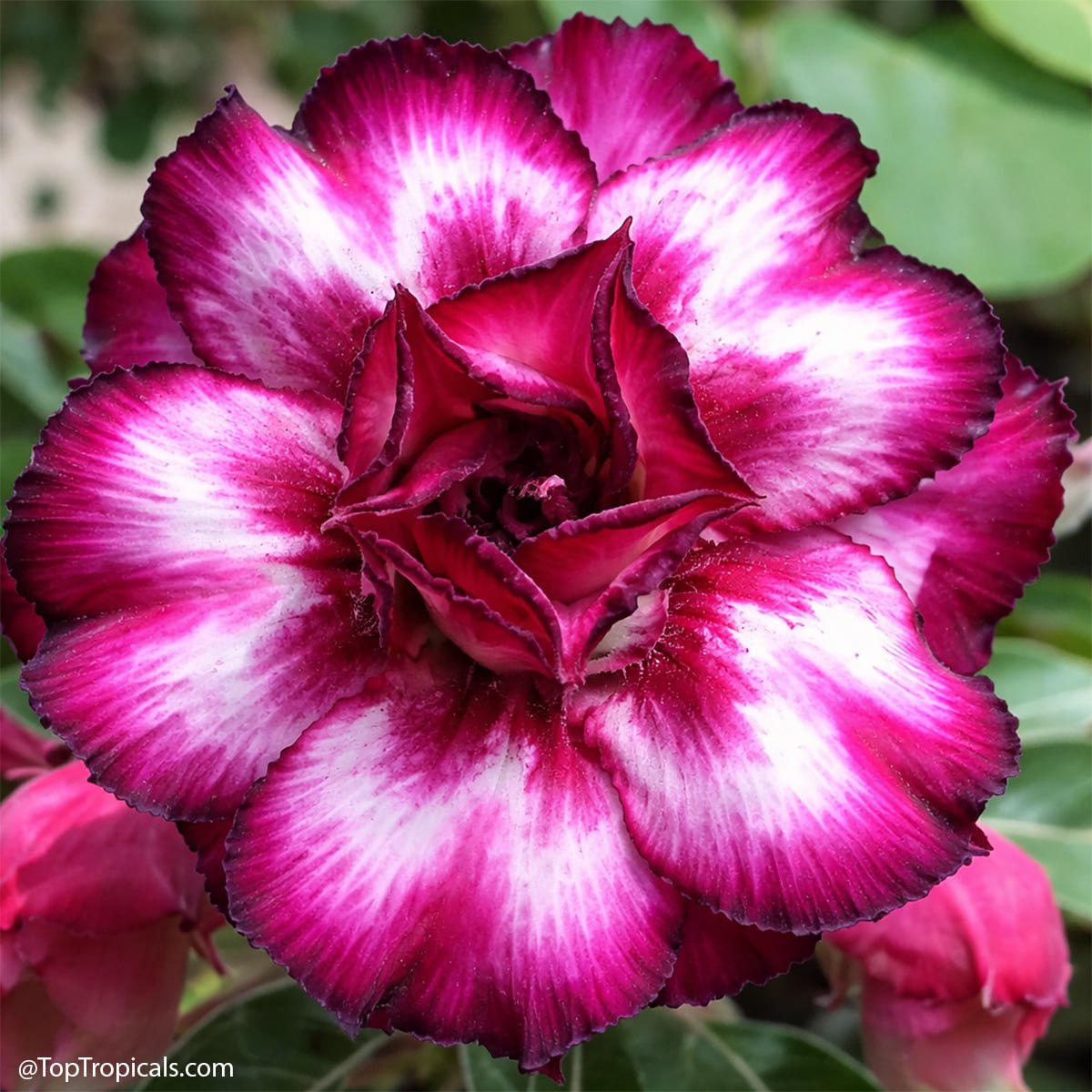
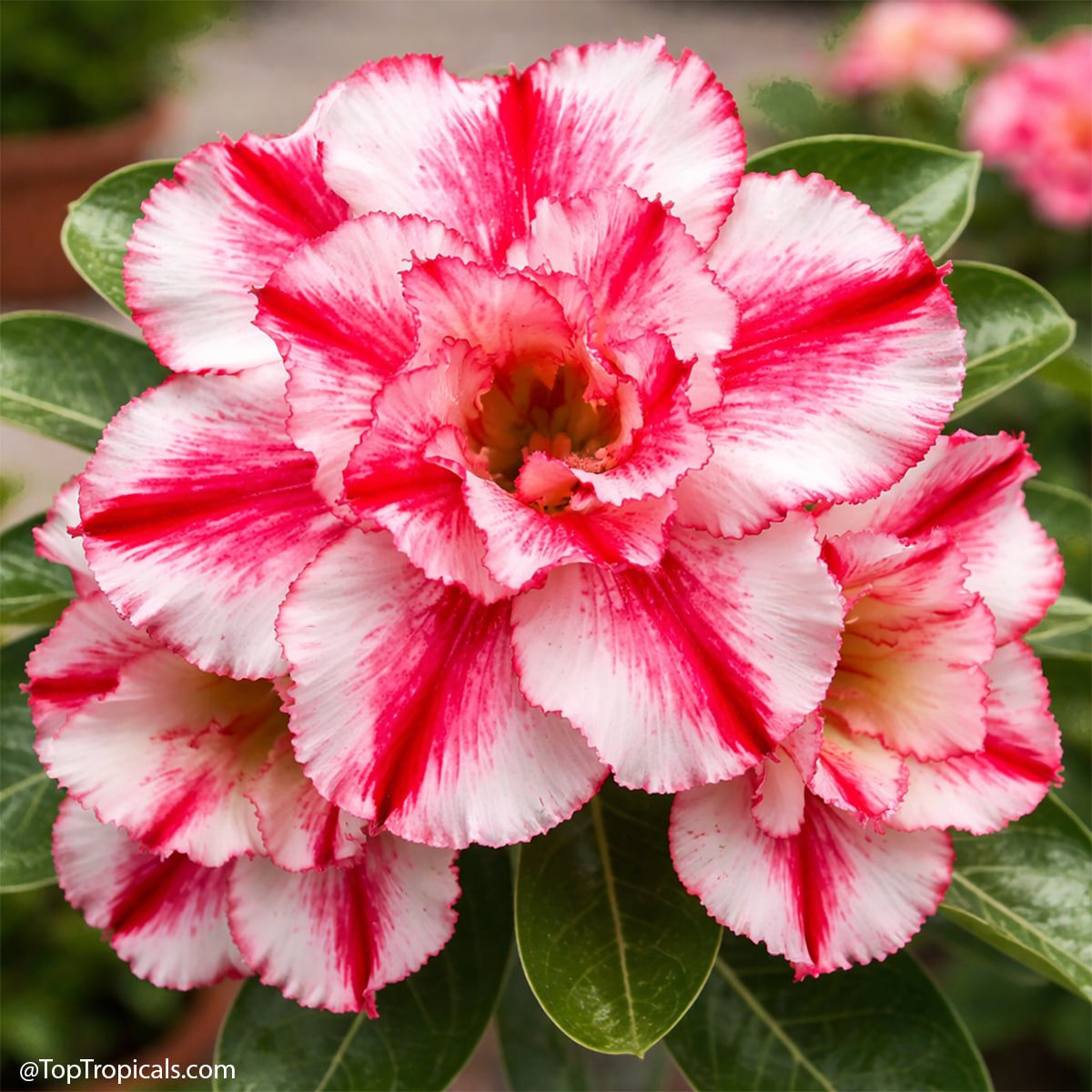
✦ Uncle Tu: Soft pink tones with a clean, balanced bloom. ✦ Leela: Gentle pink shades with a refined, elegant look. ✦ Ploy Nappan: Named like a jewel - layered pink tones with depth. ✦ Pratuma: Classic pink form with a smooth, rounded shape. ✦ Snow White: Very light, almost white bloom with a soft pink touch. ✦ Talab Phet: Richer pink with a slightly deeper, more intense tone.
Pink may look simple - but once you line them up like this, you realize how different each one really is.
And somehow, there’s always room for one more pink!
Adenium Mad Lady
Twisted, expressive petals with a wild, unpredictable look.
Adenium Moung VN
Adenium Petch Pratum
Adenium Maneenate
Adenium Ramruay
Adenium Swan and Dragon
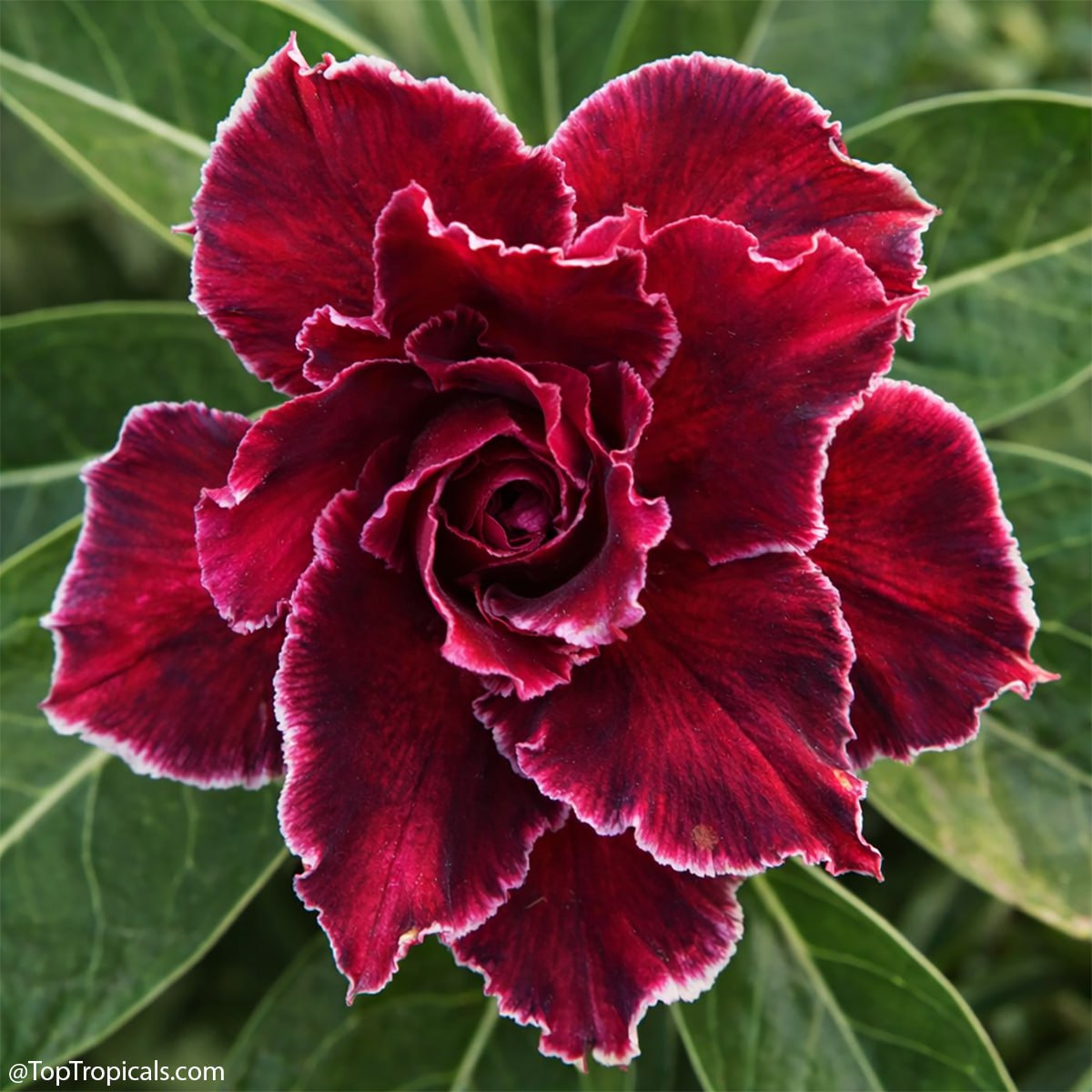
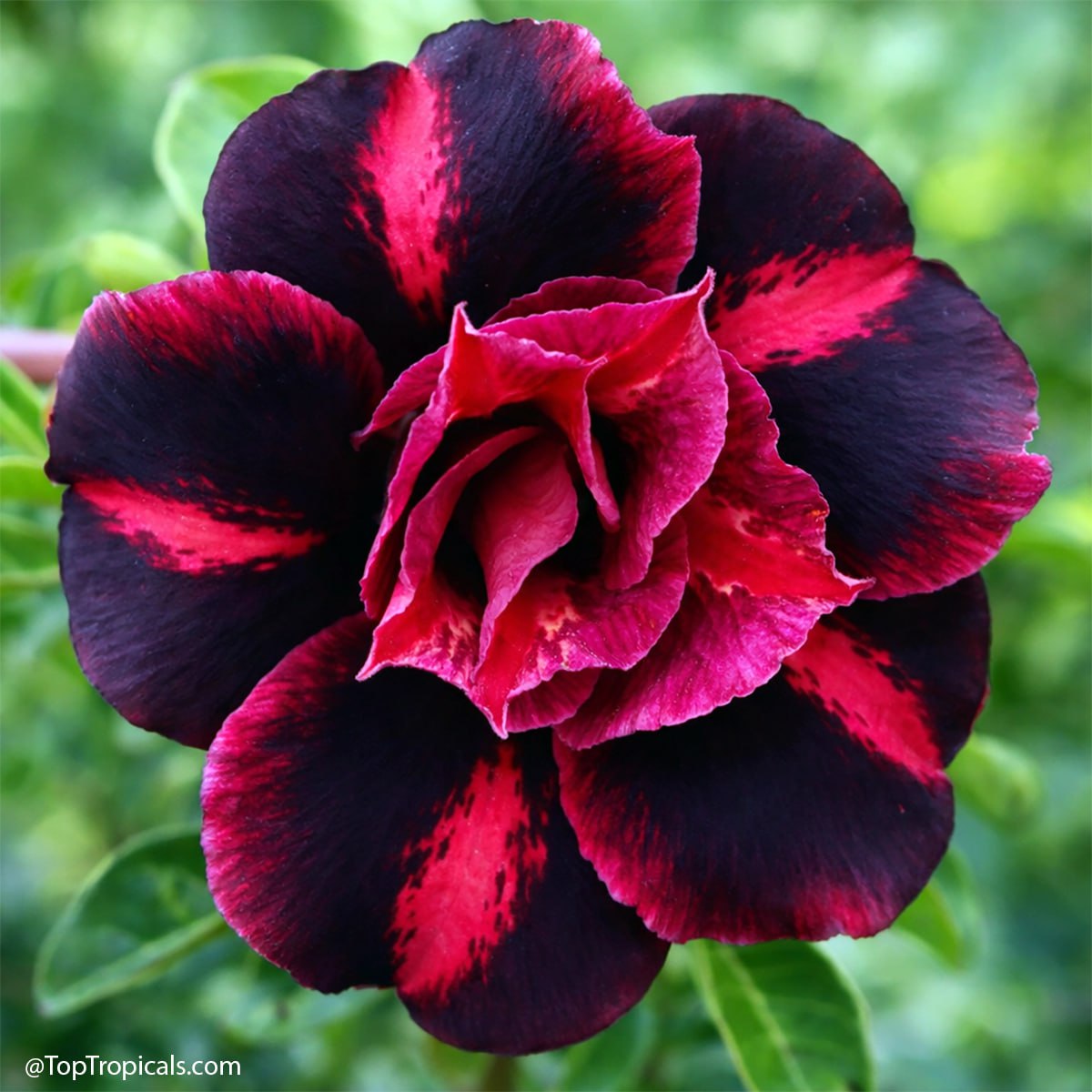
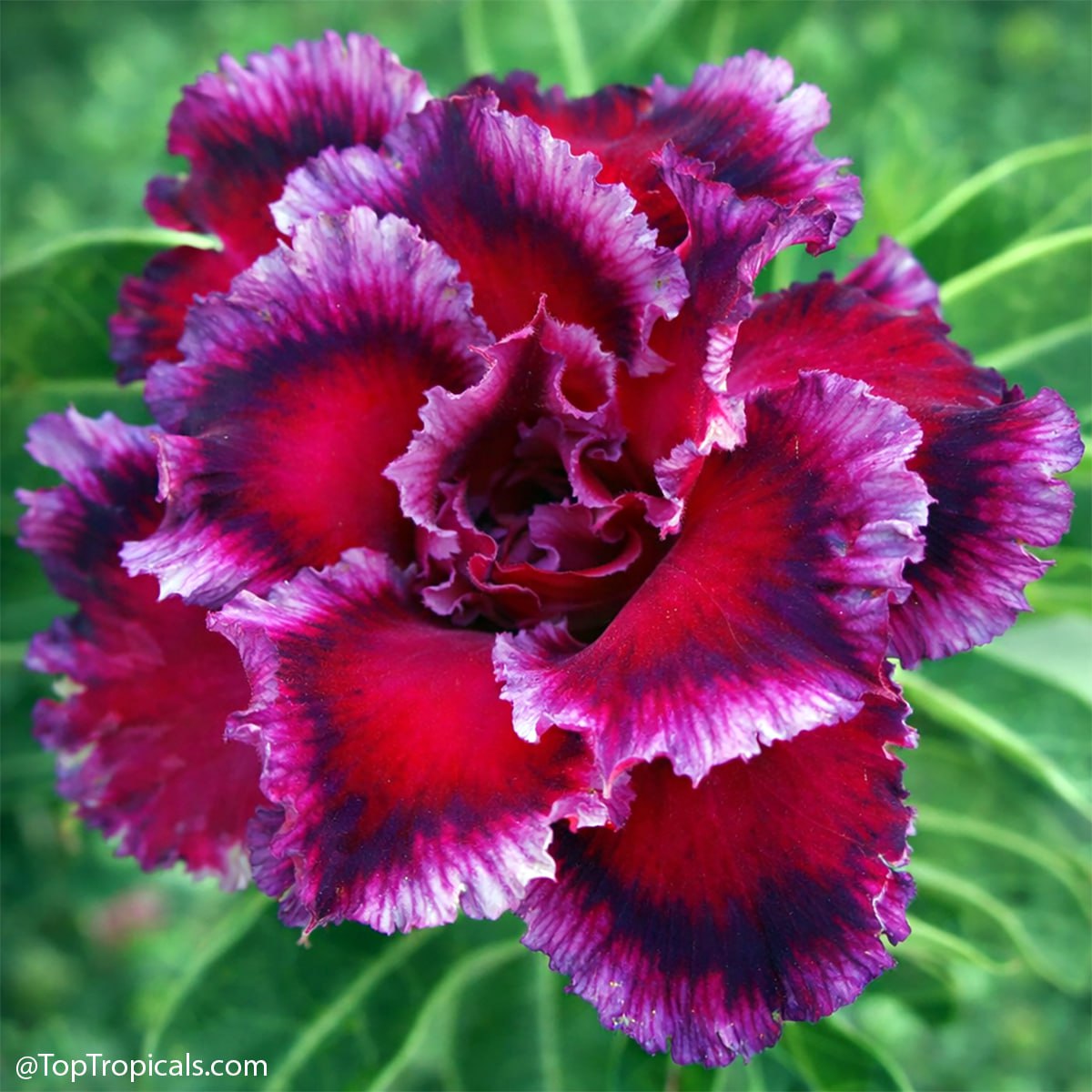
Adenium rainbow: 9 dark tones that don’t look real 🌈
Adenium Plant Facts
Botanical name: Adenium sp. Also known as: Adenium, Desert Rose, Impala Lily
USDA Zone: 9 - 10
Highligths
Some adeniums are bright and cheerful.
And some look like they came from another planet.
This set leans into those deep, off-purple, almost unreal shades. Every one is different, but they all share that exotic, hard-to-describe look.
💡 Container tip
Adeniums do best in shallow containers, especially unglazed clay pots.
Clay helps in a few ways:
- it dries faster than plastic
- provides better air flow to roots
- keeps the plant stable as the caudex gets heavy
Avoid oversized pots. Keep it just slightly larger than the root ball.
Secret of a Big Caudex:
When repotting, raise the caudex a little each time.
That’s the simple trick to developing that thick, exposed base everyone loves.
🌸 Today's featured adeniums
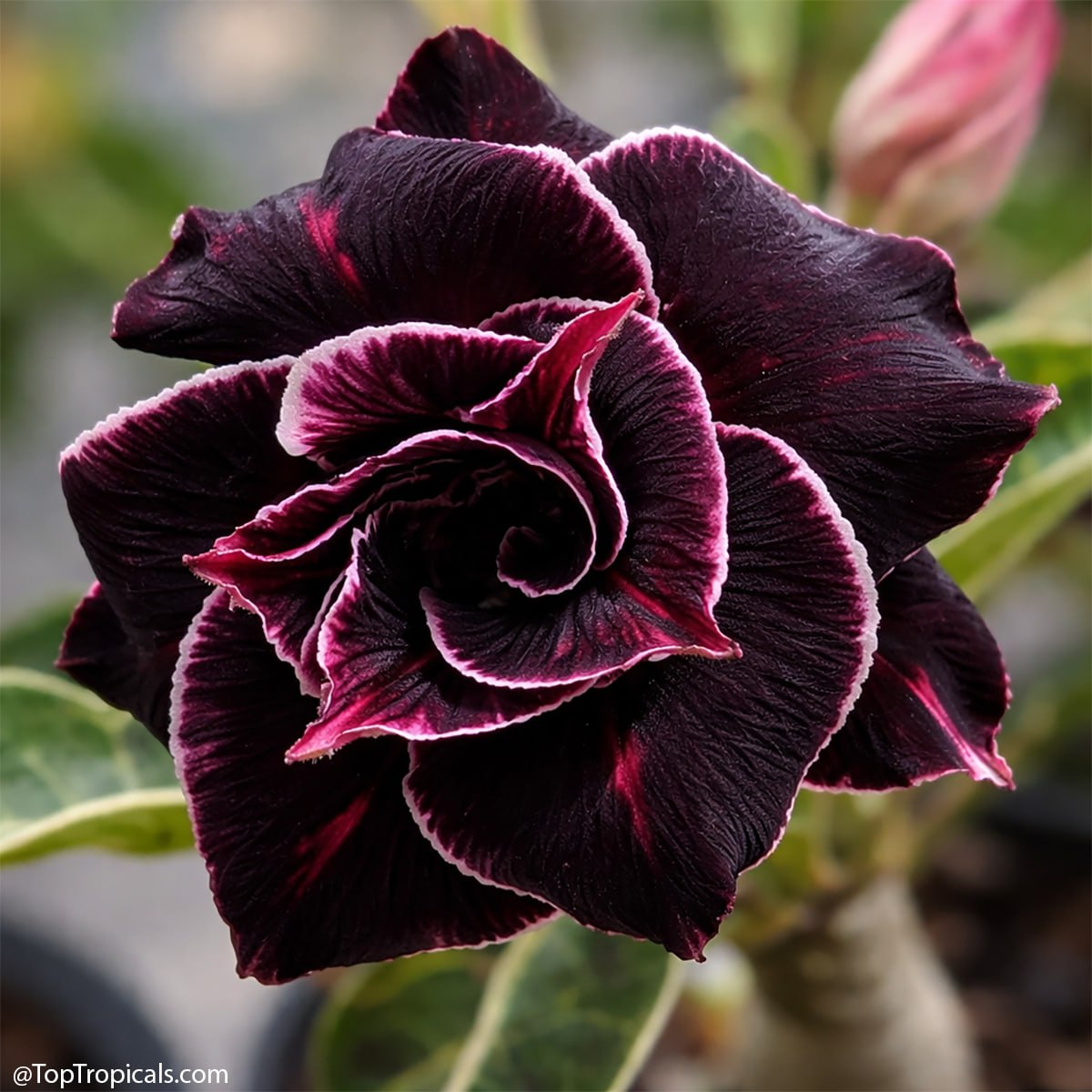
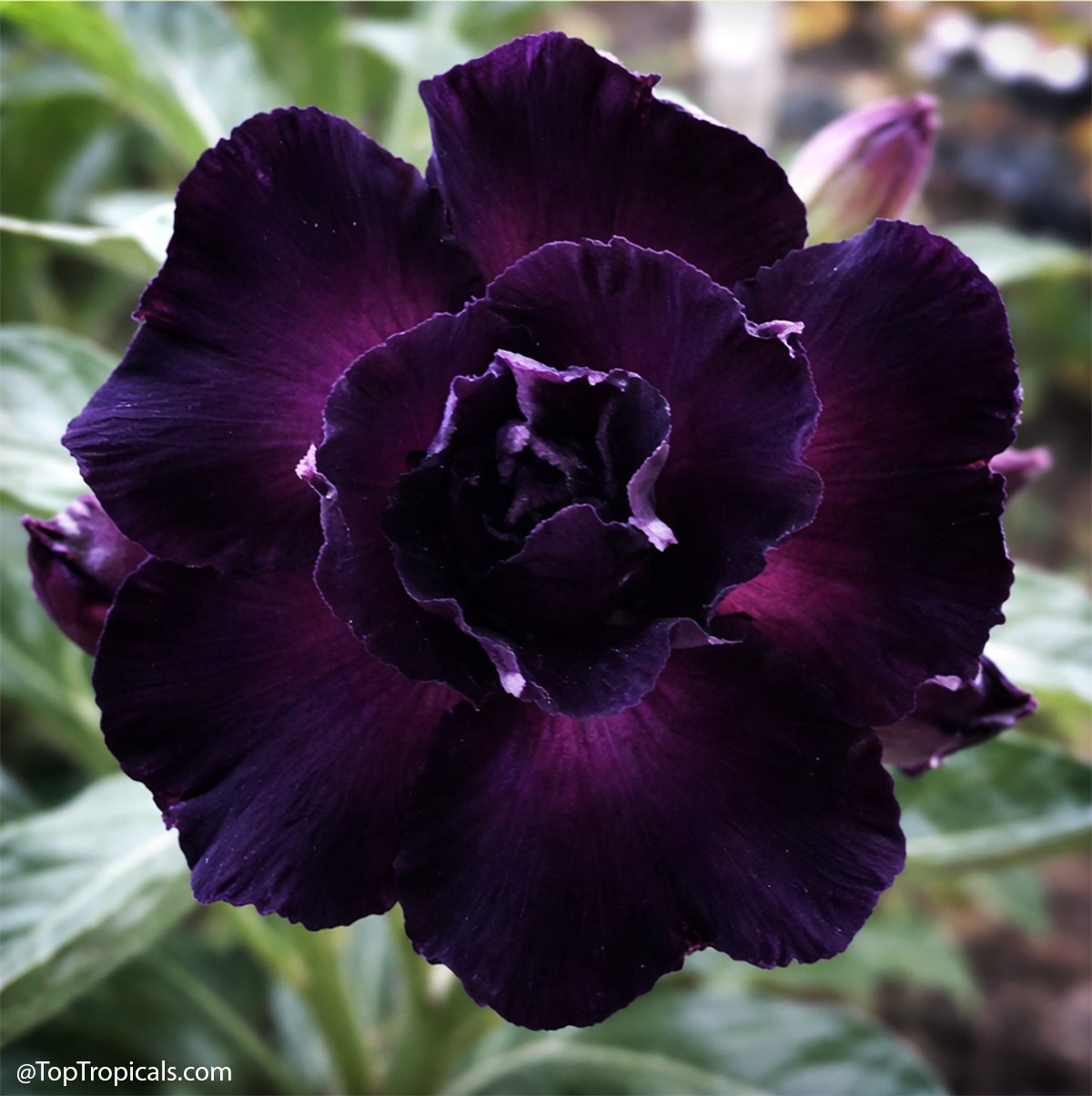
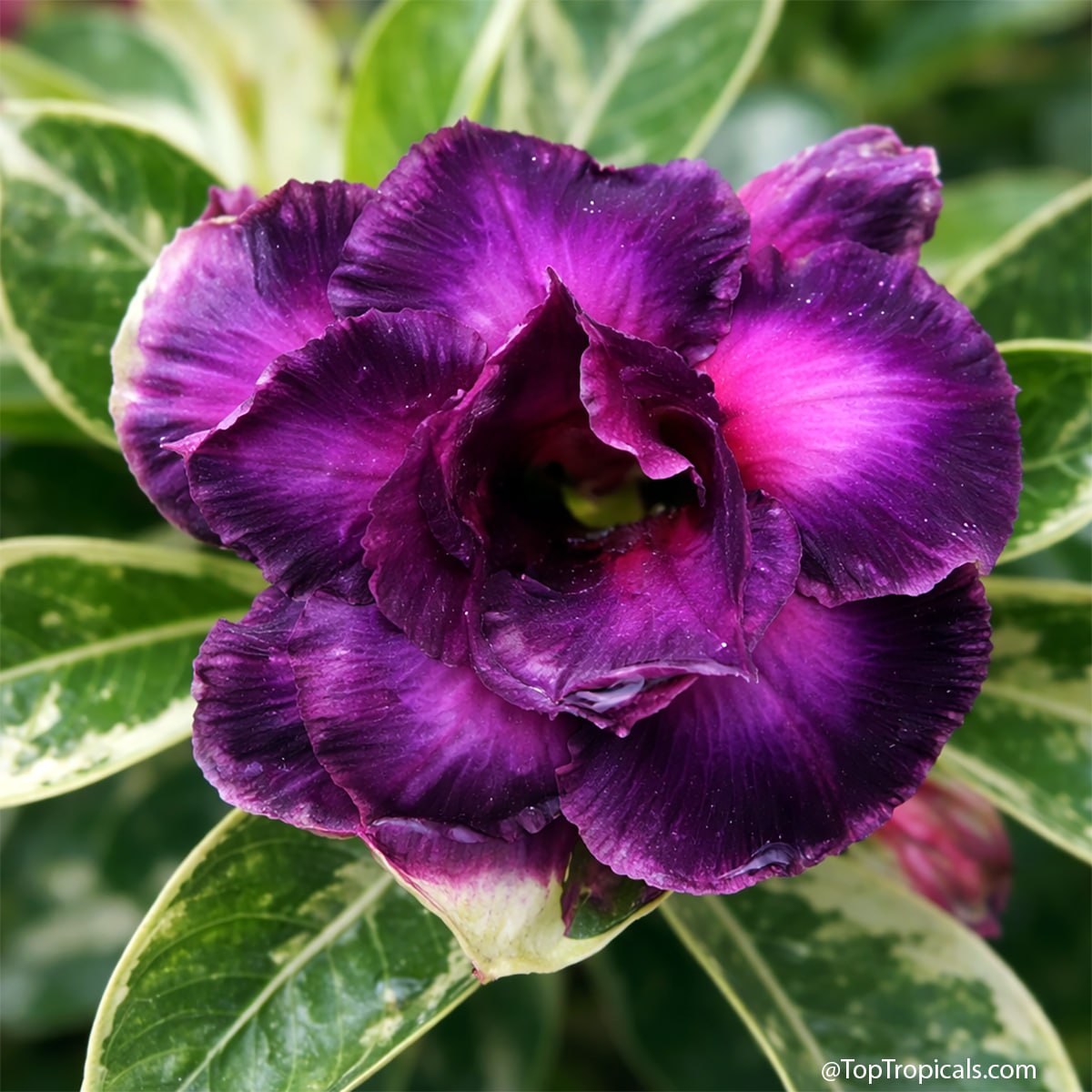
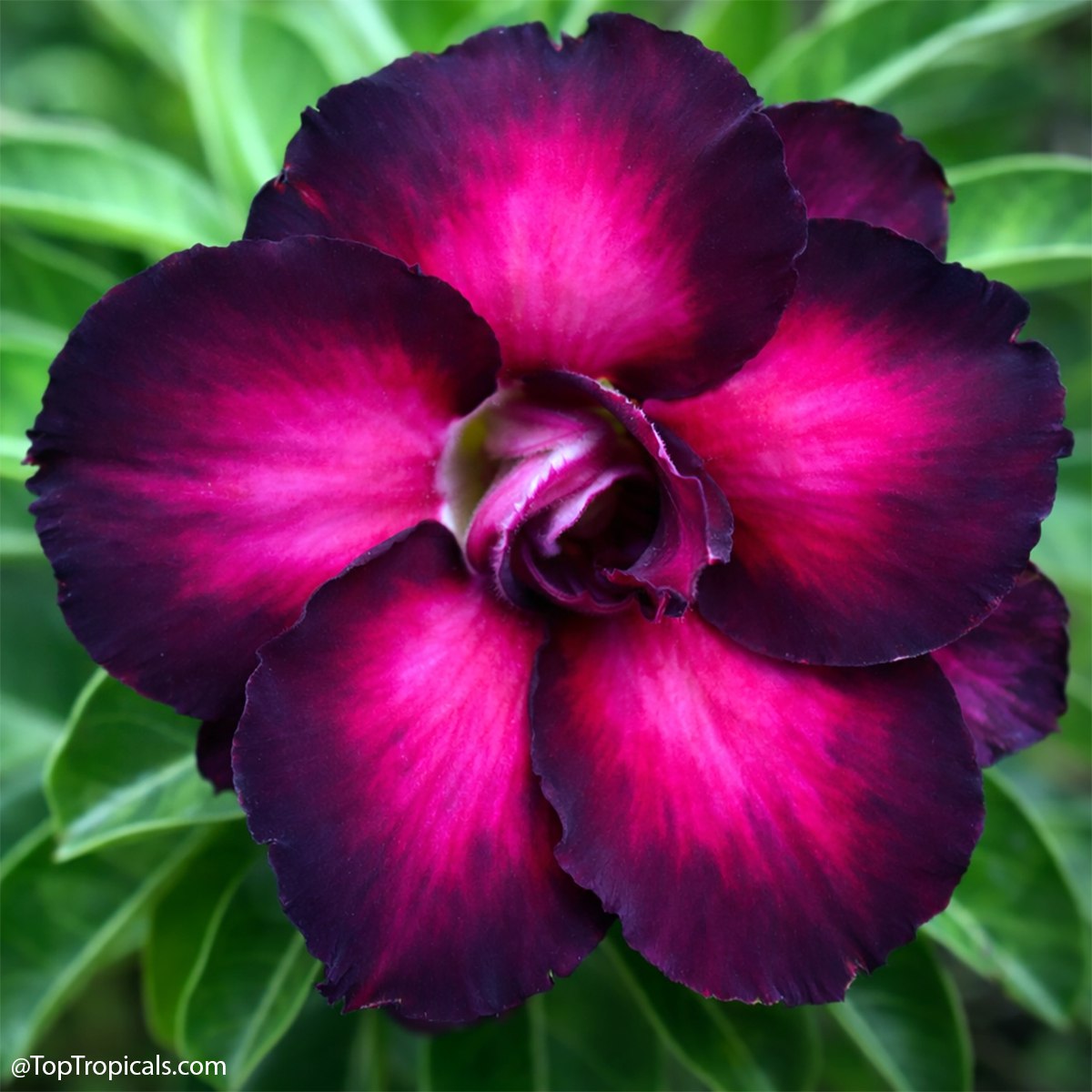
✦ Blue Diamond: Cool-toned, almost metallic shades - very unusual in color. ✦ Musk: Modern-looking bloom with a bold, unconventional feel. ✦ Hong Hern: Elegant form with deep tones and a refined structure. ✦ Mad Lady: Twisted, expressive petals - looks a bit wild and unpredictable. ✦ Moung VN: Soft purple shades with a smooth, balanced look. ✦ Petch Pratum: Rich color with a jewel-like quality - name reflects that. ✦ Maneenate: Layered bloom with a more intricate, detailed structure. ✦ Ramruay: Associated with wealth and prosperity - strong presence. ✦ Swan and Dragon: Myth-inspired look with a dramatic, flowing form.
This kind of set is where collecting gets interesting - not just colors, but personality in each plant.
And once you start noticing these darker tones - you start seeing them differently everywhere.
Stop Fixing Your Soil: 15 Bulletproof Fruit Trees for Tough Ground
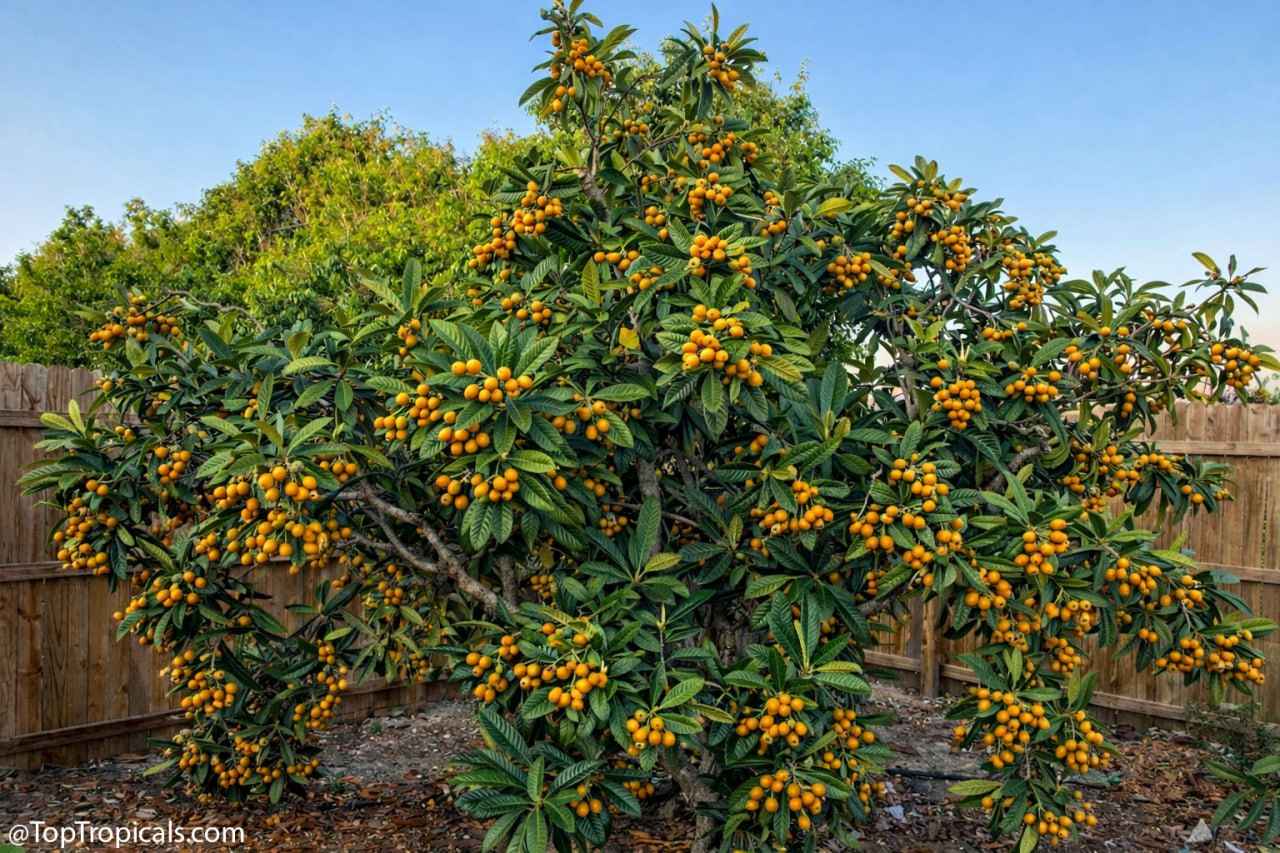
Loquat (Eriobotrya japonica) fruiting
Stop Fixing Your Soil: 15 "Bulletproof" Fruit Trees for Tough Ground 💩
Not everyone starts with a lush, loamy paradise. In many parts of Florida and the South, "soil" is just a polite word for sand, limestone rock, or depleted clay.
The biggest mistake new gardeners make? Spending hundreds of dollars on soil amendments before they ever put a tree in the ground.
The secret the pros know: You don't need to change your land to fit your plants; you need to choose plants that love your land. Some of the most delicious fruits actually thrive on neglect - and a few even produce better fruit when the soil is "poor."
🌳 The "Big 5" Toughest Fruit Trees
If your yard is a dry, sandy lot or a rocky outcrop, start with these. They are the ultimate "survivors."
Jujube, Chinese Date (Ziziphus jujuba): Arguably the toughest fruit tree on earth. It laughs at drought, poor soil, and neglect. The fruit is crisp like an apple when fresh and sweet like a date when dried.
Loquat (Eriobotrya japonica): A Southern staple. It’s evergreen, beautiful, and produces honey-sweet fruit in early spring when nothing else is ripe.
Mulberry (Morus alba): If you can’t grow a Mulberry, you might be gardening on the moon. It grows in sand, clay, or sidewalk cracks with equal enthusiasm.
Fig (Ficus carica): Figs actually prefer not to be pampered. In overly rich soil, they grow lots of leaves but little fruit. Give them well-drained, mediocre soil and they’ll thrive.
Pomegranate (Punica granatum): These trees are "stress-lovers." Rocky, alkaline soil is no problem, and a bit of soil stress often results in a higher sugar content in the fruit.
Pomegranate Plant Facts
Botanical name: Punica granatum Also known as: Pomegranate, Granada, Grenade, Pomegranate, Granada, Anar, Granaatappel, Pomo Granato, Romeira, Melo Grano
USDA Zone: 8 - 11
Highligths
🌳 Tropical Flavors That Don't Need "Perfect" Dirt
You don’t need a rainforest to grow tropical treats. These species are surprisingly resilient once they get their roots established.
🌟 The Sand-Lovers:
Mango (Mangifera indica): While young trees need a little babying, a mature Mango is incredibly drought-tolerant and handles Florida’s sandy "sugar sand" like a champ.
Mango Plant Facts
Botanical name: Mangifera indica Also known as: Mango
USDA Zone: 9 - 11
Highligths
Sapodilla (Manilkara sapota): A rugged, wind-resistant tree that produces fruit tasting like brown sugar and pear. It is a top-tier choice for coastal or sandy areas.
Tamarind (Tamarindus indica): It’s slow-growing but patient. Once it’s in, it’s there for a century, regardless of soil quality.
🌟 The Low-Maintenance Stars
Longan (Euphoria longana): If you’ve struggled with finicky Lychee trees, try Longan. It’s more cold-hardy and much less picky about its soil.
Citrus: While they need regular feeding (fertilizer), Citrus trees are naturally adapted to the sandy ridges of the South.
🌟 The "Quick-Win" Berry & Shrub Layer
If you want fruit this year, don’t wait for a tree to mature. Add these hardy producers to your edges. And here is why it works:
Dragon Fruit (Hylocereus undatus). It’s a cactus! It literally prefers poor, fast-draining soil over rich potting mixes.
Barbados Cherry (Malpighia glabra). A vitamin C powerhouse that handles low-nutrient soil with ease.
Grumichama (Eugenia brasiliensis). Slower grower, but steady and tolerant once established.
Surinam Cherry (Eugenia uniflora). Virtually indestructible. Often used as a hedge because it grows so vigorously in poor soil.
Pineapple Guava (Feijoa sellowiana). A beautiful silver-leafed shrub that is salt-tolerant and drought-resistant.
Pineapple Plant Facts
Botanical name: Ananas comosus Also known as: Pineapple, Pina
USDA Zone: 9 - 11
Highligths
🌳 The Strategy: "Plant First, Improve Later"
In the South, the "dig a $100 hole for a $10 tree" rule doesn't always apply. Trying to completely re-engineer your soil often leads to drainage issues (the "bathtub effect").
Try this instead:
1. Select a species naturally adapted to your pH and texture.
2. Plant it at the correct height (never too deep!).
3. Mulch heavily with wood chips. This improves the soil from the top down over time, mimicking a natural forest floor.
6 variegated, impossible to ignore adeniums that change your collection: Adenium rainbow
Adenium Superbar
Adenium Wonderful Candy variegated
Adenium Wonderful Pink variegated
Adenium Wonderful Purple variegated
Adenium Wonderful Red variegated
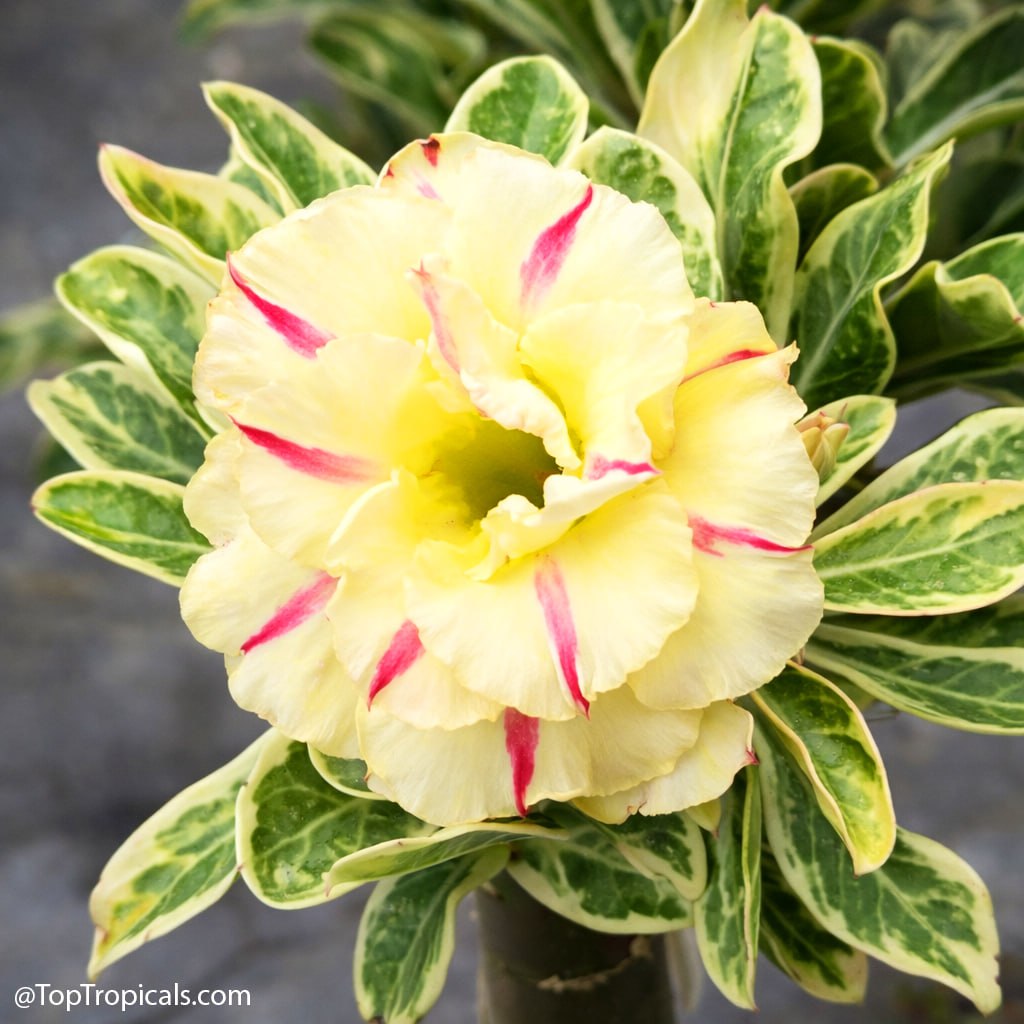
Adenium Wonderful Yellow variegated
6 variegated, impossible to ignore adeniums that change your collection: Adenium rainbow 🌈
Adenium Plant Facts
Botanical name: Adenium sp. Also known as: Adenium, Desert Rose, Impala Lily
USDA Zone: 9 - 10
Highligths
Some adeniums stand out for their flowers, and some for their leaves
Variegated types bring both - unique foliage and colorful blooms, so even when they’re not flowering, they still look interesting.
These are the ones that always get a second look.
💡 Soil tip - a little alkaline helps
Unlike most tropical plants that prefer acidic soil, adeniums actually do better on the slightly alkaline side.
Too much peat-based mix can make the soil too acidic and increase the risk of rot.
A simple trick we use:
Add a few shells on top of the soil. With each watering, they slowly raise the pH a bit.
No need to overdo it - just a small adjustment makes a difference.
Variegated adeniums bring something extra to a collection - not just flowers, but foliage that keeps working for you all season.
And once you notice them - it’s hard not to want more.
Botanical name: Mangifera indica Also known as: Mango
USDA Zone: 9 - 11
Highligths
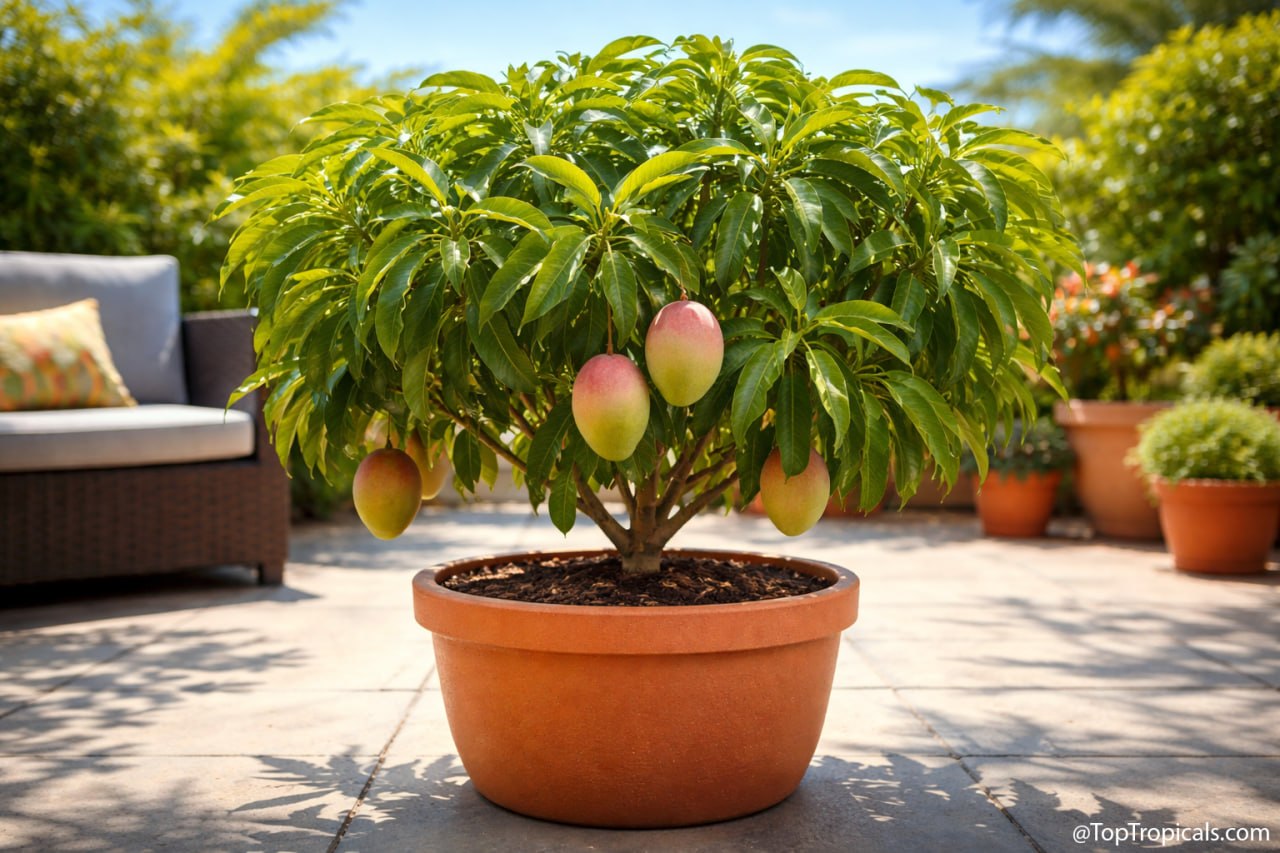
All mango trees are naturally vigorous and, if planted in the ground, they all can grow into full-size trees reaching 15-20 ft or more. The term "Condo Mango" refers to varieties with a more compact growth habit that can be kept small in containers with light pruning. In a pot, their size is controlled by root space and regular trimming, allowing them to stay manageable and productive for many years. Here is how:
🥭 Condo mango = mango trees that stay compact in containers with light pruning.
✔️ In ground: 15–20+ ft ✔️ In pots: keep them 6–8 ft
🥭 Best pot sizes
· 3-7 gal - starter (3–6 months) · 7-5 gal - young tree (1–2 years) · 15-25 gal - ideal long-term · 25-40 gal - faster growth, more pruning
👉 Smaller pot = easier care 👉 Bigger pot = more growth + more work
🥭 Best mango types for containers
True dwarf (easiest)
Minimal pruning, perfect patio trees
· Keep tree 6–8 ft with pruning · Use fast-draining soil (critical) · Full sun = fruit · Feed regularly - Green Magic + Mango Tango · Repot or root-prune every few years
We picked 6 adeniums - youll probably want all 6: Adenium rainbow
Adenium Caramel
Adenium Bumblebee
Adenium Purple Plum
Adenium Pineapple
Adenium Vanilla Gold
Adenium Multi Berry
We picked 6 adeniums - you’ll probably want all 6: Adenium rainbow 🌈
Adenium Plant Facts
Botanical name: Adenium sp. Also known as: Adenium, Desert Rose, Impala Lily
USDA Zone: 9 - 10
Highligths
Some adeniums go bright. Some go deep.
And some land right in that rich, warm middle.
This set leans into those “dessert” colors - creamy, golden, purple, and everything in between.
And yes, some varieties even come with fruity or “tasty” names!
💡 Soil and watering tip
Adeniums are succulents, so they need excellent drainage and prefer to stay on the dry side.
Water deeply, then let the soil dry out before watering again.
No constant moisture.
The potting mix is just as important. It should be very рыхлый and fast-draining, with plenty of conditioners like perlite, bark, or vermiculite.
We recommend using a Adenium Soilless Mix for best results.
🌸 Today's featured adeniums
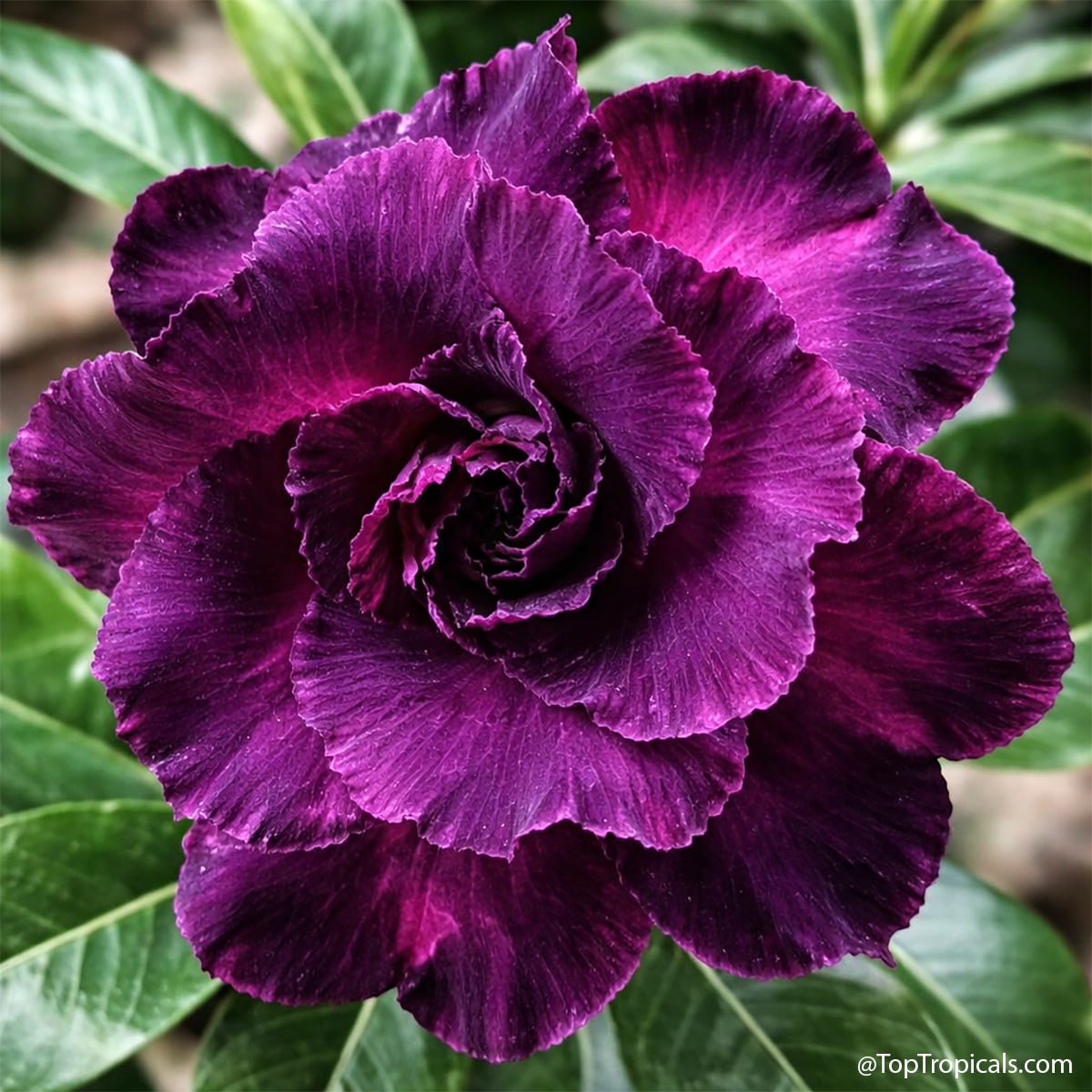
✦ Caramel: Warm, rich tones with a smooth, creamy look. ✦ Bumblebee: Bold contrast with bright yellow and dark patterning - very eye-catching. ✦ Purple Plum: Deep purple shades with a deep, velvety feel. ✦ Pineapple: Fresh yellow tones that feel light and tropical. ✦ Vanilla Gold: Soft golden color with a clean, balanced form. ✦ Multi Berry: Blend of pinks and reds that gives it a layered, mixed-fruit look.
This kind of mix makes a collection feel warm and inviting - not just colorful, but full of depth.
And once you dial in soil and watering - everything else gets a lot easier.
A few adeniums you dont want to miss: Adenium rainbow
Adenium Beauty
Adenium Chok Sedthee
Adenium Black Dragon
Adenium Red Dragon
Adenium Jasmine
Adenium Marygold
A few adeniums you don’t want to miss: Adenium rainbow 🌈
Adenium Plant Facts
Botanical name: Adenium sp. Also known as: Adenium, Desert Rose, Impala Lily
USDA Zone: 9 - 10
Highligths
Some adeniums bring color.
Some bring character.
And some… bring both.
This mix has a bit of everything - strong reds, deep tones, and soft floral shapes that balance it all out.
💡 Trimming tip
It’s always hard to cut back a branch… especially when it’s blooming.
But with adeniums, trimming is key.
After flowering, cut back leggy growth. This encourages branching, and more branches mean more flower buds.
It may feel like you’re losing blooms now - but you’re setting up a much bigger show next.
Trim, let it branch, and you’ll be rewarded with multiple blooms instead of just one.
🌸 Today's featured adeniums
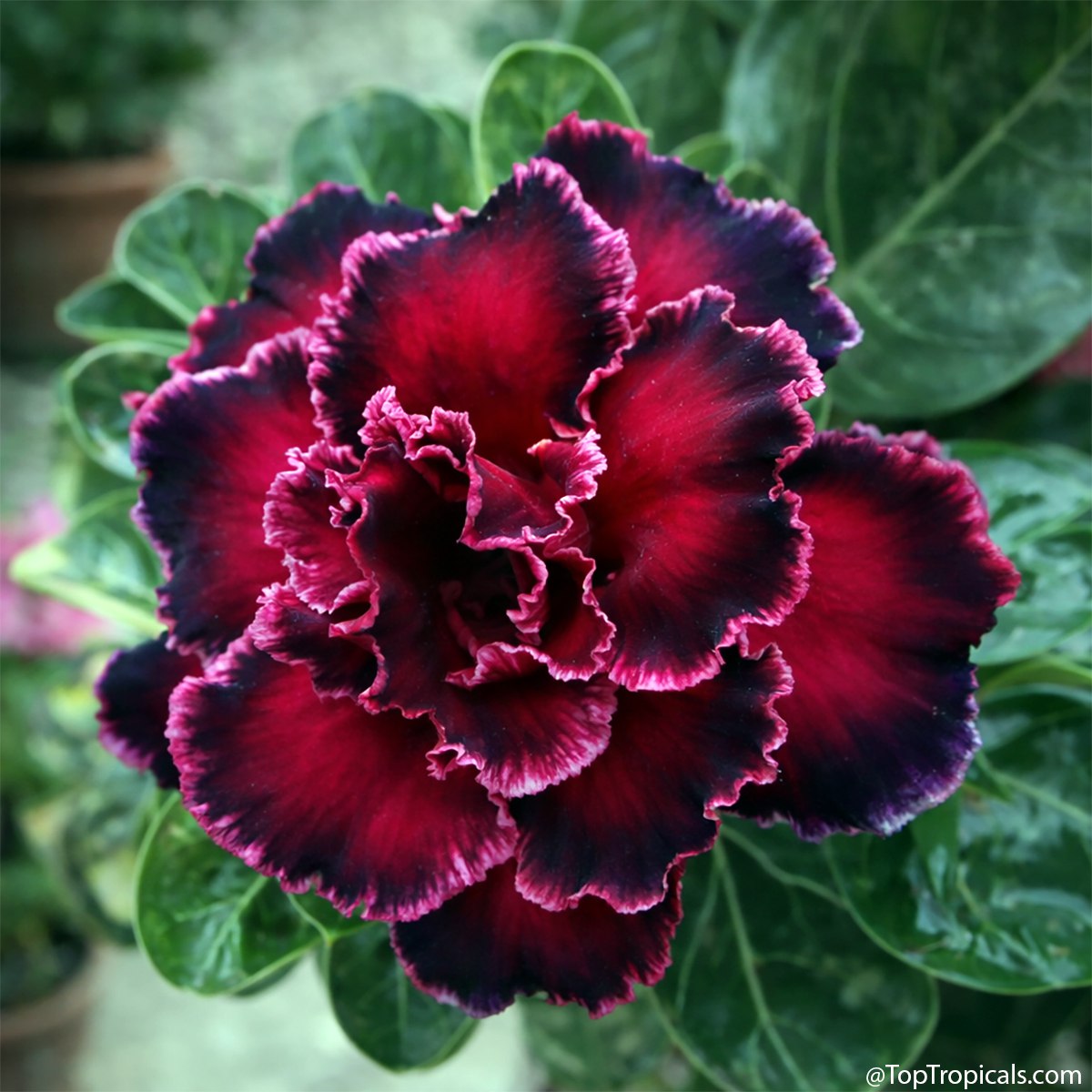
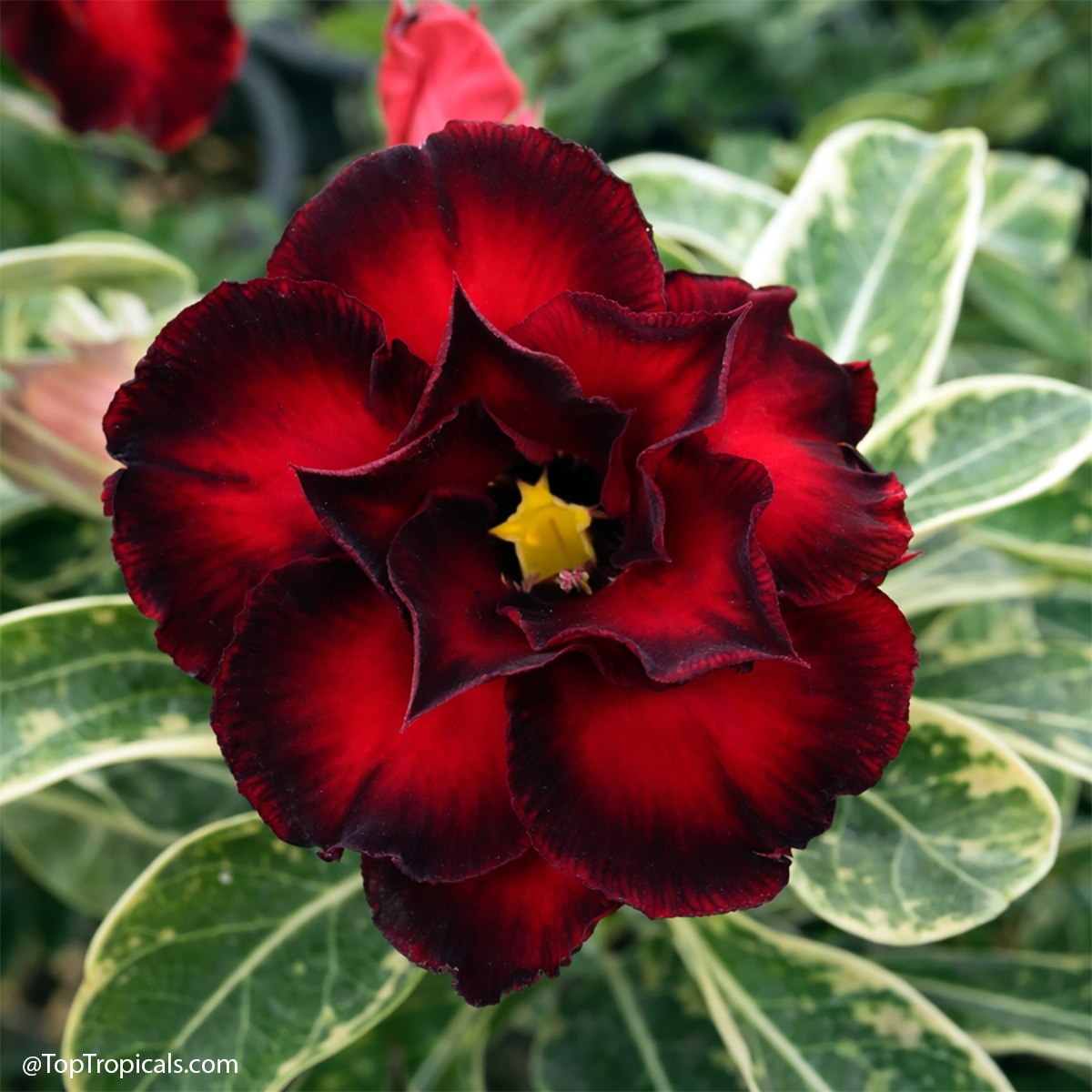
✦ Beauty: Soft, balanced bloom with a clean look - simple and pleasing. ✦ Chok Sedthee: Name tied to wealth and success - a strong grower with presence. ✦ Black Dragon: Deep, intense tones with a bold, powerful look. ✦ Red Dragon: Bright red blooms with strong energy - hard to miss. ✦ Jasmine: Light, delicate feel with a more refined floral look. ✦ Marygold: Warm golden tones that bring brightness into any mix.
A mix like this gives you contrast right away - dark next to gold, simple next to unusual.
That’s what makes a collection interesting: not just how many you have, but how different they feel side by side.
Forget the Tropics: These 5 Condo Mango Varieties Thrive in Your Living Room
Mngo tree in a pot
Forget the Tropics: These 5 "Condo Mango" Varieties Thrive in Your Living Room 🥭
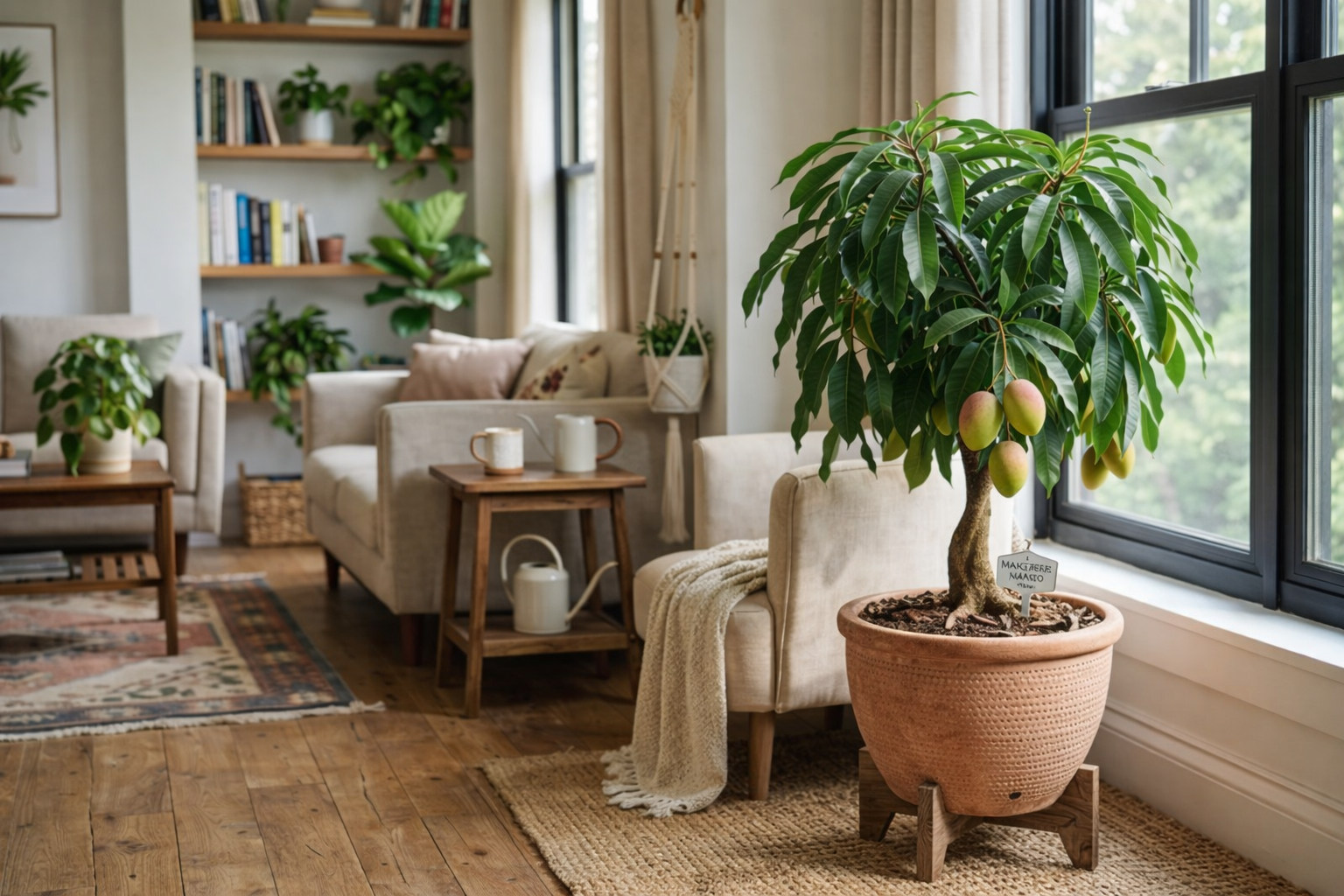
A tropical orchard in your living room? It’s more possible than you think. While wild mango trees can tower at 60 feet, "condo mango" varieties allow you to harvest juicy, sun-ripened fruit right next to your sofa.
Mango Plant Facts
Botanical name: Mangifera indica Also known as: Mango
USDA Zone: 9 - 11
Highligths
If you have a sunny window and a bit of patience, here is exactly how to grow a potted mango tree indoors.
🌳 Why "Condo Mangoes" are the Secret to Success
Most people fail because they plant a seed from a grocery store mango. Don't do that. Seeds take up to a decade to fruit and grow far too large.
Instead, look for grafted, dwarf varieties. These are bred to: • Stay compact (6–10 feet). • Fruit within 1–3 years. • Thrive in the limited root space of a container.
🌳 The 5 Best Mango Varieties for Indoor Pots
Choosing the right cultivar is 90% of the battle. These five are the gold standard for indoor growers:
• Pickering: The #1 choice for pots; naturally tiny. Rich, fiberless, and coconut-heavy. • Cogshall: Slow-growing and easy to prune. Classic, ultra-sweet tropical taste. • Ice Cream: Extremely compact; thrives in small spaces. Creamy texture, like mango sorbet. • Carrie: High disease resistance; very productive. intense, spicy-sweet aroma. • Mallika: A semi-dwarf Indian favorite. Exceptional, honey-like sweetness.
Mangoes are sun-worshippers. They need at least 8 hours of direct light daily.
The Pro Move: Place your tree in a south-facing window. If you live in a cloudy climate, a high-quality LED grow light isn't optional - it’s a necessity to prevent leaf drop and encourage flowering.
The Rule: Let the top 2 inches of soil dry completely before watering deeply.
3. Temperature & Humidity
Keep your room between 65F and 90F. If you are comfortable, the tree is likely comfortable. Avoid placing it near drafty AC vents or heaters that sap humidity.
4. The "Bee" Factor (Pollination)
Indoors, you lack wind and insects. When your tree flowers, gently shake the branches or use a small paintbrush to move pollen between blooms to ensure fruit sets.
👉 Quick Tips for a Better Harvest
• Pot Size: Start with a 15-inch wide container and "up-pot" every two years. • Pruning: Don't be afraid to snip! Pruning the tips encourages branching, and more branches mean more fruit. • Fertilizer: Use a balanced organic fertilizer with micronutrients (like magnesium and iron). We recommend Sunshine Mango Tango specifically formulated for mango trees, and a micro element supplement - Sunshine Superfood - these are safe to use with every watering.