Garden Blog - Top Tropicals
Date: 2 Mar 2026
😼😺 The Story Behind Smokey and Sunshine 🐾

Smokey: Not so fast, genius. Twenty five degrees is not the North Pole. And polar bears and penguins do not share zip codes.
Sunshine: You always pour cold water on my brilliance. Fine. Where do we start?
Smokey: Well, first you go talk to Tatiana. She graduated from the Geography Department. She can explain climate zones. Cherry of the Rio Grande can grow in North Florida, Texas, and similar climates. Let’s master that before we conquer Arctic.
Sunshine: So… Phase One: Geography?
Smokey: Exactly.
Some stories are easier to tell with a little humor. Smokey and Sunshine were never just mascots. They represent the two forces behind every decision we make here: bold ideas and careful reality. One dreams big. The other checks the climate zone map. Together, they remind us that growing plants is part science, part optimism, and always personal. If you have ever wondered why they keep appearing in our newsletters, you can read their full story on the Smokey and Sunshine page. They have been with us longer than most people realize.
🐾 Learn the Story of Smoky and Sunshine
Freeze Testing of Grumichama and Cherry of Rio Grande 🍒❄️
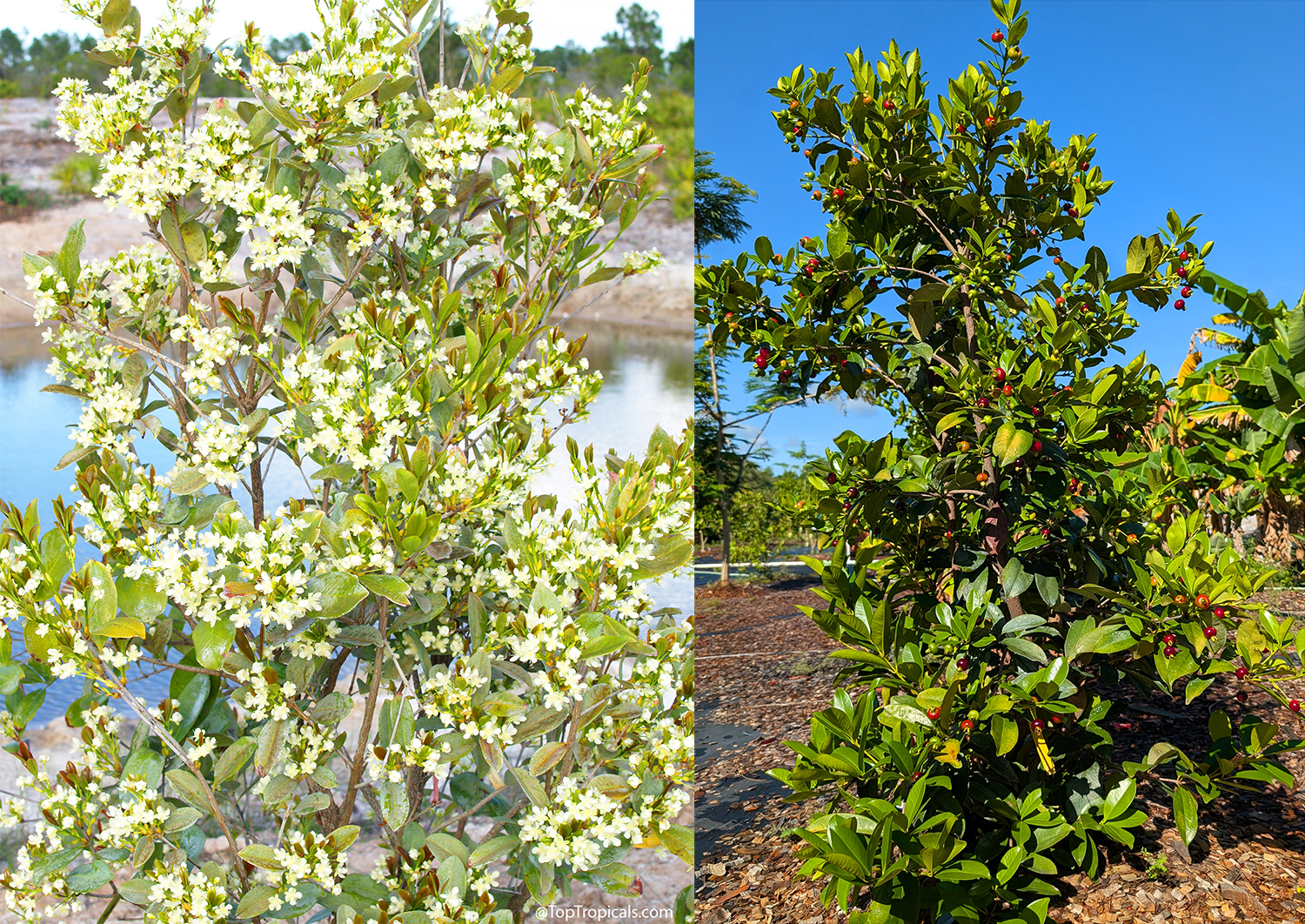
When temperatures dropped to 25F, with wind chill near 14F, winter made it clear which tropical trees were truly resilient. Some plants burned back. Tender growth collapsed. But our established Eugenia cherries stood steady. Leaves held. Branches stayed flexible. The canopy remained intact.
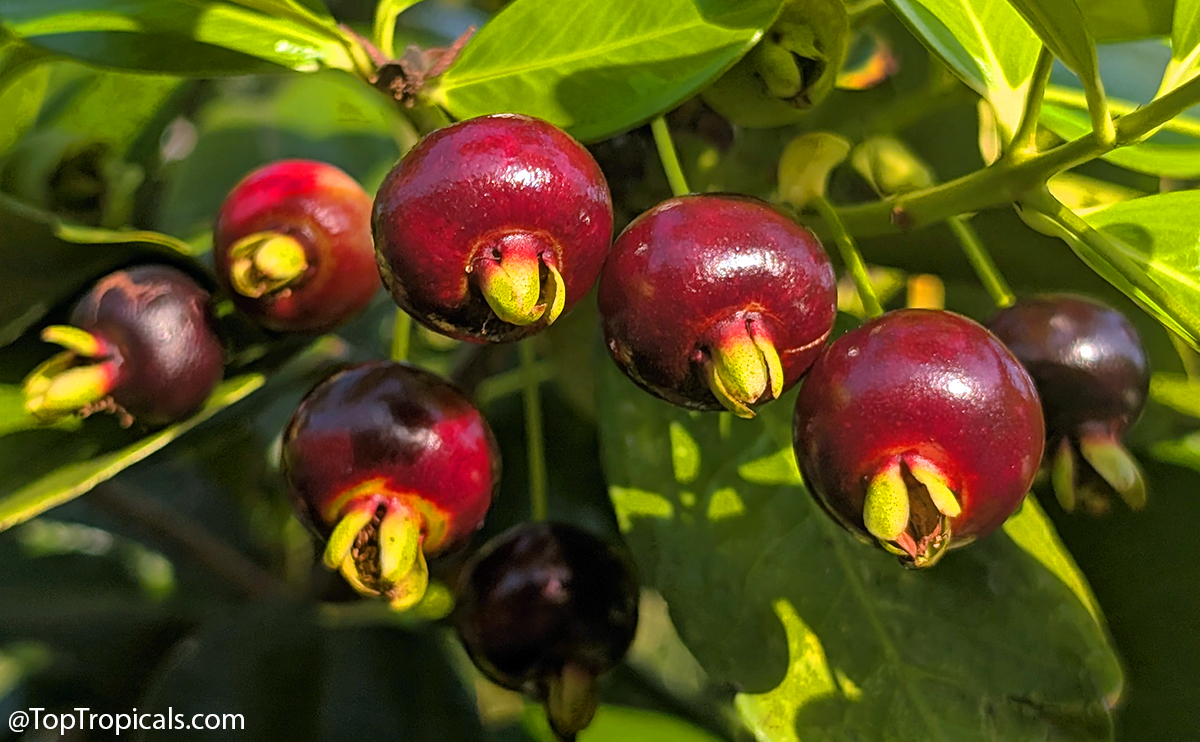
Cherry of the Rio Grande (Eugenia aggregata) and Grumichama (Eugenia brasiliensis) are among the most cold-hardy tropical cherries for Southern gardens. Both are native to Brazil and thrive in USDA Zones 9b–11, and even protected 9a sites.


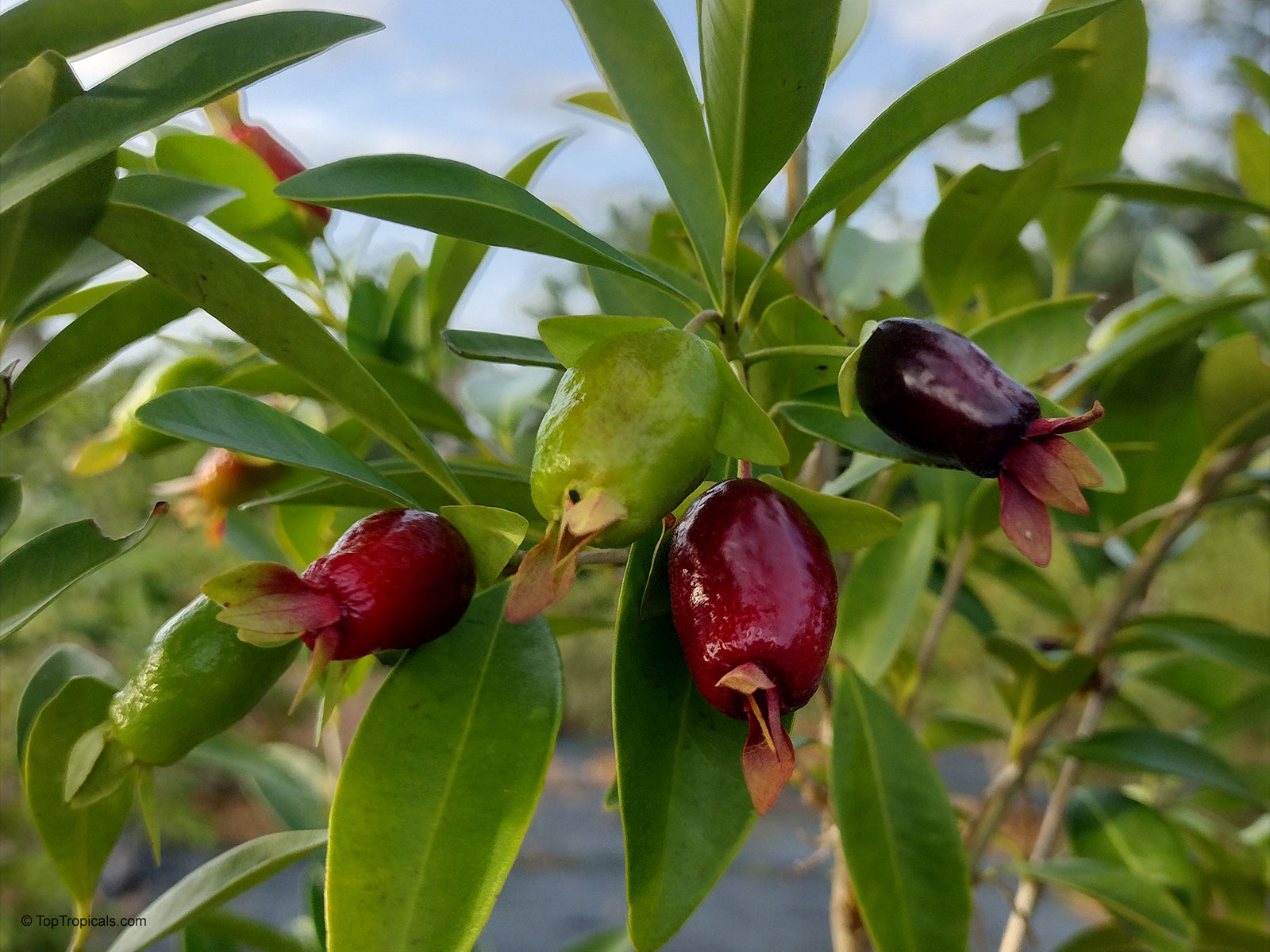
Cherry of the Rio Grande produces dark ruby fruit that ripens almost black, with a rich, full cherry flavor. It flowers early in spring and can fruit well into summer. Mature trees can tolerate brief drops into the low 20s once established. Trees typically grow 8 to 15 feet tall, remain naturally compact, and often begin fruiting within 2 to 3 years.
Grumichama is an evergreen tree known for both beauty and productivity. In spring, it covers itself in white starburst flowers that attract pollinators. Within about four weeks, glossy purple-black fruit develops. Established trees tolerate temperatures into the upper 20s and grow well in the ground or in 5–10 gallon containers. Mature trees can produce hundreds of fruits per season.
Across the Eugenia group, strengths are consistent: early bearing, compact growth, heat tolerance, light freeze endurance, and low pest pressure. They are adaptable to different soils, need modest water once established, and perform in full sun or partial shade. Birds enjoy the fruit, but there is usually plenty to share.
Nutritionally, Eugenia cherries provide Vitamin C, fiber, antioxidants, and notable Vitamin A that supports eye health. They offer sweetness with real dietary value.
In the kitchen, they are simple and rewarding. Cherry of the Rio Grande makes an easy compote. Simmer the fruit with a small amount of water until soft, mash lightly, and spoon over pancakes or warm bread. Grumichama turns into a deep red jam with sugar and lime, or can be blended into a bright spoon drizzle over vanilla ice cream.
Even when not fruiting, both trees remain attractive year-round with glossy evergreen foliage and clean structure. They fit well into edible landscapes, small yards, and container gardens.
Winter will return. The difference lies in planting fruit trees that can handle heat, humidity, and the occasional cold snap. If you are building a food forest for lasting harvests, cold-hardy tropical cherries like Cherry of the Rio Grande and Grumichama deserve a place in your garden.
Date: 1 Mar 2026
Skip the lemon - 5 better fruits for a cough
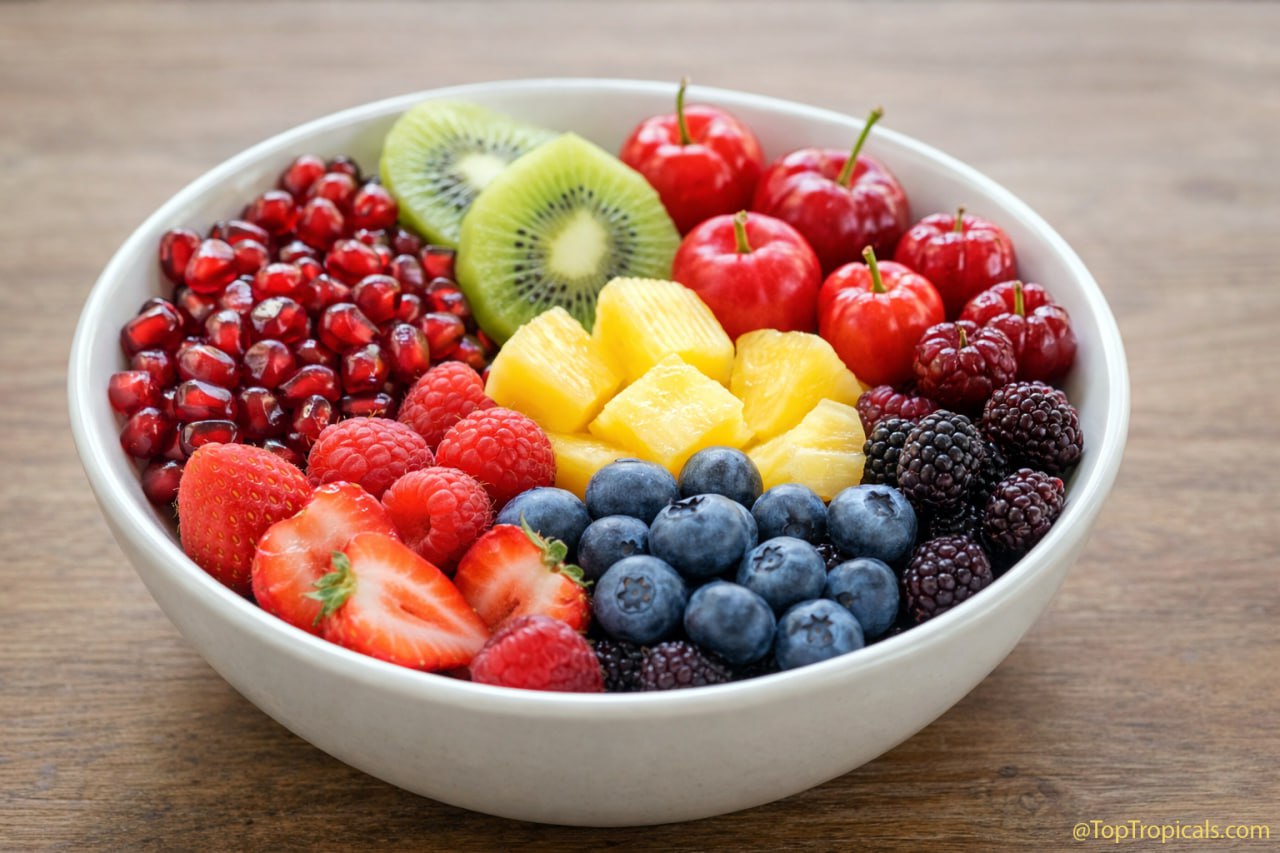
Best fruits for a cough
5 fruits to eat when you have a cough or cold - backed by research
When you are fighting a cough or cold, your immune system works overtime. While no fruit can cure a viral infection, certain fruits contain nutrients and bioactive compounds that may help reduce inflammation, support immune defenses, and ease respiratory discomfort.
Here are five fruits supported by nutrition research that may help during cold season.
1. Pomegranate 🍅
Pomegranate is rich in polyphenols, especially punicalagin, known for antiviral activity.


According to a study published in PubMed, pomegranate polyphenol extract suppressed replication of influenza A virus in cultured cells and showed direct virucidal effects. Researchers identified punicalagin as a key compound involved in blocking viral RNA replication. These findings suggest pomegranate extracts may help reduce viral load during respiratory infections.
2. Kiwi
Kiwi is exceptionally high in vitamin C, a nutrient closely linked to immune function and respiratory health.
A study published in Antioxidants (MDPI) found that consuming two SunGold kiwifruit daily for six weeks restored adequate plasma vitamin C levels in adults with a history of severe respiratory infections. Researchers concluded that kiwi consumption can directly support antioxidant defenses during respiratory illness.
3. Tropical cherries 🍒
Instead of traditional lemon, consider tropical cherries such as Malpighia (acerola cherry) and Eugenia (Surinam cherry).
Acerola (Malpighia glabra - Barbados Cherry) is one of the richest natural sources of vitamin C. Clinical research shows that adequate vitamin C intake is associated with reduced duration and severity of common cold symptoms. Vitamin C supports immune cell function and helps maintain the respiratory tract's protective barrier.


Eugenia species (Tropical Cherries) contain anthocyanins and phenolic compounds with antioxidant and anti-inflammatory properties, which may help reduce oxidative stress during illness.
4. Pineapple🍍
Pineapple contains bromelain, a group of proteolytic enzymes known for anti-inflammatory effects.


According to a study published in PubMed, bromelain significantly reduced inflammatory cell infiltration in the lungs in a mouse model of airway inflammation. These findings suggest bromelain may help ease airway inflammation and congestion.
5. Berries and including mulberries
Strawberries, blueberries, raspberries, blackberries and mulberries are rich in flavonoids and vitamin C.
Although direct clinical trials on berries for colds are limited, nutrition reviews highlight their immunomodulatory potential. Flavonoids such as quercetin, anthocyanins, and catechins have demonstrated antioxidant effects and possible antiviral activity in laboratory studies.
Mulberries provide additional anthocyanins and resveratrol-like compounds, offering strong antioxidant support during illness.
Practical tips when you are unwell ❤️�
🔻Choose room-temperature or lightly warmed fruit to avoid throat irritation.
🔻Prefer whole fruit over juice to retain fiber and stabilize blood sugar.
🔻Pair fruit with warm herbal tea or honey if appropriate.
🔻Rotate fruits to benefit from diverse phytonutrients.
🔻If symptoms persist, worsen, or include high fever or breathing difficulty, seek medical care.
🛒 Grow your own vitamin-rich fruit
📚 Learn more:
One bite, your whole day of vitamin C: Barbados Cherry that outdoes oranges!
What fruit can help with health issues and VITAMIN deficiencies
Top 10 fruit you'll ever need for your health benefits: Lolita (Surinam) Cherry
#Food_Forest #Remedies #Discover
🟢 Join 👉 TopTropicals
Date: 1 Mar 2026
POV: Why your cats are Grass Addicts
First Spring Grass vs. Hungry Cats
Happy March 1st! 🌷 First Spring Grass vs. Hungry Cats!
🌿 The first blades of spring grass are here, and the PeopleCats have officially lost their minds.
It’s a "Grass Party" with zero manners and maximum competition.
🌿 Did you know? Today marks the unofficial start of "Cat's Green Grass Day," but keep these other cat dates on your radar:
Oct 29: National Cat Day (USA)
Feb 17: World Cat Day (Europe)
Aug 8: International Cat Day
March 17: St. Gertrude’s Day (Patron Saint of Cats and Gardeners)
May your yard be green and your cats stay mildly civilized!
#PeopleCats
🟢 Join 👉 TopTropicals
Date: 28 Feb 2026
The alien upgrades his winter uniform

Cat Pelmen upgrades his winter uniform
Cat Pelmen has officially expanded his winter collection. The alien has landed - in knitwear. As a very serious Sphynx gentleman, he does not simply wear a sweater… he curates it. This season’s look? Cozy, practical, slightly dramatic. While other cats grow fur, Pelmen upgrades his wardrobe. Warm, dignified, and faintly extraterrestrial - he is ready for winter. 👽
🐈📸 Cat Pelmen - a friend of TopTropicals PeopleCats.Garden.
#PeopleCats
🟢 Join 👉 TopTropicals
Date: 27 Feb 2026
Grilled star fruit slices: quick-n-fun exotic recipes
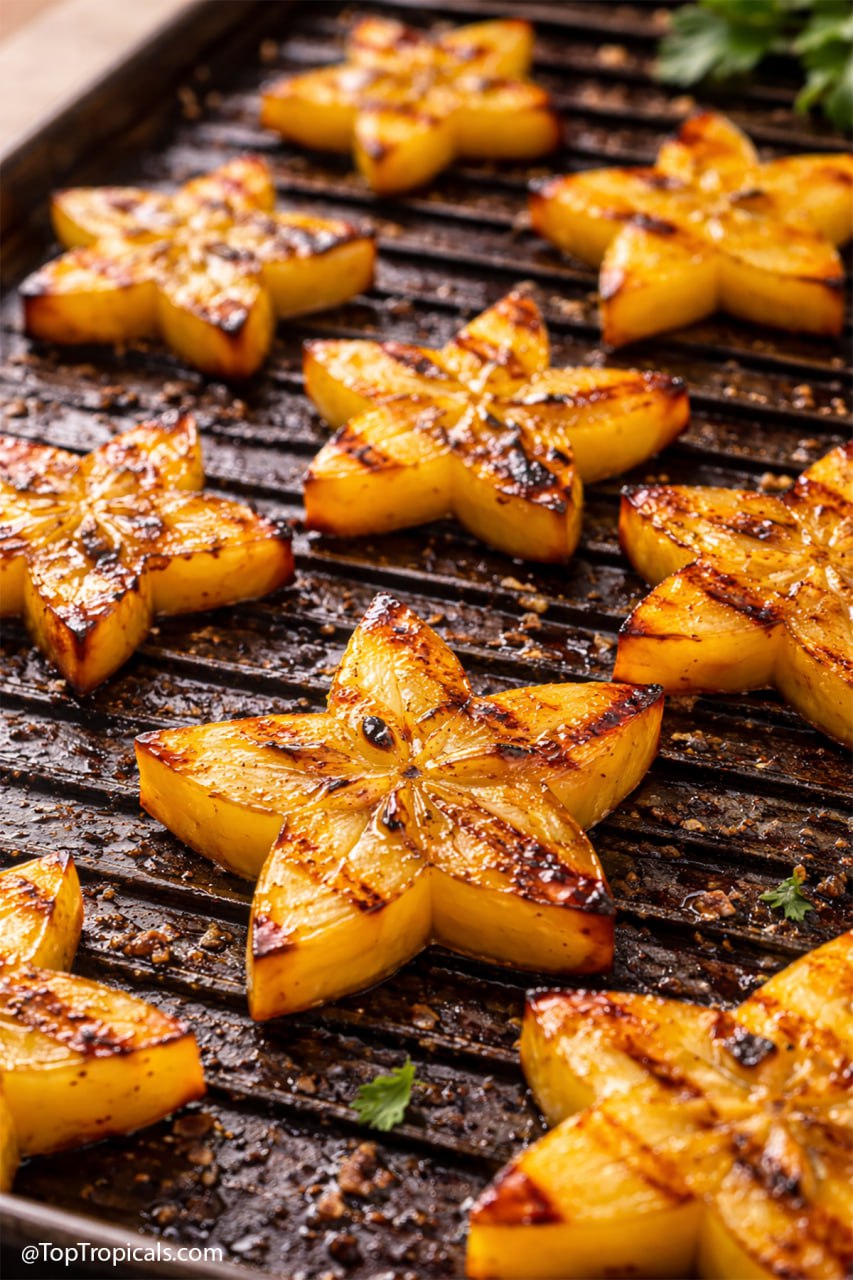
Grilled star fruit slices on grill pan
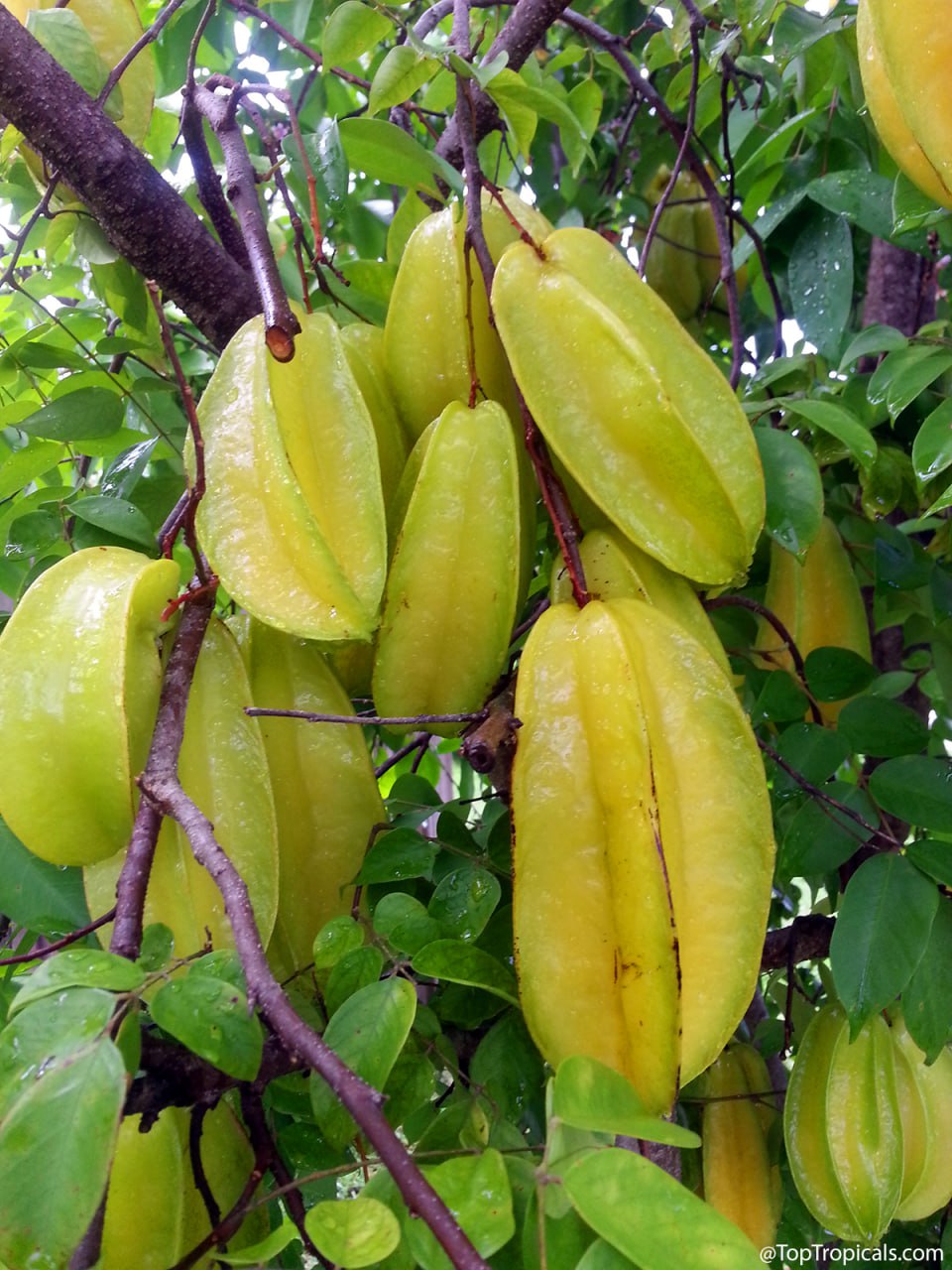
Averrhoa carambola - Star Fruit Carambola Tree
🍴 Grilled star fruit slices: quick-n-fun exotic recipes
Grilled Star Fruit Slices
Ingredients
- 1 ripe star fruit (carambola)
- 1 teaspoon honey
- 1 teaspoon butter or coconut oil
Instructions
- Slice the star fruit crosswise into star-shaped pieces.
- Heat a grill pan or skillet and lightly grease with butter or coconut oil.
- Place the slices on the hot surface and grill briefly on each side.
- Drizzle lightly with honey as the edges begin to caramelize.
- Serve warm as a tropical side dish or dessert topping.
🌿 About the plant:
Carambola, or Star Fruit, is a small tropical tree with glossy leaves and crisp, juicy fruit that slices into perfect stars.
🏡 In the garden:
Thrives in zones 9-11. Likes sun, regular water, and protection from strong winds. Dwarf varieties do well in large containers.
🛒 Plant Star Fruit Carambola Tree
📚 Learn more:
✦ Averrhoa carambola in Plant Encyclopedia
✦ How to gets lots of Star Fruit Carambola
✦ Star Fruit from our garden
✦ Grow your own Carambola
✦ Top 10 fast-fruiting trees: #8. Carambola - Starfruit
✦ Carambola Banana Whip
✦ Carambola Jam recipe
✦ When young Carambola trees are covered with fruit
✦ Carambola tree is the Star of the orchard
#Food_Forest #Recipes
🟢 Join 👉 TopTropicals