Why white-flesh Dragon fruits deserve more attention?
White Dragon fruit varieties (Hylocereus undatus)
🏆 Why white-flesh Dragon fruits deserve more attention?
✔️ Fast growers, heavy producers.
White-fleshed Dragon fruits are often overlooked, but they are the real workhorses of the Pitaya world. These varieties tend to be more vigorous, faster growing, and less demanding than red-fleshed types. They establish quickly, handle a wider range of conditions, and are usually heavier producers.
✔️ Juicy, light, and refreshing.
Flavor-wise, white-flesh types are milder and juicier, with higher water content and lower sugar. That makes them refreshing, hydrating, and a good choice for people watching sugar intake. Because they set fruit more reliably and produce larger crops, white-fleshed dragon fruits are often the best option for beginners and for anyone who wants dependable harvests without fuss.
✔️ The sweetest of them all.
Yellow-skinned dragon fruit with white flesh takes things one step further. While the plant itself is a bit slower and more selective, the fruit is the sweetest and most flavorful of all dragon fruits, often described as honeyed or tropical with pineapple notes.
✍️ The best white-fleshed Dragon fruit varieties:
🔴 ⚪️ Red skin, white flesh(Hylocereus undatus): the most common and productive group. These plants are vigorous, fast-growing, and known for large fruit size. Flavor is mildly sweet and very refreshing, often compared to kiwi or pear. Excellent choice for heavy production and easy care.
Varieties:David Bowie, Delight, Hana, Lake Atitlan, Seoul Kitchen, Vietnamese Jaina, Hana
🟡⚪️ Yellow skin, white flesh (Hylocereus, or Selenicereus megalanthus) - Smaller fruit but unmatched sweetness. Crisp, juicy flesh with honey, pineapple, or tropical notes. Less productive than red-skin whites, but prized for flavor above all else.
⚪️ White-flesh reds = most vigorous, most productive, easiest to grow 🟡 Yellow with white flesh = sweetest and most flavorful 🔴 Red-flesh types = richer flavor but usually slower and less productive
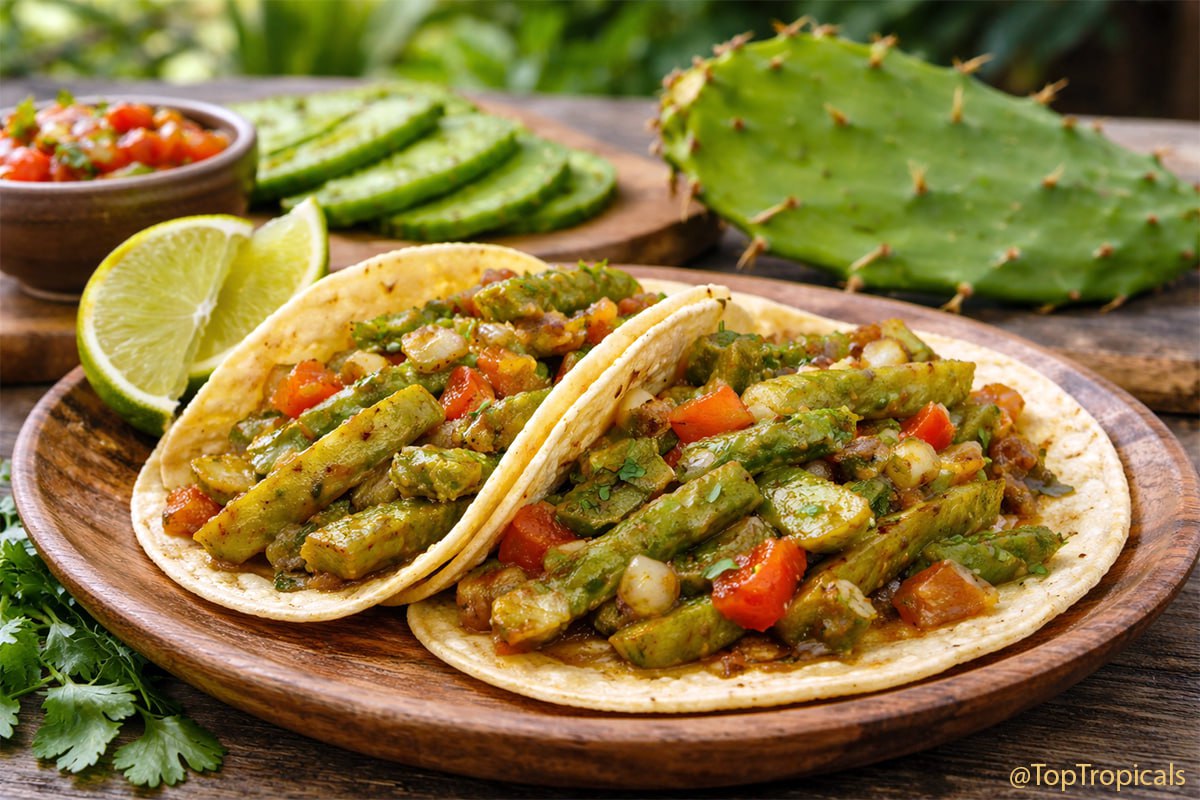
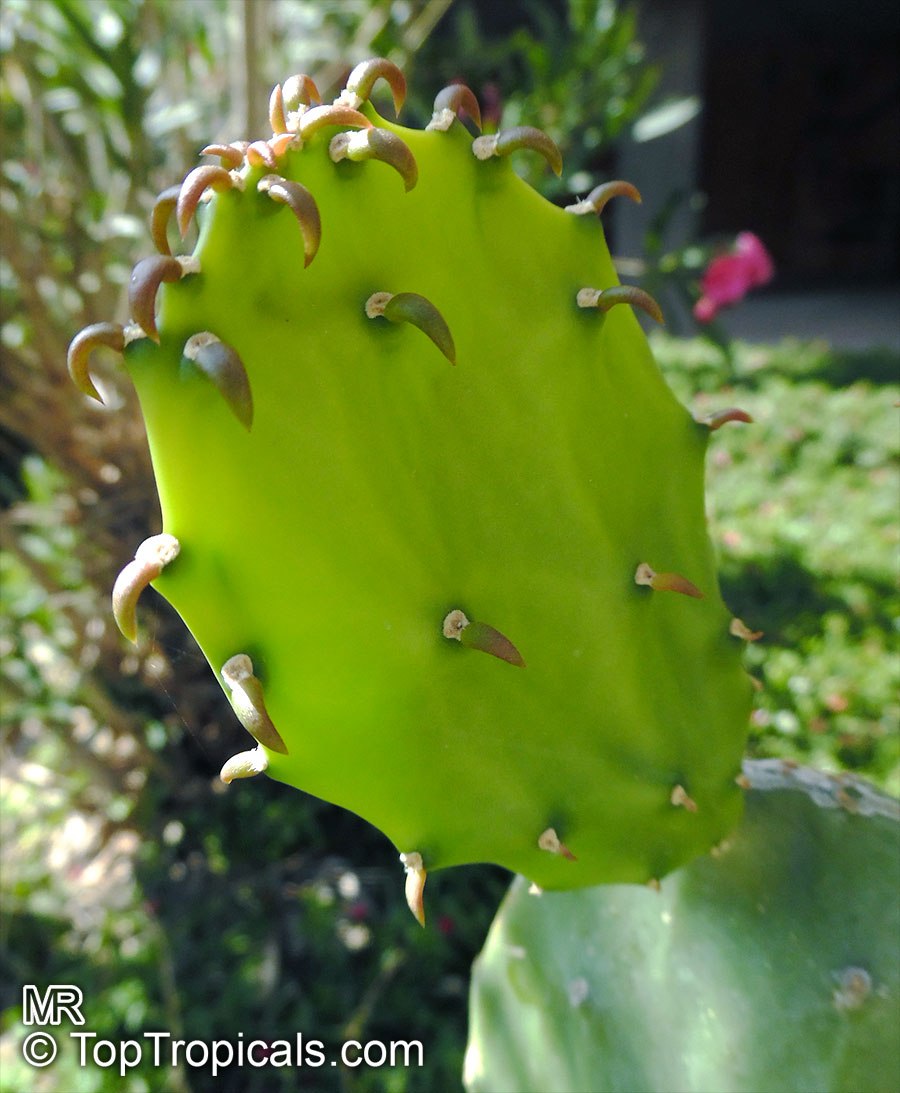
2 to 3 tender velvet nopal pads (Opuntia cochenillifera)
1 small onion, diced
1 small tomato, diced
1 tablespoon vegetable oil
Salt to taste
Corn tortillas
Instructions
Remove spines from nopal pads and slice into strips.
Boil the sliced nopal for 5 minutes, then drain well.
Heat oil in a pan and saute onion until soft.
Add tomato and cooked nopal, season with salt, and saute until tender.
Serve warm in corn tortillas.
🌵 About the plant:
Nopal Opuntia (prickly pear cactus pads) is a cornerstone vegetable in Mexican cuisine and a long-standing staple across Central and South America. It is valued both as food and medicine. Traditionally eaten sauteed, grilled, or stewed, nopal is rich in fiber, minerals, and antioxidants. It is especially well known for its role in blood sugar management - many people who eat it regularly report significant improvement in diabetes control.
🌱 In the garden:
Prickly pear is a fast-growing, tough desert plant with showy red flowers. It thrives on neglect, tolerates drought, and also handles Florida rain surprisingly well. Easy to grow, productive, and edible, it is one of the most practical food plants you can add to your landscape.