Date: 16 Mar 2026
🌱 💪 Green Magic + SUNSHINE Boosters: A Complete System for Strong Plant Growth
By Tatiana Anderson, Horticulture Expert at Top Tropicals with Smokey & Sunshine help
☀️🌱 Sunshine Boosters: Complete Plant Nutrition
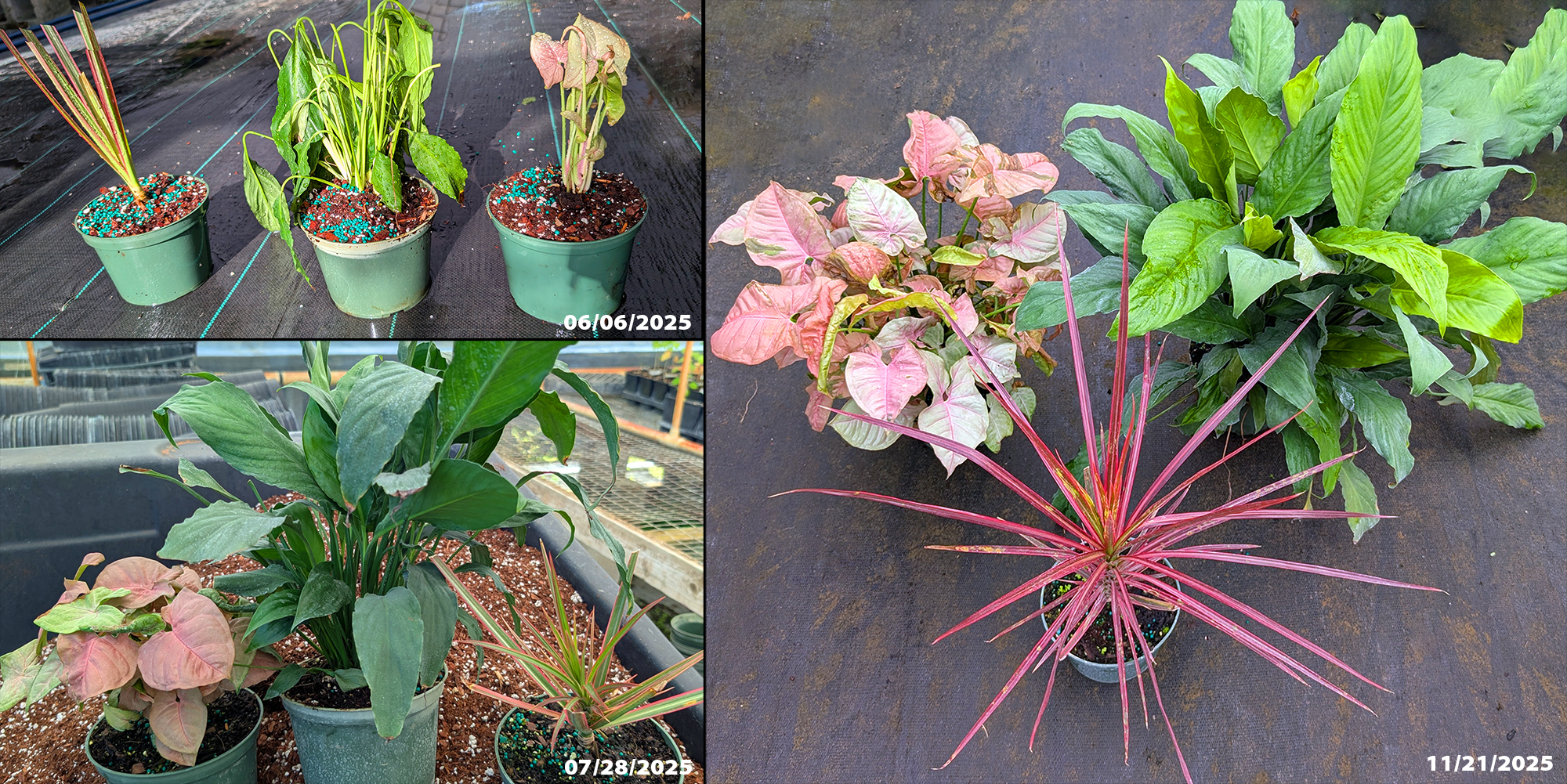
Sunshine Boosters provide complete plant nutrition, including Calcium and micronutrients that plants need for strong growth. Because nutrients are delivered in liquid form, plants can absorb them quickly and respond almost immediately.
The Practical Problem
Liquid feeding works well, but it requires frequent application. In real gardens, many growers simply do not have time to add liquid fertilizer with every watering.
Green Magic: The Foundation
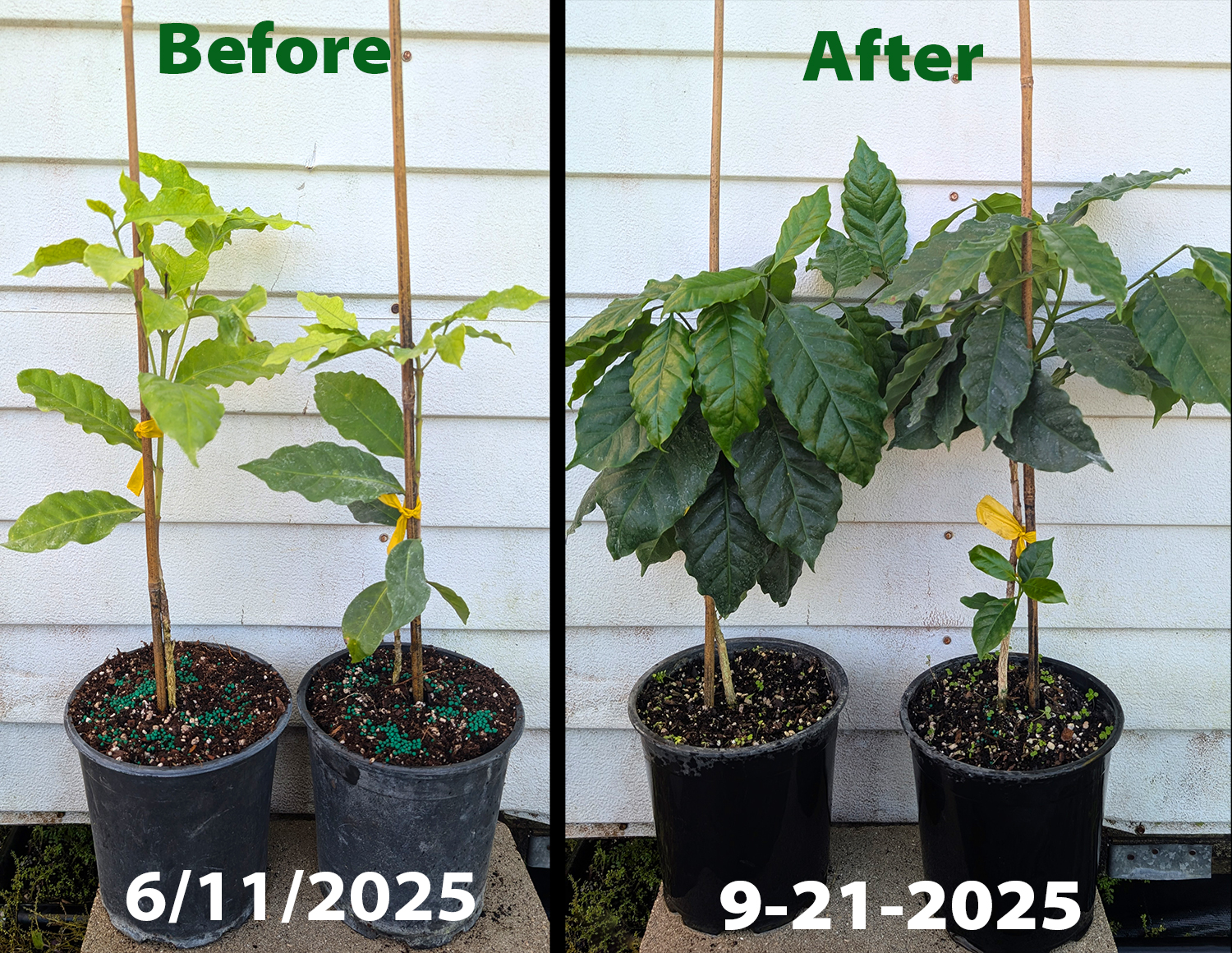
Green Magic solves this problem by providing steady background nutrition through controlled-release fertilizer. It feeds plants gradually, so they continue receiving nutrients even between liquid feedings.
Why This Combination Works
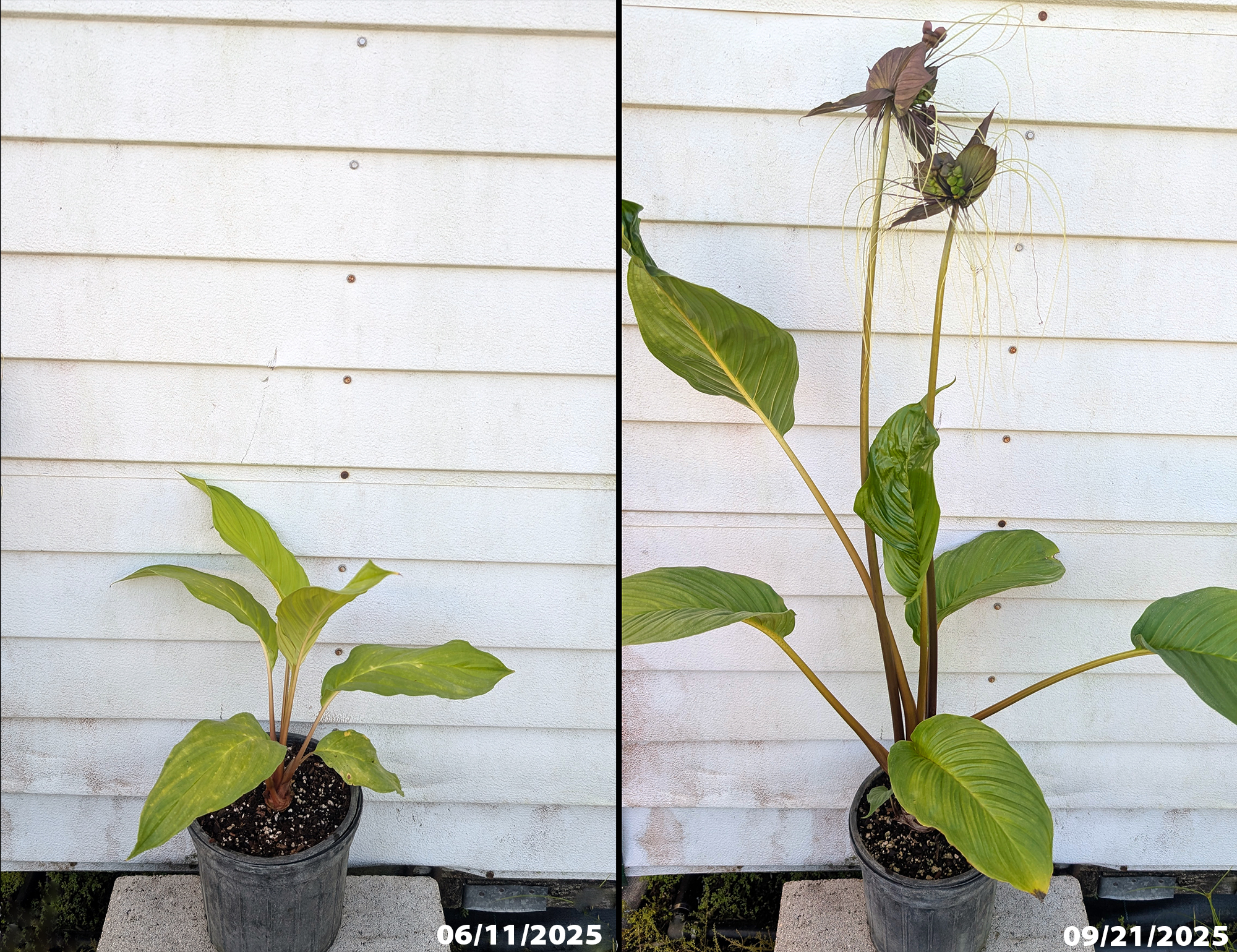
Together, this system provides both complete nutrition and steady feeding. Sunshine Boosters supply fast nutrients and Calcium, while Green Magic maintains a stable nutrient supply between feedings.
✍️ How to Feed Your Plants
📅 Step 1 – Start of the Growing Season
- Apply Green Magic around the root zone every 6 months.
In ground:- Small Shrubs (1–3 feet): Use approximately 1/4 to 1/2 cup per plant
- Established Trees: Use 1/2 lb to 1 lb of product per 1 inch of trunk diameter.
- Small In-Ground Ornamentals: A common "spoon" rate is roughly 1 teaspoon per gallon of estimated root volume (or per sq. ft. of surface area).
- Spread evenly around the dripline. Avoid piling the granules against the base or trunk of the plant. For best results, lightly rake the granules into the top 1–2 inches of soil.
- Apply 1 tea spoon per 1 gal of soil (mix in with soil) every 6 months during active growth period, or with every re-potting.
- Water normally after application.
- Adjustment for Temperature. Because Green Magic is
temperature-controlled, adjust your rate if your local climate is extreme:
- Cooler Climates (<60°F average): Increase the rate by 20% to ensure enough nutrients are released.
- Hot Climates (> 80°F average): Decrease the rate by 20% to prevent over-releasing as the heat speeds up the process.
☀️🌿 Step 2 – Active Growing Season
- Apply Sunshine Boosters during the growing season.
- Regular feeding (maintenance): Mix with tap water according to the ratio on the label. For SUNSHINE Robusta use 25 ml (5 tsp)per gallon of water and spray leaves every 5-7 days during active growth.
- Correction feeding ("medicine" dose): if plants show visible nutrient deficiencies, combine SUNSHINE Robusta with SUNSHINE Superfood and spray every 5–7 days until new growth appears healthy. All SUNSHINE Boosters products are compatible and can be mixed with water in the same sprayer.
- Best time to spray: early morning or evening when temperatures are cooler and leaves can absorb nutrients efficiently.
- Important: spray both the top and underside of leaves for maximum absorption.
📊 Seasonal feeding schedule with Green Magic and Sunshine Boosters.
| Season | Product | Method | Goal |
|---|---|---|---|
| Spring (March) | Green Magic | Soil Surface | 6-month steady nutrient base. |
| Growing Season | Sunshine Boosters | Foliar (Every 5-7 days) | Calcium & Bio-available growth power. |
| Late Summer | Green Magic | Soil Surface | Replenish foundation for Fall. |
| Winter | Sunshine Epi | Foliar/Drench | Cold tolerance and shipping recovery. |
Quick Dose Reference
- Green Magic: 1 teaspoon per 1 gallon of soil volume.
- Sunshine Boosters: 25 ml (5 tsp) per 1 gallon of water.
- Pro Tip: Always spray in the early morning or late evening to prevent leaf scorch and ensure maximum absorption through the stomata.
❓Frequently Asked Questions: Plant Nutrition & Fertilizer
General Fertilizer Concepts
Why is the"Spring Fertilizer Rush"a problem?
Most gardeners apply a large amount of traditional fertilizer once in
March. This creates a"roller coaster"effect where plants get a sudden
spike of
nutrients followed by weeks of starvation. This leads to inconsistent growth
and potential"fertilizer burn."
What is"fertilizer burn"?
Traditional fertilizers are made of soluble salts. When too many salts
accumulate around the roots, they actually pull water out of the plant
tissues
(osmosis), dehydrating the plant and damaging sensitive root tips and leaf
edges.
Is there a difference between"Slow-Release"and
"Controlled-Release"?
Yes.
- Slow-Release: Relies on natural factors like moisture and soil microbes to break down. It is often unpredictable.
- Controlled-Release: Uses engineered polymer membranes (like Polyon) to release nutrients at a specific, predictable rate based primarily on temperature.
Green Magic & Temperature
How does temperature affect my fertilizer?
Most fertilizers are lab-tested at 75°F. In hot climates
(90°F+), the nutrients release much faster. A"6-month"fertilizer
might only last 3
months in the summer heat.
How should I adjust Green Magic for my local weather?
- Cooler Climates (<60°F): Increase the application rate by 20%.
- Hot Climates (> 80°F): Decrease the application rate by 20% to prevent over-releasing.
The Calcium Gap
Why doesn't Green Magic contain Calcium?
Calcium salts are highly soluble and can destabilize the polymer coating
used in controlled-release granules. Therefore, most high-quality granules
leave Calcium out. You can provide Calcium by using SUNSHINE Boosters
Why is Calcium so important for new growth?
Calcium is the"bone"of the plant, building strong cell walls. Unlike
other nutrients, it is immobile—the plant cannot move it from old
leaves
to new ones. If you don't provide a constant supply, new leaves and fruit
will
emerge distorted or weak.
Advanced Science & Troubleshooting
What makes Sunshine Boosters"Bioavailable"?
Unlike most liquid fertilizers that use EDTA chelators, Sunshine Boosters
are amino-acid based. They use organic acids and glycine to escort minerals
into the plant, allowing it to incorporate nutrients into its proteins
almost
immediately.
Will these fertilizers affect the taste of my fruit?
No. Sunshine Boosters are made from pharmaceutical-grade components and
contain no urea or harmful salts, ensuring your harvest (like Mangoes or
Avocados) has a pure, natural flavor without a chemical aftertaste.
✨ Green Magic - 15% Off This Week
Build the foundation for the entire growing season with a steady, long-lasting nutrient base.
No coupon needed. The discount is automatically applied at checkout.
Smokey: Not quite. Green Magic is the steady base diet. Sunshine Boosters are the weekly power drink during active growth.
Sunshine: Ah. Like my regular meals and donuts on top.
Smokey: Exactly. Plants eat slowly from Green Magic, and once a week they get a fresh boost.
Sunshine: Sprinkle once, then boosters every week. The plant grows, I drink coffee, and nobody forgets anything important.
Smokey: Except where you left the donuts.
Sunshine: Smokey... nobody forgets donuts. Ever
Date: 16 Mar 2026
🌞 Spring Nutrition Strategy: How to Identify and Fix Plant Nutrient Starvation

Smokey: Yes, it is good. However, it managed to grow your waistline, not the mango. Starting tomorrow, you begin exercising.
Sunshine: Exercising? Like running?
Smokey: No. Pulling weeds.
Read more about Smokey & Sunshine
🌱 The Spring Fertilizer Rush
It's the middle of March. The weather warms up, plants wake up, and gardeners rush to Home Depot to buy fertilizer. We see this every spring: one big feeding, then weeks or months of nothing.
Tatiana Anderson, horticultural expert from Top Tropicals, reminds gardeners that plants do not eat that way. They grow best when nutrients arrive little by little, not in one giant spring dump. That idea is the science behind Green Magic controlled-release fertilizer usage.
🎢 The Fertilizer Roller Coaster
After that big spring feeding, plants usually respond quickly. Leaves turn greener, growth speeds up, everything looks great. But a few weeks later something strange happens. Growth slows down. Leaves lose color. The plant looks hungry again. So gardeners fertilize again.
This cycle of nutrient spikes followed by starvation is very common with traditional fertilizers. Plants do not like roller coasters. They grow best with steady nutrition.
🚽 Where Traditional Fertilizers Go
Traditional fertilizers are usually made from soluble nutrient salts. When you water the soil or when it rains, part of those nutrients dissolve and become available to plants.
But plants cannot absorb everything at once. The unused portion continues moving with water through the soil. In gardens and container plantings, that excess often travels through drainage and eventually reaches nearby canals, lakes, or rivers causing algae growth.
These dissolved salts are also the reason gardeners sometimes see what is called "fertilizer burn". When too many salts accumulate around the roots, they can pull water out of plant tissues and damage sensitive roots and leaf edges.
It is also important to understand that traditional fertilizers are not the same as slow-release fertilizers. Traditional fertilizers dissolve quickly, while slow or controlled-release fertilizers are designed to release nutrients gradually over time.
This is why large fertilizer applications often lead to two problems: a short nutrient spike for plants and nutrient pollution.
⏳ The Idea Behind Slow Release
Gardeners and scientists recognized this problem a long time ago. If nutrients dissolve too quickly, plants receive a spike and the rest is washed away before roots can use it. The obvious solution was to slow things down. Instead of dumping nutrients all at once, slow-release fertilizers were developed to feed plants gradually over time.
The goal is simple: keep nutrients in the soil longer and deliver them to plants little by little, closer to the way plants actually grow.
⚖️ Slow Release vs Controlled Release
Not all gradual fertilizers work the same way. There is an important difference between slow-release and controlled-release fertilizers.
Slow-release fertilizers rely on natural processes such as moisture, temperature changes, soil microbes, or simple coatings that slowly break down. The release rate can vary depending on weather, soil conditions, and watering.
Controlled-release fertilizers use engineered coatings that regulate how nutrients leave the fertilizer granule. The coating acts like a membrane, allowing nutrients to move out gradually in a more predictable way.
In simple terms, slow-release fertilizers slow things down, while controlled-release fertilizers are designed to control how nutrients are delivered over time.
🌡️ The 75°F Trap
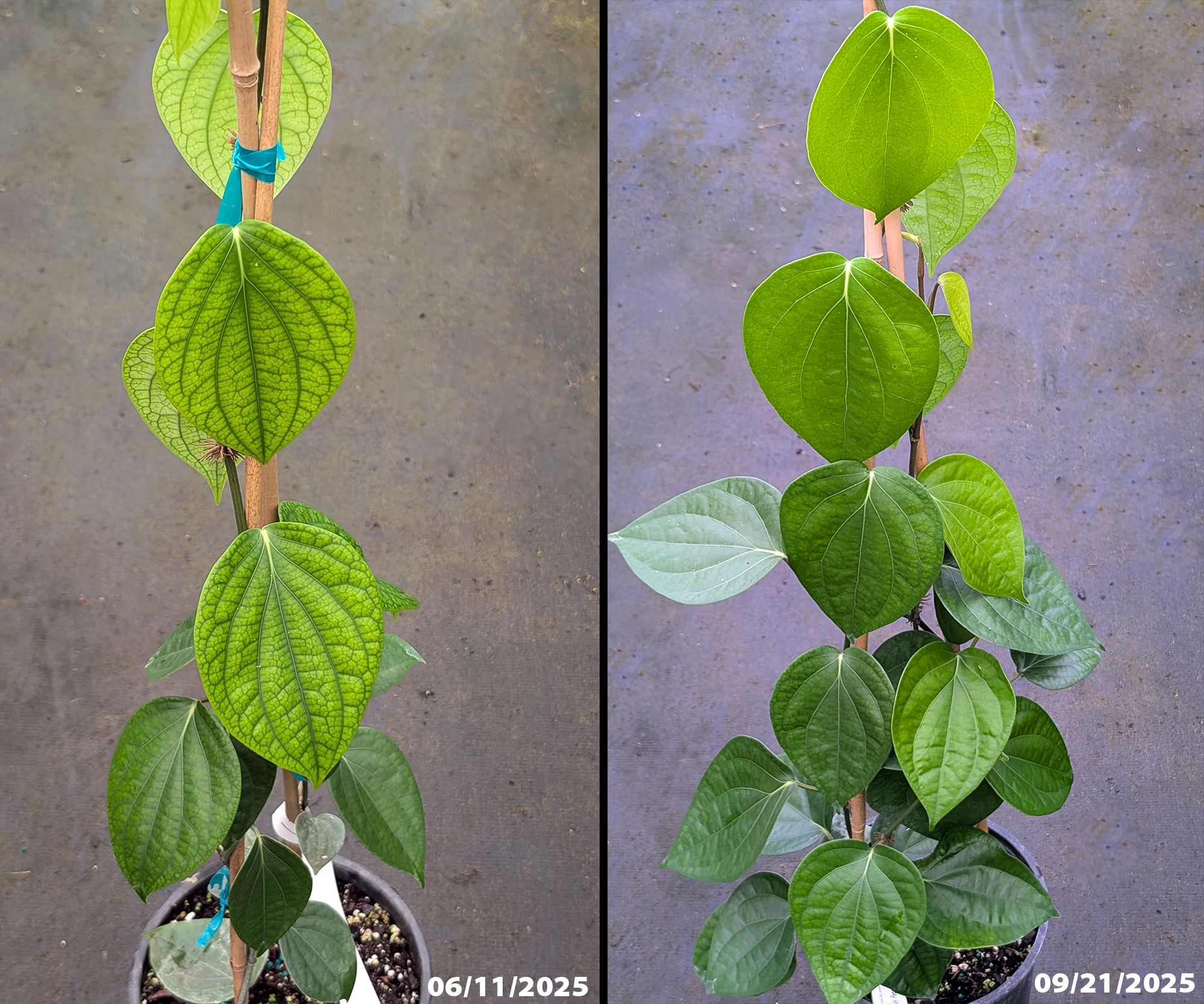
Most controlled or slow-release fertilizers are tested under laboratory conditions where soil temperature is around 75°F. But in real gardens, especially in warm climates, soil temperatures can be much higher. Container soil in full sun can easily reach 90°F or more. Higher temperature speeds up chemical and biological processes, including nutrient release from fertilizer coatings.
As a result, a fertilizer labeled 6-month release at 75°F may actually finish releasing nutrients in about 3 months in hot soil. That means plants receive nutrients too quickly early in the season and then may run short of food later, right when growth is strongest.
At 90°F and above, the issue is not only faster feeding. The fertilizer coating can release nutrients so quickly that the soil solution becomes highly concentrated with dissolved salts. In containers especially, this sudden surge of salts can pull water away from the roots through osmotic pressure, effectively dehydrating the roots at the exact moment when the plant needs water most. Instead of steady nutrition, the plant experiences a brief nutrient spike followed by stress.
⚙️ Why Release Mechanisms Matter
Different fertilizers use different coating technologies. Some rely on simple coatings that release nutrients mainly in response to moisture. When it rains or the soil stays wet, nutrients are released faster. When the soil dries, release slows down. This moisture-driven mechanism can be unpredictable because it depends heavily on rainfall and watering patterns.
More advanced fertilizers use membranes designed to regulate nutrient movement based primarily on temperature. Because plant metabolism is closely tied to temperature, this creates a much more scientific and predictable feeding process. As temperatures rise and plants grow faster, nutrients are released more actively. When temperatures drop and plant activity slows, the release rate also slows.
This scientific, temperature-based mechanism helps deliver nutrients gradually and predictably, reducing the large spikes and sudden shortages that often occur with simpler fertilizer coatings.
Controlled Release Technology
Modern controlled-release fertilizers use polymer coatings that act like a thin membrane around each granule. Water enters the granule, nutrients dissolve inside, and then slowly move through the coating into the soil.
The speed of this process is influenced mainly by soil temperature, which generally follows the plant's natural growth rate.
Polyon coating technology is known for its very consistent polymer layer, which helps deliver nutrients more evenly from granule to granule. This consistency is one reason controlled-release fertilizers are widely used in professional nurseries and container plant production.
Green Magic fertilizer uses advanced Polyon controlled-release technology to provide steady background nutrition for plants without the large nutrient spikes common with traditional fertilizers.
⚠️ The Calcium Gap
One nutrient that is often missing from many controlled-release fertilizers is Calcium. Calcium is essential for plant cell structure. It strengthens cell walls and supports healthy development of new leaves, roots, and fruit. In many ways, its role is similar to how calcium supports bone structure in the human body.
Unlike many other nutrients, Calcium is not mobile inside plants. The plant cannot move it from older leaves to support new growth. This is why calcium deficiency usually appears first in the newest leaves and growing tips. When plants lack calcium, new growth may become distorted, weak, or fail to develop properly because the cells cannot form strong walls.
Another important detail is that Calcium is not mobile inside plants. Once it becomes part of plant tissue it cannot move to new growth, which is why fresh leaves are the first to show deficiency symptoms.
No matter how much NPK fertilizer is added, plants cannot grow properly without enough Calcium because new cells simply cannot build their structure.
Calcium is difficult to include inside polymer-coated fertilizer granules because many calcium salts are highly soluble and can interfere with the stability of the coating.
For this reason most controlled-release fertilizers focus on delivering nitrogen, phosphorus, and potassium, while assuming that Calcium will come from irrigation water or soil amendments such as gypsum.
Garden advice often recommends bone meal as a Calcium source. While bone meal does contain Calcium, it releases very slowly and depends on soil biology and acidity, so it may take months before plants can actually use it. A more reliable Calcium source for many growers is gypsum, which supplies Calcium. However, adding it to container mixes is risky because the correct amount is difficult to control.
The most reliable way to supply Calcium is simple: use Sunshine Boosters. These liquid fertilizers deliver readily available Calcium directly to plants in soil and in containers, supporting strong new growth and preventing the hidden deficiencies that often limit plant development. We explained this approach in detail in our previous newsletter.
The Two-Layer Feeding System
Professional growers rarely rely on a single fertilizer. The most stable approach is combining controlled-release nutrition with targeted liquid feeding.
Green Magic provides steady background nutrition through Polyon controlled-release technology, supplying nitrogen, phosphorus, potassium, and essential microelements gradually over time.
Sunshine Boosters complement this base feeding by delivering Calcium and additional micronutrients in a form plants can absorb quickly when growth is most active.
Together they create a balanced system: Green Magic feeds plants continuously, while Sunshine Boosters provide the nutrients that controlled-release fertilizers cannot easily deliver.
Green Magic builds the foundation, Sunshine Boosters power the growth.
Date: 15 Mar 2026
Adeniums from a world of imagination - where Thai names become living stories
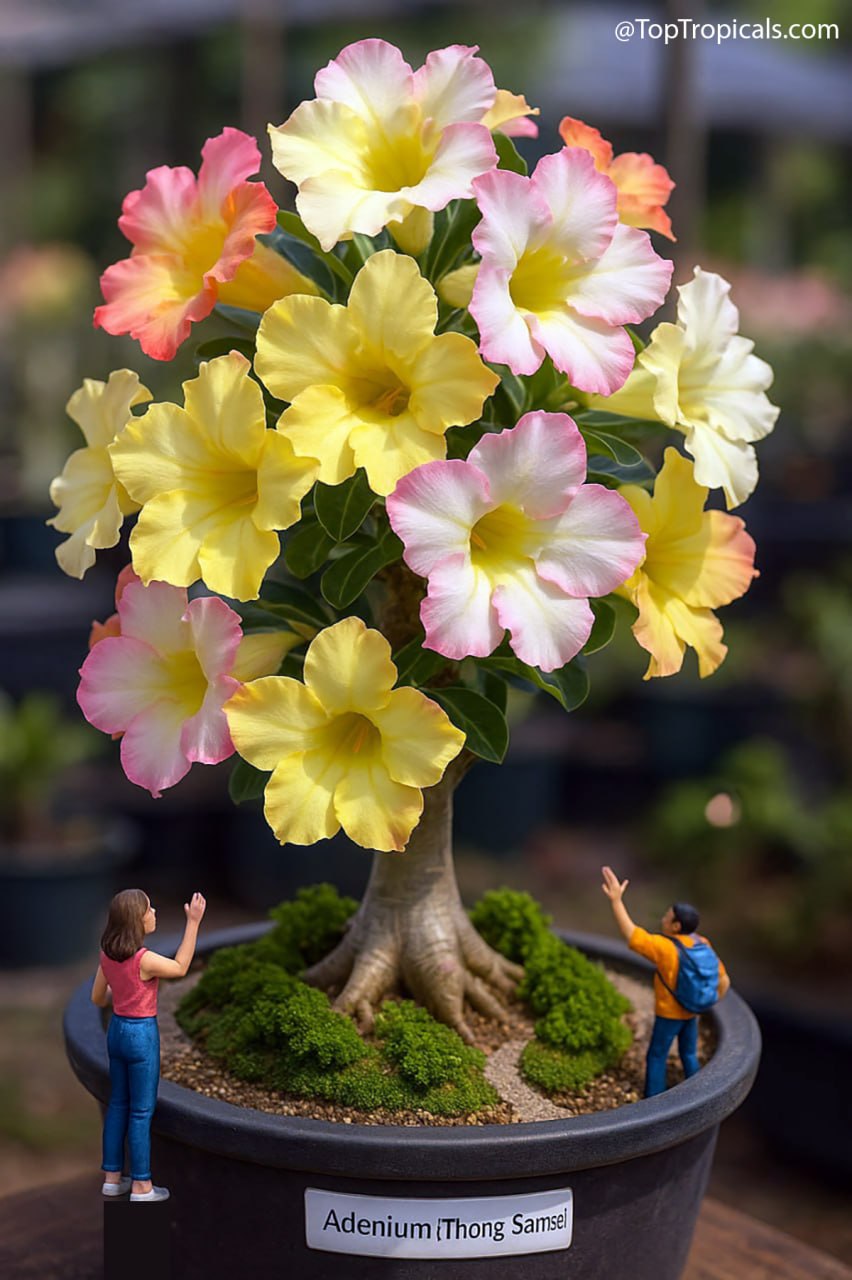
Adenium Thong Samsee - "Three Colors of Gold"

Adenium Ploysai - "Clear Crystal Gem"
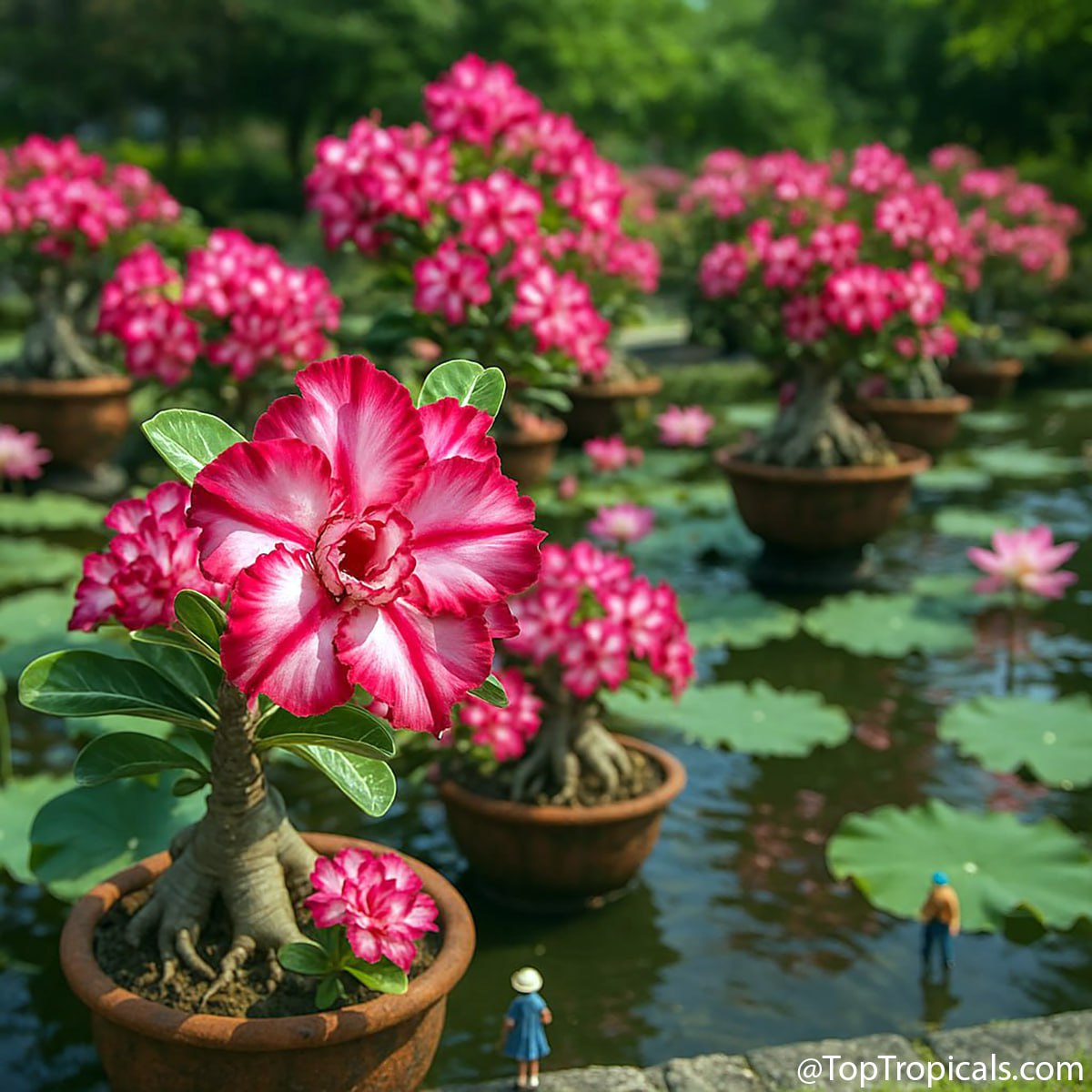
Adenium Bua Sawan - "Heavenly Lotus"
Some plants are grown for their flowers. Adeniums are also grown for their names!
- 🌸 Thong Samsee - "Three Colors of Gold" Golden Adenium blooms in soft yellow, cream, and pink shades - a perfect example of why Thai growers love the word Thong, meaning gold, in plant names that suggest prosperity and good fortune.
- 🌸 Ploysai - "Clear Crystal Gem" A treasure chest filled with glowing flowers, like precious stones discovered by a lucky explorer. In Thai plant names, Ploy means gemstone - a symbol of beauty and value.
- 🌸 Bua Sawan - "Heavenly Lotus"
🛒 Explore Exotic Thai Adeniums
📚 Learn more:
- · About #Adenium Rainbow - fantastic varieties
- · What Thai Adenium names mean: luck, gold, and mythology
- · How to learn the secret meanings behind Thai flower names
#Container_Garden #Adeniums #Horoscope #How_to #Discover
🟢 Join 👉 TopTropicals
Date: 15 Mar 2026
What Thai Adenium names mean: luck, gold, and mythology

Cats Smokey and Sunshine in adenium garden
Many Adenium hybrids come from Thailand, where breeders often give varieties meaningful and poetic names rather than simple codes. Instead of simple labels like "Red Double #27", Thai breeders often give their flowers names that sound like small poems. These names frequently reference wealth, luck, jewels, mythology, and beautiful colors.
Once you start recognizing common Thai words, Adenium names become much easier to understand. Some sound almost like short blessings - promising prosperity, beauty, or good fortune.
Below are examples of Adenium varieties whose names reflect these traditions.
🏯 Thai names related to luck, wealth, and prosperity
These words are extremely common in Thai plant naming and often suggest good fortune or financial success.
- · Chok Am Nuay
- · Chok Dee
- · Chok Sedthee
- · Dang Sab Jaren (Dang Sab Mongkol)
- · Dang Udomsab
- · Mee Stang
- · Permsaap (Perm Sab)
- · Ramruay
- · Sab Jaren Yellow
- · Som Term Sab
🏯 Thai names related to gold or wealth (Thong group)
The word Thong means gold and appears in many Thai plant names associated with value and prosperity.
- · Golden Carrot (Kuman Thong)
- · Happy Gold (Thong Hassadee)
- · Mai Thong (Golden Silk)
- · Pratum Thong
- · Thong Nuekao
- · Thong Samsee
- · Thong Saprang
- · Thong Suk Jai
- · Thong Uma
- · Thong Yod
- · Yellow Gift (Sai Thong)
- 🏯 Mythological and symbolic creatures
Some Adenium names come directly from Thai mythology and sacred animals.
Hassadee (Hatsadiling) refers to a legendary elephant-bird creature found in Thai mythology.
- 🏯 Gem and jewel themed names
These names reflect the Thai tradition of treating ornamental plants like living jewels.
Blue Diamond
Chaba Kaew
Maneenate
Petch Pratum (Diamond Lotus)
Ploy Nappan
Ploy Sakorn
Ploysai
Talab Phet
🏯 Thai, Sanskrit, and poetic names
Some Adenium names come from classical or poetic language used in Thai culture.
Bo Tun
Bua Chompoo
Bua Sawan
Chailai (Chai Lai)
Chandra
Leela
Moradok Lok
Namwhan (Nam Whan)
Pra Rod Mary
Pratuma
Sai Fah
Supermaharach
🏯 Color names used in Thai varieties
These words often describe the flower color or tone.
Moung Jinda (Moung Kusuma)
Moung Mongkol
Moung Sakda
Moung Taweesab
Moung VN (Vietnam Purple)
🏯 Country references
Adenium breeding is also popular in Vietnam, Taiwan, and some varieties reflect that origin.
Moung VN (Vietnam Purple)
Taiwan Purple
Once you learn a few Thai words, Adenium names begin to sound less mysterious - and much more meaningful.
🛒 Explore Exotic Thai Adeniums
📚 Learn more:
- · About #Adenium Rainbow - fantastic varieties
- · How to learn the secret meanings behind Thai flower names
- · How to grow a happy Adenium
- · The First Video of Exotic Adenium Hybrids
#Container_Garden #Adeniums #Horoscope #How_to #Discover
🟢 Join 👉 TopTropicals
Date: 12 Mar 2026
❄️Cold-Hardy Avocados and Fruit Trees
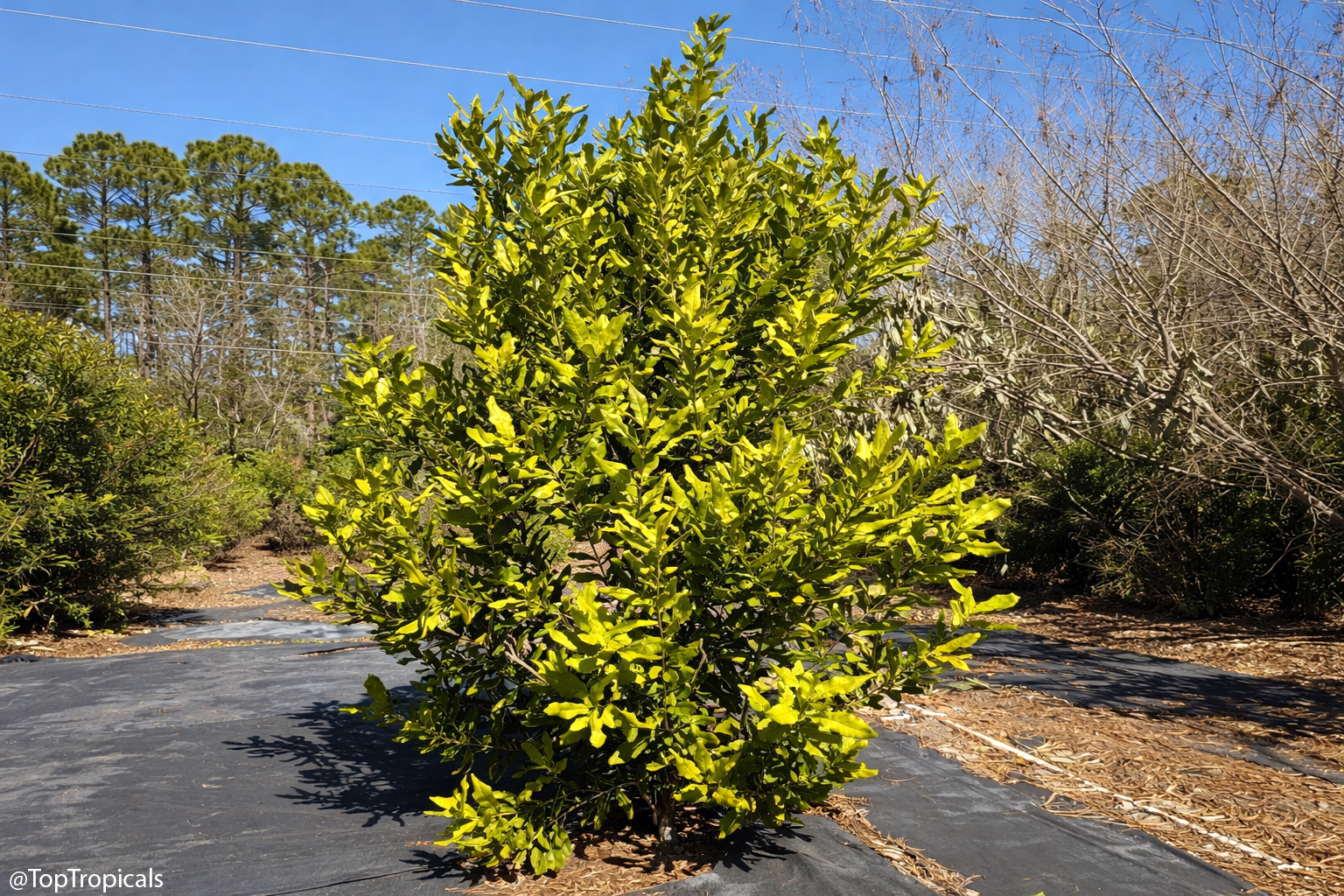
Earlier in early February we had a rough stretch at the B-Farm in Sebring. Three nights around 25°F with steady wind. Weather like that quickly shows which plants actually belong in Zone 9 and which ones only look good on paper.
Once things warmed up and we could see the real results, a few clear winners stood out. All of the macadamias handled the cold surprisingly well. The grumichamas stayed solid. And the cold-hardy avocado varieties again proved why gardeners rely on them in borderline climates.
Instead of listing every tropical plant that might survive a freeze, we decided to keep things practical and focus on the ones that actually went through this cold spell and that we currently have in stock.
If you garden in USDA Zone 8b-9, these are the kinds of trees that make winter a lot less stressful.
📖Read the full article: 2026 Freeze Guide: Cold-Hardy Avocados and Fruit Trees.
📚 Learn more:
Date: 12 Mar 2026
When flowers become legends

Cartoon caracters with adenium flowers

A Thai dancer with adenium flowers

A baby girl with adenium flowers
- 🌸 Thai flower names often sound like characters from a legend - golden spirits, celestial jewels, or lucky guardians of the garden. In Thailand, plants are not always named in a purely botanical way. Instead, breeders often choose names that carry meaning, symbolism, and a little imagination.
- 🌸 Looking at Adeniums through this lens feels almost magical. A flower can become a jewel, a lotus from heaven, or a golden treasure. The whimsical scenes below capture that spirit - a world where Adeniums bloom like treasures, garden fairies dance among flowers, and every name tells a story waiting to be discovered.
🛒 Explore Exotic Thai Adeniums
📚 Learn more:
- · About #Adenium Rainbow - fantastic varieties
- · How to learn the secret meanings behind Thai flower names
#Container_Garden #Adeniums #Horoscope #How_to #Discover
🟢 Join 👉 TopTropicals
Date: 12 Mar 2026
How to learn the secret meanings behind Thai flower names

Cats Smokey and Sunshine in Thai Adenoium garden
If you have ever looked at names of Adeniums or Plumerias from Thailand, you may have noticed something interesting. Many of them sound poetic, mysterious, or even magical. That is not accidental.
Thai plant breeders often give their hybrids meaningful names connected to jewels, wealth, beauty, and mythology. Instead of simple numbers or codes, the plants receive names that sound like something from a legend - Jade Swan, Golden Lotus, Rainbow Diamond.
Once you learn a few common Thai words, these names suddenly start to make sense. It is almost like decoding a secret language of flowers.
Below are some of the most common words you will see in Thai plant names.
🔠 Glossary of common Thai words used in plant names
Gems and precious stones 💎
Anyamanee - precious jewel or rare gem.
Gaew / Kaew - crystal or glass-like jewel.
Manee - jewel or gemstone. A classic word in elegant Thai names.
Noppakao - nine gems, a symbol of royal power and prosperity.
Petch - diamond. Symbol of brilliance and beauty.
Ploy - gem or precious stone. Often used for plants considered rare or jewel-like.
Yok - jade.
Wealth, luck, and prosperity 💰
Boon - merit, blessing, good karma.
Chok - luck or good fortune.
Kanjana / Kanjamapon - golden or noble.
Mongkol - auspicious or lucky.
Paruay / Pa Ruay - to become wealthy or prosperous.
Ramruay - to become rich or prosperous.
Sap / Sab - wealth or treasure.
Sedthee - wealthy person.
Tawee / Taweechok - to increase or multiply.
Thong - gold.
Yod - the best, the peak, or the finest.
Mythology and cultural symbolism 🐉
Bua - lotus.
Chai / Chai Lai - victory or triumph.
Hassadee - derived from the mythical Hatsadiling, an elephant-bird creature in Thai mythology.
Hong - mythical swan or phoenix.
Jai - heart or spirit.
Maha - great or grand.
Moradok - heritage, treasure, or legacy.
Orathai - heart of Thailand or beloved Thai.
Pratum / Pratuma - lotus blossom.
Siam - Thailand, the historic name of the country.
Colors and visual descriptions 🎨
Chompoo - pink color.
Lai - patterned or striped.
Lueng - yellow.
Moung / Muang - purple color.
Nature and poetic imagery
Chaba - hibiscus flower.
Dao - star.
Doung - heart, soul, or central essence.
Fah - sky. Example: Sai Fah - sky-colored.
Nam - water.
Namwhan - sweet water or sweetness.
Natee - river or flowing water.
Sai - thread, line, or ray.
Sairung - rainbow.
Sang Aroon - dawn or sunrise.
Suree - sun or sunlight.
🌸 Examples of plant names built from these words
Once you know the meanings, the names start to read like short poems.
Hong Yok - Jade Swan
Ploy Nappan - Celestial Jewel
Thong Hassadee - Golden Mythical Elephant
Ped Sairung - Rainbow Diamond
Som Paruay - Golden Prosperity
Sai Fah - Sky Blue
Pratum Thong - Golden Lotus
Ramruay - Becoming Rich
Chok Dee - Good Luck
Thong Yod - Peak of Gold
You will see these words frequently in the names of Thai-bred Adeniums, Plumerias, Orchids, and other tropical flowers. Once you recognize them, plant names become much easier - and more fun - to understand.
🛒 Explore Exotic Thai Adeniums
📚 Learn more:
- · About #Adenium Rainbow - fantastic varieties
- · How to grow a happy Adenium
- · The First Video of Exotic Adenium Hybrids
#Container_Garden #Adeniums #Horoscope #How_to #Discover
🟢 Join 👉 TopTropicals
Date: 9 Mar 2026
Dont Wait Years: 8 Fruit Plants You Can Harvest the Same Season
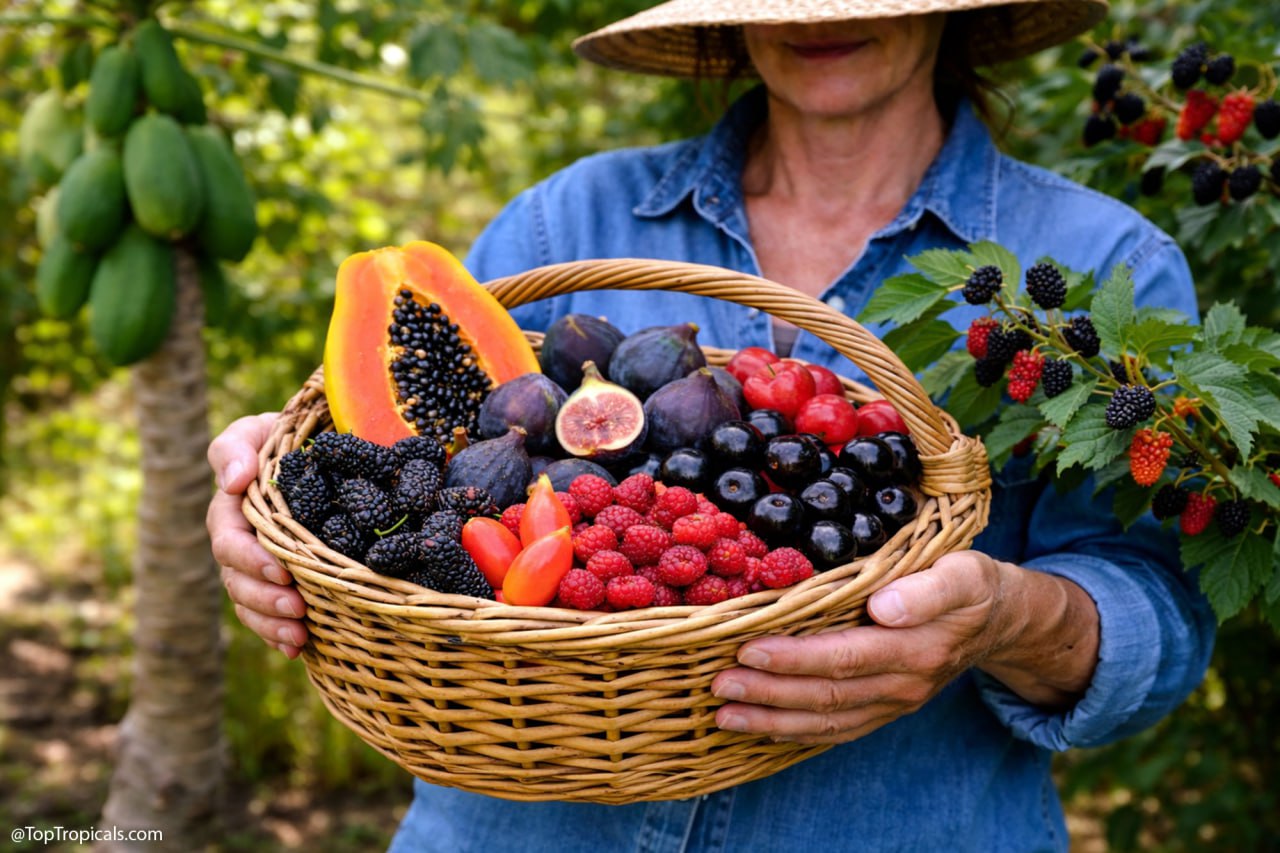
Don't wait years for fruit! Harvest papayas, berries, figs, and more in the very same season you plant them with these fast-growing varieties.
Growing fruit at home usually requires years of patience. Most gardeners view fruit trees as a long-term investment that may not pay off for a decade.
But you don't have to wait.
Certain tropical and subtropical plants are "fast-track" growers. In warm climates like Florida, choosing the right varieties means you can see flowers and fruit within months of planting - often in the very same season.
If you want a backyard harvest without the wait, here are the fastest-producing fruits you can plant today.
🍓 1. Blackberry Jam Fruit (Randia formosa)
A compact shrub perfect for containers. It produces star-shaped flowers and dark purple fruit that tastes exactly like blackberry preserves. Established plants often fruit in their first season.
🍓 2. Peanut Butter Fruit (Bunchosia)
This fast-growing large shrub produces orange pulp with the uncanny flavor and texture of peanut butter. Expect flowers and bright red berries within months of planting in warm conditions.
🍓 3. Papaya (Carica papaya)
The "giant herb" of the fruit world. Papayas are legendary for their speed, often flowering just months after planting and providing sweet, vitamin-rich fruit within the same year.
🍓 4. Grumichama Cherry (Eugenia brasiliensis)
A stunning Brazilian evergreen. Grafted plants can fruit the same season they are planted, offering glossy, dark cherries with a sweet, mild finish.
🍓 5. Black Surinam Cherry (Eugenia uniflora var. Lolita)
The 'Lolita' cultivar is a game-changer. It grows quickly as an edible hedge and produces nearly black, resin-free fruit that is significantly sweeter than the common red varieties.
🍓 6. Mysore Raspberry and Tropical Blackberries (Rubus sp.)
Unlike traditional berries that require chill hours, these Rubus species thrive in the heat. Their vigorous canes grow rapidly, often fruiting the same season they hit the soil.
🍓 7. Everbearing Mulberry (Morus sp.)
Mulberries are incredibly generous. Everbearing varieties produce sweet berries over an extended window and often begin fruiting the very first year they are planted.
🍓 8. Fig Trees (Ficus carica)
Figs are the champions of container gardening. They are highly drought-tolerant and famous for setting honey-sweet fruit even at a very young age—often just months after being established.
🏡 Where to plant them?
- Small patio? Try Blackberry Jam Fruit – tastes like gourmet preserves.
- Looking for a kid favorite? Plant Peanut Butter Fruit – a manageable shrub with fun flavor.
- Want fast growth? Choose Papaya – the quickest grower on this list.
- Need an ornamental edible? Go with Grumichama Cherry – beautiful and sweet.
- Like Surinam cherries? Upgrade to Lolita Surinam Cherry – sweeter and darker.
- Hot climate berry lovers: Mysore Raspberry thrives in southern heat.
- Want fruit almost year-round? Plant an Everbearing Mulberry.
- Growing in containers? Fig trees are the drought-tolerant champions.
👉 Tips for Faster Results
- • Start Large: Buy "nursery-established" plants rather than seeds.
- • Feed the Need: Use high-quality organic fertilizer to support rapid growth.
- • Sun is Fuel: Most of these varieties require at least 6-8 hours of direct sunlight to trigger flowering.
🛒 Plant these fruits now - some can produce within months
📷 Freshly picked tropical fruit bounty: don't wait years for fruit! Harvest papayas, berries, figs, and more in the very same season you plant them with these fast-growing varieties.
#Food_forest #How_to #Discover
🟢 Join 👉 TopTropicals
Date: 7 Mar 2026
SUNSHINE Boosters: The Professional Advantage
By Tatiana Anderson, Horticulture Expert at Top Tropicals with Smokey & Sunshine help

Here is why SUNSHINE Boosters are the smart choice for your garden this spring:
- Amino Acid Stability: Unlike traditional fertilizers that use synthetic EDTA chelators, our formulas are amino-acid based. This means 100% of the nutrients are bioavailable and consumed by the plant, leaving zero toxic residues or salt build-up in your soil.
- Safe for Every Watering: Because our concentrations are scientifically balanced and mild, they are safe for daily use. This eliminates the "feast or famine" cycle of dry fertilizers and prevents accidental root burn.
- Pure Taste for Edibles: Our delicate formulas do not contain excess salts, urea, or ammonium salts that can ruin the flavor of your harvest. Your fruit and vegetables will retain their pure, natural taste.
- Pollinator Friendly: Our boosters are designed to be safe for honeybees and other beneficial insects, making them the responsible choice for an organic-style garden.
🌿For Potted Plants: Breaking the "Foodless" Cycle
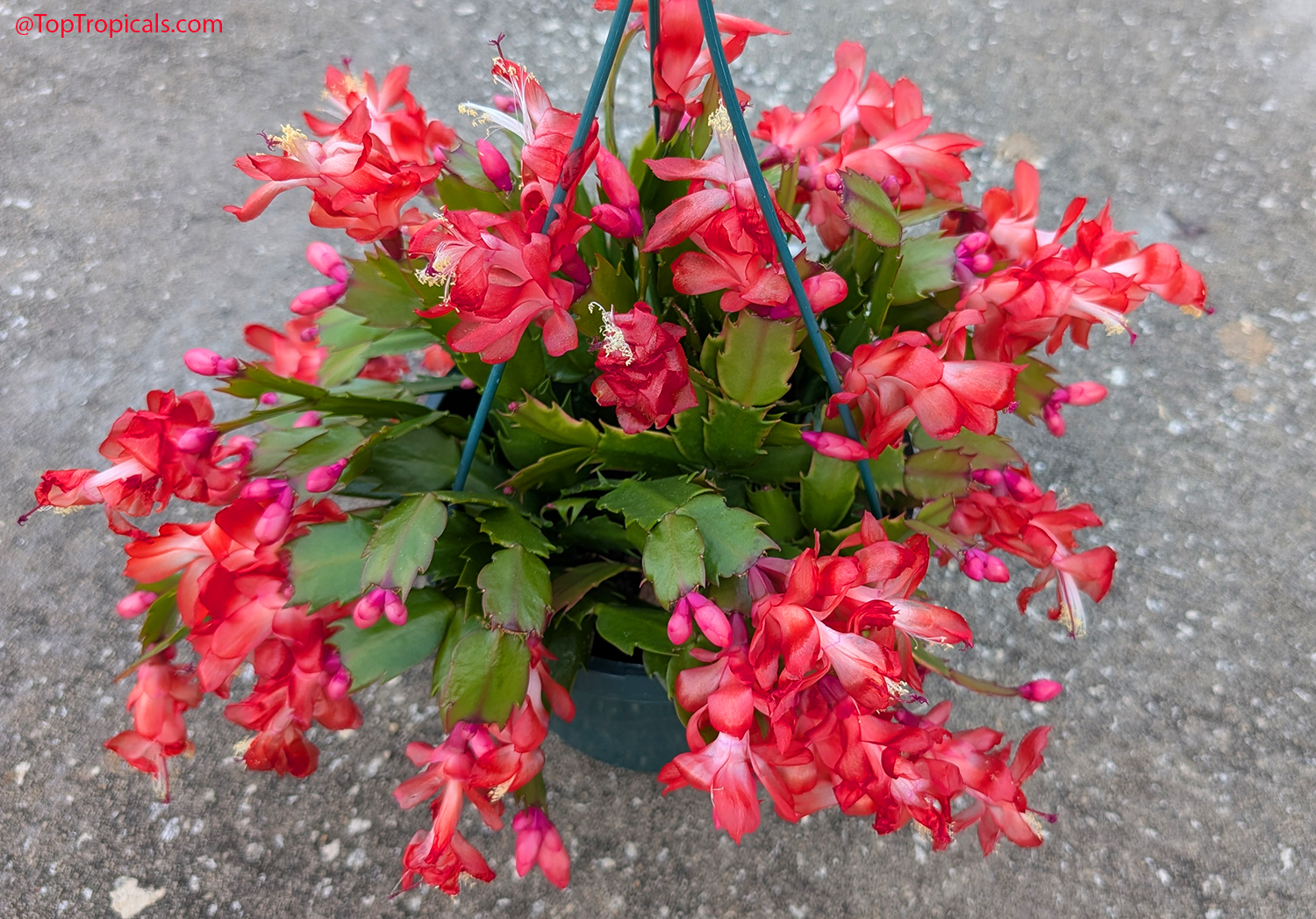
Container-grown plants are trapped in soilless mixes (peat, bark, perlite) that are structurally great but naturally nutrient-deficient.
- Total Nutrition: Since pots lack the natural "buffet" of the ground, SUNSHINE Boosters™ provide every essential mineral the plant cannot find on its own.
- No Salt Build-up: Our amino-acid based formulas are consumed entirely by the plant, leaving zero toxic residue or root-burning salts behind.
- Daily Safety: Our mild concentrations eliminate the "feast or famine" cycle of dry fertilizers, making them safe for use with every single watering.
For In-Ground Plants: Unlocking the Soil
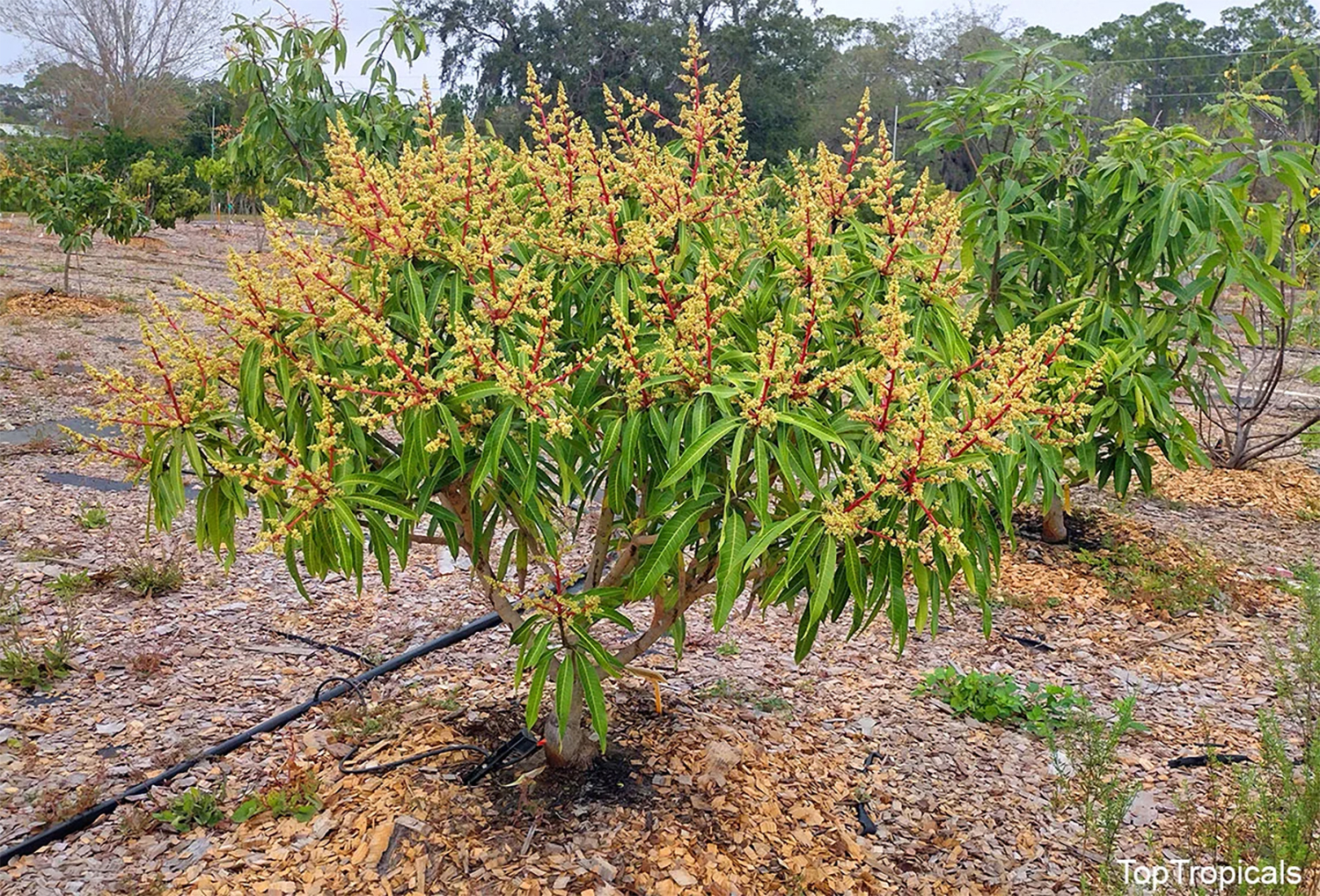
Even in the ground, plants often struggle to absorb what they need because soil compounds can "lock up" nutrients.
- Enhanced Solubility: SUNSHINE Boosters create a slightly acidic environment that helps dissolve stubborn salts in the soil, making them accessible to roots again.
- Precision Delivery: We provide mobile elements like Nitrogen precisely when the plant needs to push new spring growth.
🌿The Foliar Advantage: Direct-to-Leaf Delivery
Did you know a plant leaf can absorb nutrients even more efficiently than the roots? Foliar feeding is your "emergency button" for instant results.
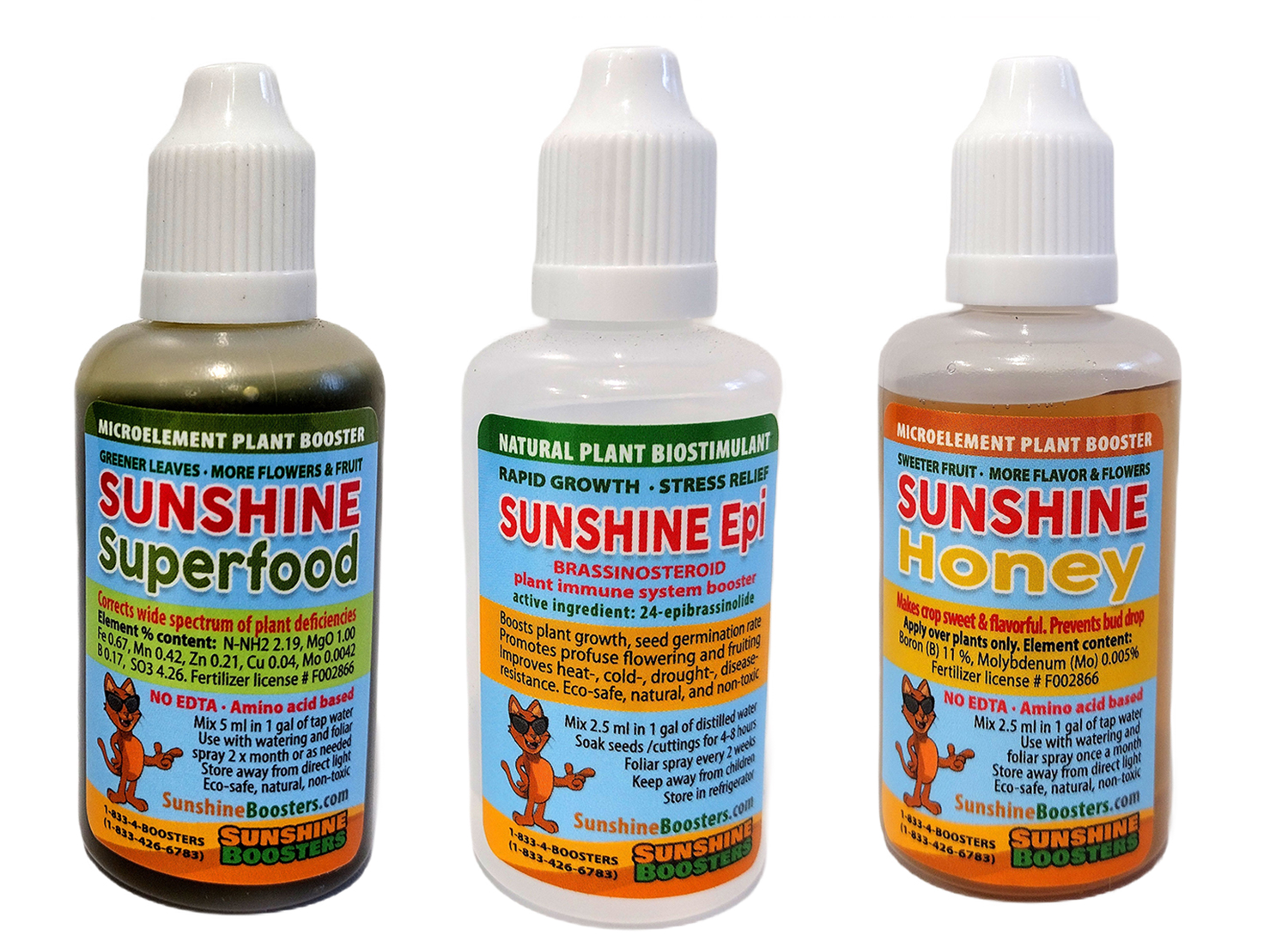
- Quick Fix: Foliar applications with Sunshine Superfood are the fastest way to correct yellowing leaves or visible deficiencies.
- Metabolism Boost: Sprays like SUNSHINE-Epi act as a bio-regulator, helping plants recover from the stress of spring temperature swings.
- Better Fruit: SUNSHINE Honey is applied to leaves to naturally move sugars to the fruit, increasing sweetness and flavor.
🌿The Calcium Problem: Solved
As your plants wake up this Spring, they need structural strength. Think of Calcium as the "cement" that holds plant cells together. Without it, new spring growth is doomed to fail.
Signs Your Plant is Starving for Calcium:
- Deformed Leaves: New growth looks twisted, hooked, or curled.
- Blackened Tips: The very edges of young leaves turn white, then quickly blacken and die.
The Industry Secret: The "Missing" Mineral
Most fertilizers, both dry and liquid, completely skip Calcium. Why? Because it’s a chemical nightmare to keep stable in a concentrated solution. Most manufacturers rely on your irrigation water to deliver Calcium, but tap water is inconsistent and often fails to provide what a hungry, growing plant needs.
The SUNSHINE Boosters: Stable Calcium in Every Bottle
We have successfully stabilized Calcium directly into every single Sunshine Booster formula. Whether you are using Bombino, Robusta, or Megaflor, you are delivering a precise, stable dose of Calcium with every watering. No lockout, no sediment, and no relying on the "luck" of your tap water. Just strong, healthy cell walls and perfect spring growth.
🌿SUNSHINE-Epi: The Year-Round Bio-Regulator
Whether it’s the transition of spring, the extreme heat of summer, or the dry air of indoor wintering, SUNSHINE-Epi is your plant’s primary defense. This natural Brassinosteroid acts as a powerful immune booster, helping plants navigate stress wherever it comes from.
- Universal Stress Shield: Protects against temperature swings (both heat and cold), drought, and transplant shock.
- Vigorous Development: Dramatically improves root growth and speeds up the metabolism of young seedlings and cuttings.
- Eco-Safe: 100% non-toxic to humans, pets, and pollinators.
Note: While Epi is highly effective, it is a performance booster, not a substitute for proper care. It works best when paired with the right light, water, and a consistent feeding program. It won't bring a dead plant back to life, but it will help a struggling one find its footing.
Sunshine: Agreed. My charm covers the delivery cost.
No coupon code required: The free shipping is automatically applied at checkout.
Complete Nutrition: Stock up on Robusta, Superfood, and Epi for the Spring growth push.
❓Frequently Asked Questions: SUNSHINE Boosters™
-
What water should I use for foliar spraying?
Tap water works perfectly for most. However, if your water is very "hard" (leaving white mineral spots on leaves), switch to distilled water for a cleaner finish and better absorption. -
How long does a diluted solution last?
For maximum potency and to avoid nutrient degradation, try to use your diluted mixture within a few hours of preparation. Keep away from direct sun. Fresh is always best! -
Can I use SUNSHINE Boosters as a daily foliar spray?
Yes! You can mist your plants daily to maintain high vigor, but you must reduce the dosage (use half the recommended strength) to avoid over-feeding. -
Can I mix boosters with pesticides or fungicides?
It is best to apply them separately. Mixing fertilizers with chemical pesticides in one tank can trigger reactions that "lock out" nutrients or reduce the efficacy of the treatment. -
Will the liquid stain my patio or hands?
No. Unlike traditional fertilizers with heavy blue or pink dyes, our solutions are clear or very light-colored. If you spill it, simply rinse with water—no stains, no mess. -
Can I mix different SUNSHINE Boosters together in one sprayer?
Yes. All SUNSHINE Boosters are chemically compatible. You can combine a "growth" booster like Robusta with a "micro-element" complex like Superfood in the same water to save time. -
Are these products safe to use around my pets?
Absolutely. Our formulas are 100% non-toxic and amino-acid based. Just ask Smokey and Sunshine—they are perfectly safe for households with curious cats, dogs, and children. -
Can I use these boosters on indoor plants?
Yes. They are ideal for indoor use because they don't produce a "fertilizer smell" and won't cause salt crusting on your decorative pots or furniture. -
Is it safe to use on fruit and vegetables I plan to eat?
Yes. Because our formulas contain no urea, nitrates, or harsh salts, they don't leave a "chemical" aftertaste. They actually help improve the natural sugars and flavor profile of your harvest. -
What is the best temperature for foliar spraying?
Apply when temperatures are below 85°F. Early morning or late evening is best; this allows the leaves to remain wet longer, giving the plant more time to absorb the nutrients.
Smokey: Simple. Spray Sunshine Robusta every five days during active growth.
Sunshine: Five days? Smokey, I barely remember where I left my coffee mug five minutes ago.
Smokey: That is exactly why we use Green Magic.
Sunshine: Fertilizer for forgetful gardeners?
Smokey: Controlled release. Sprinkle once and it feeds the plant for six months.
Sunshine: Six months? I can have a very good nap in that time.
Smokey: Exactly. The plant keeps eating slowly while you keep napping.
Sunshine: Perfect. Remember, I will bring the coffee. You bring the donuts.
Smokey: And next week we will show you exactly how Green Magic works and why plants love it. Stay tuned.
Date: 7 Mar 2026
🌞 Spring Nutrition Strategy: How to Identify and Fix Plant Nutrient Starvation

Smokey: It's not dying. It's starving. Classic nutrient collapse. Imagine going two days without donuts.
Sunshine: Two days? That's a PeopleCats rights violation. Catstitution First Amendment: food, including donuts, must remain available.
Smokey: Exactly. Plants feel the same. Let's feed it. Sunshine Robusta. Robusta is coffee, you know.
Sunshine: Obviously they named Sunshine Boosters after my charm. And since it's coffee, it should work perfectly.
One month later
Sunshine: Holy whiskers! You're a magician.
Smokey: No magic. Just boosters.
Sunshine: Great. Coffee is on me when this tree starts producing. You bring the donuts.
Read more about Smokey & Sunshine
Fellow gardeners,
Spring has arrived, and plants are coming back to life. New shoots are
appearing, fresh leaves are unfolding, and roots are beginning to grow
actively again. As plants enter this important stage of the season, they
need more than just water to support their growth. Proper nutrition is
essential for strong development and healthy
plants. SUNSHINE
Boosters provide the balanced nutrition plants need to start the growing
season strong.
A simple rule we follow in our nursery: new growth responds best to foliar feeding. When nutrients are sprayed directly on the leaves, plants can absorb them quickly and efficiently.
- Immediate action – nutrients are absorbed through the leaves and start working right away.
- No delay traveling through soil – plants do not need to wait for nutrients to move down to the roots.
- Avoids soil lockout – micronutrients can become unavailable in high pH soils, but foliar feeding bypasses this problem.
- Supports stressed plants – when roots are cold, damaged, or newly transplanted, foliar feeding helps plants recover faster.
However, sometimes plants begin to show visible nutrient deficiencies. Yellow leaves, slow growth, brown leaf edges, or distorted new leaves are often early signs that the plant is missing essential elements needed for healthy development.
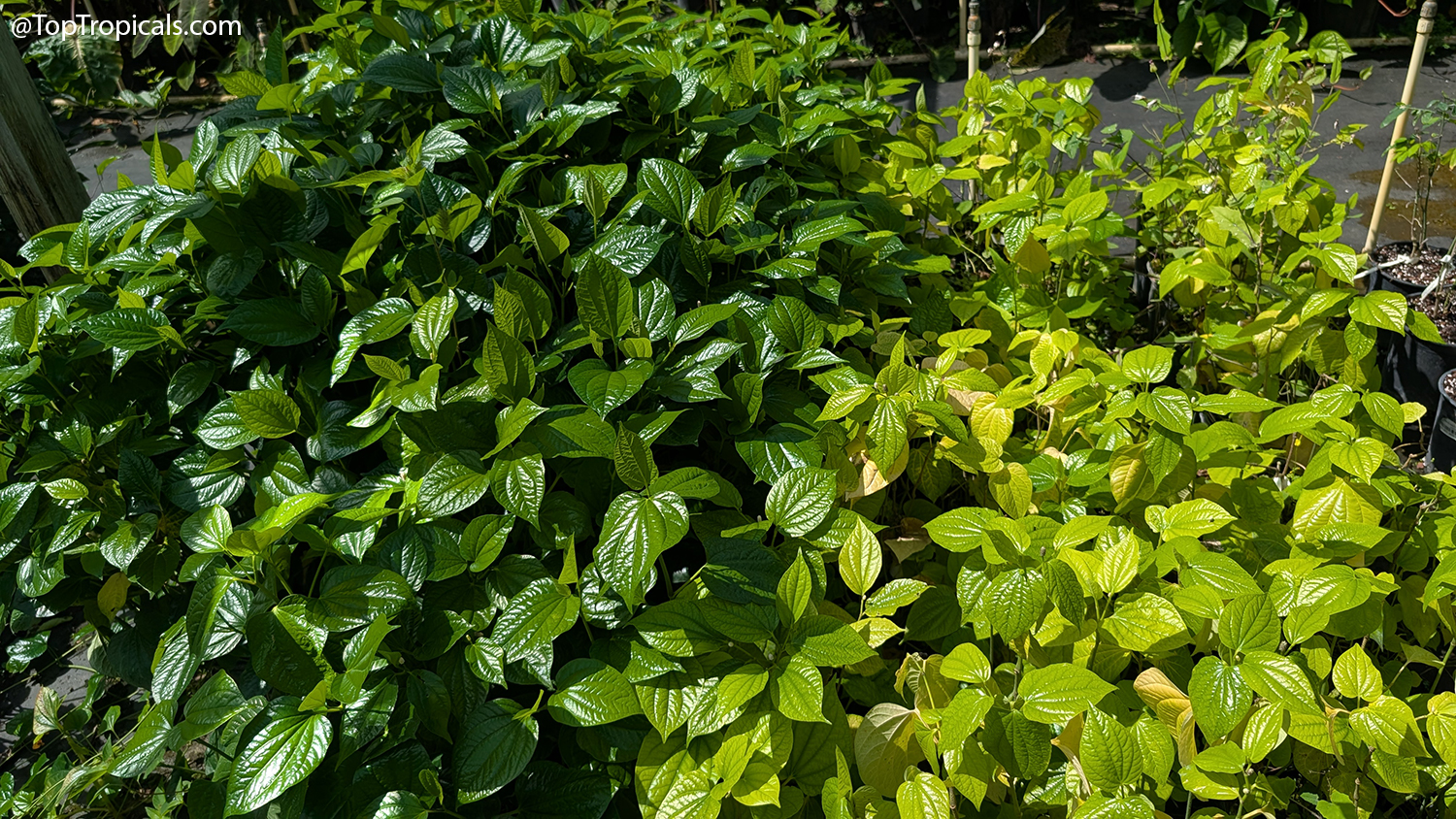
These symptoms are especially common in container plants, where nutrients can be quickly depleted or become unavailable due to soil pH and watering conditions.
Use the quick reference table below to identify common nutrient-related symptoms and the recommended SUNSHINE solution to correct them.
| Symptom you see | What to do |
|
Pale leaves, slow growth, weak new shoots (often nitrogen related) |
Spray SUNSHINE Robusta to stimulate strong vegetative growth. |
|
Brown leaf edges or weak plant vigor (often potassium related) |
Apply SUNSHINE Robusta to restore nutrient balance. |
|
Yellow leaves with green veins (iron or manganese deficiency) |
Apply SUNSHINE Superfood to correct micronutrient deficiency. |
|
Small distorted leaves or poor flowering (zinc or boron deficiency) |
Use SUNSHINE Superfood during active growth period. |
🌿Foliar Feeding: How Much and How Often
For most plants, foliar feeding works best when applied lightly and regularly during active growth.
- Regular feeding (maintenance): Mix with tap water according to the ratio on the label. For SUNSHINE Robusta use 25 ml (5 tsp)per gallon of water and spray leaves every 5-7 days during active growth.
- Correction feeding ("medicine" dose): if plants show visible nutrient deficiencies, combine SUNSHINE Robusta with SUNSHINE Superfood and spray every 5–7 days until new growth appears healthy. All SUNSHINE Boosters products are compatible and can be mixed with water in the same sprayer.
- Best time to spray: early morning or evening when temperatures are cooler and leaves can absorb nutrients efficiently.
- Important: spray both the top and underside of leaves for maximum absorption.