Garden Blog - Top Tropicals

Date: 10 Feb 2026

Cold-hardy avocado survival groups - what the numbers really mean
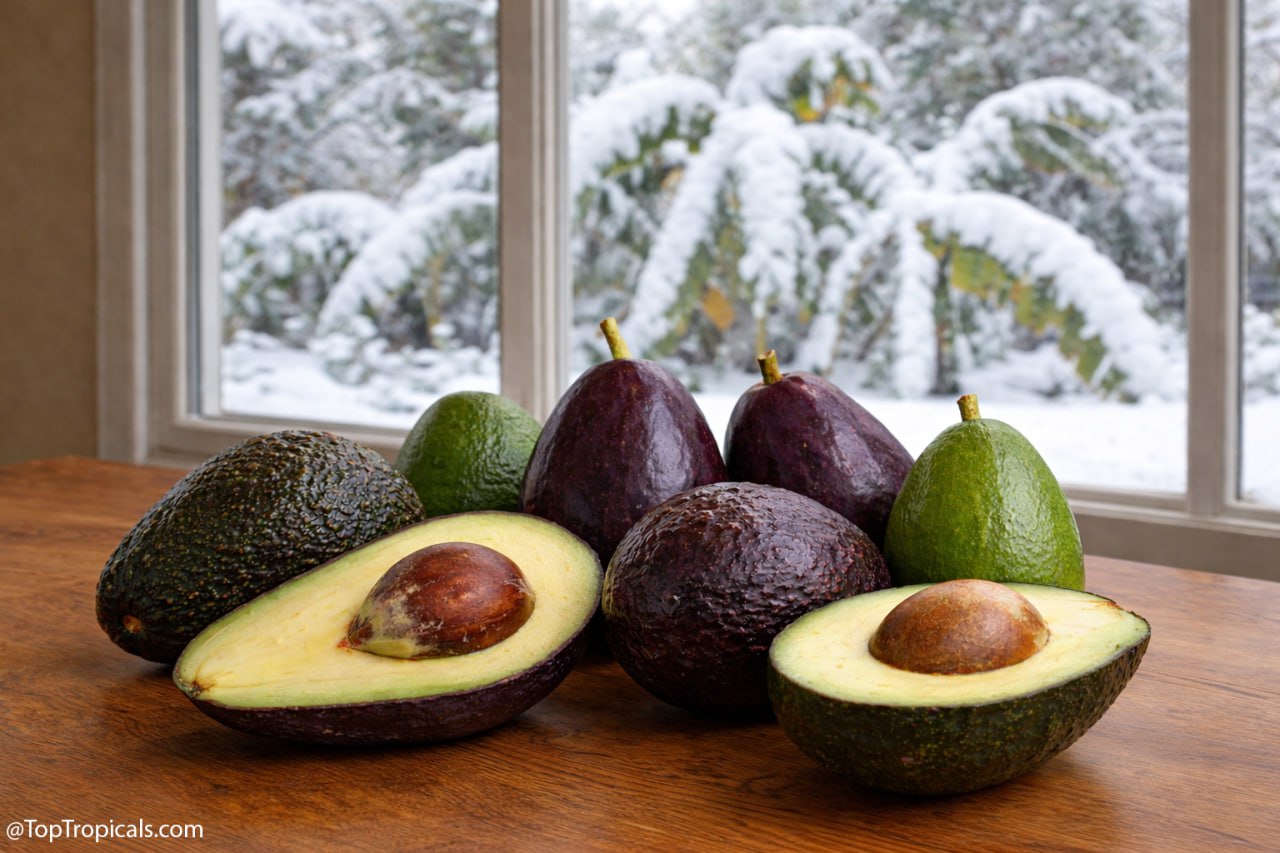
Different varieties of Avocado fruit on a table

Different varieties of Avocado fruit on a table

Cold-hardy avocado survival groups - what the numbers really mean


Avocado cold hardiness is often misunderstood. Temperature numbers do not mean a tree stays untouched - they describe survival, not appearance. Leaf burn, twig dieback, and temporary setbacks are normal even on hardy varieties. The difference is whether the tree recovers.
Below are cold-hardy avocado varieties grouped by minimum reported survival temperatures, along with what growers typically observe after a freeze.

🌡 Hardy to 15F:


Brazos Belle (Wilma), Fantastic, Joey, Lila (Opal), Day.
Best freeze survivors. Minor leaf burn possible, but trees usually recover quickly with little structural damage. These are among the most cold-tolerant avocado varieties when fully established and exposed to short-duration freezes.
What to expect: Trees in this group often survive temperatures near 15F with little to moderate leaf damage. Some tip dieback is possible, but major limb loss is uncommon. Recovery is usually strong once warm weather returns, especially in dry winter conditions.
  • 🌡 Hardy to 20F:
  • Bacon, Brogdon (Brogden), Fuerte (Dwarf), Mexicola, Miguel, Ulala (Super Hass), and Waldin.
    Reliable survivors in cold-prone areas. Expect leaf damage and some setback, but established trees typically rebound.
    These varieties perform well in marginal climates and are commonly grown where freezes are expected but not extreme.
    What to expect:
    Leaf burn is common at or below 20F, and young shoots may be damaged. Trees typically survive, but may need a full growing season to regain canopy density. Established trees usually rebound well with good drainage and protection from wind.
  • 🌡 Hardy to 25F:
  • Black Prince, Choquette, Hall, Hardee Red, Lula, Marcus Pumpkin, Mexicola Grande, Nishikawa, Oro Negro, Poncho (Pancho), Tonnage, Winter Mexican, Wurtz (Dwarf) and Yamagata.
    Moderate cold tolerance. Leaf drop and branch dieback are common after freezes, though trees usually survive.
    This group includes moderately cold-tolerant avocados that handle light freezes but are more easily damaged during prolonged cold.
    What to expect:
    Expect noticeable leaf drop and some branch dieback when temperatures fall near 25F. Trees usually survive but may look rough for weeks or months. Proper placement and drainage greatly influence recovery speed.
  • 🌡 Hardy to 30F:
Bernecker, Catalina, and Florida Hass (Haas).
Frost-tolerant only. Damage occurs quickly, and repeated freezes can cause serious stress without protection.
Actual results depend on tree age, freeze duration, wind, moisture, and microclimate. Lower numbers do not mean damage-free - they mean the tree lived to grow again.
These avocados are best suited to areas with only occasional frost and minimal freeze exposure.
What to expect:
Leaf damage occurs quickly near 30F, and unprotected trees may suffer significant canopy loss. Survival is possible during brief cold events, but repeated freezes can cause lasting damage. These varieties benefit most from proactive protection.

❗️ Important reminder


All temperature figures are approximate and experience-based, not guarantees. Survival depends on tree age, duration of cold, wind, moisture, and microclimate. Cold tolerance improves significantly as trees mature, while young trees remain vulnerable across all groups.
Understanding the difference between survival and damage is the key to choosing the right avocado for colder climates.

🛒 Explore cold hardy Avocado varieties

📖 Our Book: Avocado Variety Guide, Snack or Guacamole?

📚 Learn more:


🎥 These Avocados survived 25F hard freeze 3 nights of Florida Record Freeze

#Food_Forest #Avocado #Discover #How_to

🟢 Join 👉 TopTropicals
Date: 10 Feb 2026

Cold-hardy avocado varieties - what freezing they really survive

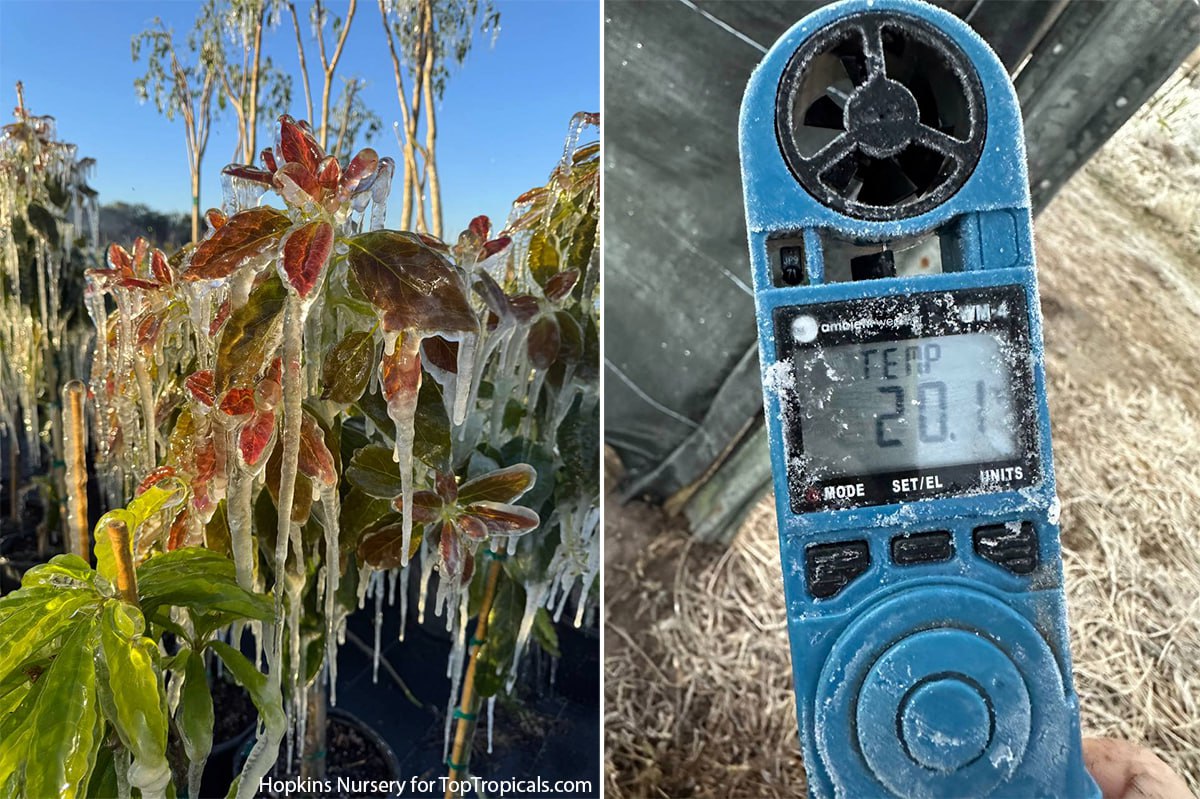
Avocado leaves covered with ice

Avocado leaves covered with ice

❄️ Cold-hardy avocado varieties - what freezing they really survive


Avocado trees are usually associated with warm, frost-free climates, so every winter freeze raises the same question - which avocados actually survive cold weather? After recent freeze events, interest spikes as gardeners look for real answers, not guesses. The truth is, avocado cold hardiness is not just about the lowest temperature. Duration, moisture, wind, and tree maturity matter just as much - sometimes more.
  • What cold hardiness really means for avocados


    Cold hardiness does not mean an avocado tree escapes winter untouched. It simply means the tree survives a freeze without being killed.
    Leaf burn, branch dieback, or temporary growth setbacks can still occur. Survival is the key distinction.
  • Cold tolerance is influenced by:


· Tree age and establishment. Young avocado trees are always more vulnerable. Once established, tolerance improves significantly.
  • · Length of the freeze
  • · Wind exposure
  • · Daytime sun and heat retention
  • · Drainage and soil moisture
  • · Overall tree health going into winter


Where cold-hardy avocados come from


The most cold-hardy avocados are of Mexican origin. These types evolved in cooler, higher-elevation regions and differ genetically from West Indian and Guatemalan avocados.
These varieties are widely grown around San Antonio, Texas (USDA Zone 8b), where trees have been damaged but not killed by temperatures near 10F. As a general rule, established Mexican-type avocados can tolerate short freezes (about 3-6 hours) down to roughly 15F with little or no permanent damage. Temperature estimates apply to established trees under favorable conditions. The best results come from combining the right genetics with smart planting, good drainage, and thoughtful winter care.
  • Why cold tolerance varies so much


    Cold ratings are never absolute. The same variety can survive very different temperatures depending on conditions such as tree maturity, freeze duration, wind, microclimate, and humidity. For example, an avocado may tolerate 10-15F in dry Texas winters but only 15-20F in wetter East Coast conditions.
  • Planting and protection tips for colder climates


· Plant in the warmest available location, ideally near a south or southeast wall
  • · Protect trees from cold wind
  • · Ensure excellent drainage; standing water during cold weather is deadly
  • · Use raised mounds in poorly drained areas
During freezes, small trees should be covered, mulched heavily, and protected with frost cloth. In severe cold, gentle heat under covers may help. Mature trees often need little to no protection.

Avocado varieties known for the best freeze survival


These varieties are among the more reliable choices for colder regions once established, reported tolerance near 15F:
  • · Brazos Belle - medium to large purple-black fruit, season October-November
  • · Fantastic - green fruit with paper-thin skin, creamy texture, the most cold tolerant
  • · Joey - selected in Uvalde, Texas; purple-black fruit, excellent flavor, heavy producer, season September-October
  • · Lila - medium green fruit, season September-October (not to be confused with Lula)
  • · Poncho - medium to large green fruit

  • Cold-hardy avocados make growing this fruit possible beyond the tropics, but expectations must stay realistic. Survival does not mean zero damage, and protection still matters during extreme weather.


🛒 Explore cold hardy Avocado varieties

📖 Our Book: Avocado Variety Guide, Snack or Guacamole?

📚 Learn more:


🎥 Avocados survived 25F hard freeze 3 nights of Florida Record Freeze

#Food_Forest #Avocado #Discover #How_to

🟢 Join 👉 TopTropicals
Date: 10 Feb 2026

These Avocados survived 3 nights of 25F hard freeze, Florida Record Freeze

Cold hardy avocados

⛄️ These Avocados survived 3 nights of 25F hard freeze, Florida Record Freeze

  • ⛄️ Recent winter freezes have once again raised the same urgent question among avocado growers - which varieties actually survive cold weather, and what does survival really look like afterward?
  • ⛄️ After widespread freeze events, trees across many regions showed very different outcomes, from minor leaf burn to complete canopy loss.
  • ⛄️ This video taken on February 4, 2026 at Top Tropicals BFarm in Sebring, FL, reflects what we observed in real conditions after 3 nights of hard freeze.
  • ⛄️ The trees in the video had no protection.


❄️Weather data

Feb 1-6, 2026, Coldest in Recorded History (132 years of observations)
Top Tropicals Farm and Nursery at Sebring FL

🌡 Min temps: 25F, wind chill 14F
⏳ Duration of cold: 3 nights of 8-10 hour hard freeze, along with 7 days of cool daytime temps around 50F
🌀 Wind: 20 mph, with 40-50 mph gusts.

🛒 Explore cold hardy Avocado varieties

📖 Our Book: Avocado Variety Guide, Snack or Guacamole?

📚 Learn more:


#Food_Forest #Avocado #Discover #How_to

🟢 Join 👉 TopTropicals

Date: 26 Jan 2026

Why Turmeric was named the 2026 Herb of the Year

Turmeric - Curcuma

Turmeric - Curcuma

🌷 Why Turmeric was named the 2026 Herb of the Year

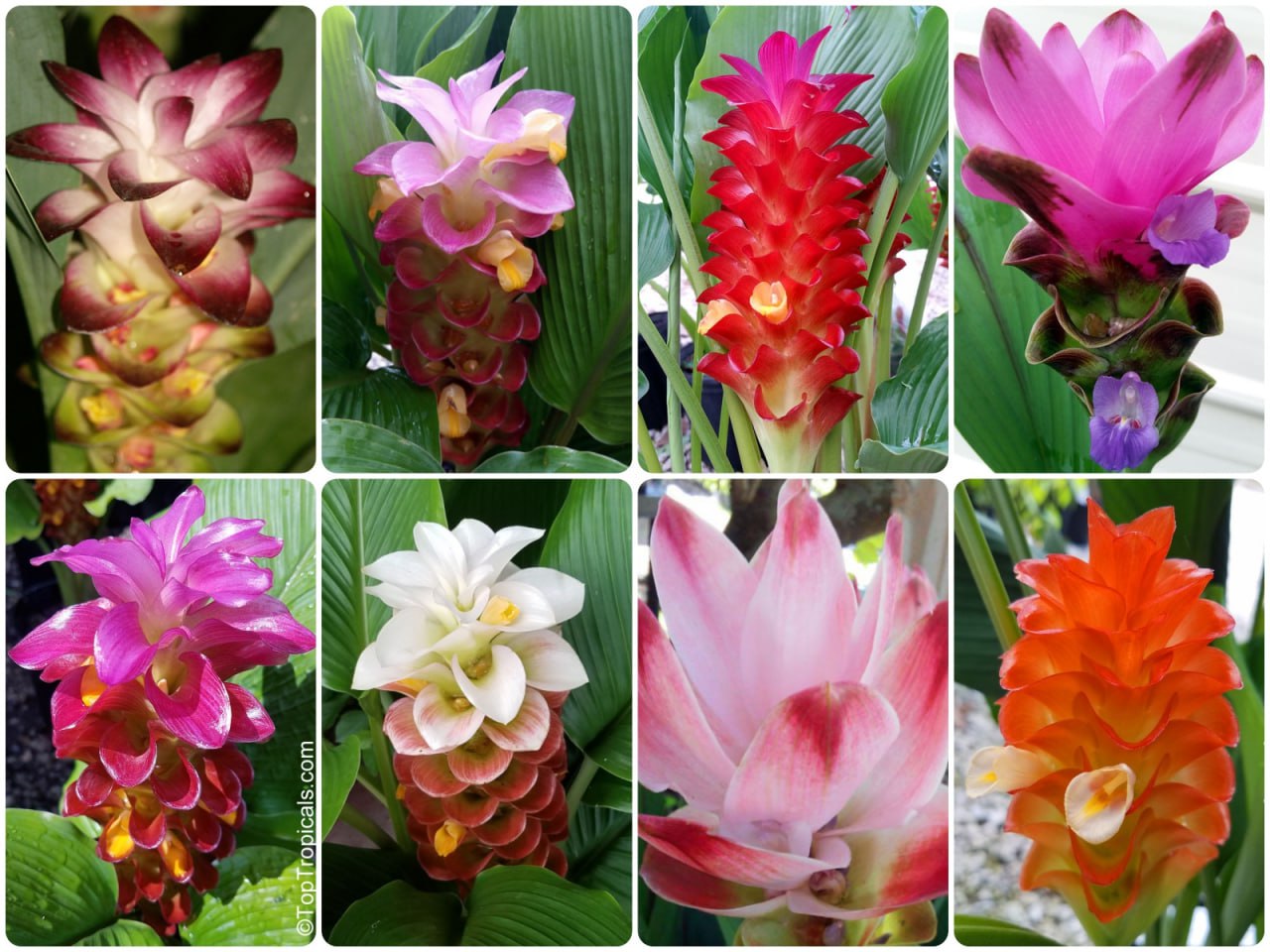
  • 🌷 Turmeric was named the 2026 Herb of the Year by the International Herb Association, and it is easy to see why gardeners are paying attention. This tropical plant from the ginger family is best known for its bright orange underground rhizomes, used for centuries as a spice, natural dye, and traditional remedy.
  • 🌷Native to India, Turmeric (Curcuma longa) is closely related to Ginger and Cardamom. Its rhizomes are a staple in curry and widely used in Asian, African, and Caribbean cuisines. In recent years, turmeric has also gained attention for potential anti-inflammatory properties.
  • 🌷 Herb, spice or flower?


  • • Botanically, turmeric is a spice, since it comes from the plant’s rhizomes rather than its leaves. In the kitchen, however, it often functions like an herb. Fresh turmeric can replace powdered turmeric in most recipes and delivers brighter flavor and color.
  • • Beyond edible Turmeric, there are many Curcuma hybrids grown purely for ornament. These selections produce striking, long-lasting flower spikes in shades of pink, white, orange, red, and purple, rising above lush tropical foliage. Ornamental curcumas are popular as patio plants and indoor accents, adding dramatic color and texture even where they are grown strictly in containers.


🌷 Growing turmeric anywhere - even in cool climates


Although Turmeric is a tropical perennial, it grows very well in containers, making it suitable for gardeners everywhere. When grown in pots, turmeric is treated as a warm-season plant that can be moved indoors as temperatures cool.
  • 🌷 How to grow Turmeric


    Turmeric is a compact, but bold plant, reaching 3-4 feet tall and wide, so it needs a roomy container. It prefers:

  • • Rich, well-drained soil
  • • Slightly acidic conditions (around pH 6–6.5)
  • • Consistent moisture
  • • Warm temperatures and bright, indirect light

The plant produces flowers that do not set seed, so turmeric is grown entirely from rhizomes.

🌷 Harvesting and using Turmeric


As the season ends, turmeric naturally goes dormant and the leaves yellow and dry. This signals harvest time. Dig the rhizomes, clean them, and dry them in a cool, shaded place.

Rhizomes can be:
  • • Boiled, dried, and ground into powder
  • • Frozen whole and grated as needed
  • • Pickled for long-term storage

Some healthy rhizomes can also be saved and replanted the following season, making turmeric both productive and renewable.

Compact, bold, and useful, turmeric proves that tropical plants can thrive well beyond the tropics - especially when grown in pots.

🛒 Plant Curcuma for both flowers, spice and herb

📚 Learn more :

Plant Facts

Boesenbergia rotunda, Curcuma rotunda
Chinese Keys, Fingerroot, Lesser Galangal, Chinese Ginger
USDA Zone: 9-11
Small plant 2-5 ftSemi-shadeModerate waterRegular waterWhite, off-white flowersPink flowersEdible plantSpice or herb plantEthnomedical plant.
Plants marked as ethnomedical and/or described as medicinal, are not offered as medicine but rather as ornamentals or plant collectibles.
Ethnomedical statements / products have not been evaluated by the FDA and are not intended to diagnose, treat, cure, or prevent any disease. We urge all customers to consult a physician before using any supplements, herbals or medicines advertised here or elsewhere.
  • Turmeric (Curcuma) in Plant Encyclopedia
  • Curcuma - the tropical tulip with a secret spice twist
  • Curcuma: one plant, two powers - color and spice!
  • How Curcuma Turmeric keeps blood pressure in balance.
  • Turmeric Curcuma: Grow Your Own Brain Boosters
  • The most interesting edible gingers?

  • #Food_Forest #Container_Garden #Remedies #Discover

    🟢 Join 👉 TopTropicals

    Date: 23 Jan 2026

    Insulin Ginger traditional remedies: Quick-n-fun exotic recipes

    Insulin Ginger (Chamaecostus cuspidatus) traditional remedies recipes

    Insulin Ginger (Chamaecostus cuspidatus) traditional remedies recipes

    ❣️ Insulin Ginger traditional remedies: Quick-n-fun exotic recipes

    • 6 very simple, real-world ways people actually use Insulin Ginger (Chamaecostus cuspidatus)


    ✦ 1. 🍵 Simple leaf tea


    Steep 1–2 fresh leaves (or dried) in hot water for 10–15 minutes. Drink warm, plain or lightly sweetened.
    • 2. ❄️ Refreshing iced herbal drink
    Blend a couple of leaves with water, strain, add ice. Some people add a squeeze of lemon.
    • ✦ 3. Coconut water blend


      Blend 1–2 leaves with fresh coconut water. Drink chilled as a mild daily tonic.
    • ✦ 4. 🌿 Fresh leaf chew


      The simplest method - chew a fresh leaf in the morning, then discard. Very common traditional use.
    • ✦ 5. Salad add-in


      Finely slice young leaves and mix with other greens. Use lightly, like a functional herb.
    • ✦ 6. 🍲 Leaf Chutney


      Leaves can be blended with spices and other herbs into a savory condiment. Meals like this make the leaves easy to include in everyday diet (though you’d want to adapt it for flavor and personal preferences).


    👆This plant has a long history of traditional use. Everyone’s body is different, so if you have diabetes or take medication, it’s wise to check with your healthcare provider first.

    🛒 Add Insulin Ginger to your medicinal herb garden

    📚 Learn more:

    Plant Facts

    Costus igneus, Chamaecostus cuspidatus
    Insulin Plant, Fiery Costus, Spiral Flag
    USDA Zone: 9-11
    Large shrub 5-10 ft tallSmall plant 2-5 ftSemi-shadeShadeRegular waterYellow, orange flowersEdible plantSpice or herb plantEthnomedical plant.
Plants marked as ethnomedical and/or described as medicinal, are not offered as medicine but rather as ornamentals or plant collectibles.
Ethnomedical statements / products have not been evaluated by the FDA and are not intended to diagnose, treat, cure, or prevent any disease. We urge all customers to consult a physician before using any supplements, herbals or medicines advertised here or elsewhere.Subtropical plant. Mature plant cold hardy at least to 30s F for a short time
  • Costus igneus (Chamaecostus cuspidatus) - Insulin Ginger in Plant Encyclopedia
  • A leaf you grow, not a pill you buy: Insulin ginger - the plant people actually use
  • How to make lots of Insulin Ginger plants quickly and get more health benefits
  • How to lose weight naturally with tropical fruit and plants
  • The fiery plant that fights sugar: Nature secret insulin?
  • Most interesting edible gingers

  • #Food_Forest #Remedies #Shade_Garden #Discover #Recipes

    🟢 Join 👉 TopTropicals

    Date: 23 Jan 2026

    A leaf you grow, not a pill you buy

    Insulin Ginger (Chamaecostus cuspidatus)

    Insulin Ginger (Chamaecostus cuspidatus)

    ❣️ A leaf you grow, not a pill you buy: Insulin ginger - the plant people actually use
    • ❣️ Costus igneus (Chamaecostus cuspidatus) - Insulin Ginger, Fiery Costus or Spiral Flag - I love this plant! And that’s not something I say lightly.
    • ❣️ Customers often ask me about medicinal plants that may help with diabetes, and Insulin Ginger always comes up - for a good reason. This is one of those plants people grow on purpose, not just because it looks nice. Imagine stepping into your garden and picking a leaf instead of opening a pill bottle. That idea alone makes people pause.
    • ❣️ In everyday use, Insulin Ginger is valued for supporting healthy blood sugar and helping the body respond better to insulin. It’s also packed with antioxidants, which gardeners like to think of as quiet helpers for organs that get stressed when sugar balance is off. No lab talk, no big claims - just a plant people have trusted and used for a long time.
    • ❣️ From a gardener’s point of view, it’s hard not to love. You can harvest leaves year-round, and the more you pick, the better it grows. One plant quickly turns into many, which means you’ll have enough for yourself and extras to share with friends and family.
    • ❣️ It’s one of those plants people don’t regret planting. Easy to grow. Easy to share. Easy to use.


    🛒 Add Insulin Ginger to your medicinal herb garden

    📚 Learn more:

    Plant Facts

    Costus igneus, Chamaecostus cuspidatus
    Insulin Plant, Fiery Costus, Spiral Flag
    USDA Zone: 9-11
    Large shrub 5-10 ft tallSmall plant 2-5 ftSemi-shadeShadeRegular waterYellow, orange flowersEdible plantSpice or herb plantEthnomedical plant.
Plants marked as ethnomedical and/or described as medicinal, are not offered as medicine but rather as ornamentals or plant collectibles.
Ethnomedical statements / products have not been evaluated by the FDA and are not intended to diagnose, treat, cure, or prevent any disease. We urge all customers to consult a physician before using any supplements, herbals or medicines advertised here or elsewhere.Subtropical plant. Mature plant cold hardy at least to 30s F for a short time
  • Costus igneus (Chamaecostus cuspidatus) - Insulin Ginger in Plant Encyclopedia
  • How to make lots of Insulin Ginger plants quickly and get more health benefits
  • How to lose weight naturally with tropical fruit and plants
  • The fiery plant that fights sugar: Nature secret insulin?
  • Most interesting edible gingers

  • #Food_Forest #Remedies #Shade_Garden #Discover

    🟢 Join 👉 TopTropicals

    Date: 22 Jan 2026

    This old-school tropical fruit is making a quiet comeback: Eggfruit - Canistel

    💛 This old-school tropical fruit is making a quiet comeback: Eggfruit - Canistel


    ❓✔️ The tropical fruit that feels like dessert but isn’t junk: FAQ


    • 💛 What is canistel fruit?

    Canistel is the fruit of Pouteria campechiana, often called Egg Fruit because its texture resembles a cooked egg yolk. It has dense, yellow flesh and a naturally sweet, custard-like flavor.

    • 💛 Is canistel a high-energy fruit?

    Yes. Canistel contains complex carbohydrates that provide steady, long-lasting energy instead of quick sugar spikes. It is a good choice for active days or when you need sustained fuel.

    • 💛 Does canistel help you feel full?

    It does. The thick texture and fiber content make canistel very satisfying, helping you feel full with smaller portions.

    • 💛 Can canistel support weight management?

    Canistel is filling and naturally sweet, which can help reduce cravings for processed desserts and snacks.

    • 💛 Is canistel easy to digest?

    Yes. Its soft, pasty texture is gentle on the stomach and often well tolerated by people with sensitive digestion.

    • 💛 How does canistel benefit skin health?

    Canistel provides beta-carotene and vitamin C, which support skin renewal, elasticity, and overall skin appearance.

    • 💛 Does canistel help with muscle function?

    Yes. It contains potassium and other minerals that support muscle function and help reduce fatigue after physical activity.

    • 💛 Is canistel good for brain health?

    Canistel supplies iron and B vitamins that support oxygen delivery and mental clarity, especially during periods of fatigue.

    • 💛 Does canistel support healthy aging?

    Its antioxidants help protect cells from oxidative stress, which plays a role in aging and long-term wellness.

    💛 Is canistel just a snack fruit?


    Not at all. Canistel is a functional fruit used in custards, smoothies, baked goods, spreads, and even savory dishes, offering both nutrition and comfort-food satisfaction.

    🛒 Plant Egg Fruit - Canistel Tree

    📚 Learn more:

    Plant Facts

    Pouteria campechiana
    Canistel, Eggfruit, Chesa
    USDA Zone: 9-11
    Large tree taller than 20 ftSmall tree 10-20 ftFull sunRegular waterEdible plant
  • Pouteria campechiana - Canistel, Eggfruit - in Plant Encyclopedia
  • Canistel breakfast mash: quick-n-fun exotic recipes
  • Health Benefits of Canistel Fruit
  • Pouteria campechiana - Canistel, the curious heart-shaped Egg Super-Fruit

  • #Food_Forest #Remedies #Discover

    🟢 Join 👉 TopTropicals
    Date: 22 Jan 2026

    This old-school tropical fruit is making a quiet comeback: Eggfruit - Canistel

    Canistel - Pouteria campechiana, Egg Fruit

    💛 This old-school tropical fruit is making a quiet comeback: Eggfruit - Canistel


    ❓✔️ The tropical fruit that feels like dessert but isn’t junk: FAQ

    • 💛 What is canistel fruit?


      Canistel is the fruit of Pouteria campechiana, often called Egg Fruit because its texture resembles a cooked egg yolk. It has dense, yellow flesh and a naturally sweet, custard-like flavor.
    • 💛 Is canistel a high-energy fruit?


      Yes. Canistel contains complex carbohydrates that provide steady, long-lasting energy instead of quick sugar spikes. It is a good choice for active days or when you need sustained fuel.
    • 💛 Does canistel help you feel full?


      It does. The thick texture and fiber content make canistel very satisfying, helping you feel full with smaller portions.
    • 💛 Can canistel support weight management?


      Canistel is filling and naturally sweet, which can help reduce cravings for processed desserts and snacks.
    • 💛 Is canistel easy to digest?


      Yes. Its soft, pasty texture is gentle on the stomach and often well tolerated by people with sensitive digestion.
    • 💛 How does canistel benefit skin health?


      Canistel provides beta-carotene and vitamin C, which support skin renewal, elasticity, and overall skin appearance.
    • 💛 Does canistel help with muscle function?


      Yes. It contains potassium and other minerals that support muscle function and help reduce fatigue after physical activity.
    • 💛 Is canistel good for brain health?


      Canistel supplies iron and B vitamins that support oxygen delivery and mental clarity, especially during periods of fatigue.
    • 💛 Does canistel support healthy aging?


      Its antioxidants help protect cells from oxidative stress, which plays a role in aging and long-term wellness.
    • 💛 Is canistel just a snack fruit?


      Not at all. Canistel is a functional fruit used in custards, smoothies, baked goods, spreads, and even savory dishes, offering both nutrition and comfort-food satisfaction.


    🛒 Plant Egg Fruit - Canistel Tree

    📚 Learn more:

    Plant Facts

    Pouteria campechiana
    Canistel, Eggfruit, Chesa
    USDA Zone: 9-11
    Large tree taller than 20 ftSmall tree 10-20 ftFull sunRegular waterEdible plant
  • Pouteria campechiana - Canistel, Eggfruit - in Plant Encyclopedia
  • Canistel breakfast mash: quick-n-fun exotic recipes
  • Health Benefits of Canistel Fruit
  • Pouteria campechiana - Canistel, the curious heart-shaped Egg Super-Fruit

  • #Food_Forest #Remedies #Discover

    🟢 Join 👉 TopTropicals

    Date: 20 Jan 2026

    7 steps for a care-free Spanish Tamarind - the easiest rare fruit to grow

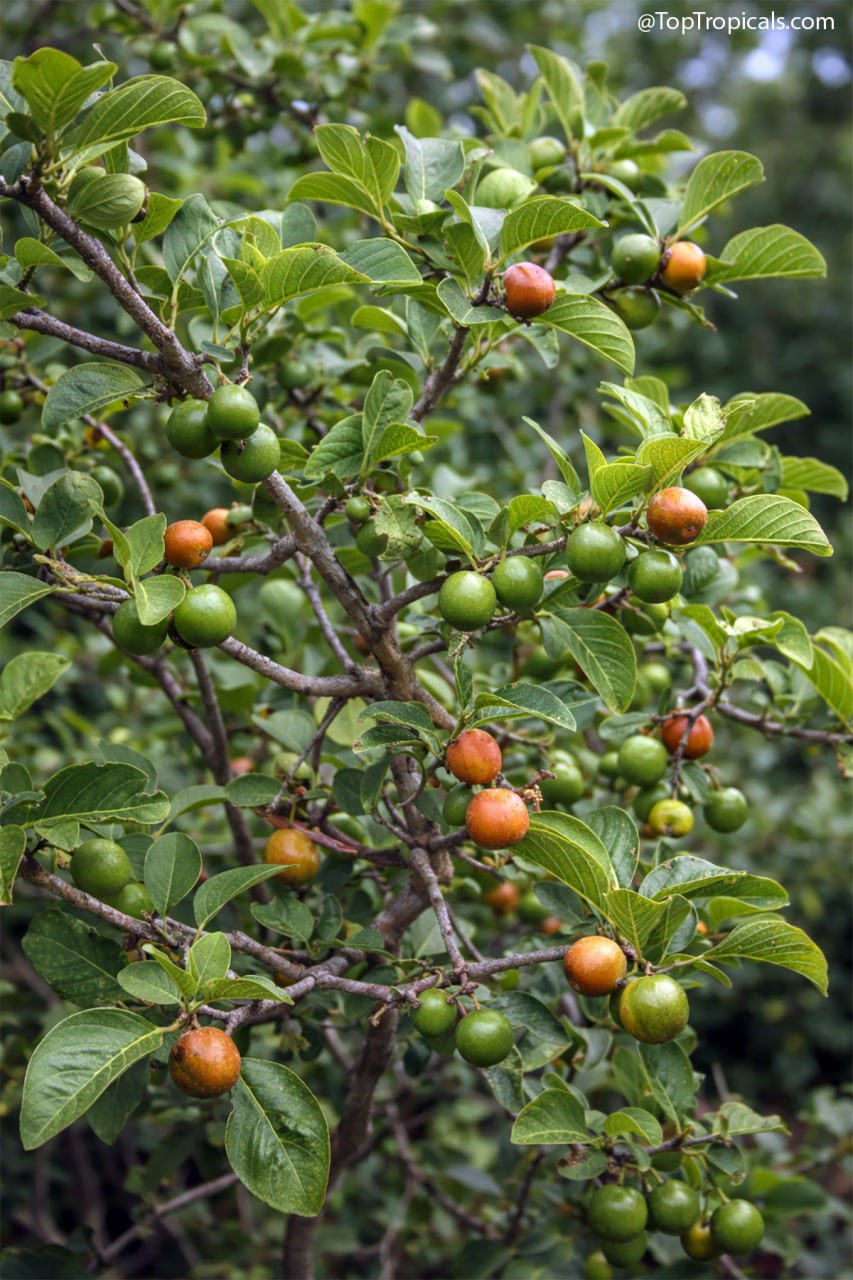
    Vangueria infausta (Spanish Tamarind, Wild Medlar)

    Vangueria infausta (Spanish Tamarind, Wild Medlar)

    🍊 7 steps for a care-free Spanish Tamarind - the easiest rare fruit to grow


    Yes, it can handle light frost - Vangueria infausta (Spanish Tamarind, Wild Medlar) - we just discovered it can handle cold snaps! After a few cold nights in January, our young tree planted just a few months ago, still looks happy and strong!
    If you are looking for a tough little fruit tree that thrives on neglect but gives you something truly special in return - try this rare, compact fruit tree. Spanish Tamarind is native to southern Africa, it is drought-tolerant, pest-resistant, and surprisingly cold-hardy once established - making it a great choice even for gardeners in borderline zones.

    Here’s how to grow this resilient gem:

    🌞 Sun and soil


    Spanish Tamarind loves full sun, but will tolerate light shade. It isn’t picky about soil as long as it drains well - sandy, rocky, or loamy, it will grow just fine. No special amendments needed.

    💧 Watering


    Once established, it's very drought tolerant, but young trees need regular watering to develop a deep root system. In containers, water when the top inch of soil is dry. In the ground, water deeply but infrequently.

    ❄️ Cold tolerance


    Now for the surprise: while it’s considered a tropical fruit, Wild Medlar can handle brief dips into the mid-30s F without damage, especially when mature and dormant. In Sebring, FL, we’ve seen this tree shrug off light frosts with no protection!
    And what makes this even more impressive? The tree has beautiful, lush velvet leaves - soft to the touch and tropical in appearance - yet surprisingly hardy for such large, tender-looking foliage.
    • · Young plants should be protected the first couple winters
    • · Grow in containers if you’re in USDA zone 8 or lower
    • · A little mulch around the base helps stabilize soil temps in winter


    Growing in pots


    This tree is very compact and does well in containers. Use a large, well-drained pot and a loose soil mix. Keep it outside in spring through fall, then bring it indoors before a hard frost. It grows slowly and stays compact for years, making it a great fit for patios or balconies.

    🍊 When to expect fruit


    With enough sun and time, your tree can start fruiting in 2-3 years. Mature trees can bear 20-40 small round fruits per season, ripening to a golden-brown with a tangy-sweet flavor. The fruiting season may vary depending on your local climate, but typically occurs in late summer to fall.

    🛠 Maintenance? Almost none.

    • · No special pruning needed (except to shape)
    • · No major pests or diseases reported
    • · Tough and low-maintenance in the landscape


    🏆 Final thought: grow it for the surprise


    Spanish Tamarind - Wild Medlar - is a tree that rewards patience. It's unusual, beautiful in its own scruffy way, and packs a punch with cold tolerance, drought resistance, and tasty fruit. Spanish Tamarind belongs in every experimental garden or food forest - especially if you love growing things no one else in the neighborhood has.

    🛒 Add rare Spanish Tamarind to your rare fruit collection

    📚 Learn more:

    Plant Facts

    Vangueria infausta
    Wild Medlar, Spanish Tamarind
    USDA Zone: 9-11
    Small tree 10-20 ftFull sunModerate waterEdible plantDeciduous plantEthnomedical plant.
Plants marked as ethnomedical and/or described as medicinal, are not offered as medicine but rather as ornamentals or plant collectibles.
Ethnomedical statements / products have not been evaluated by the FDA and are not intended to diagnose, treat, cure, or prevent any disease. We urge all customers to consult a physician before using any supplements, herbals or medicines advertised here or elsewhere.Subtropical plant. Mature plant cold hardy at least to 30s F for a short time
  • Vangueria infausta - Spanish Tamarind in Plant Encyclopedia
  • The wild fruit with a secret: health benefits of rare Spanish Tamarind - the exotic fruit you've never heard of

  • #Food_Forest #Remedies #Discover

    🟢 Join 👉 TopTropicals
    Date: 17 Jan 2026

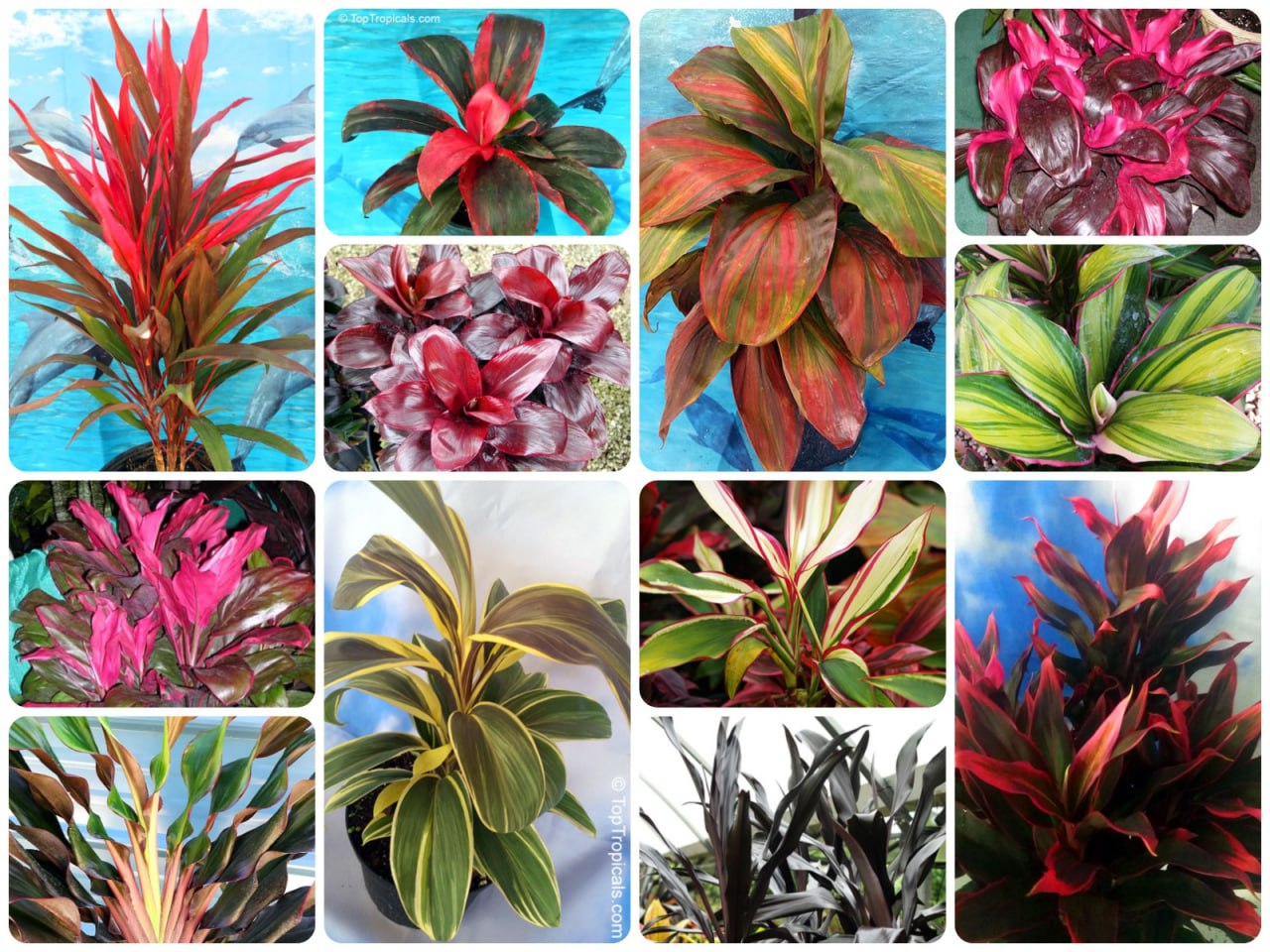
    Ti plant leaf color meaning

    Hawaiian Ti plant (Cordyline fruticosa)

    Hawaiian Ti plant (Cordyline fruticosa)

    🌈 Ti plant leaf color meaning


    The Hawaiian Ti plant (Cordyline fruticosa) is more than just a colorful tropical accent. Across Polynesian, Hawaiian, and Southeast Asian cultures, the color of ti plant leaves has long been associated with different meanings, moods, and uses - both symbolic and practical.
    • 🌈 Green leaves
    • Green ti plants are linked to peace, balance, and steady growth. Traditionally, they were planted around homes for protection and good fortune. In the garden, green varieties are usually the toughest and most shade-tolerant.
    • 🌈 Red and deep burgundy leaves
    • Red ti plants are associated with strength, power, and protection. In Hawaiian tradition, red ti leaves were believed to ward off negative energy and were often used in ceremonies. Garden-wise, deeper reds usually mean more sun exposure and stronger pigmentation.
    • 🌈 Pink, magenta, and multicolor leaves
    • These colorful ti plants symbolize joy, celebration, and creativity. They are often used as ornamental focal points and in festive plantings. Variegated and pink types tend to prefer brighter light to keep their colors sharp.
    • 🌈 Purple and dark-toned leaves
    • Purple ti plants are linked to mystery, spirituality, and transformation. Their dramatic color comes from high anthocyanin levels and usually intensifies in bright light with good nutrition.
    • 🌈 Yellow or light variegation
    • Yellow tones often represent optimism and new beginnings. Plants with lighter variegation may grow a bit slower and need protection from harsh sun, but they add a softer contrast in tropical landscapes.
    • 🌈 One practical note
    Leaf color is influenced not just by variety, but also by light, temperature, and nutrition. Fading color usually means too little light or depleted soil, while rich, bold tones signal a happy plant.

    Ti plant colors tell a story - part cultural tradition, part plant health, and part personal style in your garden.

    🛒 Ti plants rainbow: collect them all

    📚 Learn more:

    Plant Facts

    Cordyline fruticosa, Cordyline terminalis
    Hawaiian Ti Leaf
    USDA Zone: 9-11
    Large shrub 5-10 ft tallSmall plant 2-5 ftSemi-shadeShadeFull sunRegular waterOrnamental foliageUnusual colorPink flowersSubtropical plant. Mature plant cold hardy at least to 30s F for a short time
  • Cordyline fruticosa in Plant Encyclopedia
  • Ti plant: bold color, easy care
  • Color that lasts year-round

  • #Container_Garden #Hedges_with_benefits #Shade_Garden #Discover #Horoscope

    🟢 Join 👉 TopTropicals