Garden Blog - Top Tropicals

Date: 14 Apr 2025

See the Difference: Grow Plants That Protect Your Vision
See the Difference: Grow Plants That Protect Your Vision

👁 See the Difference: Grow Plants That Protect Your Vision


Your eyes work hard every day - give them the nutrition they deserve!
These tropical fruits and plants are rich in Vitamin A and beta-carotene, known to support clear vision, retinal health, and even help prevent age-related eye decline. Grow them in your garden and harvest real, living eye care.


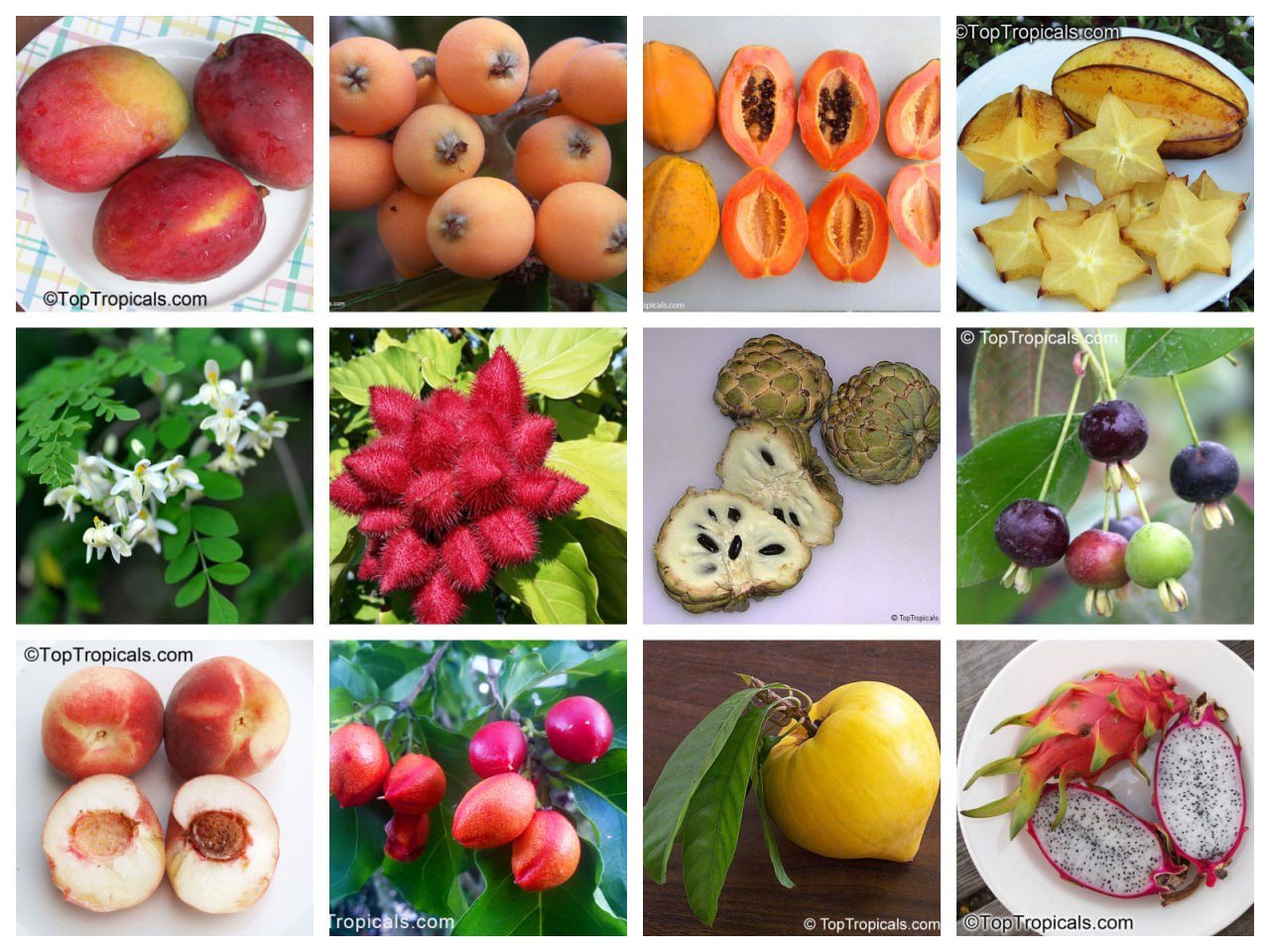
👁 Top 12 Eye-Supporting Fruit and Plants (Vitamin A - Retinol)

  • 🟡 Mango - Packed with beta-carotene, which your body converts into Vitamin A to support sharp, healthy vision.

  • 🟡 Loquat - Naturally rich in Vitamin A, known for supporting retina and eye tissue health.

  • 🟡 Papaya - A tasty source of beta-carotene, great for protecting your eyes and immune system.

  • 🟡 Carambola (Starfruit) - Offers a dose of Vitamin A, beneficial for maintaining clear eyesight.

  • 🟡 Moringa - A leafy powerhouse loaded with beta-carotene that helps support visual health.

  • 🟡 Annatto - High in carotenoids, especially bixin, which may support eye health and clarity.

  • 🟡 Annona - Contains antioxidants, including beta-carotene, to help nourish your eyes.

  • 🟡 Eugenia Cherry (Cherry of the Rio Grande, Brazilian Cherry, Surinam Cherry, Pitomba) – A sweet fruit rich in Vitamin A, promoting overall eye wellness.

  • 🟡 Peach - Supports both skin and eye health with its naturally high Vitamin A content.

  • 🟡 Peanut Butter Fruit - Contains beta-carotene, a powerful nutrient for eye and vision support.

  • 🟡 Canistel (Eggfruit) - Extremely high in beta-carotene, offering deep support for vision and skin.

  • 🟡 Dragon Fruit - Offers beta-carotene and antioxidants that may protect your retinas and night vision.


📚 Learn more about health benefits of tropical plants:


TROPICAL FRUIT HEALTH BENEFITS GUIDE - Part 1 and Part 2

🛒 Shop Vision-Boosting Plants - buy tropical fruit trees for your eye health

#Food_Forest #Discover #Remedies

🔴 Join 👉 TopTropicals
Date: 13 Apr 2025

The Tree Everyones Talking About: Variegated Mahoe

The Tree Everyones Talking About: Variegated Mahoe The Tree Everyones Talking About: Variegated Mahoe The Tree Everyones Talking About: Variegated Mahoe The Tree Everyones Talking About: Variegated Mahoe

🍀 The Tree Everyone's Talking About: Variegated Mahoe


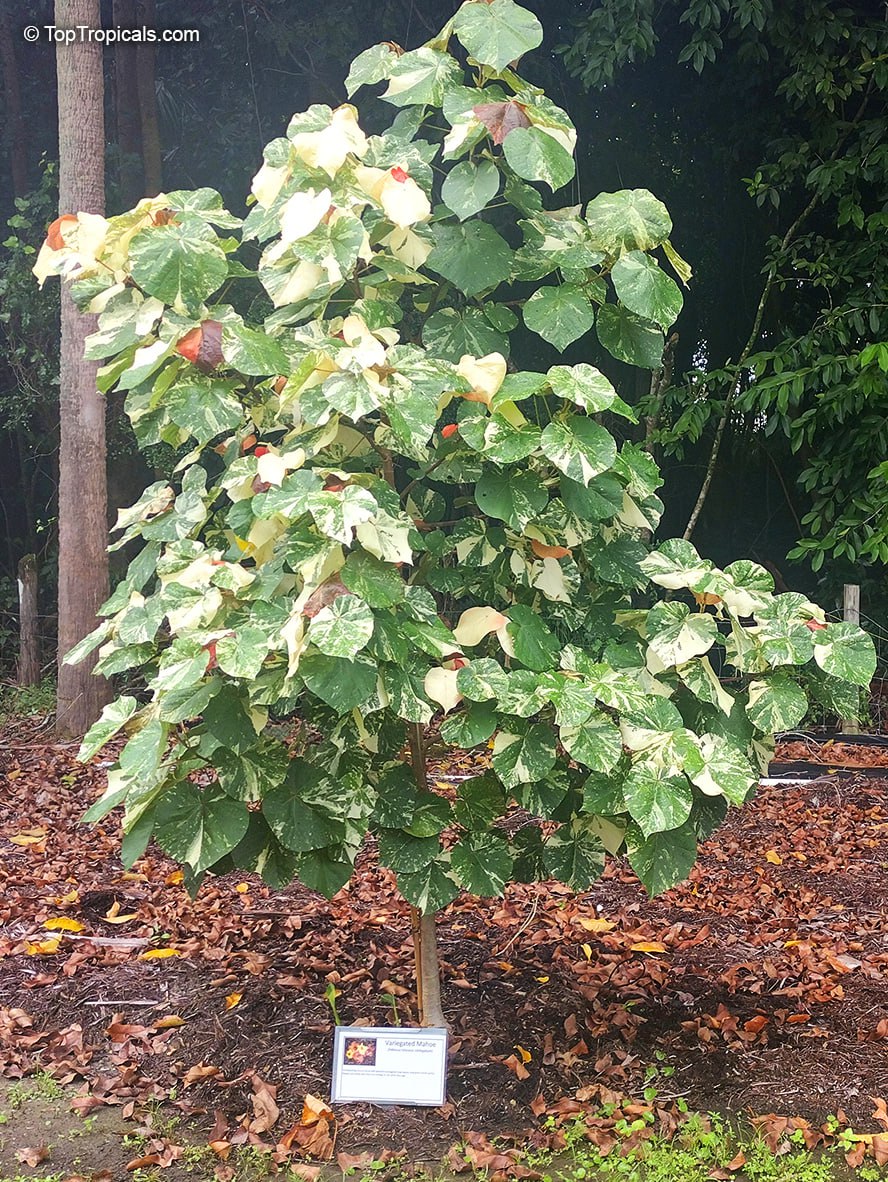
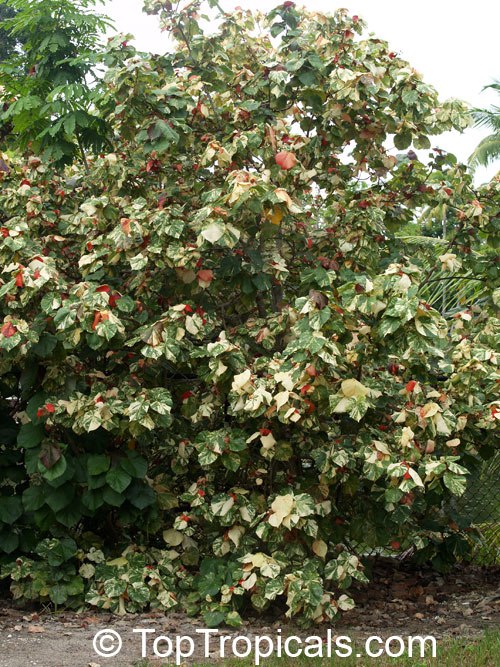
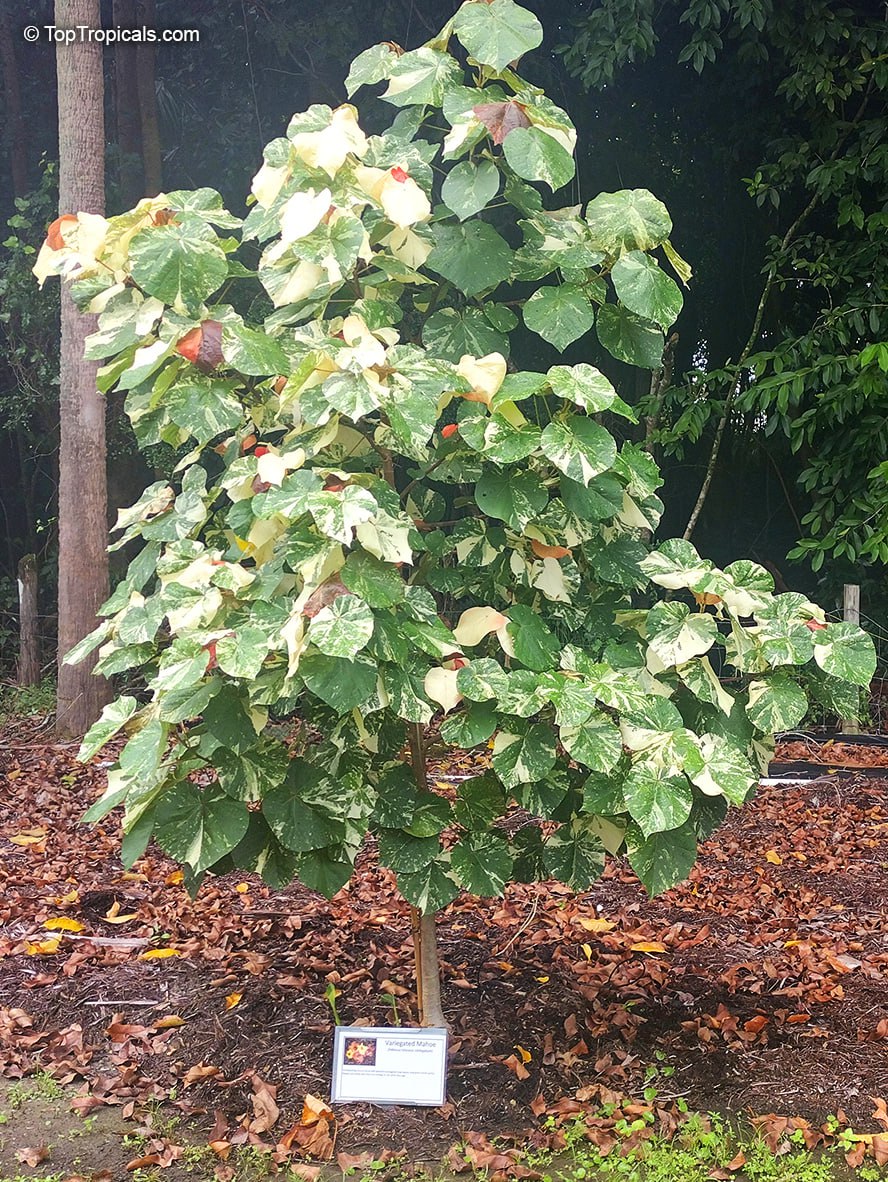
  • 🌳 Hibiscus tiliaceus Variegatum is the must-have tree of the year - and for good reason! This stunning, fast-growing beauty delivers shade in just one season, with a more compact, umbrella-like shape than its wild cousin, the standard Mahoe (that grows into a very large tree).

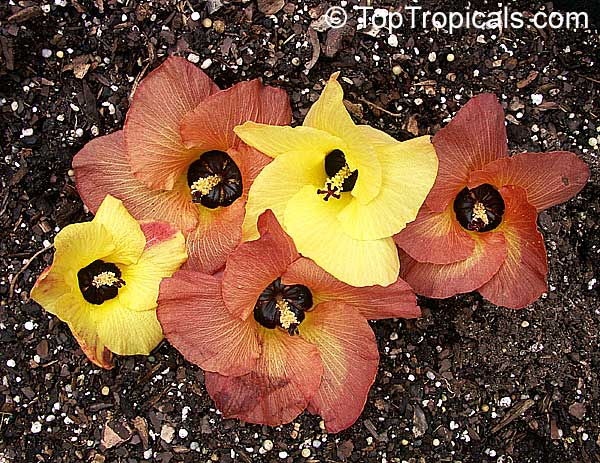
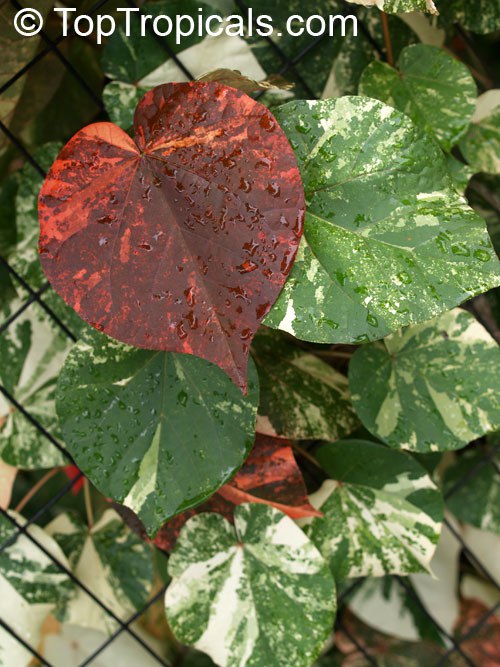
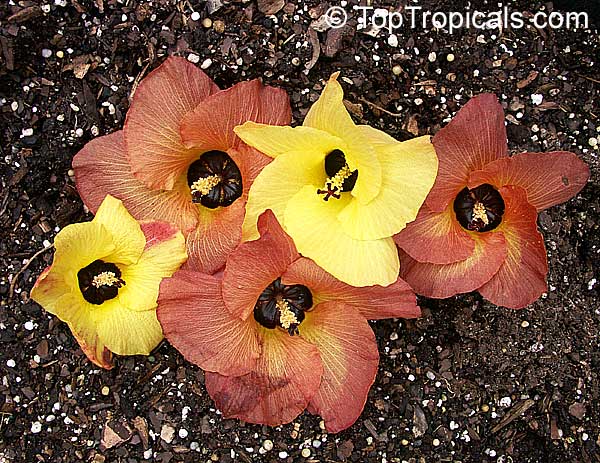
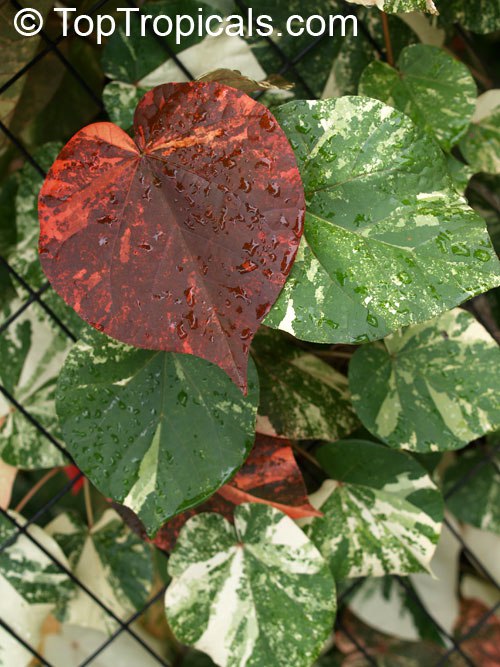
  • 🌳 Variegated Mahoe's eye-catching foliage is a show in itself: splashes of red, white, green, and pink create a living kaleidoscope. The blooms are just as magical - starting yellow and deepening to orange and red as they age.

  • 🌳 Perfect for Southern gardens and hot-climate landscapes, the Variegated Mahoe is low-maintenance, colorful, cool and cooling, and endlessly rewarding. Everyone wants it, and once you see it, you'll understand why!


🛒 Add color, shade, and tropical flair to your garden with Variegated Mahoe

#Trees #Discover

🔴 Join 👉 TopTropicals

Date: 13 Apr 2025

The Tree Everyones Talking About: Variegated Mahoe

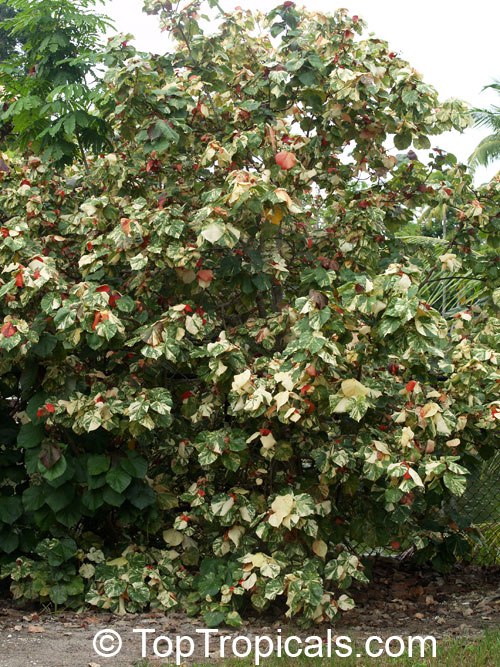
Hibiscus tiliaceus Variegatum - Variegated Mahoe

Hibiscus tiliaceus Variegatum - Variegated Mahoe

Hibiscus tiliaceus Variegatum - Variegated Mahoe flowers

Hibiscus tiliaceus Variegatum - Variegated Mahoe flowers

Hibiscus tiliaceus Variegatum - Variegated Mahoe leaves

Hibiscus tiliaceus Variegatum - Variegated Mahoe leaves

Hibiscus tiliaceus Variegatum - Variegated Mahoe young tree

Hibiscus tiliaceus Variegatum - Variegated Mahoe young tree

🍀 The Tree Everyone's Talking About: Variegated Mahoe

  • 🌳 Hibiscus tiliaceus Variegatum is the must-have tree of the year - and for good reason! This stunning, fast-growing beauty delivers shade in just one season, with a more compact, umbrella-like shape than its wild cousin, the standard Mahoe (that grows into a very large tree).
  • 🌳 Variegated Mahoe's eye-catching foliage is a show in itself: splashes of red, white, green, and pink create a living kaleidoscope. The blooms are just as magical - starting yellow and deepening to orange and red as they age.
  • 🌳 Perfect for Southern gardens and hot-climate landscapes, the Variegated Mahoe is low-maintenance, colorful, cool and cooling, and endlessly rewarding. Everyone wants it, and once you see it, you'll understand why!


🛒 Add color, shade, and tropical flair to your garden with Variegated Mahoe

#Trees #Discover

🔴 Join 👉 TopTropicals

Date: 12 Apr 2025

How to Plant a Tree - A Fun Guide

How to Plant a Tree - A Fun Guide

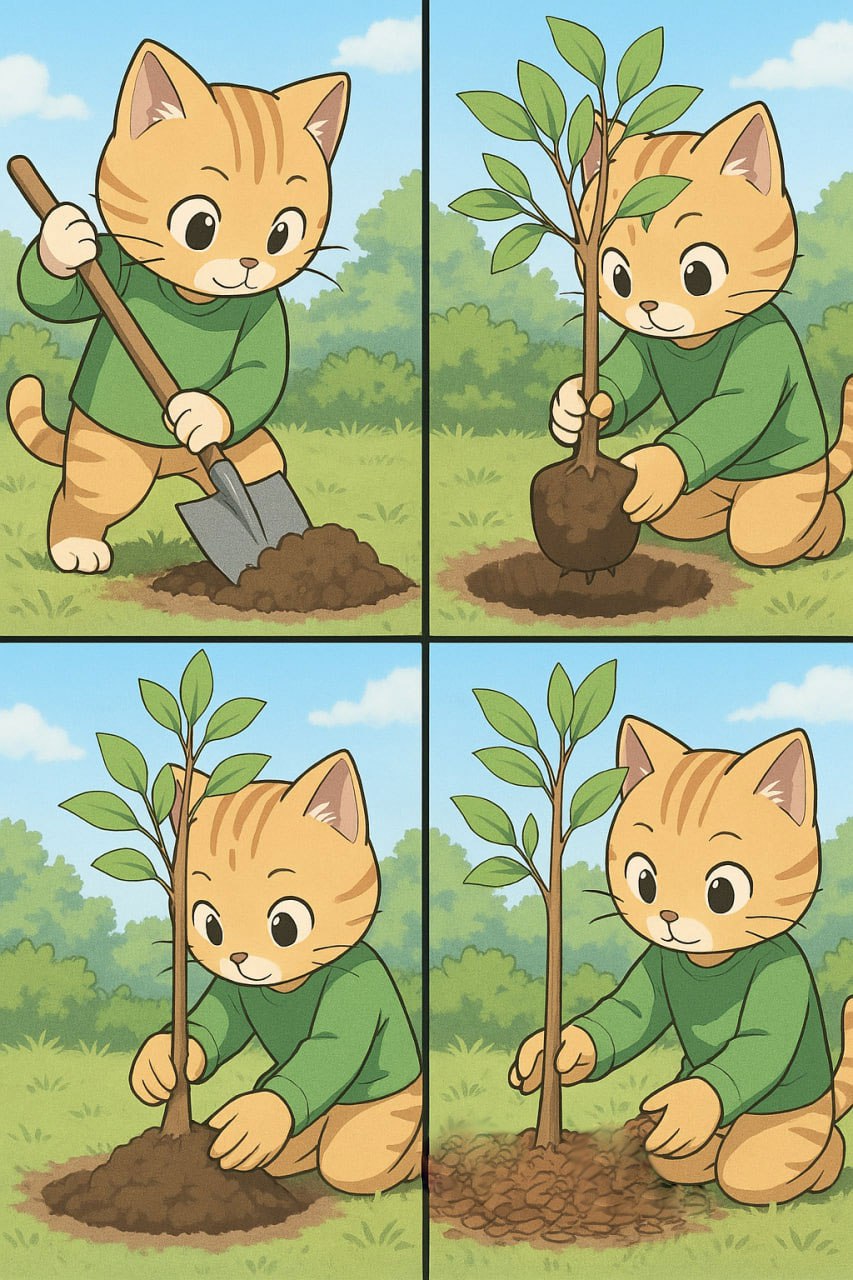
🌳 How to Plant a Tree - A Fun Guide


1

️⃣ Dig a Big Hole


Start by digging a hole 2-3 times the size of the pot. Make sure it's deep enough to give your tree's roots room to grow. Remove any sandy dirt or rocks—replace them with rich, nutrient-packed soil to help your tree establish.

2

️⃣ Place the Tree Just Right


Gently remove your tree from the pot and place it in the hole. The base of the tree (where the roots meet the trunk) should sit slightly above ground level (2-3"). Avoid covering the trunk with soil to allow for proper air circulation and to promote a healthy tree.

3

️⃣ Mound the Soil


Add nutrient-rich soil around the roots, then toss in a handful of granulated fertilizer. With the leftover soil, build a little mound around the tree to form a"bagel"shape. This will help water stay around the roots and give your tree a strong start.

4

️⃣ Add Mulch and Water


Spread mulch around the tree, but leave a small gap around the trunk. Water generously to settle the soil and give your tree a refreshing drink. Water by hand daily for the first couple of weeks or until you see new growth. After that, you can rely on sprinklers.

⭐️ With these simple steps, your tree will be off to a great start!

🛒 Go plant shopping to excersize your green thumb and make our planet better

📚 Learn more:


How to plant a tree: care of mail-order plants and detailed planting instructions (PDF)

#How_to #Trees #Discover

🔴 Join 👉 TopTropicals

Date: 11 Apr 2025

What is better than Apricot? Tropical Apricot!

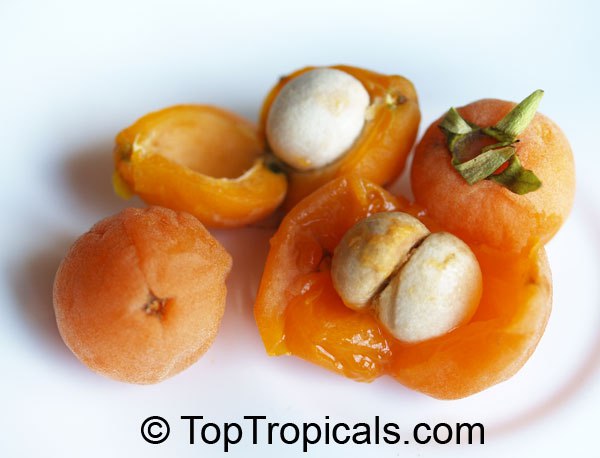
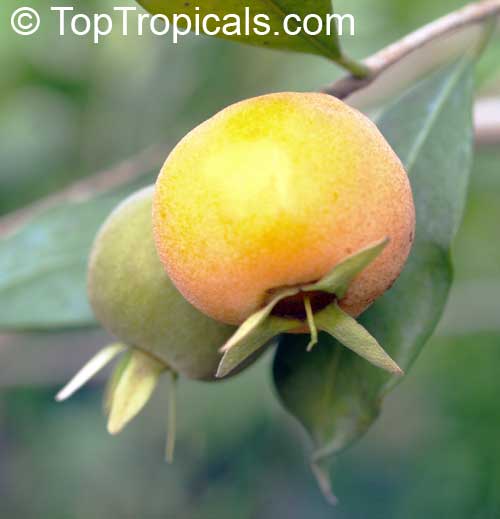
Pitomba, Eugenia luschnathiana - The Tropical Apricot Tree fruit

Pitomba, Eugenia luschnathiana - The Tropical Apricot Tree fruit

Pitomba, Eugenia luschnathiana - The Tropical Apricot Tree fruit

Pitomba, Eugenia luschnathiana - The Tropical Apricot Tree fruit

🍑 What is better than Apricot? Tropical Apricot!

  • 🍑 Looking for a small, ornamental fruit tree with big flavor? Pitomba (Eugenia luschnathiana) - The Tropical Apricot Tree - is a Brazilian gem that's as beautiful as it is delicious.
  • 🍑 This slow-growing evergreen reaches 15-20 feet, with glossy dark green leaves and a striking light brown trunk. In spring, it bursts into white and yellow flowers, followed by apricot-colored fruits ripening from May to July.
  • 🍑 The fruit is juicy, aromatic, with a flavor and texture similar to apricots. Rich in vitamin C, minerals, and dietary fiber, Pitomba is perfect eaten fresh or turned into jams, jellies, and juices.
  • 🍑 Pitomba grows best in full sun, likes acidic soil, and appreciates regular water and feeding. Whether in the ground or in a pot, it’s a stunning and fruitful addition to your edible landscape.
  • 🍑 Why grow Pitomba?


🟡Unique tropical fruit with apricot-like flavor
  • 🟡Beautiful, compact tree for small yards or containers
  • 🟡Fruits in 2–3 years from seed
  • 🟡Cold-hardy to the upper 20s (°F) once mature. Grows in USDA zones 9–11 or indoors with winter protection
  • 🟡Traditional medicinal uses in Brazil for colds and digestive health


🛒 Buy Pitomba to add a small fruit tree with big flavor to your yard

#Food_Forest #Fun_Facts #Discover

🔴 Join 👉 TopTropicals