Date: 23 Feb 2026
❄️ The Hardiness Report: February 2026 ❄️
🐾 Smokey & Sunshine’s real-world survival data from our Sebring, Florida Research Gardens. Smokey analyzed the data. Sunshine just stayed happy. Here is what they found.

Smokey: This is macadamia strength.
Sunshine: I should put a macadamia nut in my coffee and borrow some of that strength.
Smokey: Do not get too nutty yet. It still needs curing and cracking.
📊 Weather Data – February 1–6, 2026
Sebring, Florida – 132 years of recorded observations
This was not a light frost. It was a prolonged, windy, penetrating hard
freeze.
- 🌡 Minimum temperature: 25F
- ❄️ Wind chill: 14F
- ⏳ Duration: 3 nights of 8–10 hour hard freeze
- ☀️ Daytime temperatures: around 50F for 7 days
- 🌀 Wind: sustained 20 mph, gusts 40–50 mph
While all our plants in pots were protected in greenhouses, our in-ground plantings faced the freeze outdoors. We covered what we could. Even so, some plants were damaged, some died, and some surprised us by surviving.
In the next few newsletters, we will share the real survivors - the plants that proved themselves in the ground, under real conditions. Smokey and Sunshine have been out in the fields assessing the damage from the February 1–6 freeze. While many plants struggled, the Macadamia proved to be a true standout. This is how we grow them to handle the tough years.
Why does this matter? Because we have gotten used to warm winters, and this freeze was a rude awakening. Not everyone lives in Miami. If you garden in places where a real cold event can happen, you have to be prepared - and you have to plant what can take it.
🌰 Macadamia: Freeze Tested and Standing
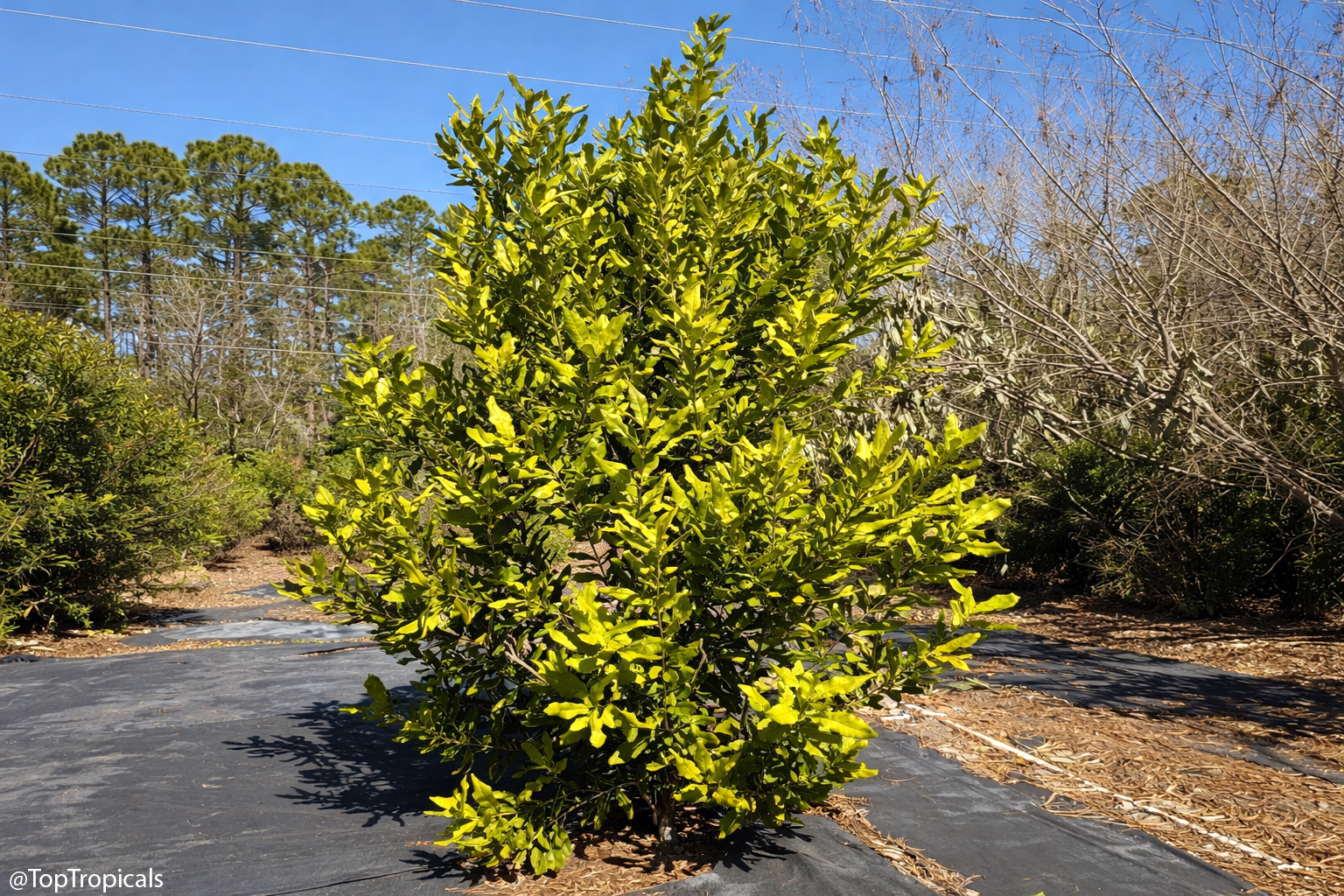
When temperatures dropped to 25F with wind chill near 14F, our established macadamia trees remained upright, green, and structurally intact. Leaves held. Branches stayed firm. No collapse, no panic.
That is not luck. That is macadamia hardiness.
Often considered a "tropical luxury nut," macadamia proved it can handle more than many gardeners expect. In USDA Zones 9b-11, with proper drainage and site selection, it is not just ornamental - it is a long-term food tree with real resilience.
In a winter that reminded us not to take warmth for granted, macadamia earned its place on the survivor list.
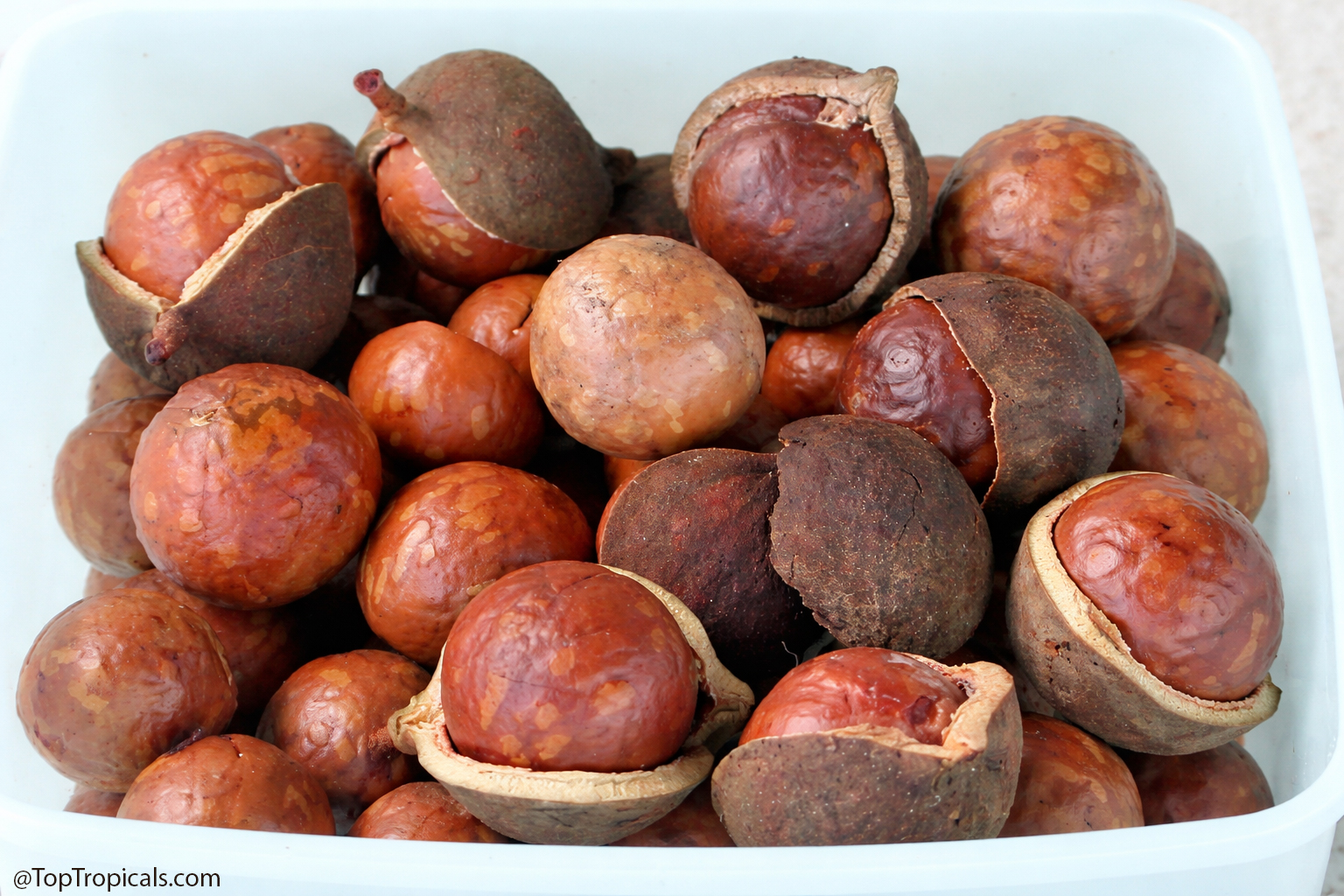
The nut itself is famous for its strength. The shell is among the hardest in the nut world, requiring serious pressure to crack. Inside, the kernel is creamy, buttery, rich, and deeply satisfying. High in monounsaturated fats and naturally low in sugar, macadamias have long been valued both for flavor and for nutrition.
The tree is equally impressive. An evergreen with tough leaves and elegant spring flowers, it matures into a productive, manageable canopy. Nuts develop slowly over six to seven months. Production begins in a few years and increases steadily as the tree matures. Plant it once, and it can reward you for decades.
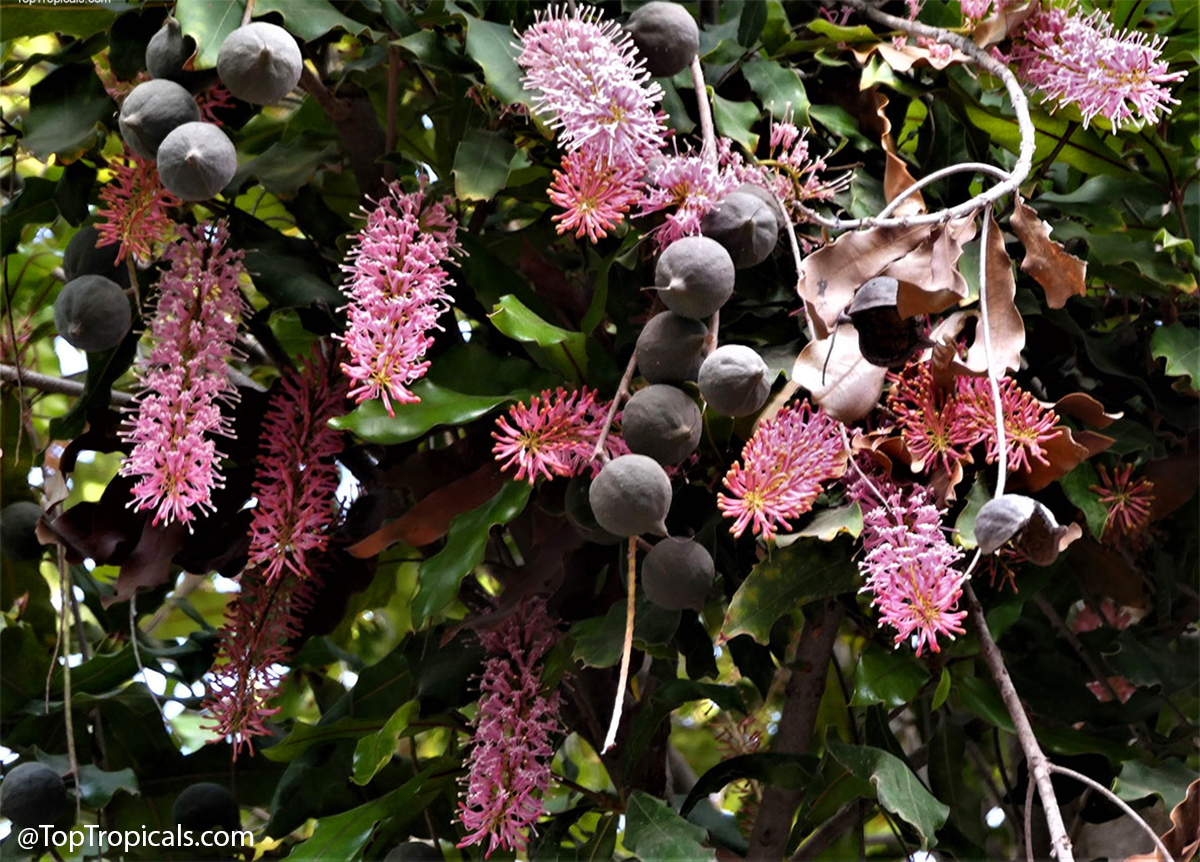
Cold will come again. It always does. The question is not whether winter will test your garden. The question is whether your trees are ready. Macadamia proved it is. If you are building a garden that feeds you for decades, this is a tree worth planting.
🛒 Add Macadamia Tree to your garden
Date: 22 Feb 2026
Watch Cat Oscar Win 5 Feet of Snow
Watch Cat Oscar Win 5 Feet of Snow
🏆 Watch Cat Oscar Win 5 Feet of Snow
You think it's cold, Floridians?
Meet Oscar. Street-fight champion. One ear bent from "previous negotiations". Confidence level - untouchable.
Five feet of snow? Minor inconvenience.
He did not train all winter to be defeated by fluffy water.
Yes, the snow is deep.
Yes, it is hard to walk.
Yes, his voice is loud.
But retreat? Never.
His blood is thick.
His fur is thicker.
His territory will be inspected and properly marked.
Some heroes wear capes.
Oscar wears winter coat - and attitude.
Maybe your tropical winter is not so bad after all? ⛄️
🐈📸 Cat Oscar, a non-tropical friend of TopTropicals and PeopleCats.Garden.
#PeopleCats
🟢 Join 👉 TopTropicals
Date: 22 Feb 2026
How to grow Papaya from seed, step-by step - FAQ
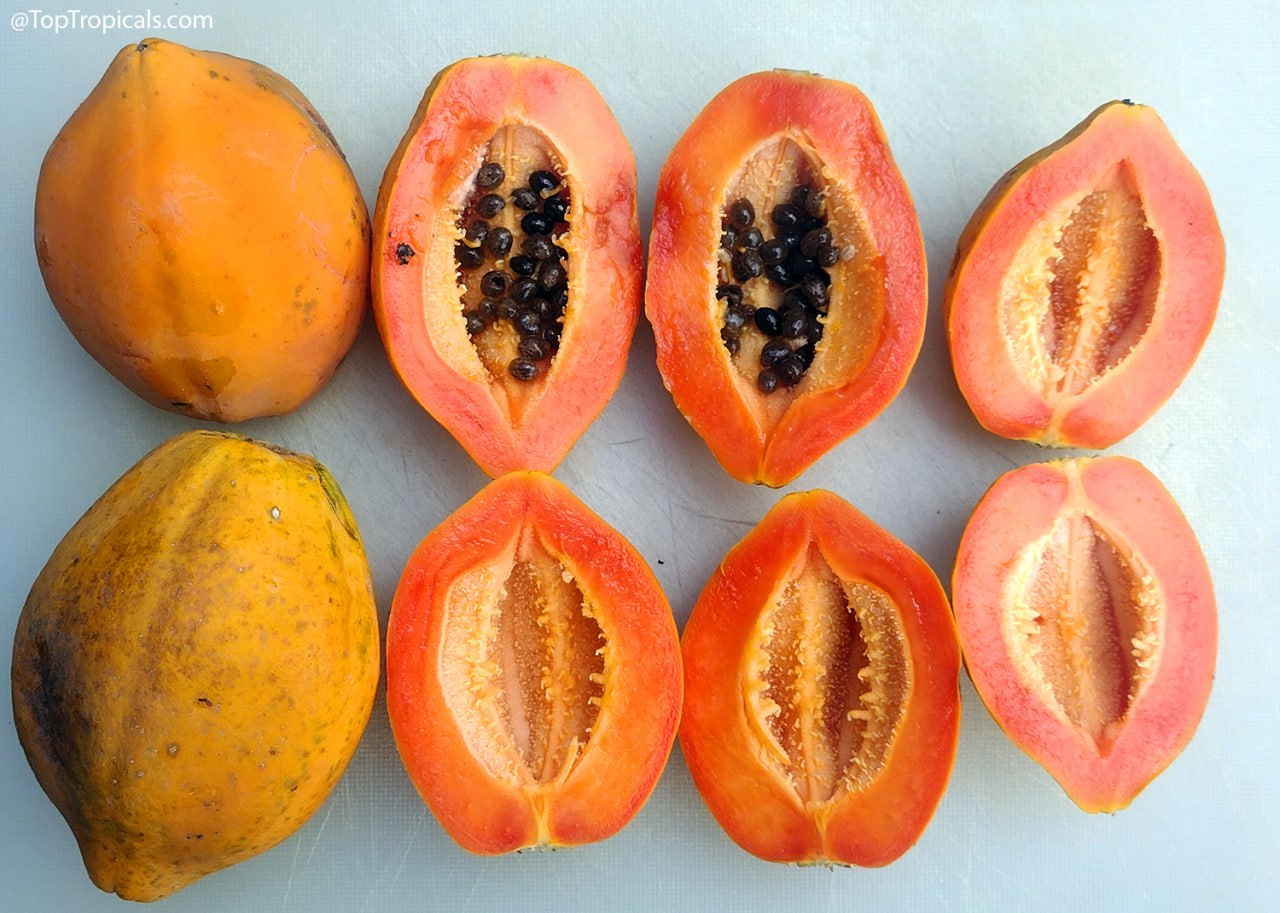
Carica papaya - Papaya fruit
🍊 How to grow Papaya from seed, step-by step - FAQ
💚 Is papaya a tree?
No. Papaya is a herbaceous plant with a hollow trunk. Treating it like a tree is one of the most common mistakes growers make.
💚 How fast does papaya grow from seed?
Very fast. Papaya can start producing fruit in 10–15 months when grown in warm conditions.
💚 Can papaya be grown in containers?
Yes. Dwarf papaya varieties stay under 4–5 ft tall in containers and still produce full-size fruit.
💚 Will seeds from grocery store papaya work?
They will germinate, but the variety is unknown and usually not dwarf. If you want a compact plant, use seeds from a known dwarf variety.
💚 Do papaya plants come true from seed?
Yes. When the seed source is known, papaya grows true to type.
💚 How long do papaya seeds take to germinate?
Fresh seeds usually germinate in 2–3 weeks with warmth. Stored dry seeds can take 8–10 weeks.
💚 What temperature do papaya seeds need?
Above 70F, ideally 85–90F. Bottom heat greatly improves success.
💚 Do papaya seeds need to be cleaned before planting?
Yes. The slimy coating must be removed or seeds may rot instead of sprouting.
💚 What soil is best for papaya seedlings?
A well-draining mix or coconut fiber. Soil should be moist, never soggy.
💚 Why do papaya seedlings rot so easily?
Overwatering and poor drainage are the main causes. Young papaya roots are very sensitive to excess moisture.
💚 Do papayas like transplanting?
No. Papayas hate root disturbance. Reduce transplanting and move into larger containers sooner rather than stepping up gradually.
💚 How big should the container be?
After a 4-inch pot, move directly into a 1-gallon or even 3-gallon container to minimize root disturbance.
💚 Does papaya need staking?
Yes. Papaya grows fast, and the stem can outpace root development. Even light wind can knock it over.
💚 How much sun does papaya need?
Full sun. Shade causes leggy growth, poor flowering, and little to no fruit.
💚 Should papaya be watered heavily?
No. Once established, papaya prefers drier conditions. Large plants tolerate rain better than young ones.
💚 Can papaya be planted in the ground?
Yes, but only in well-drained soil and elevated spots. Low areas with standing water will kill it.
💚 Is fertilizer important for papaya?
Yes. Papaya is a heavy feeder. Poor soil means poor growth and little or no fruit. Use Green Magic once every 6 months or Sunshine Boosters C-Cibus with every watering.
💚 Should papaya be pruned to control height?
No. Pruning ruins its natural form. If height is an issue, grow a dwarf variety instead.
🛒 Explore Papaya varieties
📚 Learn more:


Part 2: Seeds germination
Part 3: Containers, sunlight, and common mistakes
🎥 Nobel Prize goes to this pregnant male papaya
#Food_Forest #How_to #Papaya #Discover
🟢 Join 👉 TopTropicals
Date: 21 Feb 2026
The best time to plant a fruit tree was 20 years ago - here is why you need to plant it now
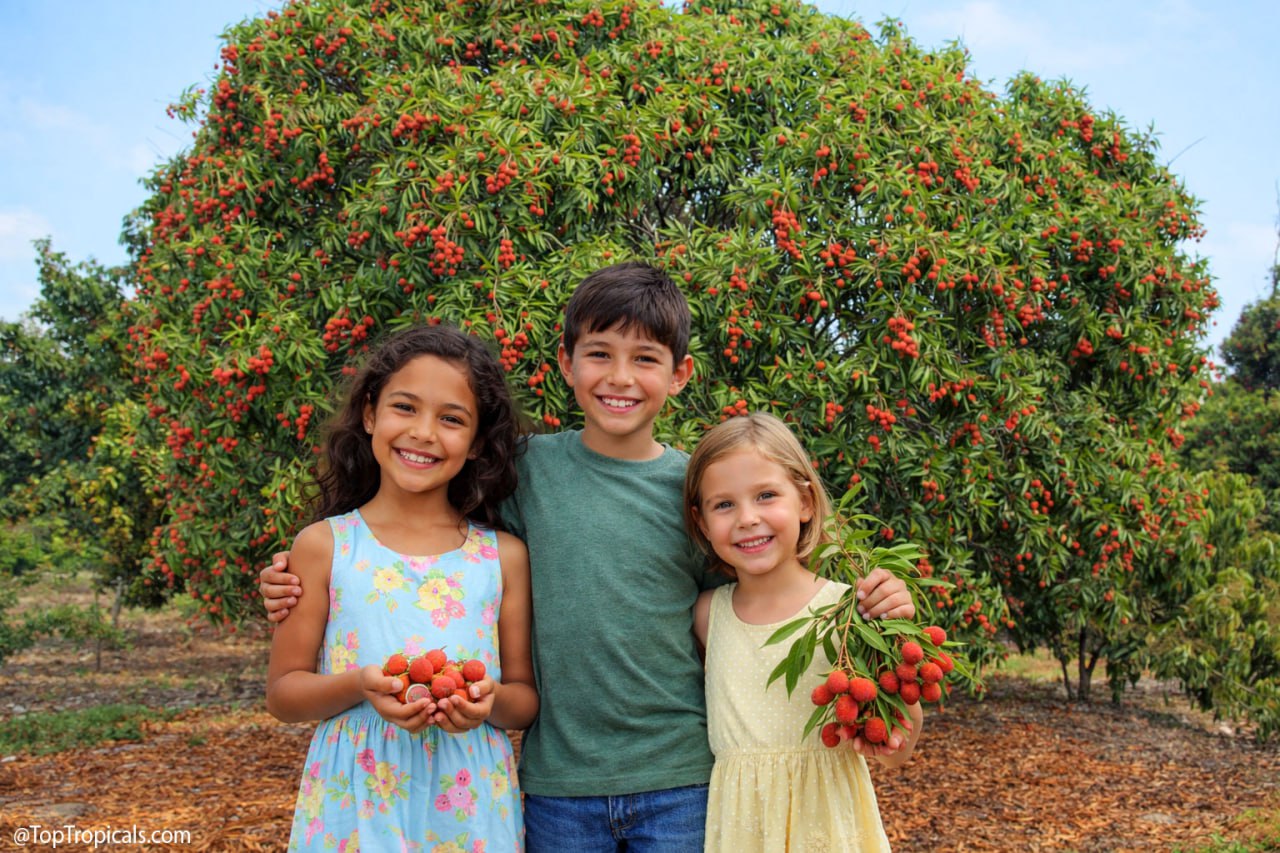
Litchi chinensis - Smiles under the Lychee tree
🍑 The best time to plant a fruit tree was 20 years ago - here is why you need to plant it now
They say the best time to plant a fruit tree was 20 years ago.
The second best time is today.
A fruit tree is not a seasonal purchase. It is not a decoration. It is a decision that stretches far beyond you.
When you plant a mango, an avocado, a loquat, a lychee tree - you are not just planting for this summer. You are planting for children who will climb that tree. For neighbors who will ask for a basket of fruit. For someone who may live in your house long after you are gone.
Fruit trees are quiet investments in the future.
Unlike annual crops that come and go, a tree deepens its roots every year. Many fruit trees - especially mangoes - can live for decades, even a century. They outlive trends, owners, renovations, even mortgages. They stand there, steady, producing.
Even if you sell the house, the tree remains.
The next family will walk into the yard and discover fruit hanging overhead. Imagine buying a home and realizing someone before you planted abundance!
That is a gift.
In many parts of the world, mango trees are called generational crops. One farmer plants them. His children harvest them. His grandchildren sell the fruit. A single decision continues to feed and support a family long after the planter is gone.
There is something deeply grounding about that.
We live in a fast world. Quick returns. Quick moves. Quick upgrades.
A fruit tree moves at a different pace. It asks for patience. It rewards consistency. It teaches you to think long term.
Planting a fruit tree says:
I believe in tomorrow.
I believe this land will matter.
I believe someone will stand here after me.
And even if you never taste the fullest harvest, someone will.
Passing fruit trees through generations is more than horticulture - it is legacy. It is continuity. It is resilience. It is saying that this space, this soil, this home will keep giving.
So plant it now.
Plant it for your children.
Plant it for the next homeowner.
Plant it for shade you may never sit under.
Plant it for fruit you may never pick.
Because one day, someone will walk into that yard, look up, and thank the person who thought ahead.
Let that person be you.
🛒 Explore fruit trees for your orchard
👉 Tropical Fruit favorites:
🥭 Mango
Avocado
🍒 Cherry
🍊 Loquat
🍈 Jackfruit
🍑 Peach tree
🍉 Guava
🍏 Sugar apple
🍇 Mulberry
🍐 Sapodilla
#Food_Forest #Discover
🟢 Join 👉 TopTropicals
Date: 21 Feb 2026
He knows everything

Cat Mr B with GPS tracker
"I am not young enough to know everything." - Oscar Wilde
🐈📸 Cat Mr B, one of the founders of TopTropicals PeopleCats.Garden, walking over 3 miles daily, exploring the neighborhood (supported by his GPS tracker)
#PeopleCats #Quotes
🟢 Join 👉 TopTropicals
Date: 20 Feb 2026
Florida freeze damage - what to replant after a record cold winter
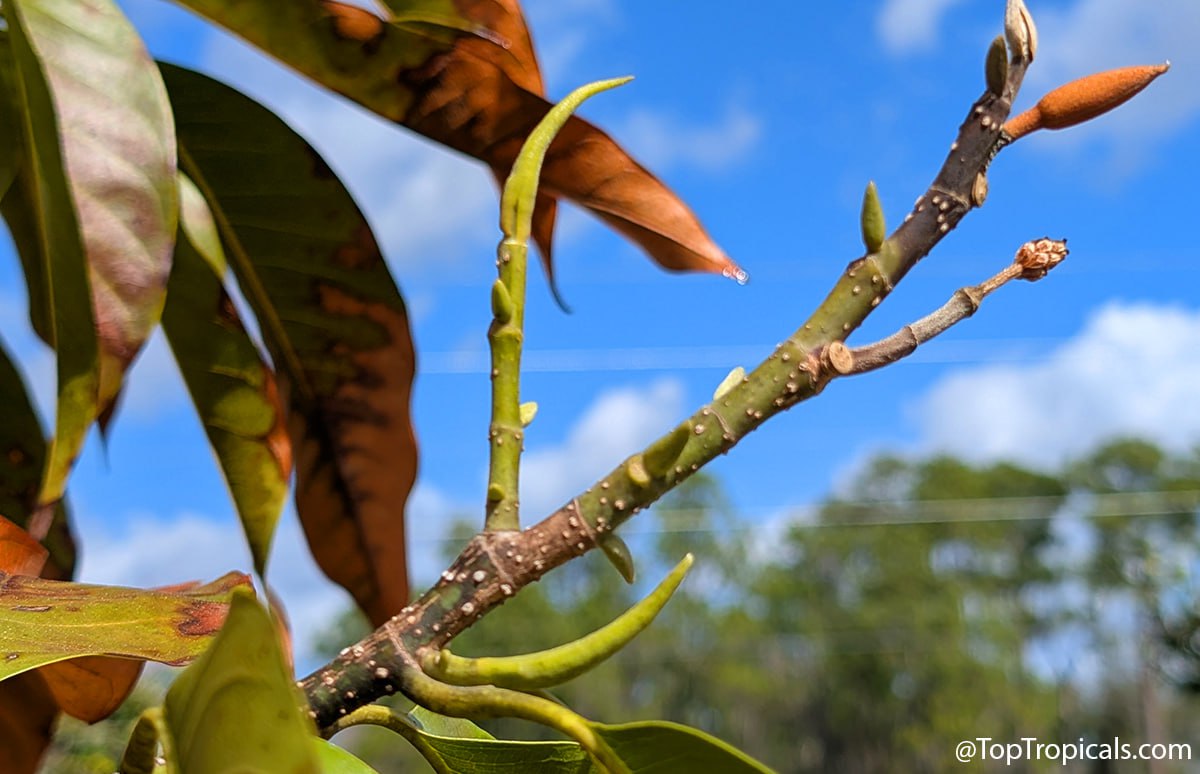
Magnolia champaka new shoots
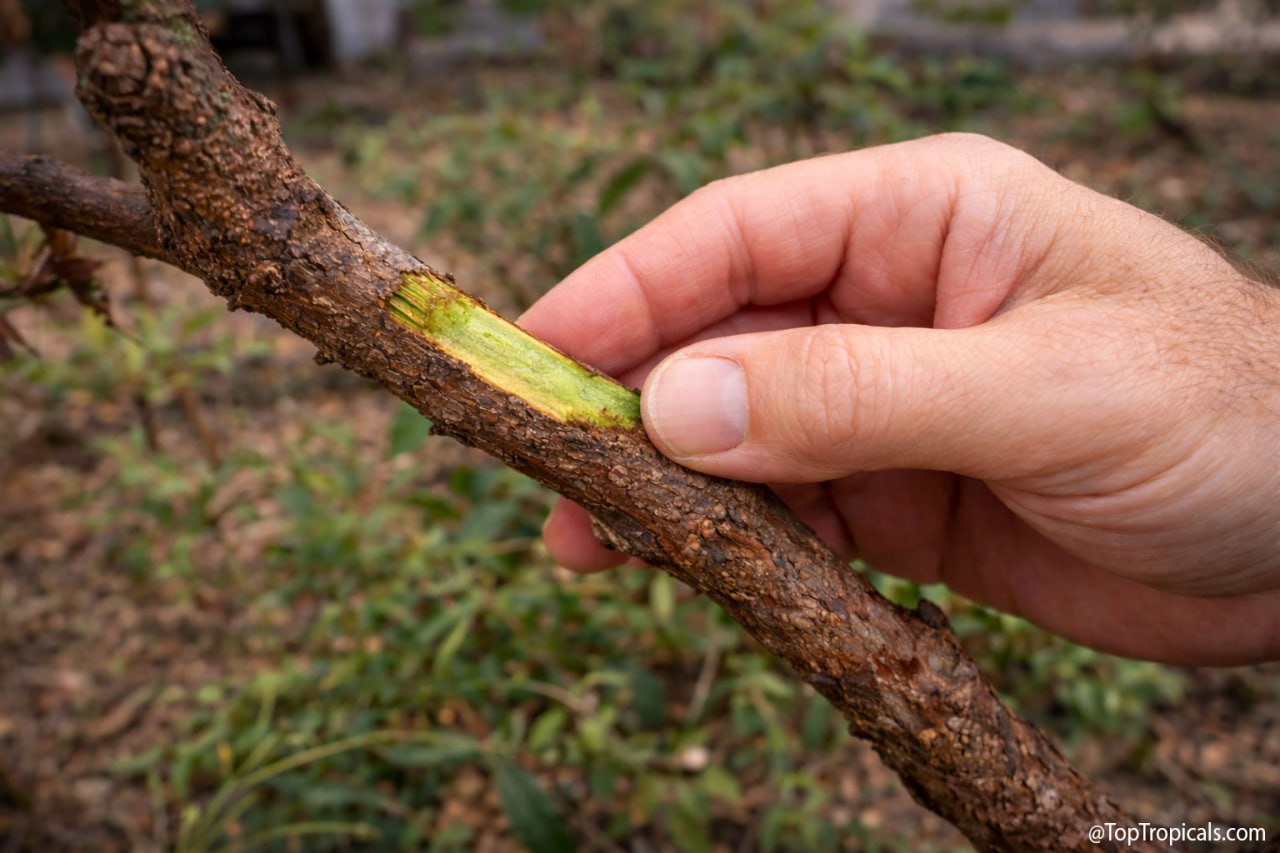
Scratch test on a bark
❄️ Florida freeze damage - what to replant after a record cold winter
🌱 A record freeze changed Florida gardens
After the recent record cold across Florida, many gardeners are now seeing the real damage - browned leaves, split stems, collapsed shrubs, and fruit trees that may not recover.
Some plants surprised us with new growth. Others are clearly gone.
The practical question is simple: what should you replant so it does not happen again next winter?
The good news - you can build a more frost-resilient garden without giving up beauty or fruit.
🌱 First - do not rush to rip everything out
Before replacing anything, check carefully:
Scratch the bark lightly - green underneath means the branch is alive.
- Wait for consistent warm weather - some plants re-sprout weeks or even months later.
- Look for growth higher on the stem, not just at the base.
🌱 Why some plants survived and others did not
Freeze survival depends on several factors:
Duration of cold - 2 hours vs 8 hours makes a major difference
- Microclimate - south-facing walls, wind protection, canopy cover
- Plant maturity - established roots handle stress better
- Pre-freeze health - overfertilized, soft growth freezes faster
🌱 What to replant for a frost-resilient garden
Instead of replacing losses with the same tender species, consider:
Cold-hardy fruit trees
- Proven freeze survivors from this winter
- Shrubs that tolerate brief dips below freezing
- Layered planting for wind protection
- Plant tender species closer to structures.
- Use hardy trees as windbreaks.
- Avoid low frost pockets.
- Improve drainage - wet roots freeze faster.
When redesigning:
✍️ Check the list of freeze survivors:
What tropical plants survived Florida's historic freeze without protection
🌱 Rebuild with strategy, not emotion
After freeze damage, many gardeners replant quickly - only to repeat the same losses.
A better approach:
Identify what truly died.
- Learn which species survived locally.
- Choose varieties proven in your climate zone.
- Design with cold in mind.
🌱 Spring Equinox - a natural reset
The Spring equinox marks equal day and night and the astronomical start of spring. From this point forward, daylight increases and active growth accelerates.
For Florida gardeners, it is a natural reset.
New growth begins. Roots wake up. Replacement planting becomes safer.
This is the right time to rebuild.
🛒 Explore cold tolerant tropical plants and cold hardy Avocados
- 🎥 What tropical plants survived Florida's historic freeze without protection
- 🎥 These Avocados survived 3 nights of 25F hard freeze, Florida Record Freeze
📚 Learn more:
- · Top Ten Fruit Tree Winners of Florida 2026 Record Freeze
- · Top Ten Flowering Tree Winners of Florida 2026 Record Freeze
- · To trim or not to trim? When and how to trim damaged plants after winter
- · Cold-hardy avocado varieties - what freezing they really survive
- · Cold-hardy avocado survival groups - what the numbers really mean
#Discover #How_to
🟢 Join 👉 TopTropicals
Date: 20 Feb 2026
Top Ten Flowering Tree Winners of Florida 2026 Record Freeze
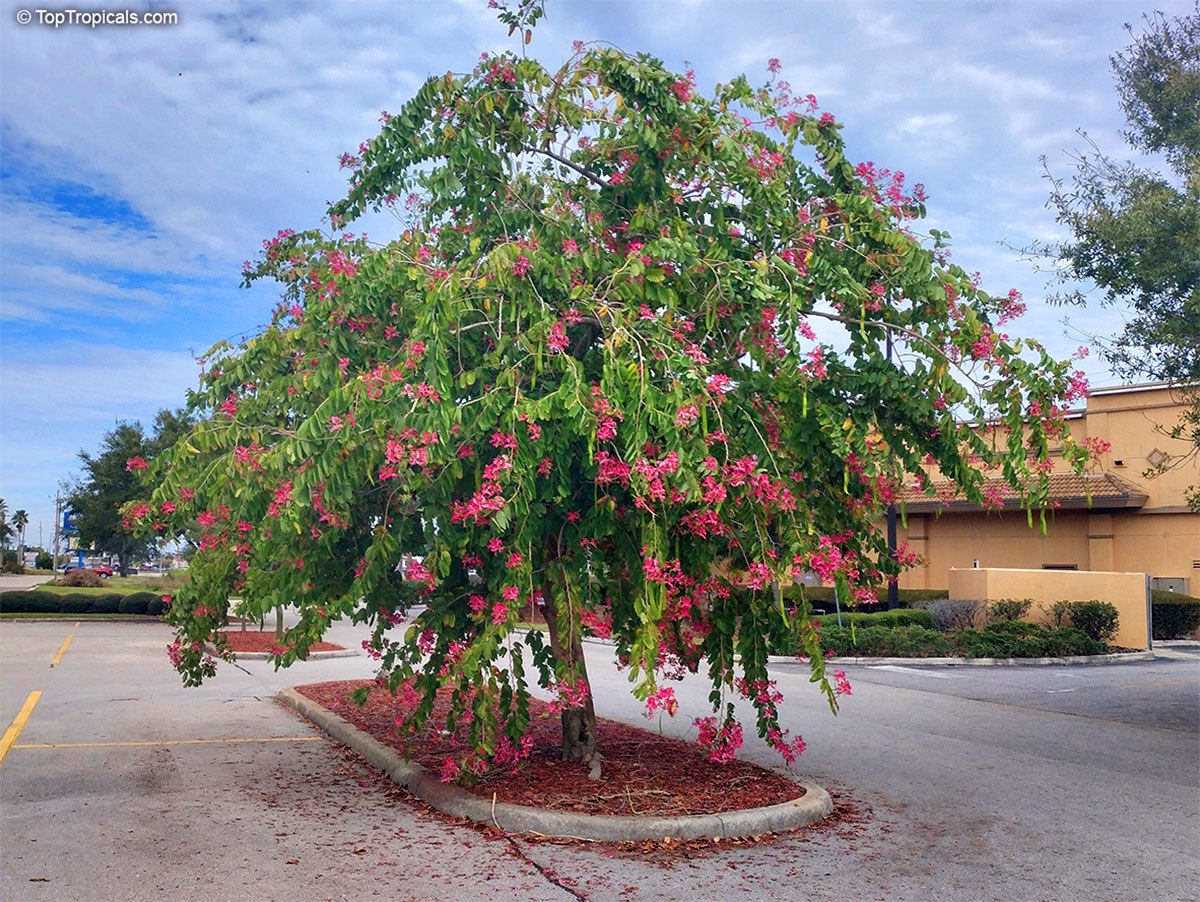
Bauhinia Orchid Tree
Beaucarnea recurvata - Pony Tail
Caesalpinia mexicana, Mexican Bird of Paradise
Callistemon - Bottlebrush
Erythrina
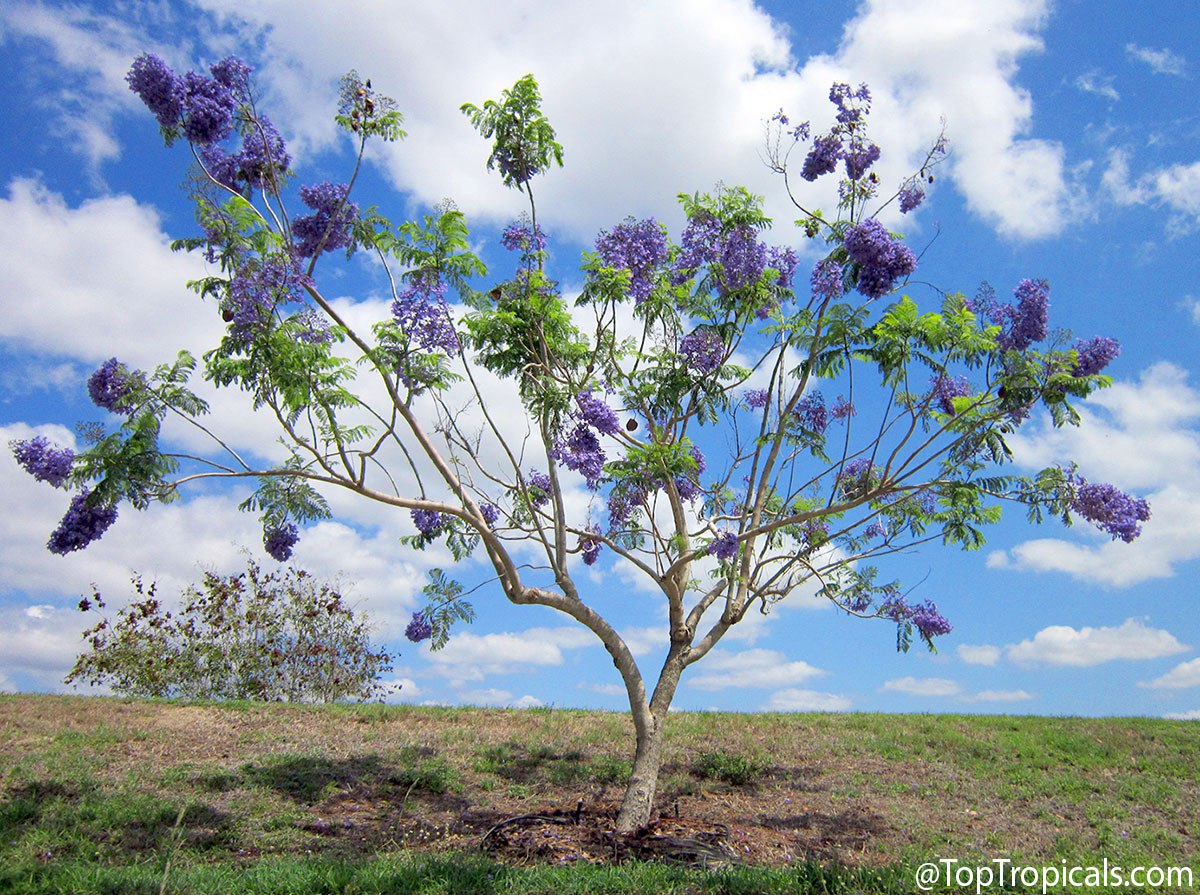
Jacaranda tree
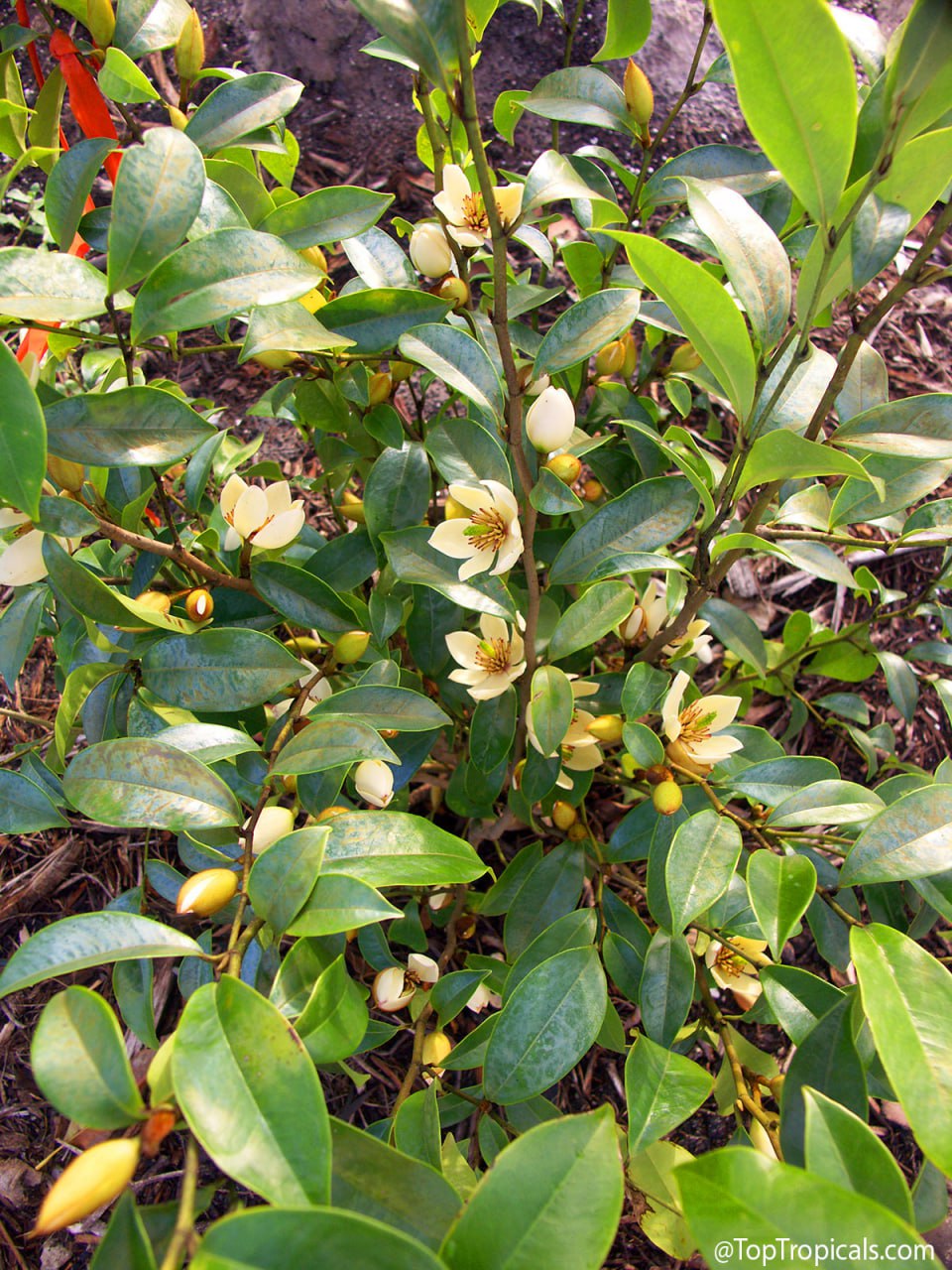
Magnolia figo
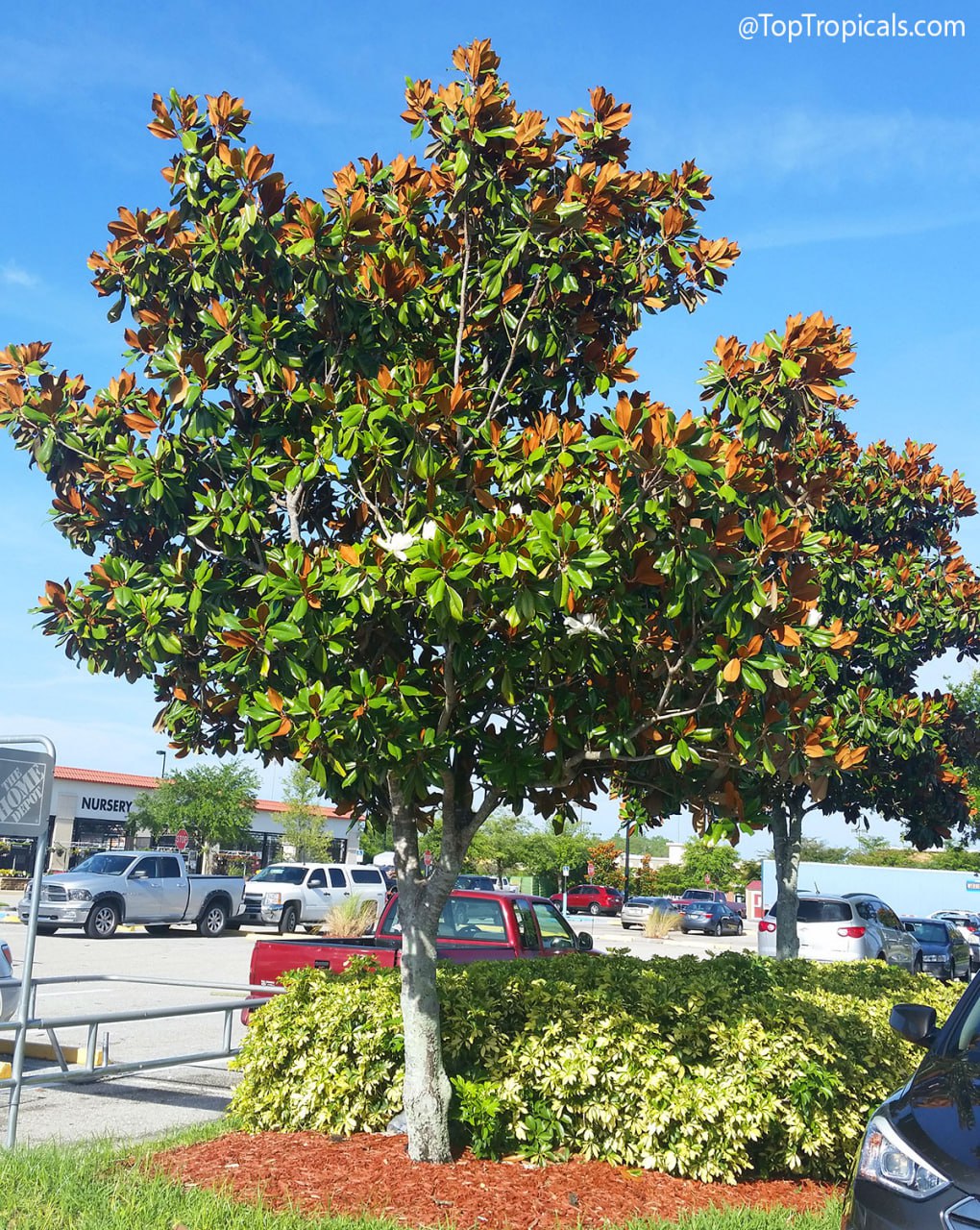
Magnolia Little Gem
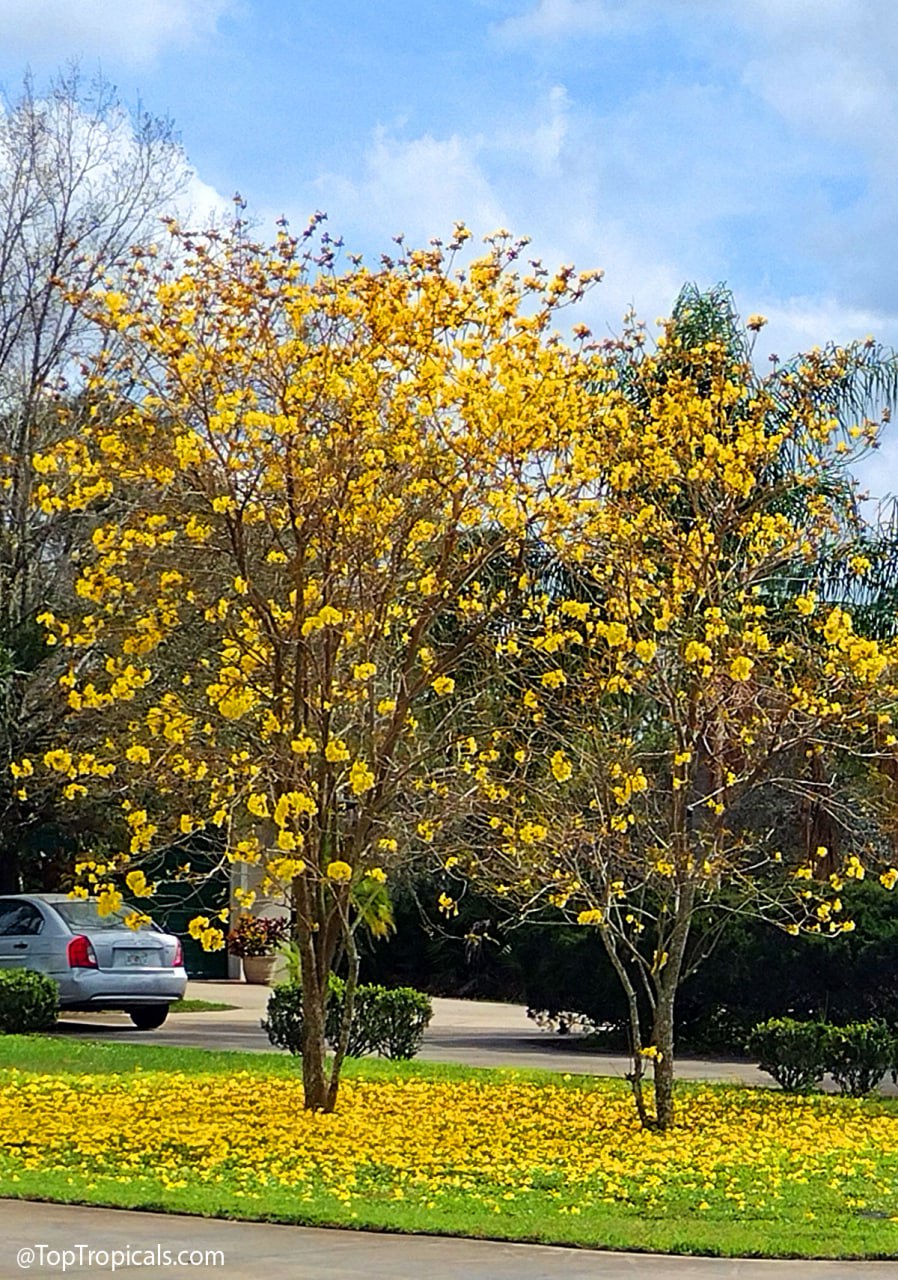
Tabebuia chrysotricha
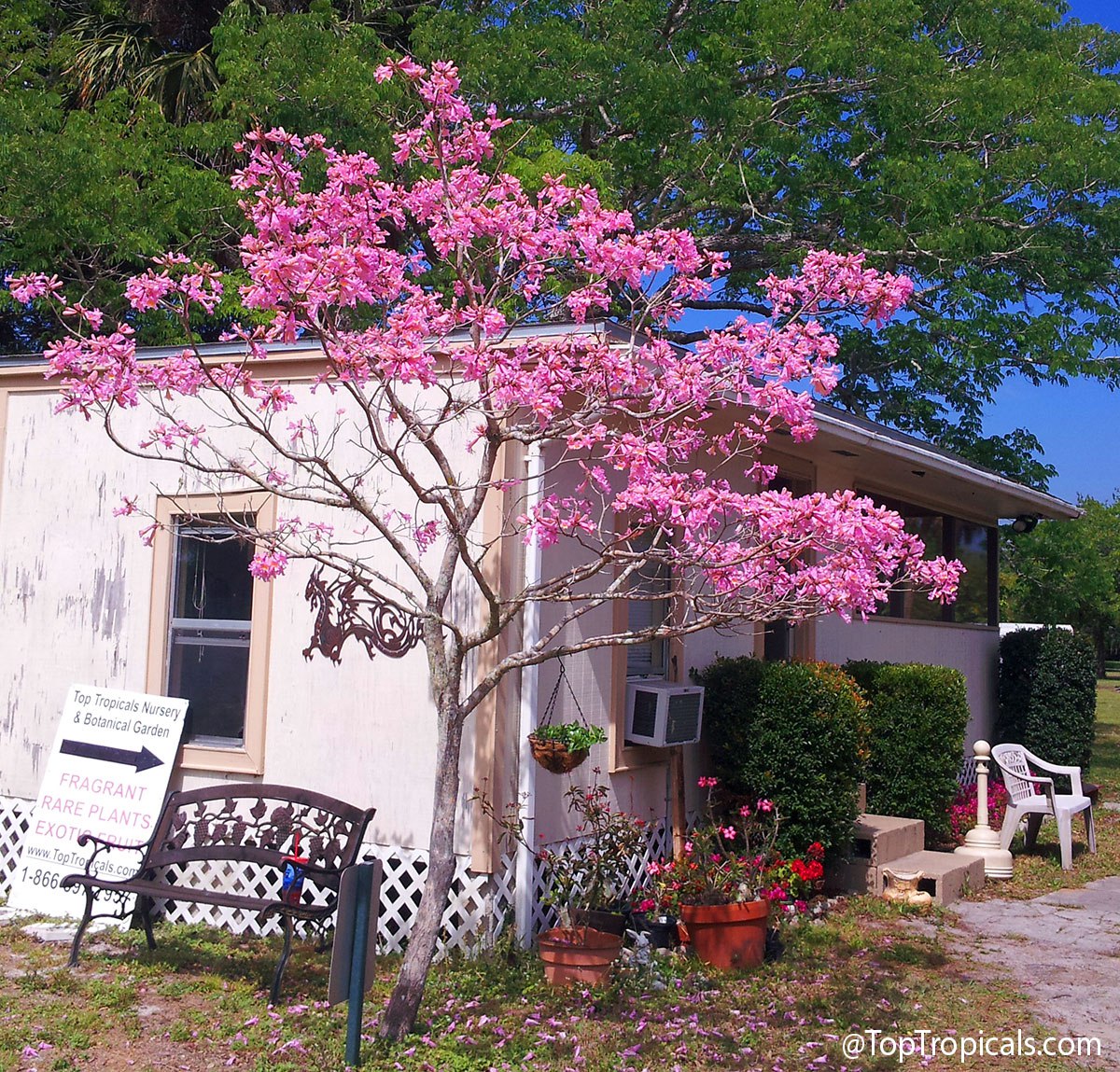
Tabebuia impetiginosa
🏆 Top Ten Flowering Tree Winners of Florida 2026 Record Freeze
These flowering trees had no damage after 3 nights of hard freeze (25F) with NO PROTECTION:
- ✔️ Bauhinia Orchid Trees - several species
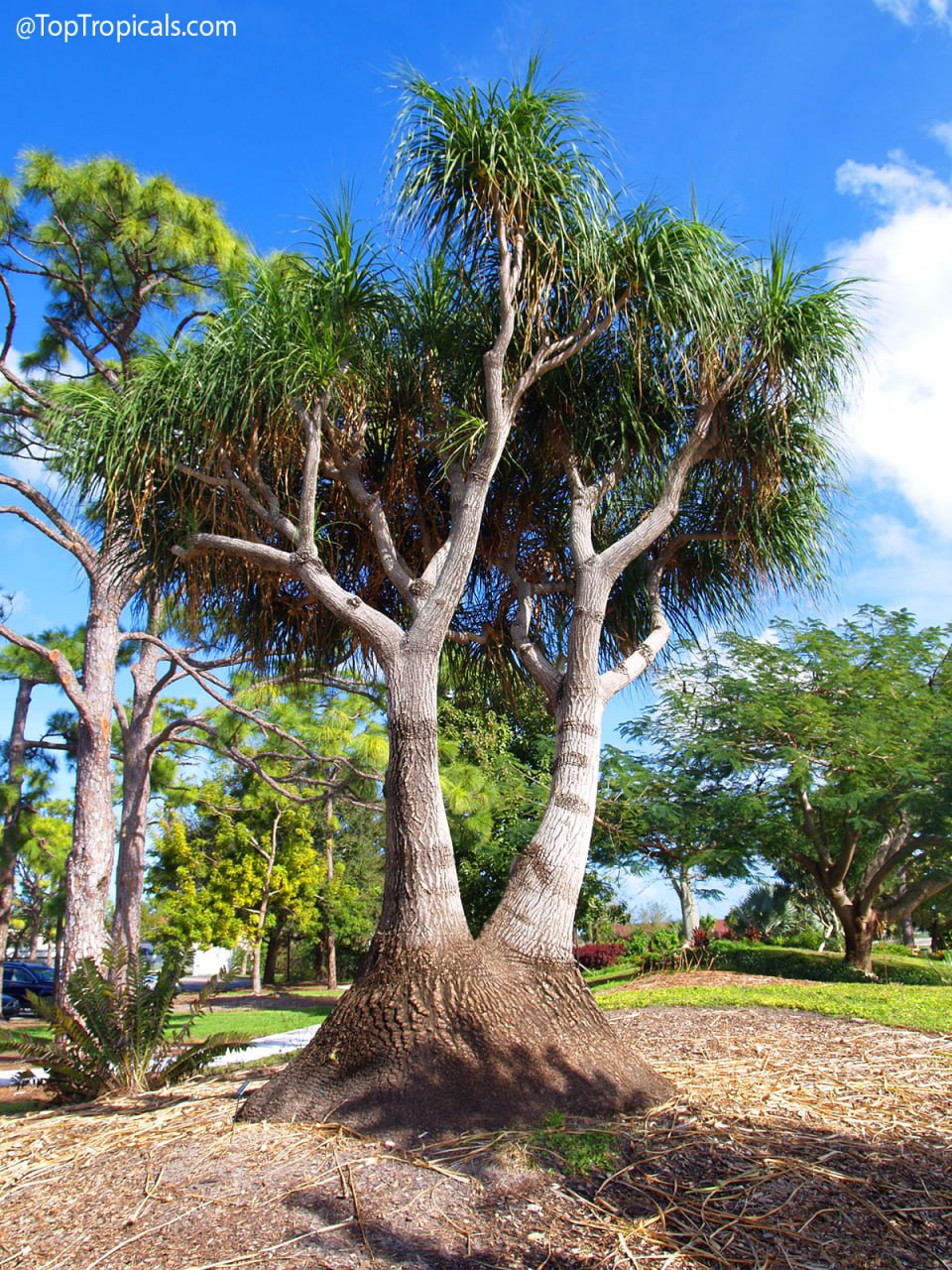
- ✔️ Beaucarnea recurvata - Pony Tail
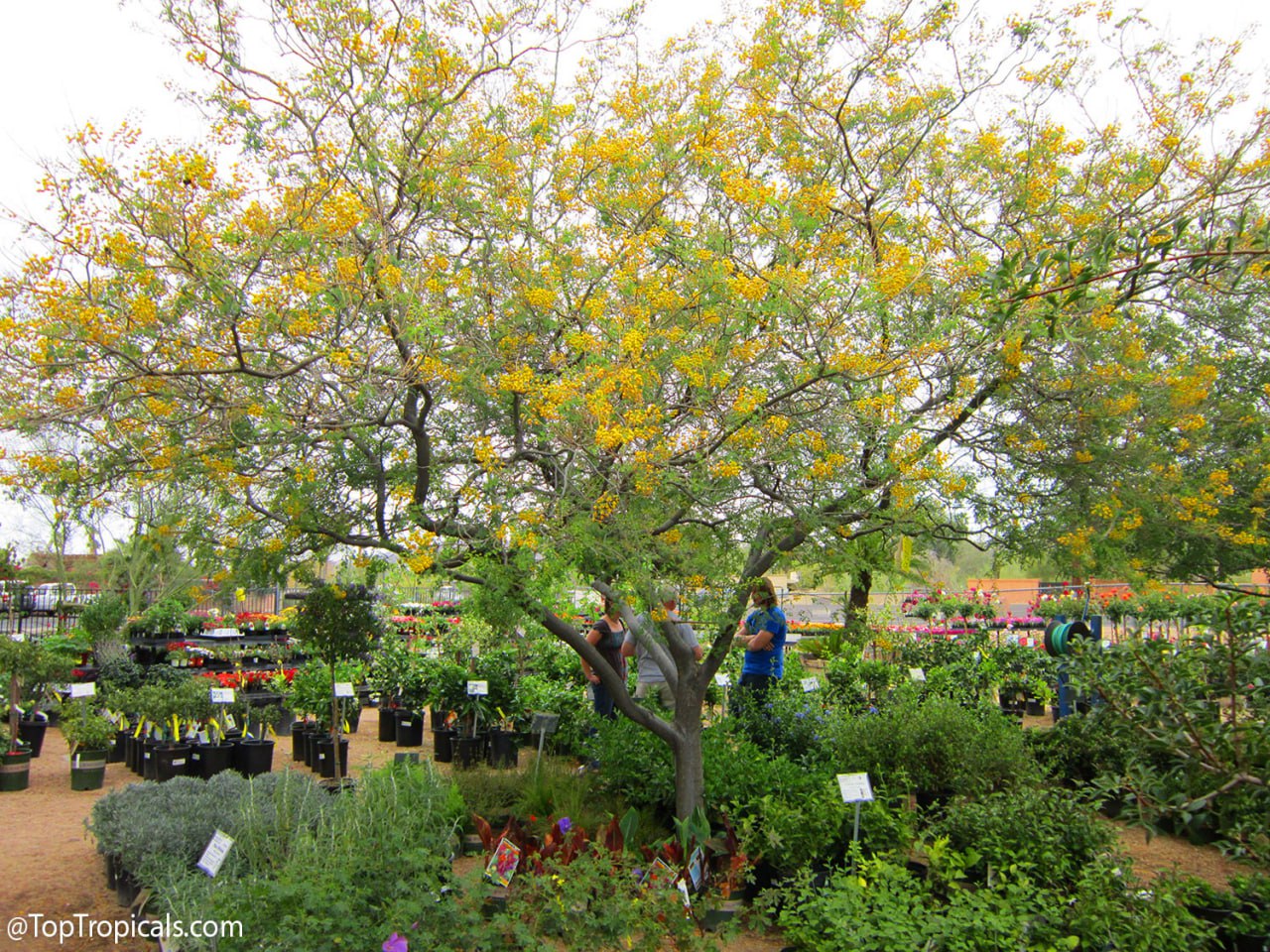
- ✔️ Caesalpinia mexicana, Mexican Bird of Paradise
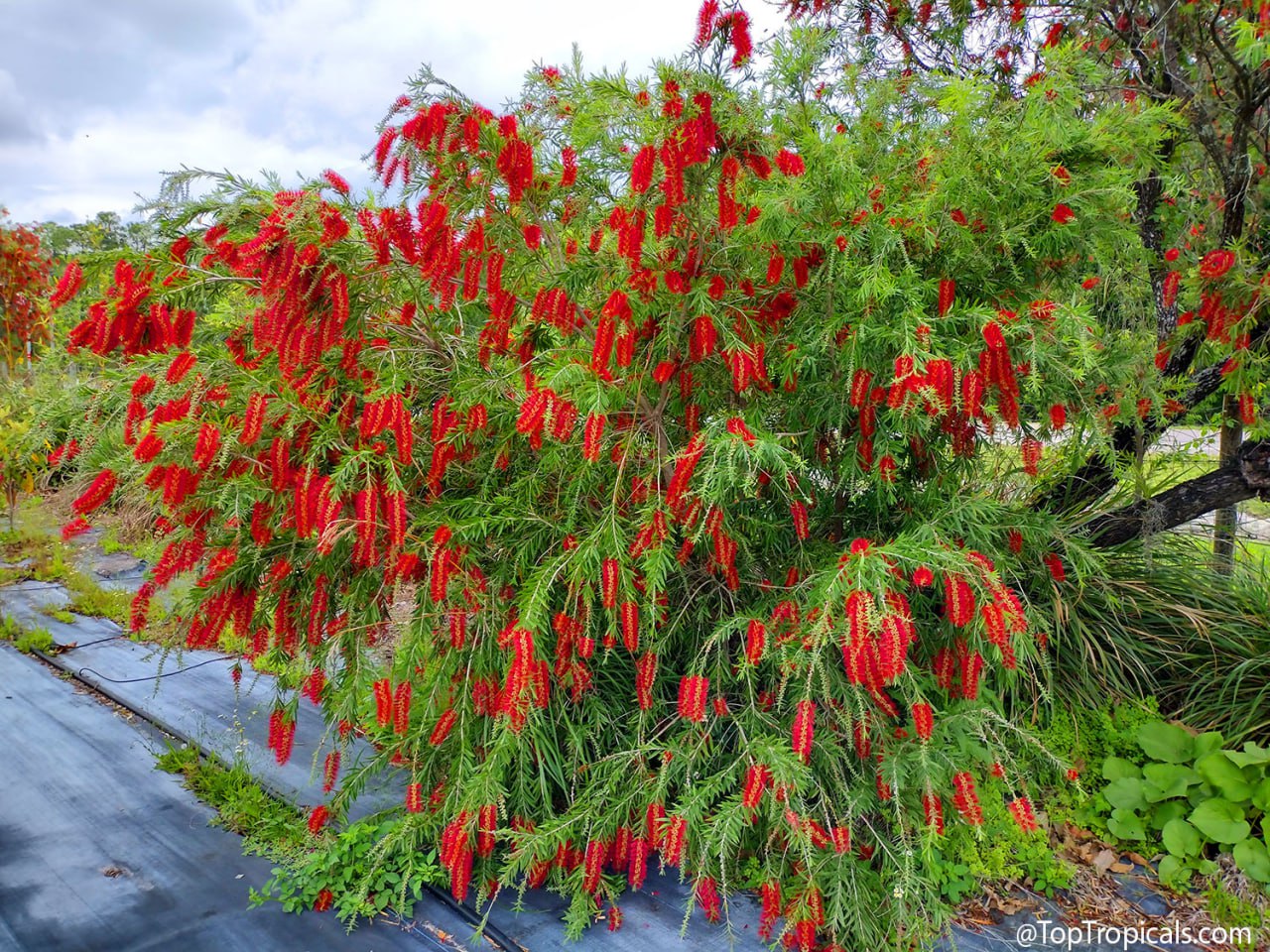
- ✔️ Callistemon - Bottlebrush
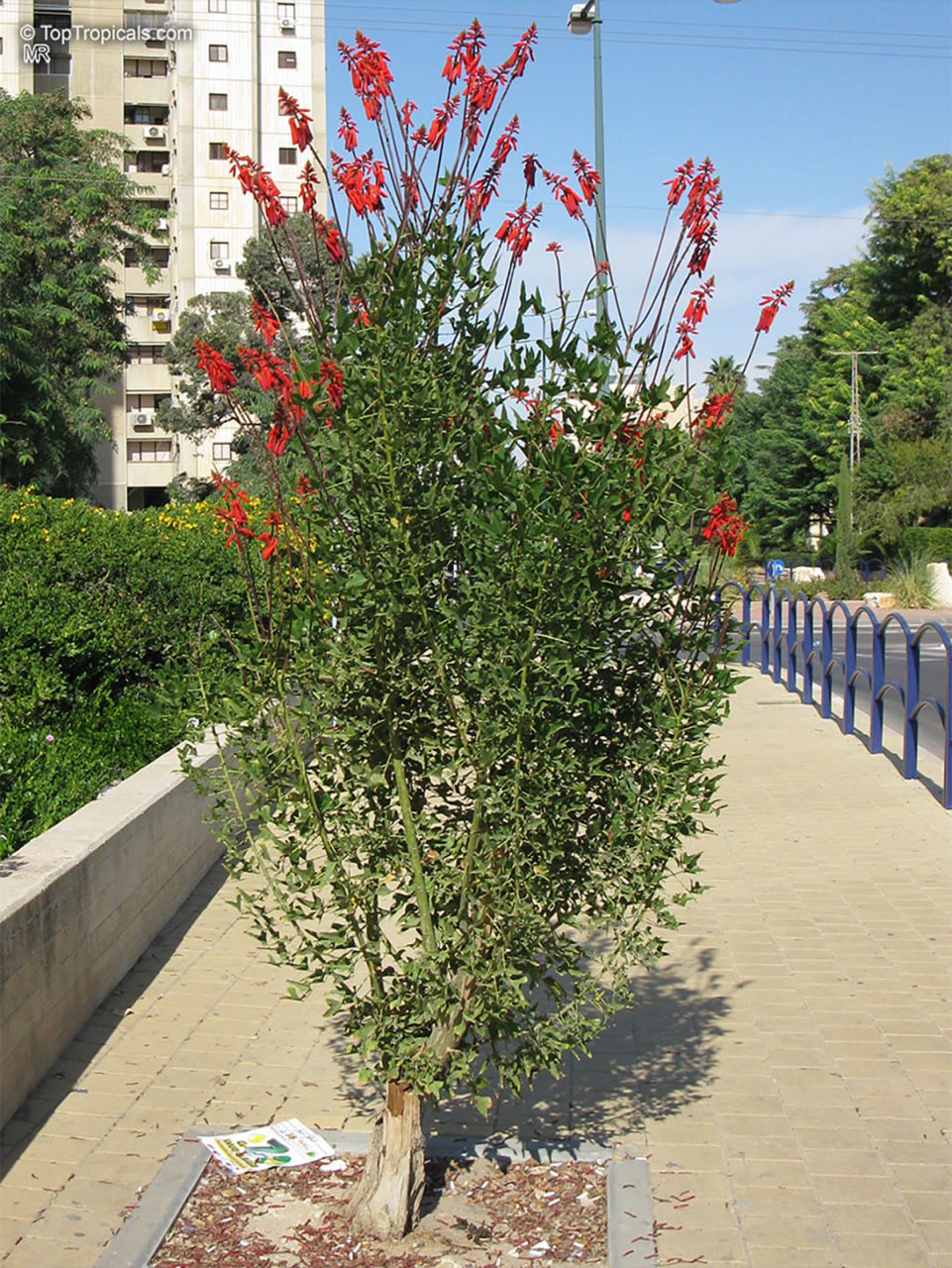
- ✔️ Erythrina - several species
- ✔️ Jacaranda tree
- ✔️ Magnolia figo
- ✔️ Magnolia Little Gem
- ✔️ Tabebuia chrysotricha
- ✔️ Tabebuia impetiginosa
🛒 Explore cold tolerant tropical plants
- 🎥 What tropical plants survived Florida's historic freeze without protection
- 🎥 These Avocados survived 3 nights of 25F hard freeze, Florida Record Freeze
📚 Learn more:
- · Top Ten Fruit Tree Winners of Florida 2026 Record Freeze
- · To trim or not to trim? When and how to trim damaged plants after winter
- · Cold-hardy avocado varieties - what freezing they really survive
- · Cold-hardy avocado survival groups - what the numbers really mean
#Discover #How_to #Trees
🟢 Join 👉 TopTropicals
Date: 20 Feb 2026
Top Ten Fruit Tree Winners of Florida 2026 Record Freeze
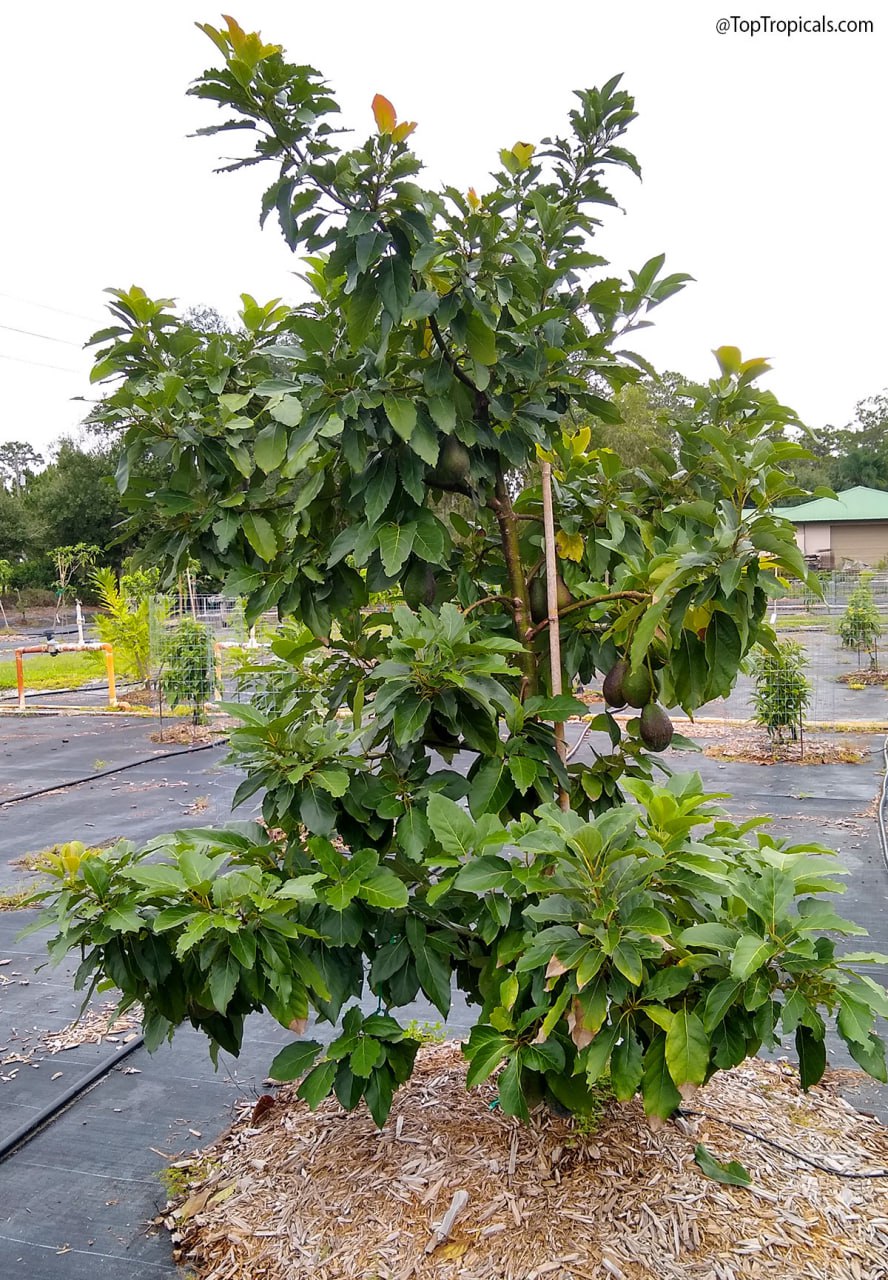
Avocado tree with fruit
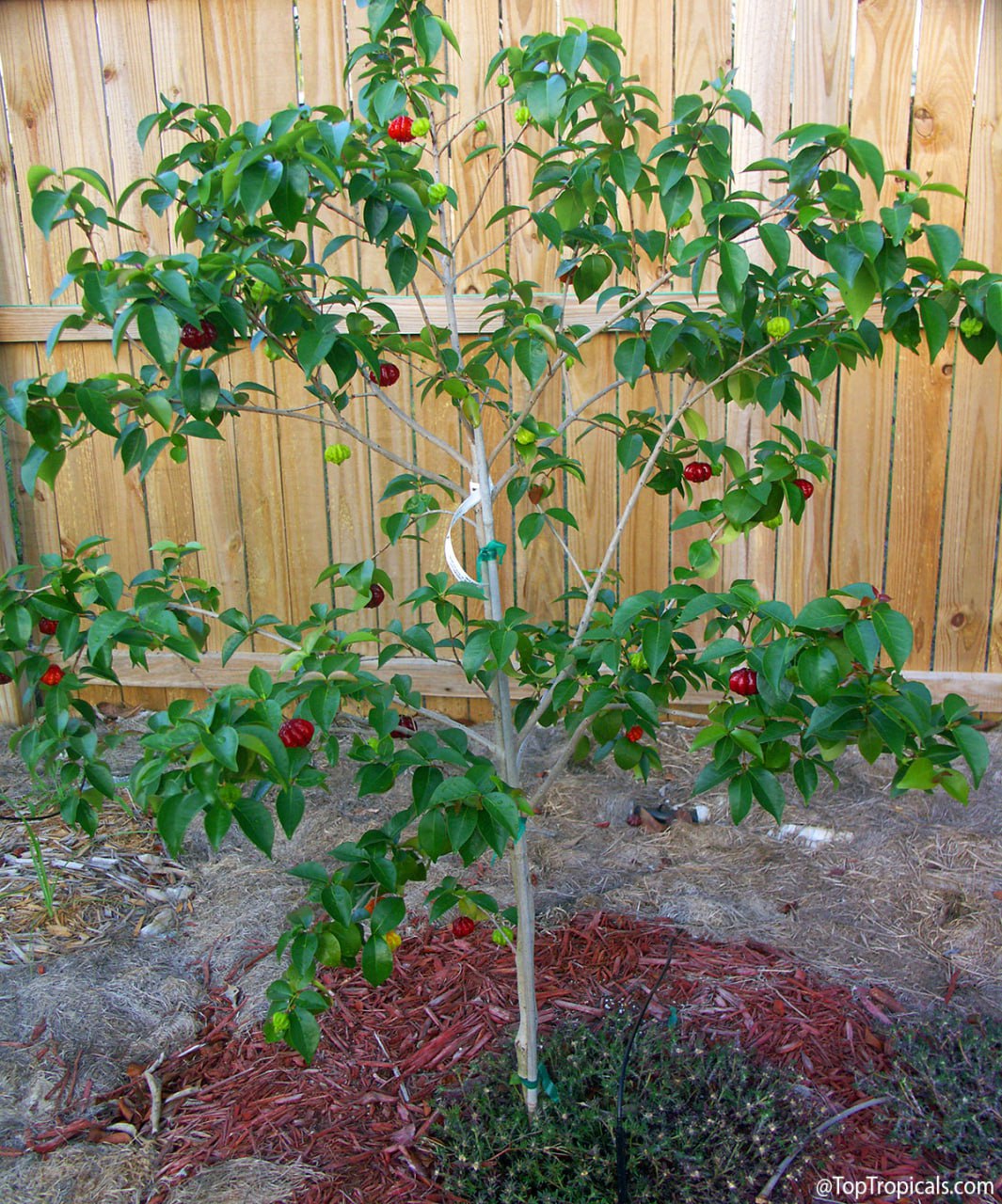
Eugenia
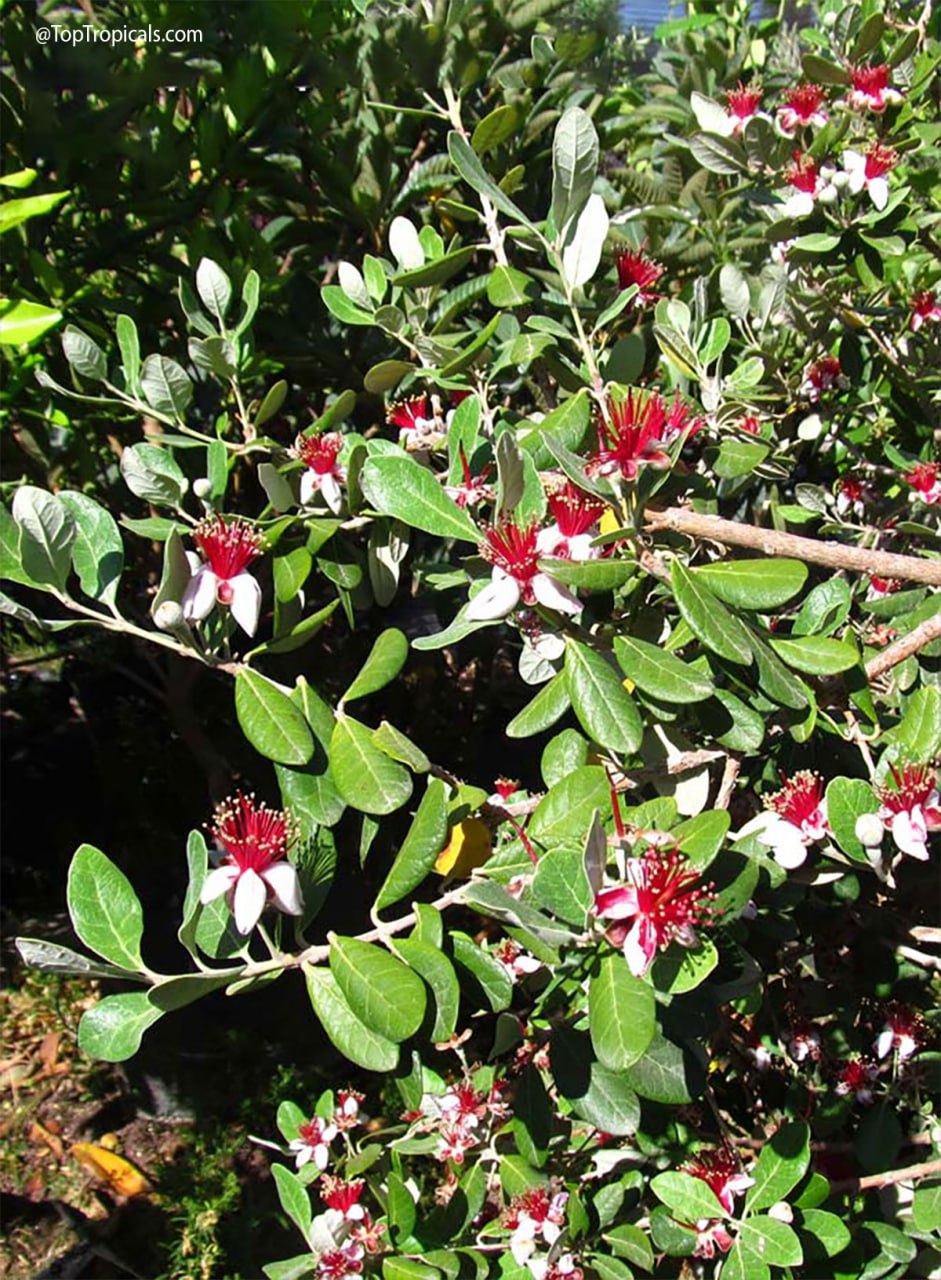
Feijoa - Pineapple Guava
Jaboticaba tree
Loquat tree
Macadamia Nut tree
Prunus sp - Peach
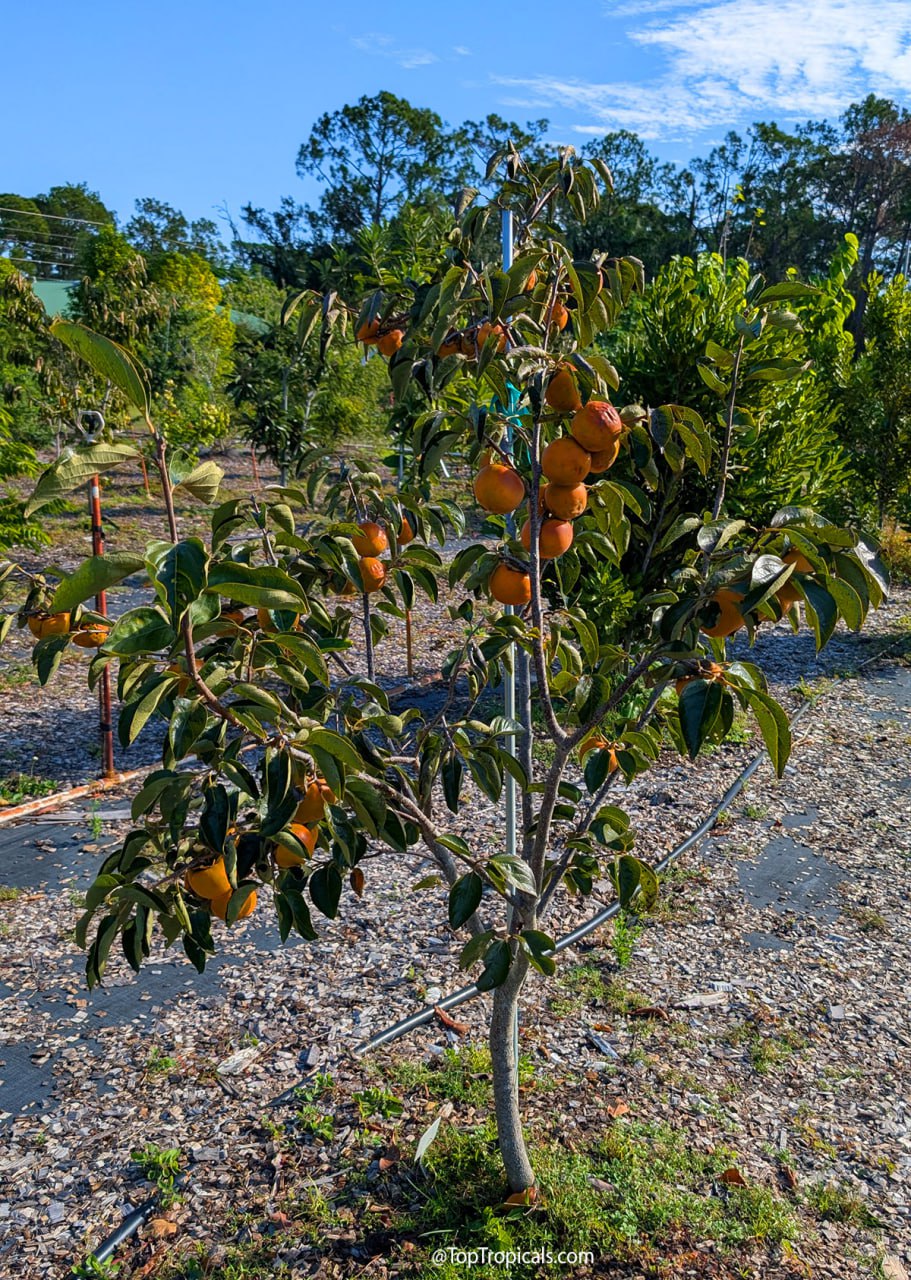
Persimmon tree
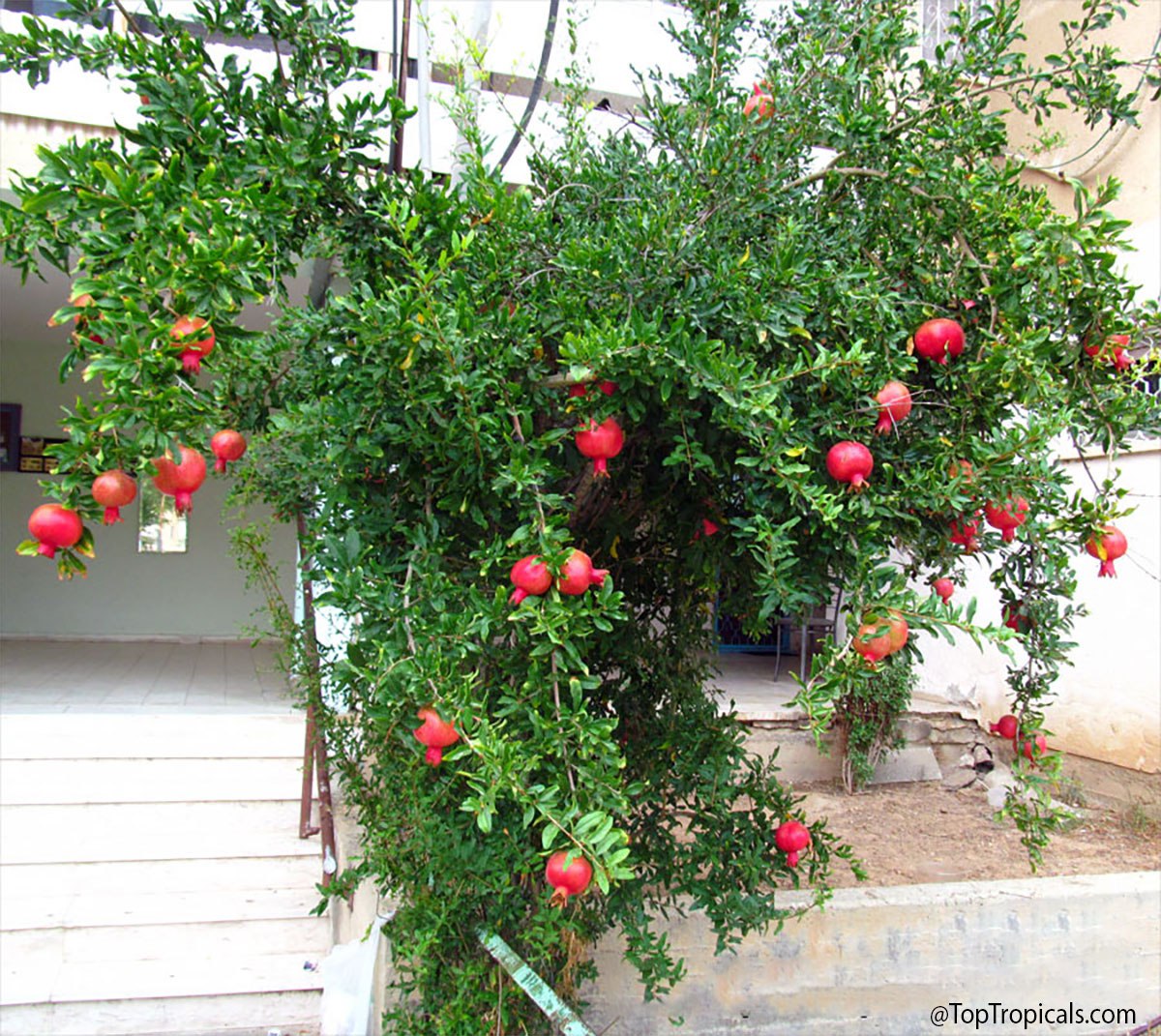
Pomegranate tree with fruit
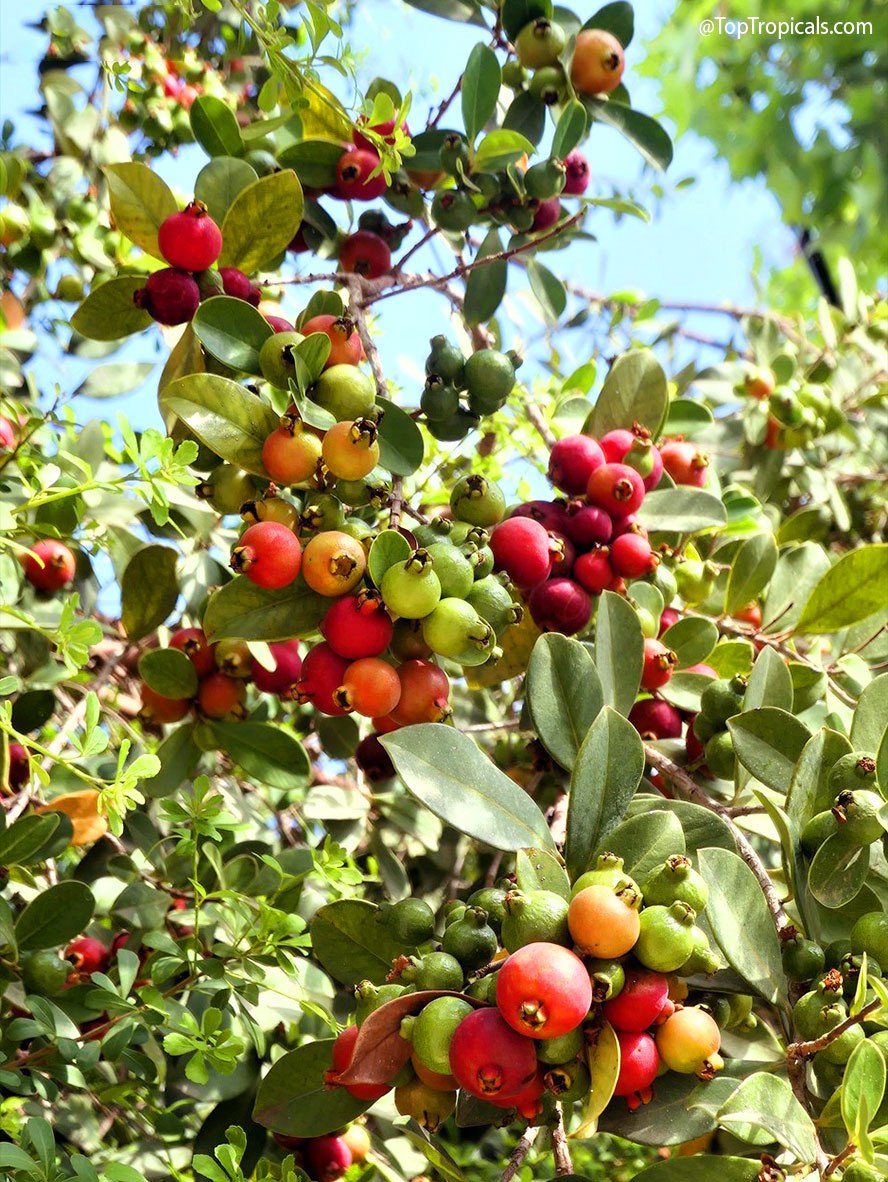
Psidium littorale - Cattley Guava tree with fruit
🏆 Top Ten Fruit Tree Winners of Florida 2026 Record Freeze
These fruit trees had no damage after 3 nights of hard freeze (25F) with NO PROTECTION:
- ✔️ Avocado - cold hardy varieties
- ✔️ Eugenias (Grumichama, Rio Grande, Surinam and more)
- ✔️ Feijoa - Pineapple Guava
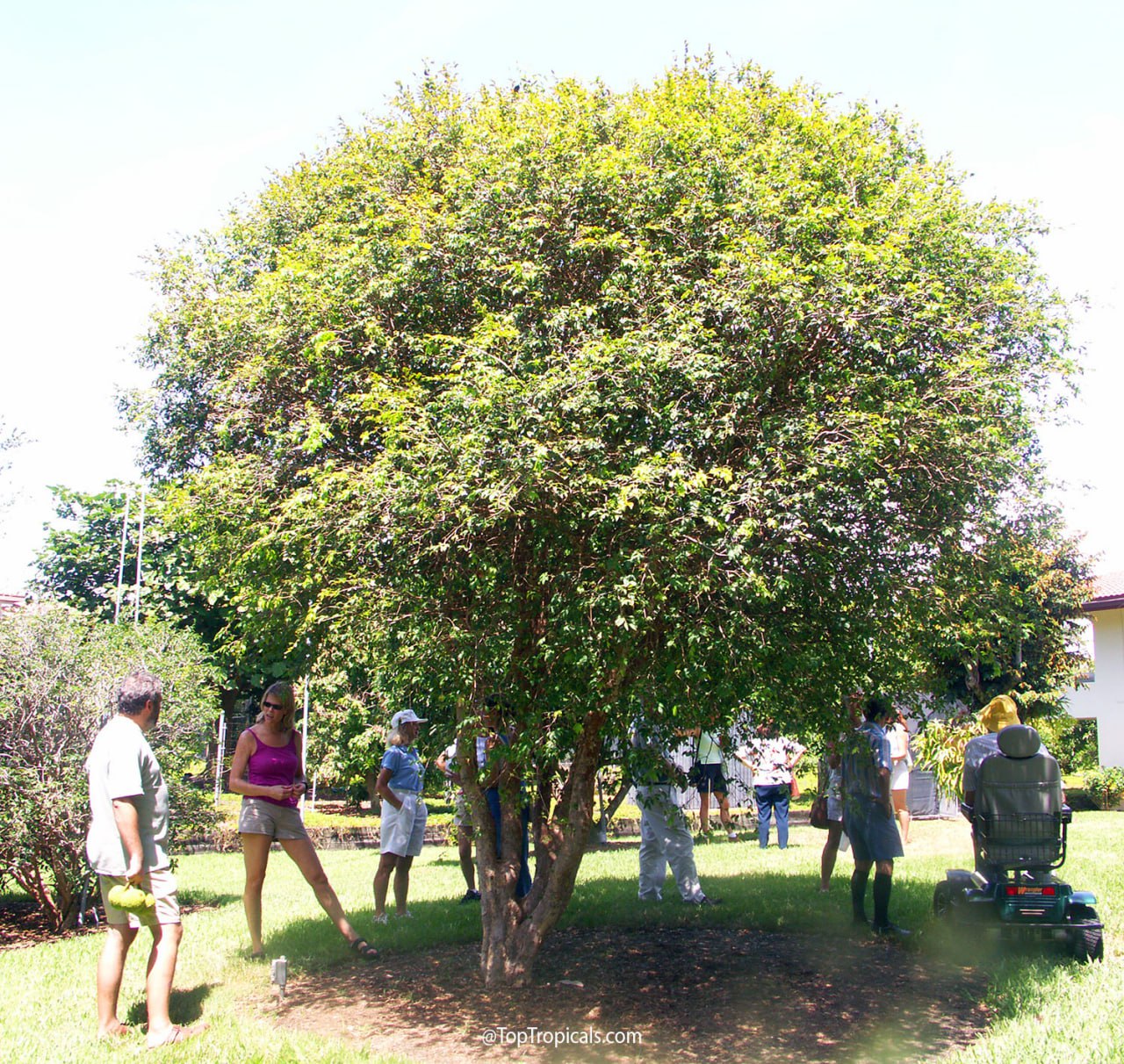
- ✔️ Jaboticaba
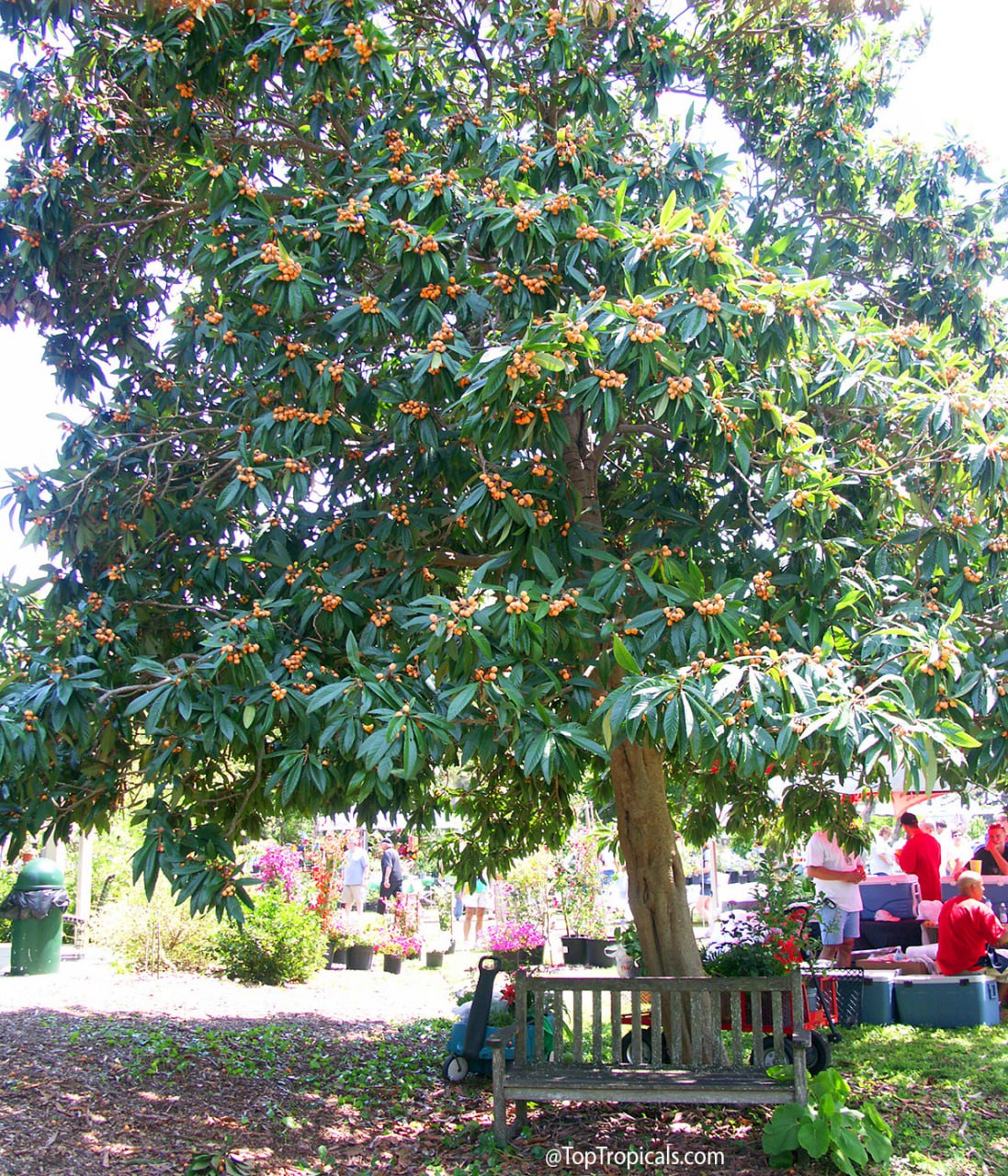
- ✔️ Loquat
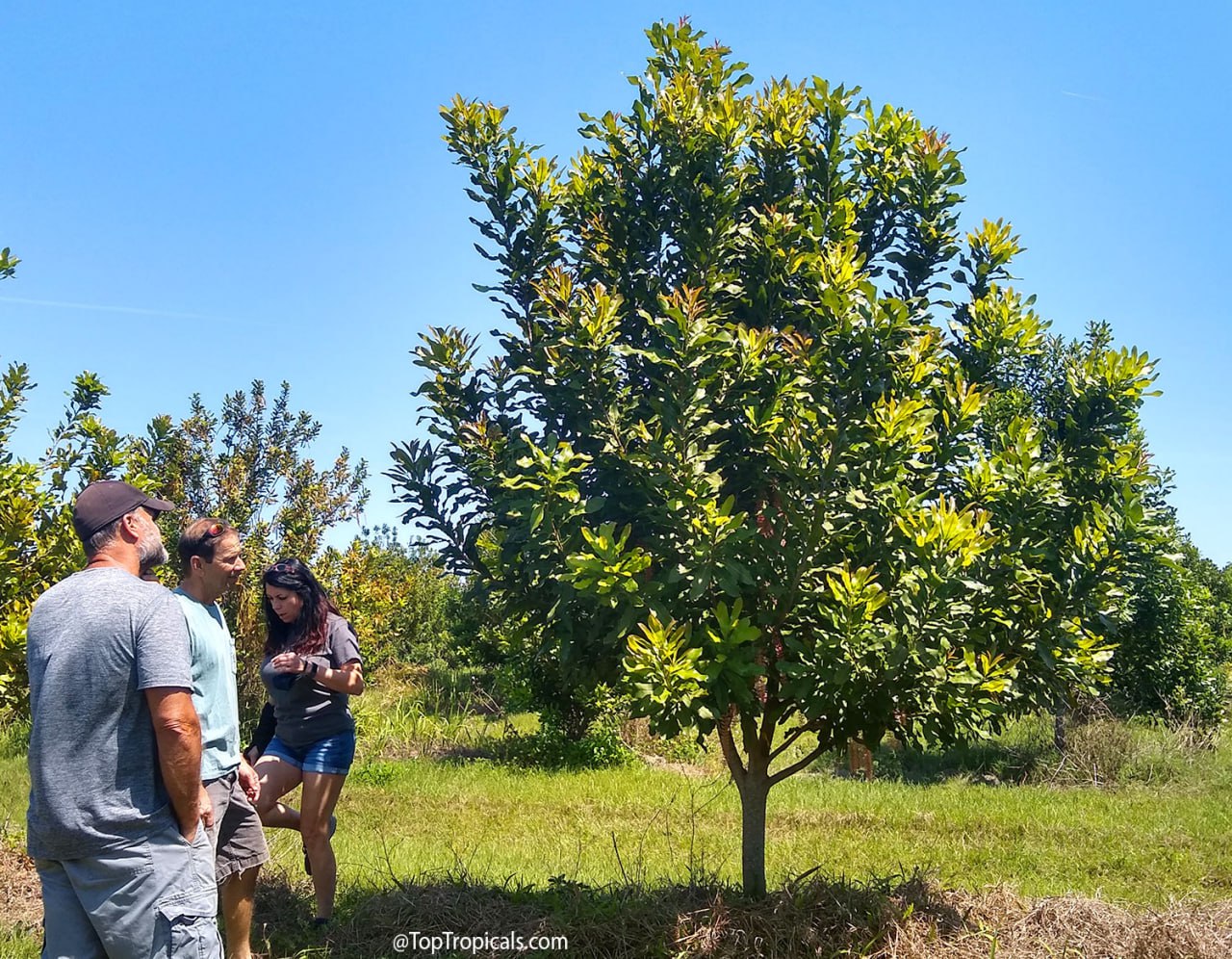
- ✔️ Macadamia Nut
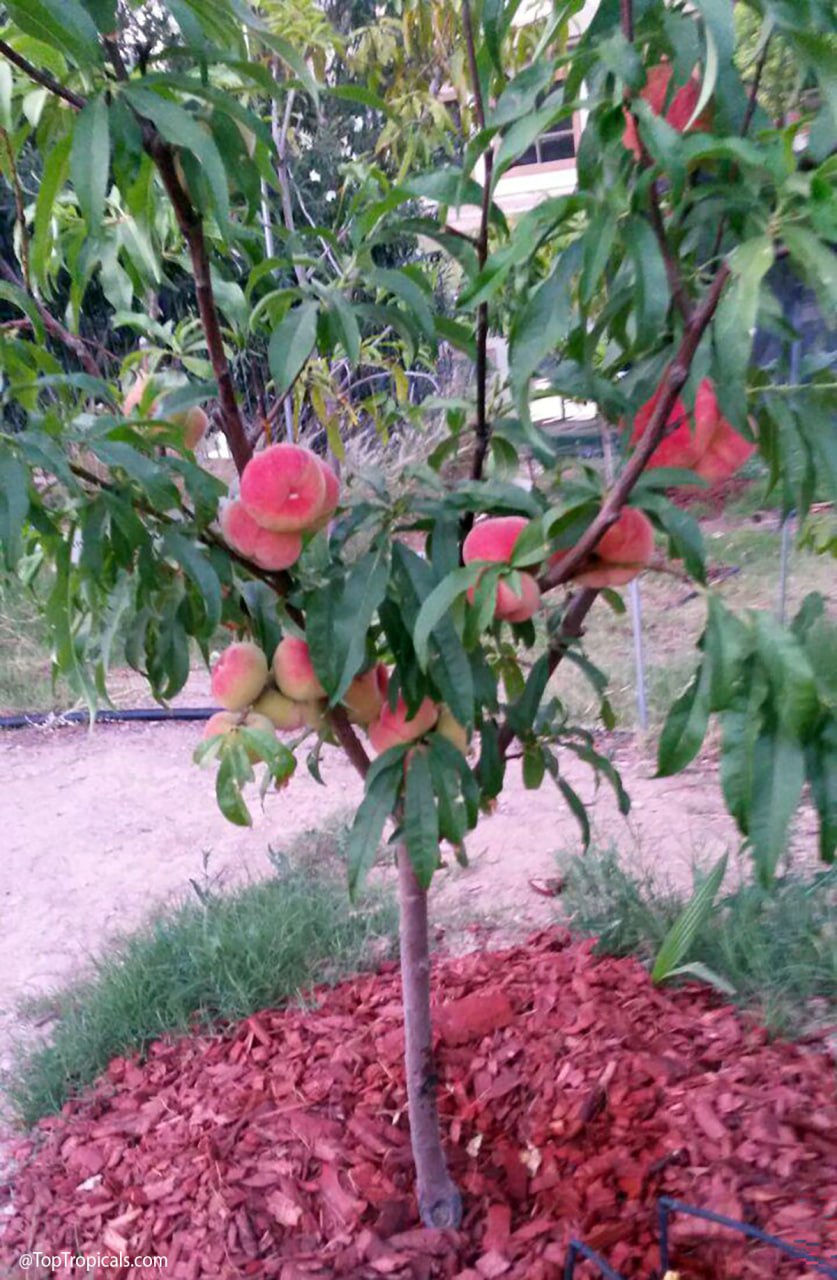
- ✔️ Prunus sp - Peaches, Plums, Nectarines
- ✔️ Persimmons
- ✔️ Pomegranate
- ✔️ Psidium littorale - Cattley Guavas
🛒 Explore cold tolerant tropical plants and cold hardy Avocados
- 🎥 What tropical plants survived Florida's historic freeze without protection
- 🎥 These Avocados survived 3 nights of 25F hard freeze, Florida Record Freeze
📚 Learn more:
- · To trim or not to trim? When and how to trim damaged plants after winter
- · Cold-hardy avocado varieties - what freezing they really survive
- · Cold-hardy avocado survival groups - what the numbers really mean
#Discover #How_to #Food_Forest
🟢 Join 👉 TopTropicals
Date: 20 Feb 2026
What tropical plants survived Floridas historic freeze without protection
Florida historic freeze
In the first week of February 2026, arctic air pushed deep into Florida. For many areas, this was the coldest event in over a century.
We received one question over and over: How did your gardens do?
Top Tropicals Farm in Sebring, Florida is up and running - and this freeze became a real-world hardiness test for tropical and subtropical plants. Below is our initial field report after inspecting established plantings.
📊 Weather data - February 1-6, 2026
Sebring, Florida - 132 years of recorded observations
This was not a light frost. It was prolonged, windy, penetrating hard freeze.
🌡 Minimum temperature: 25F
❄️ Wind chill: 14F
⏳ Duration: 3 nights of 8-10 hour hard freeze
☀️ Daytime temperatures: around 50F for 7 days
🌀 Wind: sustained 20 mph, gusts 40-50 mph
Cold protection
In-ground trees: selected plants covered with frost cloth, especially mango and young avocado trees.
Tender container plants: moved into greenhouses with propane heat above 34F.
Hardy container plants: frost cloth and wind protection only - no plastic
Nutrition support: plants fertilized regularly during the growing season with Green Magic and Sunshine Boosters to maintain vigor and hardiness.
However, the plants listed below had no protection at all.
All were established trees 2-3 years in the ground.
The plants below had NO PROTECTION, established trees 2-3 years old
✅ Survived with no damage:
🍑 Tropical Fruit Trees and Edibles:
Citrus
Loquats
Mulberries
Macadamia Nut
Jaboticabas
Pomegranates
Avocado - cold hardy varieties
Feijoa - Pineapple Guava
Psidium littorale - Cattley Guavas
Eugenias (Grumichama, Rio Grande, Surinam and more)
Olive trees
Bay Leaf (Laurus nobilis)
Fig trees (Ficus carica)
Prunus sp - Peaches, Plums, Nectarines
Persimmons
Rubus (Blackberries) including Tropical Mysore Raspberry
Elderberry (Sambucus)
Yerba Mate - Ilex paraguariensis
Opuntia - Nopal Cactus, Prickly Pear
🌸 Flowering Trees and Shrubs:
Beaucarnea recurvata - Pony Tail
Callistemon - Bottlebrush
Yucca
Tabebuias
Magnolia figo and Little Gem
Calliandra tweedii - Red Powderpuff
Sophora tomentosa
Galphimia gracillis - Thriallis
Acacia trees
Osmanthus fragrans
Abutilon trees
Erythrina - several species
Monkey Ear tree - Enterolobium cyclocarpum
Bauhinia Orchid Trees - several species
Pseudobombax ellipticum - Shaving Brush Tree
Bulnesia arborea- Vera Wood
Caesalpinia mexicana, Mexican Bird of Paradise
Sansevieria - Snake Plant
Foxtail fern - Asparagus densiflorus
Lonicera - several varieties
Jacaranda tree
Eucalyptus
Plumbago Imperial Blue
Philodendron bipinnatum
Gardenias
Gingers (dormant rhizomes)
✳️ Minimal leaf damage only:
(These plants showed light cosmetic damage but no structural injury)
🍑 Tropical Fruit Trees and Edibles:
Glycosmis pentaphylla - Gin Berry
Black sapote tree
Tamarind tree
Syzygiums: Rose Apple and Java Plum
🌸 Flowering Trees and Shrubs:
Pandora vine
Jasminum - several species
Stenocarpus sinuatus - Firewheel Tree
Xanthostemon
Quisqualis indica
Schotia tree
Eranthemum pulchellum - Blue Sage
Hiptage benghalensis - Helicopter Flower
🏡 What this means for Florida gardeners
This freeze was a stress test few gardens are prepared for. Yet many species handled 25F, wind, and multi-night freeze conditions without protection.
Choosing proven survivors, planting in smart microclimates, and maintaining strong plant health during the growing season makes a measurable difference.
More updates will follow as full recovery continues - but these early results already help define a stronger plant palette for future winters.
🛒 Explore cold tolerant tropical plants and cold hardy Avocados
📚 Learn more:
- · To trim or not to trim? When and how to trim damaged plants after winter
- · Cold-hardy avocado varieties - what freezing they really survive
- · Cold-hardy avocado survival groups - what the numbers really mean
🎥 These Avocados survived 3 nights of 25F hard freeze, Florida Record Freeze
#Discover #How_to
🟢 Join 👉 TopTropicals
Date: 19 Feb 2026
10 ways to enjoy Wild Medlar - Spanish Tamarind
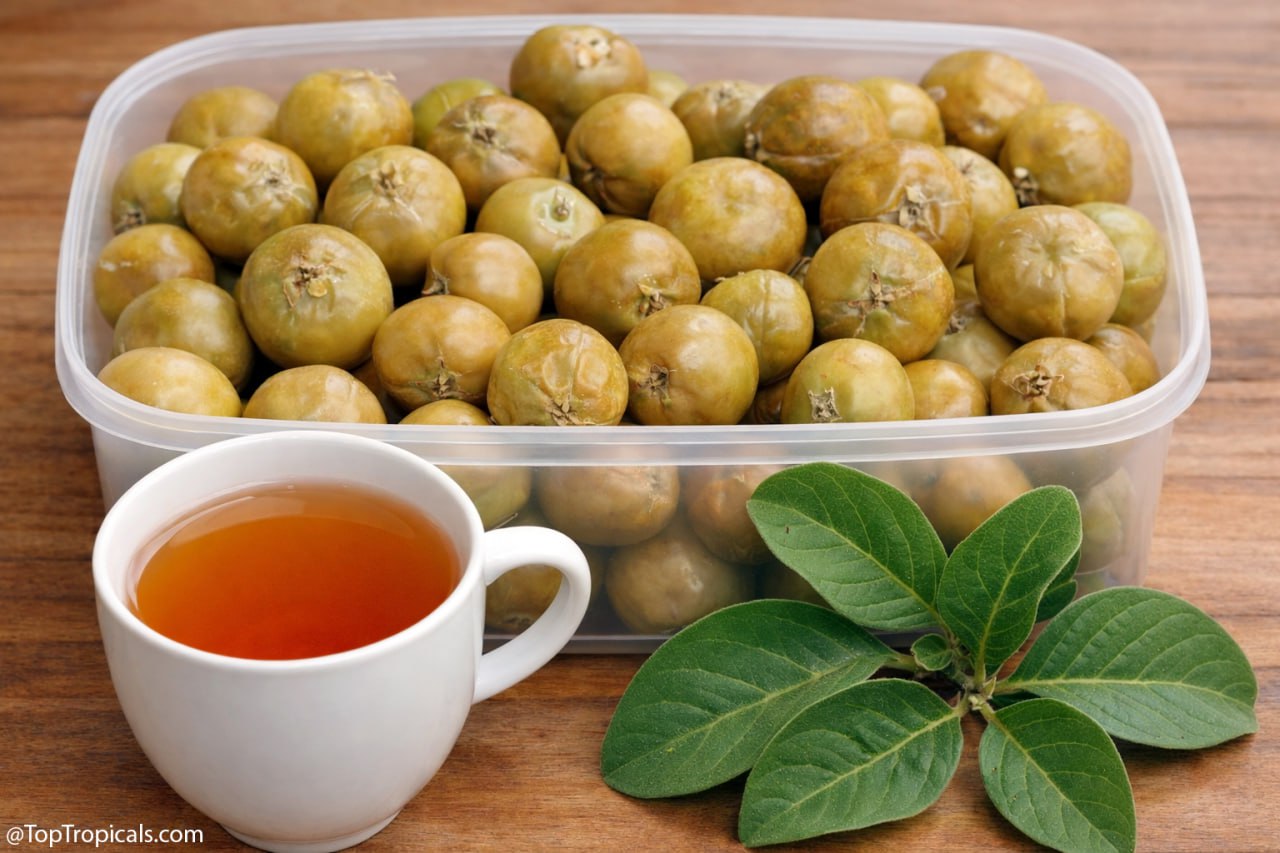
Vangueria infausta (Spanish Tamarind, Wild Medlar)
🍊 10 ways to enjoy Wild Medlar - Spanish Tamarind
Vangueria infausta (Spanish Tamarind, Wild Medlar) from Africa to your backyard: the fruit, the medicine, the tradition.
Spanish Tamarind may look like a small, unassuming fruit - but don’t let it fool you. In its native Africa, this tree is a food staple, a home remedy, and a cultural favorite, all wrapped into one. And now, it’s ready to bring that same magic into your garden and kitchen. People have used this fruit for generations - and how you can too.
🍊 1. Eat it fresh, off the tree
When ripe, the fruit turns golden brown and softens slightly. Its flavor is sweet-tart, almost like a tangy apple or tamarind with a hint of citrus. Just peel and eat!
🍬 2. Dry it for snacks
In many African regions, the fruit is sun-dried and enjoyed like natural fruit leather. It keeps well, travels well, and makes a great healthy snack.
🍵 3. Brew it into a fruit tea
Dried fruit can be steeped into a tart, refreshing tea that’s packed with vitamin C and antioxidants. Add honey or ginger for a soothing drink.
🍷 4. Ferment it into traditional beer or wine
In some local cultures, the fruit is fermented into a mild alcoholic drink, similar to fruit wine or beer. This is one of the tree’s oldest known traditional uses.
🍧 5. Make jams and preserves
Boil the pulp with sugar and lemon juice to make tangy medlar jam. Spread it on toast, stir into yogurt, or use it in baking.
6. Add to porridge or smoothies
Crushed or juiced medlar fruit is added to traditional maize porridge for a nutrient boost. You can do the same with oatmeal or smoothies.
7. Try traditional fruit pudding
A simple medlar mash with a little sweetener makes a rich, apple-like pudding with hints of spice. Great as a chilled dessert.
🌿 8. Use the leaves and bark medicinally
In folk medicine, leaves are brewed into a tea for treating fever, colds, and stomach aches. Bark is used for chest congestion and coughs. Roots are sometimes used for even stronger remedies like malaria treatment.
9. Clean your teeth the traditional way
Believe it or not, people use medlar leaves to clean their teeth! The leaves are antimicrobial and have a slight astringent taste that leaves your mouth feeling fresh.
🎨 10. Dye fabric naturally
Crush the bark or boil the leaves to create natural dyes in yellow, green, and even purple tones. This use is still practiced in rural areas of southern Africa.
✍️ Why this tree belongs in your life
Wild Medlar is more than just a fruit. It’s a versatile, resilient, and deeply cultural plant that connects generations. It’s food, it’s healing, it’s art—and now it can be part of your garden story.
Grow it for the fruit, the medicine, the tradition… or just for the joy of growing something wild and wonderful.
🛒 Plant Spanish Tamarind and enjoy exotic fruit benefits
📚 Learn more:

#Food_Forest #Remedies #Recipes #Discover
🟢 Join 👉 TopTropicals