How not to kill a gardenia? Gardenias always struggling? Meet the only EASY gardenia
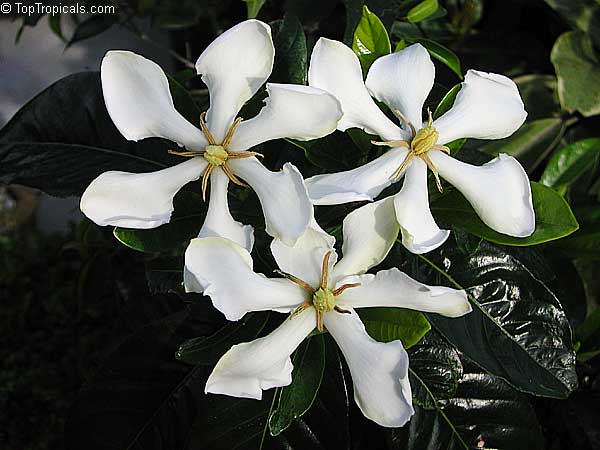
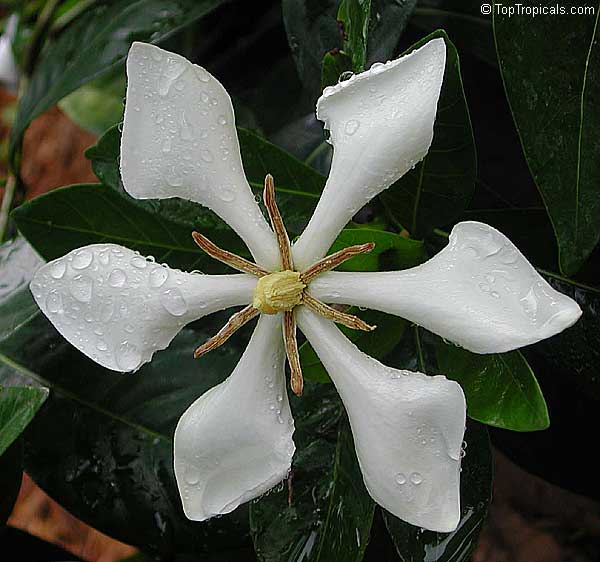
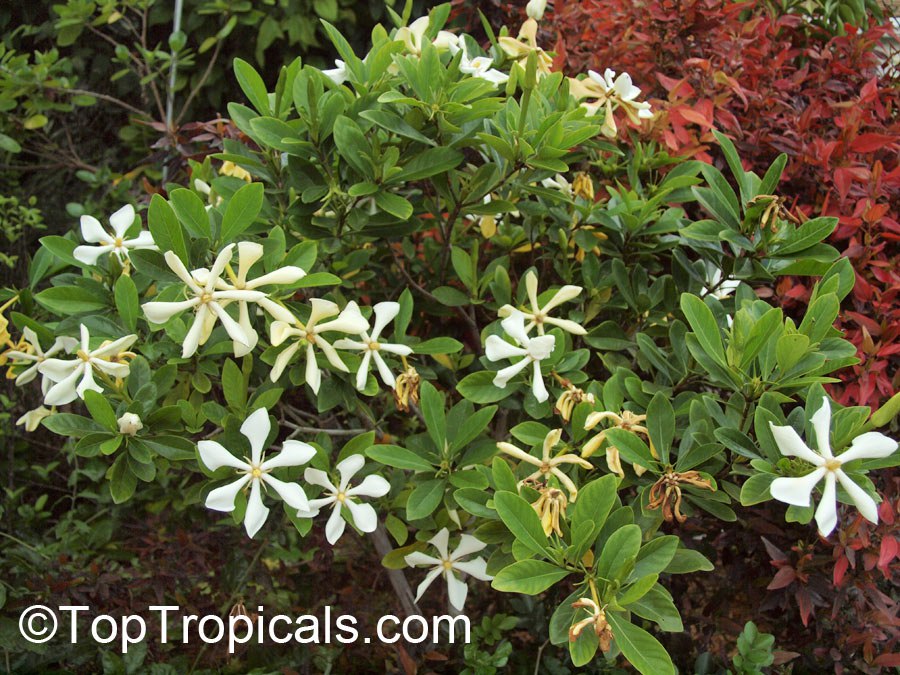
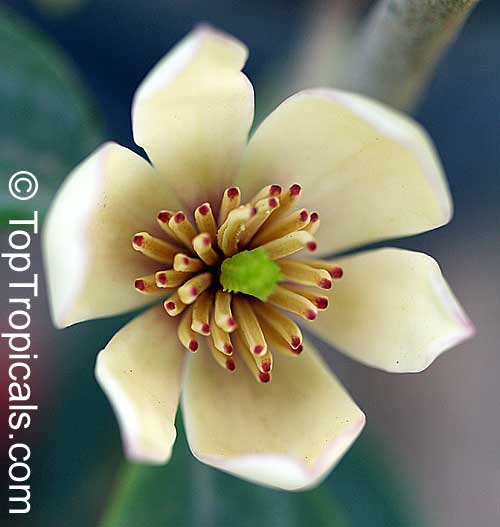
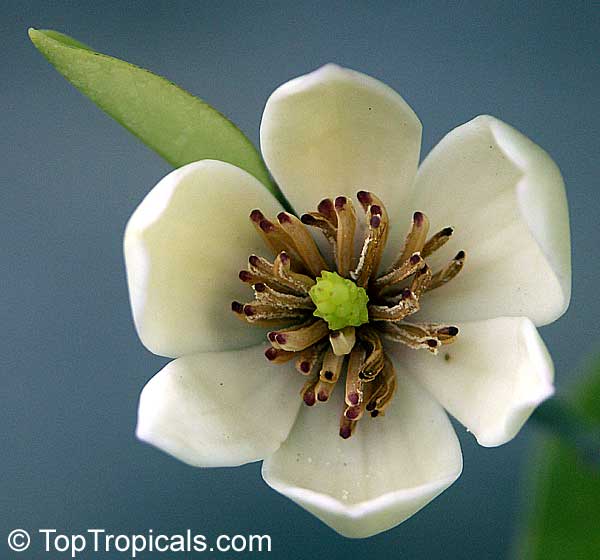
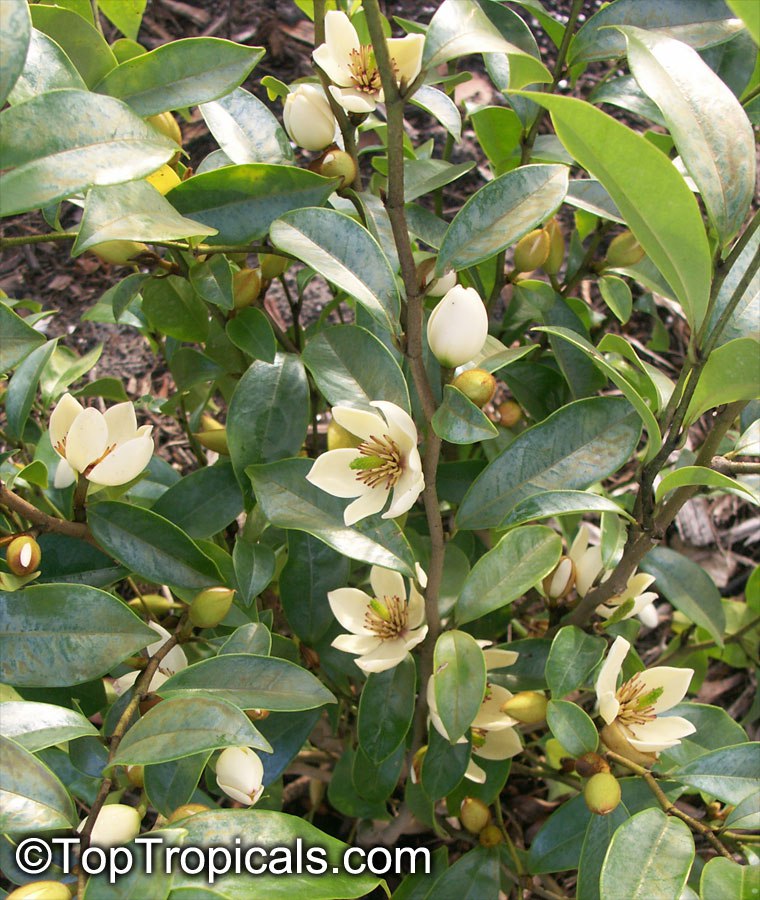
Kailarsenia vietnamensis, Vietnamese Gardenia
🏆 How not to kill a gardenia? Gardenias always struggling? Meet the only EASY gardenia.
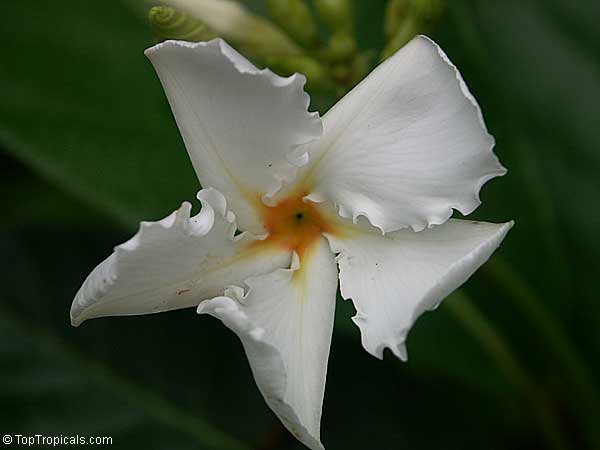
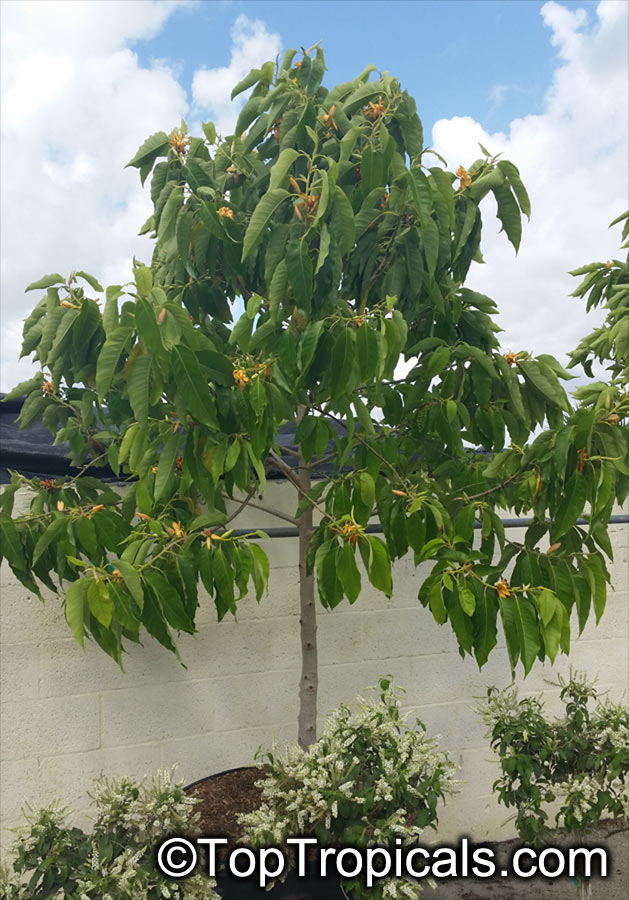
Kailarsenia vietnamensis, or Vietnamese Gardenia, boasts large, fragrant flowers that are so easy to grow.
💠 Resilient and cold-hardy, it tolerates overwatering and poor soils with ease, unlike most gardenias that are very sensitive to water and soil conditions.
💠 Not sensitive to root nematodes, unlike other gardenias (so the plant doesn't have to be grafted).
💠 Its stunning flowers, resembling beautiful artworks, fill the air with a lovely scent.
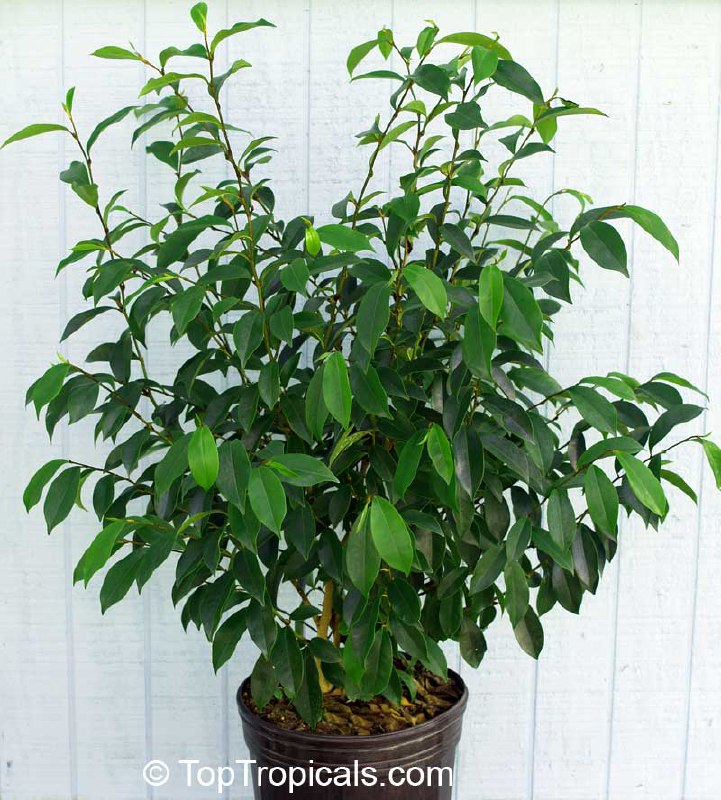
💠 Whether in containers or in the ground, this bushy beauty thrives indoors or outdoors, adding versatility and charm to any space.
Can Frangipani be a vine? How to bring fragrance into your garden
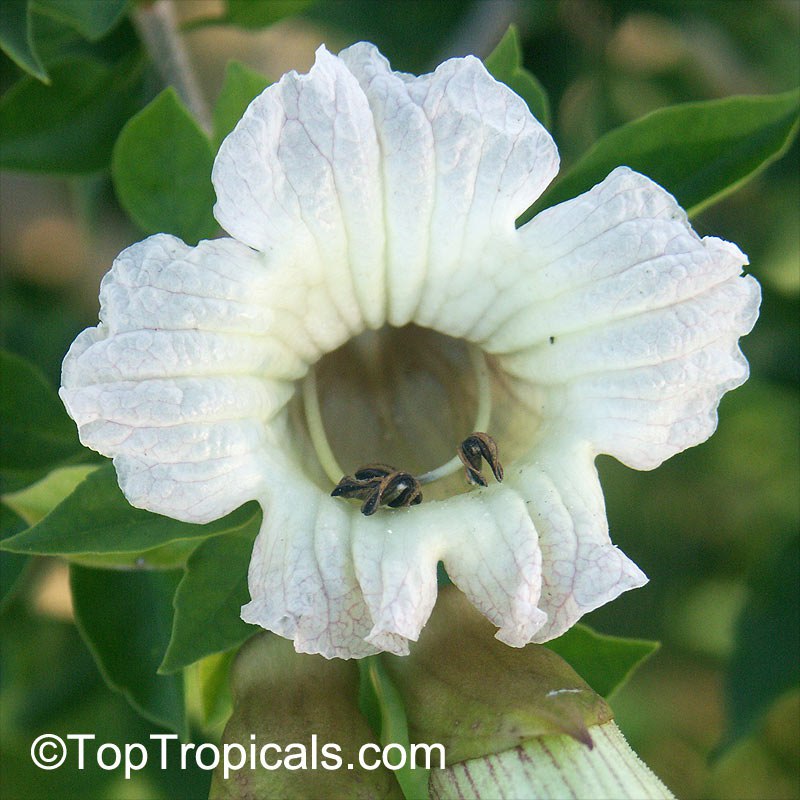
Chonemorpha fragrans, Frangipani vine
💮 Can Frangipani be a vine? How to bring fragrance into your garden.
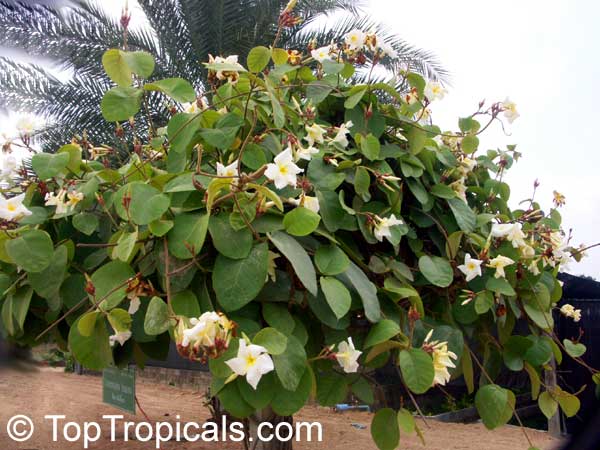
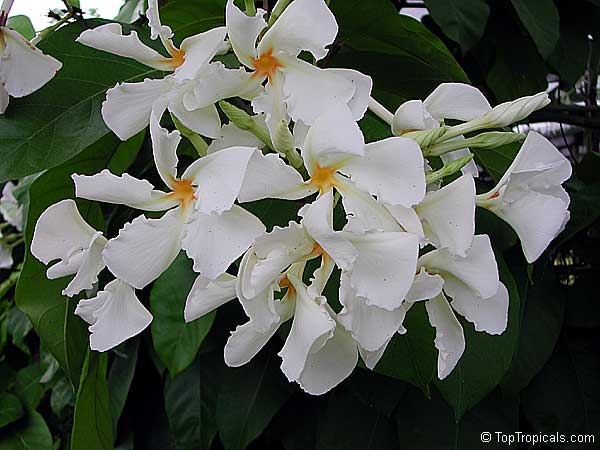
Chonemorpha fragrans, or Frangipani vine, is a large woody tropical liana with clusters of large, perfume-fragrant flowers and lush green foliage. It is close related to perfumed Plumeria - Frangipani.
🌸 Chonemorpha's intoxicating scent fills the air, creating a sensory delight for all nearby.
🌸 Leaves reaching up to 12 (!) inches add to its allure.
🌸 Being a large woody vine, Frangipani vine requires sturdy support, making it a majestic addition to any garden or indoor space.
🌸 Takes both sun or shade. Full sun is essential for profuse blooming.
Everybody loves shopping online nowadays, and plants are no exception.
Buying plants by mail order is not uncommon anymore; it only takes one click,
and luckily, there are many sources - from big shopping malls like Amazon to
small backyard nurseries that sell their seedlings on eBay or Facebook - all
delivered to your door. But plants are alive... So when doing your online
plant shopping, you must ensure that you fully enjoy your experience and are
happy with a healthy plant that a) doesn't die; b) recovers quickly; and c)
starts growing fast, so you can see flowers and fruit as soon as possible.
The rule of thumb for shipping plants: bigger plants undergo shipping
better, experience less stress, less leaf drop, and recover quicker than plants
with smaller root systems. So when it comes to buying plants online, the
bigger, the better. Unfortunately, many mail-order plant sources may sell you a
tiny twig that has very few chances of surviving. Shipping is very expensive
today, so shipping a bigger size plant may cost more than the plant
itself.
Below is a piece of advice on how to make the best plant selection for
your garden...
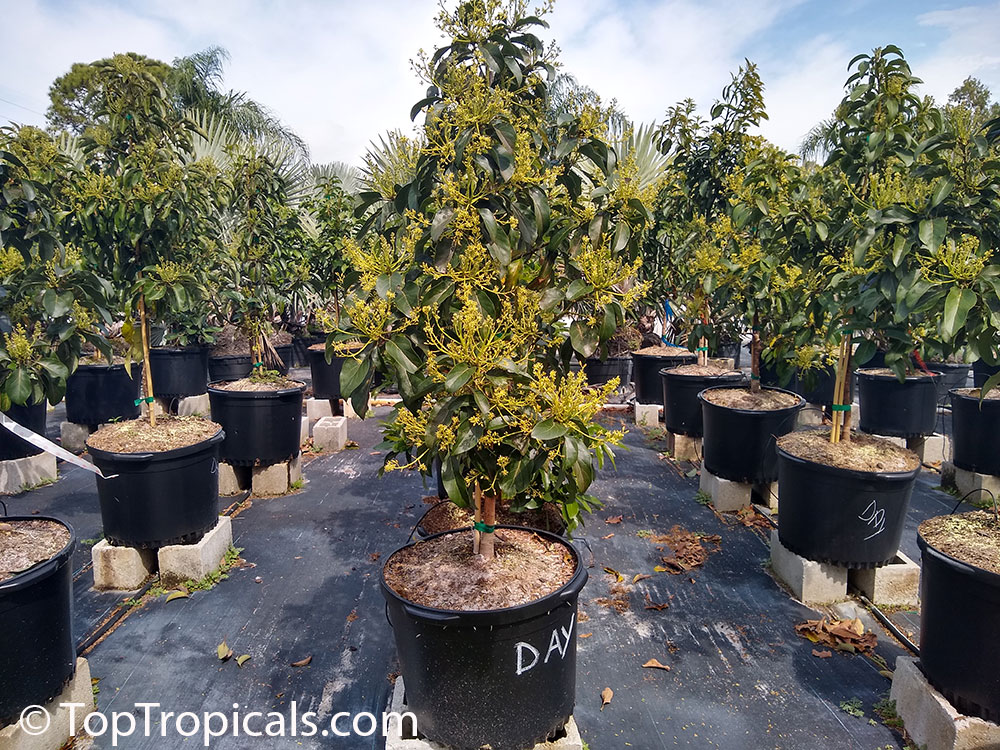
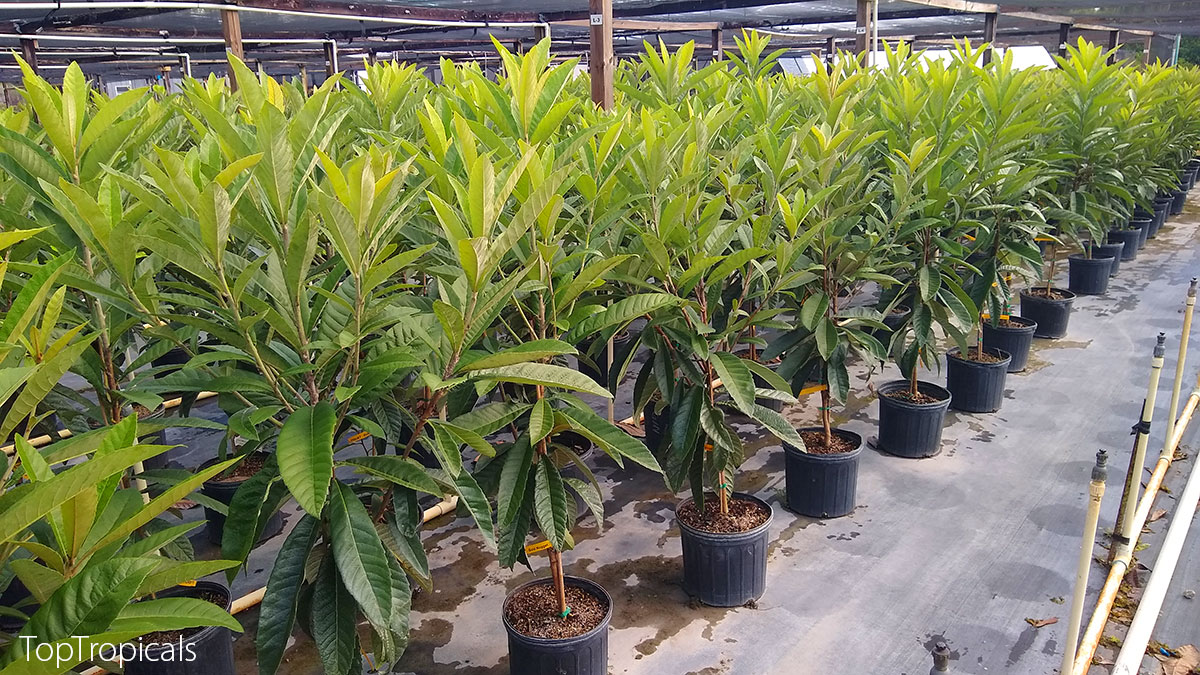
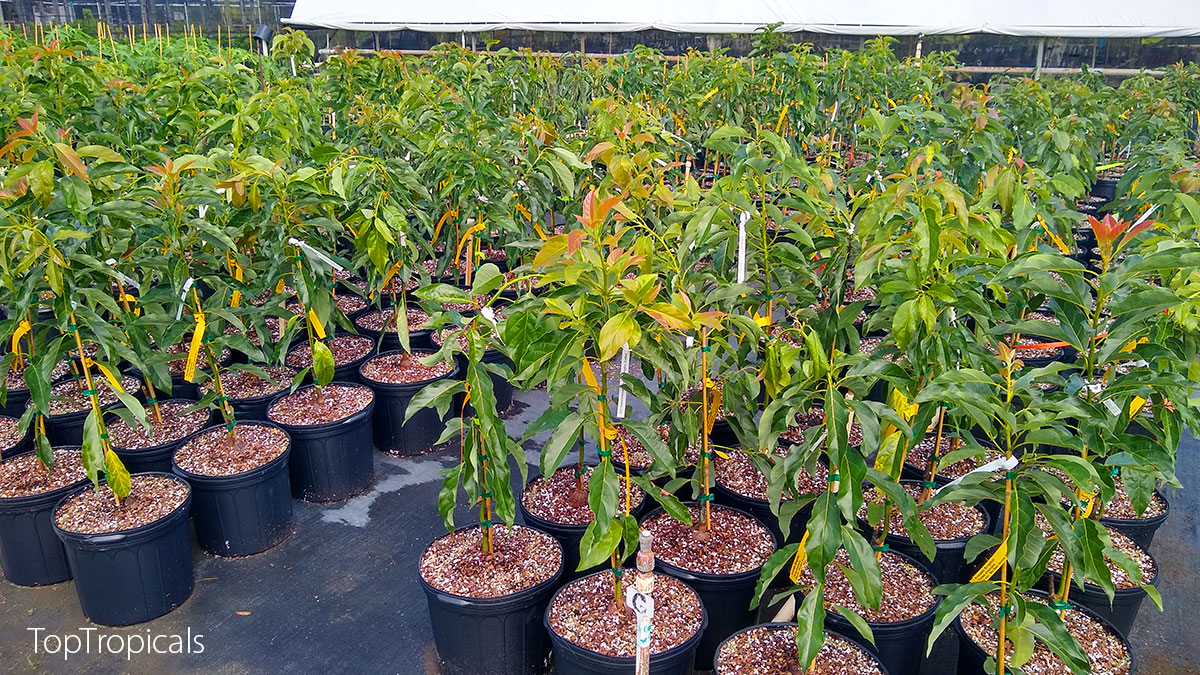
1. Find a source with bigger plants. Check reviews, ask friends
for recommendations, inquire from the company about the size of their plants
and how they pack their plants for shipping. TopTropicals offers well-established, strong plants with developed root
system, in container sizes 1, 3, 7, 15 gallon, directly from a tropical
Florida growing farm. Our unique plant-packing techniques are state of the art!
2. Price not always reflects the size and quality of the plant
TopTropicals offers many deals, discounts and sales, while still
providing the biggest and strongest plants grown in real tropical conditions.
3. Most fruit trees must be grafted to produce good fruit. Make
sure you are not purchasing a seedling when it comes to Mango, Avocado,
Peaches and some other trees with named varieties that don't come true to seed. TopTropicals offers only grafted - Mango,
Avocado and a large number of other tropical cultivars.
4. Pick up when possible from the nursery your ordered from, or
get a delivery, instead of shipping the plants. A drive to the nursery will save you more time and money in the
future, plus you can hand-pick the biggest and healthiest specimens. TopTropicals is open 7 days a week for your convenience. Visit our Ft Myers Garden Center or Sebring Farm to select the biggest plants.
5. Take advantage of X-Large size plant material if you live
outside the tropical zone and are trying to zone-push your tropical garden.
Bigger plants will establish faster and have more chances to survive cold winters.
Again, it will save you money in a long run (although bigger plants may be
more expensive, but their survival rate is much higher when it comes to cold
nights). TopTropicals offers X-Large flowering and fruiting trees (7-15-25
gallons), and most of the varieties you see in our online
store can be custom-ordered in big sizes. Delivery and installation
available.
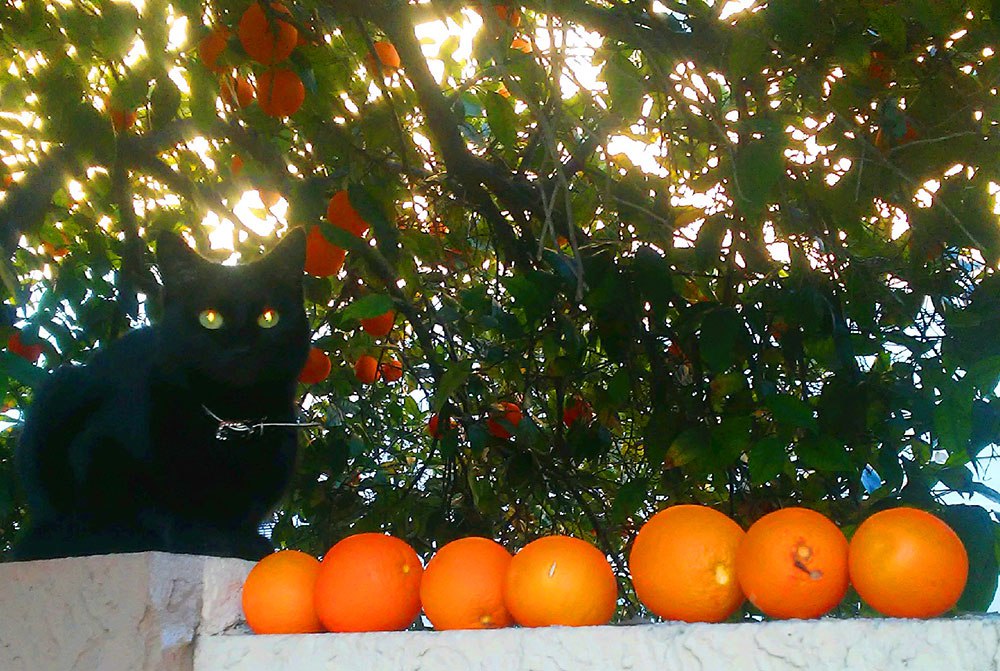
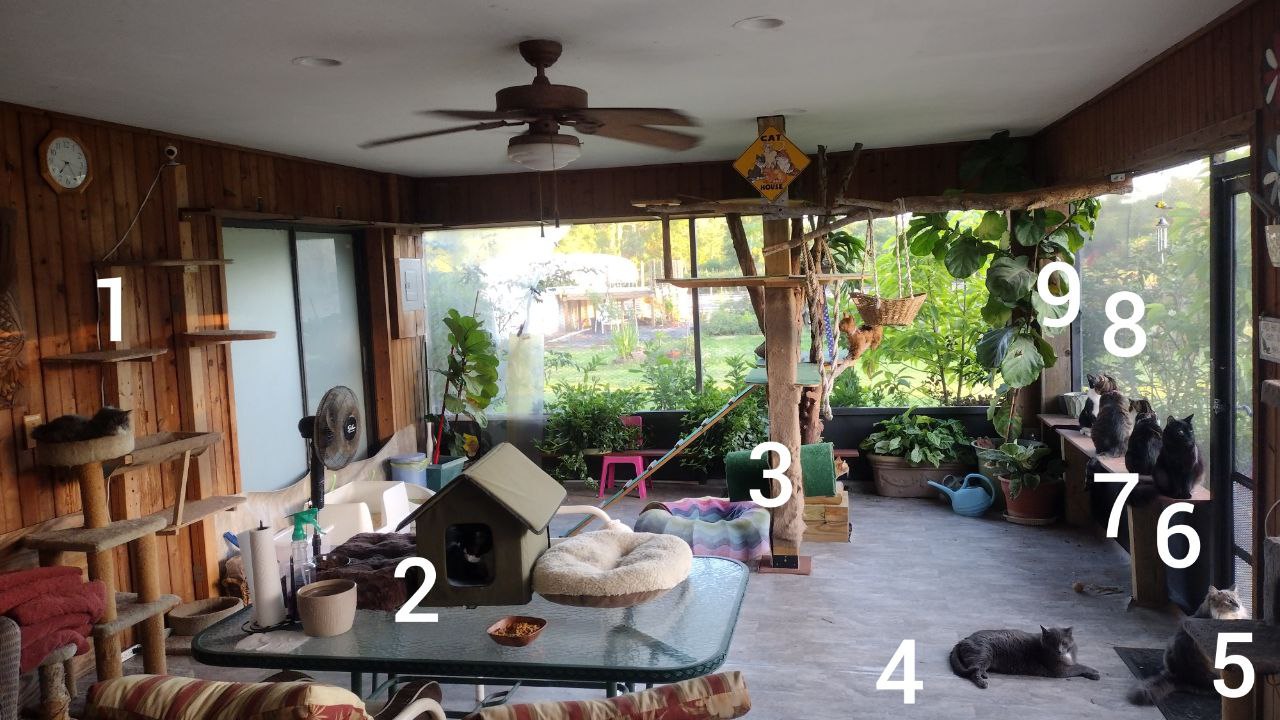
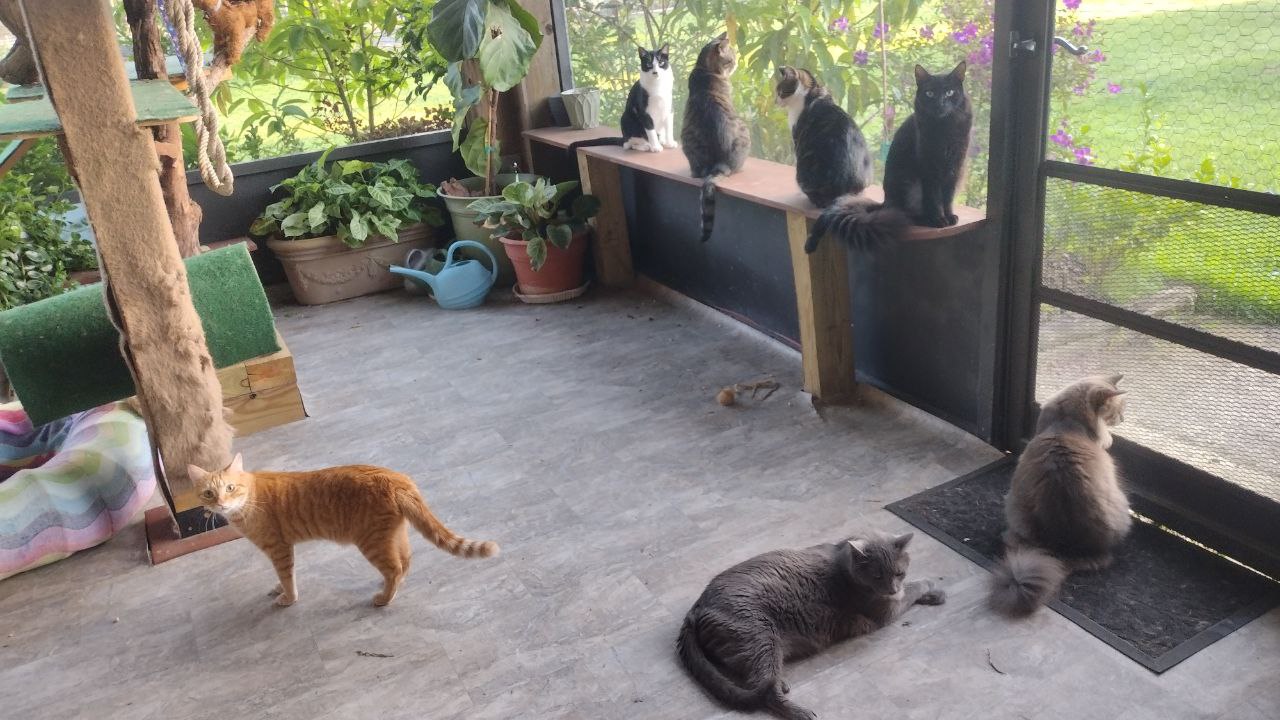
Did you know that a black cat brings good luck? Klaksa is totally black, just like George. We are still waiting for the load of luck! Good night, sleep tight🌜
What does a dragon taste like? Does Dragon Fruit come from a monster cactus? Learn why you need to grow your own
🐲 What does a dragon taste like? Does Dragon Fruit come from a monster cactus? Learn why you need to grow your own. 🌵
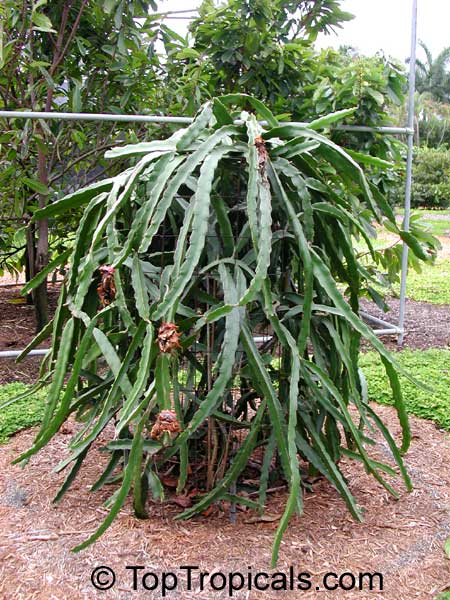
🔴 You may have tried a Dragon fruit from the store l, but do you know how it grows? On a cactus tree!
🔴 Names: varieties of Hylocereus and Selenicereus - these fruit bearing cactus plants are also called Dragon Fruit or Pitaya.
🔴 Commercially grown fruit sold in a grocery store may be tasteless. You need to grow your own good variety to have tasty, sweet, flavorful fruit!
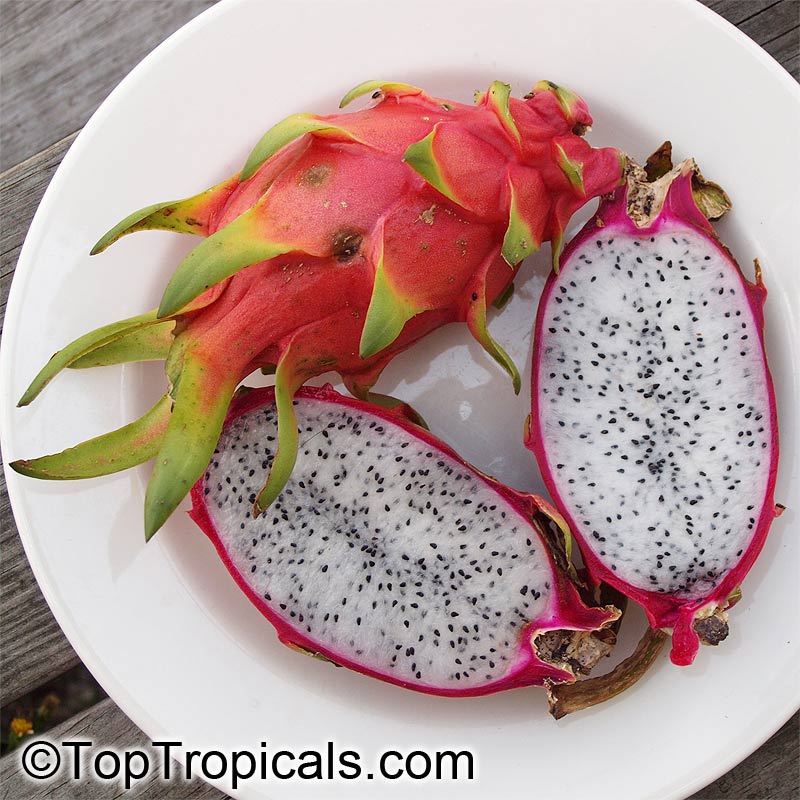
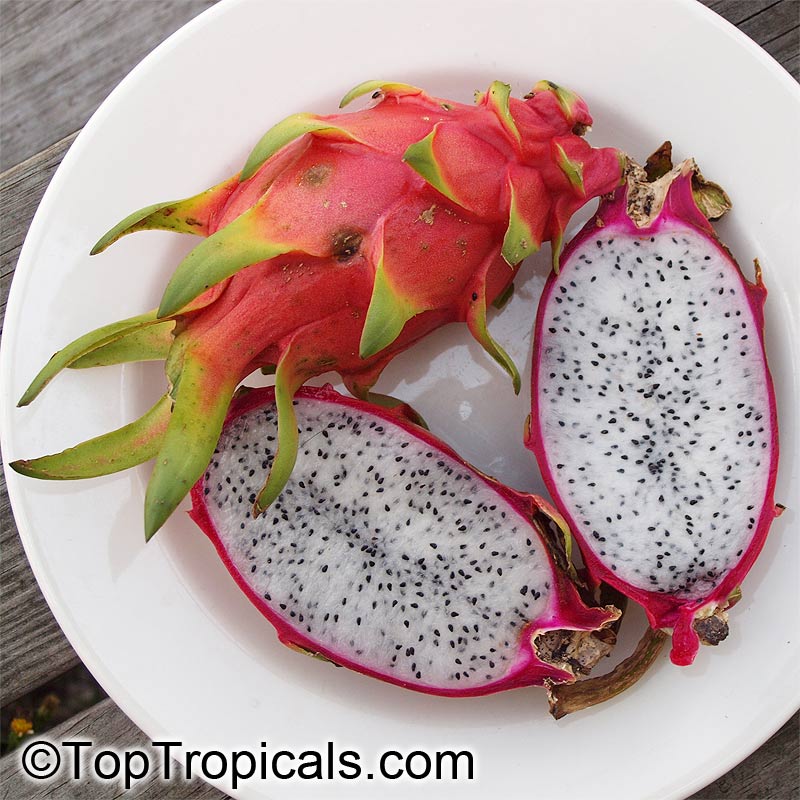
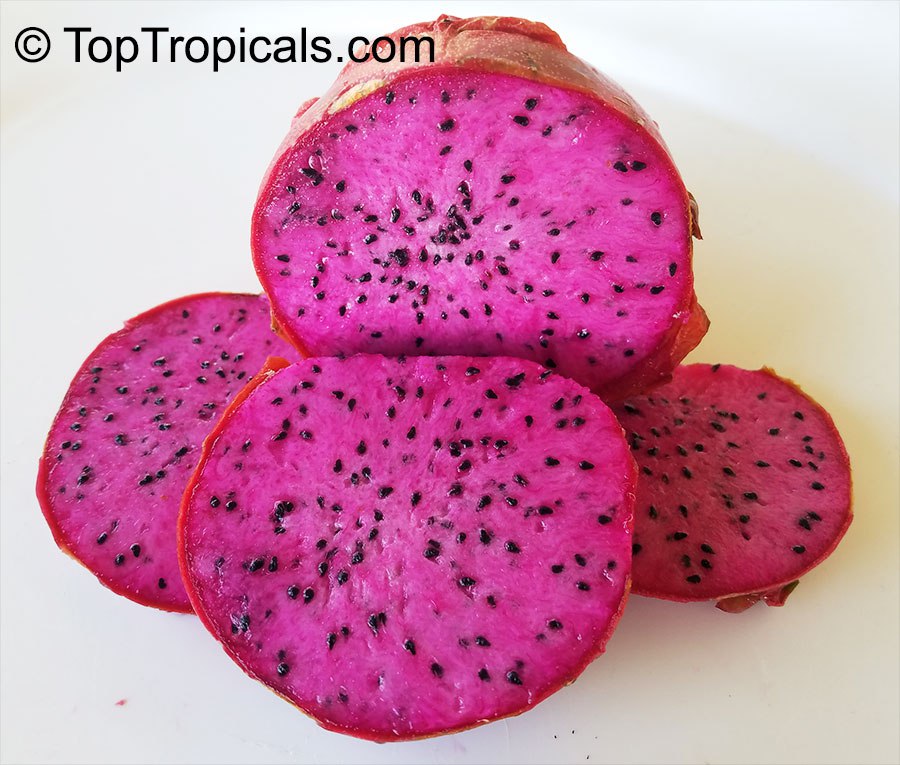
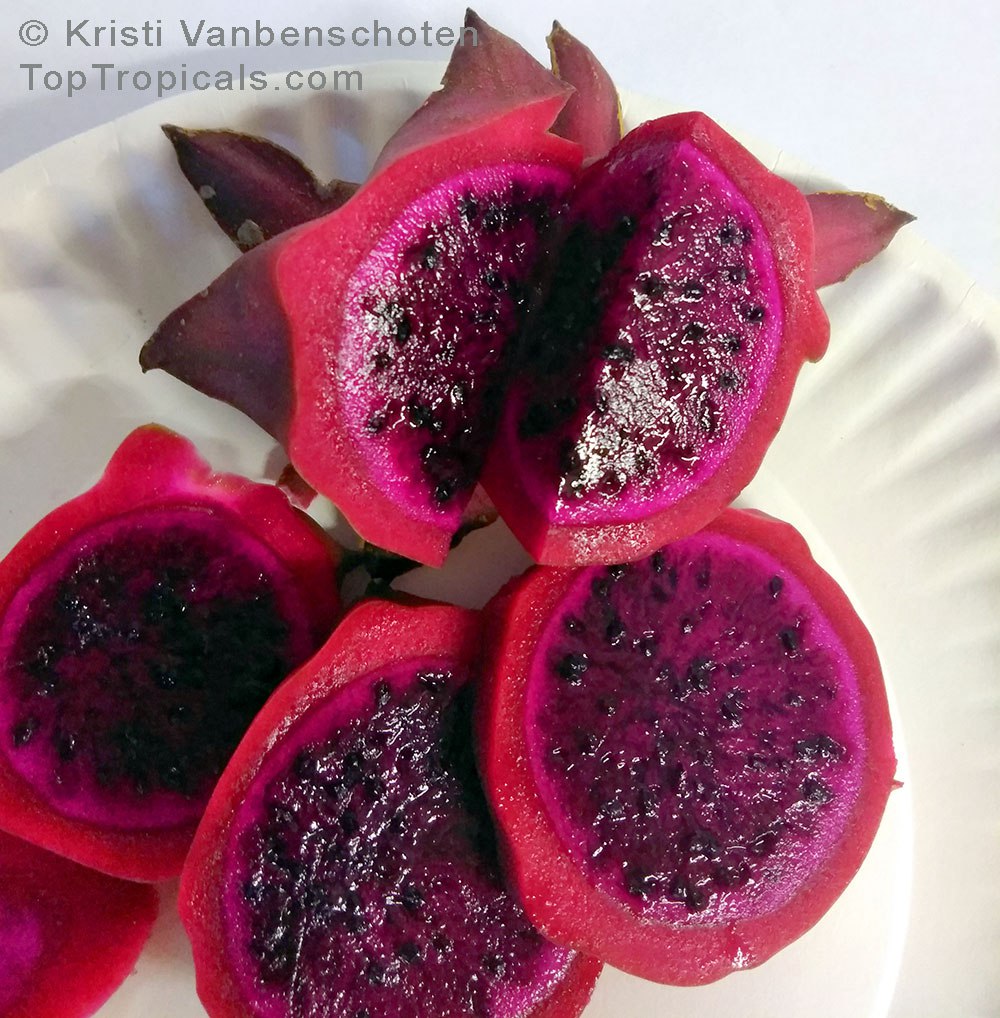
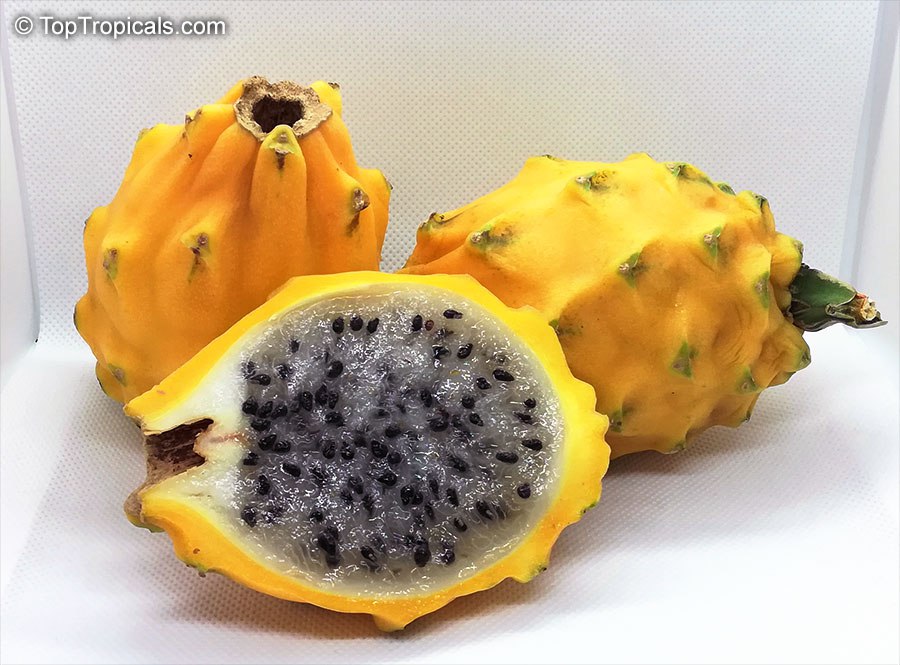
🔴 Dragon fruit comes in many varieties. Colors of flesh differ: white, pink, dark red and even purple. The outside of the fruit can be red/pink or yellow.
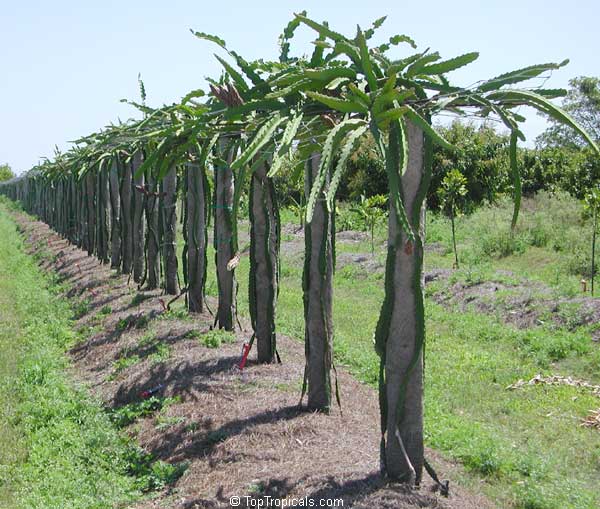
🔴 In commercial groves, Pitayas grow like cactus trees, over a strong support - big "umbrella frames" ☂️
🔴 It is an easy plant, with low water needs, takes both sun and semi-shade.
🔴 Our favorite variety is Yellow Dragon Fruit Palora, (Selenicereus megalanthus). It is the sweetest and has the most flavor of all. We shared some recipes earlier.
🔴 Can be grown in container with a wooden trellis. And the flower is beautiful, too!
What does a dragon taste like? Does Dragon Fruit come from a monster cactus? Learn why you need to grow your own
Hylocereus and Selenicereus Dragon Fruit or Pitaya
Hylocereus and Selenicereus Dragon Fruit or Pitaya trees on trellis
Hylocereus and Selenicereus Dragon Fruit or Pitaya on trellis
Hylocereus and Selenicereus Dragon Fruit or Pitaya red fruit
Hylocereus and Selenicereus Dragon Fruit or Pitaya purple fruit
Hylocereus and Selenicereus Dragon Fruit or Pitaya Yellow Parlora
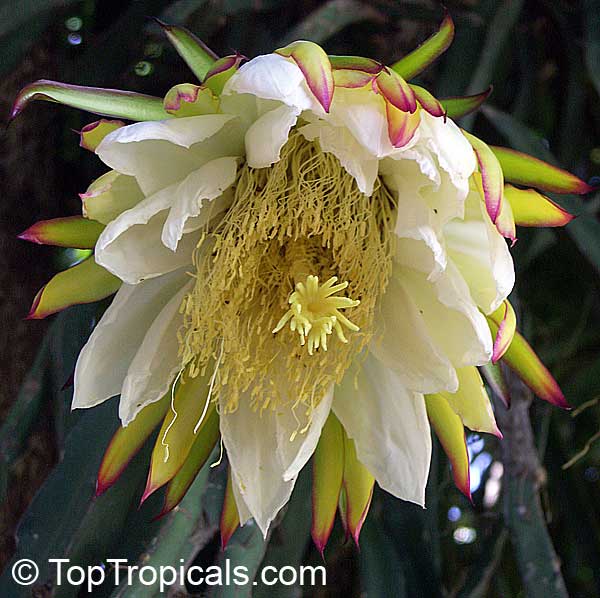
Hylocereus and Selenicereus Dragon Fruit or Pitaya flower
🐲 What does a dragon taste like? Does Dragon Fruit come from a monster cactus? Learn why you need to grow your own. 🌵
🔴 You may have tried a Dragon fruit from the store l, but do you know how it grows? On a cactus tree!
🔴 Names: varieties of Hylocereus and Selenicereus - these fruit bearing cactus plants are also called Dragon Fruit or Pitaya.
🔴 Commercially grown fruit sold in a grocery store may be tasteless. You need to grow your own good variety to have tasty, sweet, flavorful fruit!
🔴 Dragon fruit comes in many varieties. Colors of flesh differ: white, pink, dark red and even purple. The outside of the fruit can be red/pink or yellow.
🔴 In commercial groves, Pitayas grow like cactus trees, over a strong support - big "umbrella frames" ☂️
🔴 It is an easy plant, with low water needs, takes both sun and semi-shade.
🔴 Our favorite variety is Yellow Dragon Fruit Palora, (Selenicereus megalanthus). It is the sweetest and has the most flavor of all. We shared some recipes earlier.
🔴 Can be grown in container with a wooden trellis. And the flower is beautiful, too!