Garden Blog - Top Tropicals

Date: 20 Oct 2025

11 tropical fruits to eat instead of taking a fiber supplement
Tropical fruits to eat instead of taking a fiber supplement

Tropical fruits to eat instead of taking a fiber supplement

🍑 11 tropical fruits to eat instead of taking a fiber supplement
  • When we think of tropical fruit, we picture sweetness, sunshine, and exotic flavors packed with vitamin C. But beneath all that juicy goodness lies another gift: dietary fiber - quietly working to support digestion, feed the gut microbiome, and help keep blood sugar steady.
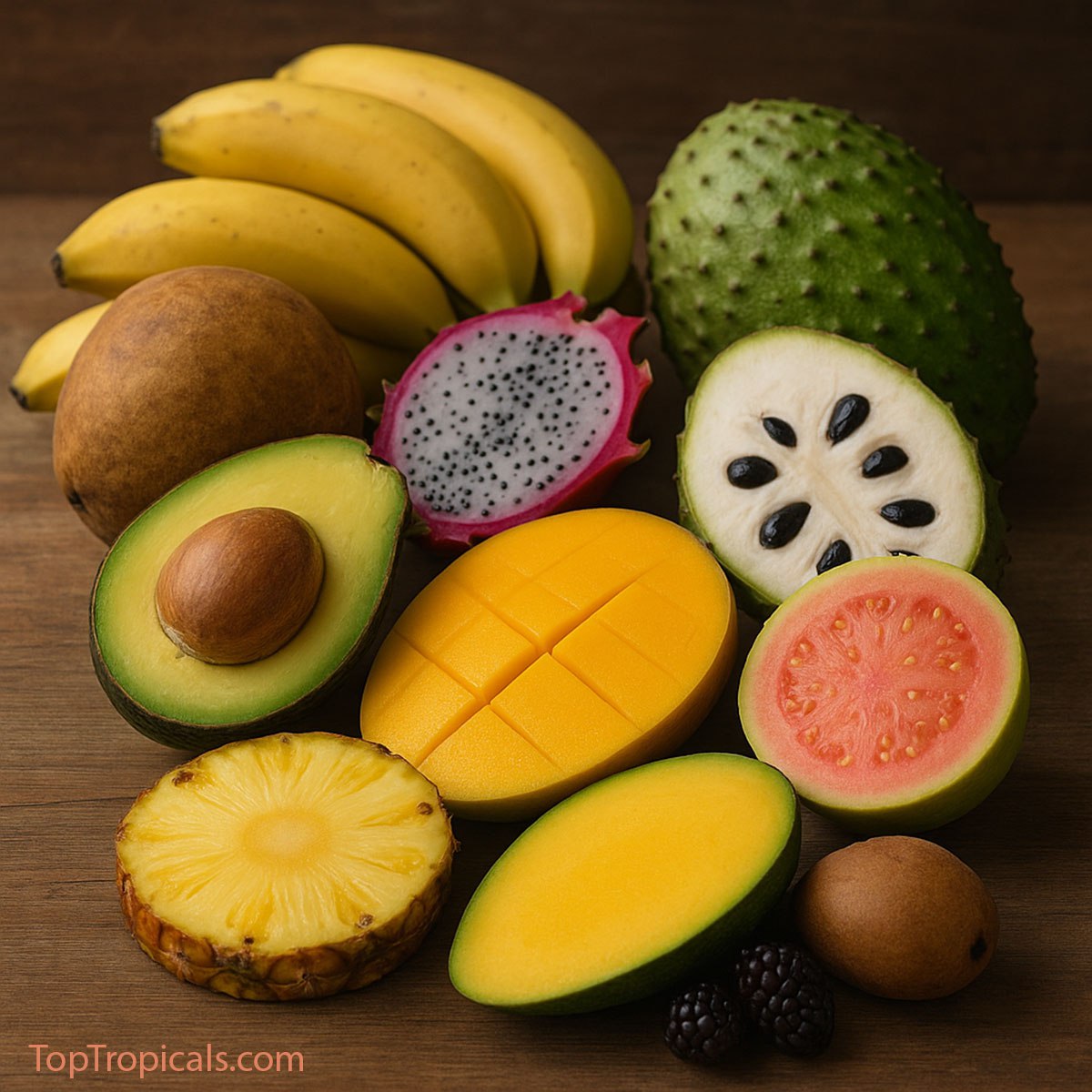
  • Avocado leads the pack among tropical fruits for fiber content. One creamy, ripe fruit can provide around 10 grams of fiber, roughly a third of an adult’s daily need. And there’s more to avocado than fiber - it’s also rich in healthy fats, micronutrients, and that silky texture everyone loves.
  • Other tropical fruits bring their own kind of fiber strength. Guava delivers up to 9 grams per cup, plus a burst of vitamin C.
  • Mango offers about 3 grams in half a fruit, especially when eaten with some of the skin.
  • Pineapple, though not always seen as a fiber powerhouse, still contributes around 2 grams per cup, along with bromelain, the enzyme that helps digestion.
  • Jackfruit’s fibrous pulp makes it another standout - it’s so meaty, it’s even used as a plant-based substitute in savory dishes.
  • Sapote fruit (Mamey, Canistel) and Sapodilla add fiber with a smooth, custard-like texture.
  • Adventurous tropical varieties like Annona (custard apple, soursop) may not top the charts in fiber numbers, but their soft, fibrous flesh still adds value: about 1.3 grams of fiber per 100 grams of fruit.
  • Bananas contain both soluble and insoluble fiber; the soluble part (mainly pectin) helps control blood sugar and appetite, while the insoluble fiber aids regularity.
  • Mulberries are rich in insoluble fiber, especially in their skin, supporting digestion and promoting healthy bowel movements.
  • Dragon fruit offers a mix of soluble fiber in its juicy flesh and insoluble fiber from its tiny edible seeds, which help support gut health and feed good bacteria.


These fruits aren’t just delicious - they help you meet your daily fiber needs in ways that are far more enjoyable (and sustainable) than taking supplements. And when home gardeners, farmers, or tropical communities grow and share them, it’s a double win: nutrition and tradition hand in hand.

✔️ Tropical fiber power: tips for getting more fiber from tropical fruits
  • ⏺Eat whole, not juiced. Most of the fiber is in the pulp, skin, and seeds. Juicing removes much of that goodness.
  • ⏺Mix it up. Tropical fruits are great, but balance them with legumes, whole grains, nuts, and veggies for a full fiber range.
  • ⏺Take it slow. If your diet is low in fiber, increase gradually to avoid bloating or discomfort.
  • ⏺Drink plenty of water. Fiber works best when paired with hydration.
  • ⏺Mind the ripeness. Unripe fruits can have more resistant starch, another form of fiber.
  • ⏺Get creative. Toss tropical fruits into smoothies, salsas, breakfast bowls, or even desserts - a tasty stealth-fiber strategy.


🛒 Plant a fruit tree to harvest your fruit tomorrow

📚 Learn more:
Tropical fruit health benefits guide - what fruit and edibles can help with health issues and vitamin deficiencies, Part 1 and Part 2.

#Food_Forest #Remedies #Discover #How_to

🟢 Join 👉 TopTropicals
Date: 18 Oct 2025

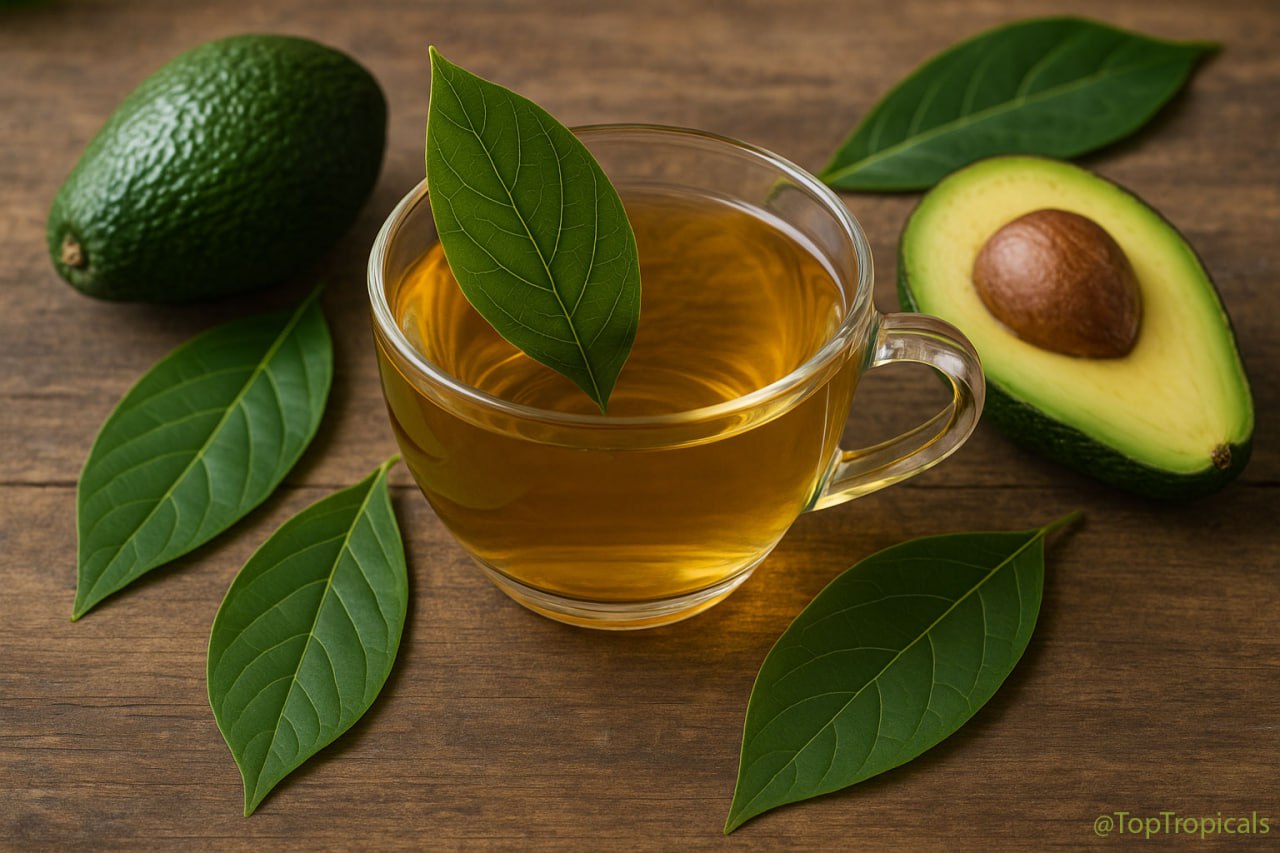
Avocado leaf tea: island secret for a calm heart and blood pressure

Avocado leaf tea: island secret for a calm heart and blood pressure Avocado leaf tea: island secret for a calm heart and blood pressure
Avocado leaf tea: island secret for a calm heart and blood pressure

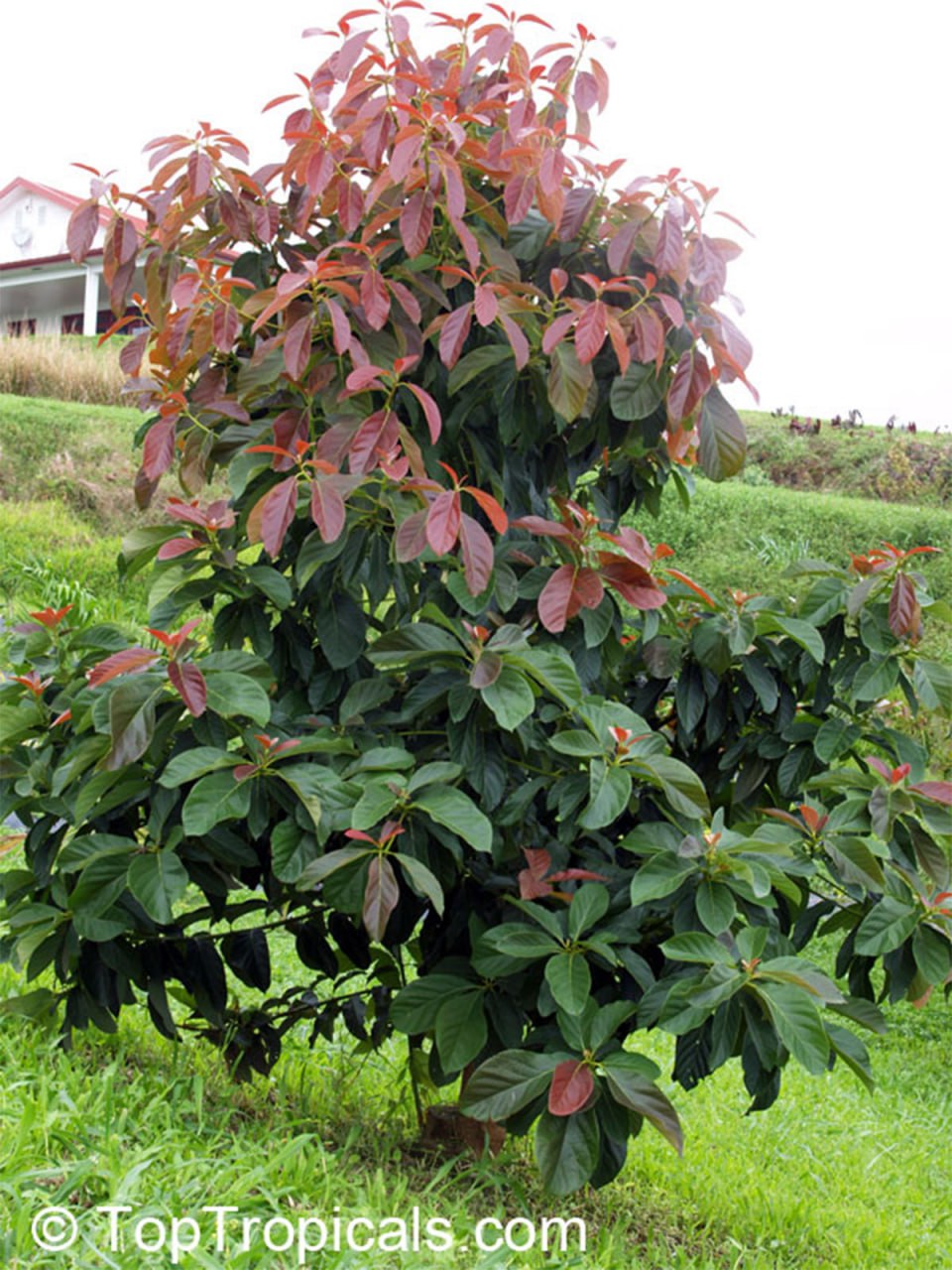
  • 🍃 You see that Avocado tree in your yard? Don't just love it for the fruit - the leaves carry magic too! Old folks in the tropics will tell you - never throw away the avocado leaves. They’ve been used for generations to brew a tea that helps steady the heart and ease high blood pressure.

  • 🍃 When life gets busy and your heart starts beating too fast, this tea helps it find its rhythm again. The leaf holds flavonoids and quercetin - fancy words for what nature been doing all along: keeping the blood flowing smooth and the body at peace. Folks say it also helps with digestion and keeps the liver happy.

  • 🍃 Avocado leaf tea

    Ingredients

    • 3 to 4 fresh avocado leaves
    • 2 cups water
    • Optional: honey, lemon, or cinnamon stick

    Instructions

    1. Rinse the avocado leaves well.
    2. Place them in a small pot with 2 cups of water.
    3. Bring to a gentle simmer and let it cook for about 10 minutes.
    4. Strain the tea and add honey, lemon, or cinnamon if desired.
    5. Sip slowly and enjoy the calm, earthy flavor.

  • 🍃 They say it helps the belly, calms the mind, and keeps the liver strong. Maybe that’s science, maybe it’s just island truth - but it surely does the body good! Some call it bush medicine, others just call it good sense. Either way, it’s a simple garden remedy that’s been soothing hearts long before pills and prescriptions came around.


🛒 Plant an Avocado tree and help your body stay healthy

📚 Learn more:
Tropical fruit and plants that help keep blood pressure in balance, Part 1, and Part 2.

#Food_Forest #Remedies #Discover #How_to

🟢 Join 👉 TopTropicals
Date: 16 Oct 2025

Stop watering your Monstera on a schedule - here is what it really wants!

Stop watering your Monstera on a schedule - here is what it really wants!
💦Stop watering your Monstera on a schedule - here is what it really wants!

  • ☘️ Monstera might look like a big diva, but it's actually one of the easiest houseplants to keep happy, according to the gardening experts from Southern Living.

  • ☘️ The trick is not sticking to a strict watering schedule, but checking the soil. Water only when the top couple inches feel dry - usually every week or two in warm months and less in winter. Give it a good soak until water drains out the bottom, then let it dry again.

  • ☘️ Too much water is worse than too little – soggy soil means root rot. Signs of overwatering include yellow or droopy leaves, dark spots, or gnats buzzing around. Underwatering looks similar, but the soil will be bone dry. When in doubt, check the dirt!

  • ☘️ You can water from the top or let the pot sit in a shallow tray to soak from the bottom – just don’t let it sit in water. Bright, indirect light and a well-draining pot are your best friends. Keep that balance, and your Monstera will thrive for decades.


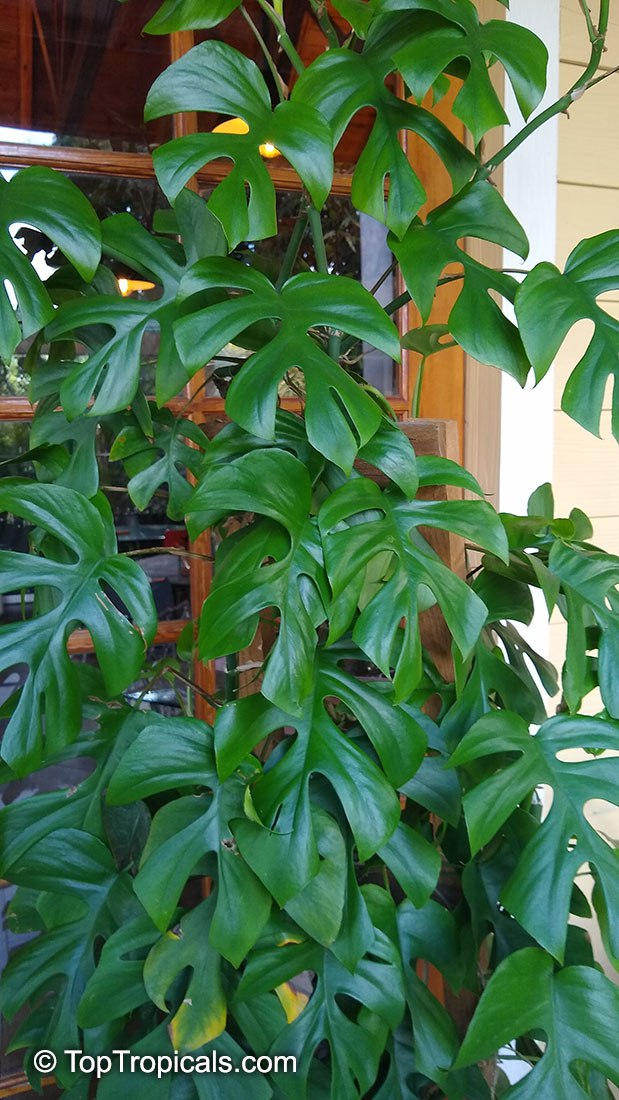
📸 In the photo: Rhaphidophora tetrasperma - Mini Monstera, Dwarf Monstera Ginny, a rare collectible for plant enthusiasts.

🛒 Shop Monstera plants

📚 Learn more:

#Food_Forest #Container_Garden #Shade_Garden #How_to

🟢 Join 👉 TopTropicals

Date: 14 Oct 2025

Yes, you can grow a tropical fruit tree in a pot!

Yes, you can grow a tropical fruit tree in a pot! Yes, you can grow a tropical fruit tree in a pot!
Yes, you can grow a tropical fruit tree in a pot!

  • 🍒 If you dream of picking fresh tropical fruit - Mango, Avocado, exotiс Annona and more - but only have a patio, balcony, or small yard, you’re not out of luck. Many tropical fruit trees grow perfectly well in large containers. The key is choosing the right variety, pot, and care routine.

  • 🍒 Pick a compact tree type

  • Start with a dwarf or semi-dwarf variety. Regular tropical trees can grow huge, but container-sized cultivars stay under 8–10 feet and are much easier to manage. For example, Condo varieties of Mango like Pickering or Ice Cream stay small and still produce full-sized fruit. The same goes for Dwarf Avocados like Wurtz (also called Little Cado) and Sugar apples. Blackberry Jam fruit tree (Randia formosa) and Peanut Butter Fruit tree (Bunchosia argentea) are also excellent choices.

  • 🍒 Choose the right pot

  • Begin with a 5-gallon container and move up as the tree grows. A mature plant will be happy in a 20–25-gallon pot. Drainage is critical - roots will rot if the pot stays soggy. Use a sturdy plastic, ceramic, or wooden container with multiple holes in the bottom.

  • 🍒 Soil and watering

  • These trees all like loose, well-draining soil. Mix potting soil with perlite or pine bark for better aeration. Water deeply but not too often - let the top few inches dry before watering again. Overwatering is the quickest way to kill a potted tropical.

  • 🍒 Light and feeding

  • Full sun is a must - aim for at least 6 hours daily. Fertilize during the growing season with a balanced fruit tree or slow-release fertilizer like Green Magic or liquid Sunshine Boosters. Many tropicals appreciate an extra boost of micronutrients like iron and magnesium to keep their leaves green.

  • 🍒 Cold protection and pruning

If you live where winters get chilly, move the pot indoors or into a greenhouse before frost. Prune lightly in spring to keep shape and airflow. Container trees can fruit heavily if given light, warmth, and consistent care.

At the end of the day, container culture lets you grow the tropics anywhere - from a city balcony to a backyard deck.

Next: The best tropical fruit trees for containers...

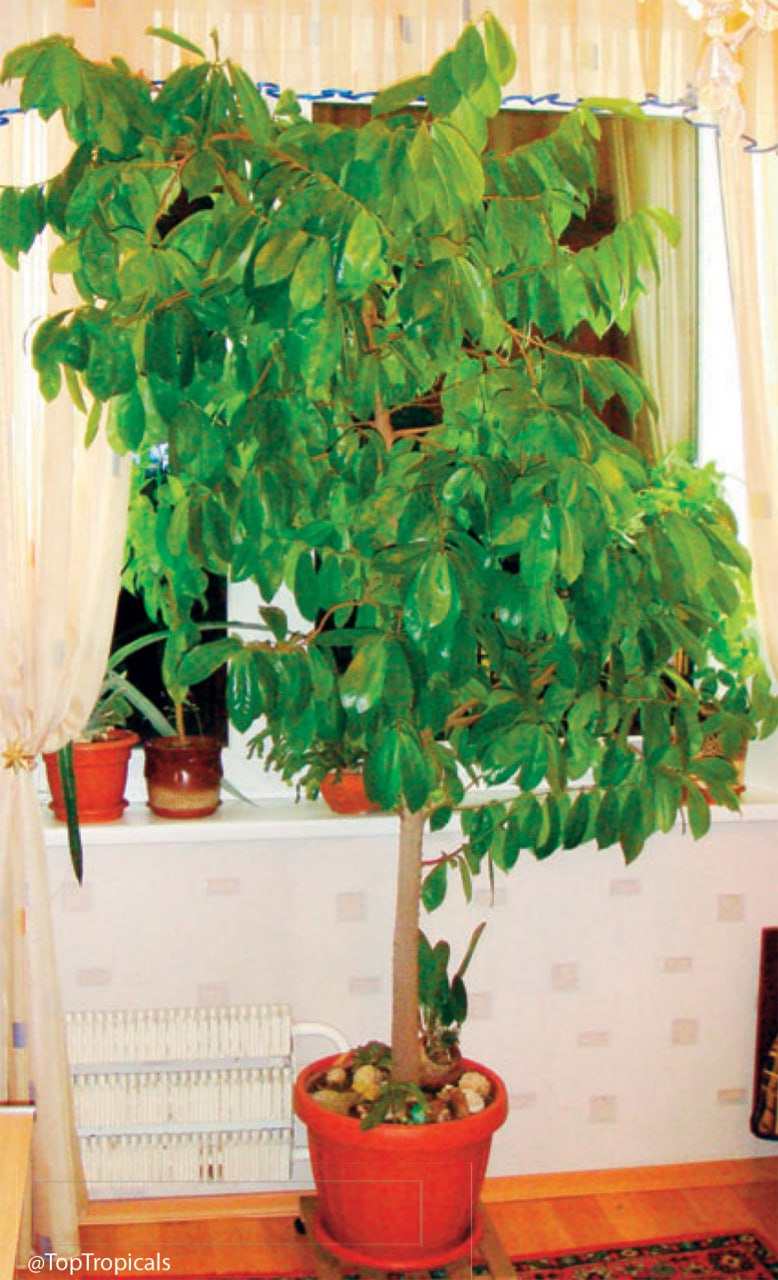
📸 Growing and fruiting Soursop in apartment (PDF download)

🛒 Explore tropical fruit trees

#Food_Forest #How_to #Discover

🟢 Join 👉 TopTropicals

Date: 3 Oct 2025

Plant for birds: feast for wildlife and people from a tiny vine!

Passiflora suberosa - Corkystem Passion Vine

Plant for birds: feast for wildlife and people from a tiny vine!
  • Passiflora suberosa - Corkystem Passion Flower: did you know this Florida native passion vine is more than just a butterfly host? Birds love it too - they’ll happily snack on the little fruits and sing you thank-you songs all day long!
  • And yes, the fruit is edible for people as well! The berries are small, but they make a fun and exotic treat.
  • The plants has a tiny flower and a tiny fruit – both only about half an inch – but together they create a mighty native habitat.
  • It's a triple win: butterflies, birds, and people can all enjoy something from this charming little plant. Plus, it’s the larval host for Gulf Fritillary, Zebra Longwing, and Julia butterflies, and its tiny greenish flowers provide nectar all year long. Fast-growing, easy, and full of life – a real gem for any Florida garden.
  • This vine is delicate and compact, perfect for a medium trellis or climbing a small tree. Unlike the big, aggressive passion vines that can cover a whole fence, this one stays manageable.
  • This Passion vine is not just charming and wildlife-friendly, it’s also tough as nails. Cold hardy and easy to grow, this native vine takes whatever Florida throws at it – heavy rains, long droughts and heat, poor sandy soils, even total neglect – and still thrives. A perfect choice if you want beauty, wildlife, and resilience all in one little plant.


🛒 Plant this small and tough vine with food and wildlife benefits

📚 Learn more:

#Food_Forest #Hedges_with_benefits #Butterfly_Plants #How_to

🟢 Join 👉 TopTropicals