Date: 25 Jun 2026
Why Everyone Is Obsessed With This Intoxicating Night Blooming Jasmine
⭐️ Why Everyone Is Obsessed With This Intoxicating Night Blooming Jasmine
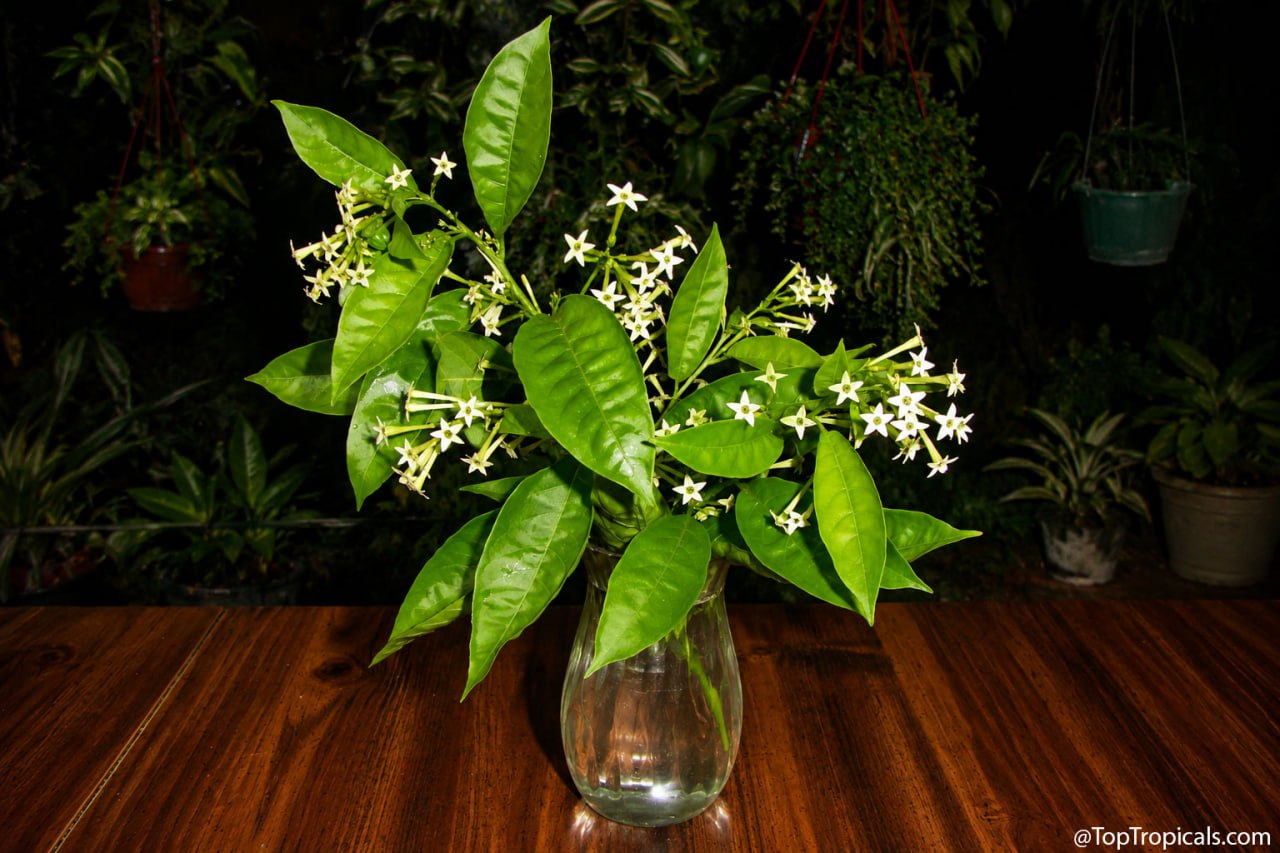
Night blooming jasmine, Cestrum nocturnum - why is everybody searching for this exact plant? If you’ve ever walked outside after dark and been stopped in your tracks by a sweet, mesmerizing scent, you already know the answer. This fast-growing, dense shrub has earned its reputation as one of the most famous and desirable fragrant plants in the world.
If you want to fill your entire yard with a dizzy, romantic perfume, here is why this magical plant belongs in your garden.
✨ A Nighttime Perfume Machine
Night Blooming Jasmine doesn’t play around when it comes to fragrance. The magic begins exactly when the sun goes down:
· Sunset to Sunrise: The tiny, understated pale yellow-to-white flowers open exclusively after dark, releasing a sweet, powerful aroma that stays intensely fragrant until the morning sun breaks.
· Garden-Wide Scent: The fragrance is so airborne that it will literally follow you all over the garden at night. You can even cut a few branches to bring indoors, instantly filling your living space with a rich, pleasant perfume.
· A Botanical Surprise: The crazy part? It is actually a member of the Solanaceae (Nightshade) family, making it a cousin to tomatoes, potatoes, and peppers. But it acts nothing like a vegetable - it functions purely as a high-powered, nighttime perfume machine during the warm months.
✨ Cultural Royalty
This plant’s fragrance is so legendary that it holds a sacred place in many traditions. In India and across South Asia, these flowers are widely harvested for high-end perfumery, traditional medicinal applications, and religious ceremonies. They are a staple at weddings and festivals because the scent is unmatched in its intensity and beauty.
- ✨ What Does "Nocturnal" Really Mean?
It's no wonder the botanical name is Cestrum nocturnum!
💡 noc·tur·nal: adjective - done, occurring, or active at night. "Most owls are nocturnal..." - ✨ Where to Plant for the Full Effect
To get the absolute most out of your Night Blooming Jasmine, placement is everything. You want to plant it where the evening breeze can carry the scent directly to you.
The Best Locations:
✓Near a favorite walkway or driveway
✓Right beneath a bedroom or living room window
✓Framing an entrance, porch, or patio
Just one or two of these fast-growing shrubs are enough to transform your entire outdoor space into a fragrant paradise after dark.
Do you have one in your garden yet? Let us know how far the fragrance travels at your house!
🛒 Experience the Fragrance
📚 Learn more:


· Cestrum nocturnum in Plant Encyclopedia
· Do this if you want to smell a dizzy perfume!
· How many flowers on Night Blooming Jasmine?
· This magical fragrance follows you all over the garden at night
· Why everybody wants this plant
🎥
Dizzy perfume of Night Blooming Jasmine
#Perfume_Plants #Hedges_with_benefits #Discover
🟢 Join 👉 TopTropicals