Garden Blog - Top Tropicals

Date: 15 Dec 2025

🌿 Bring the Jungle Inside: Winter Survival Guide. Part 3. Watering and Humidity. ❄️


💦 Water, Humidity, and the Small Things That Decide Who Makes It to Spring

Smokey  the  tuxedo  cat  checks  soil  moisture  and  wipes  a  monstera  leaf 
 while  Sunshine  the  ginger  cat  relaxes  with  a  watering  can  beside  indoor 
 tropical  plants  in  winter.

Smokey:"Still damp. No watering today."
Sunshine:"Great. I am excellent at not watering."
Smokey:"You have been practicing not doing any work your whole life."

In Part 1 (Winter Survival Guide: Temperature) we covered the foundation: light, placement, and acclimation. That is the survival layer.

Part 2 (Winter Survival Guide: Temperature) is about what quietly ruins plants indoors in winter. Not overnight. Slowly.

Most winter losses come from good intentions and habits that worked fine outdoors or in summer, but fail indoors when growth slows.

Watering: Where Most Indoor Plants Die in Winter

If there is one winter skill that matters more than anything else, it is knowing when not to water.

In winter, light is weaker, temperatures are lower, roots stay cold longer, and growth slows or stops. Plants simply do not drink the way they do in summer.

How winter watering actually works

Do not water on a schedule. Winter does not care about your calendar.

Instead:

  • Water thoroughly when you do water.
  • Let excess drain out.
  • Then wait longer than feels comfortable.

Before watering, test the soil with your finger. Water only when the top inch or so is dry.

If the soil below still feels cool and damp, do nothing. That is the hardest skill to learn.

Remember what we covered in Part 1: in winter, soil and roots stay cold much longer. Cold roots absorb water very slowly. Wet, cold soil is not helpful moisture. It is stress.

Waiting is often the correct move.

Common winter watering traps

  • The soil surface looks dry, but the root ball is still wet.
  • Pots near windows dry unevenly.
  • Large pots stay wet for weeks.

Always check below the surface. If the pot feels cold and heavy, roots are not asking for water yet.

Signs you are watering too much

  • Soil stays wet for many days.
  • Pot feels heavy long after watering.
  • Leaves yellow and soften.
  • Fungus gnats appear.

As a rough guideline, most indoor tropicals need 25 to 50 percent less water than summer, sometimes even less in low light.

Always use room temperature water. Cold water shocks roots and slows recovery.

Humidity: Invisible Winter Stress

Winter indoor air is dry. Often far drier than people realize.

Heating systems pull moisture out of the air, and many homes sit at 20 to 30 percent humidity all winter. Most tropical plants prefer something closer to 50 to 60 percent.

Low humidity rarely kills plants outright. It weakens them first. That is why pests show up more often in winter. The plant is already stressed before insects arrive.

What low humidity looks like

  • Brown or crispy leaf edges.
  • Curling leaves.
  • New leaves stuck while unfolding.
  • Spider mites appearing suddenly.

What actually helps

  • Group plants together.
  • Use pebble trays.
  • Run a room humidifier.
  • Use bathrooms if light allows.

Humidity works best when plants are grouped. One isolated plant in dry air struggles far more than a group sharing moisture.

Misting leaves feels helpful, but it only raises humidity for minutes. It does not fix dry air.

Cleaning Leaves: More Important Than It Sounds

Winter light is already weak. Dust makes it worse.

Dusty leaves block light, clog stomata, and create hiding places for pests.

Wiping leaves is one of the simplest winter care steps, and one of the most ignored.

How to clean

  • Soft cloth.
  • Plain water.
  • Mild soap if needed.

Gently wipe. No scrubbing. Every few weeks is enough.

Plants with fuzzy leaves, like African violets, should only be brushed gently with a dry brush.

Clean leaves also make problems easier to see. You will spot mites, scale, or damage early instead of discovering it weeks later.

Winter is not the season to be surprised.

Soil and Pots Behave Differently Indoors

Soil that works outdoors often behaves badly indoors. No wind, lower evaporation, and cooler roots mean the same soil stays wet far longer than expected.

In winter, roots care more about oxygen than water. Soil that stays wet pushes oxygen out, even if the plant looks fine above the soil line.

This is why rot often appears suddenly in late winter, not right after watering mistakes.

Pot size matters

Large pots dry slowly. Slow drying plus cool soil equals rot.

If a plant is barely growing, a very large pot is not doing it any favors.

About repotting

Winter is not the time to repot unless you must.

Only repot if:

  • Roots are rotting.
  • Pests are severe.
  • The plant is clearly failing.

Repotting in winter slows recovery and often makes things worse.

Airflow: Quietly Important

Indoor winter air is still. Still air leads to mold, fungus, and spider mites.

Airflow is not about cooling plants. It is about breaking stagnant air layers that pests and fungus love.

A small fan on low, not blowing directly on plants, makes a big difference. Even gentle movement helps more than people expect.

Drainage and Mold: Boring but Critical

Never let pots sit in water.

Standing water causes root rot, fungus gnats, and mold smell. Always empty trays after watering.

Raise pots slightly so air can move underneath. It helps more than people expect.

If you smell sour soil or a musty odor, something is staying wet too long. That smell is an early warning, not a minor issue.

Fertilizer: Mostly Stop

This is where a lot of winter damage happens.

If a plant is not actively growing, fertilizer does not help. It hurts.

In winter, most indoor tropicals are in maintenance mode, not growth mode. Feeding during this time leads to salt buildup, root burn, and weak, floppy growth.

Green leaves do not mean the plant is growing. They often just mean the plant has not given up yet.

Growth shows up as new leaves, longer stems, or expanding roots. No growth means no feeding.

When light feeding is acceptable

Only if all of these are true:

  • The plant is warm.
  • Light is strong.
  • You see real new growth.

Even then, feed lightly and less often than summer.

Spring will come. You do not need to force it.

Common Winter Care Mistakes

  • Watering on a schedule.
  • Misting instead of humidifying.
  • Fertilizing to fix poor light.
  • Ignoring cold windowsills.
  • Placing pots on cold tile or stone.
  • Repotting out of boredom.
  • Letting trays stay wet.
  • Assuming green leaves mean growth.
  • Assuming winter leaf drop always means death.

Quick Winter FAQ

My soil stays wet forever.
Too little light, too cold, or pot too large. Water less.

Leaves are crispy but soil is wet.
Low humidity combined with overwatering.

Should I mist every day?
No. Fix the air, not the leaves.

Can I fertilize just a little?
Only if the plant is clearly growing.

Why do I suddenly have fungus gnats?
Wet soil indoors is the invitation.

My plant looks fine but has not grown in months. Is that bad?
No. Stability is success in winter.

Date: 16 Jan 2026

The most asked-about tree in the Sunshine State: Bauhinia

Purple Orchid tree - Bauhinia purpurea

🌸 The most asked-about tree in the Sunshine State: Bauhinia

  • 🌸 If you visit Florida in winter, chances are you will notice a tree covered in orchid-like flowers and wonder what it is. That tree is often an orchid tree, most commonly Bauhinia purpurea. It is fast growing, wide spreading, and blooms from late winter through spring, sometimes with a second round in summer. The flowers range from magenta to lavender, are lightly fragrant, and stand out even from a distance. The leaves are just as distinctive - split into two halves like butterfly wings, which is why these trees are also called butterfly trees.
  • 🌸 Orchid trees are easygoing and practical. They thrive in full sun, tolerate many soil types as long as drainage is good, and need little water once established. Growth is quick, often 2–3 feet per year, making them excellent shade trees for hot climates. The flowers attract bees, butterflies, and hummingbirds, and in some cultures the buds and blossoms are used in cooking, while the bark has a long history in folk remedies. Beautiful, useful, and low maintenance, orchid trees are a perfect fit for Southern landscapes.


🛒 Discover Bauhinias - Orchid trees

📚 Learn more:

Plant Facts

Bauhinia acuminata
Dwarf White Orchid Tree, White Bauhinia, Kaa-long, Snowy Orchid
USDA Zone: 9-11
Large shrub 5-10 ft tallSmall tree 10-20 ftFull sunModerate waterWhite, off-white flowersDeciduous plant
  • Bauhinias - Orchid trees in Plant Encyclopedia
  • Compact Bauhinias - everblooming container trees
  • Cassia vs Bauhinia: which is better as an everblooming container tree?
  • You won’t believe this red orchid tree exists!
  • Rare Orchid Tree you may never find again and everyone wants
  • Why gardeners love the Pink Butterfly Tree: blooms, shade, and zero fuss
  • Napoleons Plume - Orchid Tree that blooms in a pot
  • How to grow Orchid Trees in pots
  • Bauhinias: trees with Orchid Flowers and Butterfly Wings
  • Why Bauhinias are called Orchid Trees: orchid flowers with butterfly wings...
  • Bauhinia blakeana - Hong Kong Orchid Tree
  • Bauhinia galpinii (punctata) - Pride of De Kaap or Nasturtium Bauhinia

  • #Trees

    🟢 Join 👉 TopTropicals

    Date: 18 Jan 2026

    Five steps to everblooming Rose Hydrangea

    Dombeya seminole - Tropical Rose Hydrangea

    🌸 Five steps to everblooming Rose Hydrangea

    • 🌸 Dombeya seminole - Tropical Rose Hydrangea: everyone who sees this plant falls in love at first sight. Exceptional rose-pink flower clusters cover the shrub, and butterflies and bees go wild over it. While it is considered a winter bloomer, here at Top Tropicals garden we regularly see it flower multiple times a year, with peak bloom from November through January and surprise blooms the rest of the year.
    • 🌸 Here is how to keep your Dombeya seminole happy and blooming more:


    💋 1. Full sun


    The more sun it gets, the more flowers it produces. Sun equals bloom power.
    • 💋 2. Adequate water


      Dombeyas are heavy drinkers. Regular watering fuels fast growth and heavier flowering.
    • 💋 3. Feed for flowers


      Use Sunshine Megaflor bloom booster with regular watering, or apply Green Magic controlled-release fertilizer every 6 months.
    • 💋 4. Trim after flowering


      Prune once blooms fade. A bushier plant means more flowering points next season.
    • 💋 5. Give it space


      This is a round, airy shrub. Allow at least 6 x 6 ft for good air circulation and even light exposure.


    🌸 Quick facts you will appreciate:
    • 💋Often called Tropical Hydrangea because of its hydrangea-like flower clusters
    • 💋Blooms fall through spring, often all winter
    • 💋Reaches about 6-7 ft tall and wide, but can be kept smaller with pruning
    • 💋Thrives in full sun to partial shade and tolerates poor soil
    • 💋An excellent nectar source for butterflies

    If you want a beautiful color that refuses to quit, this shrub earns its spotlight.

    🛒 Add Beautiful Dombeya to your garden

    📚 Learn more:


    #Hedges_with_benefits #Butterfly_Plants

    🟢 Join 👉 TopTropicals

    Date: 23 Jan 2026

    A leaf you grow, not a pill you buy

    Insulin Ginger (Chamaecostus cuspidatus)

    Insulin Ginger (Chamaecostus cuspidatus)

    ❣️ A leaf you grow, not a pill you buy: Insulin ginger - the plant people actually use
    • ❣️ Costus igneus (Chamaecostus cuspidatus) - Insulin Ginger, Fiery Costus or Spiral Flag - I love this plant! And that’s not something I say lightly.
    • ❣️ Customers often ask me about medicinal plants that may help with diabetes, and Insulin Ginger always comes up - for a good reason. This is one of those plants people grow on purpose, not just because it looks nice. Imagine stepping into your garden and picking a leaf instead of opening a pill bottle. That idea alone makes people pause.
    • ❣️ In everyday use, Insulin Ginger is valued for supporting healthy blood sugar and helping the body respond better to insulin. It’s also packed with antioxidants, which gardeners like to think of as quiet helpers for organs that get stressed when sugar balance is off. No lab talk, no big claims - just a plant people have trusted and used for a long time.
    • ❣️ From a gardener’s point of view, it’s hard not to love. You can harvest leaves year-round, and the more you pick, the better it grows. One plant quickly turns into many, which means you’ll have enough for yourself and extras to share with friends and family.
    • ❣️ It’s one of those plants people don’t regret planting. Easy to grow. Easy to share. Easy to use.


    🛒 Add Insulin Ginger to your medicinal herb garden

    📚 Learn more:

    Plant Facts

    Costus igneus, Chamaecostus cuspidatus
    Insulin Plant, Fiery Costus, Spiral Flag
    USDA Zone: 9-11
    Large shrub 5-10 ft tallSmall plant 2-5 ftSemi-shadeShadeRegular waterYellow, orange flowersEdible plantSpice or herb plantEthnomedical plant.
Plants marked as ethnomedical and/or described as medicinal, are not offered as medicine but rather as ornamentals or plant collectibles.
Ethnomedical statements / products have not been evaluated by the FDA and are not intended to diagnose, treat, cure, or prevent any disease. We urge all customers to consult a physician before using any supplements, herbals or medicines advertised here or elsewhere.Subtropical plant. Mature plant cold hardy at least to 30s F for a short time
  • Costus igneus (Chamaecostus cuspidatus) - Insulin Ginger in Plant Encyclopedia
  • How to make lots of Insulin Ginger plants quickly and get more health benefits
  • How to lose weight naturally with tropical fruit and plants
  • The fiery plant that fights sugar: Nature secret insulin?
  • Most interesting edible gingers

  • #Food_Forest #Remedies #Shade_Garden #Discover

    🟢 Join 👉 TopTropicals

    Date: 24 Jan 2026

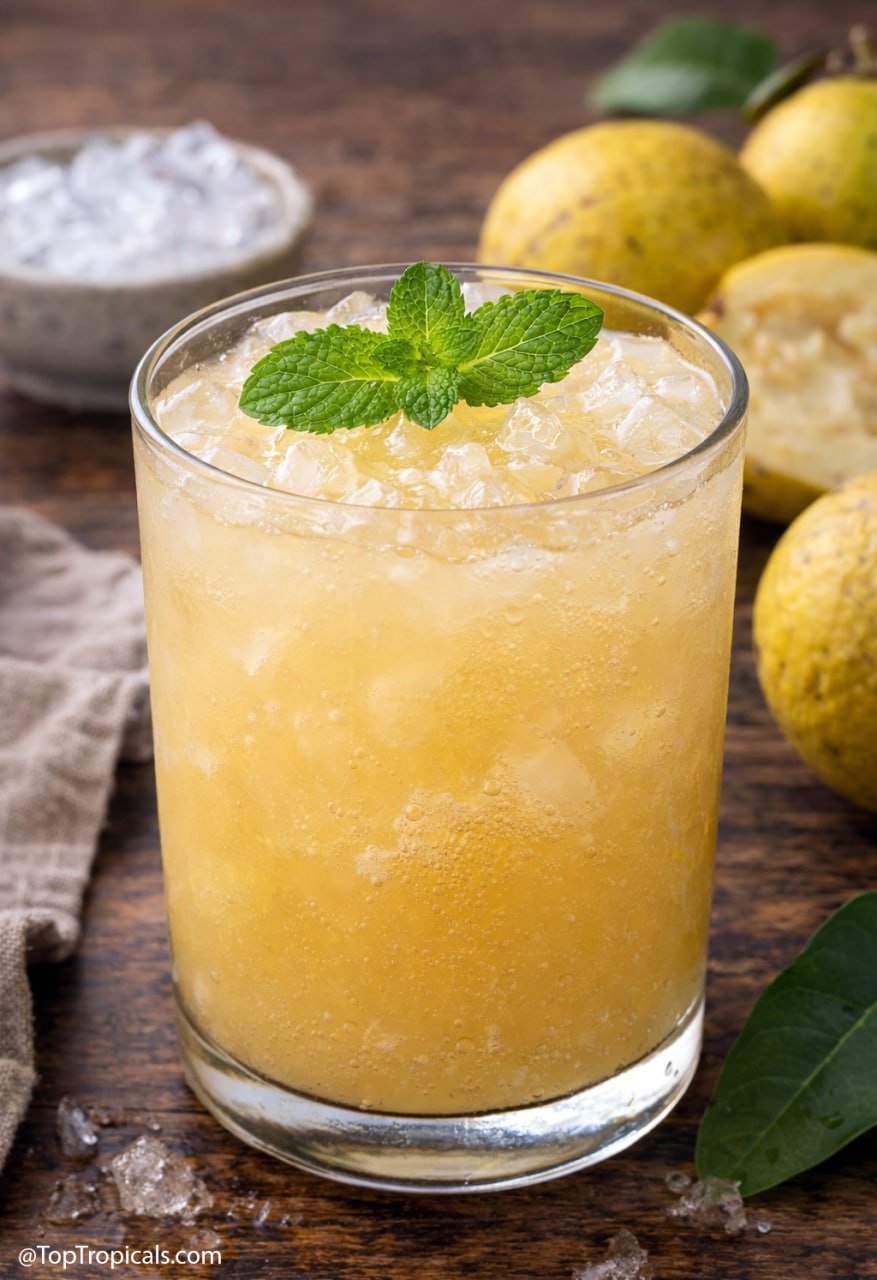
    Guava Cas cloud drink: quick-n-fun exotic recipes

    Guava Cas cloud drink

    Guava Cas cloud drink

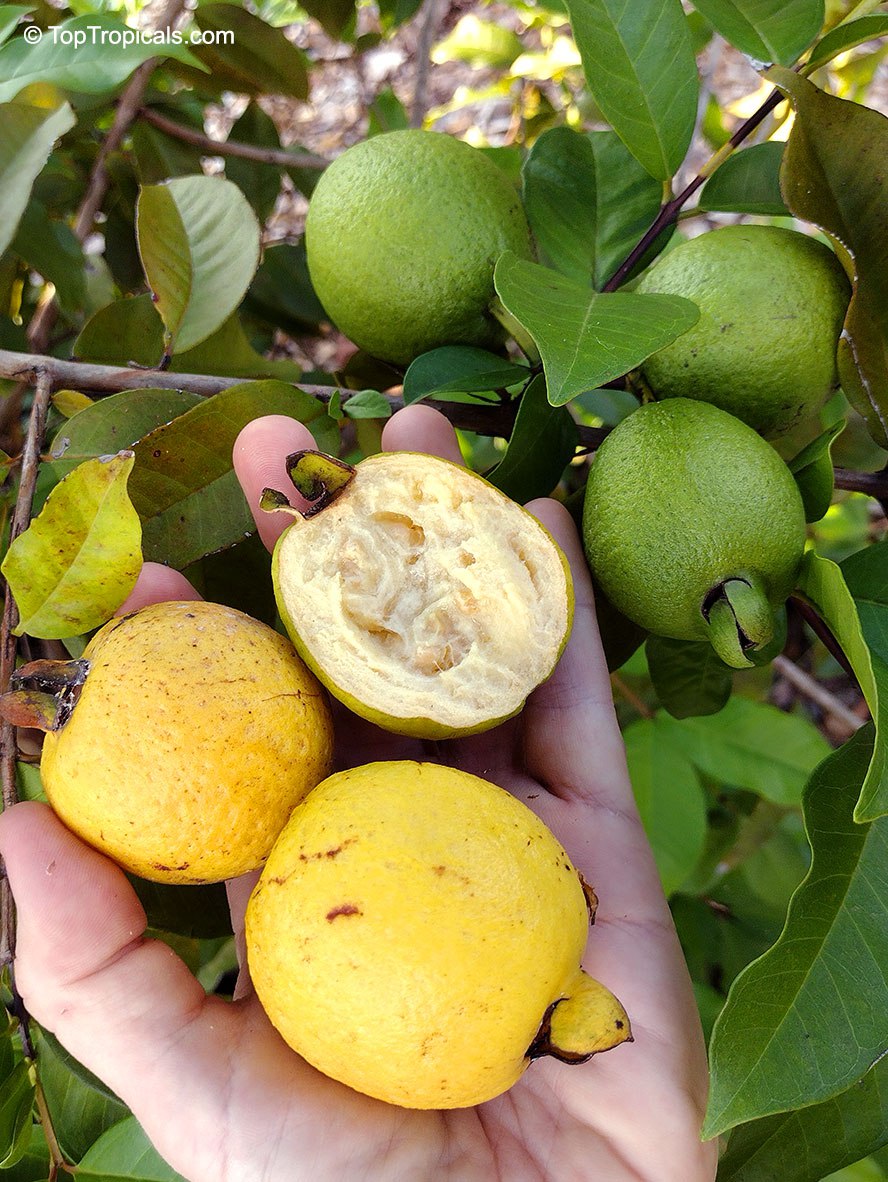
    Cas guava (Psidium friedrichsthalianum)

    Cas guava (Psidium friedrichsthalianum)

    🍴 Guava Cas Cloud Drink (Quick and Fun Exotic Recipe)

    Ingredients

    • 1 cup ripe Cas guava pulp (Psidium friedrichsthalianum)
    • 1.5 cups cold water
    • 1 tablespoon sugar (adjust to taste)
    • Ice cubes
    • Fresh mint (optional garnish)

    Instructions

    1. Add Cas guava pulp, cold water, and sugar to a blender.
    2. Blend until smooth and evenly mixed.
    3. Strain the liquid to remove seeds and coarse pulp.
    4. Serve over ice for a cloudy, tangy refresher.
    5. Garnish with mint if desired.

    Cas guava (Psidium friedrichsthalianum) is a Central American guava known for its bold, tangy flavor and high vitamin C content and Low sugar content. Unlike common guava, the pulp is sharp and refreshing, making it especially popular for drinks, juices, and traditional beverages.

    🌱 In the garden:


    Cas guava is a small, productive tree suited for warm climates. It prefers full sun, regular watering, and good drainage. The tree is adaptable, fairly fast-growing, and fruits reliably, making it a great choice for home gardens and containers.

    🛒 Plant easy and productive Cas Guava

    📚 Learn more:

    Plant Facts

    Psidium friedrichsthalianum
    Costa Rica Cas Fruit, Cas Guava
    USDA Zone: 9-11
    Large shrub 5-10 ft tallSmall tree 10-20 ftFull sunWhite, off-white flowersEdible plantSubtropical plant. Mature plant cold hardy at least to 30s F for a short time
  • Guava tree Cas (Psidium friedrichsthalianum) in Plant Encyclopedia
  • Zero Sugar fruit: forget lemonade - new perfect summer drink discovered!
  • What is the best fruit for summer drinks and wine?
  • •  What fruit is more sour and has more vitamin C than a lemon
  • •  What fruit can you drink? Costa Rican Cas is the Guava for Drinking
  • •  Costa Rican Guava

  • #Food_Forest #Recipes

    🟢 Join 👉 TopTropicals