Dombeya burgessiae 'Seminole' (Tropical Rose Hydrangea)
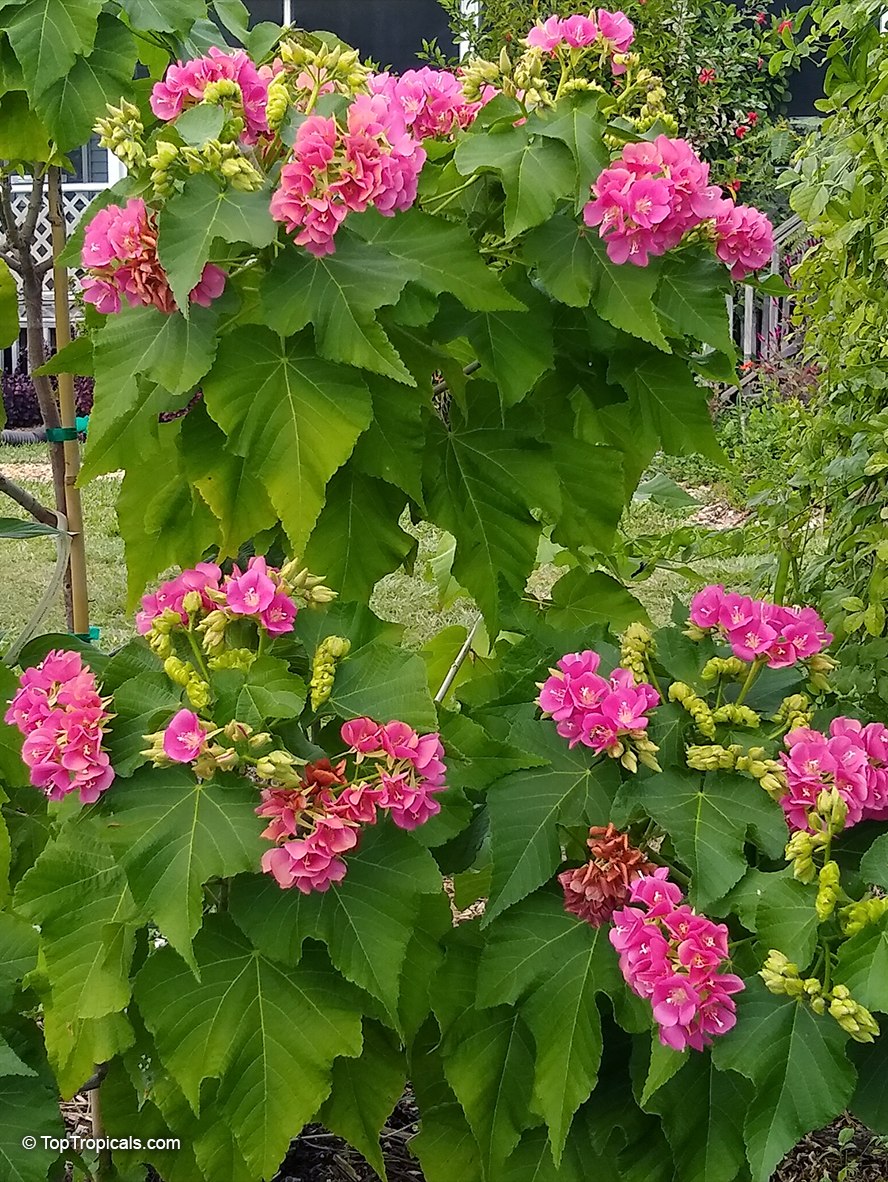
Botanical name: Dombeya burgessiae
Common name: Tropical Rose Hydrangea
Cultivar: Seminole
Family: Malvaceae
Subfamily: Dombeyoideae
Origin: South Africa, Zimbabwe
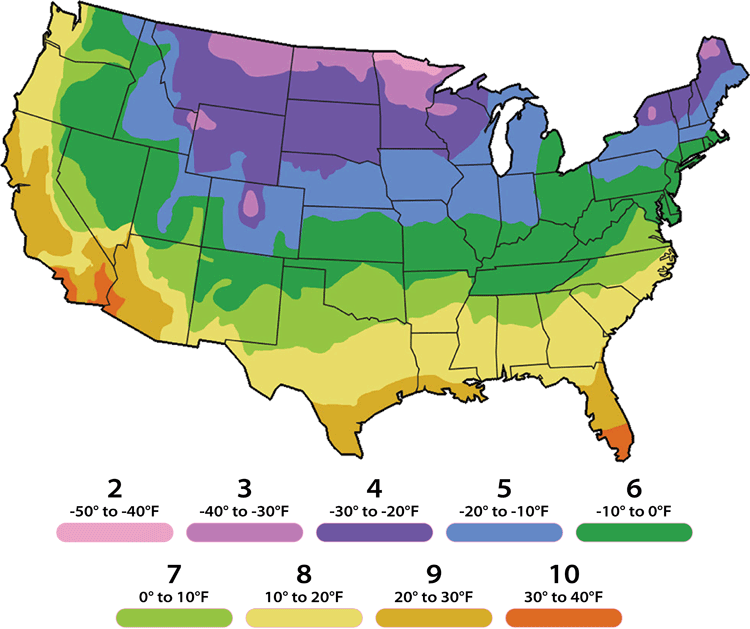
USDA Zone: 9-11
 Plant form: Large bush
 Mature height: 5-10 ft
 Sun exposure: Full sun or bright light indoor; semi-shade
 Cold tolerance: Frost sensitive. Protect from freezing.
 Watering: Moderate
 Flower color: Pink
 Suitable for: Outdoors in the suitable USDA zone; small gardens, containers, and indoor growing
 Fragrance: Fragrant; perfume plant
 Wildlife: Attracts butterflies and hummingbirds
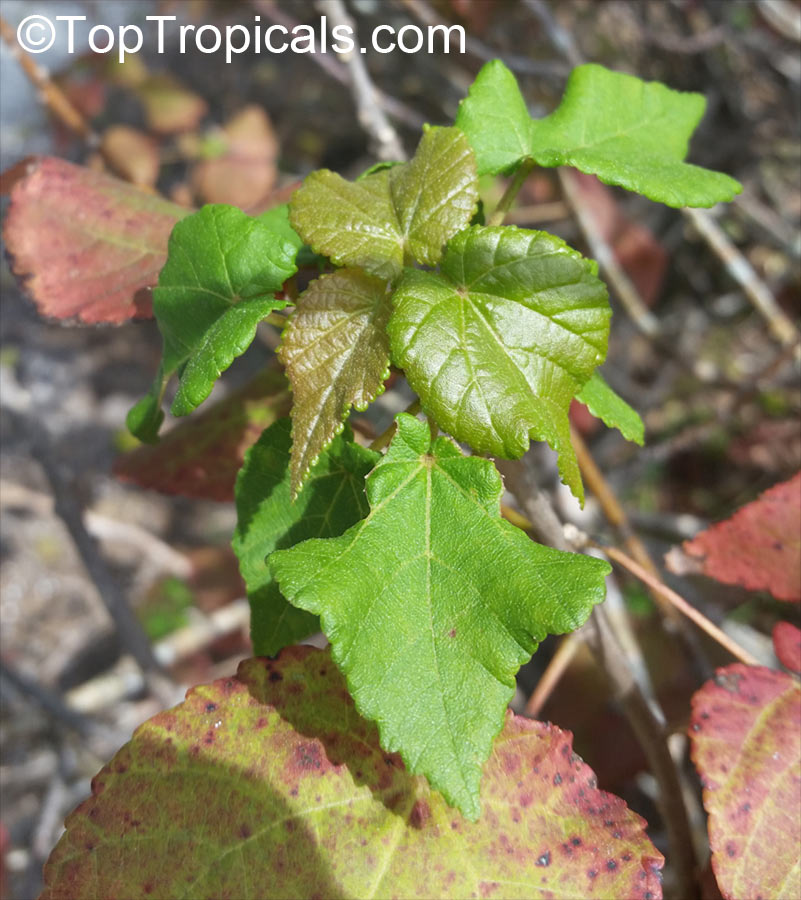
 Dombeya burgessiae, commonly known as Pink Wild Pear, is a large evergreen shrub or small tree native to southeastern Africa. Despite its common name, it is not related to true pears but belongs to the mallow family (Malvaceae). It typically grows 10-20 feet tall with gracefully arching branches and large, heart-shaped leaves covered with soft hairs, giving the plant an attractive, lush appearance throughout the year.
The species is especially admired for its abundant clusters of soft pink flowers, which appear from late winter through spring, often when relatively few other shrubs are in bloom. The lightly fragrant blossoms are rich in nectar and attract bees, butterflies, and other pollinators. Unlike the larger tropical Dombeya species that produce dense spherical flower clusters, Dombeya burgessiae bears looser, more open sprays of star-shaped flowers that create a graceful, airy display. It grows best in full sun to partial shade and fertile, well-drained soil with regular moisture during establishment. Once established, it tolerates short dry periods but performs best with occasional watering during extended drought. Suitable for USDA Zones 9b-11, Dombeya burgessiae makes an excellent specimen plant, flowering hedge, or informal screen and responds well to pruning after flowering.
Dombeya 'Seminole' is a tropical shrub known for its bright pink clusters, attractive bark, and adaptable form suited to warm gardens and container growing.
Dombeya 'Seminole' is also encountered under the name Dombeya x seminole.
What makes Dombeya 'Seminole' distinctive?
Dombeya 'Seminole' forms a rounded shrub that ranges from 5-10 ft in the ground to about 2-5 ft in containers, producing dense foliage and abundant showy flower clusters through the warm season. It performs best in full sun or semi-shade with regular deep watering in well-drained soil and responds well to early spring pinching or pruning, which supports a full blooming cycle and balanced branching. As the plant matures, the bark becomes increasingly decorative, adding structural interest even outside the flowering period. In USDA Zones 9-11 it tolerates short drops to about 30F, but roots benefit from mulching in the ground and protection for container plants during colder nights. With steady warmth and moisture, Dombeya 'Seminole' grows reliably and maintains its vivid seasonal display in tropical and frost-free subtropical landscapes.
Similar plants: Dombeya burgessiae 'Seminole' (Tropical Rose Hydrangea)
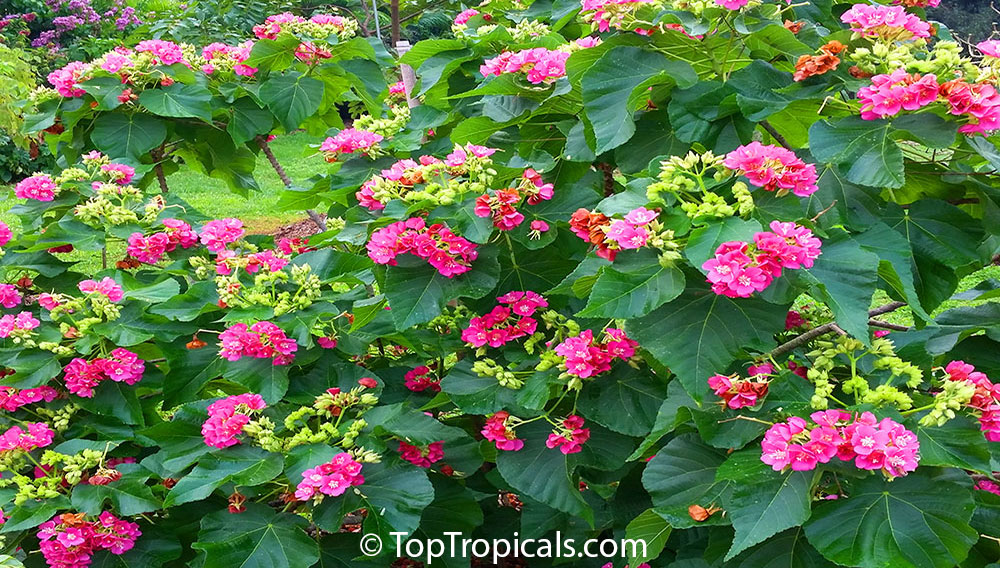
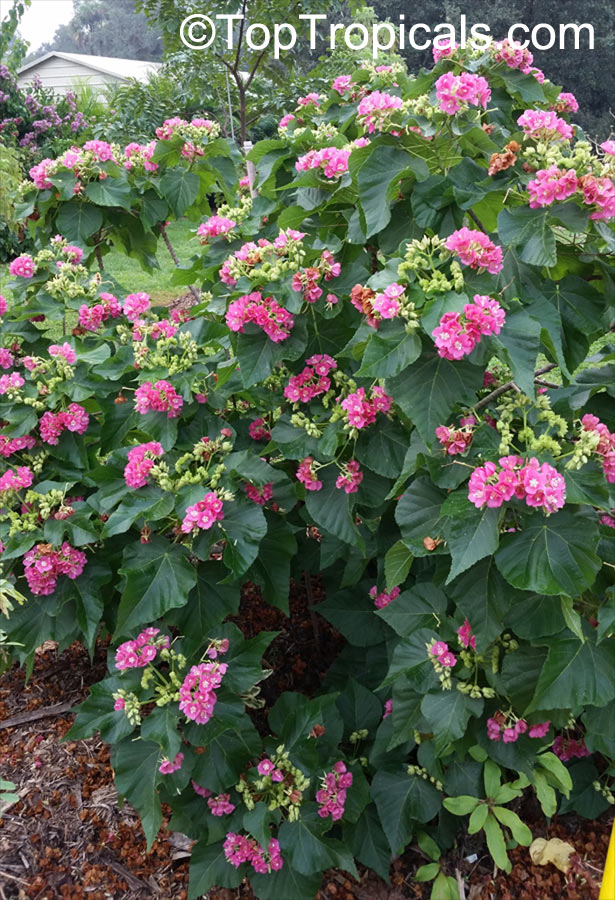
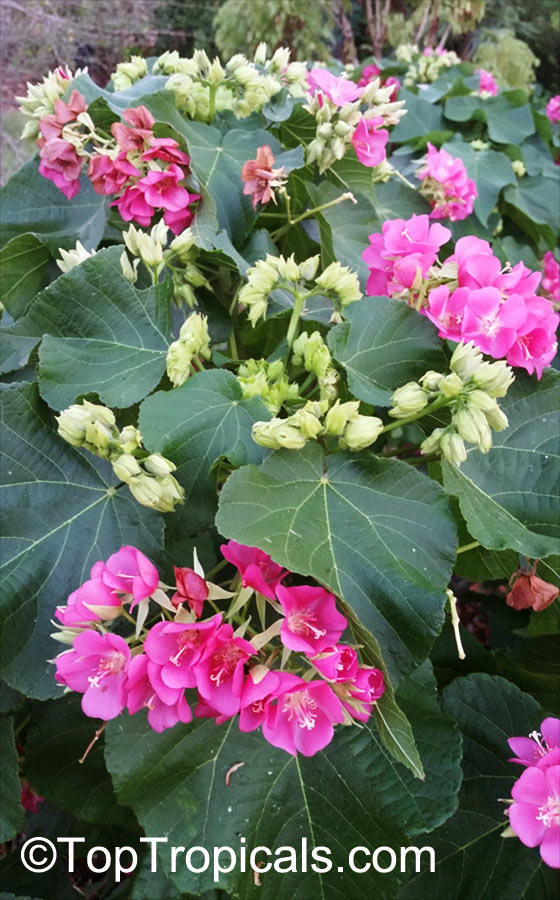
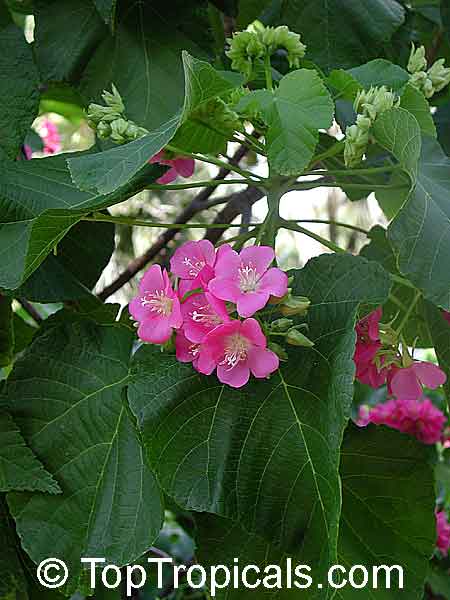
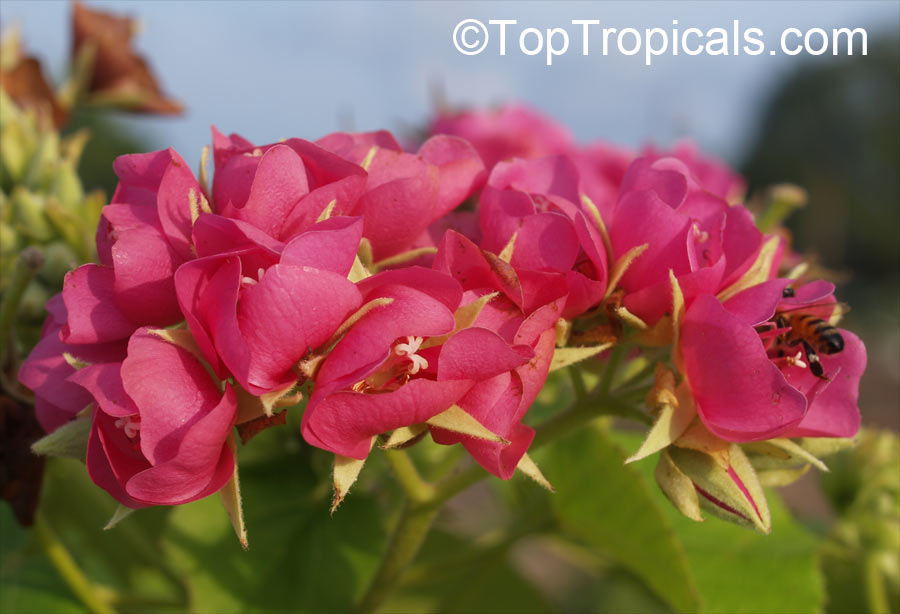
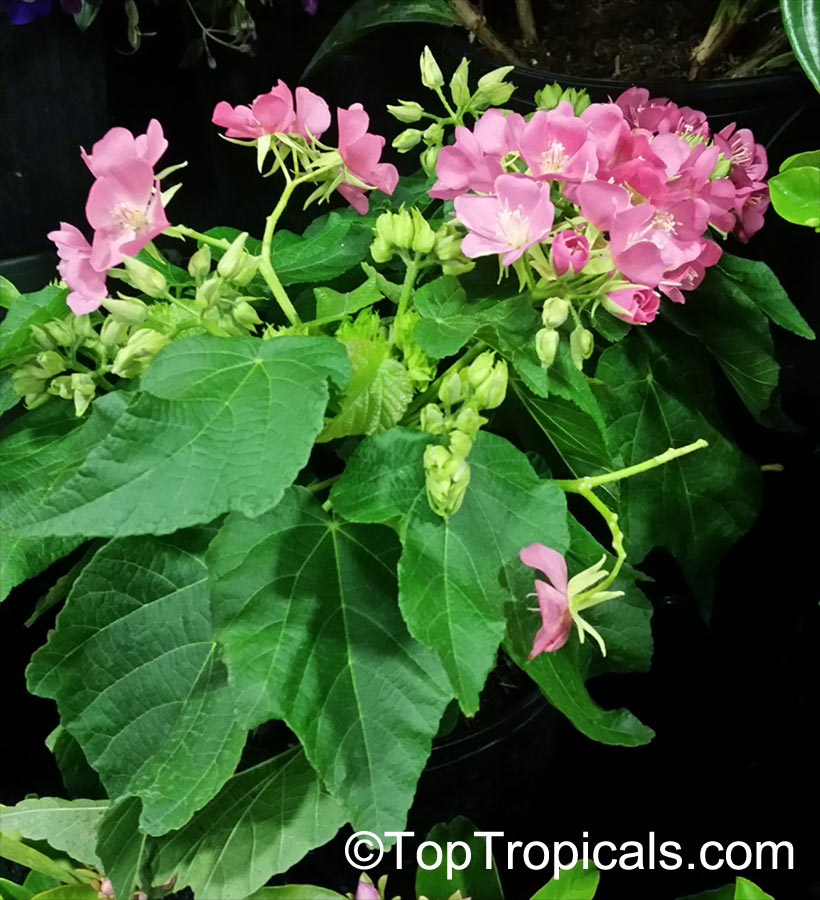
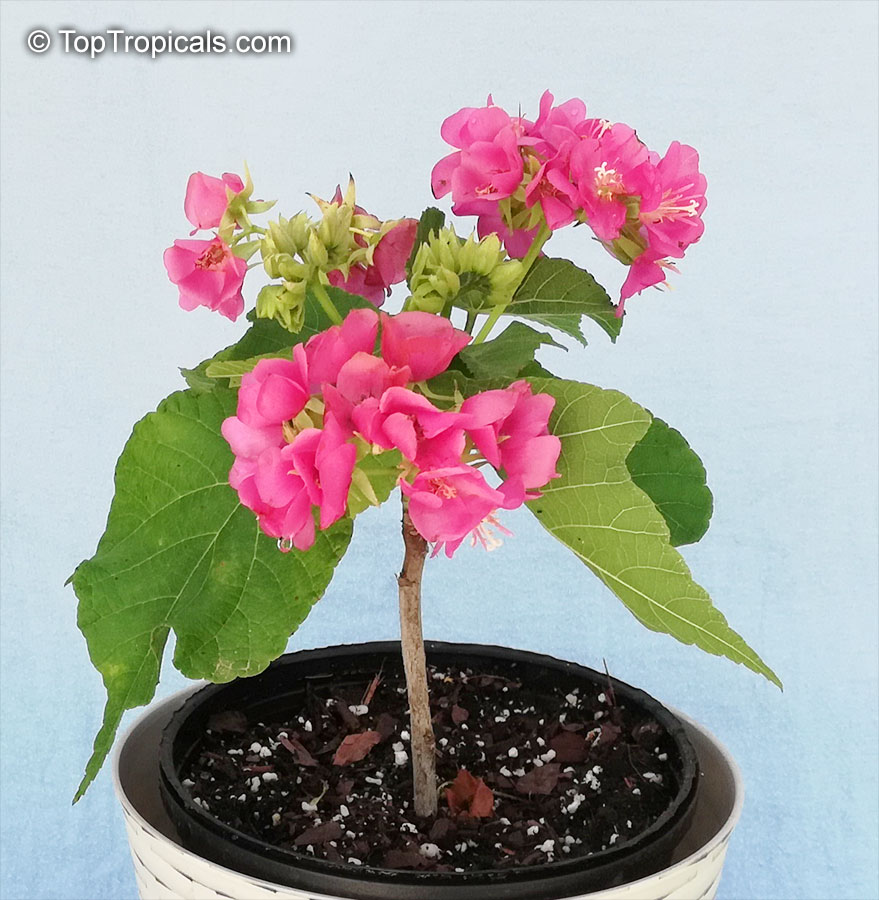
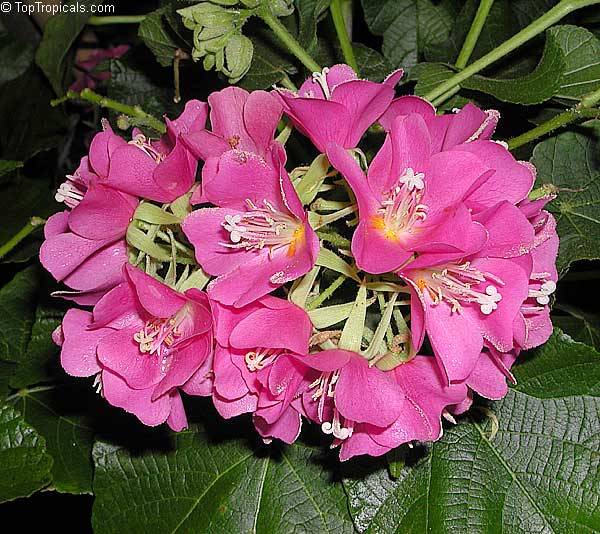
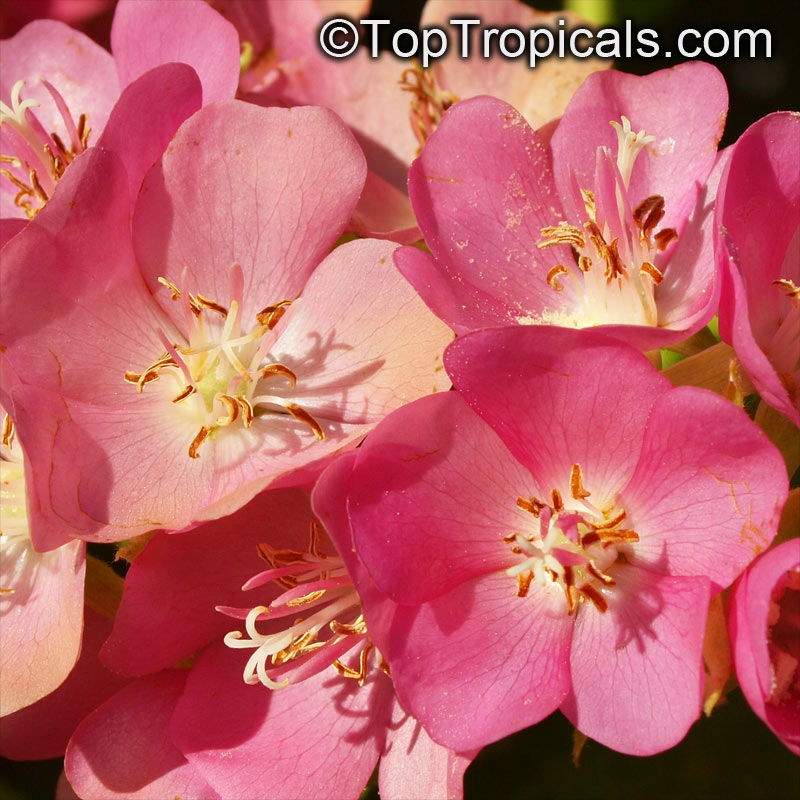
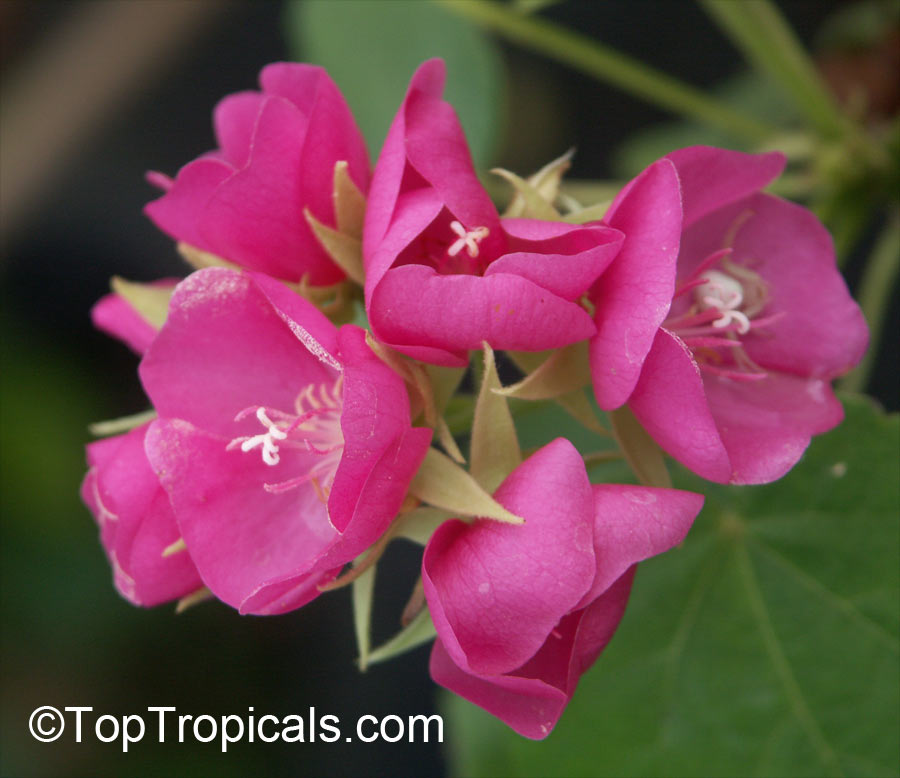
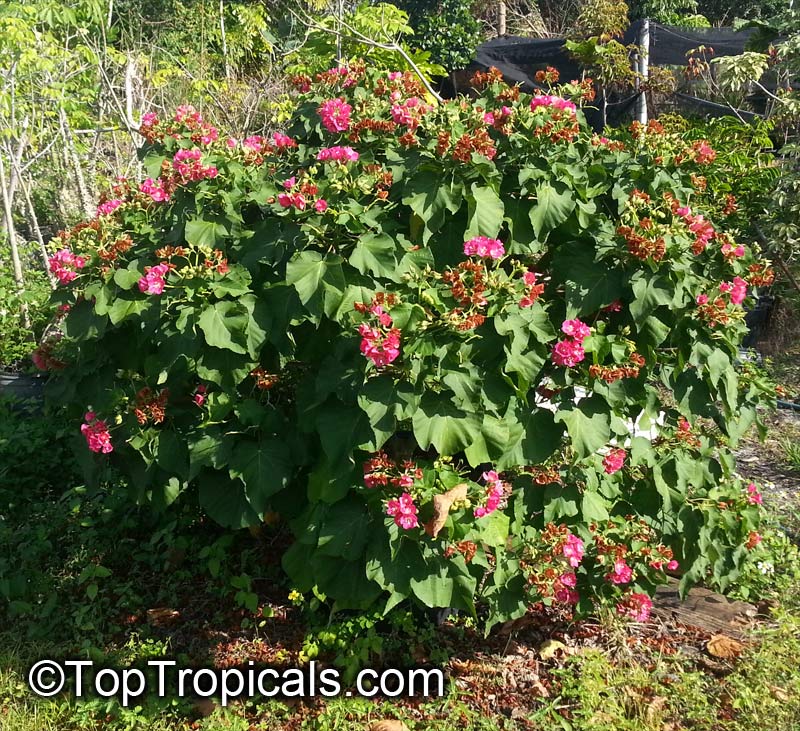
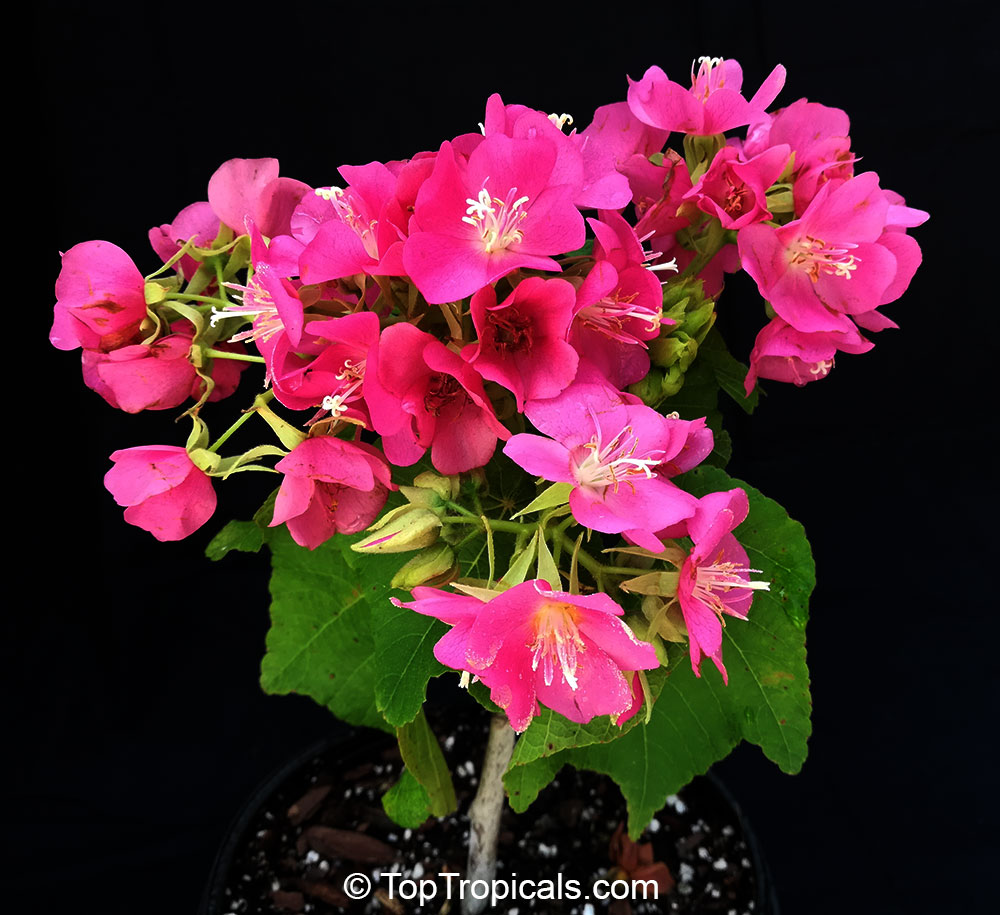
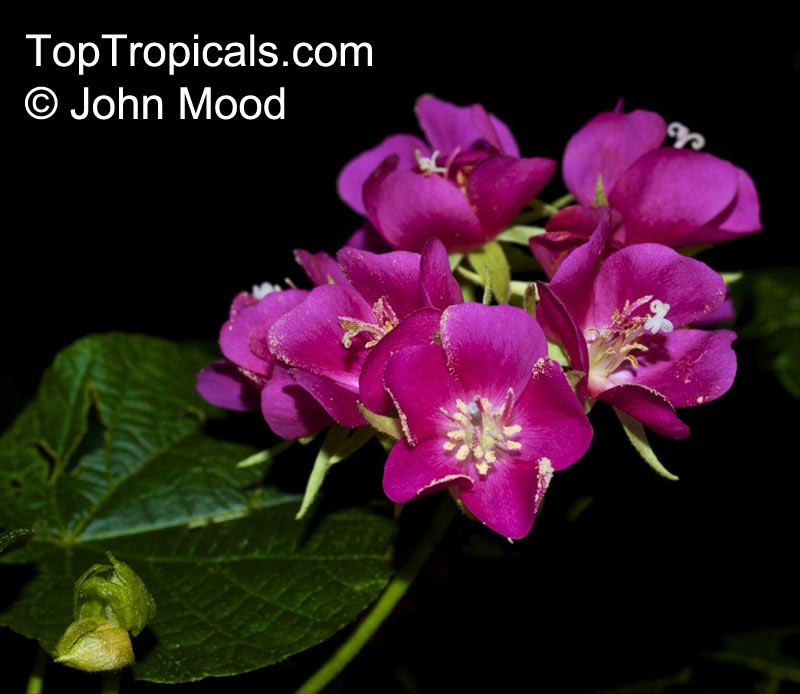
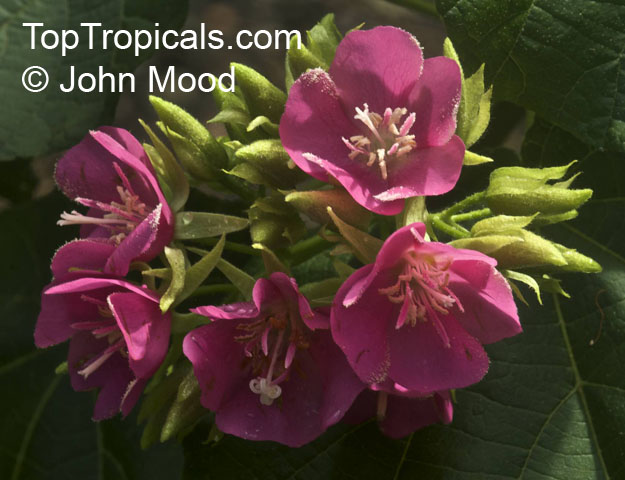
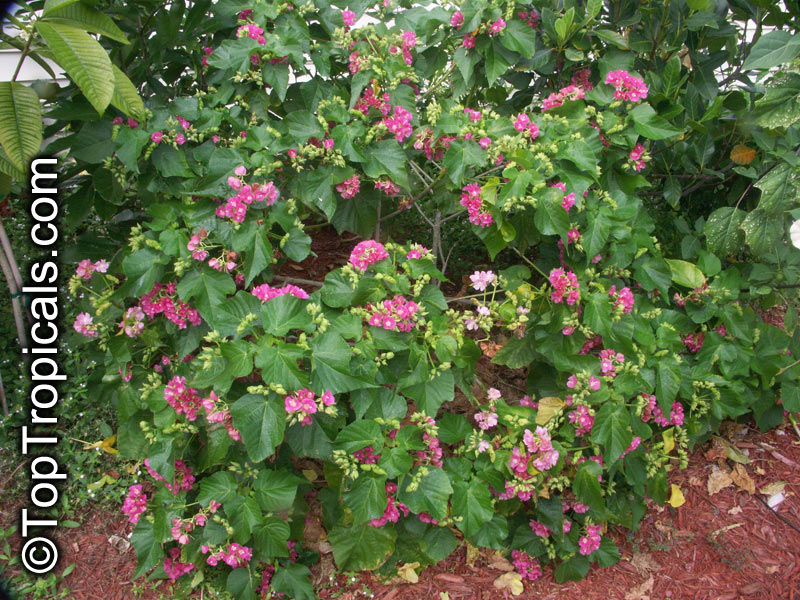
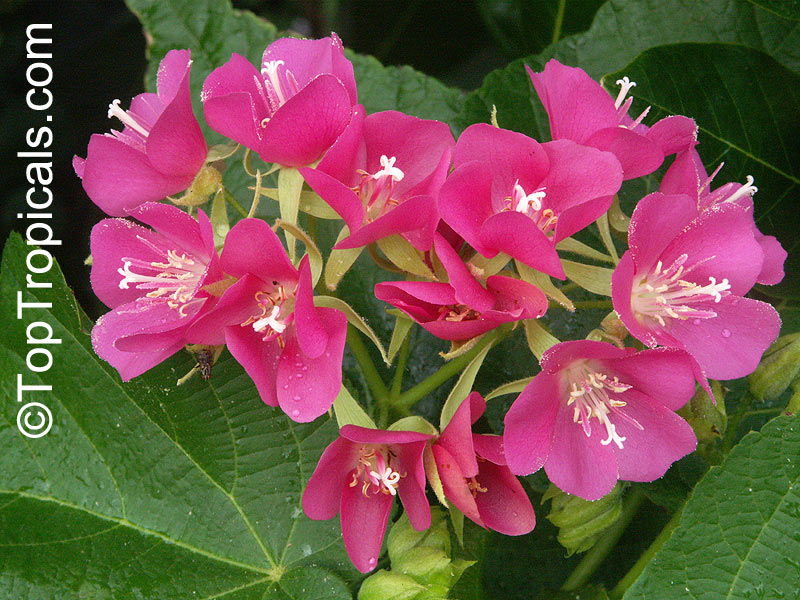
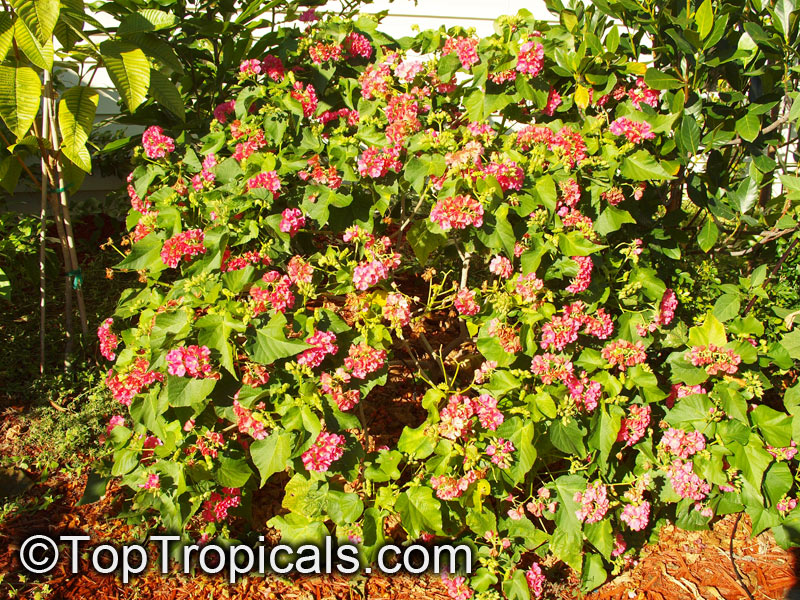
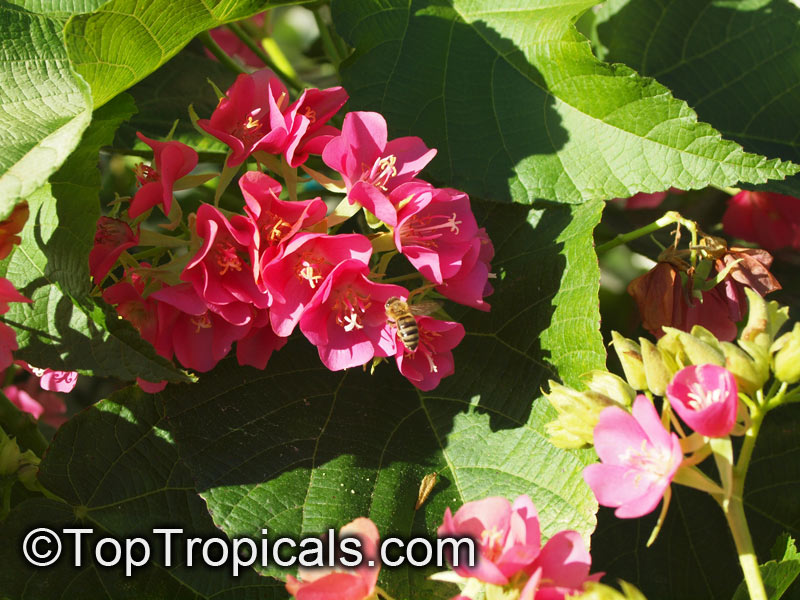
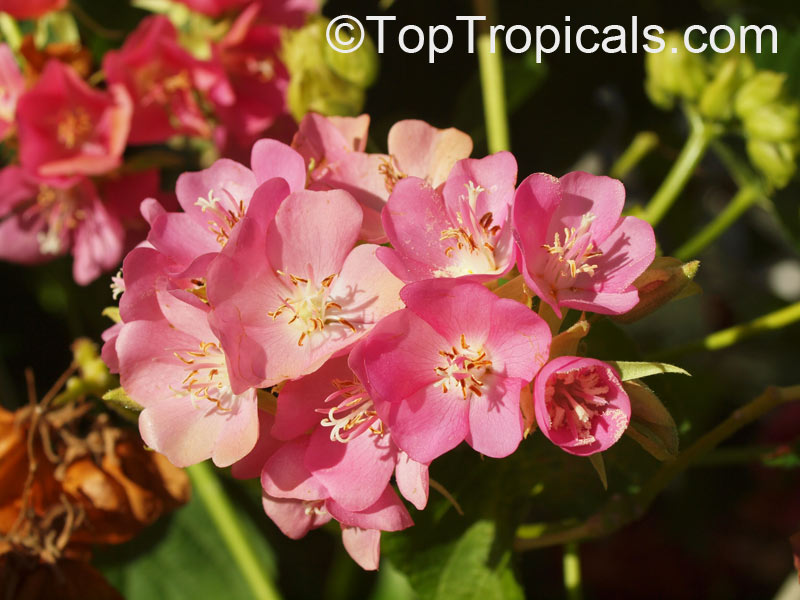
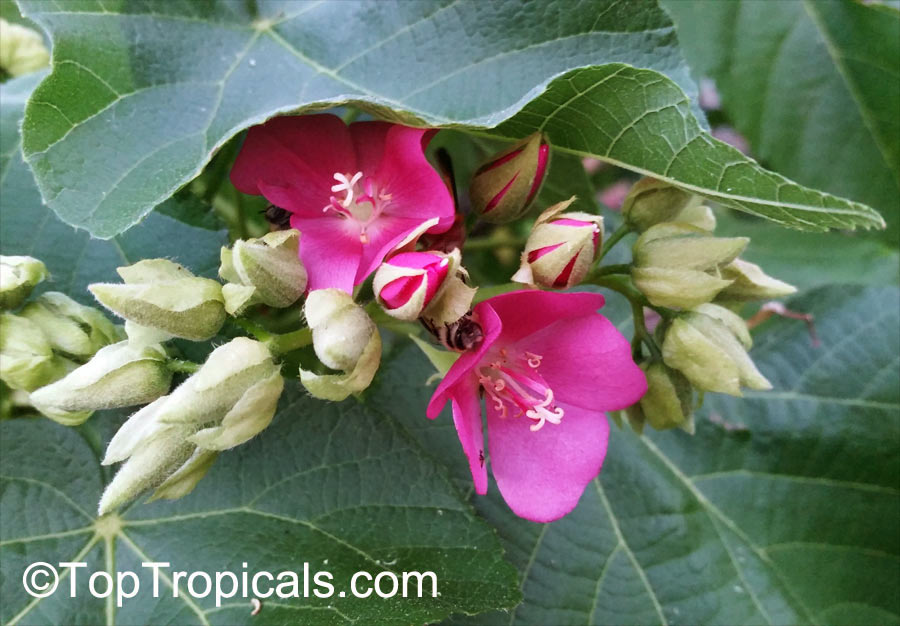
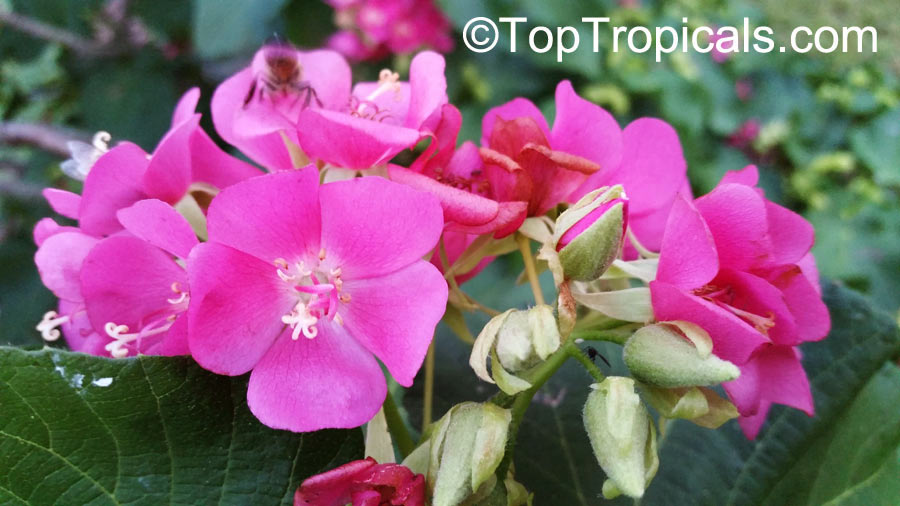
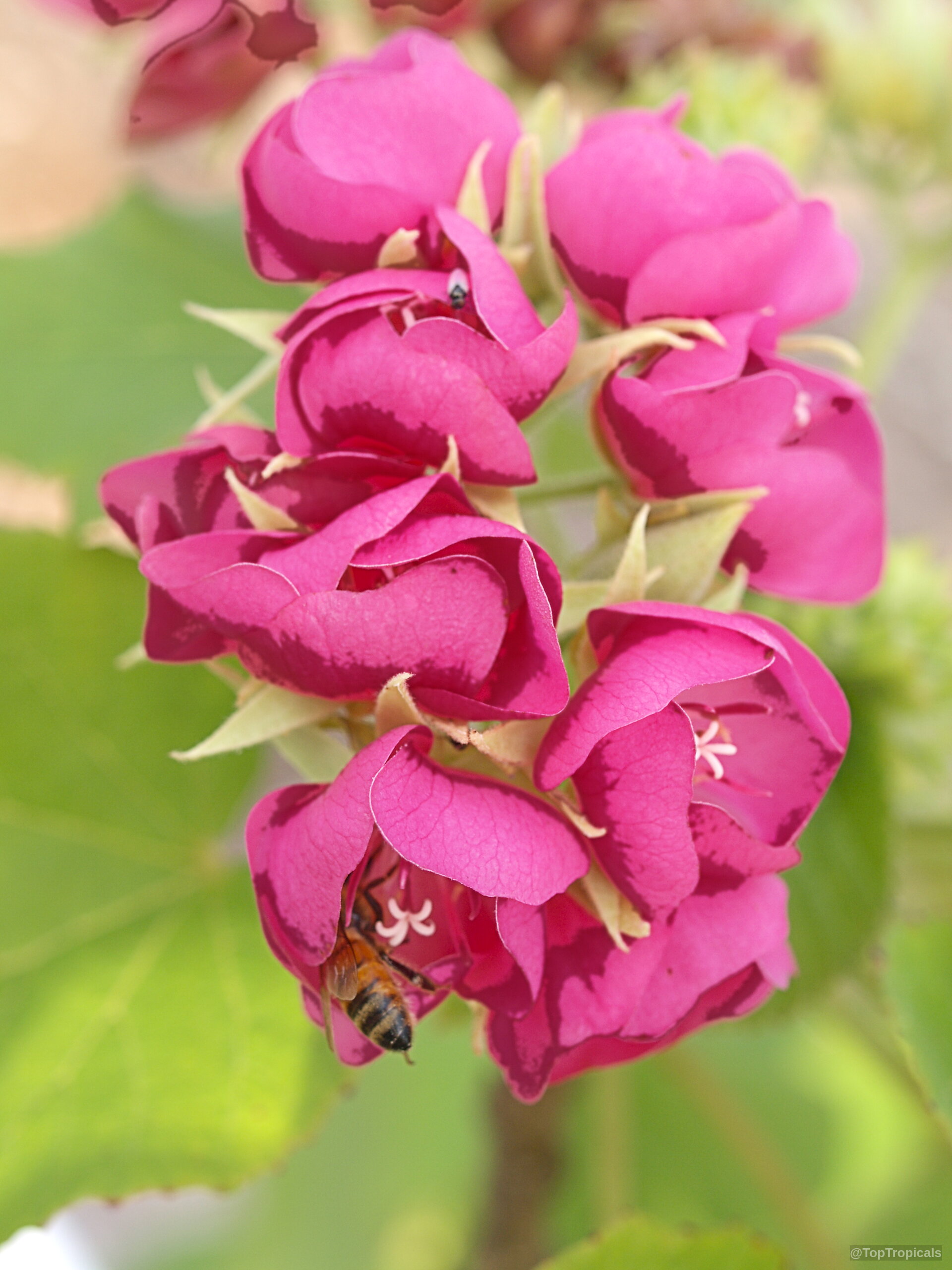
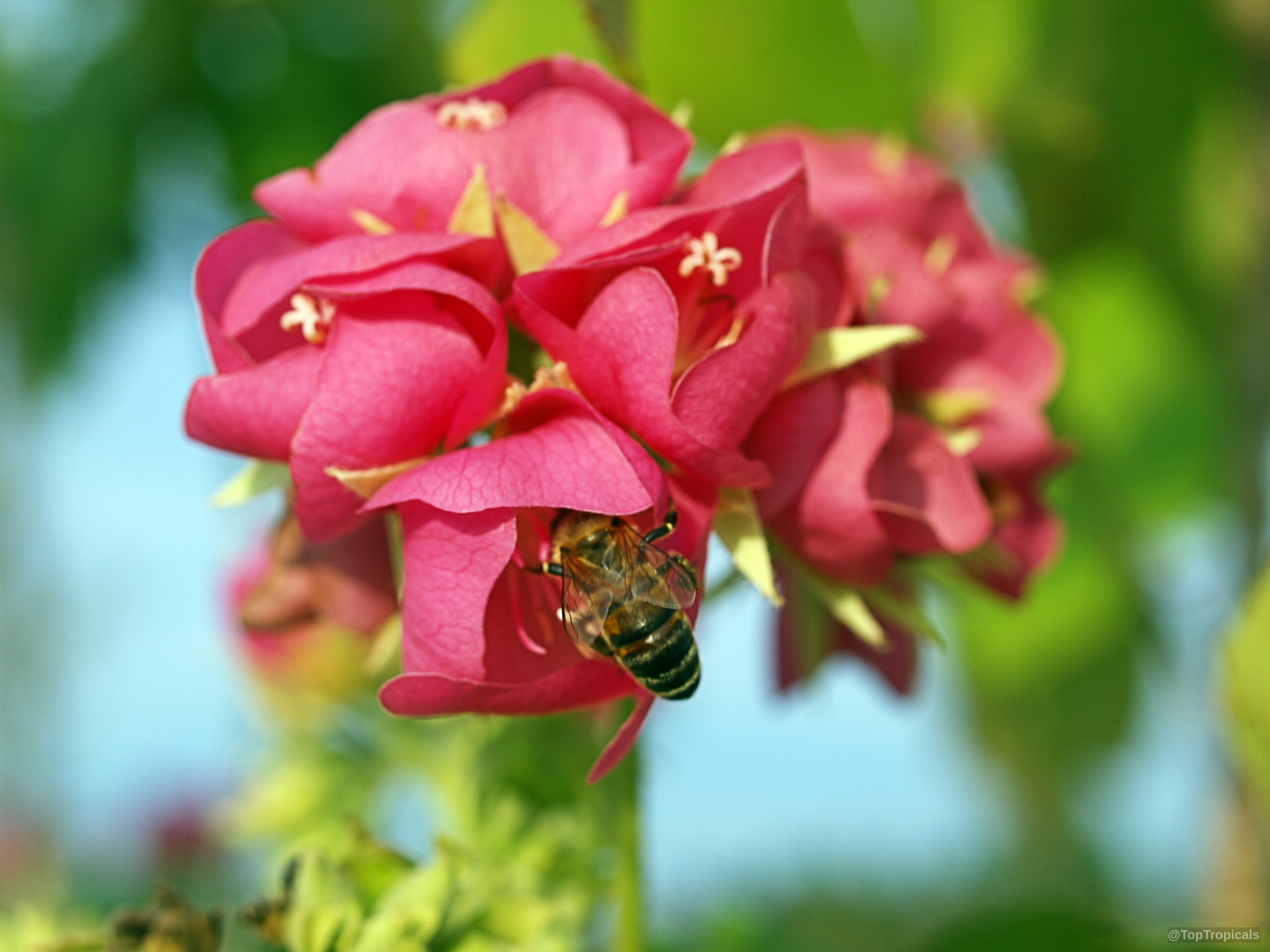
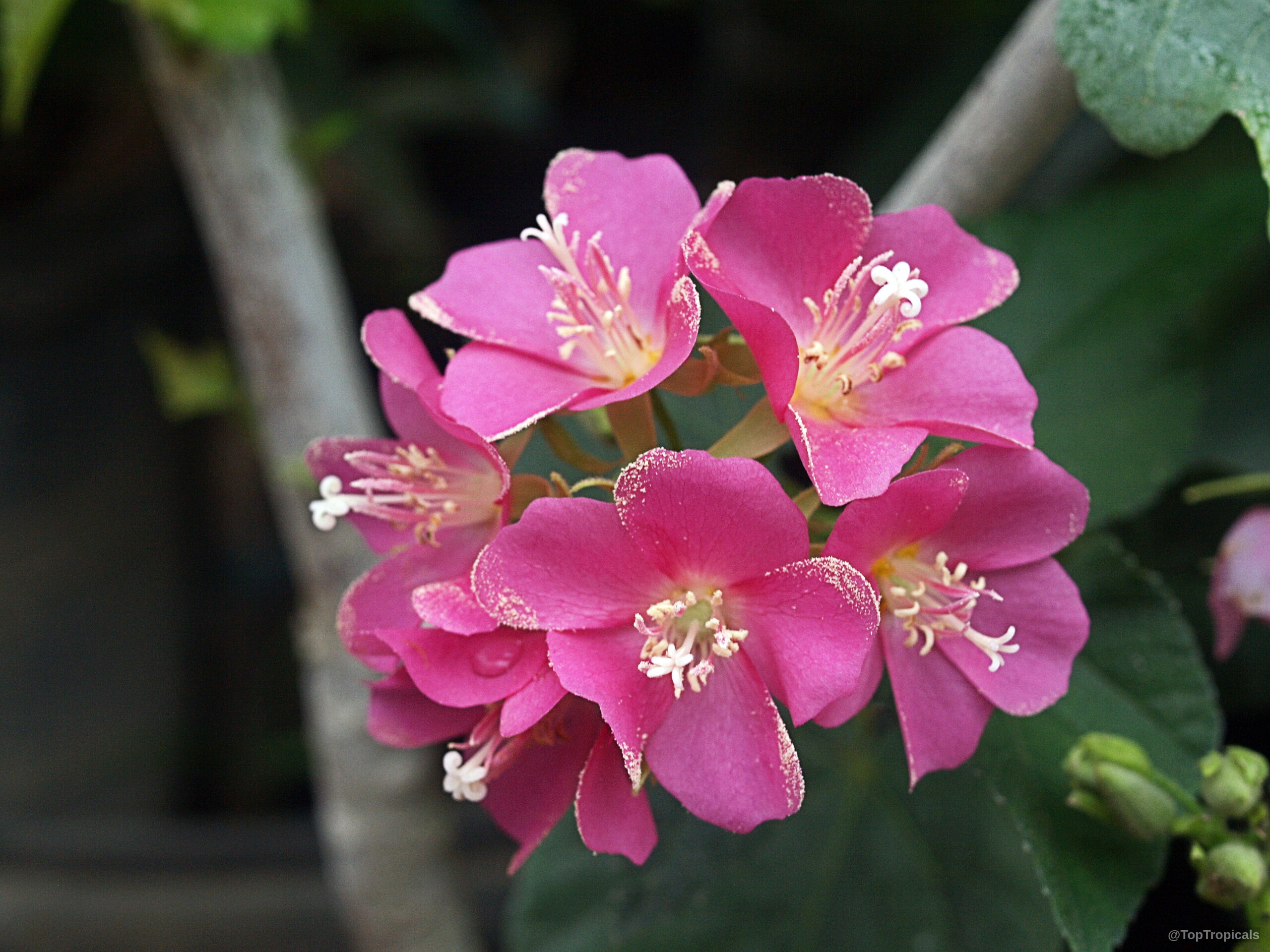
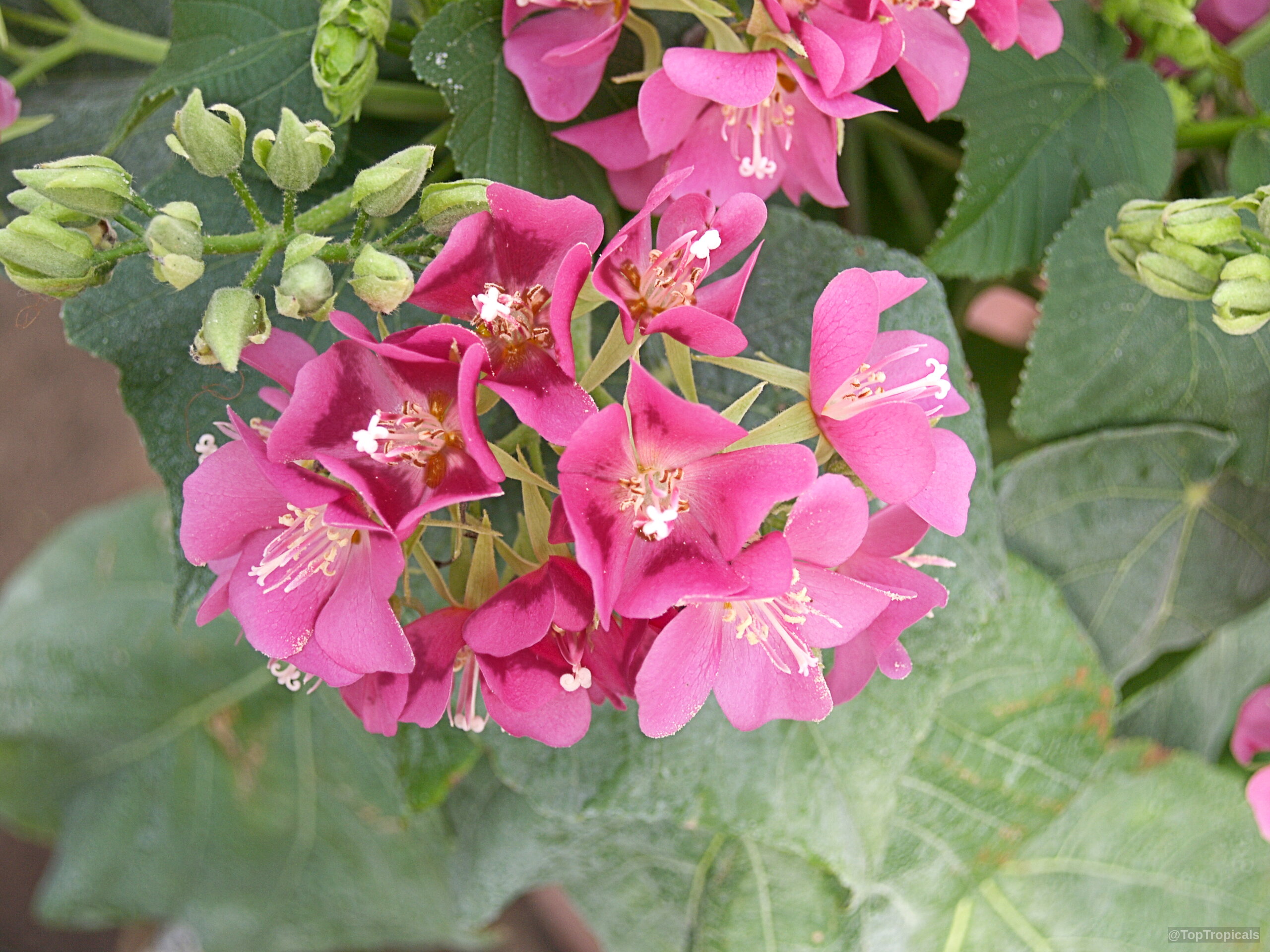
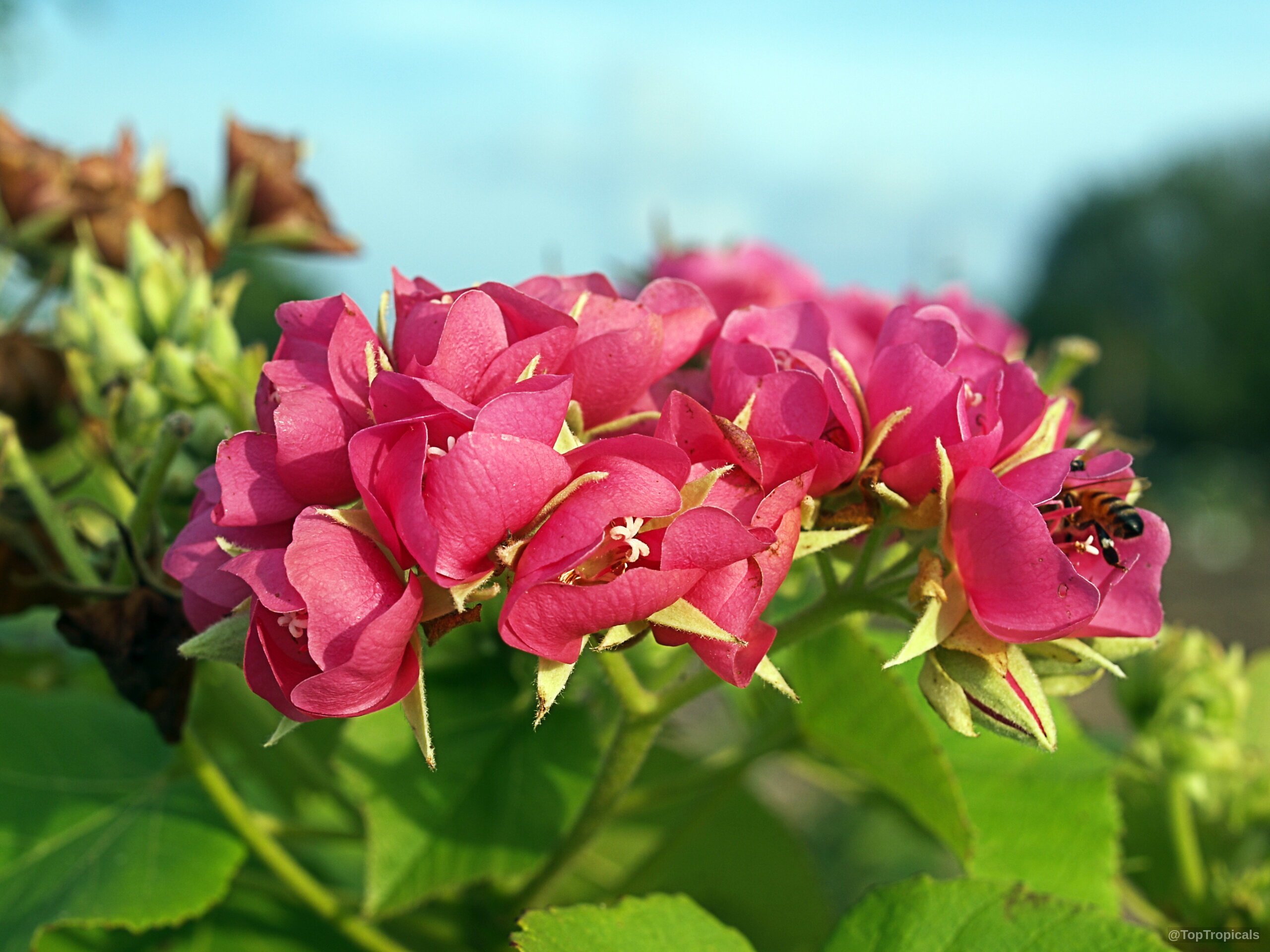
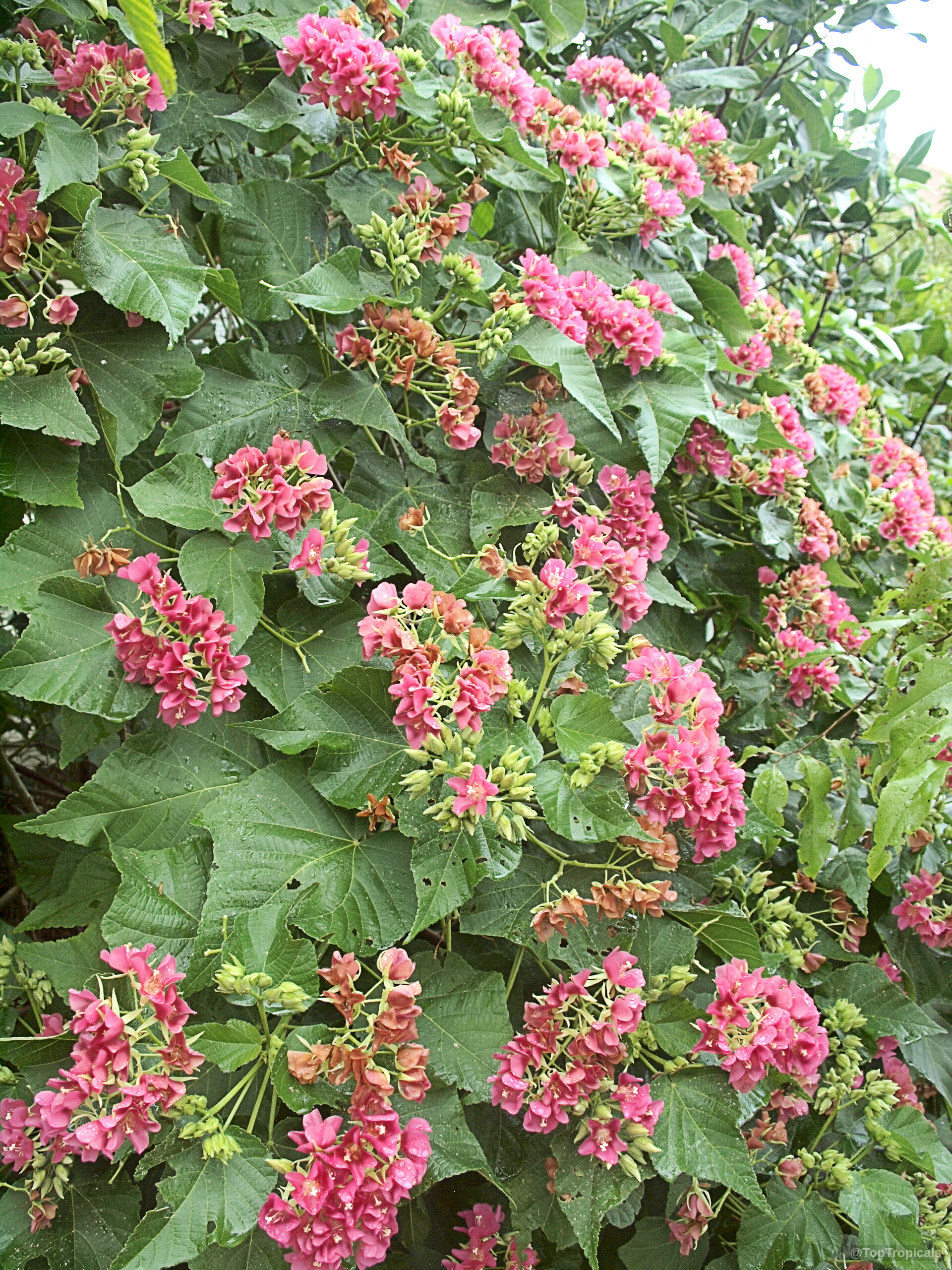
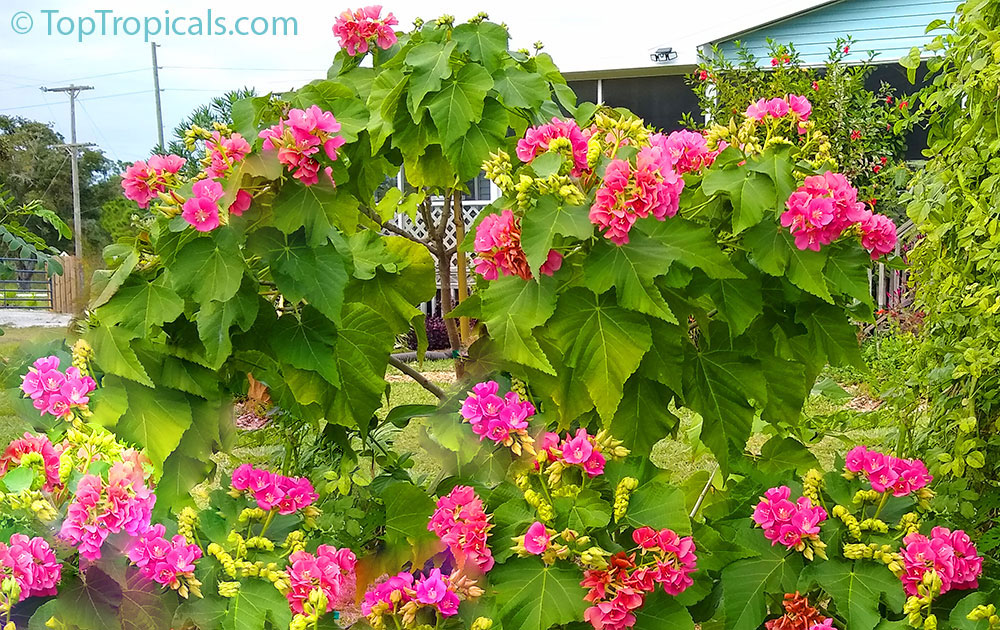
This winter bloomer puts on one of the best flower shows of any shrub here in Florida. It is sometimes called the tropical hydrangea because its flowers are similar to the hydrangeas we know from up North. The flowers are pink to rose color and bloom from fall to spring. That means it's blooming all winter in Naples during season, when the most color is desired and appreciated. Dombeya Seminole is a large shrub that grows 7 feet tall and about the same in width. It can be kept to about 5 feet tall with pruning.
This shrub will grow in full sun to partial shade and will tolerate poor soil. The more sun, the fuller the shrub, and that also encourages the maximum number of flowers. It is also fairly drought-tolerant once established.
Recommended Fertilizer: SUNSHINE Megaflor - Bloom Nutrition Booster