Garden Blog - Top Tropicals

Date: 8 Jul 2020

Grafted fruit trees for Hawaiian gardens
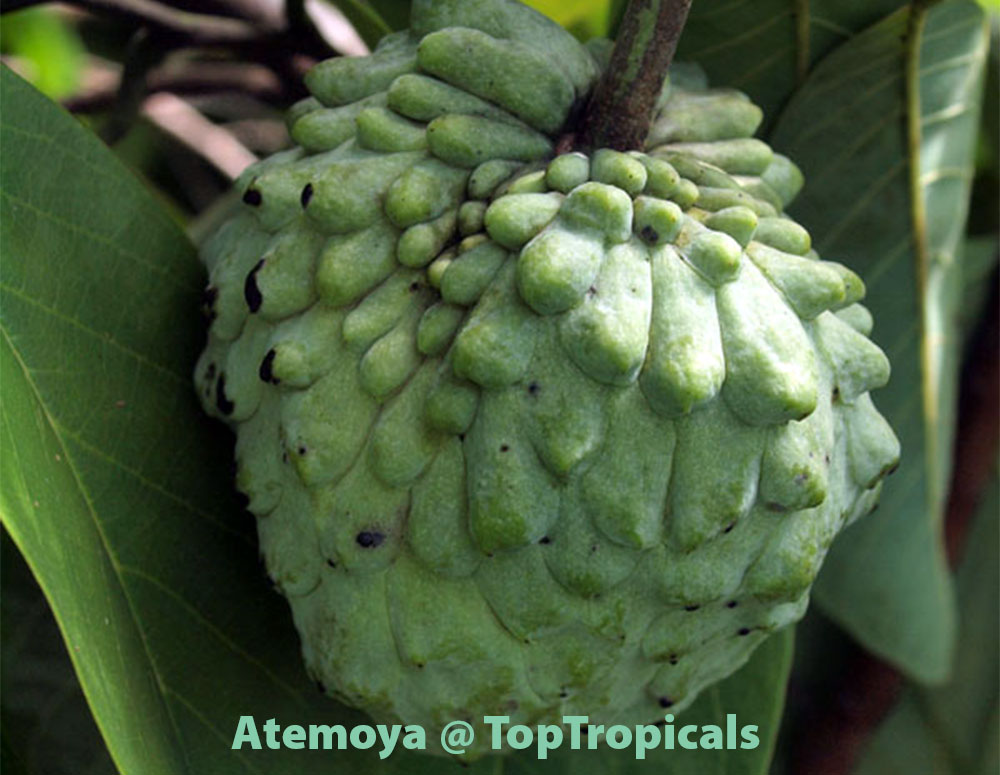
In the photo: Atemoya, one of the Annonas - fruit lover favorites.

Q: Aloha guys, I purchased a Diospyros digyna - Black Sapote grafted var. Black Beauty from you and am checking to make sure it will fruit by itself and not need both sexes. Also checking to see if the grafted atemoya I bought from you will fruit at sea level (where I'm at) or if I should give it to a friend who is above 1,000 so it will fruit? My grafted Maimi soursop is thriving! Looking at getting a grafted jackfruit from you all next.

A: Black sapote Black Beauty does not need a second plant to produce fruit. Grafted trees should be flowering and setting fruit right away, or sometimes on the second year.
Atemoya does not require high elevation for fruiting. It is a hybrid Annona squamosa x Annona cherimola (A. cherimola species prefers higher elevation) so Atemoya is usually is happy at sea level.
Congratulations with your Soursop! It should be really happy in your location.

As for grafted Jackfruits, this is the list of varieties we usually carry. Since many of them are very rare, they sell out quickly once we get new arrivals. If you are looking for a specific variety, I strongly recommend to add it to your wishlist (click on "Notify me when available") and you will receive email from us as soon as we have it in stock, so you will be the first one to know about it!

Our favorite Jackfruit varieties (and also hot sellers)

Black Gold
Borneo Red
Crispy
Dang Rasimi

We also suggest to get a Kwai Muk (while we still have it!) - the most delicious fruit, and it should do well in Hawaii.

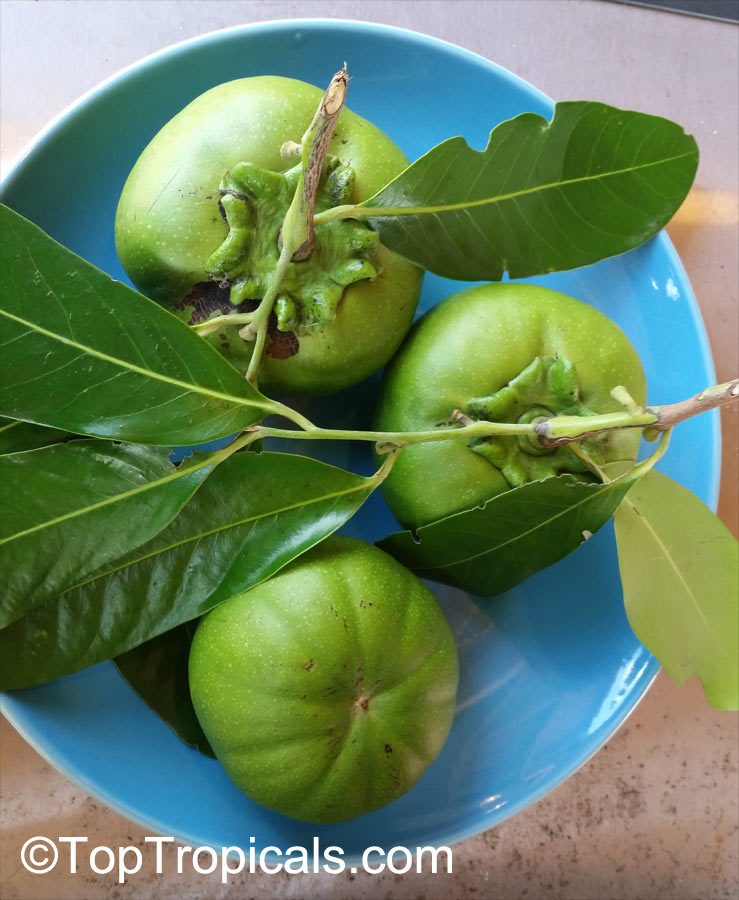
In the photo: Black Sapote

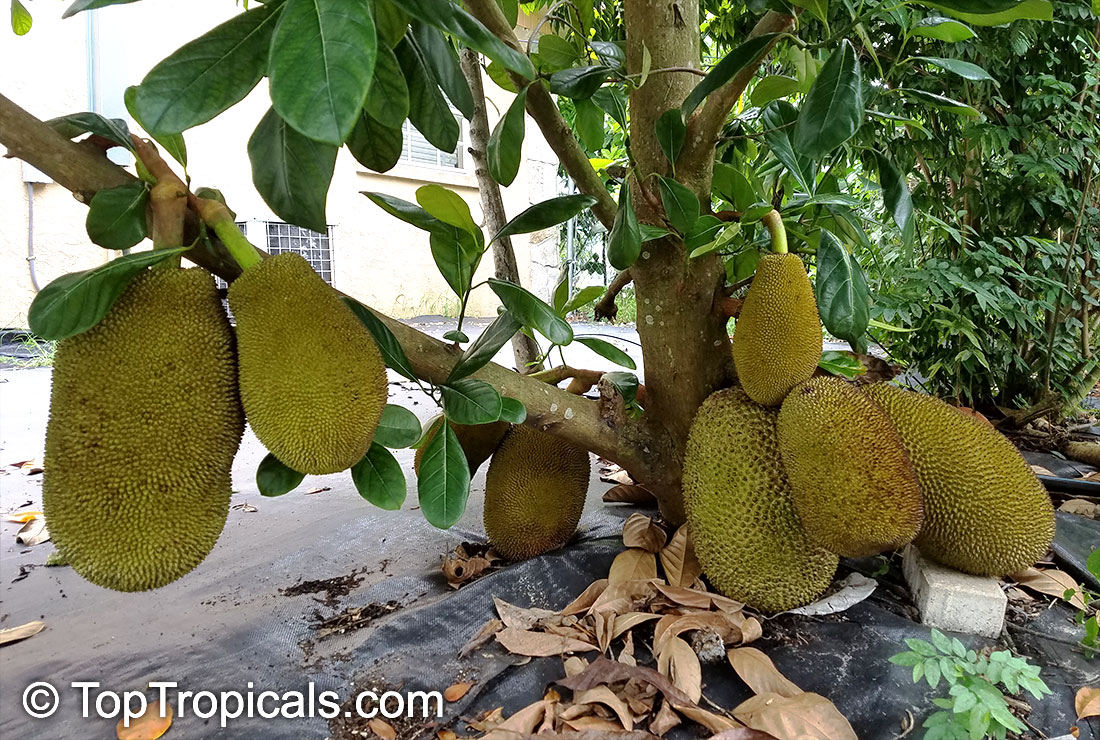
In the photo: Jackfruit at TopTropicals Garden in Ft Myers, FL

Date: 20 Mar 2020

Back to Earth Check List

1. Stay calm. Remember, it's not the problem that creates the biggest problem; it is our reaction to it.
2. Focus on positive. Do not dwell on things you can't change. The Universe will unfold as it should, and your happy thoughts will provide the guidance.
3. Get connected with the Nature. It has all the answers. Go outside and see the Sun, the Sky. Now it is finally the time to smell the flowers.
4. Bring simple good things in your every day life. Like a simple food recipe, or a good movie with a happy end.
5. Connect with friends and talk only about nice things (remember 2)
6. Start a vegetable and fruit garden. Begin your sustainability with herbs at the end of this email. We will help you step by step in our next letter.
7. Go to bed with happy thoughts. Together, we will make it.

"The best way out is always through" - Robert Frost -

Date: 13 Mar 2020

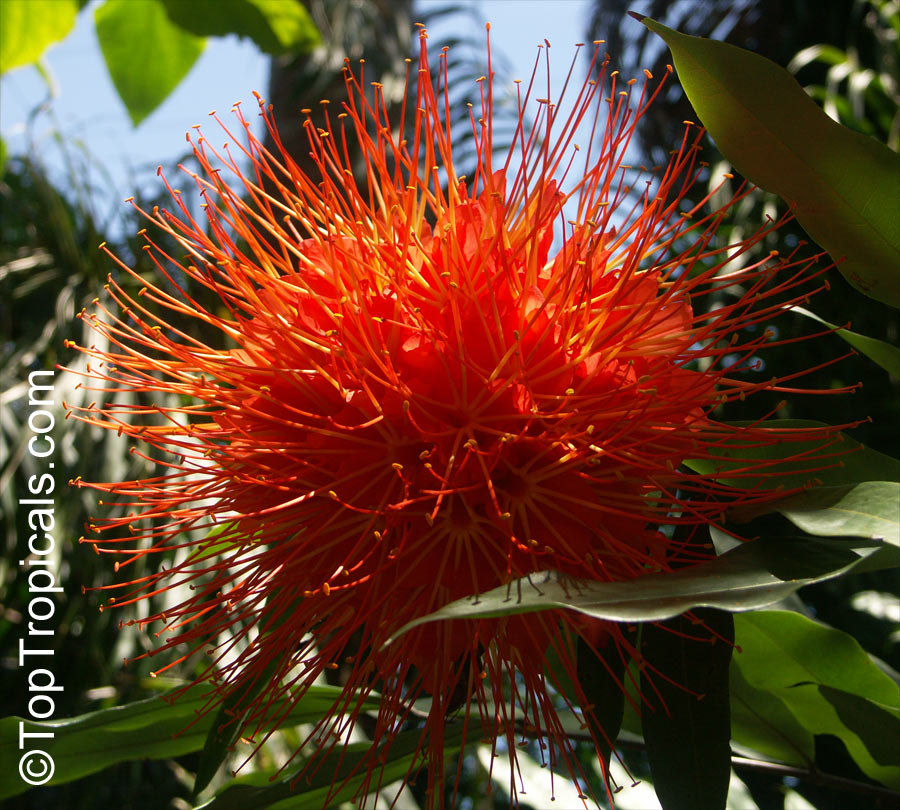
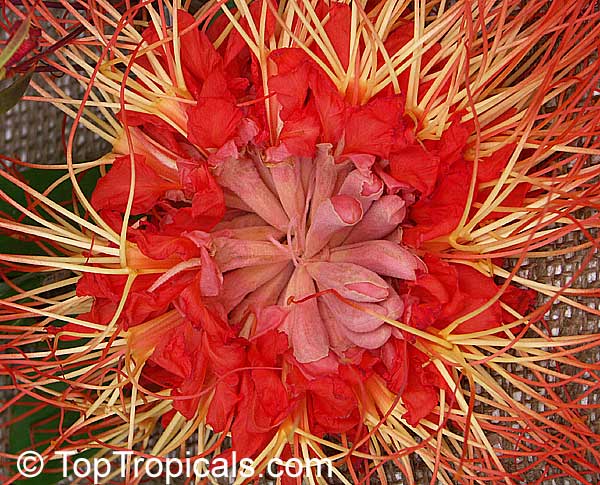
The stunning beauty of Brownea

by Mark Hooten, the Garden Doc

Recently, while admiring the stunning beauty of a large flowering Brownea planted on the grounds here at Top Tropicals, I began wondering why these most splendid of tropical flowering trees remain so rare and obscure in South Florida. Much of our local climate seems perfectly conducive to their cultivation...

CONTINUE READING >>

Date: 15 Feb 2020

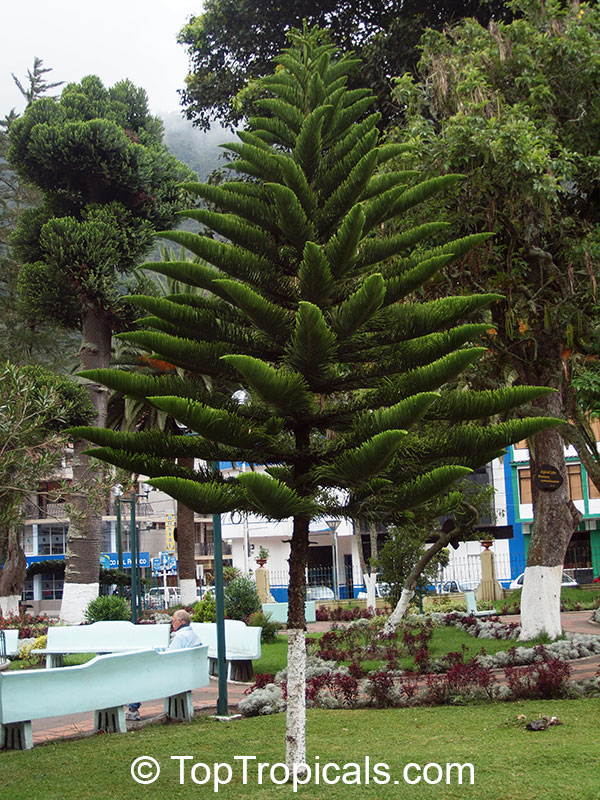
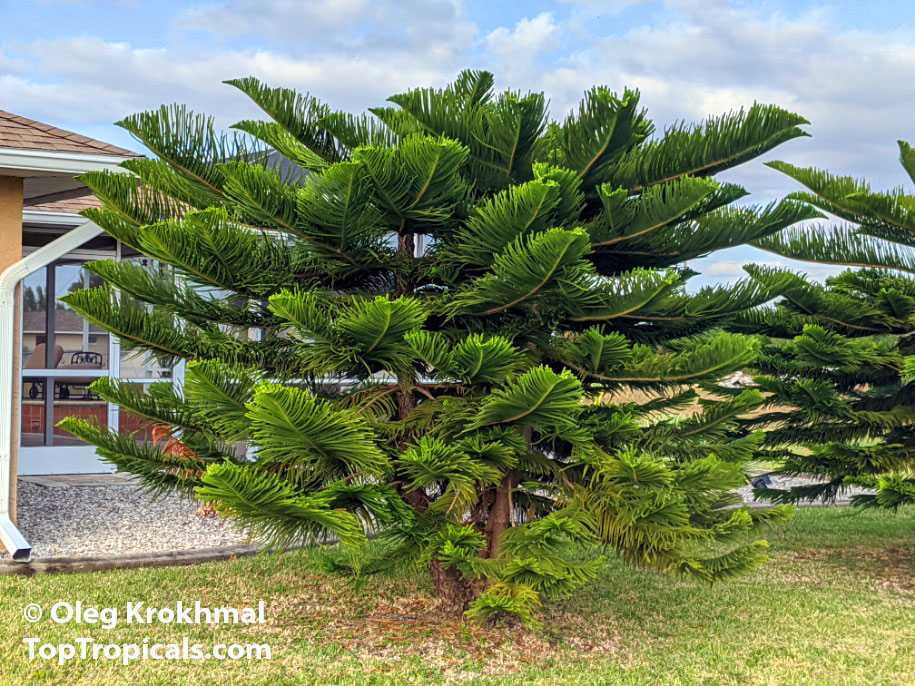
Araucaria: A Case of Mistaken Identity

by Mark Hooten, the Garden Doc

There is a particular kind of tall narrow tree, commonly seen planted in yards all over the Florida peninsula... They perhaps resemble Northern spruces or firs, and basically everyone knows them as "Norfolk Island Pines". For many years, I also did not question their identity. Not only are they planted very commonly here in Florida, but are also found for sale, often as potted "Christmas Trees" in every major nursery, big box store, and often grocery stores across the country. They are all sold as Norfolk Island Pines. Basically everyone knows them under that name. However, they are NOT!..

CONTINUE READING >>

Date: 23 Jan 2020

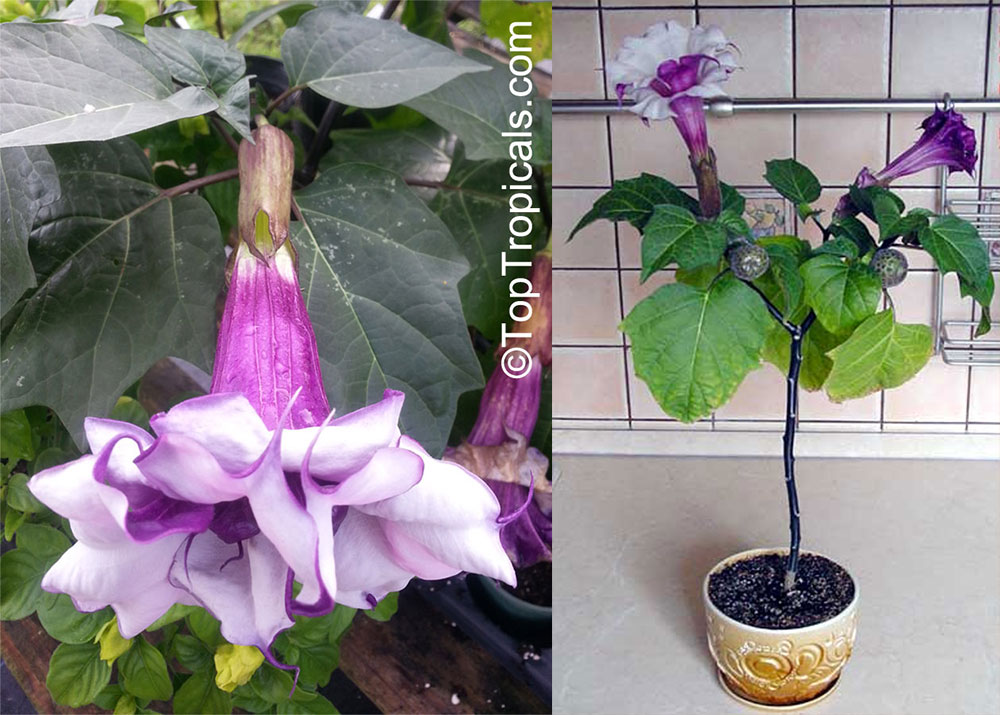
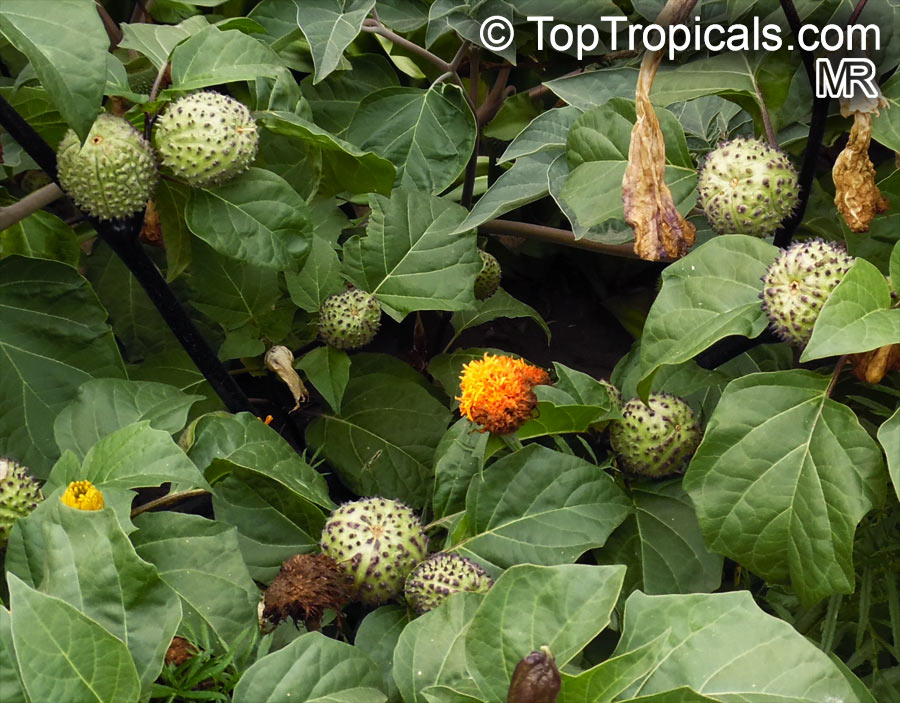
Datura: a fragrant treat for tropical or indoor garden

Q: A few years ago I purchased Datura from you and it was doing well. As a matter of fact I took cuttings and propagated new plants. Now they have markings on the leaves and I do not know what it is. Any remedy?

A: Generally, Datura is a bi-annual plant, unlike its close relative perennial Brugmansia that grows for many years. Which means, Datura is short-lived (2-3 years maximum for the same plant) although it seeds easily and is a very fast grower, reaching from seedling to 4-5 ft size in a matter of couple months.
At this time of the year, markings on the leaves may be a result of normal aging (the plant may already exhausted its natural cycle) in combination with a cool weather that affects the leaves and overall look.
Here at Top Tropicals we especially love this plant and keep up with propagating new plants every few months. Propagation may be by means of seeds or cuttings, but seeds are always better for stronger, longer-lasting Datura specimens. A lot of times you will notice little baby seedlings around the Mother plant, even if you think all seeds has been harvested.
Just continue growing younger plants from seeds, and Datura will always be with you in your garden to bring you joy of showy scented flowers. It makes a great houseplant too!

Read more about Datura...

Datura seeds always come in abundance and germinate easily