Garden Blog - Top Tropicals

Date: 3 Dec 2024

What is the most excusive tropical Christmas flower?
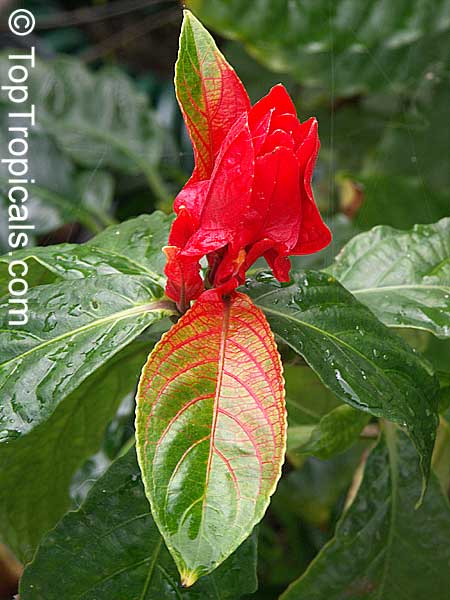
What is the most excusive tropical Christmas flower?

🎄 What is the most excusive tropical Christmas flower?


  • 🎅 A festive showstopper, Ruellia colorata, known as Colorama, is a rare and vibrant addition to exotic container plant collection. Its brilliant scarlet bracts color up for Christmas and stay bright carmine for several months.

  • 🎅 Native to Brazil, this small plant grows 2-4 feet tall, displaying brilliant scarlet bracts and crimson flowers that stay bright for months, adding a touch of holiday cheer.

  • 🎅 One of Colorama's most striking features is its photoperiodic response: the top leaves turn crimson red around Christmas time due to changes in daylight length, much like the beloved Poinsettia. After winter, these leaves return to green, keeping the plant lively and versatile year-round.
  • Photoperiodism is the process where plants respond to the length of day and night, triggering changes such as leaf coloration or flowering.

  • 🎅 Its blooms are a magnet for butterflies and hummingbirds, making it a favorite for wildlife enthusiasts.

  • 🎅 Colorama thrives in shady to semi-shady spots and requires regular watering to stay lush and healthy. It's perfect for USDA zones 9-11 but can also be grown in colder regions if protected from frost. For winter care in cooler climates, move it indoors or to a warm area to keep this stunning beauty happy and blooming.

  • 🎅 When grown in pots, ensure good drainage, use rich organic soil, and place the plant in a bright location.

  • 🎅 Prune twice a year to maintain its compact, bushy shape, and fertilize with a flowering fertilizer once established.


🛒 Get your own Exclusive Christmas Colorama

#Container_Garden #Shade_Garden #Butterfly_Plants

🔴 Join 👉 TopTropicals

Date: 22 Dec 2025

Chaya Nutritious Omelet: quick-n-fun exotic recipes

Chaya Nutritious Omelet

Chaya Nutritious Omelet

Cnidoscolus aconitifolius (Chaya, Maya Spinach Tree)

Cnidoscolus aconitifolius (Chaya, Maya Spinach Tree)

🍴 Chaya Nutritious Omelet: quick-n-fun exotic recipes


Ingredients

  • Chaya leaves - about 2 cups packed, stems removed
  • Onion - 1 small, sliced
  • Eggs - 2
  • Cooking oil - 1 tablespoon
  • Salt - to taste

Instructions

  1. Boil chaya leaves in plenty of water for 10 to 15 minutes to remove natural toxins. Drain well and chop.
  2. Heat oil in a pan and saute the onion until soft and lightly golden.
  3. Add eggs and scramble gently.
  4. Fold in the cooked chaya and stir for 1 to 2 minutes until well combined.
  5. Serve warm. Flavor is similar to spinach with a firmer texture.

🛒 Add Chaya to your tropical Veggie Garden

📚 Learn more:

Spinach Tree Plant Facts

Cnidoscolus aconitifolius
Spinach Tree, Tread Softly, Cabbage Star, Chaya
USDA Zone: 9-11
Large shrub 5-10 ft tallSmall tree 10-20 ftSemi-shadeRegular waterOrnamental foliageWhite, off-white flowersEdible plantSpice or herb plantEthnomedical plant.
Plants marked as ethnomedical and/or described as medicinal, are not offered as medicine but rather as ornamentals or plant collectibles.
Ethnomedical statements / products have not been evaluated by the FDA and are not intended to diagnose, treat, cure, or prevent any disease. We urge all customers to consult a physician before using any supplements, herbals or medicines advertised here or elsewhere.Irritating plantSubtropical plant. Mature plant cold hardy at least to 30s F for a short time

#Food_Forest #Recipes

🟢 Join 👉 TopTropicals
Date: 10 Dec 2025

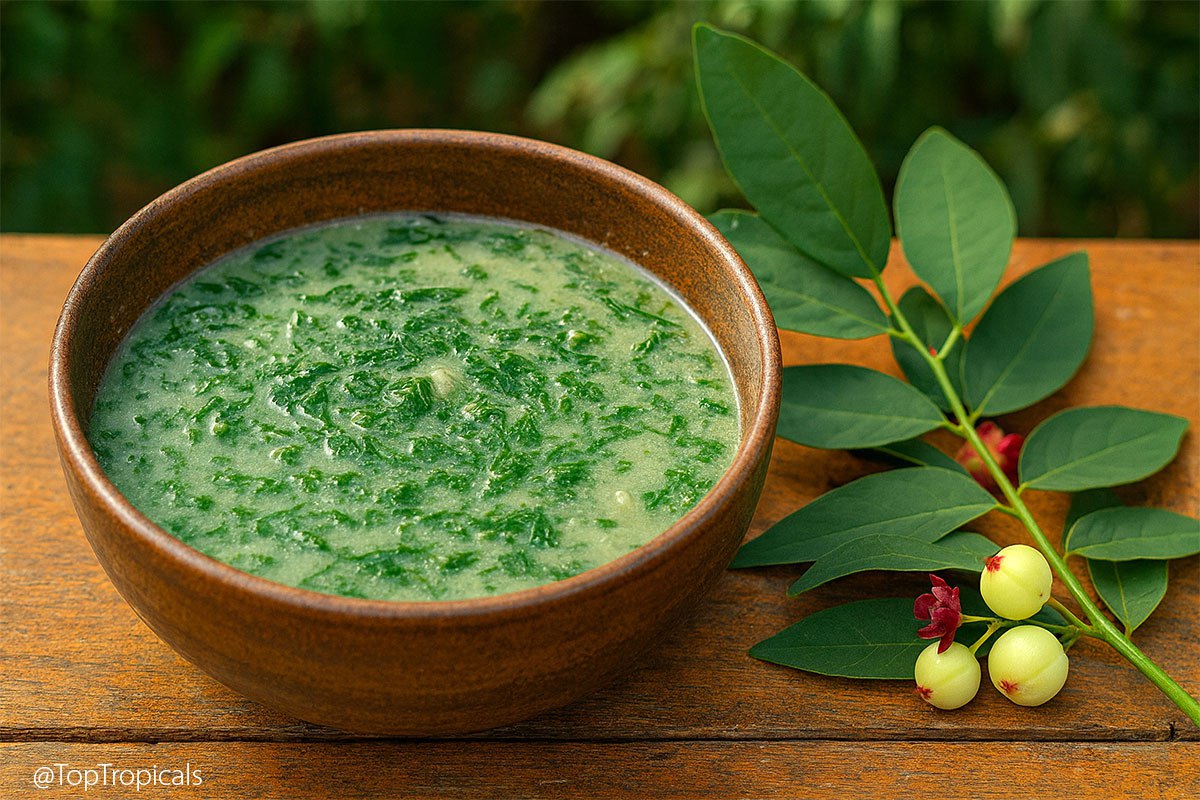
Katuk coconut soup: quick-n-fun exotic recipes

Katuk coconut soup

Katuk coconut soup

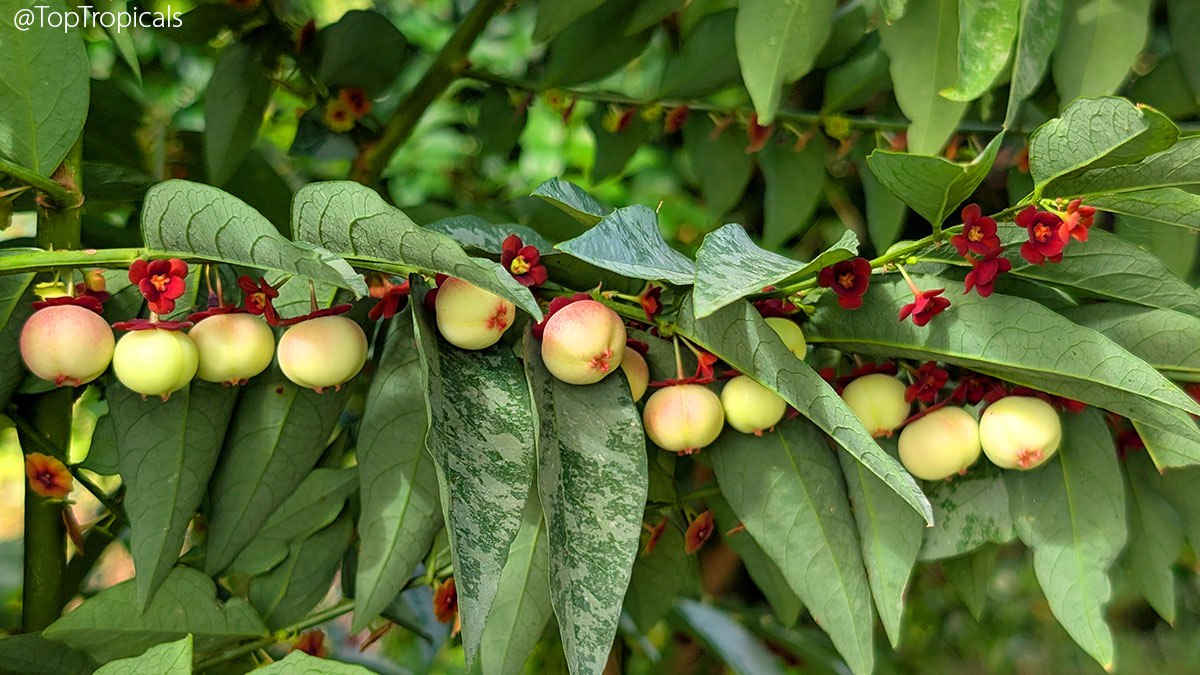
Katuk leaves - Sauropus androgynus, Tropical Asparagus

Katuk leaves - Sauropus androgynus, Tropical Asparagus

🍴 Katuk Coconut Soup

Ingredients

  • Katuk leaves (Sauropus androgynus), about 2 cups, stems removed
  • Coconut milk, 1 cup
  • Garlic, 1 clove, minced
  • Salt, to taste

Instructions

  1. Wash Katuk leaves thoroughly.
  2. Boil Katuk leaves in plenty of water for 15 minutes.
  3. Drain completely and discard the boiling water.
  4. Chop the cooked Katuk leaves.
  5. Warm coconut milk in a saucepan over low heat.
  6. Add garlic and simmer gently for 1 minute.
  7. Add the boiled Katuk leaves and cook for 3 to 5 minutes.
  8. Season with salt and serve warm.

Important Safety Note

Katuk leaves must always be boiled for at least 15 minutes and the water discarded. Do not consume raw or lightly cooked Katuk.


🛒 Add Katuk Superfood to your Food Forest

📚 Learn more:

Katuk Plant Facts

Breynia androgyna, Sauropus androgynus
Katuk, Star Gooseberry, Sweet Leaf, Tropical Asparagus, Chang Kok, Manis, Nutty Leaf, Rau Ngot
USDA Zone: 9-11
Large shrub 5-10 ft tallSmall plant 2-5 ftSemi-shadeFull sunRegular waterRed, crimson, vinous flowersOrnamental foliageEdible plantEthnomedical plant.
Plants marked as ethnomedical and/or described as medicinal, are not offered as medicine but rather as ornamentals or plant collectibles.
Ethnomedical statements / products have not been evaluated by the FDA and are not intended to diagnose, treat, cure, or prevent any disease. We urge all customers to consult a physician before using any supplements, herbals or medicines advertised here or elsewhere.

#Food_Forest #Recipes

🟢 Join 👉 TopTropicals
Date: 6 Dec 2025

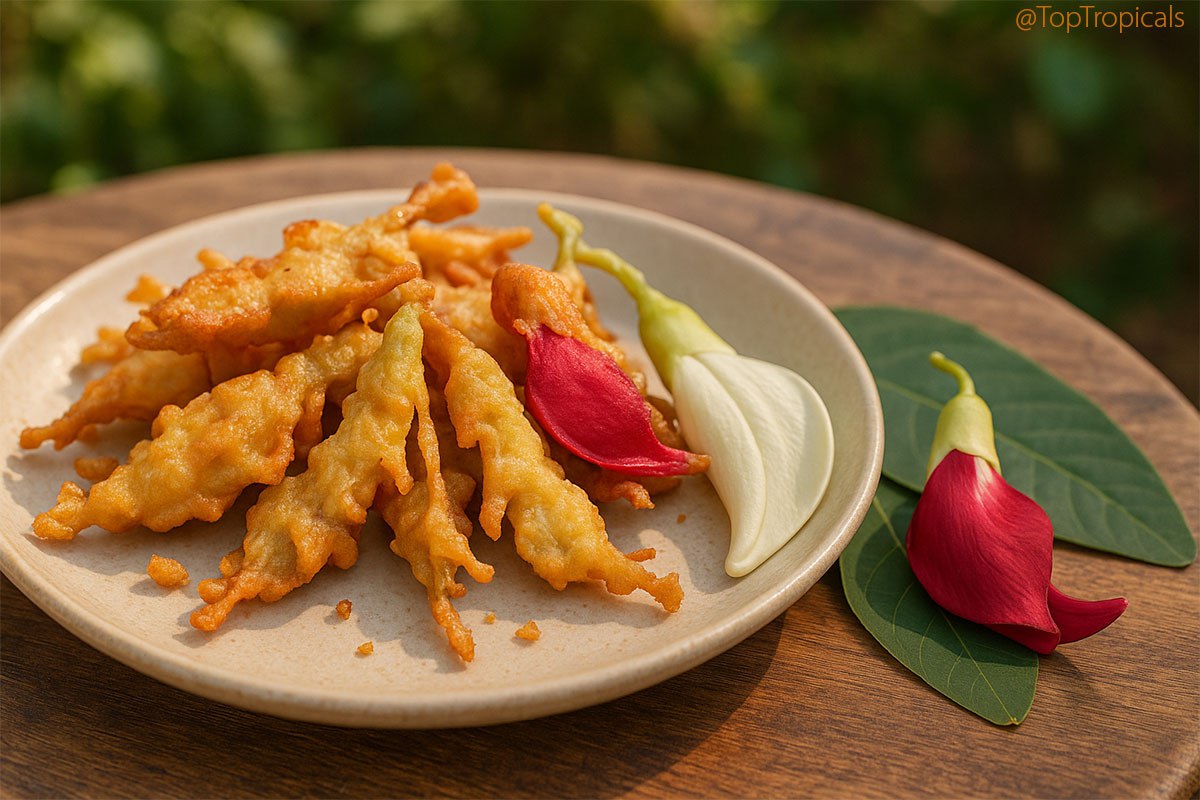
Sesbania flower fritters: quick-n-fun exotic recipes

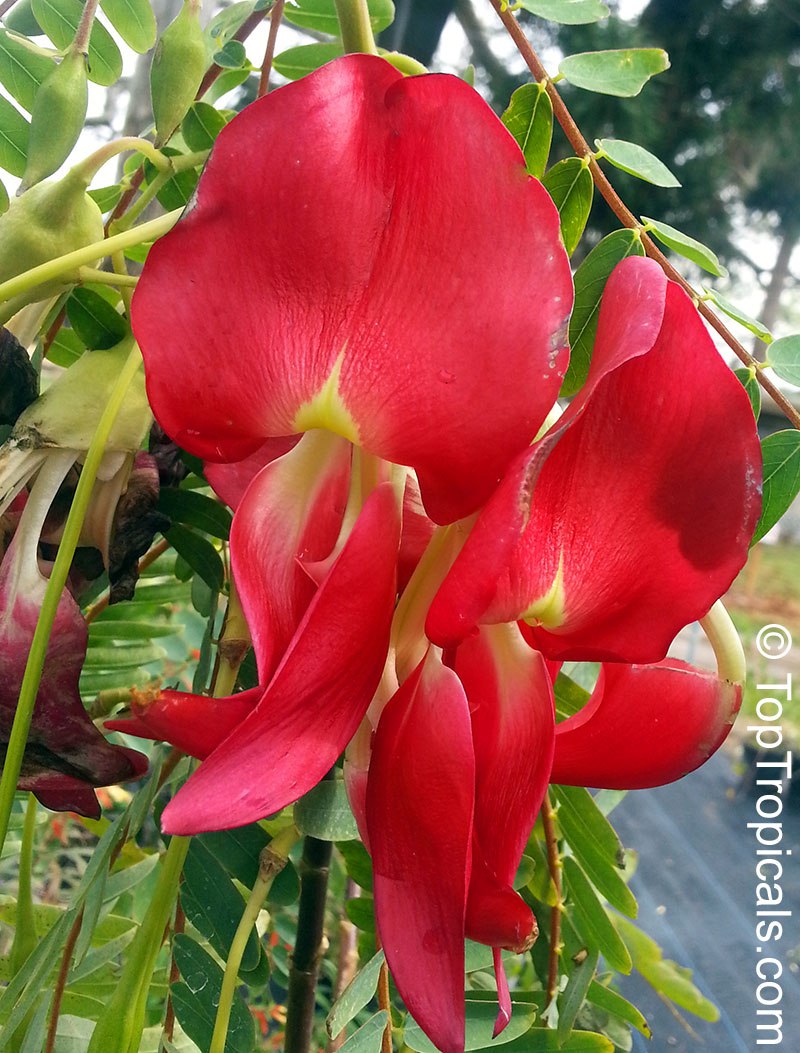
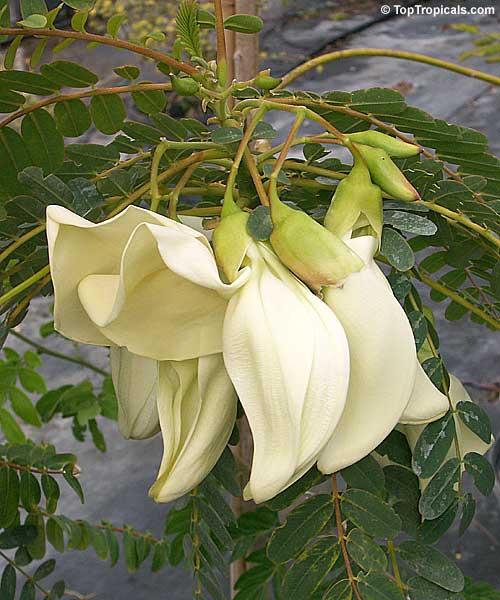
Sesbania flower fritters: quick-n-fun exotic recipes Sesbania flower fritters: quick-n-fun exotic recipes Sesbania flower fritters: quick-n-fun exotic recipes

🍴 Sesbania flower fritters: quick-n-fun exotic recipes

🔴Delicate, floral, and fun to snack on.

Sesbania Flower Fritters

Ingredients

  • 1 cup fresh Sesbania flowers (Sesbania grandiflora), washed and trimmed
  • 1/2 cup all-purpose flour
  • 1/2 cup cold water
  • 1/4 teaspoon salt
  • Oil for frying

Instructions

  1. Rinse Sesbania flowers thoroughly and remove tough stems.
  2. In a bowl, mix flour, salt, and cold water to form a light batter.
  3. Heat oil in a pan over medium heat.
  4. Dip each flower into the batter, letting excess drip off.
  5. Fry until golden and crisp, about 1-2 minutes per side.
  6. Remove and drain on paper towels. Serve warm.

🛒 Add Hummingbird tree edible flowers tree to your garden

📚 Learn more:

Hummingbird Tree Plant Facts

Sesbania grandiflora, Agati grandiflora
Hummingbird Tree, Butterfly Tree, Agati
USDA Zone: 9-11
Small tree 10-20 ftSemi-shadeFull sunRegular waterRed, crimson, vinous flowersWhite, off-white flowersEdible plantPlant attracts butterflies, hummingbirdsDeciduous plantEthnomedical plant.
Plants marked as ethnomedical and/or described as medicinal, are not offered as medicine but rather as ornamentals or plant collectibles.
Ethnomedical statements / products have not been evaluated by the FDA and are not intended to diagnose, treat, cure, or prevent any disease. We urge all customers to consult a physician before using any supplements, herbals or medicines advertised here or elsewhere.Flood tolerant plant

#Food_Forest #Recipes

🟢 Join 👉 TopTropicals

Date: 2 Jan 2026

Why white-flesh Dragon fruits deserve more attention?

White Dragon fruit varieties (Hylocereus undatus)

🏆 Why white-flesh Dragon fruits deserve more attention?

  • ✔️ Fast growers, heavy producers.


    White-fleshed Dragon fruits are often overlooked, but they are the real workhorses of the Pitaya world. These varieties tend to be more vigorous, faster growing, and less demanding than red-fleshed types. They establish quickly, handle a wider range of conditions, and are usually heavier producers.
  • ✔️ Juicy, light, and refreshing.


    Flavor-wise, white-flesh types are milder and juicier, with higher water content and lower sugar. That makes them refreshing, hydrating, and a good choice for people watching sugar intake. Because they set fruit more reliably and produce larger crops, white-fleshed dragon fruits are often the best option for beginners and for anyone who wants dependable harvests without fuss.
  • ✔️ The sweetest of them all.


    Yellow-skinned dragon fruit with white flesh takes things one step further. While the plant itself is a bit slower and more selective, the fruit is the sweetest and most flavorful of all dragon fruits, often described as honeyed or tropical with pineapple notes.


✍️ The best white-fleshed Dragon fruit varieties:

  • 🔴 ⚪️ Red skin, white flesh (Hylocereus undatus): the most common and productive group. These plants are vigorous, fast-growing, and known for large fruit size. Flavor is mildly sweet and very refreshing, often compared to kiwi or pear. Excellent choice for heavy production and easy care.
  • Varieties: David Bowie, Delight, Hana, Lake Atitlan, Seoul Kitchen, Vietnamese Jaina, Hana

  • 🟡⚪️ Yellow skin, white flesh (Hylocereus, or Selenicereus megalanthus) - Smaller fruit but unmatched sweetness. Crisp, juicy flesh with honey, pineapple, or tropical notes. Less productive than red-skin whites, but prized for flavor above all else.
  • Varieties: Amarilla (Kirin), Colimbiana, Godlen Dragon, Palora, Thai Gold (Hawaiian)

    Quick Takeaway:


⚪️ White-flesh reds = most vigorous, most productive, easiest to grow
🟡 Yellow with white flesh = sweetest and most flavorful
🔴 Red-flesh types = richer flavor but usually slower and less productive

🛒 Explore and collect Dragon Fruit varieties

📚 Learn more:

Pitaya Plant Facts

Hylocereus sp.
Pitaya, Pitahaya, Dragon Fruit, Strawberry Pear
USDA Zone: 9-11
Large shrub 5-10 ft tallVine or creeper plantSemi-shadeFull sunModerate waterWhite, off-white flowersThorny or spinyEdible plantSubtropical plant. Mature plant cold hardy at least to 30s F for a short timeSeaside, salt tolerant plant

  • 📱 How to grow Dragon Fruit
  • 📱
  • 📱

#Food_Forest #Dragon_Fruit #Discover

🟢 Join 👉 TopTropicals