Garden Blog - Top Tropicals

Date: 15 Apr 2025

Brew Your Future: Grow Your Own Coffee!

Coffee Tree blooming

☕️ Brew Your Future: Grow Your Own Coffee!


☕️ Coffee prices are climbing, supplies are tightening, and drought in Brazil is hitting hard
The best time to plant a Coffee Tree was yesterday - the next best time is right now!

🎥 Our Coffee trees are bursting with blooms, promising a fresh harvest and home-roasted coffee like no other.
It's time to take your morning cup into your own hands!

🛒 Grow it. Pick it. Roast it. Drink it. Buy your coffee tree now!

📚 Learn more from previous posts:


What is coffee made of?
Why Coffee tree is the best gift plant
Top 10 fruit you'll ever need for your health benefits: #2. Coffee Tree
What is the most popular and the easiest tropical fruit tree grown as a house plant?


#Food_Forest #Container_Garden #Shade_Garden #Discover

🔴 Join 👉 TopTropicals

Date: 17 Apr 2025

Fuel Your Day Naturally: Grow Plants That Boost Your Energy

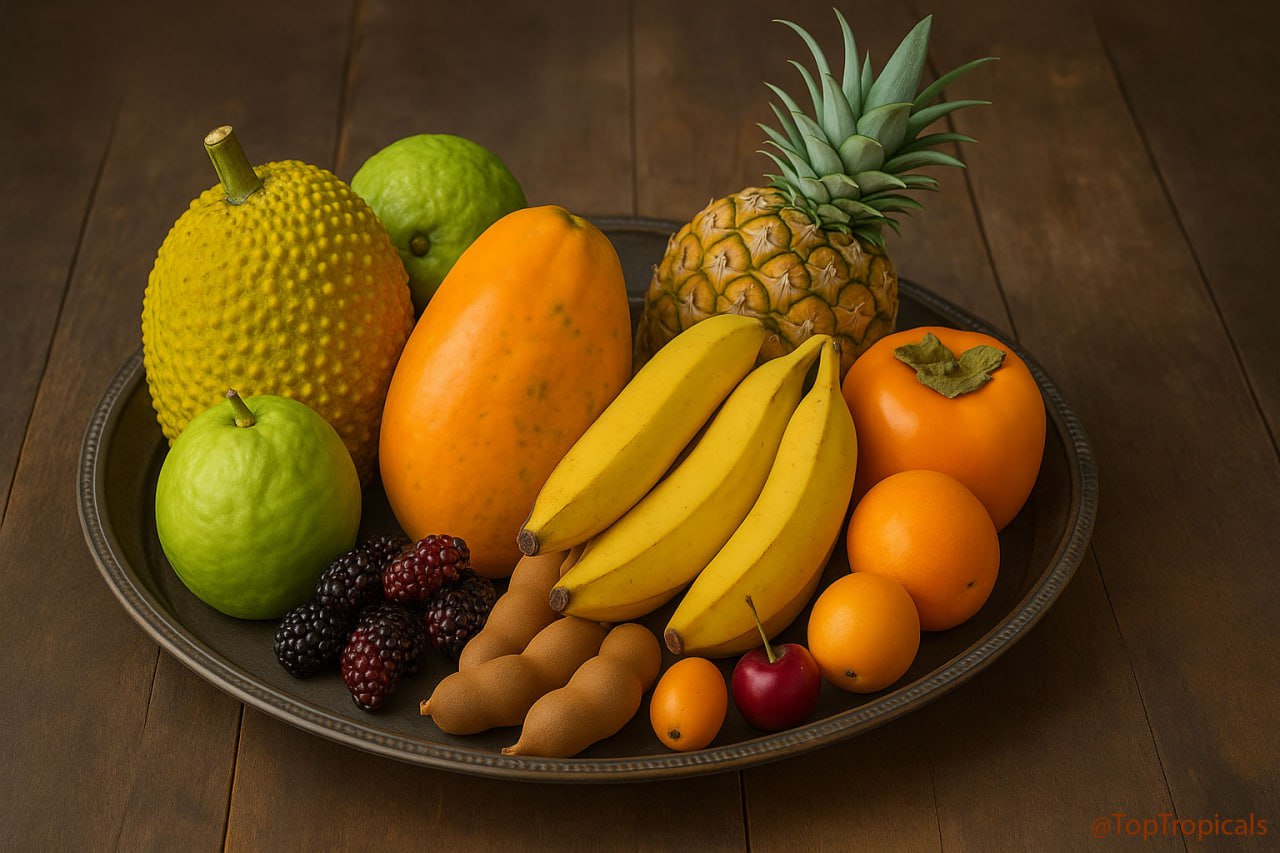
Tropical fruit that boost energy

Tropical fruit that boost energy

⚡️ Fuel Your Day Naturally: Grow Plants That Boost Your Energy


Feeling tired, sluggish, or mentally foggy? Your garden can be your energy station!
These tropical fruits and edibles are rich in Vitamin B1 (Thiamine), natural caffeine, and metabolism-enhancing compounds that help convert food into fuel, power your body, and sharpen your mind - naturally and sustainably.


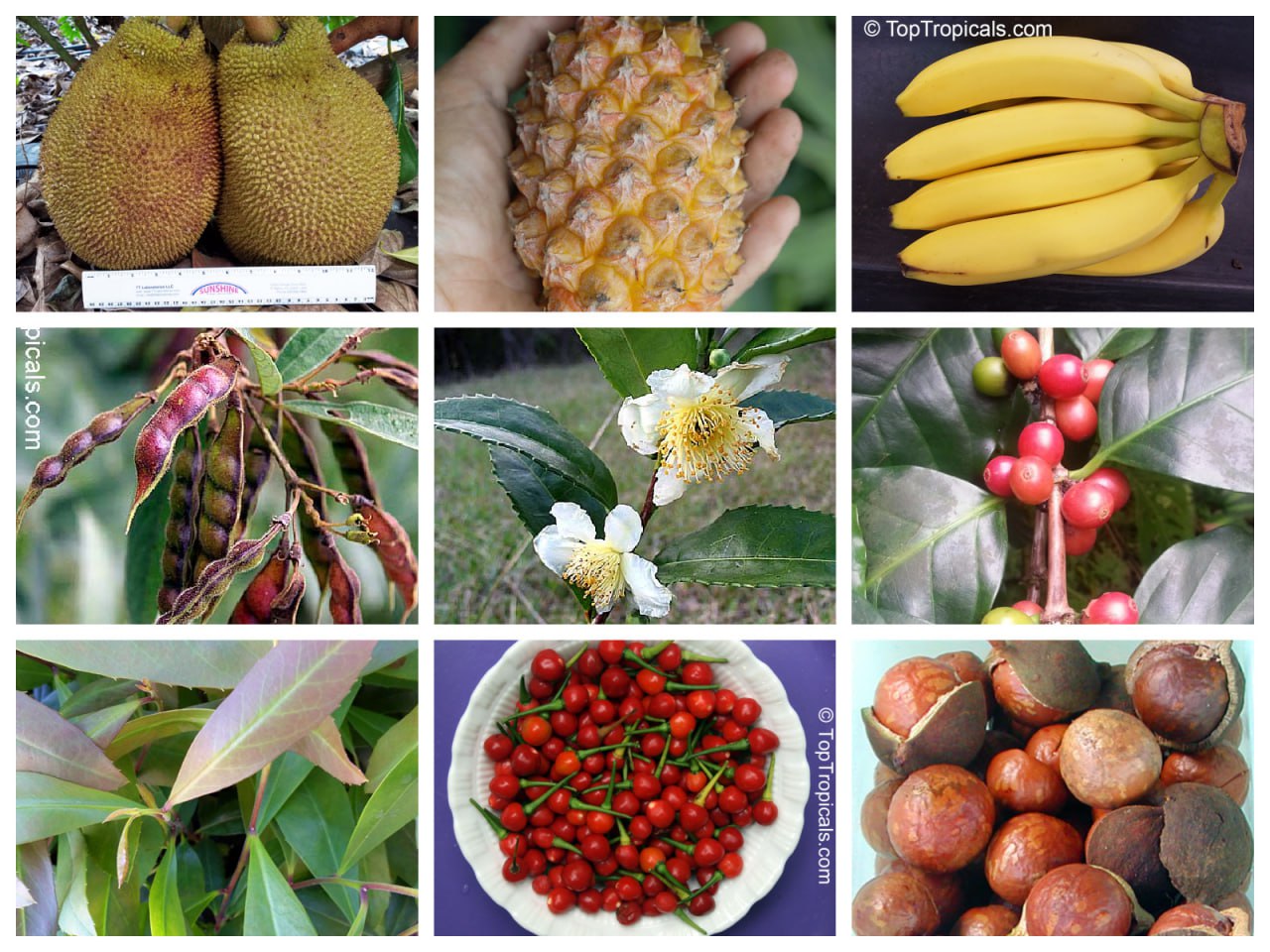
⚡️ Top 9 Energy-Supporting Plants (Vitamin B1 - Thiamine):

  • 🟡 Jackfruit - A delicious tropical source of vitamin B1, supporting energy production and nervous system function.
  • 🟡 Pineapple - Contains thiamine, essential for turning food into usable energy.
  • 🟡 Banana - Supplies vitamin B1 and quick-access natural sugars, ideal for an energy lift.
  • 🟡 Pigeon Pea (Cajanus cajan) - A protein-rich edible legume packed with thiamine to aid in energy metabolism.
  • 🟡 Camellia sinensis (Tea Plant) - Leaves used to brew green and black tea, combining caffeine with L-theanine to promote sustained mental energy.
  • 🟡 Coffee - One of nature's most famous energy boosters - grown from a beautiful tropical tree.
  • 🟡 Yerba Mate - A South American favorite for mental clarity and physical stamina - with natural caffeine and nutrients.
  • 🟡 Wiri wiri and Biquinho Peppers - These fiery little peppers are rich in capsaicin, which may help boost metabolism, burn fat, and enhance overall energy levels.
  • 🟡 Macadamia Nut - Loaded with thiamine (B1) and healthy fats that support nervous system function and long-lasting energy.


📚 Learn more about health benefits of tropical plants:


TROPICAL FRUIT HEALTH BENEFITS GUIDE - Part 1 and Part 2

🛒 Shop Energy-Boosting Plants for Natural Energy

#Food_Forest #Discover #Remedies #Bananas

🔴 Join 👉 TopTropicals

Date: 19 May 2025

What fruit can reduce your blood pressure. Tropical fruit and plants that help keep blood pressure in balance

Tropical fruit that can reduce your blood pressure

Tropical fruit that can reduce your blood pressure

❤️ Tropical fruit and plants that help keep blood pressure in balance.
Part 1: What fruit can reduce your blood pressure?


💲 You don’t need to spend $$$ on doctors and medications to stay healthy and young. By eating right and adding a few powerful plants and fruits to your diet, you can naturally keep your blood pressure in check. Plant them today and harvest your own medicine tomorrow! And don’t forget - gardening itself is therapeutic! It keeps you active, reduces stress, and helps your whole body stay in balance.

💚 Tropical fruit that help reduce blood pressure:

  • Jackfruit (Artabotrys hexapetallus) - Contains potassium and magnesium, which help relax blood vessels and regulate blood pressure.
  • Guava (Psidium sp.) - Rich in potassium and fiber, supports vascular health and may help lower blood pressure.
  • Papaya (Carica papaya) - High in potassium and antioxidants, promoting healthy blood pressure.
  • Banana (Musa sp.) - Well-known for its high potassium content, which helps counteract sodium and lower blood pressure.
  • Pineapple (Ananas comosus) - Contains potassium and bromelain, which may support circulation and reduce inflammation.
  • Persimmon - High in fiber and antioxidants, which can contribute to better heart and vascular function.
  • Mulberry (Morus sp.) - Contains resveratrol and other antioxidants linked to heart health and blood pressure support.
  • Tamarind (Tamarindus indica) - Rich in potassium and fiber, may help regulate blood pressure and support arterial health.
  • Loquat (Eriobotrya japonica) - Contains potassium, aiding in fluid balance and blood pressure control.
  • ✅🍒 Tropical Cherry (Eugenia) - Contains antioxidants and supports healthy circulation.

Part 2: Edible plants reducing blood pressure - see next post⤵️

🛒 Shop tropical fruit trees that boost your health

📚 Learn more:


Tropical fruit health benefits guide
#Disover more #Remedies and #Fruit_Forest

🔴 Join 👉 TopTropicals

Date: 6 Nov 2023

How to grow a happy Moringa Tree

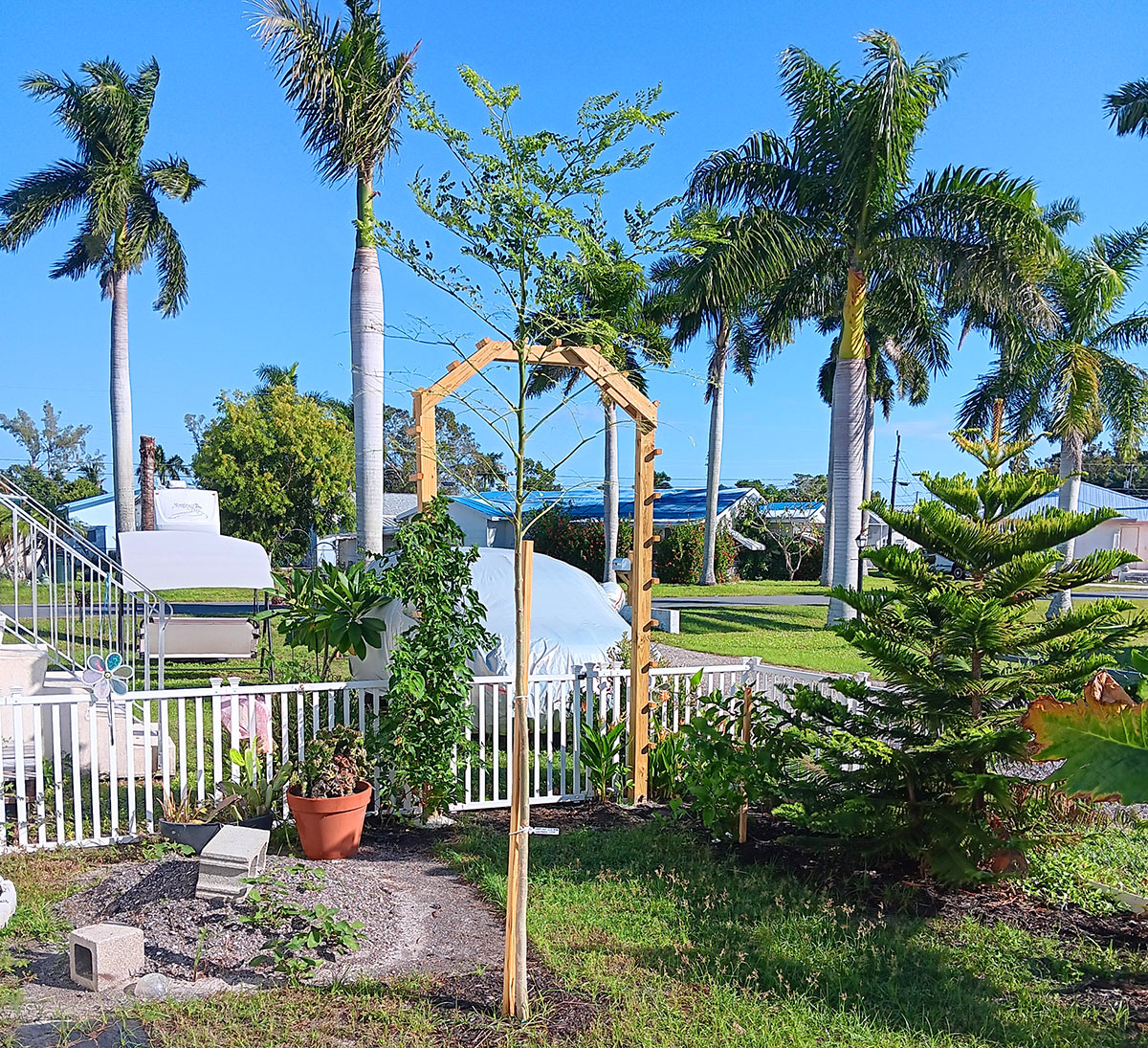
Moringa  tree  in  the  garden

Q: We purchased some tropical edible and medicinal plants from you in August this year. I have a question pertaining to our Moringa tree. When we purchased it, it was about two foot tall. It has put on tremendous growth and is now a little under ten foot tall. My question is, should a Moringa be losing lower leaves at this point? The bare limbs are still green and the top looks to have healthy green leaves.

A: Thank you for choosing our Moringa tree, and sharing the picture. It's great to see that your tree appears healthy and happy - it's a resilient plant. Given the relatively dry Fall we've experienced this year, a little extra water can make a significant difference.

Here are some suggestions to ensure your Moringa thrives:
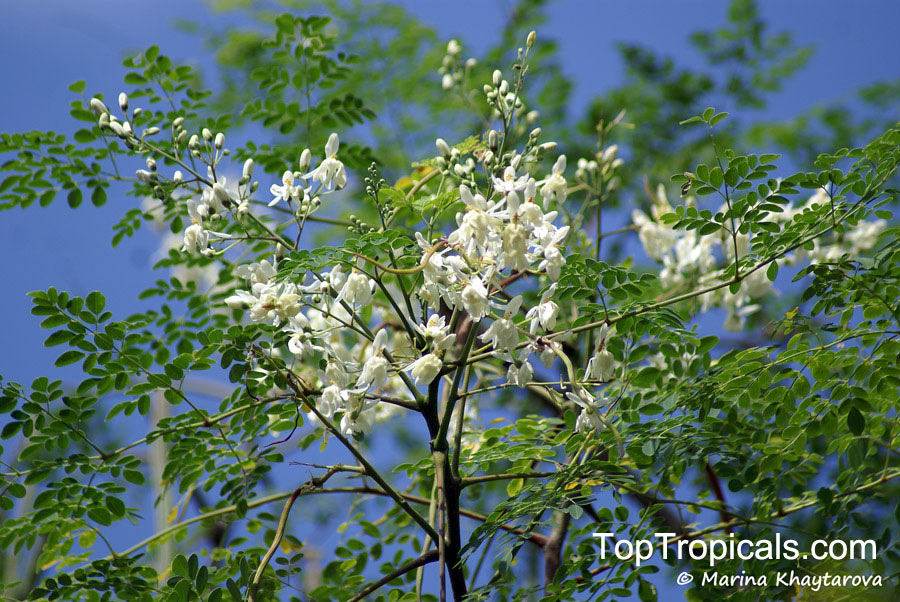
Moringa  branch  with  flowers

Watering: While Moringa is generally drought-tolerant, during dry periods, in addition to relying on your lawn sprinkler system, add some extra water with a hose. Adequate moisture is crucial for maintaining healthy foliage.

Pest Control: Moringa is not only a nutritious plant for humans but also attracts pests that appreciate its medicinal properties :) If you notice insect damage on the leaves, consider spraying with Neem oil or using an over-the-counter systemic insecticide containing imidacloprid or a similar ingredient.

Seasonal Behavior: Moringa trees are semi-deciduous to deciduous, and their leaf-shedding behavior can vary depending on the climate. In Florida, for instance, it's common for Moringa trees to shed leaves in the Fall. However, this is a natural process, and you can expect new growth in the Spring.

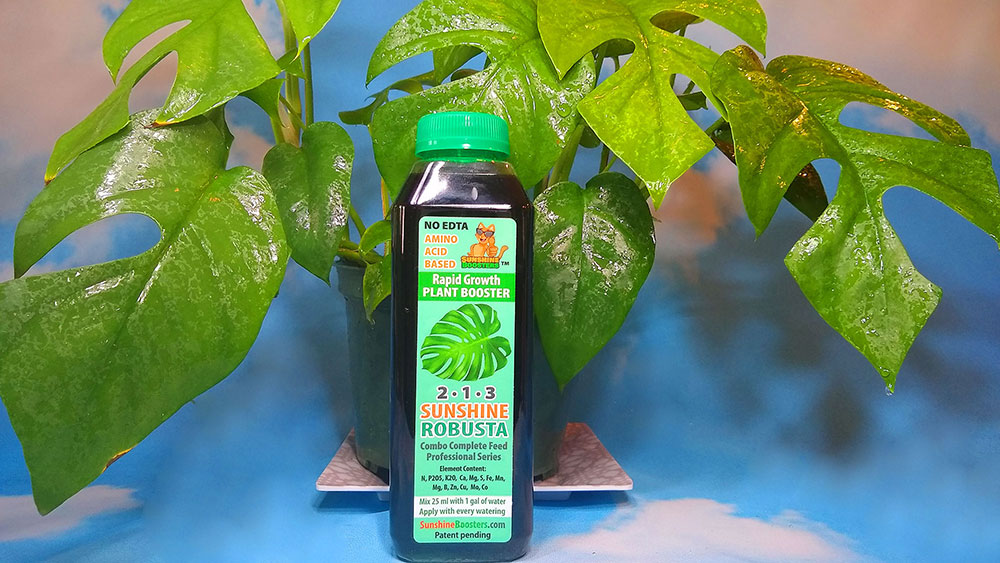
Fertilizing for Vigorous Growth: To promote the most vigorous growth of your Moringa tree and other plants in your garden, consider implementing a fertilizing program. If using dry, slow-release fertilizers, apply them only during the active growth season: from March through November. If you're looking for a year-round solution, liquid amino acid-based formulas like Sunshine Boosters can be a great option. You can easily add them to your watering routine or use injectors like The Robuster for convenient and consistent feeding. If you're planning to expand your garden with other medicinal plants or an edible forest, The Robuster smart fertilizing system is an excellent choice, offering the most efficient, care-free way to nourish your plants with natural nutrients throughout the year.
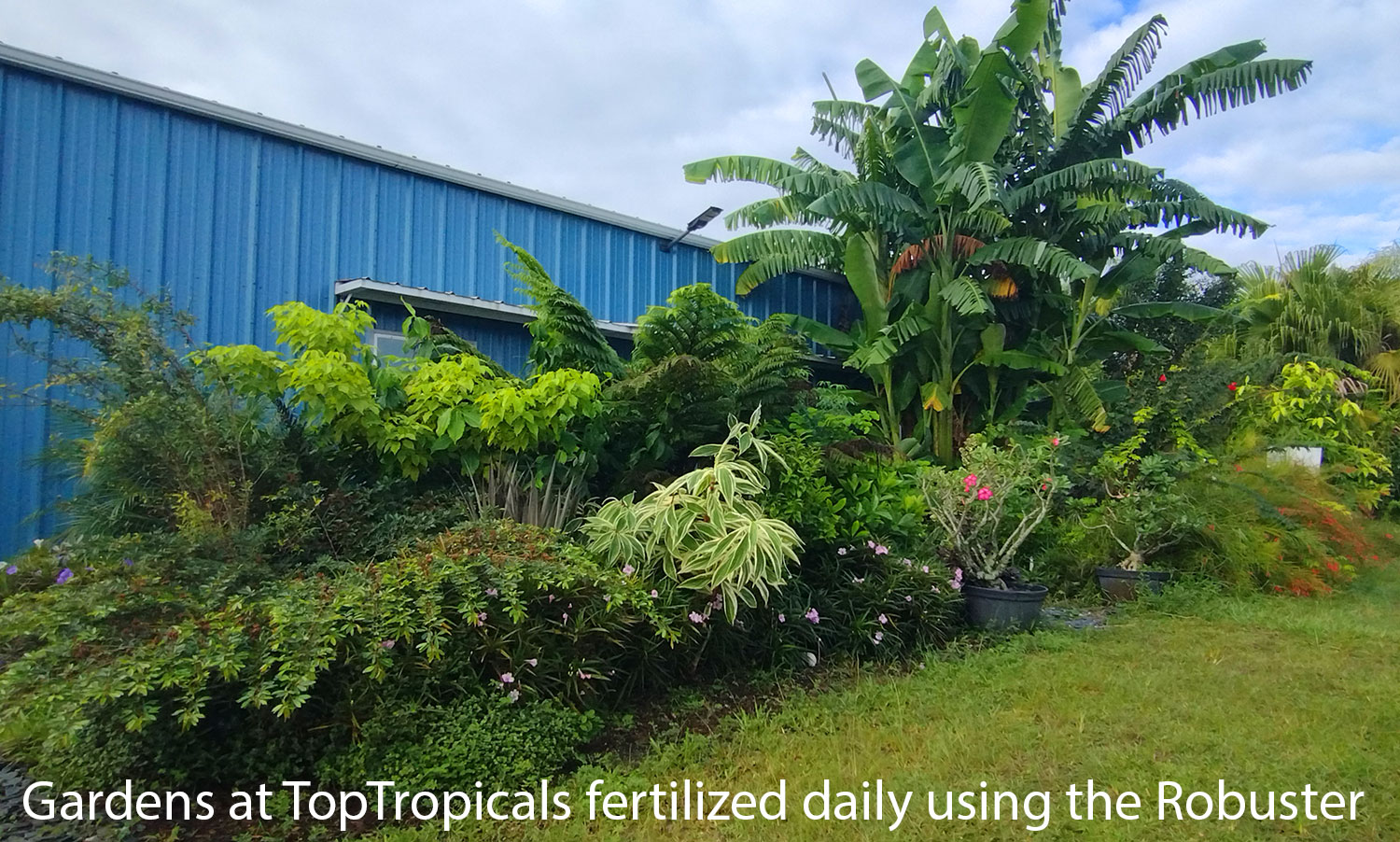
The  Robuster

This garden doubled the size during just one season under the Robuster care.
Date: 5 Mar 2023

How to move plants from indoors to outdoors

Cat  with  indoor  plant  hiding  behind  curtain

Q: When moving my tropical plant collection outside in the garden, what do I need to know to get them adjusted to this change?

A: As a tropical plant gardener, it's important to assess the temperatures outside before moving your plants outdoors. Most tropical plants thrive in sustained temperatures above 60F.
Moving your plants outside during the summer creates optimal growing conditions for sun-loving plants, providing them with more light and warmth than they can ever get inside. This active time of growth, along with the outdoor conditions of humidity, heat, sunlight, and natural day length, gives the plant a chance to experience growth in an outdoor environment, making for a much stronger plant.
However, be aware of sun burn. Direct sunlight can burn patches of white or brown on the surface of the tender leaves, so it's best to move your plants outside by hardening them off first. Gradually increase the amount of direct sunlight they receive over several days before moving them into full sun.
It's also a good time to prune your plants and repot them if needed, providing better aeration to the root system. But avoid root pruning as it can make your plant susceptible to disease and shock.
Overall, moving your tropical plants outside encourages their natural bloom cycle and provides extra vigor for the upcoming indoor season. However, be aware that you may have to deal with insects when you bring your plants back inside in the fall, so use preventive sprays like Sunshine NoBug before bringing them back inside. Leaf drop is also common when plants come back inside, so make sure to provide a well-lit location.
When moving plants outside, it's important to provide them with proper nutrients through fertilization. Outdoor conditions can deplete the soil of essential nutrients, so giving your plants a boost of fertilizer before moving them outside can help them acclimate to their new environment. Apply Sunshine Boosters with every watering, include micro-elements and bio stimulants to boost their immune system.

Sunshine  Robusta  Booster  with  lush  foliage  indoor  plant