Bauhinia galpinii (punctata) - Pride of De Kaap, Nasturtium Orchid tree
☄️ You won’t believe this red orchid tree exists!
💥 Bauhinia galpinii (punctata) - Pride of De Kaap or Nasturtium Orchid tree - has the most unusual color for Bauhinias. It went bold with bright scarlet flowers that look like little flames!
💥Native to South Africa, it’s a woody shrub you can shape into a small tree about 6-10 feet tall.
💥It blooms almost year-round, covering itself with clusters of fiery red blooms that butterflies can't resist. The flowers resembling those of nasturtiums, coming in clusters.
💥 As all orchid trees, it has deep green, bilobed leaves are resembling butterfly wings. Tough, sun-loving, and low-maintenance - this beauty brings a touch of Africa right into your garden.
Disocactus ackermanni, Red Orchid Cactus, Jungle Cactus
👹 This giant red stared right back at me
🌺 Disocactus ackermanni, also called the Red Orchid Cactus, or Jungle Cactus - is one of those plants that surprises you even when you already know it well. It grows like a tropical fern, with flat, leaflike stems that hang and drape from a basket. Most of the year it looks calm and green. Then, without much warning, it opens a single huge, bright red flower that can reach up to 6 inches wide. The color is intense, almost glowing, and the bloom only lasts a short time, which makes it even more special.
🌺 Despite being a cactus, it behaves nothing like a desert plant. This species is native to the tropical forests of Mexico, where it grows as an epiphyte in trees. It prefers shade or filtered light, and it enjoys regular watering. No spines, no trouble, just a very unusual growth habit and a spectacular bloom.
🌺 The plant usually flowers from spring through summer, sometimes offering more than one flush. When it does, it always steals attention, and it is one of those plants visitors immediately point at and ask about. This makes it a favorite among collectors of epiphytic cacti and unusual hanging plants.
🌺 If you grow it in a hanging basket and give it bright shade, humidity, and consistent moisture, it rewards you with one of the most striking red flowers you will ever see!
Rare Night-Blooming Cactus that Glows and Grows Large Edible Fruit
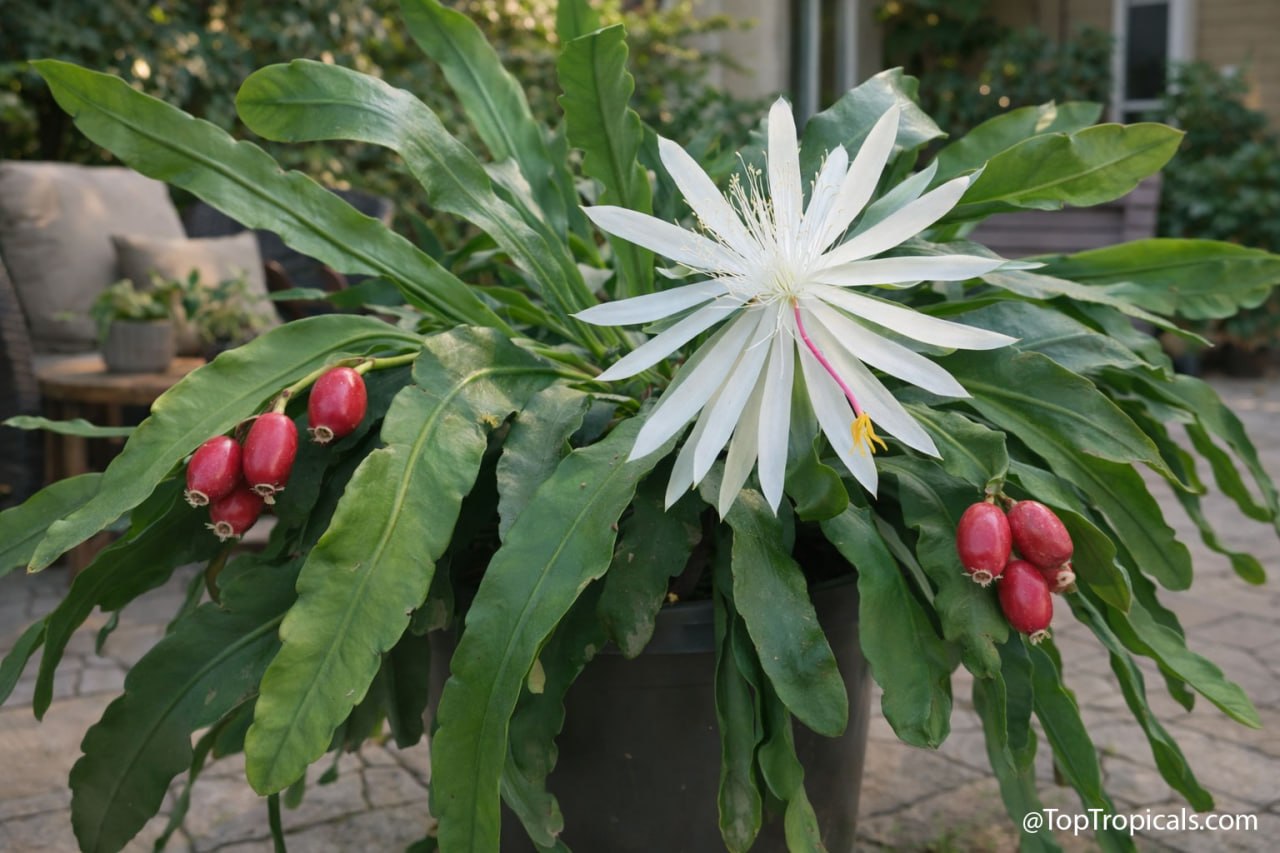
Epiphyllum hookeri - Rare Night-Blooming Cactus with fragrant flowers and large edible fruit
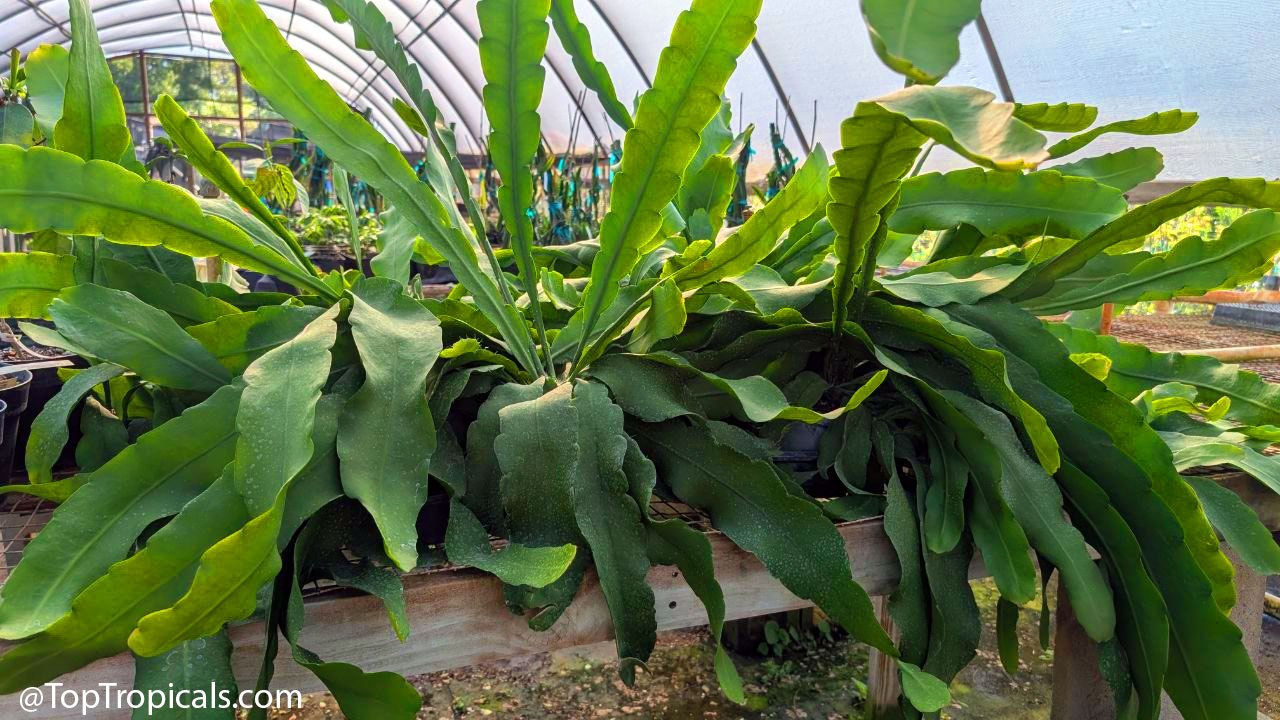
Epiphyllum hookeri - Night-Blooming Cactus with large leaves
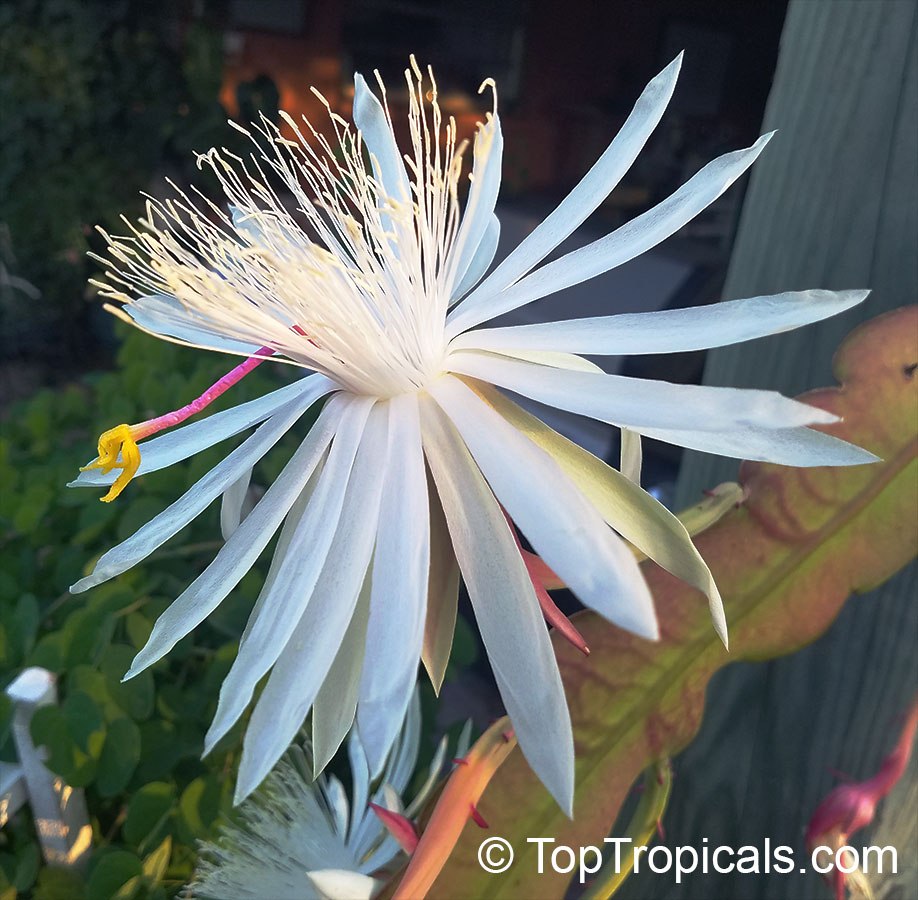
Epiphyllum hookeri - Night-Blooming Cactus large flowers
Rare Night-Blooming Cactus that Glows and Grows Large Edible Fruit 🍅
Did you know this nigh blooming beauty has large edible fruit? Why the Epiphyllum hookeri is the ultimate two-for-one plant for tropical garden lovers.
Climbing Cactus Plant Facts
Botanical name: Epiphyllum hookeri, Epiphyllum strictum, Epiphyllum stenopetalum, Epiphyllum phyllanthus Also known as: Climbing Cactus, Hooker's Orchid Cactus
USDA Zone: 9 - 11
Highligths
🌠 The Midnight Spectacle
Most gardeners grow the Epiphyllum hookeri for its "ghostly" white flowers. These massive, fragrant blooms wait until sunset to unfurl, reaching their peak beauty under the moonlight before fading at dawn.
🌠 The Edible Bonus
What many don’t realize is that this specific seed-grown type is a "fruiting" powerhouse. After the dramatic floral display, the plant sets smooth, elongated fruit. The flavor? Mild, sweet, and surprisingly refreshing -think of it as a garden-grown secret.
🌠 How to Grow It
Light: Filtered sun or bright shade (no harsh midday sun!). Hydration: Regular watering in well-drained soil. Display: It’s a natural climber/cascader—put it in a hanging basket and let it shine.
Top nine plants of love, desire, and the senses: aphrodisiacs and sensory connections
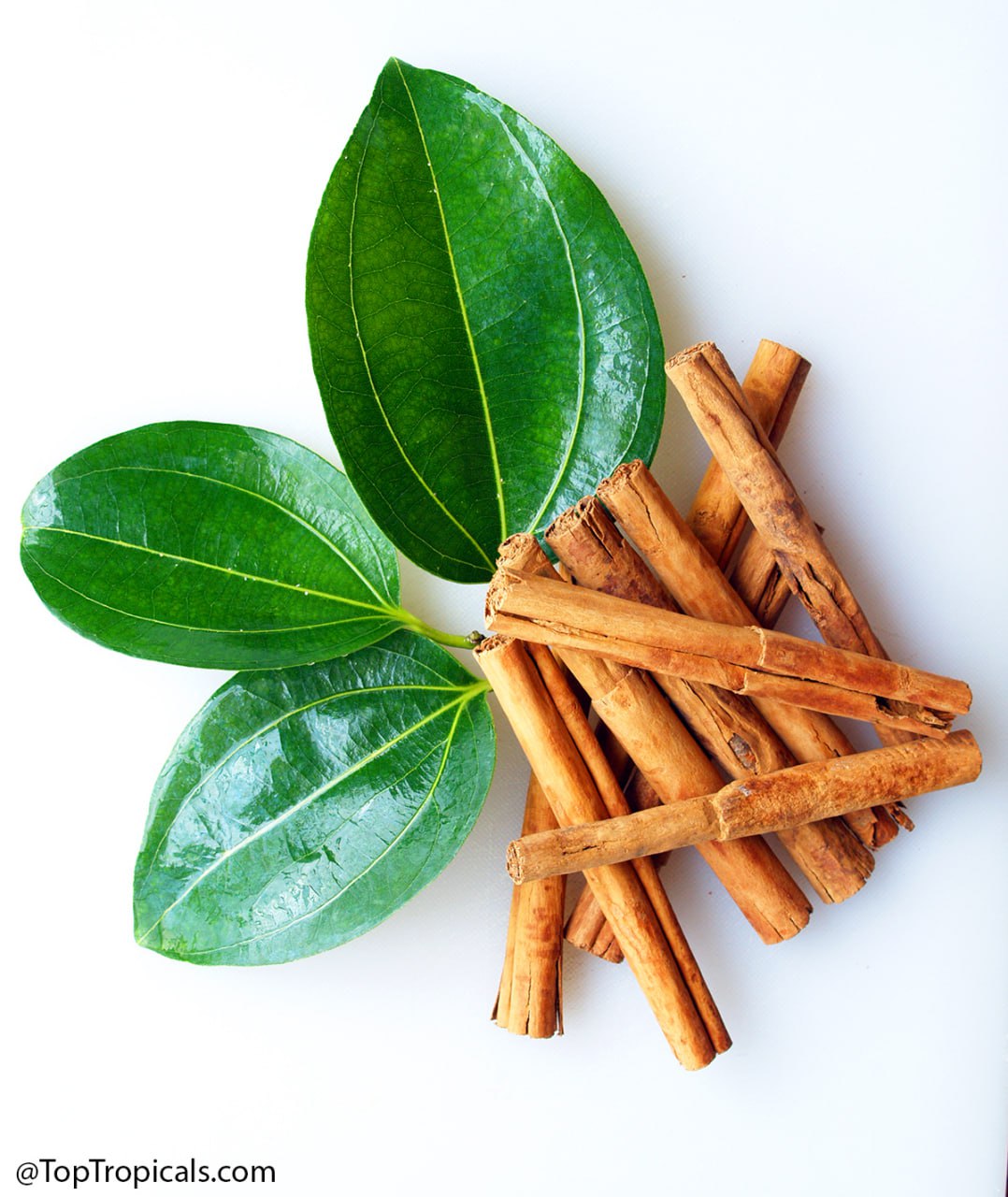
Cinnamon (Cinnamomum zeylanicum)
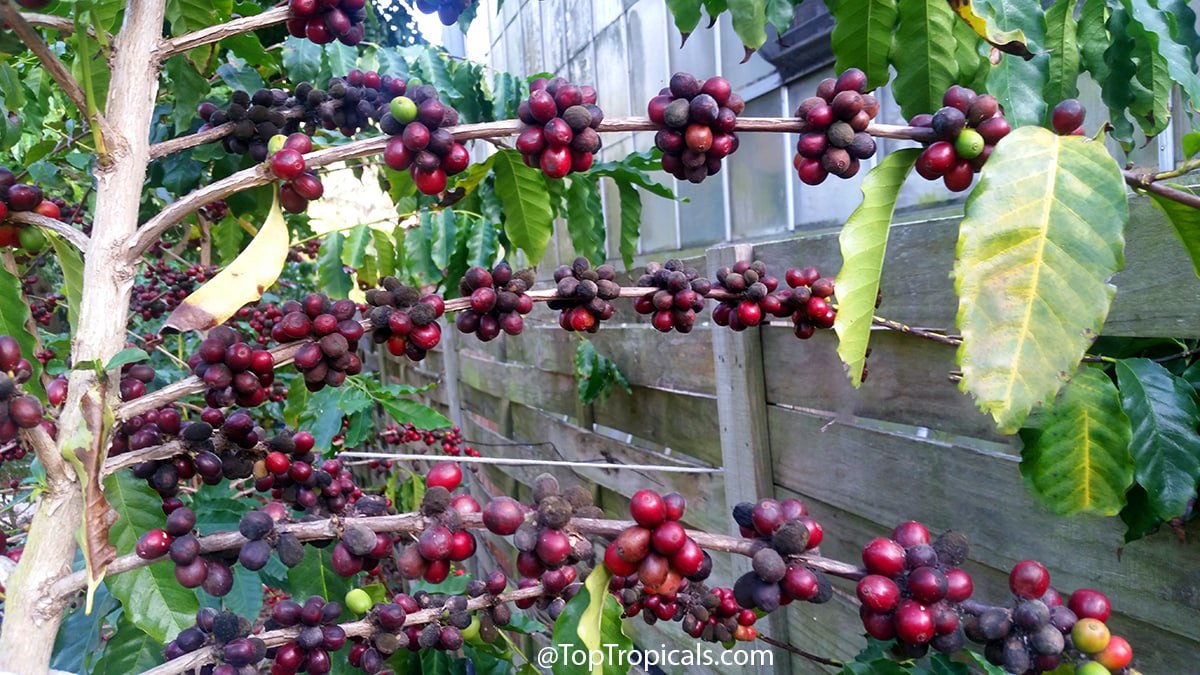
Coffee - Coffea arabica
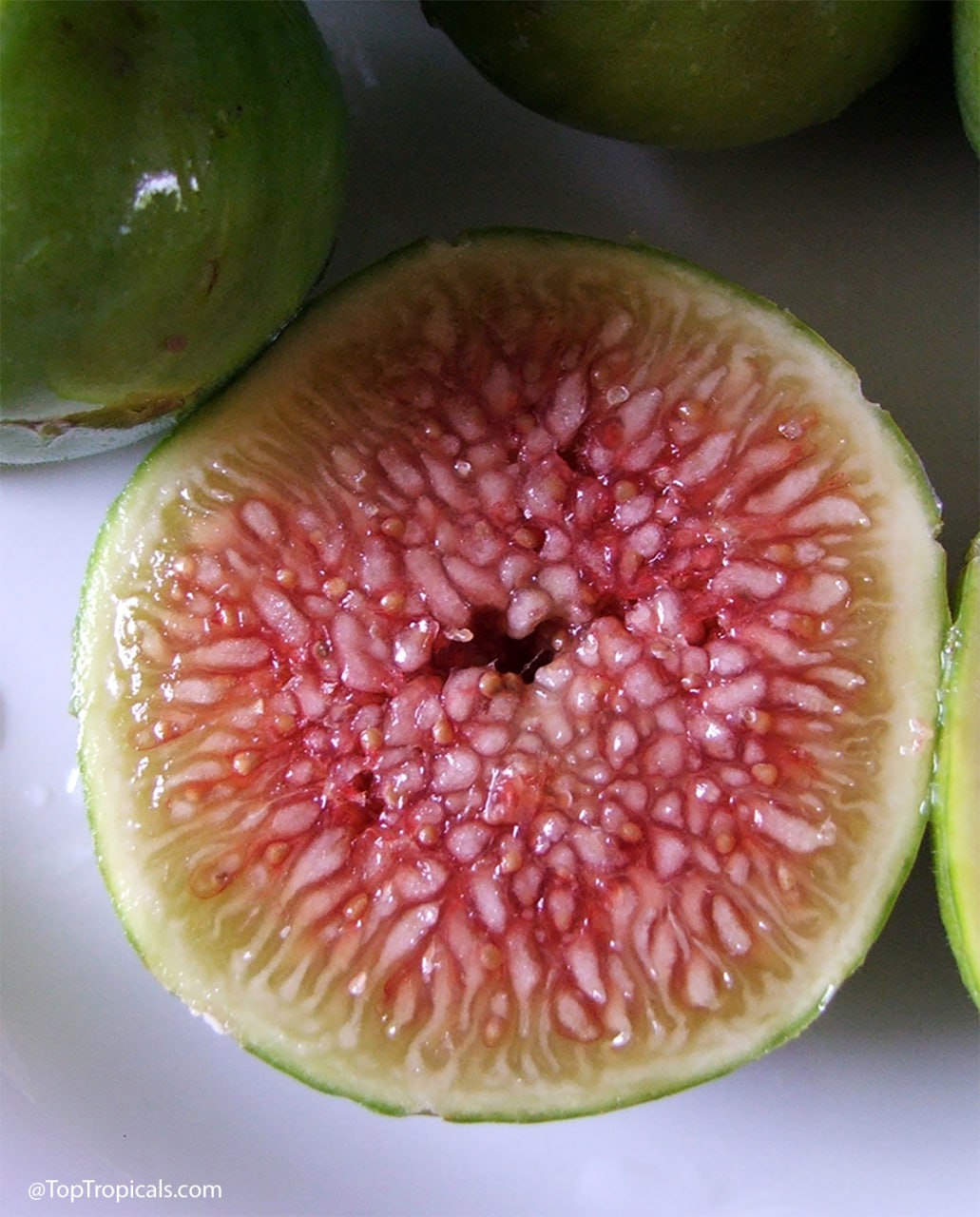
Fig tree fruit (Ficus carica)
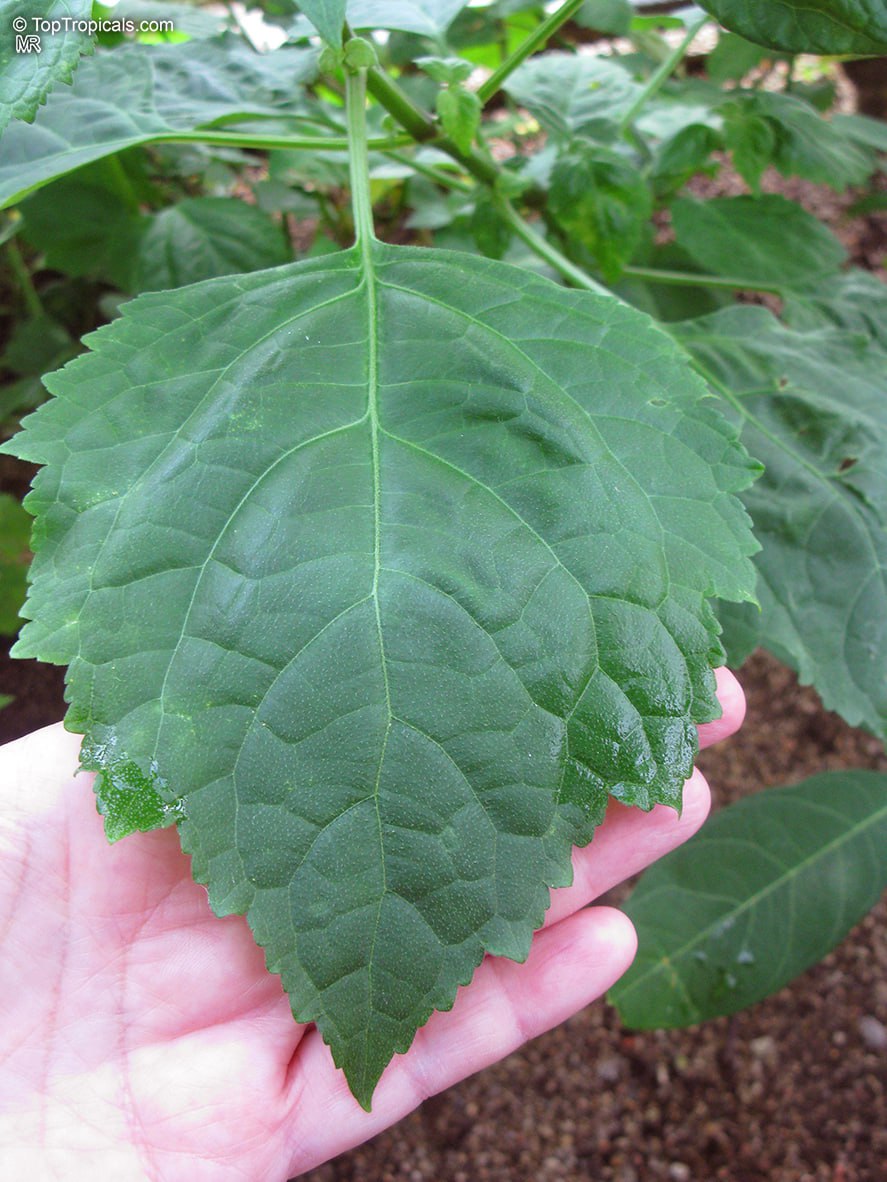
Patchouli - Pogostemon cablin
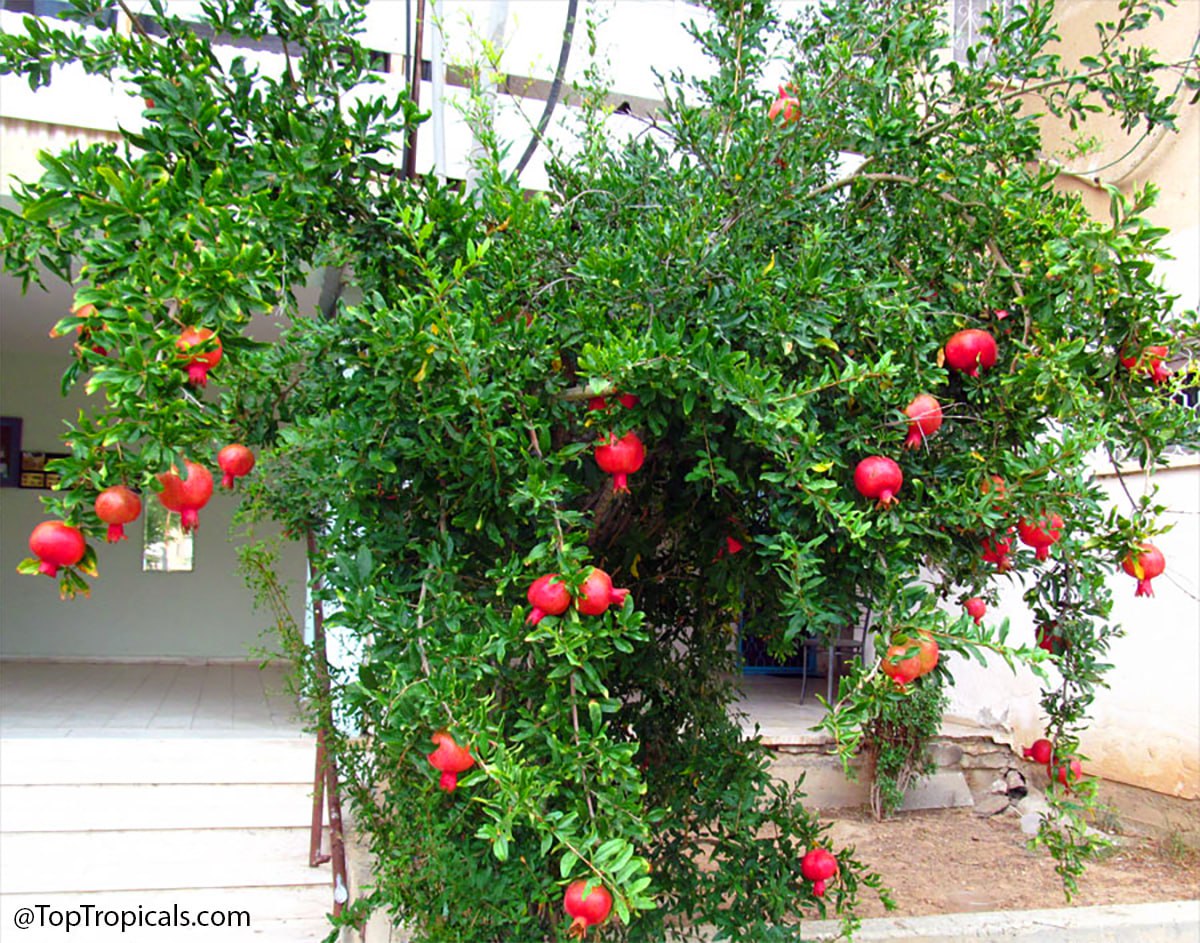
Pomegranate (Punica granatum)
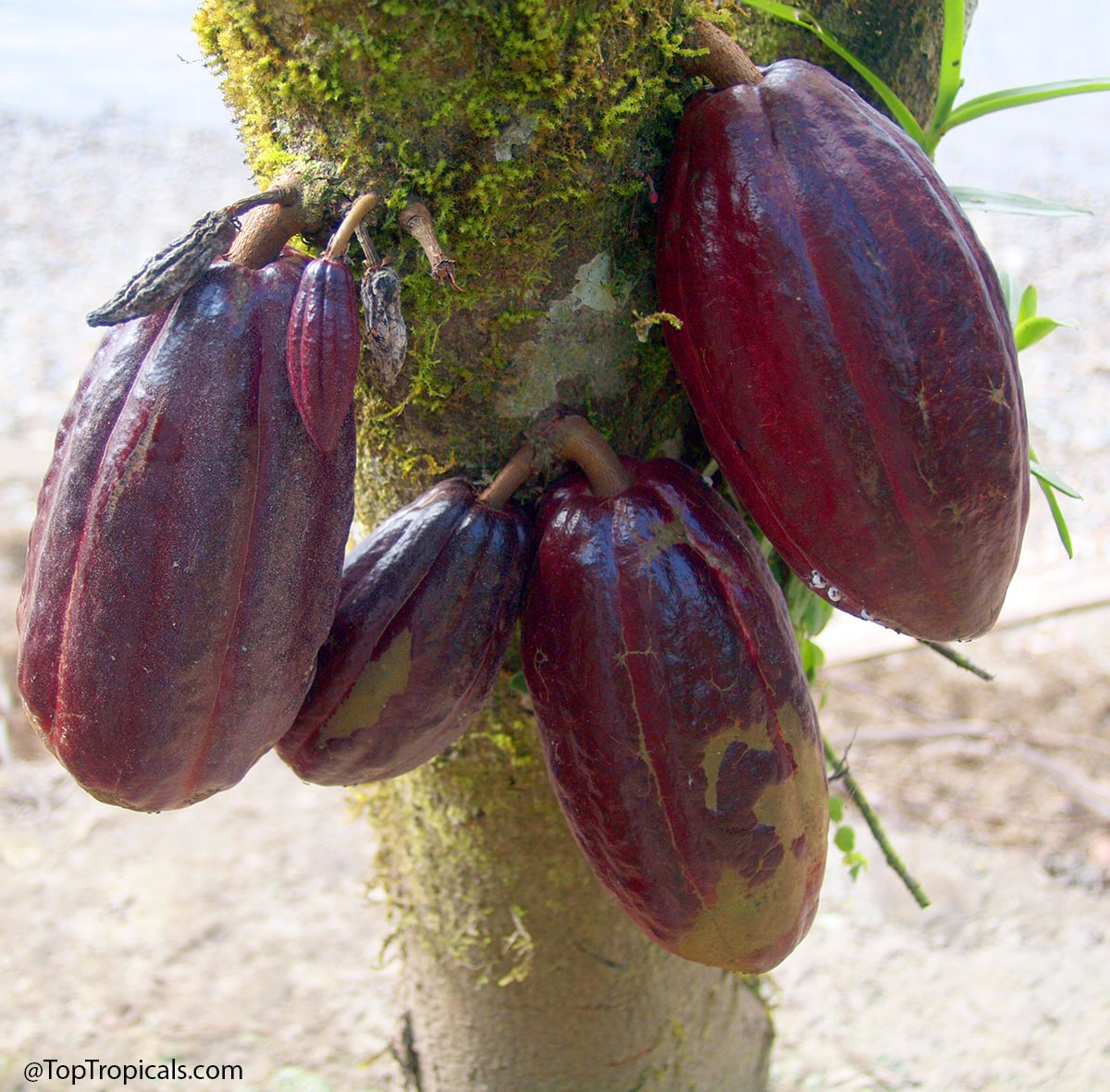
Cacao - Chocolate Tree (Theobroma cacao)
💖 Top nine plants of love, desire, and the senses: aphrodisiacs and sensory connections
Across cultures, love has also been expressed through taste, scent, warmth, and shared ritual. These tropical plants were valued not just for beauty, but for how they awaken the body and deepen connection.
💘 1. Cacao
Cacao - Chocolate Tree (Theobroma cacao) - has one of the strongest global associations with love. Revered by the Aztecs as a “food of the gods”, it was consumed to increase desire and emotional bonding. Chocolate contains compounds linked to feelings of pleasure and infatuation, making cacao a natural Valentine symbol.
Chocolate Tree Plant Facts
Botanical name: Theobroma cacao Also known as: Chocolate Tree, Cacao, Cocoa Tree
Vanilla (Vanilla planifolia) is both an orchid and one of the most sensual plant aromas known. Historically paired with cacao in love remedies, vanilla represents intimacy, warmth, and attraction. Its fragrance alone carries powerful emotional associations.
Madagascar Bourbon Vanilla Bean Plant Facts
Botanical name: Vanilla planifolia, Vanilla fragrans Also known as: Madagascar Bourbon Vanilla Bean, French Vanilla, Vanilla Orchid
Ginger symbolizes heat, vitality, and passion. Used worldwide to stimulate circulation and warm the body, it represents spark, chemistry, and physical energy. 👉 Ginger gift
💘 4. Cinnamon
Cinnamon (Cinnamomum zeylanicum) has long been associated with attraction and stimulation. Its warm, lingering aroma makes it a classic plant of desire, comfort, and emotional warmth.
Cinnamon Plant Facts
Botanical name: Cinnamomum zeylanicum, Cinnamomum verum Also known as: Cinnamon
Pomegranate (Punica granatum) has long symbolized love, fertility, and union, with its many ruby-red seeds representing abundance and deep connection. In ancient traditions, it was linked to goddesses of love and marriage and remains a symbol of passion balanced by continuity and commitment.
Pomegranate Plant Facts
Botanical name: Punica granatum Also known as: Pomegranate, Granada, Grenade, Pomegranate, Granada, Anar, Granaatappel, Pomo Granato, Romeira, Melo Grano
Coffee (Coffea arabica) represents connection through shared ritual. Sacred to African Sufis for its stimulating properties, coffee symbolizes conversation, alertness, and social bonding rather than purely romantic love.
Coffee Plant Facts
Botanical name: Coffea arabica Also known as: Coffee
Figs (Ficus carica) have ancient associations with fertility, sensuality, and indulgence. Their voluptuous form, sweet flesh, and rich texture made them symbols of desire and abundance in many cultures.
Fig Tree Plant Facts
Botanical name: Ficus carica Also known as: Fig Tree, Brevo
Betel Leaf (Piper betle) is a powerful symbol of love, respect, and partnership across South and Southeast Asia. It is exchanged in courtship, weddings, and ceremonies, representing acceptance and shared experience. Its heart-shaped leaves reinforce its Valentine symbolism.
Betel nut (Areca catechu) - traditionally used as a stimulant and aphrodisiac, betel nut represents intensity, ritual, and sensory awakening. In this context, it is best presented as a cultural symbol rather than a casual love plant.
Betel Leaf Plant Facts
Botanical name: Piper betle Also known as: Betel Leaf
Patchouli (Pogostemon cablin) represents deep attraction and emotional grounding. Its earthy, musky scent has long been associated with intimacy and physical presence. Unlike sweet florals, patchouli symbolizes mature, rooted love that lingers.
Patchouli Plant Facts
Botanical name: Pogostemon cablin, Pogostemon patchouli, Pogostemon heyneanous Also known as: Patchouli, Pucha-pat
Moonlight Cactus, the Night Blooming Wonder with a mystical twist: Epiphyllum oxypetalum FAQ
Epiphyllum oxypetalum, Queen of the Night
Epiphyllum oxypetalum, Queen of the Night, Night-Blooming Cereus, flower close up
Epiphyllum oxypetalum, Queen of the Night, Night-Blooming Cereus, flower
Epiphyllum oxypetalum, Queen of the Night flower center
Epiphyllum oxypetalum, Queen of the Night flower with highlight
Epiphyllum oxypetalum, Queen of the Night flower with highlight
🔮 Moonlight Cactus, the Night Blooming Wonder with a mystical twist: Epiphyllum oxypetalum FAQ
🌙 Epiphyllum oxypetalum, also known as Queen of the Night or Night-Blooming Cereus, is a tropical epiphytic cactus famous for its huge, fragrant white flowers that open only at night. The blooms usually last just one night, often opening after sunset and closing by morning, which is why it has such a mystical reputation. The plant itself has long, flat, leaf-like stems and is often grown in hanging baskets or trained to climb. It is easy to grow, prefers bright filtered light, and rewards patience with one of the most dramatic blooms in the plant world.
Belle de Nuit Plant Facts
Botanical name: Epiphyllum oxypetalum Also known as: Belle de Nuit, Lady of the Night, Queen of the Night, Night blooming Cereus, Dutchman's Pipe
USDA Zone: 9 - 11
Highligths
🎆 Why is it called Queen of the Night?
Because it produces large, fragrant white flowers that open only at night. The blooms usually open after sunset and close by morning.
🎆 How often does it bloom?
Usually once or a few times a year, often in late spring or summer. Blooms are short-lived but unforgettable.
🎆 Is it really a cactus?
Yes, but it is a tropical epiphytic cactus. It grows more like an orchid or jungle plant than a desert cactus.
🎆 Does it need full sun?
No. It prefers bright, filtered light or partial shade. Direct hot sun can scorch the stems.
🎆 Can it be grown indoors?
Yes. It does very well indoors near a bright window or outdoors in warm, shaded areas.
🎆 Does it need a lot of water?
More than desert cacti, but not soggy soil. Water when the top layer of soil dries out.
🎆 Can it grow in a pot or hanging basket?
Yes. It is commonly grown in containers, hanging baskets, or trained to climb on a support.
🎆 Is it rare?
Mature blooming plants are highly valued because flowering takes patience and good care.