Garden Blog - Top Tropicals

Date: 2 Apr 2026

Stop Fixing Your Soil: 15 Bulletproof Fruit Trees for Tough Ground

Stop Fixing Your Soil: 15 Bulletproof Fruit Trees for Tough Ground
Stop Fixing Your Soil: 15 "Bulletproof" Fruit Trees for Tough Ground 💩

Not everyone starts with a lush, loamy paradise. In many parts of Florida and the South, "soil" is just a polite word for sand, limestone rock, or depleted clay.
The biggest mistake new gardeners make? Spending hundreds of dollars on soil amendments before they ever put a tree in the ground.
The secret the pros know: You don't need to change your land to fit your plants; you need to choose plants that love your land. Some of the most delicious fruits actually thrive on neglect - and a few even produce better fruit when the soil is "poor."

  • 🌳 The "Big 5" Toughest Fruit Trees


If your yard is a dry, sandy lot or a rocky outcrop, start with these. They are the ultimate "survivors."

Jujube, Chinese Date (Ziziphus jujuba): Arguably the toughest fruit tree on earth. It laughs at drought, poor soil, and neglect. The fruit is crisp like an apple when fresh and sweet like a date when dried.

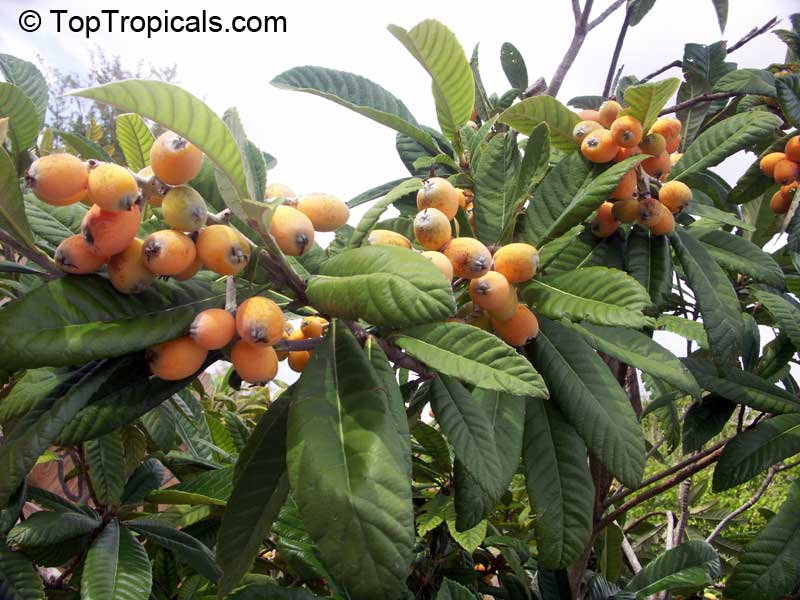
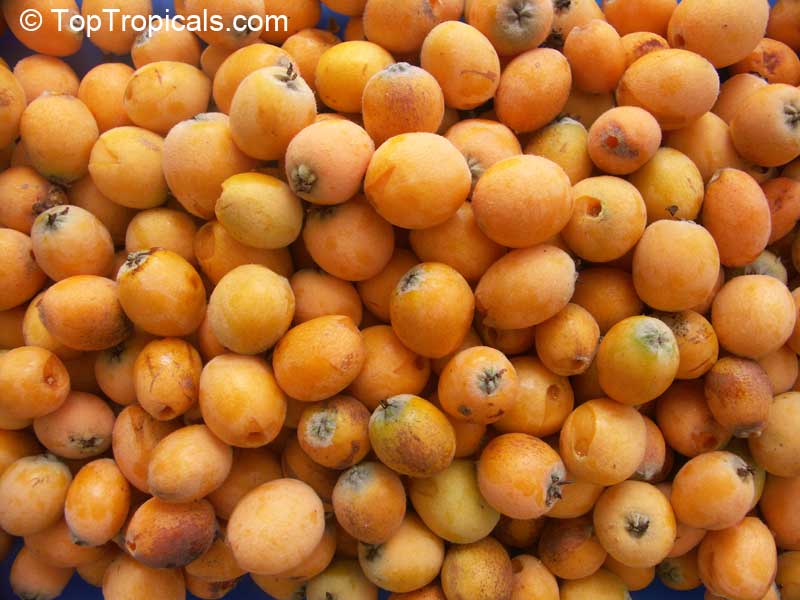
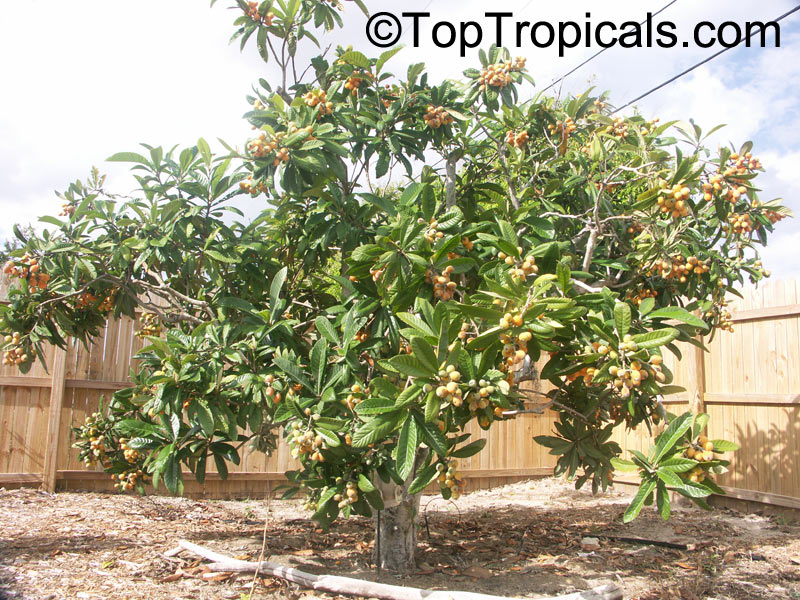
Loquat (Eriobotrya japonica): A Southern staple. It’s evergreen, beautiful, and produces honey-sweet fruit in early spring when nothing else is ripe.

Mulberry (Morus alba): If you can’t grow a Mulberry, you might be gardening on the moon. It grows in sand, clay, or sidewalk cracks with equal enthusiasm.

Fig (Ficus carica): Figs actually prefer not to be pampered. In overly rich soil, they grow lots of leaves but little fruit. Give them well-drained, mediocre soil and they’ll thrive.

Pomegranate (Punica granatum): These trees are "stress-lovers." Rocky, alkaline soil is no problem, and a bit of soil stress often results in a higher sugar content in the fruit.

  • 🌳 Tropical Flavors That Don't Need "Perfect" Dirt


You don’t need a rainforest to grow tropical treats. These species are surprisingly resilient once they get their roots established.

  • 🌟 The Sand-Lovers:

Mango (Mangifera indica): While young trees need a little babying, a mature Mango is incredibly drought-tolerant and handles Florida’s sandy "sugar sand" like a champ.

Sapodilla (Manilkara sapota): A rugged, wind-resistant tree that produces fruit tasting like brown sugar and pear. It is a top-tier choice for coastal or sandy areas.

Tamarind (Tamarindus indica): It’s slow-growing but patient. Once it’s in, it’s there for a century, regardless of soil quality.

  • 🌟 The Low-Maintenance Stars


Longan (Euphoria longana): If you’ve struggled with finicky Lychee trees, try Longan. It’s more cold-hardy and much less picky about its soil.

Citrus: While they need regular feeding (fertilizer), Citrus trees are naturally adapted to the sandy ridges of the South.

🌟 The "Quick-Win" Berry & Shrub Layer


If you want fruit this year, don’t wait for a tree to mature. Add these hardy producers to your edges. And here is why it works:

Dragon Fruit (Hylocereus undatus). It’s a cactus! It literally prefers poor, fast-draining soil over rich potting mixes.

Barbados Cherry (Malpighia glabra). A vitamin C powerhouse that handles low-nutrient soil with ease.

Grumichama (Eugenia brasiliensis). Slower grower, but steady and tolerant once established.

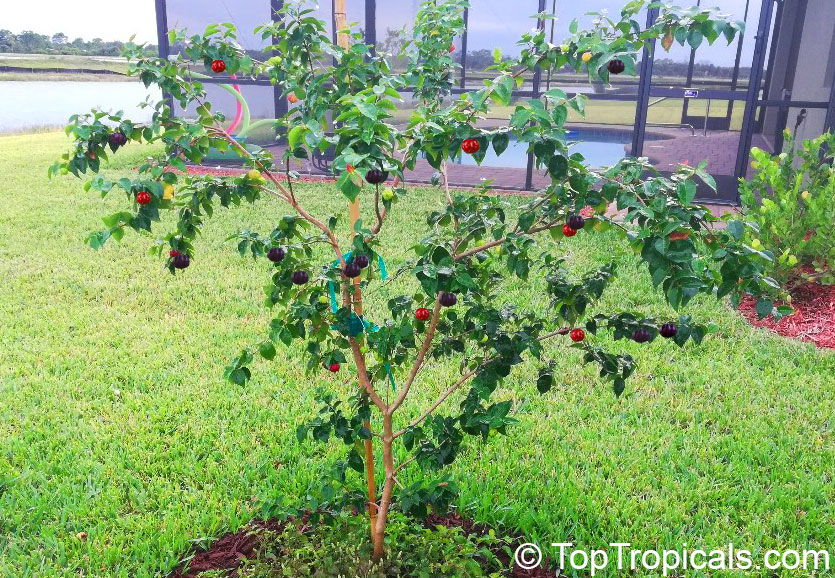
Surinam Cherry (Eugenia uniflora). Virtually indestructible. Often used as a hedge because it grows so vigorously in poor soil.

Pineapple Guava (Feijoa sellowiana). A beautiful silver-leafed shrub that is salt-tolerant and drought-resistant.


🌳 The Strategy: "Plant First, Improve Later"


In the South, the "dig a $100 hole for a $10 tree" rule doesn't always apply. Trying to completely re-engineer your soil often leads to drainage issues (the "bathtub effect").

Try this instead:
1. Select a species naturally adapted to your pH and texture.
2. Plant it at the correct height (never too deep!).
3. Mulch heavily with wood chips. This improves the soil from the top down over time, mimicking a natural forest floor.

🛒 Shop Fruit Trees and Mango

📚 Learn more:


#Food_Forest #How_to #Discover

🟢 Join 👉 TopTropicals

Date: 22 Mar 2026

Do Fruit Trees Increase Property Value? Tropical Plants That Pay Off

Yard with fruiting tropical trees

Yard with fruiting tropical trees

Landscaped yard in Florida

Landscaped yard in Florida

Mango tree fruiting in the garden

Mango tree fruiting in the garden

Do Fruit Trees Increase Property Value? Tropical Plants That Pay Off 🏡

Can your backyard pay for itself? Learn which 12 tropical fruit trees real estate experts say are the smartest investment for your landscape. Discover how tropical fruit trees like mango and avocado add "edible equity" and curb appeal to your property, making it more desirable to future buyers. Turn your yard into a private paradise that lowers grocery bills and boosts home value.

In warm climates like Florida, a mango tree isn't just landscaping - it’s a food-producing asset. Mature tropical fruit trees offer "edible equity," saving homeowners hundreds in grocery bills while creating a unique, memorable aesthetic for buyers.
  • 🥭 1. Focus on "Instant Recognition" Favorites


    Trees buyers already know and love provide the strongest ROI. They signal that the yard is already productive - something new builds can’t offer.

  • •  Top Picks: Mango, Avocado, Papaya, Banana, Guava, and Loquat.
  • •  The Value: A single mature avocado or mango tree can yield hundreds of pounds of fruit annually.


🥭 2. Create a "Memorable Discovery" with Exotic Varieties


Unusual fruits turn a standard yard into a tropical orchard, acting as a conversation piece during home tours.
  • •  The Exotic List: Jackfruit, Sugar Apple, Soursop, Sapodilla, Ice Cream Bean, and Star Fruit.


🥭 3. Strategic Placement for Energy Savings


Large-canopy trees like jackfruit or mango do more than provide food; they act as natural insulation.
  • •  Natural Cooling: Strategic planting reduces afternoon sun exposure and lowers AC costs.
  • •  Indoor/Outdoor Flow: Use trees to frame window views, block neighbors, and create private "outdoor rooms."


🥭 4. The Power of the "Mini Orchard"


A collection of 3–5 trees creates a stronger emotional pull than a lone plant. Buyers begin to visualize a lifestyle of smoothies and harvests.
  • •  Winning Combos: Mango + Avocado + Papaya or Guava + Star Fruit + Banana.


🥭 5. Maintenance: Health Equals Value


Fruit trees only add value if they look manageable. A neglected tree suggests a neglected home.
  • •  Pre-Sale Prep: Prune for tidiness, mulch the base, and clear fallen fruit.
  • •  Spacing Matters: Avoid overcrowding; ensure buyers can walk comfortably through the yard without feeling "closed in."


🥭 The Long-Term Play


Unlike decorative plants that may need frequent replacement, fruit trees appreciate over time. Because a mango tree takes years to reach peak production, the best time to plant for future resale value is now. By the time you list, your yard will offer shade, privacy, and a harvest that buyers find hard to resist.

🛒 Start Growing Your Edible Equity - Find the Perfect Fruit Tree for Your Yard

📚 Learn more:

Plant Facts

Mangifera indica
Mango
USDA Zone: 9-11
Large tree taller than 20 ftSmall tree 10-20 ftFull sunModerate waterYellow, orange flowersPink flowersEdible plantSeaside, salt tolerant plant

Mango trees in Plant Encyclopedia

#Food_forest #How_to #Discover

🟢 Join 👉 TopTropicals

Date: 26 Sep 2021

Edible Landscape: fruit bearing hedge

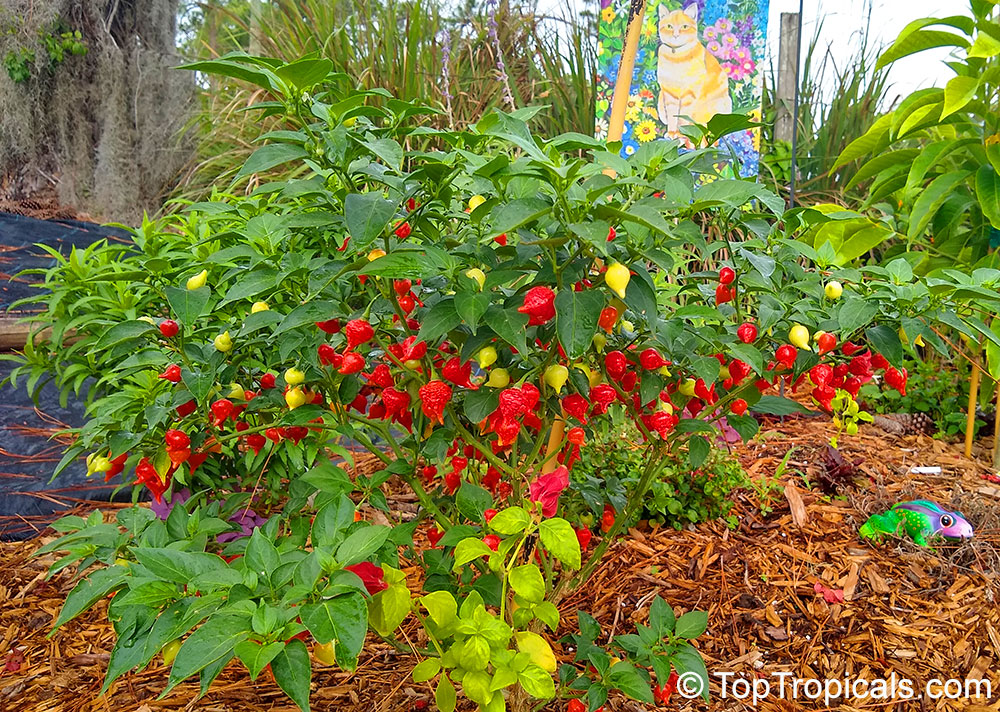
Photo above: Biquinho Pepper (2 months old plant)

Q: My mom had to remove a hedge for some renovations and after being heartbroken about losing my little bird haven, I've decided to plan on a fruit bearing hedge that offers some privacy and places for the little fledgling to wait for food. Any suggestions? I was thinking blueberries or citrus but open to any ideas.

A: Below are a few suggestions for a fruit bearing hedge planted with fast-growing, tropical species. They will contribute to a nice edible landscape for both your family and the birds - they will be very happy!

Larger size hedge (small trees), grows full-size within 1 season:
- Loquats
- Dwarf Mulberries (very cold hardy too) such as Dwarf Everbearing

Medium size hedge (shrubs or vines), 2-3 seasons to grow full size:
- Black Surinam Cherry Lolita
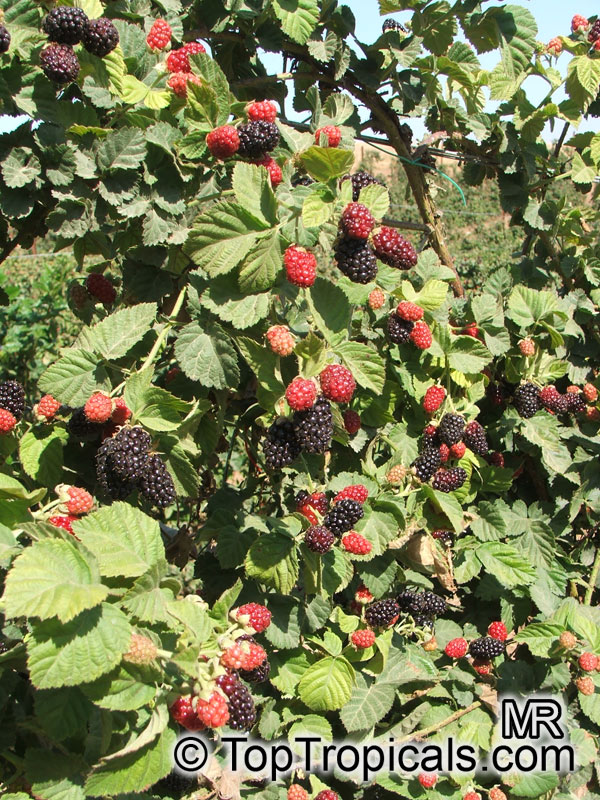
- Blackberries and raspberries

Low hedge (4-5 ft tall, 1 season, fast growing):
- Biquinho Pepper
- Wiri Wiri Pepper

Citrus is probably not a good idea, not bird's favorite, and blueberries require a special acidic soil here in Florida, so they will need extra maintenance, special soil, and heavy mulching.

Blackberry hedge

Surinam Cherry Lolita, 2 year old plant

Loquat (5 years old bushy specimen)

Date: 22 Mar 2021

The most rewarding hardy fruit trees

Q: Recently I started working remotely and I kinda like it, no need to commute, it saves me so much time so I can have life now! My friend got me involved into growing some small houseplants but I really want to take advantage of our Florida climate and sun. I want to plant some cool fruit trees since I have a decent size yard. But I live in Florida Panhandle and we do have some occasional freeze in winter, although not for too long. But it gets very hot in summer! Are there any tropical fruit trees that will be happy here? Or should I keep everything in pots? I am excited to have my own tropical plant collection!

A: There is a perfect plant for everyone, and a perfect tree for every climate. Many tropical and especially subtropical plants can be much hardier than they are believed to be, both flowering and fruiting trees among them. You may keep the most sensitive species in pots and bring them inside for winter, while there are so many trees that will be happy in your area. Start with these that are perfect for climates with hot summers and cool winters:

1. Peaches and Plums

Low-chill, Heat-tolerant Peaches, Nectarines, Plums are especially selected for Florida hot summers. They produce well and do not require many "chill" hours like temperate fruit trees. They only need 150 chill hours and grow well in even in Arizona, so you know they are taking the heat.

2. Figs

2) Fig trees - they are easy to grow, heat- and drought- resistant trees. They are prized for their delicious fruit, which can be one to three inches in length, violet, brown or black. There are even varieties with yellow fruit. Most fruits are borne from early summer to late fall on new growth, and the fruits generally mature very quickly. These trees are sensitive to frost only when actively growing, but can withstand 10F when dormant. Read more about Fig trees.

Date: 28 Dec 2020

Healthy Plants: Q&A from Mr Booster

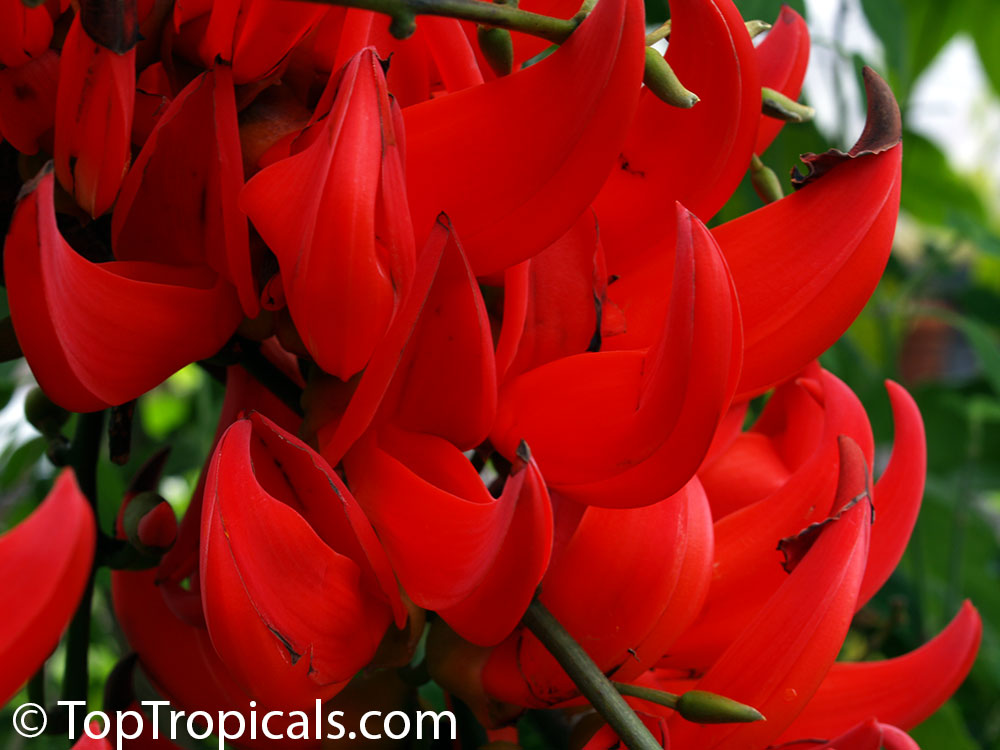
How to grow a happy Red Jade Vine?

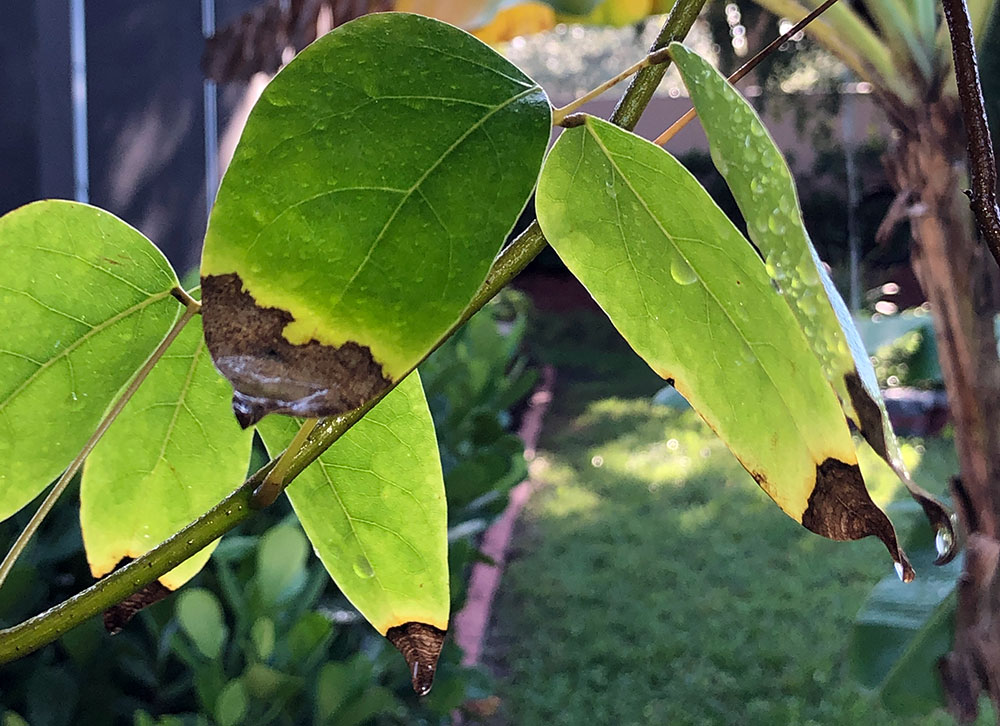
Q: My Red Jade Vine has the leaf tips turning brown. I water this plant four times a week and I am using a half a teaspoon of miracle grow bloom booster 15-30-15 per 2 gallons, every two weeks. In the beginning I had to water this plant off city water in South Fort Myers. Over the last two months I picked up a dechlorinator buggy plus threw that on my hose and I've been watering it with that but it didn't seem to make a difference. I put this plant in the ground last September. It has three shoots that run into the top of the tree, so it is growing but leaves seem to drop off down low at the base of the vine and the brown tipping running into the top of the plant. But not the newest shoot its leaves are solid green all the way at the top. Thanks for any advice.

A: Mucuna benettii - Red Jade vine - is not the easiest plant to grow, and we are glad your vine is growing well. For those who love this plant but not ready to face all challenges, we recommend its cousin - Camptosema grandiflora - Dwarf Red Jade Vine, which is much hardier and easier plant.
We looked at the photos and these are our thoughts.

1) The top of the plant with green fresh leaves definitely indicates that the plant is generally healthy and vigorous.
2) Dry tips of the old leaves may indicate excess salts in soil, in combination with the summer heat that it went through. Based on your feeding program description, that fertilizer may create a problem. Water soluble traditional fertilizers are EDTA-chelated which often causes nutrients lock up in soil and leaf drop. Try to stay away from that fertilizer for a month and let the rains and/or irrigation water flush the soil for a couple of weeks.
3) Red Jade vine is a very sensitive species. Normally, during hot season it is safe to use traditional fertilizers, especially slow-release granulated. However, with this plant we recommend you to switch to more delicate formula and use only liquid fertilizer.
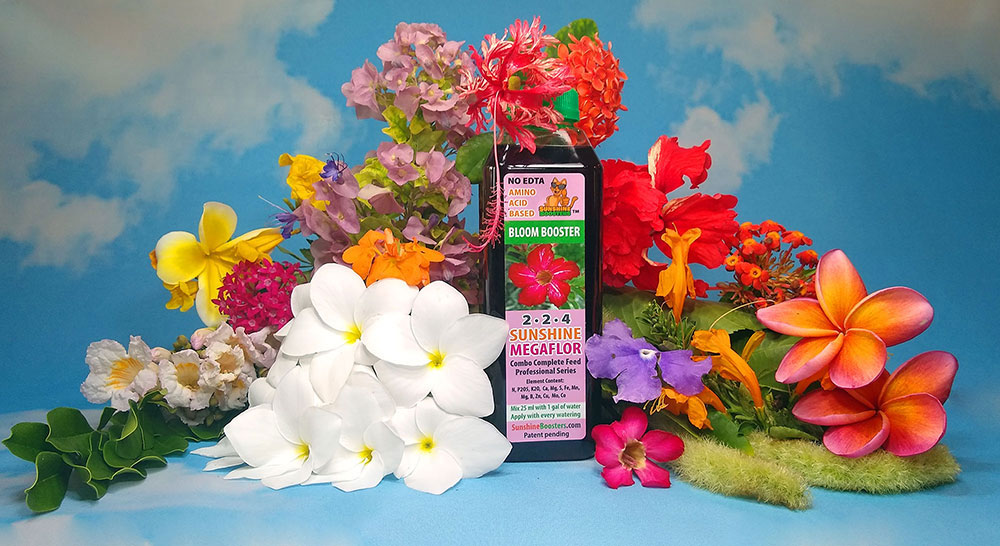
SUNSHINE Megaflor - Bloom Nutrition Booster will be the best. It is safe to use it as frequent as with every watering! It is amino-acid based, and will be totally consumed by the plant without nutrient lockup.
4) Another cause of dry leaf tips may be micro-element deficiency.
Megaflor booster already has all necessary micro-nutrients in it, plus you may apply some extra: SUNSHINE Superfood.
5) You may continue using regular water for watering (including city water) as long as you use amino-acid based plant food and supplements: they improve soil acidity (what tropical plants like is acidic soil, and Florida soils are alkaline). Additionally, to improve soil acidity which can be critical for this Mucuna species, you may add 1"layer of pure peat moss on top of the soil around the plant. Please keep us in loop how the plant is doing. It is pretty rare species in cultivation and we will be happy to help you to keep it thriving.