What tropical plants survived Floridas historic freeze without protection
Florida historic freeze
What tropical plants survived Florida's historic freeze without protection
In the first week of February 2026, arctic air pushed deep into Florida. For many areas, this was the coldest event in over a century.
We received one question over and over: How did your gardens do?
Top Tropicals Farm in Sebring, Florida is up and running - and this freeze became a real-world hardiness test for tropical and subtropical plants. Below is our initial field report after inspecting established plantings.
📊 Weather data - February 1-6, 2026
Sebring, Florida - 132 years of recorded observations
This was not a light frost. It was prolonged, windy, penetrating hard freeze.
🌡 Minimum temperature: 25F ❄️ Wind chill: 14F ⏳ Duration: 3 nights of 8-10 hour hard freeze ☀️ Daytime temperatures: around 50F for 7 days 🌀 Wind: sustained 20 mph, gusts 40-50 mph
Cold protection
In-ground trees: selected plants covered with frost cloth, especially
Mango Plant Facts
Botanical name: Mangifera indica Also known as: Mango
USDA Zone: 9 - 11
Highligths
mango and young
Avocado Plant Facts
Botanical name: Persea americana, Persea gratissima Also known as: Avocado, Alligator Pear, Aguacate, Abacate
USDA Zone: 9 - 11
Highligths
avocado trees. Tender container plants: moved into greenhouses with propane heat above 34F. Hardy container plants: frost cloth and wind protection only - no plastic Nutrition support: plants fertilized regularly during the growing season with Green Magic and Sunshine Boosters to maintain vigor and hardiness.
However, the plants listed below had no protection at all.
All were established trees 2-3 years in the ground.
The plants below had NO PROTECTION, established trees 2-3 years old
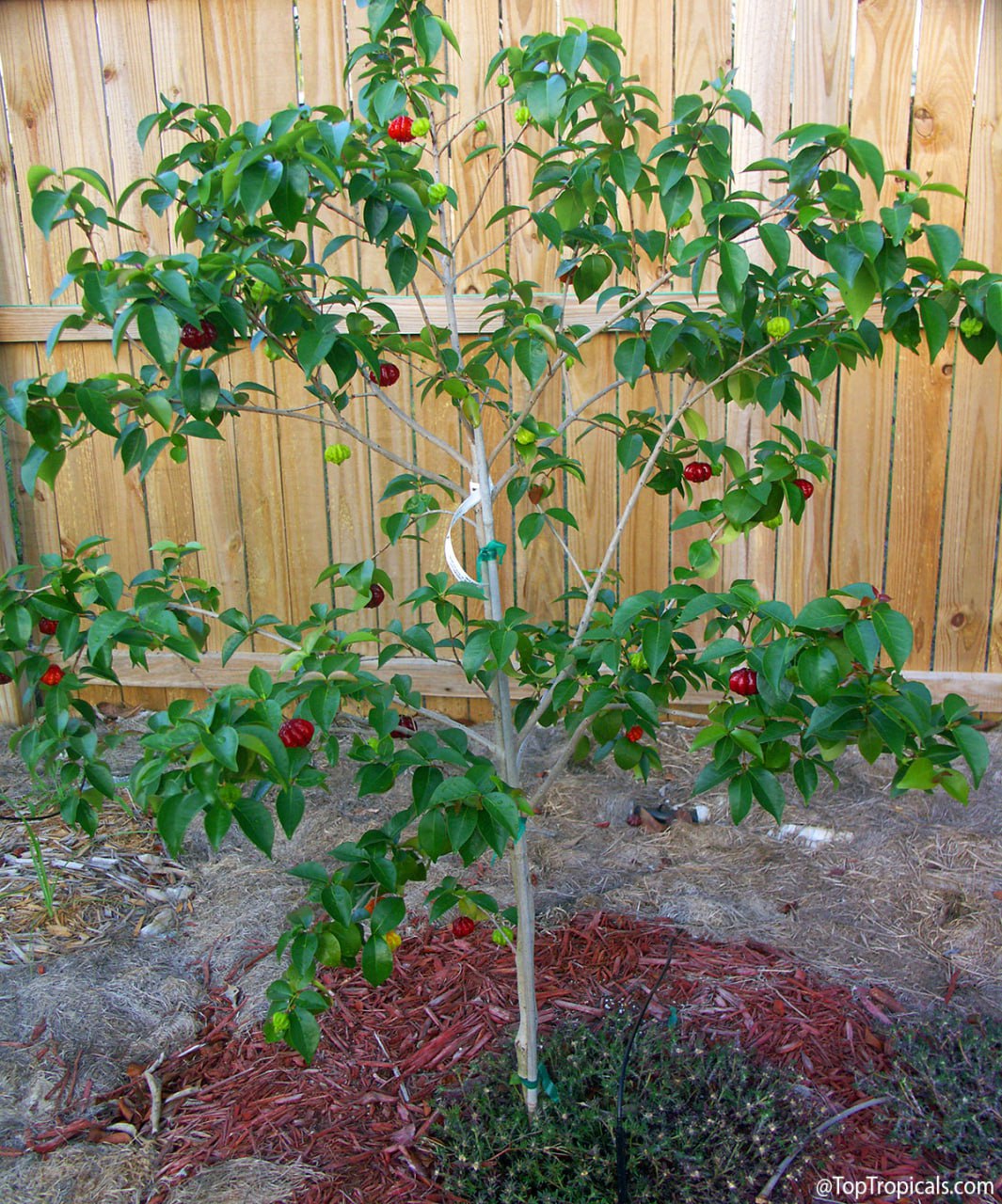
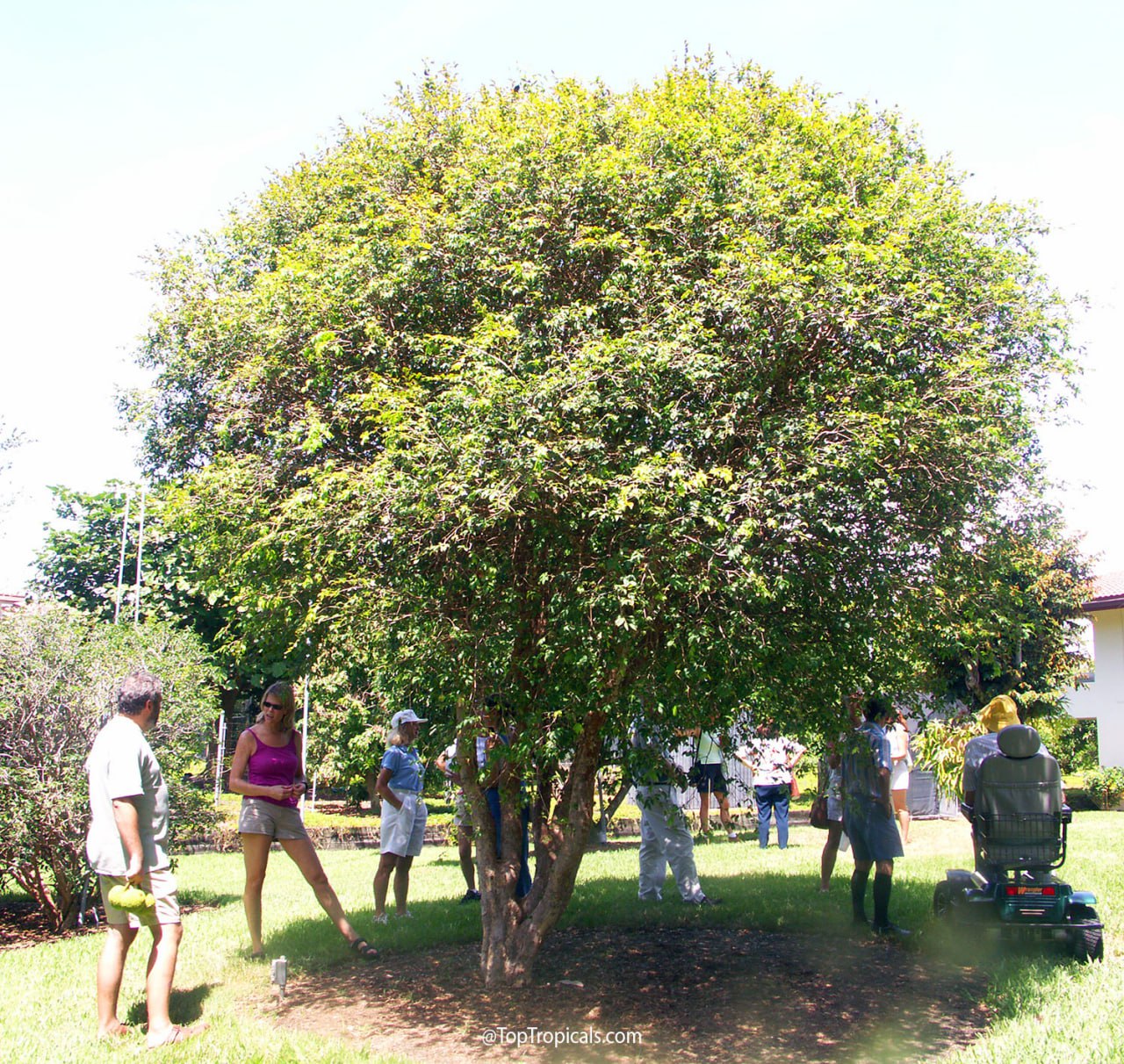
Botanical name: Psidium cattleyanum, Psidium littorale Also known as: Cattley Guava, Sand Plum, Strawberry Guava
USDA Zone: 9 - 11
Highligths
Eugenias (Grumichama, Rio Grande, Surinam and more)
Olive trees
Bay Leaf (Laurus nobilis)
Fig trees (Ficus carica)
Prunus sp - Peaches, Plums, Nectarines
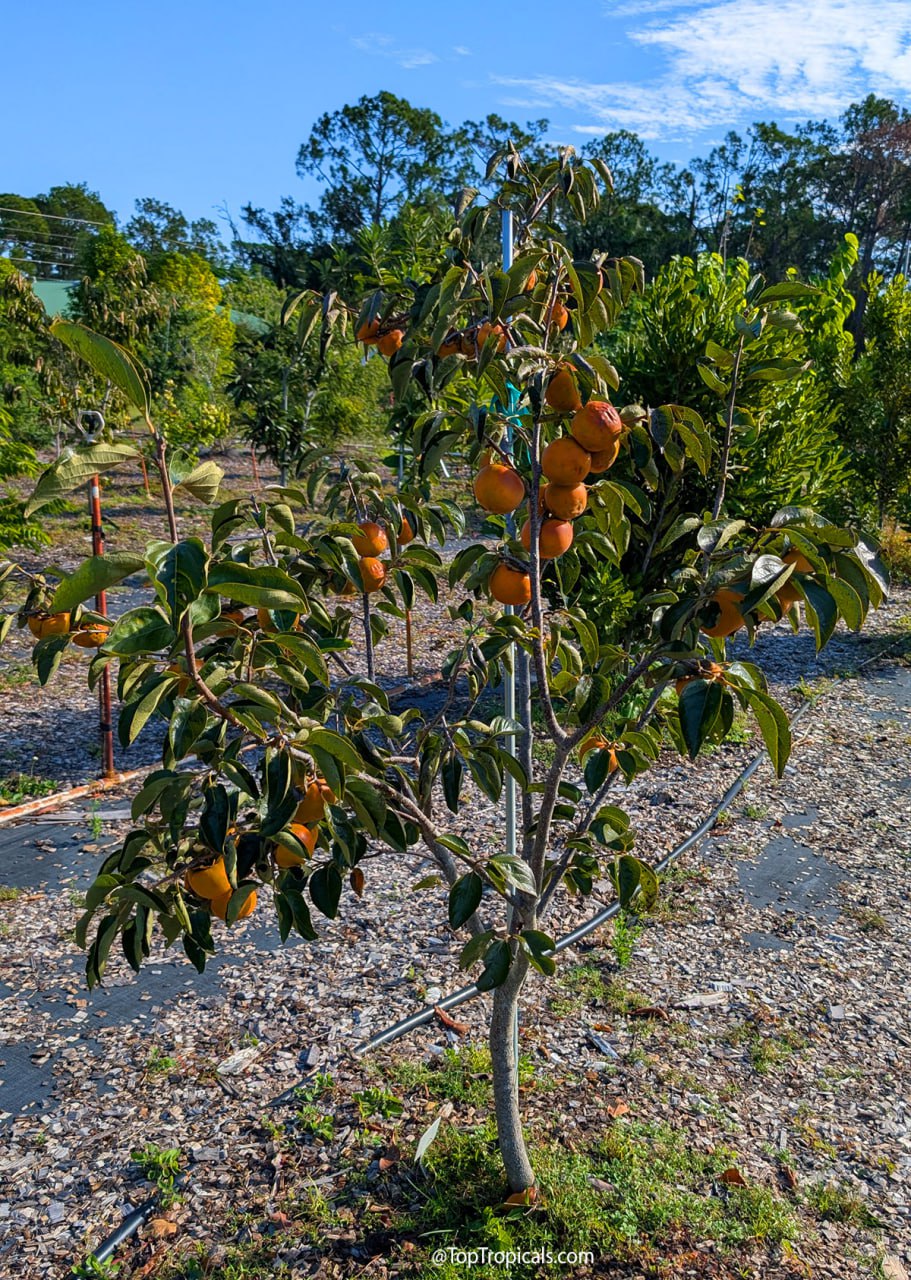
Persimmons
Rubus (Blackberries) including Tropical Mysore Raspberry
Elderberry (Sambucus)
Yerba Mate - Ilex paraguariensis
Opuntia - Nopal Cactus, Prickly Pear
🌸 Flowering Trees and Shrubs:
Beaucarnea recurvata - Pony Tail
Ponytail Palm Plant Facts
Botanical name: Beaucarnea recurvata, Nolina recurvata Also known as: Ponytail Palm, Pony Tail, Bottle Palm, Nolina, Elephant-foot Tree
USDA Zone: 10 - 11
Highligths
Callistemon - Bottlebrush
Yucca
Tabebuias
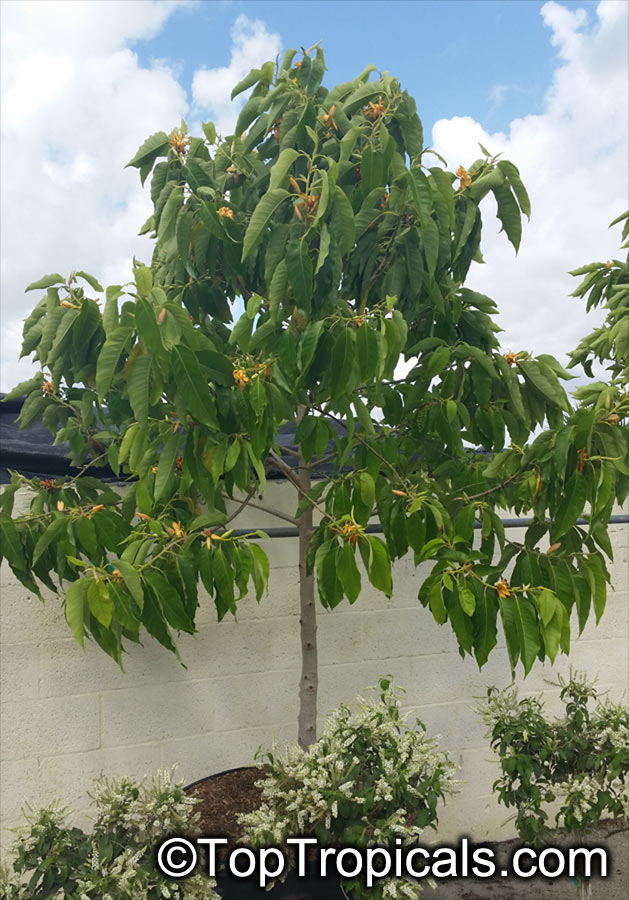
Magnolia figo and Little Gem
Banana Magnolia Plant Facts
Botanical name: Magnolia figo, Michelia figo, Magnolia fuscata Also known as: Banana Magnolia, Banana Shrub, Port Wine Magnolia
USDA Zone: 7 - 10
Highligths
Calliandra tweedii - Red Powderpuff
Sophora tomentosa
Yellow Necklace Pod Plant Facts
Botanical name: Sophora tomentosa Also known as: Yellow Necklace Pod, Silverbush
USDA Zone: 8 - 11
Highligths
Galphimia gracillis - Thriallis
Thriallis Plant Facts
Botanical name: Galphimia gracillis, Galphimia gracilis, Galphimia glauca Also known as: Thriallis, Rain of Gold, Spray of Gold
USDA Zone: 9 - 11
Highligths
Acacia trees
Osmanthus fragrans
Tea Olive Plant Facts
Botanical name: Osmanthus fragrans, Olea fragrans, Olea ovalis, Osmanthus longibracteatus, Osmanthus macrocarpus Also known as: Tea Olive, Fragrant Olive, Sweet Olive, Kinmokusei in Japan
USDA Zone: 8 - 11
Highligths
Abutilon trees
Erythrina - several species
Monkey Ear tree - Enterolobium cyclocarpum
Bauhinia Orchid Trees - several species
Pseudobombax ellipticum - Shaving Brush Tree
Shaving Brush Tree Plant Facts
Botanical name: Pseudobombax ellipticum, Bombax ellipticum Also known as: Shaving Brush Tree
USDA Zone: 9 - 11
Highligths
Bulnesia arborea- Vera Wood
Vera Plant Facts
Botanical name: Bulnesia arborea Also known as: Vera, Verawood, Vera Wood, Maracaibo Lignum Vitae
USDA Zone: 10 - 12
Highligths
Caesalpinia mexicana, Mexican Bird of Paradise
Mexican Bird of Paradise Plant Facts
Botanical name: Caesalpinia mexicana Also known as: Mexican Bird of Paradise, Dwarf Poinciana
USDA Zone: 9 - 11
Highligths
Sansevieria - Snake Plant
Foxtail fern - Asparagus densiflorus
Lonicera - several varieties
Jacaranda tree
Eucalyptus
Plumbago Imperial Blue
Philodendron bipinnatum
Gardenias
Gingers (dormant rhizomes)
✳️ Minimal leaf damage only:
(These plants showed light cosmetic damage but no structural injury)
🍑 Tropical Fruit Trees and Edibles:
Glycosmis pentaphylla - Gin Berry
Ash sheora Plant Facts
Botanical name: Glycosmis pentaphylla, Limonia pentaphylla Also known as: Ash sheora, Orangeberry, Rum Berry, Gin Berry
USDA Zone: 9 - 10
Highligths
Black sapote tree
Tamarind tree
Syzygiums: Rose Apple and Java Plum
🌸 Flowering Trees and Shrubs:
Pandora vine
Jasminum - several species
Stenocarpus sinuatus - Firewheel Tree
Firewheel Tree Plant Facts
Botanical name: Stenocarpus sinuatus Also known as: Firewheel Tree
USDA Zone: 9 - 11
Highligths
Xanthostemon
Quisqualis indica
Rangoon Creeper Plant Facts
Botanical name: Combretum indicum, Quisqualis indica Also known as: Rangoon Creeper, Burma Creeper, Chinese Honeysuckle
USDA Zone: 10 - 11
Highligths
Schotia tree
Eranthemum pulchellum - Blue Sage
Blue sage Plant Facts
Botanical name: Eranthemum pulchellum, Eranthemum nervosum Also known as: Blue sage, Blue eranthemum, Lead Flower
USDA Zone: 9 - 11
Highligths
Hiptage benghalensis - Helicopter Flower
Hiptage Plant Facts
Botanical name: Hiptage benghalensis, Hyptage bengalensis Also known as: Hiptage, Helicopter Flower
USDA Zone: 9 - 10
Highligths
🏡 What this means for Florida gardeners
This freeze was a stress test few gardens are prepared for. Yet many species handled 25F, wind, and multi-night freeze conditions without protection.
Choosing proven survivors, planting in smart microclimates, and maintaining strong plant health during the growing season makes a measurable difference.
More updates will follow as full recovery continues - but these early results already help define a stronger plant palette for future winters.
Ten best fruit trees to grow in Florida and Southern landscapes
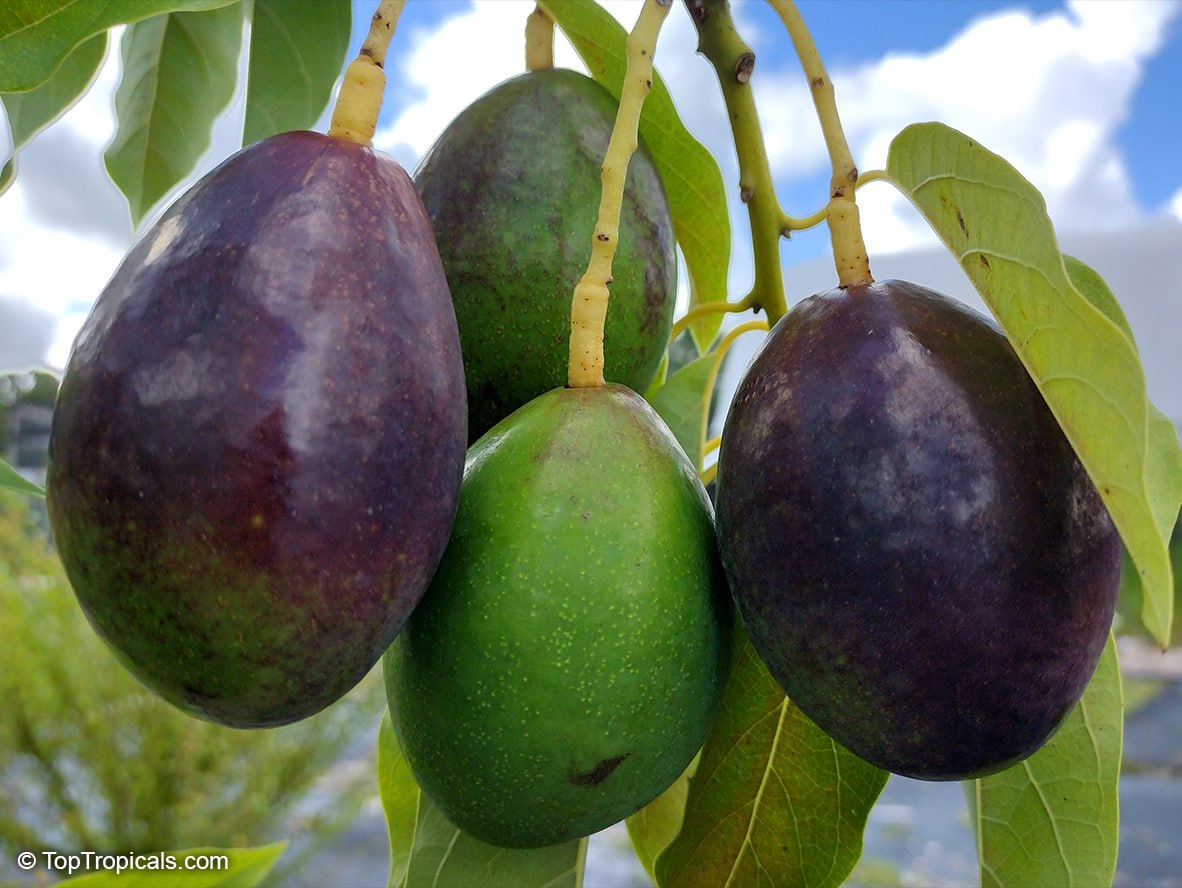
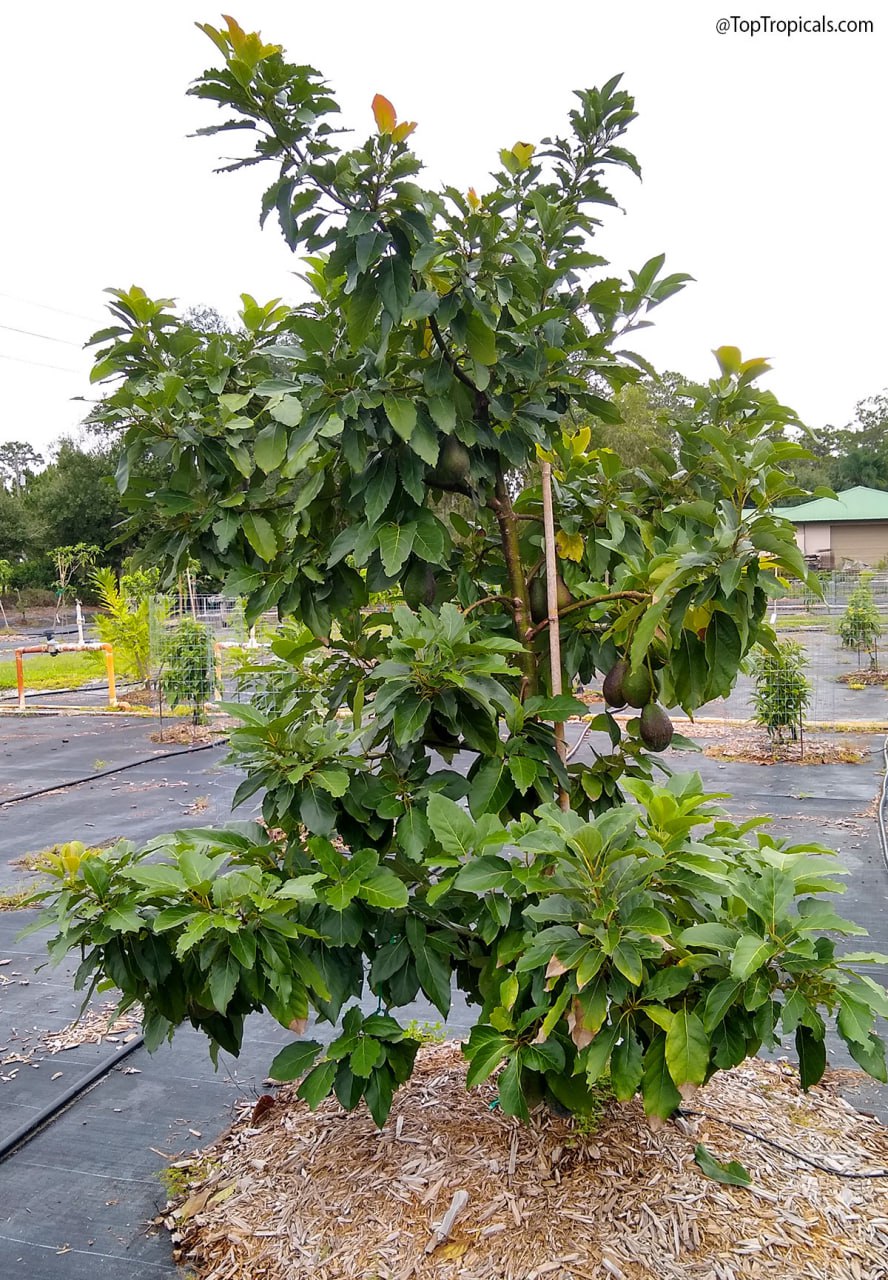
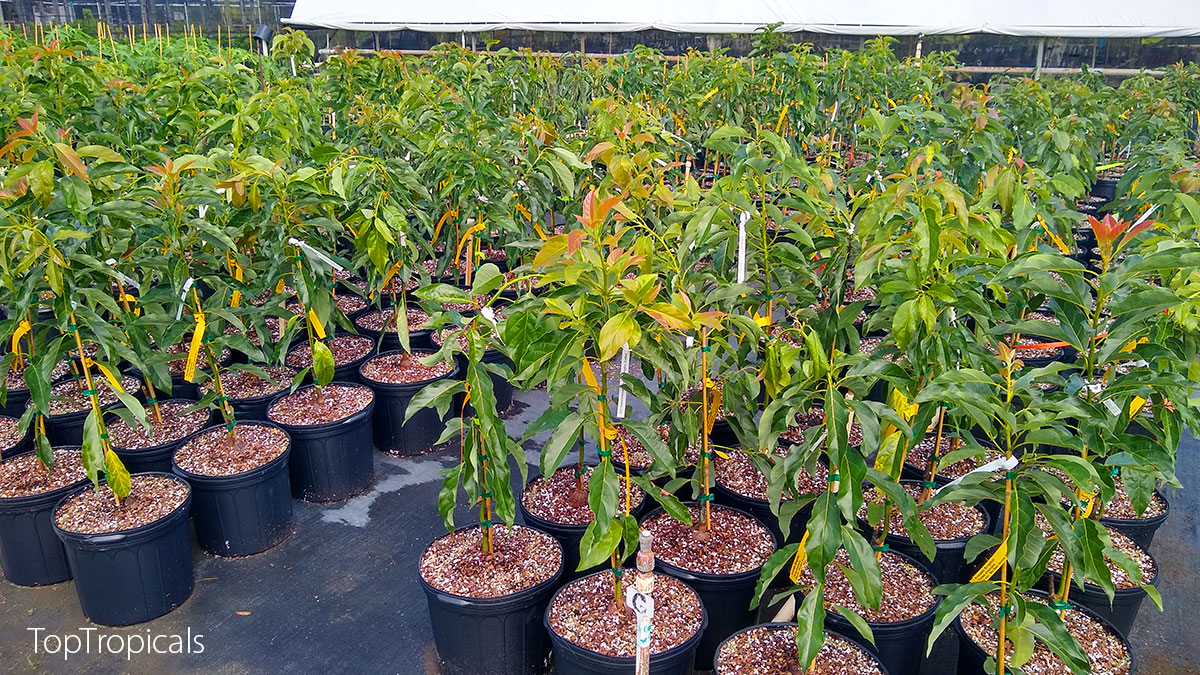
Avocado (Persea americana) fruit
🏆 Ten best fruit trees to grow in Florida and Southern landscapes. # 2: Avocado Tree.
Avocado (Persea americana) is a must-have in any tropical or subtropical garden, along with the mango. It’s a favorite fruit known for its health benefits and superfood status.
ColdHardy: Some varieties can survive temperatures below 25F, making it more cold-tolerant than mango trees.
Beautiful and Productive: Aside from the fruit, it's a lovely ornamental tree.
Grafted Varieties for Quality Fruit: Many plant enthusiasts enjoy growing Avocado from seed. Keep in mind that only grafted trees guarantee quality fruit and production right away, while seedlings take 7-8 years.
Growing Secrets: The avocado tree can be a bit tricky to establish. The two main secrets to successful growth are:
a) Good drainage
b) Regular watering
Avocados don’t like to dry out, but they also can’t tolerate wet feet. To ensure proper drainage, plant the tree on a raised mound (4-6 inches) and keep the soil consistently moist.
Compact Varieties Available: There are several compact varieties ideal for container culture, small spaces, and patios. Dwarf "Condo" varieties like Wurtz and Fuerte are perfect for containers, while semi-dwarf options such as Russell, Lila, Mexicola, Poncho, and Yamagata also perform well in smaller gardens.
📚 Learn more from previous posts: 🟡About #Avocado trees 🟡Avocado Varieties Guide 🟡10 best fruit trees to grow in Florida and Southern landscapes
Q: I intend to gift three avocados, at least one type A and one type B, to a friend who lives in an area where the temperature never goes below 25F. The idea is to give them a ripening season as long as possible. Which combinations do you suggest, and which are the A and B?
A: When talking about "A" type and "B" type in Avocados, it is referring to the flowers. An avocado will produce both male and female flowers on the same plant. "A" type means that the flowers are female in the morning and male at afternoon. "B" type means that the flowers are male in the morning and female in the afternoon. If you plant to start a commercial growth, then it's important to create a proper mix of both types. However, in hot and humid climate a single tree produces flowers of both types, so it is not necessary to have both A- and B- types planted together in backyard. Even a single tree produces enough fruits for home gardener.
It is also important to know that while there are more cold hardy avocados, it refers to a full grown established tree. They will still need protection from the cold until they are bigger and more established. One can not expect a small tree, which was planted in June, to survive the first winter. It'll take few years until the tree is "harden" enough.
Wurtz Avocado: Fruits from May to Sept.
Dwarf hybrid. It is very compact and slow growing, reaching only about 8-12 feet at maturity. Distinctive weeping growth habit. Suited for planters, containers, patios, greenhouse use. Great for dooryard or container growing. The tree can handle temperatures to 25(F) degrees. Production is good and it is a consistent bearer.
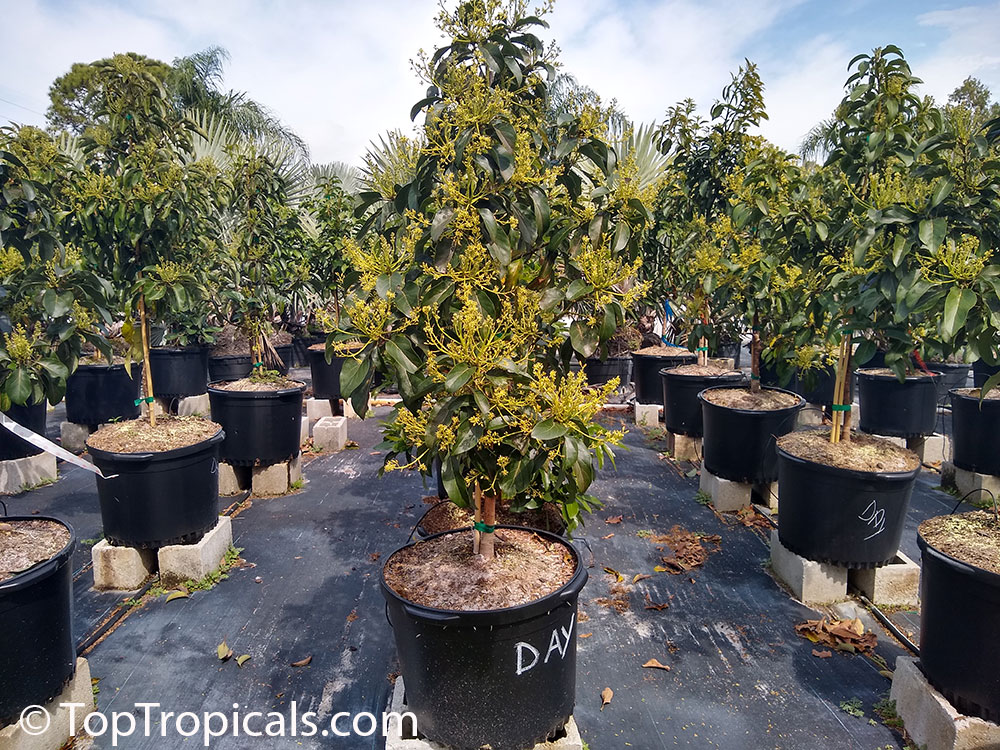
Day Avocado: Fruits July to Sept.
Day avocado is green, smooth skin and is shaped like a club. The fruit is of very good quality and has a nice buttery consistency. The slender tree is relatively cold tolerant and produces July through September.
Fuerte Avocado: Fruits Nov to June.
Relatively cold hardy variety. Green fruit, elongated,flavor excellent, buttery. Vigorous compact tree with decidedly alternate year bearing habit. Ripens November to June.
These three will provide you with fruit ripening during the whole warm season.
For the most cold hardy avocado varieties, see this info sheet.
Date: 20 Feb 2026
Top Ten Fruit Tree Winners of Florida 2026 Record Freeze
Avocado tree with fruit
Eugenia
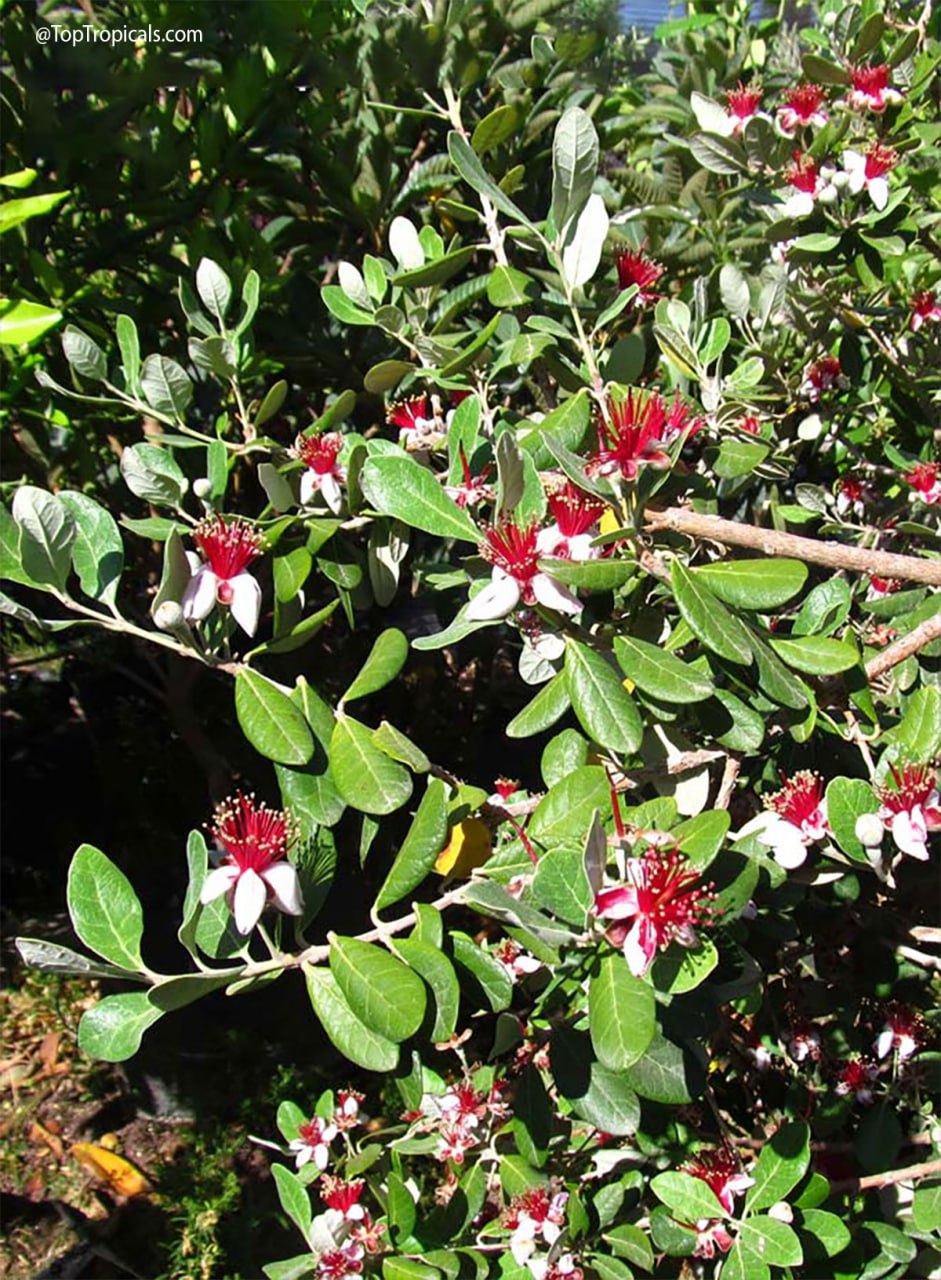
Feijoa - Pineapple Guava
Jaboticaba tree
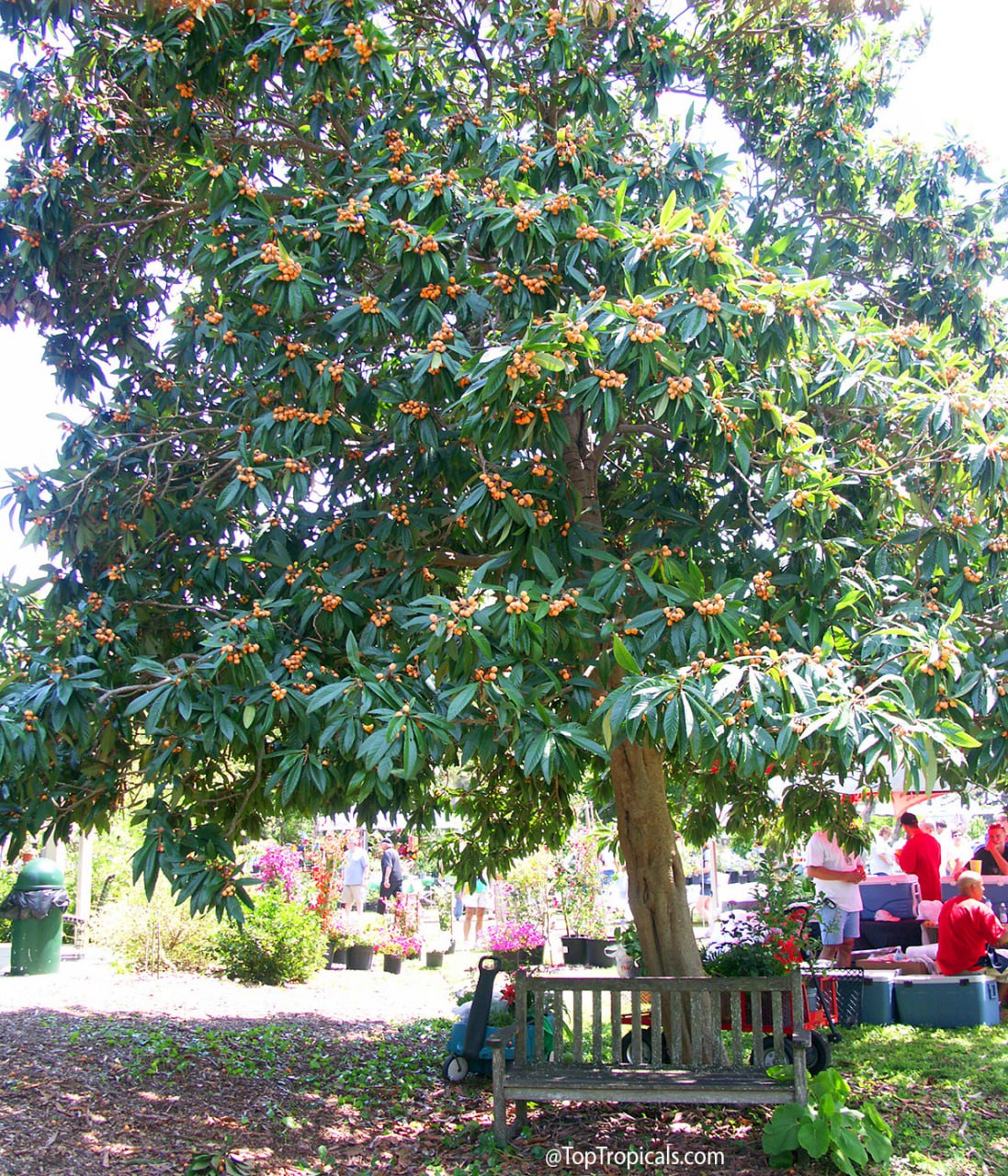
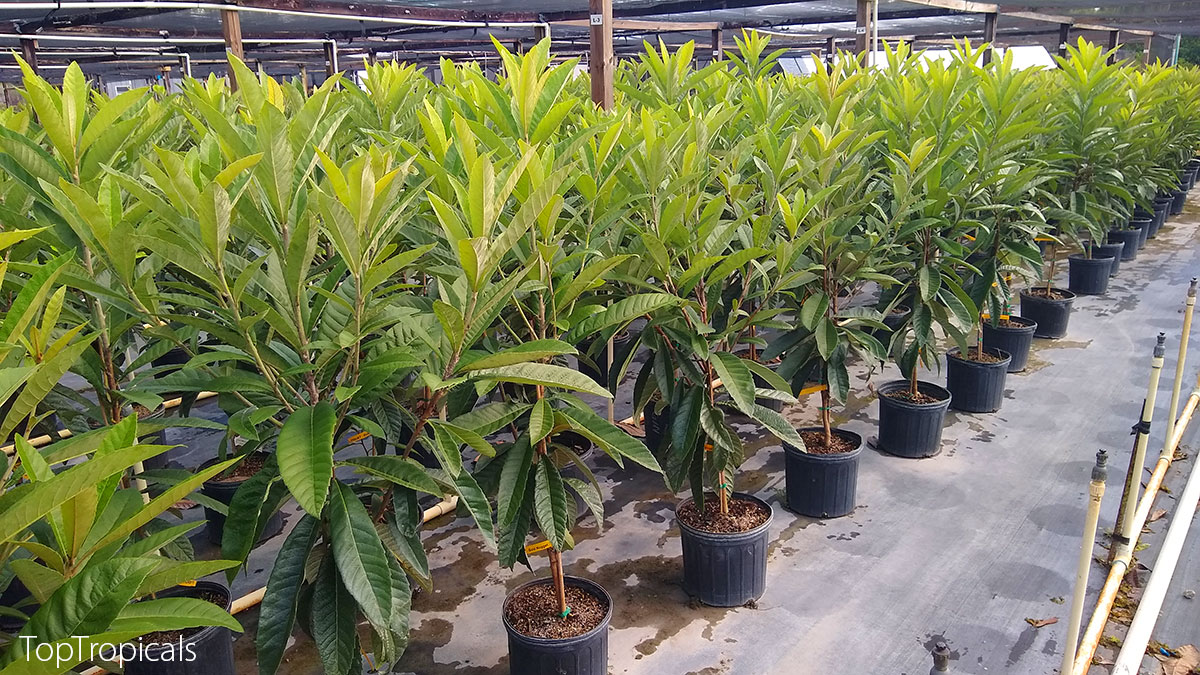
Loquat tree
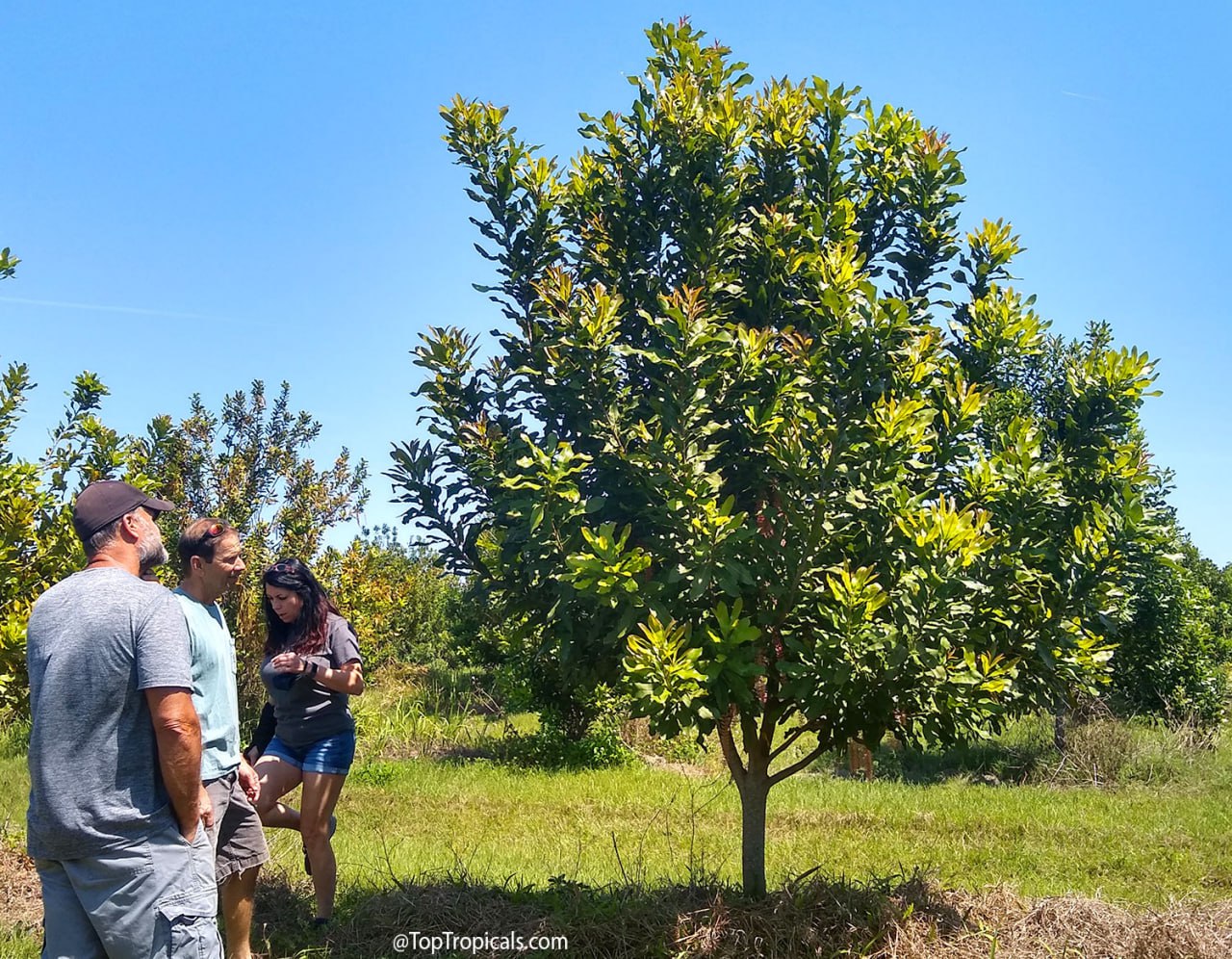
Macadamia Nut tree
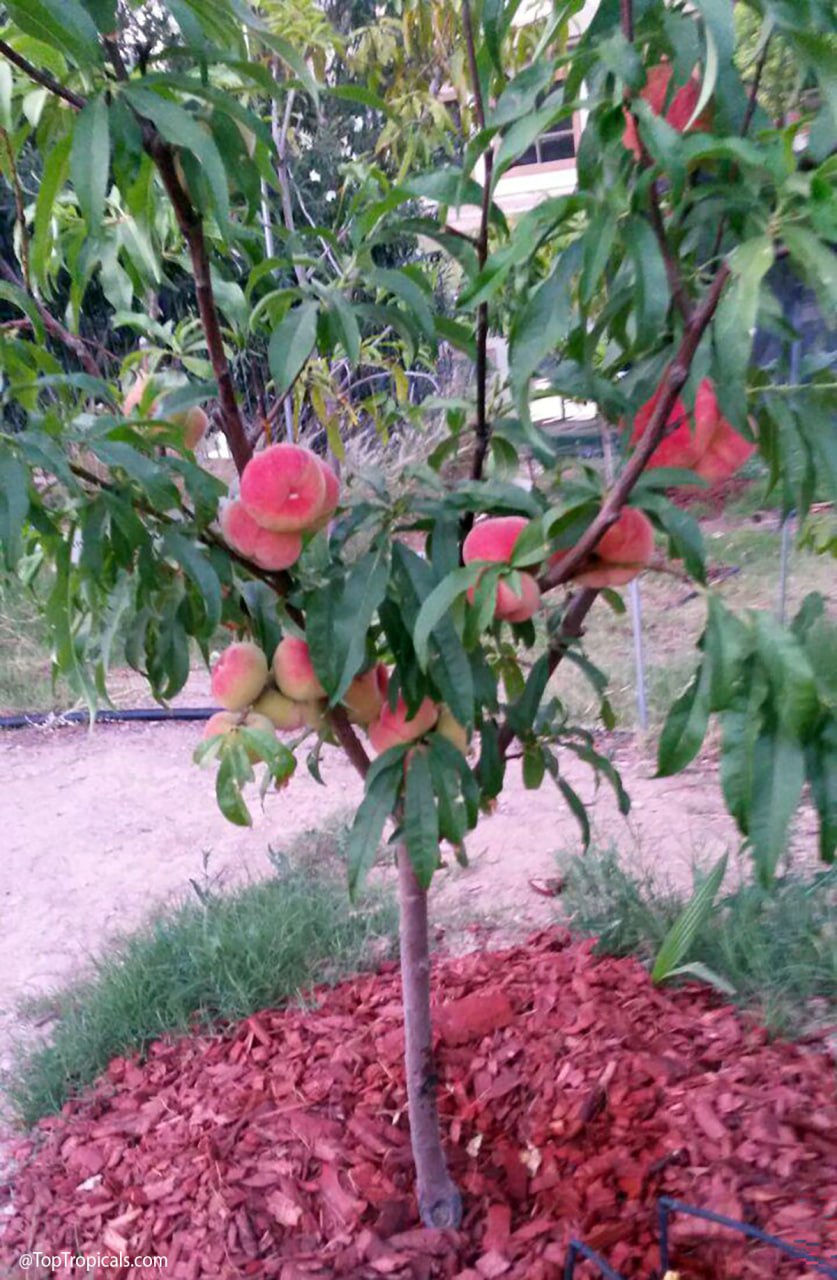
Prunus sp - Peach
Persimmon tree
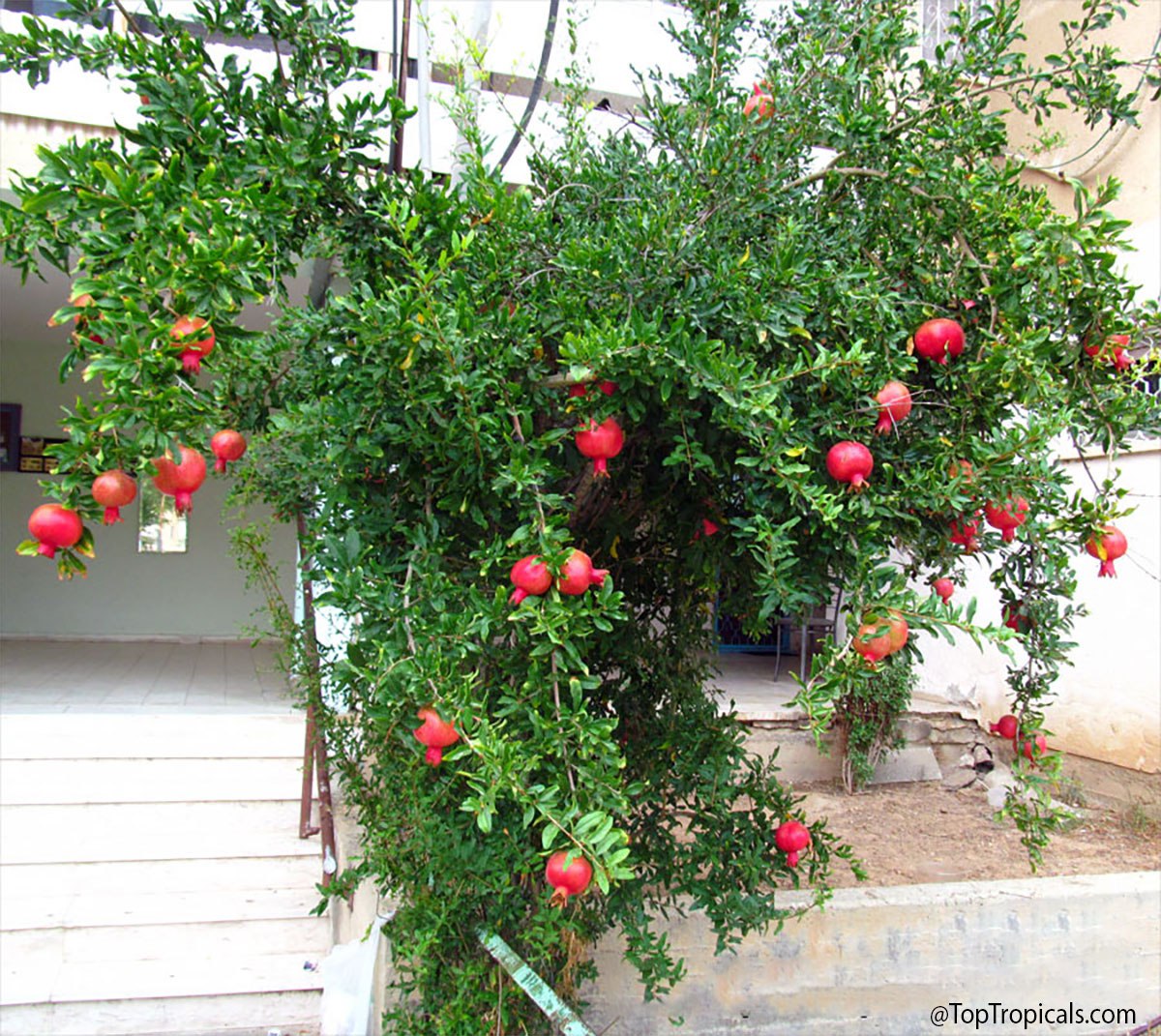
Pomegranate tree with fruit
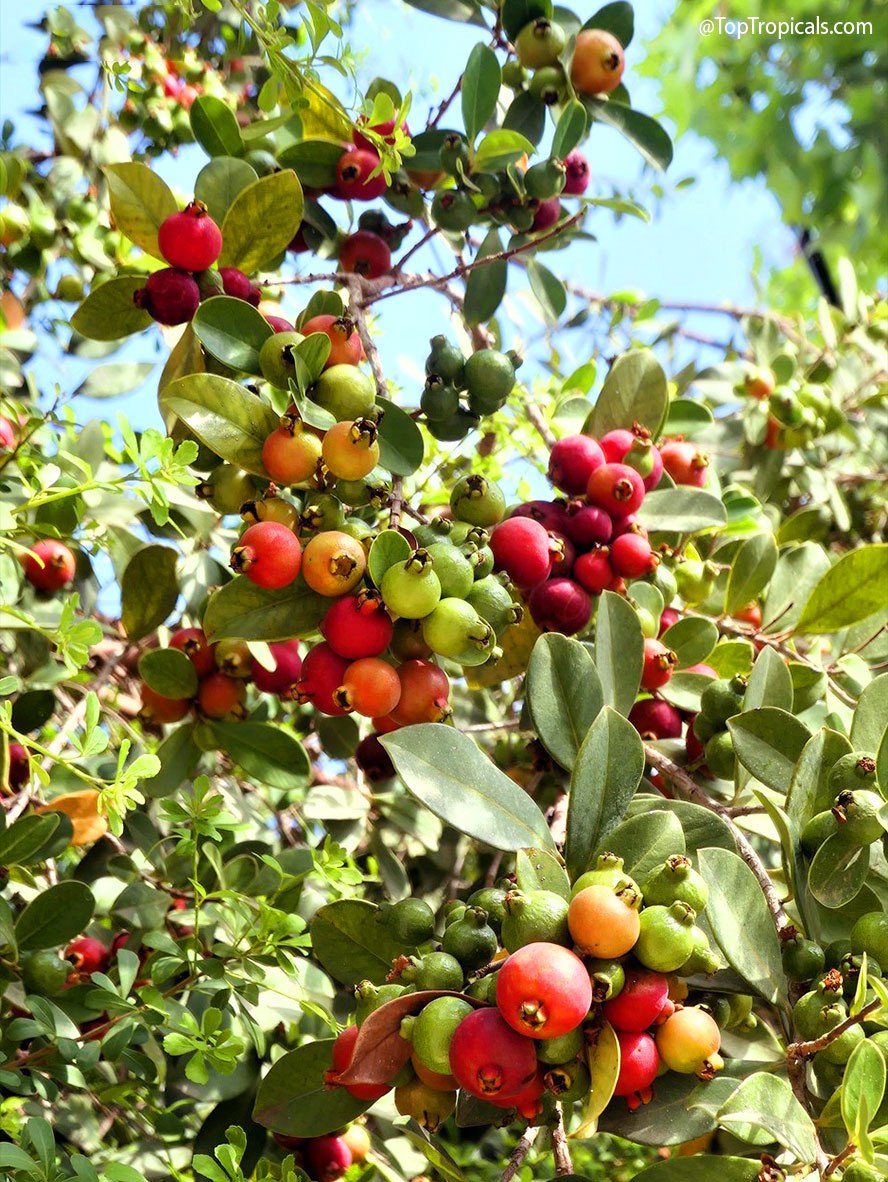
Psidium littorale - Cattley Guava tree with fruit
🏆 Top Ten Fruit Tree Winners of Florida 2026 Record Freeze
These fruit trees had no damage after 3 nights of hard freeze (25F) with NO PROTECTION:
Avocado Plant Facts
Botanical name: Persea americana, Persea gratissima Also known as: Avocado, Alligator Pear, Aguacate, Abacate
USDA Zone: 9 - 11
Highligths
Pineapple Plant Facts
Botanical name: Ananas comosus Also known as: Pineapple, Pina
USDA Zone: 9 - 11
Highligths
Pomegranate Plant Facts
Botanical name: Punica granatum Also known as: Pomegranate, Granada, Grenade, Pomegranate, Granada, Anar, Granaatappel, Pomo Granato, Romeira, Melo Grano
USDA Zone: 8 - 11
Highligths
Cattley Guava Plant Facts
Botanical name: Psidium cattleyanum, Psidium littorale Also known as: Cattley Guava, Sand Plum, Strawberry Guava
Everybody loves shopping online nowadays, and plants are no exception.
Buying plants by mail order is not uncommon anymore; it only takes one click,
and luckily, there are many sources - from big shopping malls like Amazon to
small backyard nurseries that sell their seedlings on eBay or Facebook - all
delivered to your door. But plants are alive... So when doing your online
plant shopping, you must ensure that you fully enjoy your experience and are
happy with a healthy plant that a) doesn't die; b) recovers quickly; and c)
starts growing fast, so you can see flowers and fruit as soon as possible.
The rule of thumb for shipping plants: bigger plants undergo shipping
better, experience less stress, less leaf drop, and recover quicker than plants
with smaller root systems. So when it comes to buying plants online, the
bigger, the better. Unfortunately, many mail-order plant sources may sell you a
tiny twig that has very few chances of surviving. Shipping is very expensive
today, so shipping a bigger size plant may cost more than the plant
itself.
Below is a piece of advice on how to make the best plant selection for
your garden...
1. Find a source with bigger plants. Check reviews, ask friends
for recommendations, inquire from the company about the size of their plants
and how they pack their plants for shipping. TopTropicals offers well-established, strong plants with developed root
system, in container sizes 1, 3, 7, 15 gallon, directly from a tropical
Florida growing farm. Our unique plant-packing techniques are state of the art!
2. Price not always reflects the size and quality of the plant
TopTropicals offers many deals, discounts and sales, while still
providing the biggest and strongest plants grown in real tropical conditions.
3. Most fruit trees must be grafted to produce good fruit. Make
sure you are not purchasing a seedling when it comes to Mango, Avocado,
Peaches and some other trees with named varieties that don't come true to seed. TopTropicals offers only grafted - Mango,
Avocado and a large number of other tropical cultivars.
4. Pick up when possible from the nursery your ordered from, or
get a delivery, instead of shipping the plants. A drive to the nursery will save you more time and money in the
future, plus you can hand-pick the biggest and healthiest specimens. TopTropicals is open 7 days a week for your convenience. Visit our Ft Myers Garden Center or Sebring Farm to select the biggest plants.
5. Take advantage of X-Large size plant material if you live
outside the tropical zone and are trying to zone-push your tropical garden.
Bigger plants will establish faster and have more chances to survive cold winters.
Again, it will save you money in a long run (although bigger plants may be
more expensive, but their survival rate is much higher when it comes to cold
nights). TopTropicals offers X-Large flowering and fruiting trees (7-15-25
gallons), and most of the varieties you see in our online
store can be custom-ordered in big sizes. Delivery and installation
available.