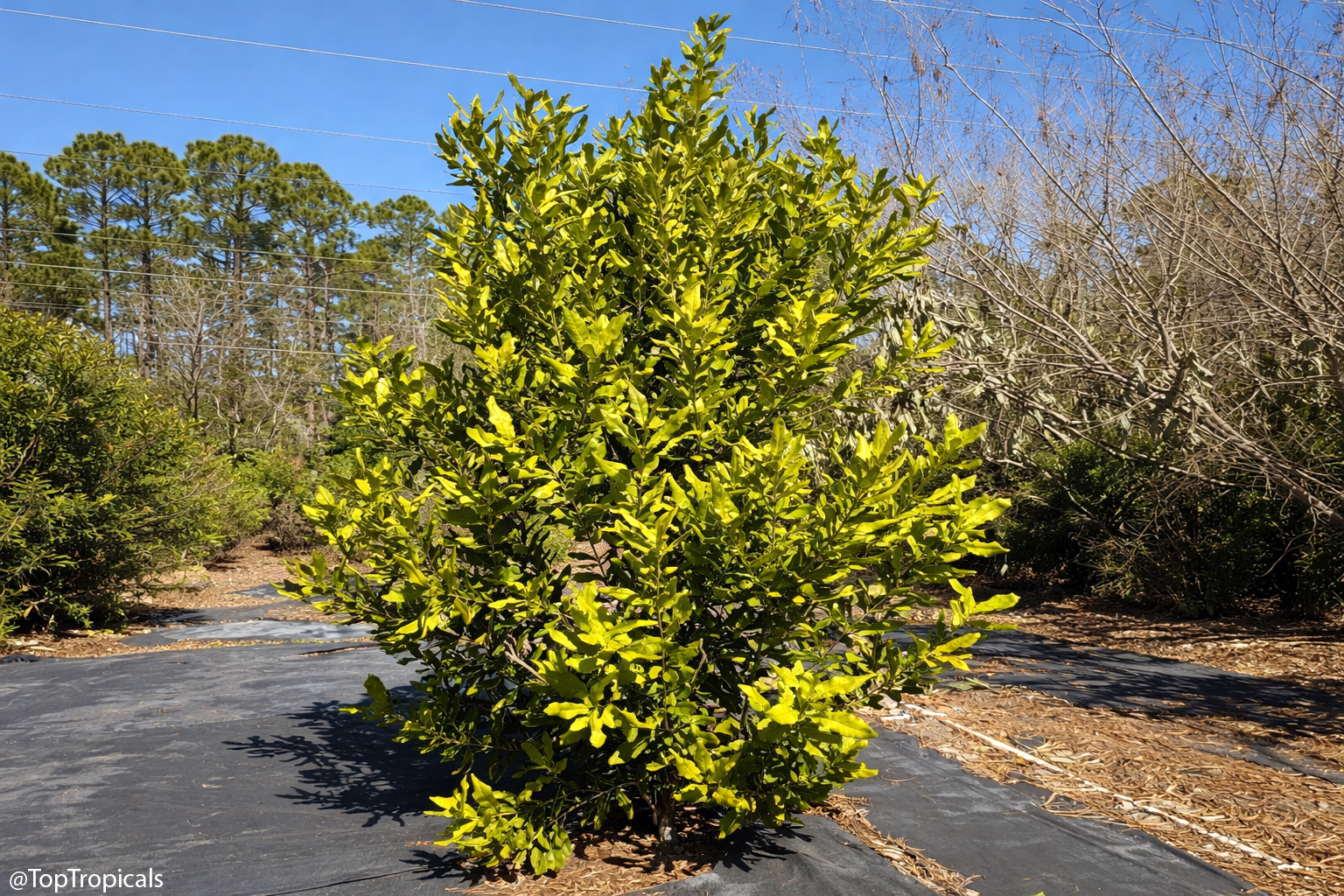
3 year old macadamia tree after 3 nights of hard
freeze in February 2026 - standing strong.
Earlier in early February we had a rough stretch at the B-Farm in Sebring. Three nights around 25°F with steady wind. Weather like that quickly shows which plants actually belong in Zone 9 and which ones only look good on paper.
Once things warmed up and we could see the real results, a few clear winners stood out. All of the macadamias handled the cold surprisingly well. The grumichamas stayed solid. And the cold-hardy avocado varieties again proved why gardeners rely on them in borderline climates.
Avocado Plant Facts
Botanical name: Persea americana, Persea gratissima Also known as: Avocado, Alligator Pear, Aguacate, Abacate
USDA Zone: 9 - 11
Highligths
Instead of listing every tropical plant that might survive a freeze, we decided to keep things practical and focus on the ones that actually went through this cold spell and that we currently have in stock.
If you garden in USDA Zone 8b-9, these are the kinds of trees that make winter a lot less stressful.
Yes, you can grow a mango tree on your patio - here is how to do it right
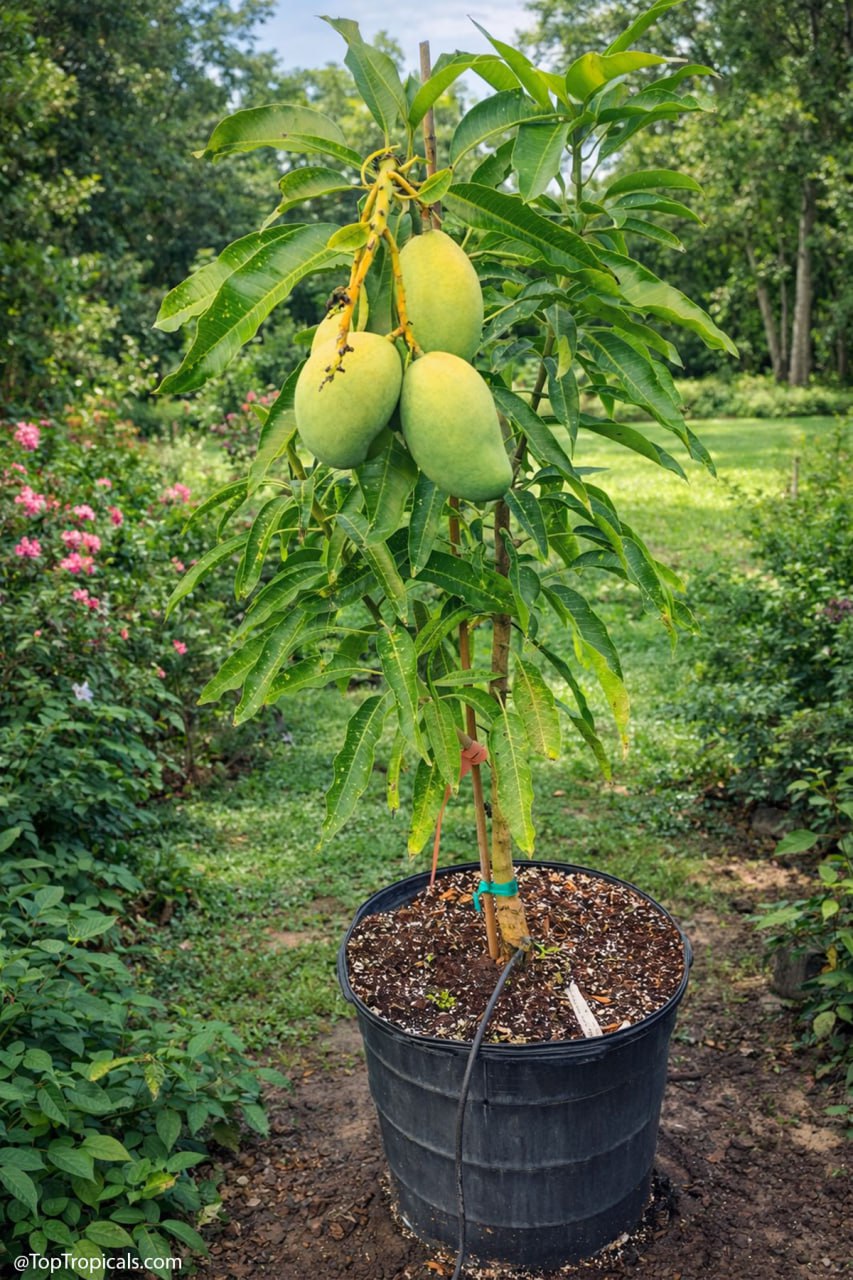
Mango fruiting in container
🥭 Yes, you can grow a container mango tree on your patio - here is how to do it right
Think you need a backyard orchard to grow mangoes? You don't. Mango trees grow very well in containers. Compact varieties, often called condo mangoes, stay naturally smaller and are well suited for pots, patios, and small yards. We grow and ship mango trees nationwide and have seen which varieties perform best in containers.
Mango Plant Facts
Botanical name: Mangifera indica Also known as: Mango
USDA Zone: 9 - 11
Highligths
Growing mangoes in pots is also practical in cooler climates. The tree can be moved to protection during cold weather while still producing real fruit. Here is how to do it right.
🥭 Pick the right condo mango tree variety
Choose condo or semi-dwarf mango varieties that stay smaller and respond well to pruning. These mango trees usually stay 6 to 10 feet tall in containers with light pruning. Fruit size is full-size, just fewer than on large trees.
Good mango choices for pots include:
· Cogshall - compact and productive
· Pickering - naturally small and reliable
· Carrie - manageable size, great flavor
· Ice Cream - slow growing, narrow canopy
· Julie - classic Caribbean type
· more condo varieties...
🥭 Choose the right pot
Start small. Young mango trees do best in a 5- to 7-gallon pot. Oversized containers too early often cause overwatering and root issues.
Increase size gradually:
First pot: 5-7 gallons
Next size: 10-15 gallons
Mature container: 20-25 gallons
The pot must drain well. Mango roots dislike wet soil. Add holes if needed. Plastic, ceramic, and fabric pots all work.
🥭 Use fast-draining soil
Mango trees need air around their roots.
Use a loose, fast-draining mix, such as Abundance Professional Soilless Mix. Improve drainage with perlite, pine bark, or coarse sand. Avoid heavy or water-holding soils. Drainage matters more than fancy ingredients.
🥭 Water carefully
Mango trees prefer a wet-dry cycle.
Water deeply, then allow the top few inches of soil to dry before watering again. Always check with your finger first.
In warm weather, water once or twice a week. In winter, much less. Overwatering is the most common container mistake.
🥭 Give plenty of sun
Mango trees love sun and heat.
Place the pot in full sun with at least 8 hours daily. More sun improves growth and flowering.
If overwintered indoors, use the brightest window possible. Grow lights help, but outdoor sun is best when weather allows.
🥭 Fertilize lightly but consistently
Potted mango trees benefit from regular feeding during active growth.
Use a balanced mango or fruit tree fertilizer such as Sunshine Mango Tango (safe to use with every watering, year-around). Controlled-release fertilizer Green Magic (every 6 months) work well too. Avoid excess feeding, which promotes leaves over flowers.
If leaves pale, check watering first, then nutrition.
🥭 Prune to stay compact
Pruning is essential for mangoes in pots.
Light tipping and trimming control size, encourage branching, and increase flowering points. Keep the canopy open and balanced. Watch how simple tipping works in real life: .
Avoid heavy pruning before flowering. Most pruning is best right after harvest.
🥭 Protect from cold
Mango trees are tropical and cold-sensitive.
When temperatures drop below 40F, move the pot to protection or indoors. Young trees are especially vulnerable.
During winter, reduce watering and stop fertilizing. Growth slows and the tree rests.
When warm weather returns, reintroduce the tree to sun gradually to prevent leaf burn.
🥭 Final thoughts
Growing a mango tree in a pot is practical and rewarding. With the right variety, good drainage, full sun, and careful watering, a potted mango can thrive and fruit for years, even in small spaces.
Ready to start? Choose a compact mango variety.
Q: What is the ruling planet of Guanabana? I have
searched the internet, but can't find anything. Thought maybe you might
know?
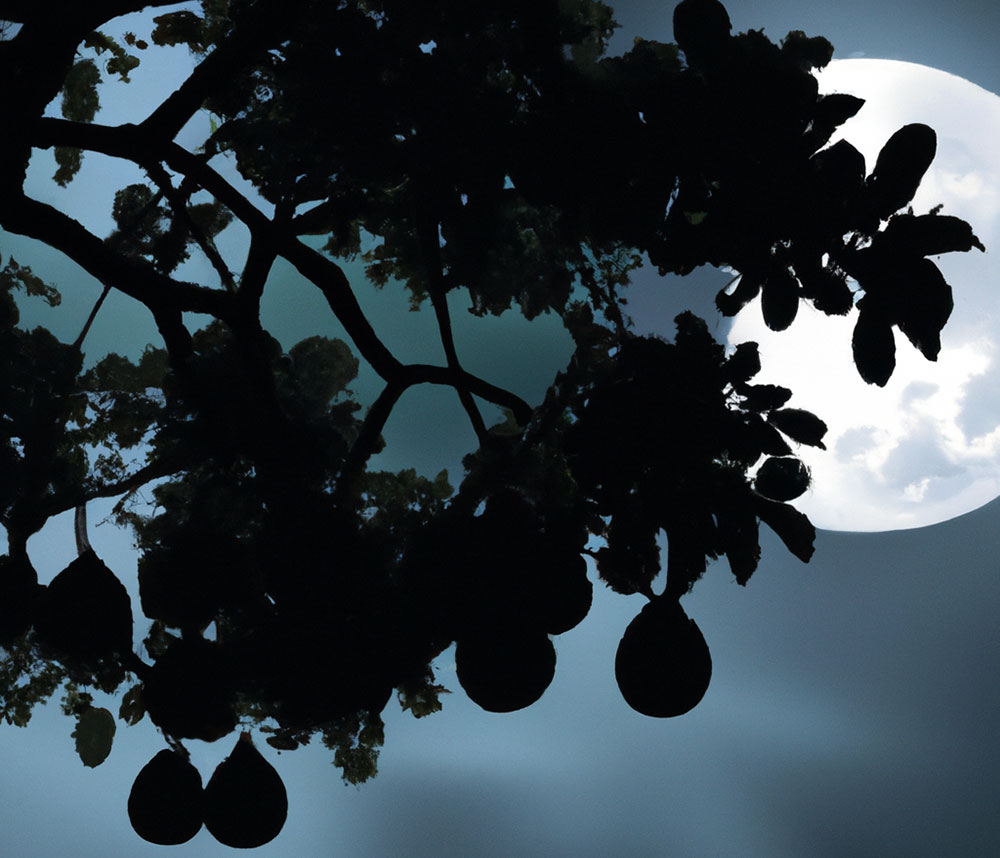
A:Annona muricata is native to the Caribbean and Central America,
which falls under the patronage of the Pisces constellation. The planets that rule the house for this
constellation are the Moon, Jupiter, and Neptune, with Water being a key element of
its essence. These planets can be considered the ruling planets for the
Guanabana plant...
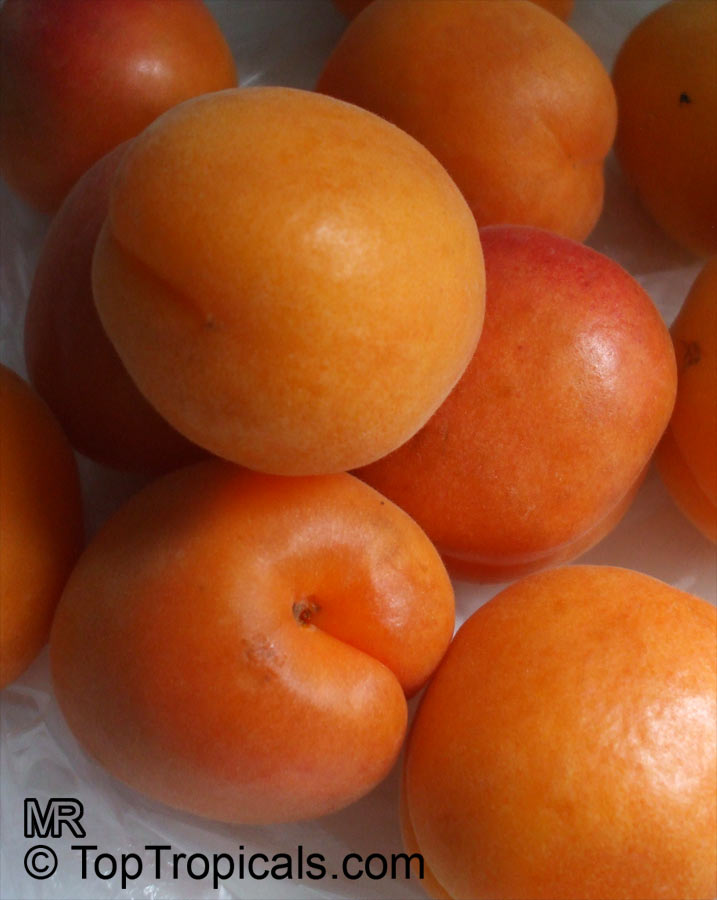
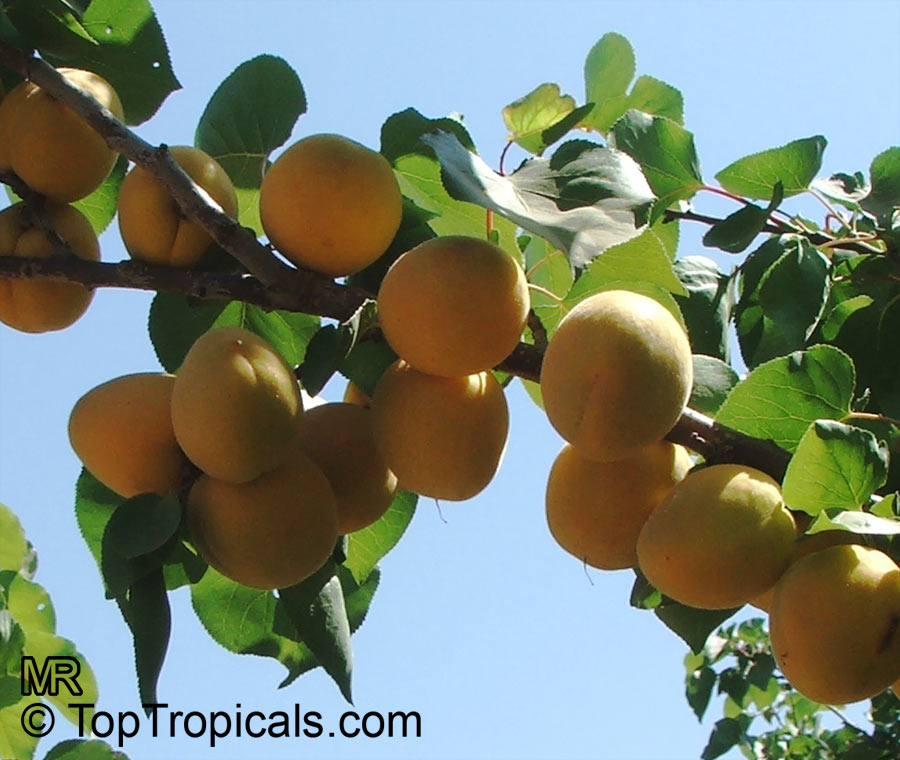
A: Low chill apricots have been specially
developed for subtropical regions like Central and South Florida, where the climate
is not typically conducive for apricot cultivation due to the high number of
chill hours required. This is also true for other fruit trees such as plums
and peaches. However, through successful hybridization, several low chill
varieties have been created that require less than 300 hours of cold weather
below 45 degrees.
One such example is the low chill Katy Apricot tree, which only requires 250 chill hours and is
self-fertile. It is a popular choice among homeowners due to its large size, rich
flavor, and free-stone characteristics with a semi-sweet, low-acid taste. Katy
Apricot tree typically bears fruit early, usually in May.
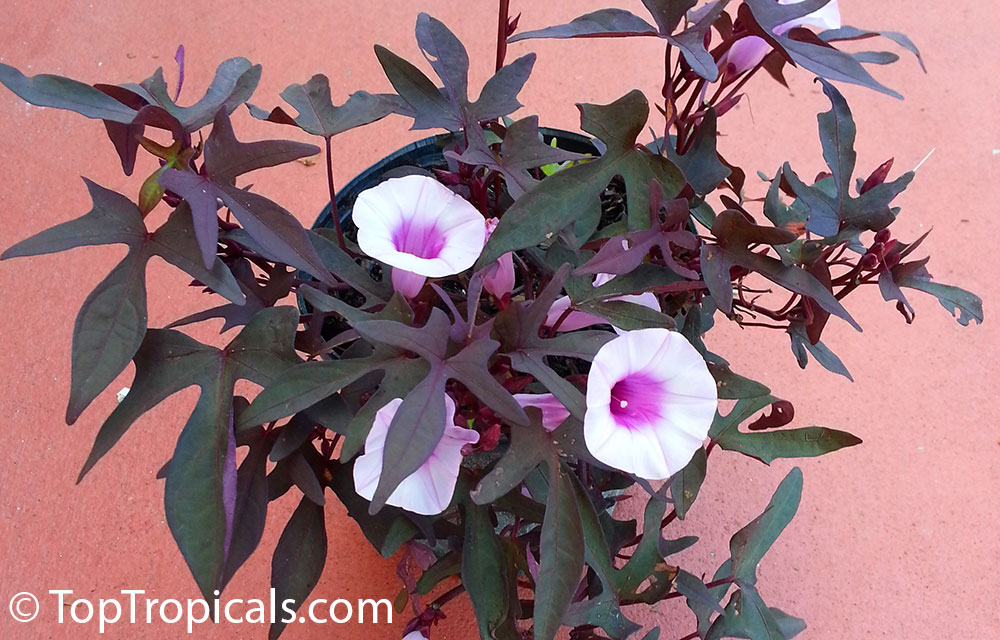
"Oh my, what is this luxurious vine? These large, bright flowers! Looks
like the Morning Glory and... is not like anything!"
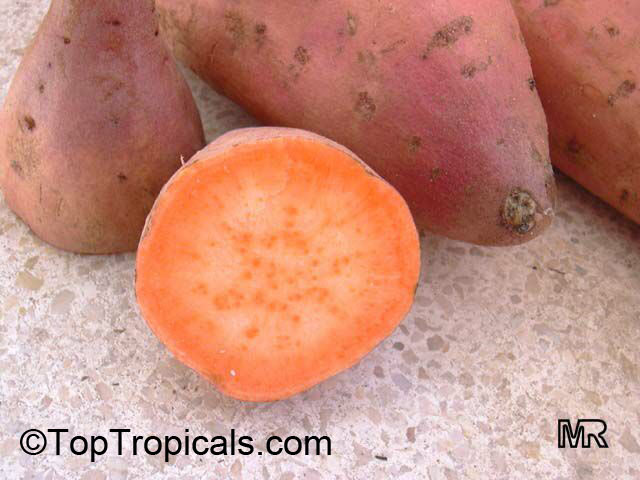
"You want to know what this is? This is my favorite breakfast, lunch and
dinner. For breakfast - sweet, but healthy porridge, for lunch - a wonderful
side dish, and at last this plant makes a wonderful dessert after dinner!"
I didn't expect sweet potatoes to be represented by such a beautiful plant!
So my old good friend introduced me to this supposedly ordinary, but
spectacular and useful edible plant. Yet it is very fast growing and easy! Here is
the story...