Garden Blog - Top Tropicals

Date: 14 May 2016

Top Tropicals Video: Ambarella - delicious June Plum

Golden Apple, or June Plum - Spondias cytherea.
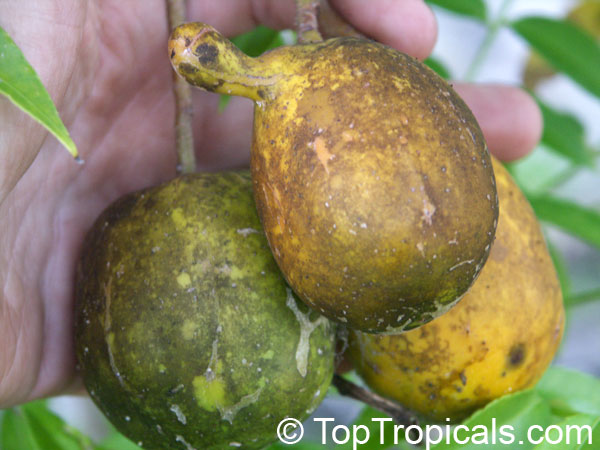
This exciting fruiting plant will amaze you with its ability to flower and fruit at a young age. It fruits in winter and holds the fruit up to 6-8 months, long after the leaves have dropped. The fruit appears in pairs and will turn a brushed-golden color as it ripens. Its feel and juiciness resembles that of a mango but with completely different flavor. The Golden apple is used both in sweet and savory dishes depending on its ripeness. When green, the fruit is commonly eaten as is (with or without skin just like green mangoes) with salt and other salty/spicy dips, made into salsas, chutneys, and into juices and smoothies. When fully ripe, the Golden Apple will be deep yellowish-orange in color. When yellow, the fruit is eaten just like an apple or stewed with sugar to make an applesauce-like dessert.
Check out this video: ...

Stay updated with TopTropicals Videos by subscribing to our channel at YouTube.com/TopTropicals and get our latest video news of what's fruiting and blooming!
Date: 9 Jul 2024

Truth about Blackberry Jam:

Truth about Blackberry Jam:
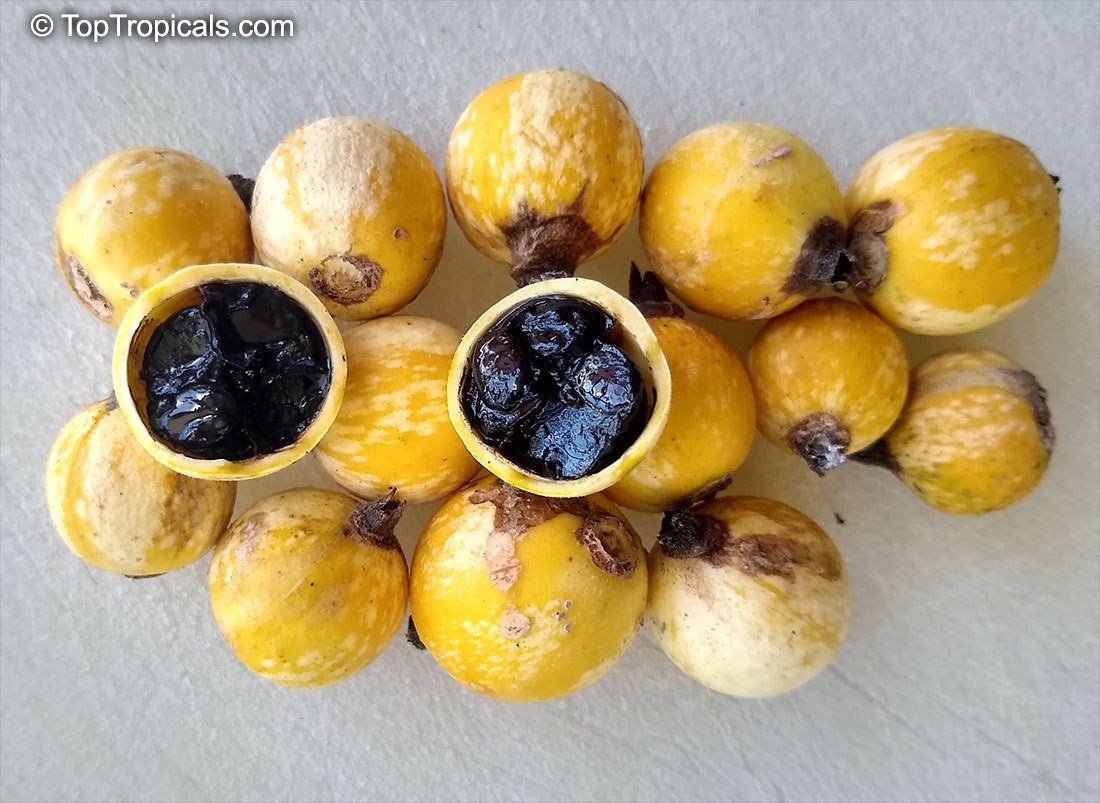
Truth about Blackberry Jam: it comes from Gardenia!

  • Randia formosa - Blackberry Jam Fruit, Jasmin de Rosa is a curious small evergreen tree from South America that combines features of a fragrant flower and delicious dessert fruit which tastes like fresh Blackberry jam. Fragrant white flowers are similar to Gardenia.

  • This relatively hardy tropical can be grown in a container as well as in the ground. It's very сompact (4-5 ft), perfect for container culture, will fruit in a container.

  • Kids love the fruit! Many claim that it is even better than Blackberry preserves.

  • Large tubular white flowers attract nocturnal moths. Since the plant is closely related to the gardenia (Rubiaceae plant family), its flowers are sweetly fragrant.

  • Produces as many as 25-30 fruits at a time. Since it blooms for a few months from Summer through Winter, fruiting and flowering can be enjoyed even when other plants are dormant.


📚 Article about Blackberry Jam Fruit formosa

🛒 Order Blackberry Jam tree

#Food_Forest #Container_Garden

🏵 TopTropicals

Date: 30 Mar 2026

How big does the Condo Mango grow?

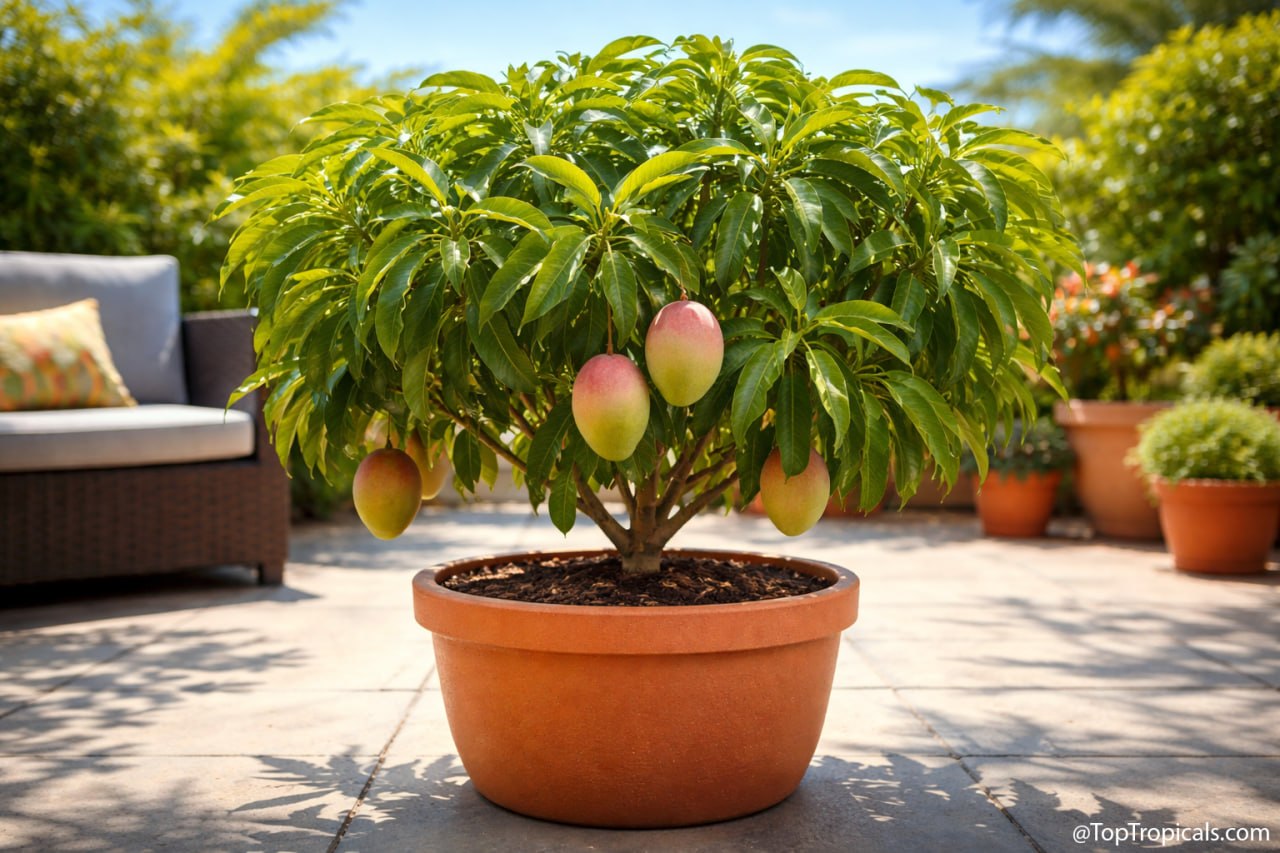
Mango tree fruiting in container

Mango tree fruiting in container

How big does the Condo Mango grow? 🥭

All mango trees are naturally vigorous and, if planted in the ground, they all can grow into full-size trees reaching 15-20 ft or more. The term "Condo Mango" refers to varieties with a more compact growth habit that can be kept small in containers with light pruning. In a pot, their size is controlled by root space and regular trimming, allowing them to stay manageable and productive for many years. Here is how:
  • 🥭 Condo mango = mango trees that stay compact in containers with light pruning.

  • ✔️ In ground: 15–20+ ft
  • ✔️ In pots: keep them 6–8 ft


🥭 Best pot sizes

  • · 3-7 gal - starter (3–6 months)
  • · 7-5 gal - young tree (1–2 years)
  • · 15-25 gal - ideal long-term
  • · 25-40 gal - faster growth, more pruning

  • 👉 Smaller pot = easier care
  • 👉 Bigger pot = more growth + more work


🥭 Best mango types for containers


True dwarf (easiest)
Minimal pruning, perfect patio trees

Baptiste
Carrie
Cogshall
Diamond
Ice Cream
Julie
Little Gem
Mallika
Manilita
Nam Doc Mai
Pickering
Rapoza (Dwarf Hawaiian)

Semi-dwarf (manageable)
More growth, bigger harvest, need more pruning

Cushman
Fairchild
Florigon
Fralan
Glenn
Graham
Irwin
Ivory
Keitt
Lancetilla
Lemon Meringue
Maha Chinook
Mun Kun Si
Neelum
Okrung
Philippine (Manila)
Val Carrie
Van Dyke
Venus

✂️ Simple rules that matter

  • · Keep tree 6–8 ft with pruning
  • · Use fast-draining soil (critical)
  • · Full sun = fruit
  • · Feed regularly - Green Magic + Mango Tango
  • · Repot or root-prune every few years


🛒 Select from Condo Mango varieties

📚 Learn more:
#Food_Forest #How_to #Discover #Mango

Plant Facts

Mangifera indica
Mango
USDA Zone: 9-11
Large tree taller than 20 ftSmall tree 10-20 ftFull sunModerate waterYellow, orange flowersPink flowersEdible plantSeaside, salt tolerant plant
🟢 Join 👉 TopTropicals

Date: 17 May 2023

Horoscope for Guanabana tree?

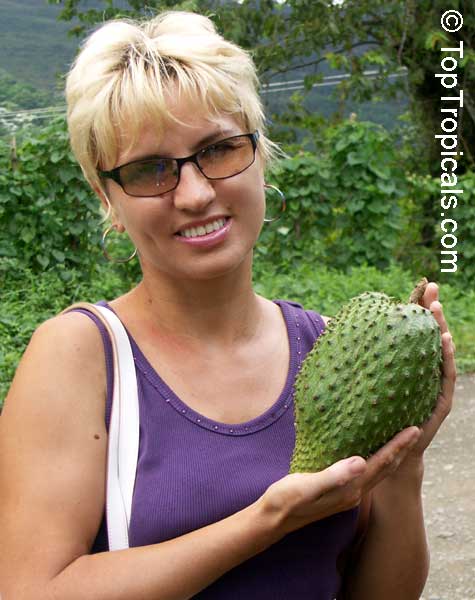
A  blonde  girl  holding  Soursop,  Guanabana  fruit

By Alex Butova, the Witch of Herbs and Cats

Q: What is the ruling planet of Guanabana? I have searched the internet, but can't find anything. Thought maybe you might know?

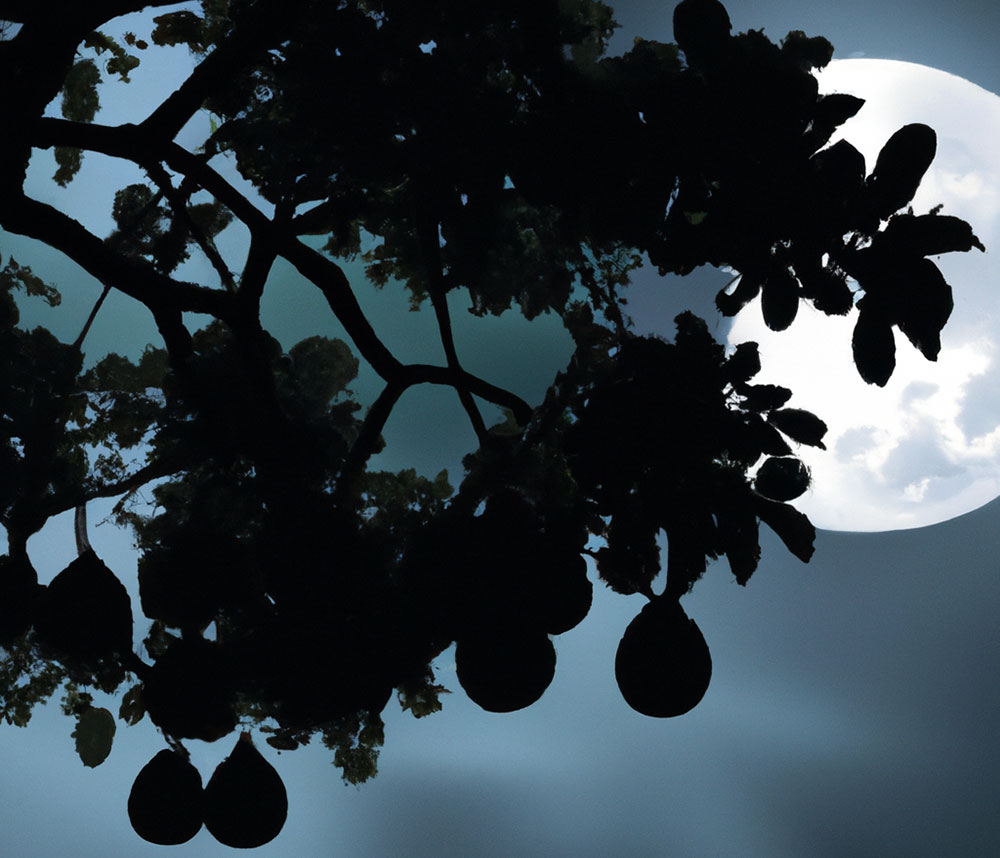
A: Annona muricata is native to the Caribbean and Central America, which falls under the patronage of the Pisces constellation. The planets that rule the house for this constellation are the Moon, Jupiter, and Neptune, with Water being a key element of its essence. These planets can be considered the ruling planets for the Guanabana plant...

Guanabana  tree  with  full  moon

Date: 5 Apr 2023

What are Low Chill Apricots?

Prunus armeniaca (Armenian plum)

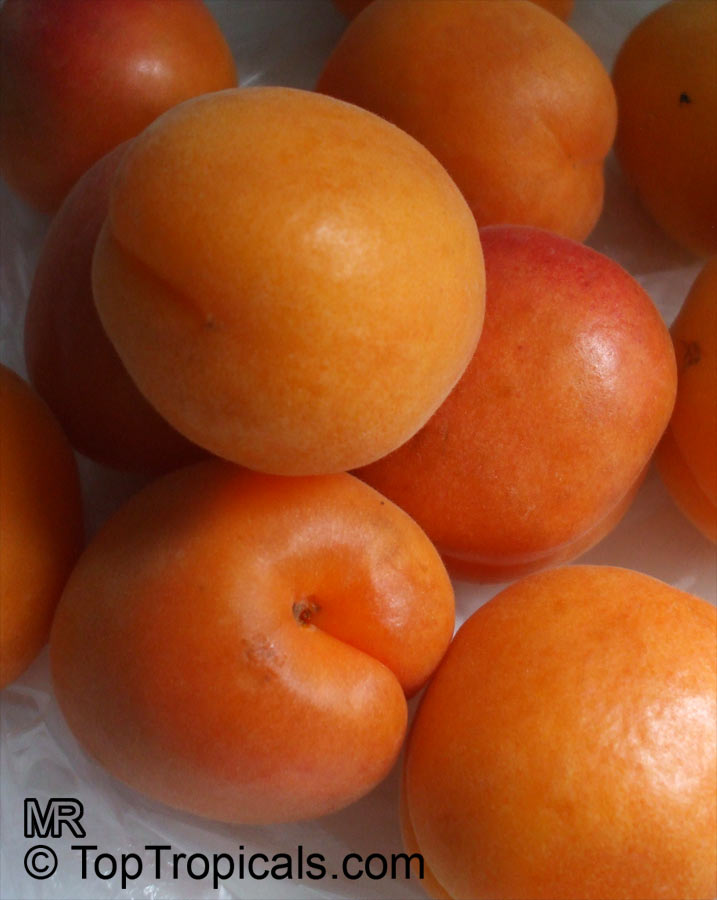
Apricot  var.  Katy  (Prunus  armeniaca)

Q: Can I grow apricots and plums in Florida?

A: Low chill apricots have been specially developed for subtropical regions like Central and South Florida, where the climate is not typically conducive for apricot cultivation due to the high number of chill hours required. This is also true for other fruit trees such as plums and peaches. However, through successful hybridization, several low chill varieties have been created that require less than 300 hours of cold weather below 45 degrees.
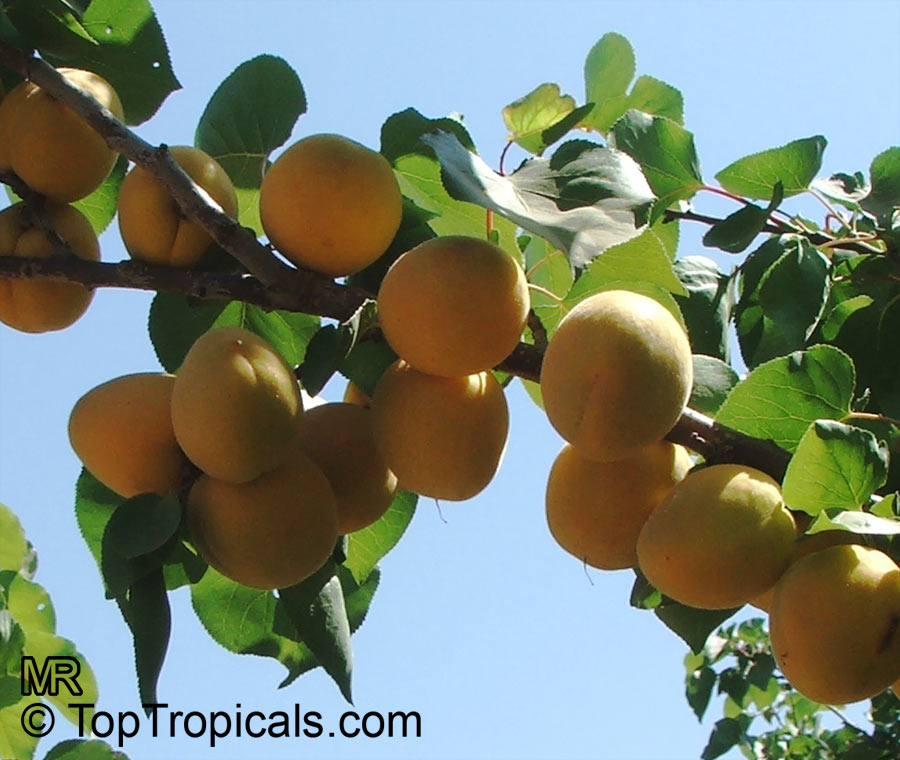
One such example is the low chill Katy Apricot tree, which only requires 250 chill hours and is self-fertile. It is a popular choice among homeowners due to its large size, rich flavor, and free-stone characteristics with a semi-sweet, low-acid taste. Katy Apricot tree typically bears fruit early, usually in May.

Apricot  fruit  on  a  tree