Garden Blog - Top Tropicals

Date: 14 Sep 2023

Time to plant some Winter Bloomers!

Orange  Cat  at  the  edge

Winter is upon us, but for tropical gardeners, it's the perfect time to enjoy. As the days grow shorter and the heat of summer subsides, Fall planting brings its own advantages. It's not so hot now, making it the ideal moment to dive into the enchanting realm of winter flowering plants. Don't miss out on the opportunity to add some tropical gems to your plant collection and keep the spirit of summer alive all winter long.

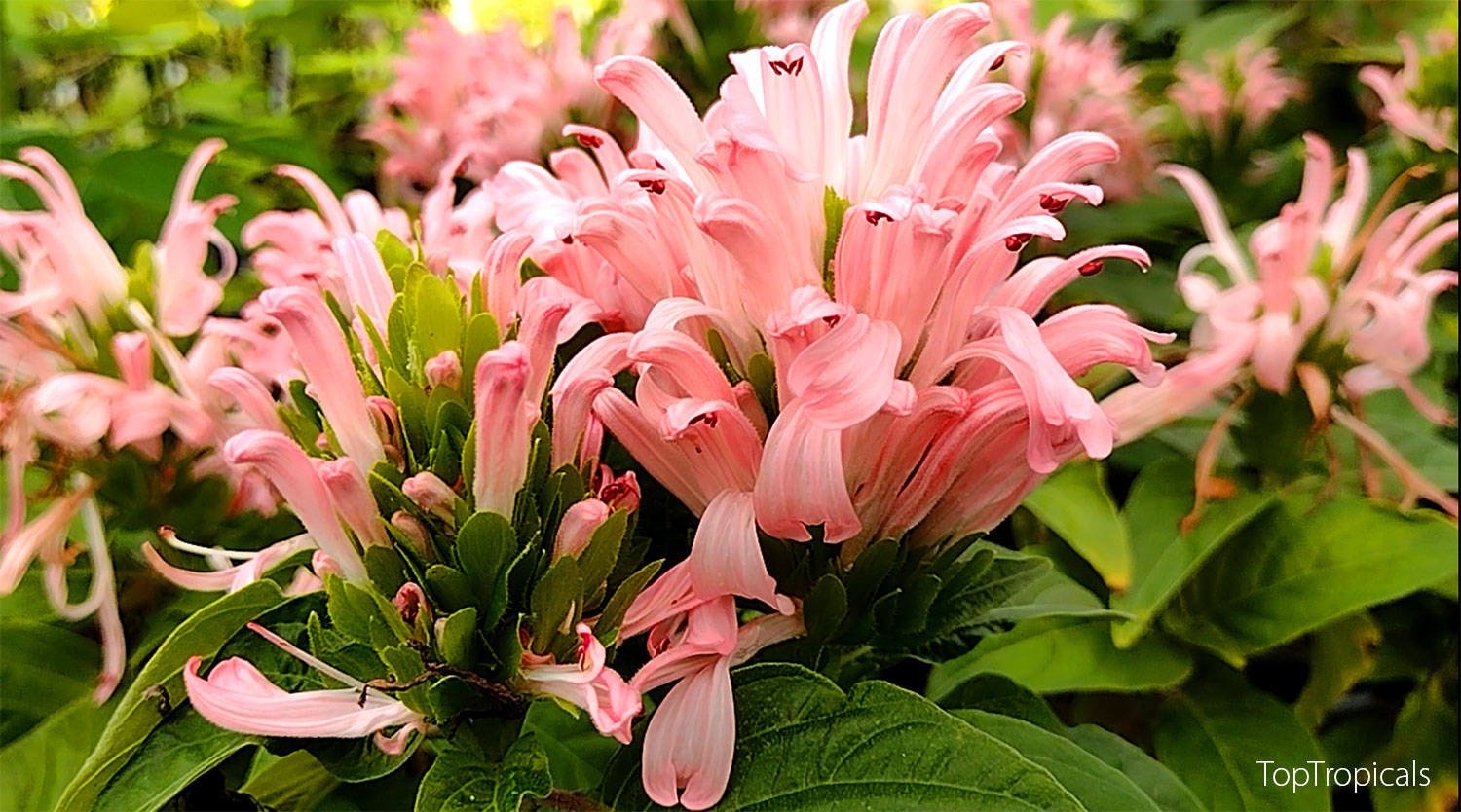
Plant them now to enjoy winter flowers!
Orange  Cat  at  the  edge

In the photo: in full bloom now - Justicia carnea - Pink Brazilian Plume, Jacobinia. Spectacular pink flowers, butterfly and hummingbird attractor. The plant is relatively cold hardy to light freeze and grows back from roots even if leaves are damaged.


Date: 18 Jul 2023

Australian Tree Fern - a botanical marvel

Cyathea  cooperi,  Australian  Tree  Fern

Q: I need an exotic looking, easy to grow tropical tree that can grow in semi-shade, create a character in my small Florida garden and a shelter for small wildlife. Any suggestions?

A: The Cyathea cooperi, known as the Australian Tree Fern... Deep within the enchanting rainforests of Australia, this botanical marvel flourishes, captivating all who lay eyes upon it. Its true magnificence lies in its intricate fronds, delicate yet resilient. Unfurling like the wings of a mythical creature, they gracefully arch outward, showcasing a mesmerizing symphony of emerald green.

As sunlight filters through the dense canopy above, its fronds become a living canvas for nature's creativity. But this tree fern is more than just a visual marvel. Its significance stretches far beyond its aesthetic appeal. The Australian Tree Fern is a vital component of its ecosystem, providing shelter and sustenance for a myriad of creatures. Its high-reaching canopy offers refuge to an array of birds, insects, and small mammals, creating a microcosm of life within its majestic embrace.

For centuries, the indigenous peoples of Australia have revered the Cyathea cooperi for its medicinal properties and cultural significance.

As the seasons unfold, the tree stands as a testament to resilience. It withstands the downpour of tropical rain, enduring the wrath of winds, and gracefully survives the scorching heat of summer. Through it all, it remains a symbol of endurance, an emblem of nature's ability to adapt and flourish.

Cyathea  cooperi  Australian  Tree  Fern  -  leaves

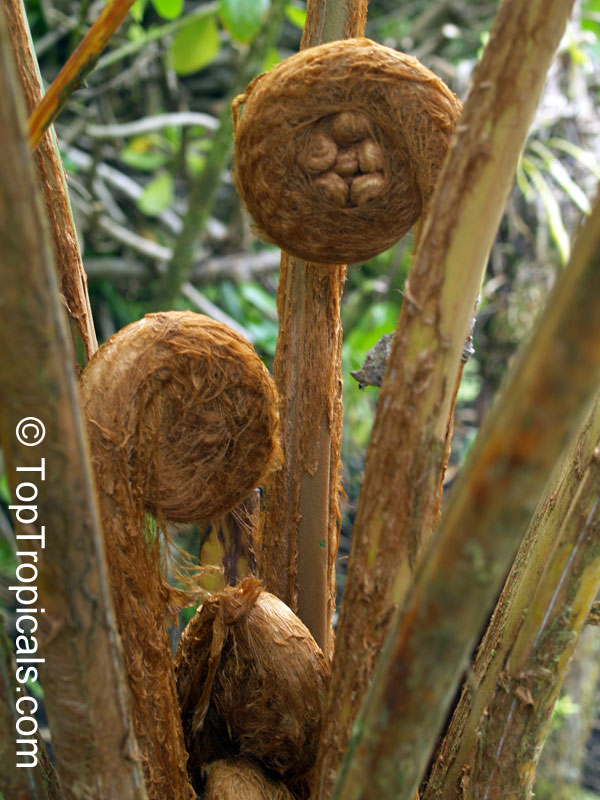
Cyathea  cooperi  Australian  Tree  Fern  -  baby  leaves

Young leaves of Australian Tree Fern are very exotic looking...

Cyathea  cooperi  Australian  Tree  Fern  -  young  plant  in  the  ground

Australian Tree Fern recently planted in front of the office of our Bfarm is getting the best Sunshine Boosters plant food - Robusta - from the Robuster injector; it grows super fast, we should see it in its full beauty soon!

Date: 2 Jul 2023

Three colors of flowers
for 4th of July

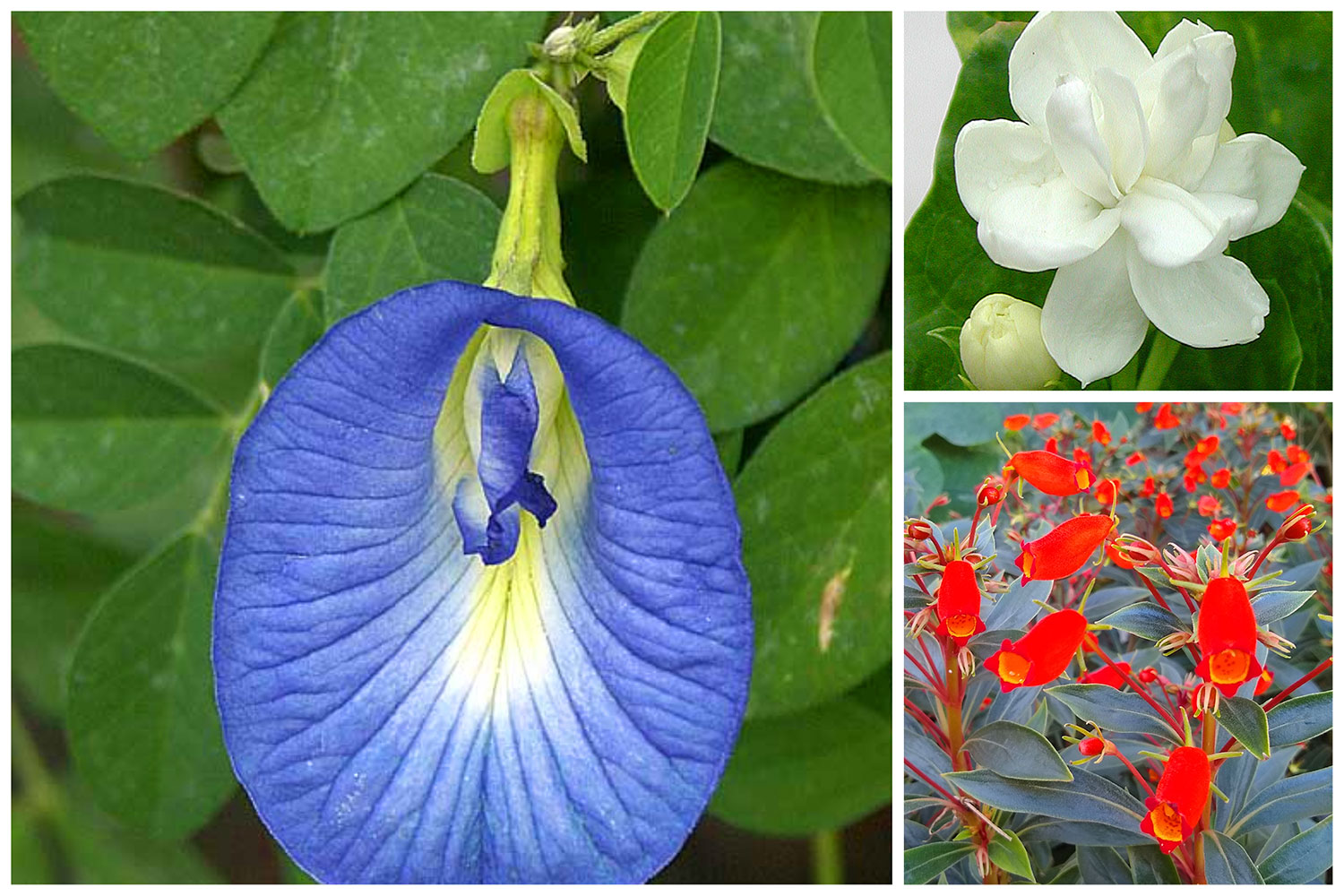
Blue,  Red  and  White  flowers  for  4th  of  July

Q: Our anniversary is on the 4th of July. Do you have anything that might be a good gift? Maybe something flowering that has red, white and blue flowers... I know that is a lot to ask but maybe you have an idea?

A: We appreciate your intriguing question and extend our heartfelt congratulations on your approaching anniversary. Numerous tropical plants lend themselves beautifully to a captivating blend of red, blue, and white hues. Here are our top recommendations for the most delightful combination:

White: Jasmine sambac fragrant bush (var. Arabian Nights is our favorite, it's a free-bloomer and easy to grow)

Blue: Clitoria Vine, it is fast growing controllable vine, everbloomer. There is also a White variety of Clitoria, you can plant them together!

Red: Gloxinia, a smaller perennial that perfectly fits into this combination of three.

More flowers for white-blue-red colors:

White: Gardenias, Jasmines, Almond Bush, Brunfelsia, Clerodendrum Bridal Veil, fragrant Cashmere Bouquet, White Brazilian Plume Flower, Montanoa - Tree Chrysanthemum

Blue: Blue Sage Lead Flower, Blue Butterfly Clerodendrum, Weeping Blue Ginger, Duranta, Thunbergia erecta - Kings Mantle, and its white variety Alba, Blue Sky vine

Red: Cat Tail Acalypha, Dwarf Poinciana, Red Bottlebrush, Pavonia multiflora - Brazilian Candles (it's actually red-and-blue), Red Button Ginger - French Kiss, Brazilian plume, Firespike , Scarlet Flame Passion Flower, Quisqualis (has white and red flowers on the same plant).

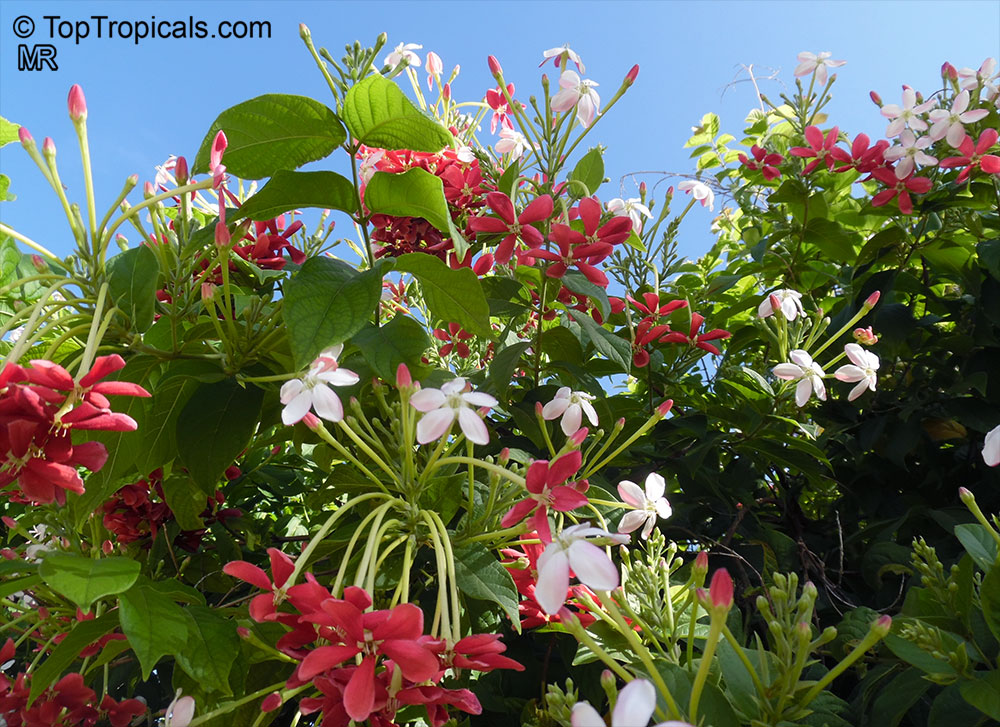
Quisqualis  Indica  -  Rangoon  Creeper

Quisqualis Indica - Rangoon Creeper. Spectacular bloom, flowers change color from white to pink to red. Sweet fragrance. Very fast growing, perfect for covering a fence or pagoda.

Date: 26 Apr 2023

The Benefits of Companion Planting

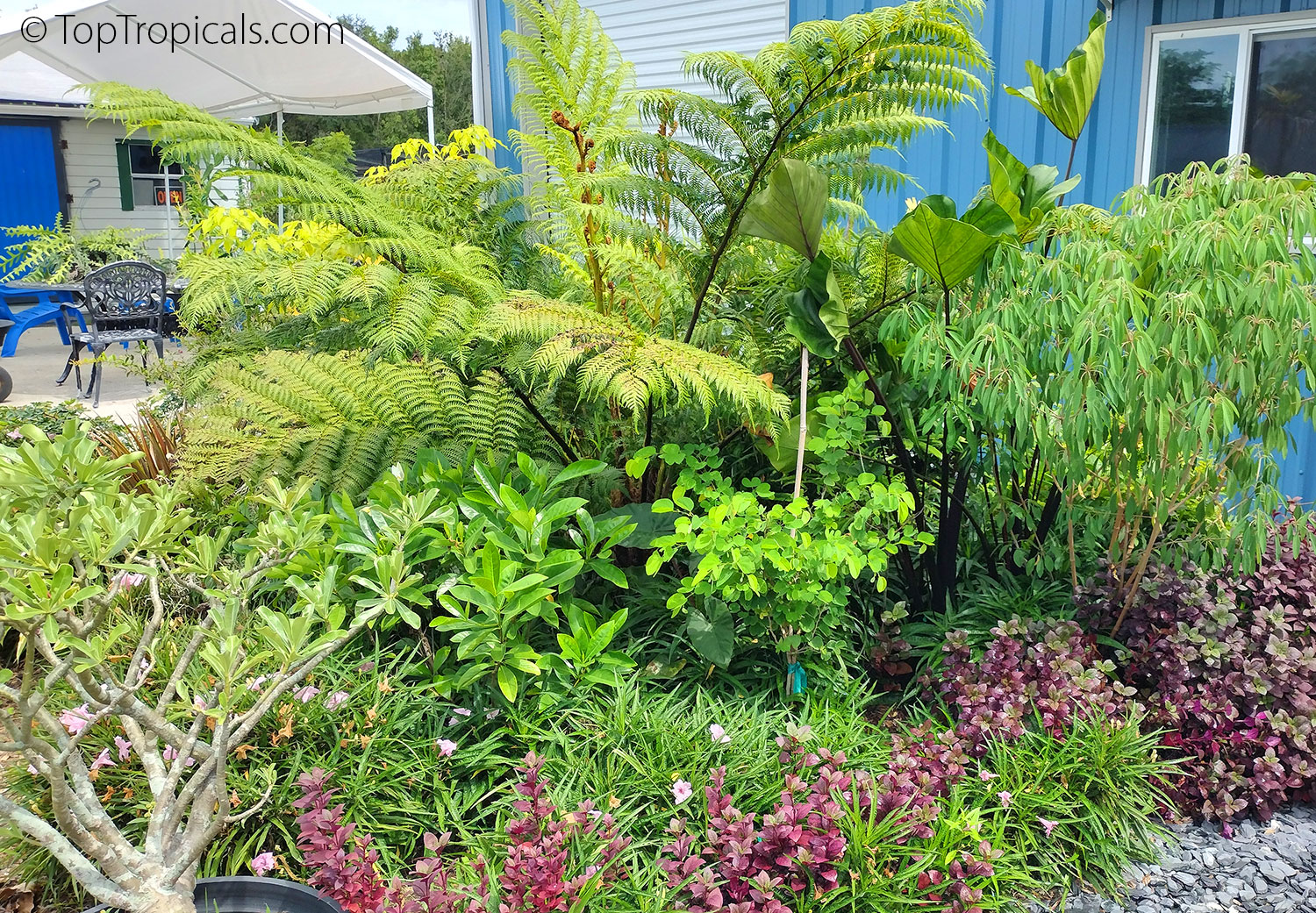
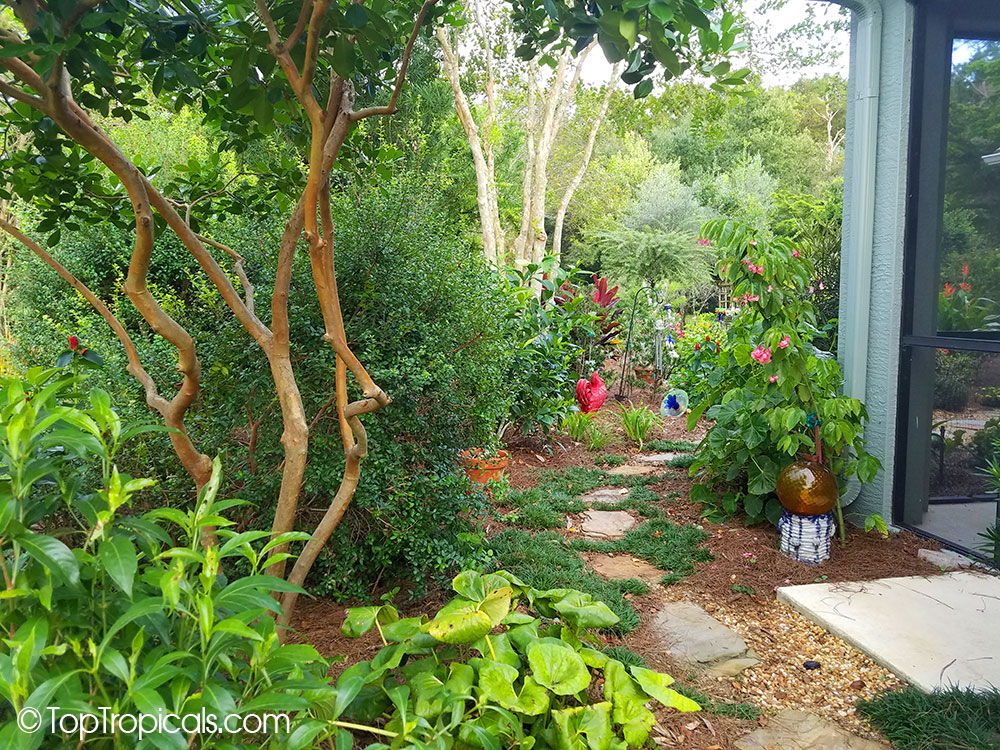
Landscaped  garden  with  companion  planting

Q: What is companion planting?

A: Companion planting is a gardening technique that involves planting different crops or types of plants together in a way that benefits all plants. This practice has been used for centuries, and it can be especially useful in tropical gardens where there is a diversity of plant life: trees, shrubs, vines and climbers, ground covers, fruit and edibles, and different flowering ornamentals. It is a great way to improve the health and yield of fruit tree crops while reducing the need for fertilizers and pesticides. By choosing the right companion plants and planning your garden layout carefully, you can create a vibrant and diverse ecosystem that will benefit both your plants and the environment.

Companion planting involves:

Planting different crops together to repel insects: adding such plants as Lemon grass, Patchouli leaf, or Moujean Tea near your vegetables can deter aphids and other pests.

Attracting pollinators - Butterfly plants. Many tropical crops, such as passion fruit, papaya, mango, and avocado, rely on pollinators to produce fruit. Companion planting can help to attract pollinators such as bees, butterflies, and hummingbirds to your garden.

Providing nutrients to the soil, adding mulch and low growing plants (ground covers) to preserve moisture.

Planting a variety of different types of plants together in order to create a more resilient ecosystem that is less susceptible to pests and diseases.

To get started, plan your garden layout and choose companion plants with similar water and light requirements.
For example, plant in the same group lush foliage plants, gingers, and flowering brunfelsias in shady areas; plant jasmines and gardenias in full sun and very well-drained spots.
Rotate annual crops regularly and experiment with combinations to find what works best. By doing this, you can create a thriving ecosystem that benefits both your plants and the environment, reducing the need for harmful chemicals.

Landscaped  front  yard  with  companion  planting

Buddah  and  flowers

Date: 28 Dec 2022

The food of the Gods:
A legend of the Guanabana

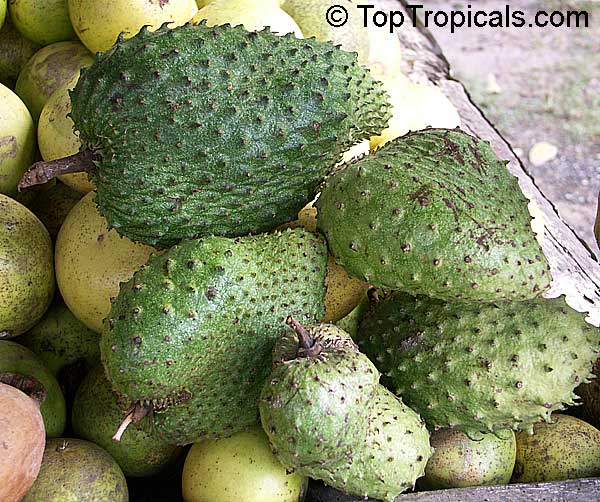
Guanabana  fruit

Grow Your Own Food

Guanabana, also known as Soursop, is a tropical fruit native to Central and South America. It is known for its sweet, juicy flesh and has a variety of medicinal properties.

According to legend, Guanabana was once a rare and coveted fruit that only grew in the highest reaches of the Andes Mountains. It was said to have mystical powers and was believed to be the food of the Gods. Those who ate the fruit were said to be blessed with good health and long life.

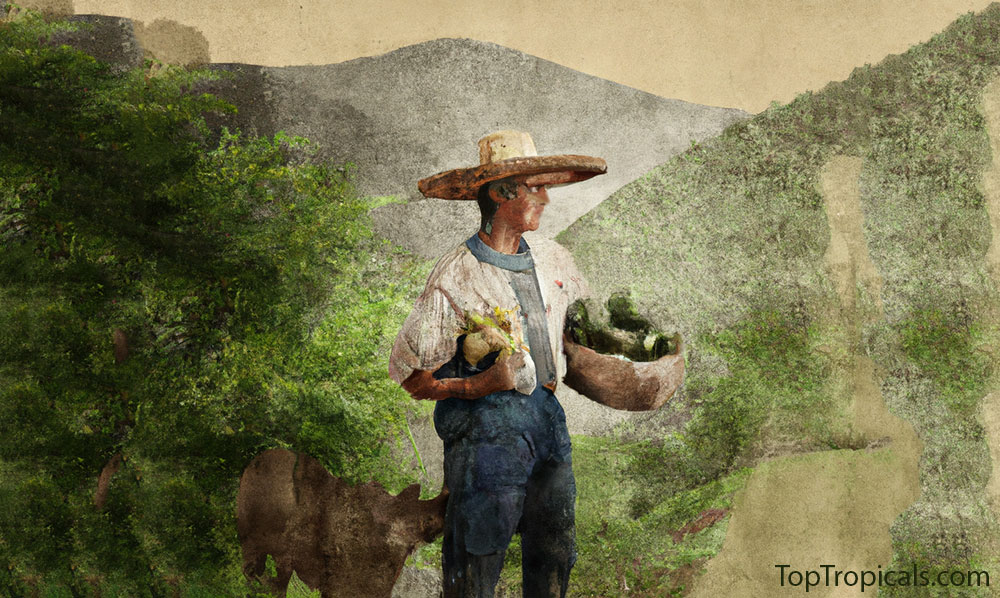
One day, a young shepherd boy came across a guanabana tree growing in a remote valley. He plucked a fruit from the tree and tasted it, finding it to be the most delicious thing he had ever eaten. The boy returned to his village and told everyone about the magical fruit he had discovered. Soon, word of the Guanabana spread far and wide, and people came from all over to try the fruit for themselves.

Painting  of  a  shepherd  in  a  valley  holding  guanabana  fruit

As the demand for Guanabana grew, the fruit began to be cultivated and grown in other parts of the world. Today, it is enjoyed by people all over the world and is known for its unique flavor and health benefits.

Download Article from Tropical Treasures Magazine: How to grow Guanabana indoors. Hand-pollinating and fruiting.

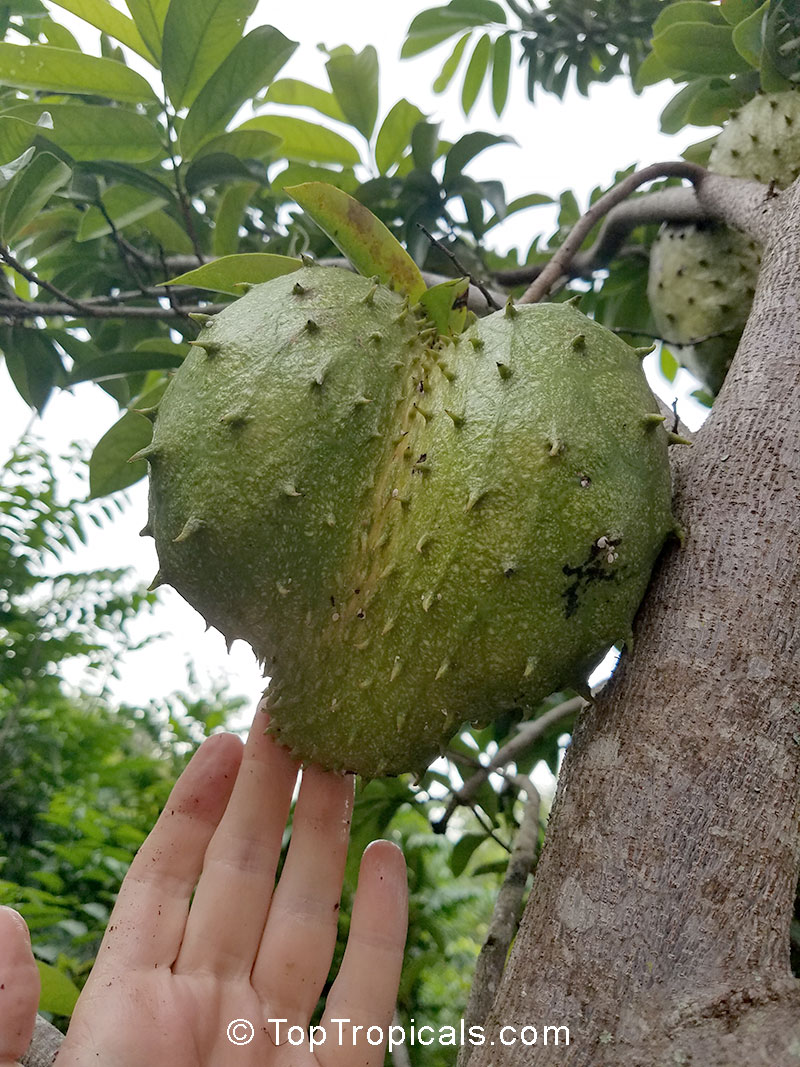
Guanabana  fruit  on  a  tree  by  a  hand