Garden Blog - Top Tropicals

Date: 22 Oct 2025

💞 Cassia or Bauhinia?
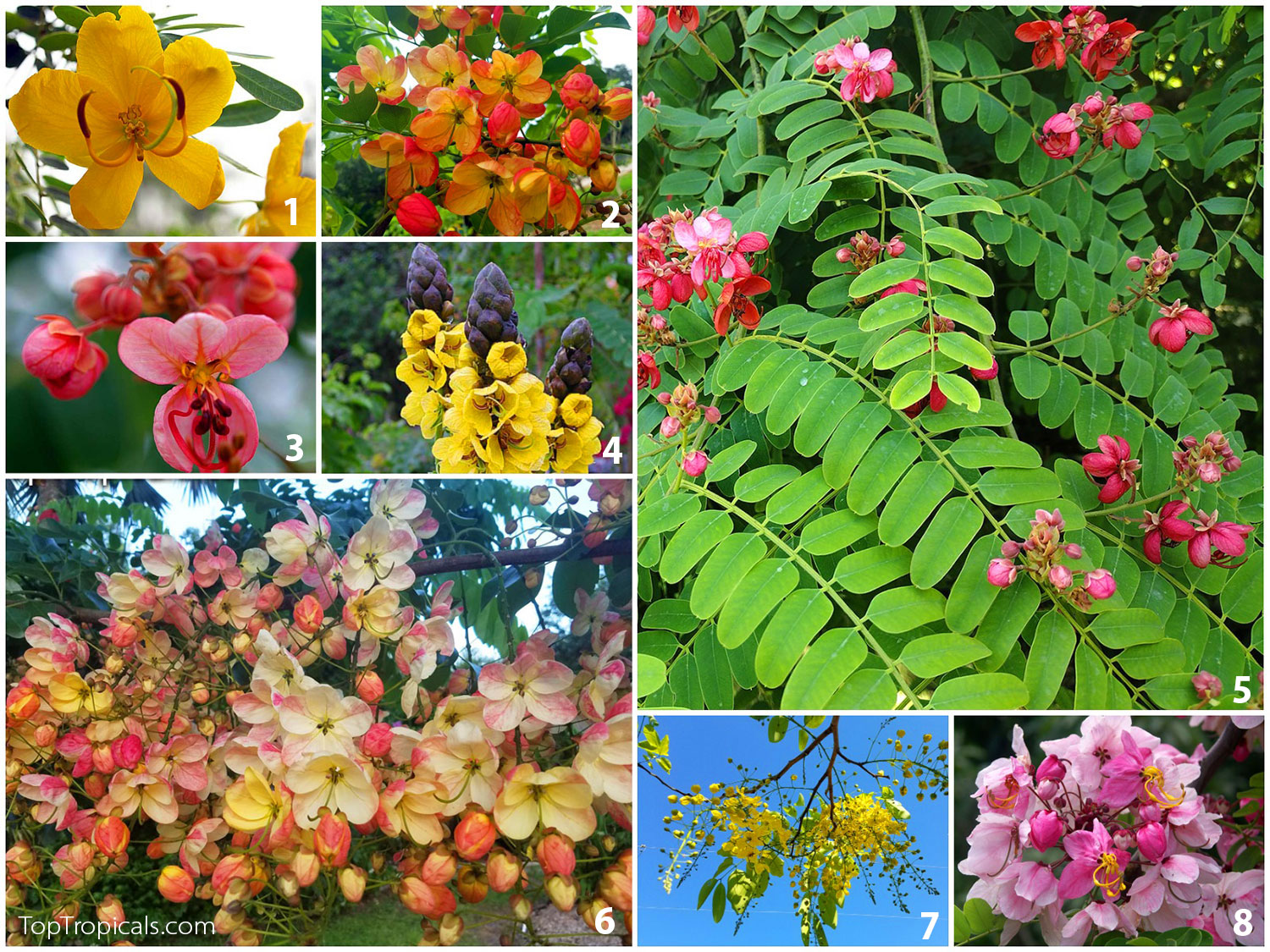
Collage  of  Cassia  and  Senna  flowering  trees:
1  –  Cassia  bicapsularis  (Butterfly  Bush),
2  –  Cassia  x  natalensis  (Rainbow  Cassia),
3  –  Cassia  grandis  (Red  Cassia),
4  –  Cassia  didymobotrya  (Popcorn  Cassia),  similar  to  Senna  alata 
 (Empress  Candles),
5  –  Cassia  javanica  (Apple  Blossom  Tree),
6  –  Cassia  roxburghii  (Ceylon  Senna),
7  –  Cassia  fistula  (Golden  Shower  Tree),
8  –  Cassia  x  nodosa  (Pink  Shower).

Looking for a small tree that blooms like fireworks but still fits on your patio? We hear this question all the time at Top Tropicals: Cassia or Bauhinia? Both are tropical showstoppers, but they shine in very different ways.

🌞 Cassias: Sunshine Fireworks

Cassia trees are some of the most rewarding tropical bloomers you can grow. Fast-growing, free-flowering, and surprisingly cold-tolerant, they thrive in full sun and summer heat. Their bright clusters come in shades of yellow, orange, pink, red, and even multicolor blends. The famous Rainbow Cassias show swirls of coral, gold, and rose on the same tree, creating a living fireworks display.

For gardeners in warm regions, these trees become spectacular focal points in the landscape. In containers, compact yellow forms like Cassia didymobotrya (Popcorn Cassia) and Senna alata (Empress Candles) stay manageable and bloom freely through summer.

Cassias can also be grown in pots with pruning and patience. Once mature, they reward you with breathtaking color that turns any patio or pool deck into a tropical show. Most showy cassias (numbers correspond to the photos in the collage above):

  1. Cassia bicapsularis (Butterfly Bush) - is a fast-growing, low-maintenance shrub covered in bright yellow, butterfly-like blooms from fall through winter.
  2. Cassia x natalensis (Rainbow Cassia)
  3. Cassia grandis (Red cassia) - a medium size tree having profuse blooms of dark pink to crimson flowers throughout the Spring.
  4. Cassia didymobotrya (Popcorn Cassia), small tree producing golden-yellow flowers with a distinct scent of peanut butter that open from brown buds in late summer and autumn. Similar to Senna alata (Empress Candles)
  5. Cassia roxburghii (Ceylon Senna) - graceful tree with spreading, drooping branches appearing to be overweighed by its wealth of clustering red blossoms.
  6. Cassia x nodosa (Pink Shower) - is a spectacular medium-sized, fast-growing tree with cascading clusters of fragrant pink-and-white appleblossom blooms in spring and summer.
  7. Cassia fistula (Golden Shower) - to many tropical gardeners, the most beautiful of cassias with masses of bright gold flower clusters appear on almost every branch.
  8. Cassia javanica (Apple Blossom) - dazzles with dense clusters of pink-to-white blossoms that change shades as they bloom, creating a spectacular display that lasts for months.
"Cassias love the heat and sunshine," says Tatiana Anderson, Top Tropicals Plant Expert. "They are perfect for anyone who wants big bursts of color and doesn’t mind giving them space and light to grow."

👉 Explore Cassia Trees

Bauhinia Magic: Orchid-Like Blooms in a Compact Size
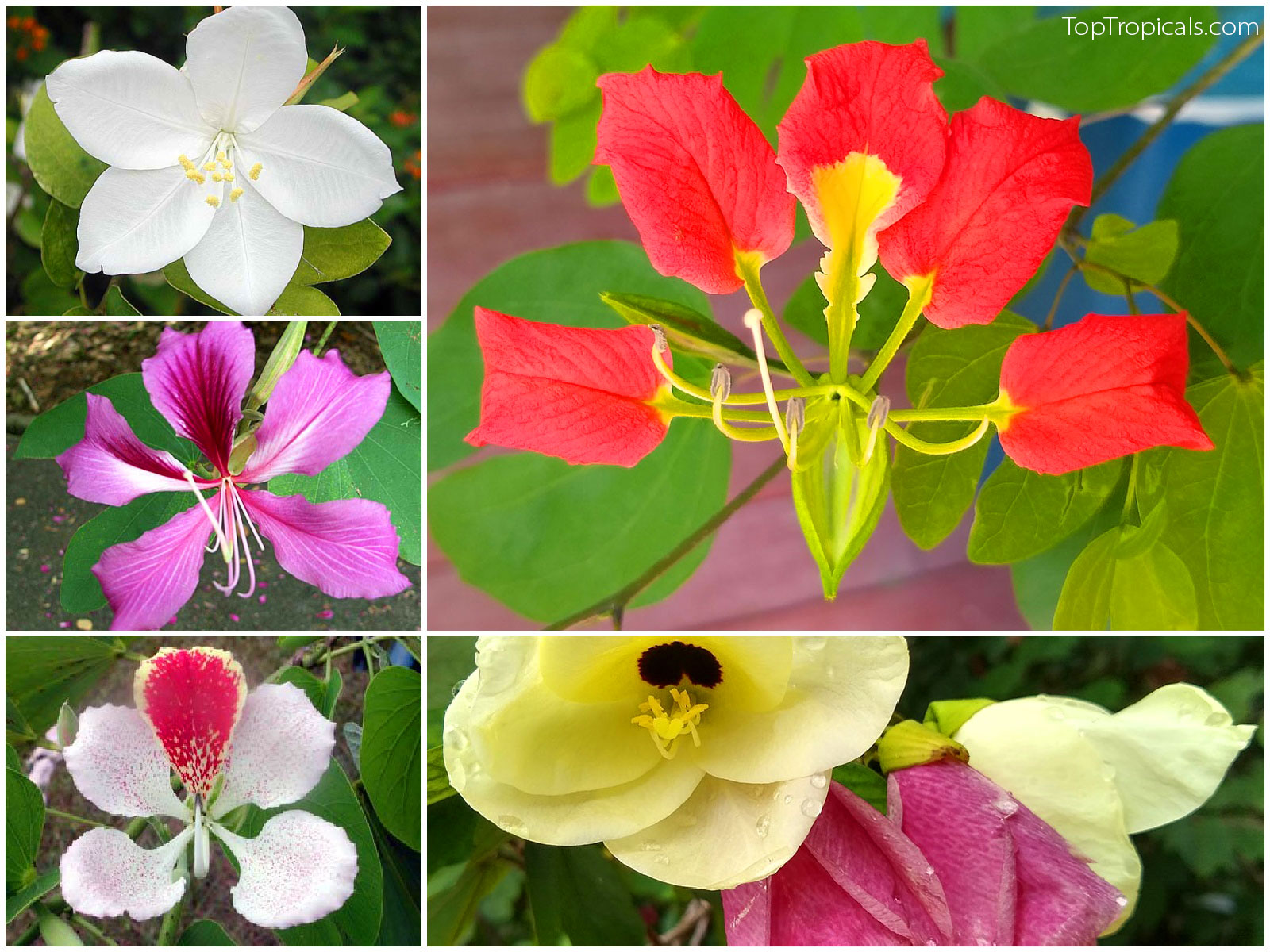
Collage  of  Bauhinia  orchid  trees:  top  left  –  Bauhinia  acuminata 
 (Dwarf  White  Orchid  Tree),  middle  left  –  Bauhinia  blakeana  (Hong  Kong 
 Orchid  Tree),  bottom  left  –  Bauhinia  monandra  (Napoleon’s  Plume 
 Orchid  Tree),  top  right  –  Bauhinia  madagascariensis  (Red  Dwarf  Orchid 
 Tree),  and  bottom  right  –  Bauhinia  tomentosa  (Yellow  Orchid 
 Tree)

Bauhinia orchid trees: top left – Bauhinia acuminata (Dwarf White Orchid Tree), middle left – Bauhinia blakeana (Hong Kong Orchid Tree), bottom left – Bauhinia monandra (Napoleon’s Plume Orchid Tree), top right – Bauhinia madagascariensis (Red Dwarf Orchid Tree), and bottom right – Bauhinia tomentosa (Yellow Orchid Tree)

Bauhinia trees known as Orchid Trees, bring a touch of tropical luxury to any space. Their butterfly-shaped leaves and orchid-like blossoms appear in shades of red, pink, purple, white, and yellow, often lasting up to ten months a year. Bauhinias are ideal for gardeners who want nonstop color in a manageable size. Most species grow well in large pots and bloom young, often within the first season.

The following compact varieties stay neat and flower almost continuously in warm weather:

The Hong Kong Orchid Tree is especially prized because it is sterile and produces no messy seed pods, keeping patios clean. Grafted Buhinia blakeana trees begin blooming while still small, making them perfect for containers or tight spaces.

"Bauhinias are generous bloomers," Tatiana explains. "They respond beautifully to regular feeding and full sun. If nights turn too cold, just move the pot to a sunny porch - they’ll keep their tropical charm most of the year."

Give them full sun, regular fertilizer, and a well-drained mix such as Sunshine Abundance, and they will reward you with months of vivid blooms. When nights turn too cold, simply move the pot to a sunny porch or bright window. Bauhinias adjust beautifully and keep their tropical grace year after year.

🎥 Watch Short Videos:

💲 Special Offer – 20% off Cassias and Bauhinias!

Get 20% OFF Cassias and Bauhinias with code

RAINBOW2025

Min order $100. Excluding S/H, valid online only, cannot be combined with other offers.

Hurry, offer expires October 30, 2025!

👉 Explore Bauhinias - Orchid Trees

Date: 2 Mar 2026

😼😺 The Story Behind Smokey and Sunshine 🐾

Smokey  and  Sunshine  in  office  presentation  about  Cherry  of  the  Rio 
 Grande  freeze  survival,  with  Sunshine  pointing  at  polar  bear  and  penguin 
 marketing  poster,  coffee  and  donuts  on  table,  tropical  plants  on  shelves  in 
 background.
Sunshine: You know, February 27 was International Polar Bear Day. I just learned about it and got a brilliant marketing idea. Cherry of the Rio Grande survived 25F. With wind. Real wind. That means we go north. Let them taste this magic. I even have a donut recipe with the fruit. It’s a bomb, Smokey. We expand. Trust me. Finally you can afford that new watering timer.

Smokey: Not so fast, genius. Twenty five degrees is not the North Pole. And polar bears and penguins do not share zip codes.

Sunshine: You always pour cold water on my brilliance. Fine. Where do we start?

Smokey: Well, first you go talk to Tatiana. She graduated from the Geography Department. She can explain climate zones. Cherry of the Rio Grande can grow in North Florida, Texas, and similar climates. Let’s master that before we conquer Arctic.

Sunshine: So… Phase One: Geography?

Smokey: Exactly.

Some stories are easier to tell with a little humor. Smokey and Sunshine were never just mascots. They represent the two forces behind every decision we make here: bold ideas and careful reality. One dreams big. The other checks the climate zone map. Together, they remind us that growing plants is part science, part optimism, and always personal. If you have ever wondered why they keep appearing in our newsletters, you can read their full story on the Smokey and Sunshine page. They have been with us longer than most people realize.

🐾 Learn the Story of Smoky and Sunshine

Freeze Testing of Grumichama and Cherry of Rio Grande 🍒❄️

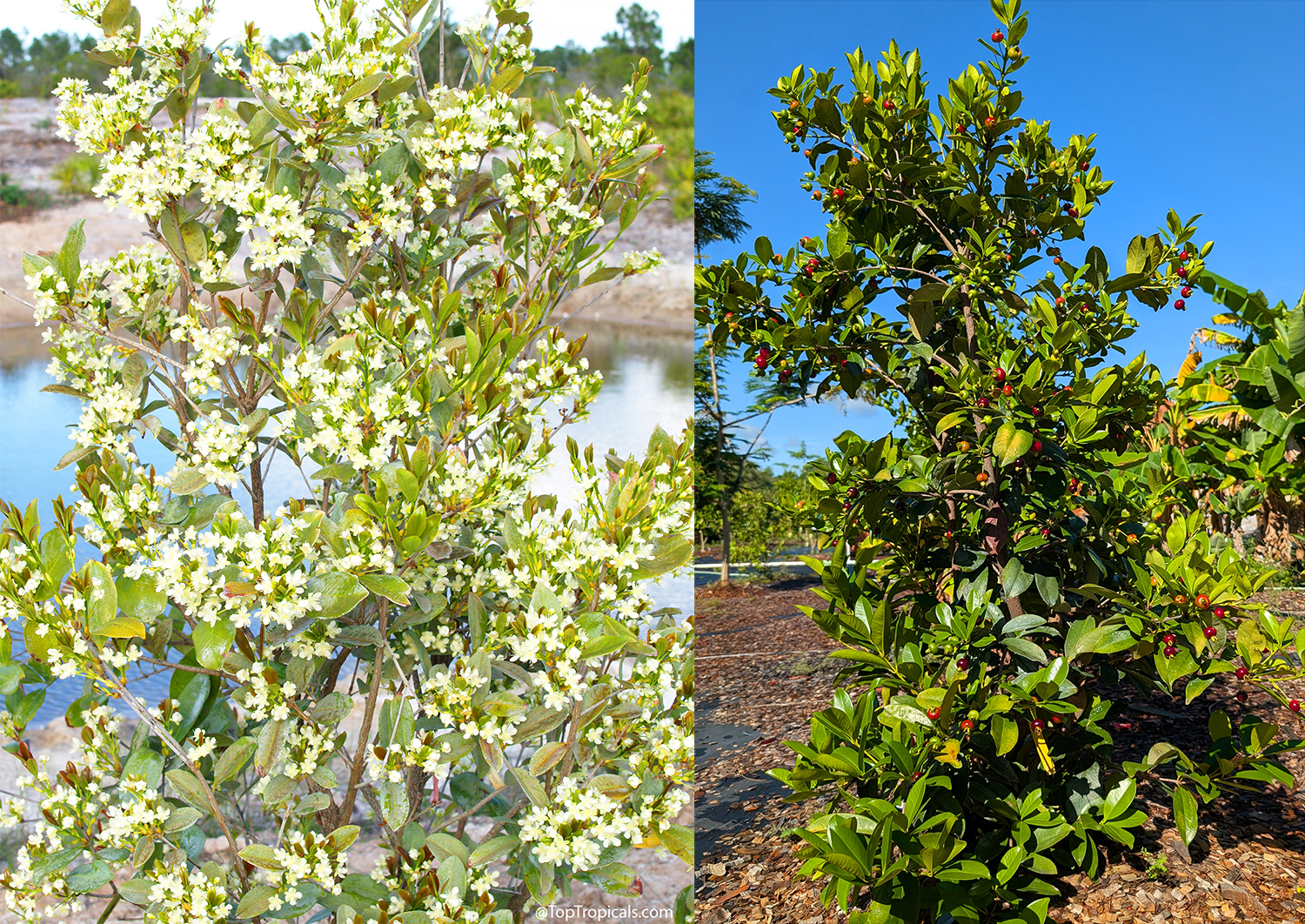
Grumichama  tree  (Eugenia  brasiliensis)  showing  white  flowers  and  ripe 
 red  fruits  in  tropical  garden 
 conditions

Eugenia brasiliensis - Grumichama tree flowering and fruiting

When temperatures dropped to 25F, with wind chill near 14F, winter made it clear which tropical trees were truly resilient. Some plants burned back. Tender growth collapsed. But our established Eugenia cherries stood steady. Leaves held. Branches stayed flexible. The canopy remained intact.

Cherry of the Rio Grande (Eugenia aggregata) and Grumichama (Eugenia brasiliensis) are among the most cold-hardy tropical cherries for Southern gardens. Both are native to Brazil and thrive in USDA Zones 9b–11, and even protected 9a sites.

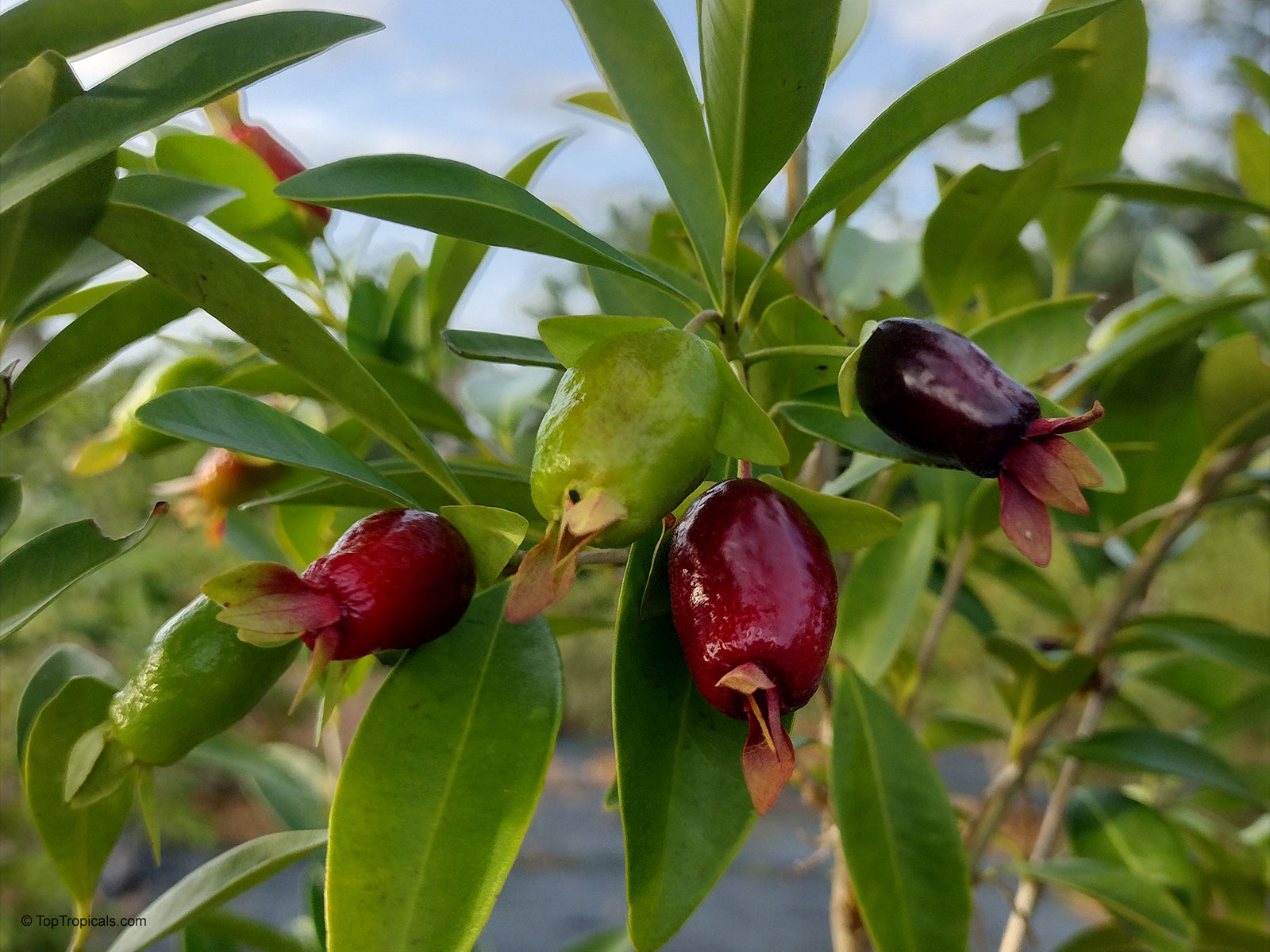
Cherry of the Rio Grande produces dark ruby fruit that ripens almost black, with a rich, full cherry flavor. It flowers early in spring and can fruit well into summer. Mature trees can tolerate brief drops into the low 20s once established. Trees typically grow 8 to 15 feet tall, remain naturally compact, and often begin fruiting within 2 to 3 years.

Grumichama is an evergreen tree known for both beauty and productivity. In spring, it covers itself in white starburst flowers that attract pollinators. Within about four weeks, glossy purple-black fruit develops. Established trees tolerate temperatures into the upper 20s and grow well in the ground or in 5–10 gallon containers. Mature trees can produce hundreds of fruits per season.

Across the Eugenia group, strengths are consistent: early bearing, compact growth, heat tolerance, light freeze endurance, and low pest pressure. They are adaptable to different soils, need modest water once established, and perform in full sun or partial shade. Birds enjoy the fruit, but there is usually plenty to share.

Nutritionally, Eugenia cherries provide Vitamin C, fiber, antioxidants, and notable Vitamin A that supports eye health. They offer sweetness with real dietary value.

In the kitchen, they are simple and rewarding. Cherry of the Rio Grande makes an easy compote. Simmer the fruit with a small amount of water until soft, mash lightly, and spoon over pancakes or warm bread. Grumichama turns into a deep red jam with sugar and lime, or can be blended into a bright spoon drizzle over vanilla ice cream.

Even when not fruiting, both trees remain attractive year-round with glossy evergreen foliage and clean structure. They fit well into edible landscapes, small yards, and container gardens.

Winter will return. The difference lies in planting fruit trees that can handle heat, humidity, and the occasional cold snap. If you are building a food forest for lasting harvests, cold-hardy tropical cherries like Cherry of the Rio Grande and Grumichama deserve a place in your garden.

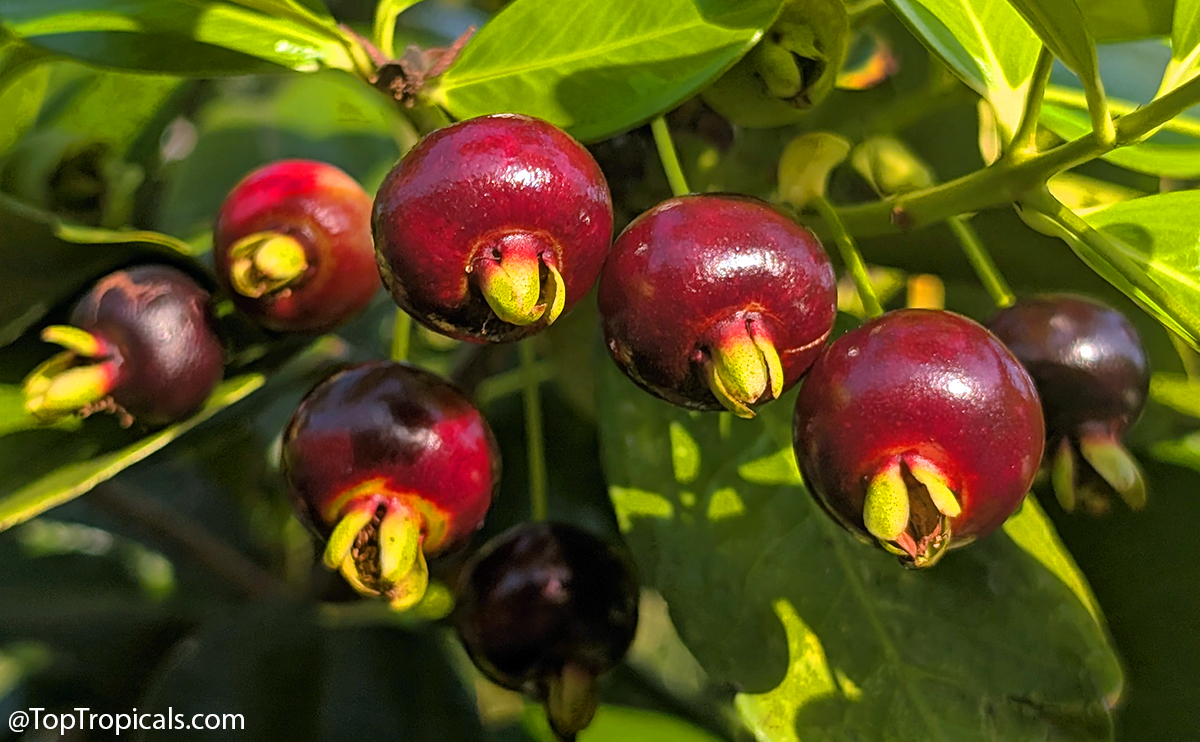
Ripe  Grumichama  fruits  (Eugenia  brasiliensis)  hanging  on  a  branch  with 
 glossy 
 leaves

Ripe Grumichama (Eugenia brasiliensis) fruits developing on the tree, turning deep red to nearly black when fully mature.

Cherry  of  the  Rio  Grande  (Eugenia  aggregata  cv.  Calycina)  fruits 
 ripening  from  green  to  dark  purple  on  the 
 branch

Eugenia aggregata (cv. Calycina), Cherry of the Rio Grande

🛒 Plant hardy Eugenia cherries

Date: 5 May 2025

🎀 Five plant gifts she'll love this Mother's Day

Q: My mother loves gardening and I am thinking to buy her a live plant to make her happy. What plant do you recommend?

A: At Top Tropicals, we have a big selection of wonderful gift plants . Below are a few suggestions for you, these plants are large, developed and ready to bloom or fruit!

1. Joy Perfume Tree

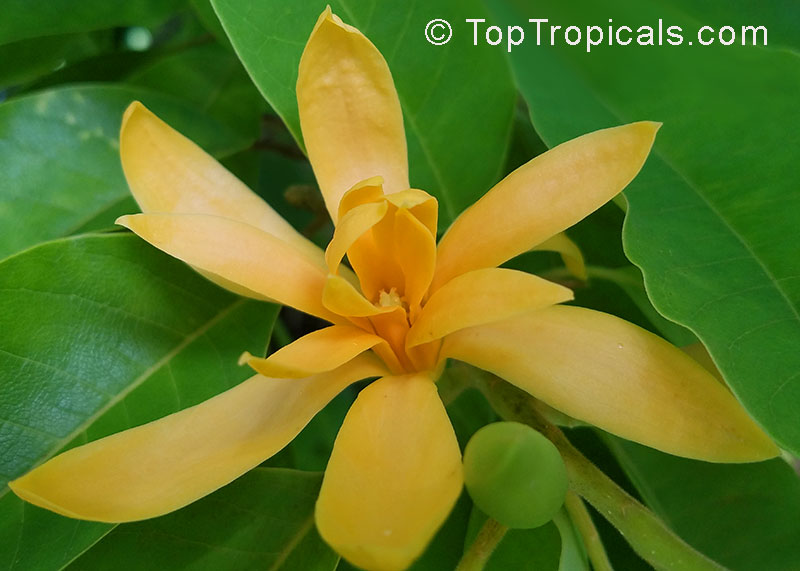
Magnolia  (Michelia)  champaca,  Joy  Perfume  Tree,  Champaka

The Champaka or Joy Perfume Tree (Magnolia champaca) - is a top choice for Southern landscapes, prized for its striking columnar shape and fragrant, fruity bubble gum-scented blooms - you won't be able to stop sticking your nose in this flower! A signature plant at Top Tropicals, it's known for producing the world's most expensive perfume, Joy. The Joy Perfume Tree blooms on and off year-round and is currently in full bloom at our farm in Sebring, FL, filling the air around with fantastic sweet scent. This tree thrives in both pots and the ground, growing bushy and full as it matures. At Top Tropicals, we have beautiful Champaka trees in all sizes, from 3-4 ft tall (ready to bloom in a year) to 6-10 ft tall (already bloomed) for local pick up or delivery.
Learn more, with a short video.

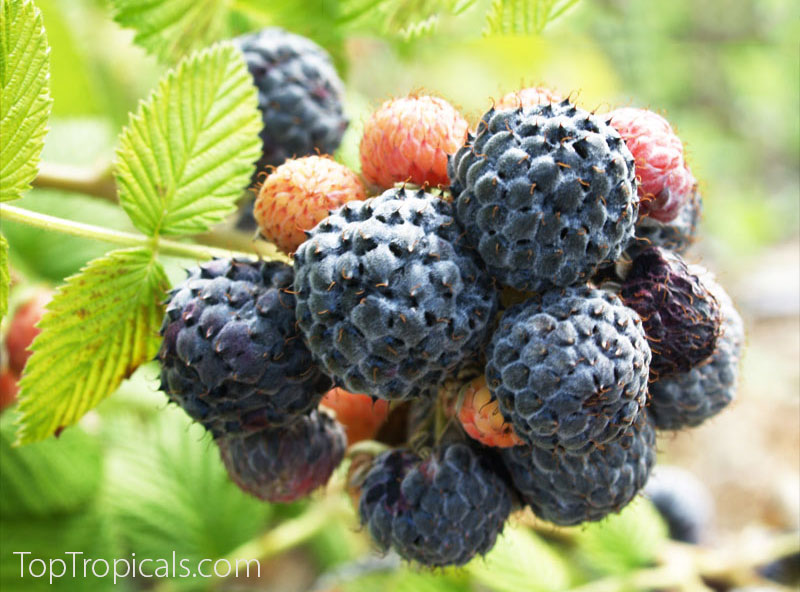
2. Tropical Raspberry Mysore

Raspberry  Mysore  Tropical,  Rubus  albescens  (niveus)

Tropical Raspberry Mysore (Rubus albescens) - is the perfect solution for those missing Northern fruit in hot climates. Unlike traditional raspberries that can't handle the heat, this fast-growing Raspberry from India thrives in humid, hot conditions and produces juicy, sweet fruit almost year-round! The clusters of purple-black fruit are packed with flavor, and the plant is perfect for large containers, producing plenty of fruit in no time. Cold-hardy to the upper 20s F, it's an easy-to-grow, fast producer. We have beautiful, fruit-ready 3 gal Raspberry bushes, ready to add a burst of sweetness to your garden!
Learn more, with a short video.

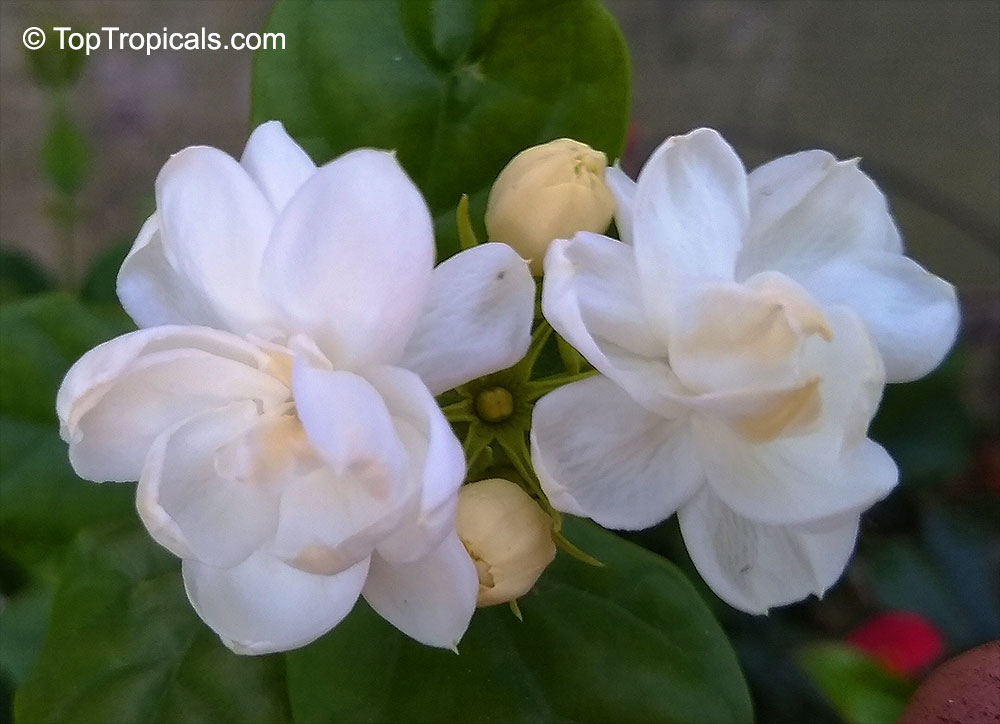
3. Fragrant Jasmine Sambac

Jasminum 
 sambac

Jasminum Sambac is widely regarded as the most fragrant jasmine, cherished by tropical gardeners and plant collectors alike. Native to India, this jasmine is the source of jasmine perfume oil and the signature ingredient in jasmine tea. With various varieties offering unique flower sizes, shapes, and growth habits, it’' perfect for both sun and shade, thriving as a container plant or indoor favorite. Its delightful fragrance fills the air, and with the help of Sunshine Pikake plant booster, you can enjoy even more blooms. Jasmine Sambac, along with Champaka, is another signature plant of Top Tropicals. Through the decades, we've collected all the available varieties in cultivation - check them out!
Learn more about Jasmine Sambac varieties, with a short video.

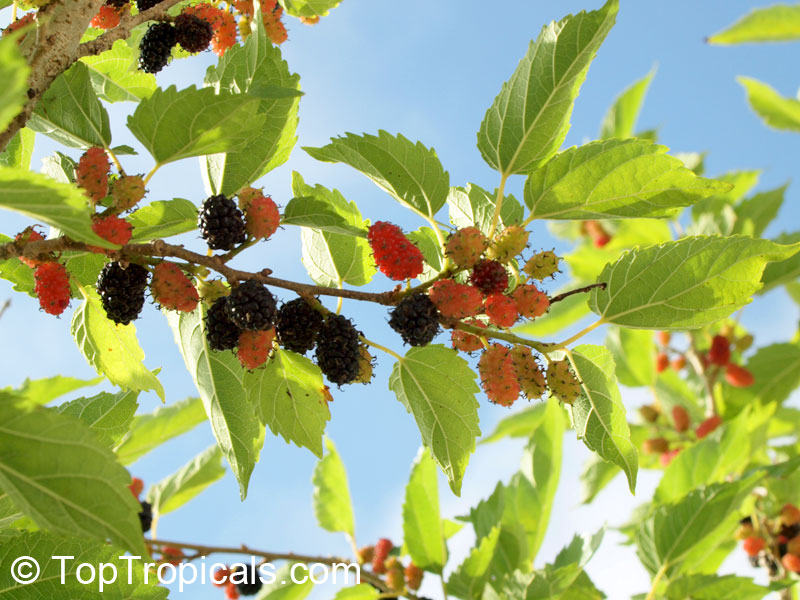
4. Everbearing mulberry

Mulberry  tree  Dwarf  Everbearing  (Morus 
 sp.)

The Dwarf Everbearing Mulberry (Morus sp.) - is the perfect way to enjoy fruit year-round! This beautiful, cold hardy bush produces sweet, juicy mulberries starting from the very first year - often the same season you plant it. With its dwarf habit (easily maintained at 4-6 ft), it's perfect for containers and small spaces. Cold-hardy and drought-resistant, this productive plant thrives in various climates, from USDA zones 5 to 10! The fast-growing Mulberry will provide fruit year-round, and with minimal care, it will flourish in almost any soil. Our Everbearing Mulberry bushes produce enough fruit for both birds and breakfast - we pick a handful every day!
Learn more, with a short video.

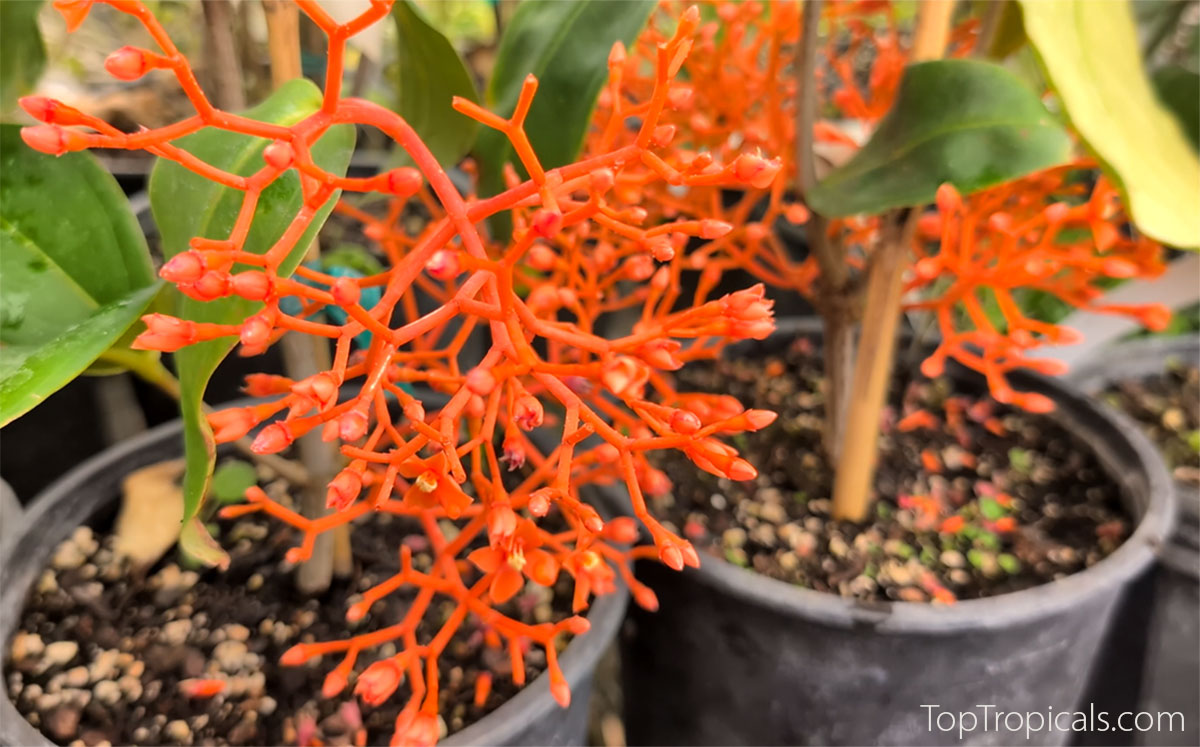
5. Medinilla Coral Spike

Medinilla  scortechinii  -  Orange  Coral  Spike

Rare Medinilla scortechinii - Orange Coral Spike - is a rare gem that brings a touch of the ocean to your garden! With bright orange stems bursting into star-shaped blooms, it looks like something straight from a coral reef. Compact and easy to grow, this plant stays under 2-3 ft tall, making it perfect for pots, hanging baskets, or as an epiphytic accent. The glossy dark leaves contrast beautifully with the vibrant orange panicles, and it thrives in bright shade. A must-have for collectors of unusual tropical plants, this coral spike adds a bold pop of orange wherever it grows - but hurry, it doesn't stay in stock for long!
Learn more, with a short video.

Date: 6 Oct 2021

Top Tropicals Top House Plants

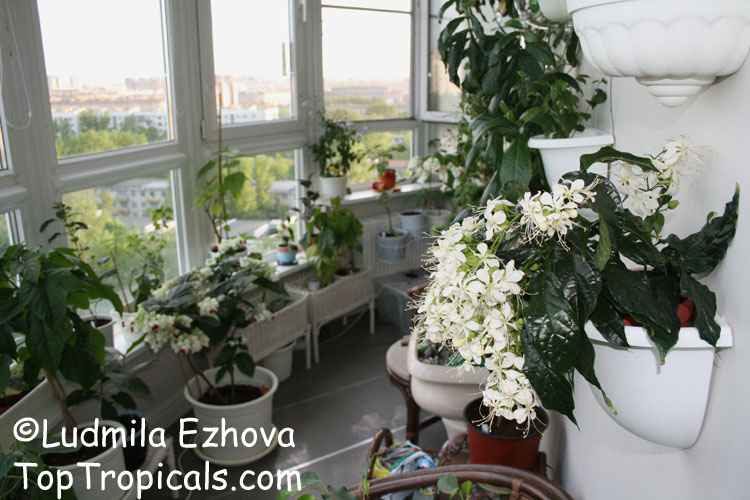
Photo above: Clerodendrum indoor garden of Ludmila Ezhova, St Petersburg, Russia.

Enjoy the Tropics Year round!
Bring them inside...

Q: I just discovered your amazing website and spent hours browsing your beautiful tropical plants! I wish I could have them all! But it's getting cold here (I live in Chicago area), too late? Can you recommend something of a small size, colorful, that I can easily overwinter indoors? Thanks for bringing this beauty into our lives!

A: Don't get discouraged even in colder climates. Yes, you can grow tropical plants indoors! Remember that all traditional houseplants are in fact tropical plants that grow in tropics in a wild habitat. Humans didn't invent them as indoor plants, they originally collected them from the rain forests and jungles! Most of tropical plants, including trees and fruit trees, can be grown in containers and even indoors. It's just a matter of space limitations and amount of time you are willing to spend caring of your exotic babies. Many gardeners up North are very successful with their tropical plant collections.
Below are a few suggestions of compact growing, easy species for your indoor collection. Enjoy the Tropics Year round!

See more plants well-suitable for indoor culture and our specials at the end of this newsletter.

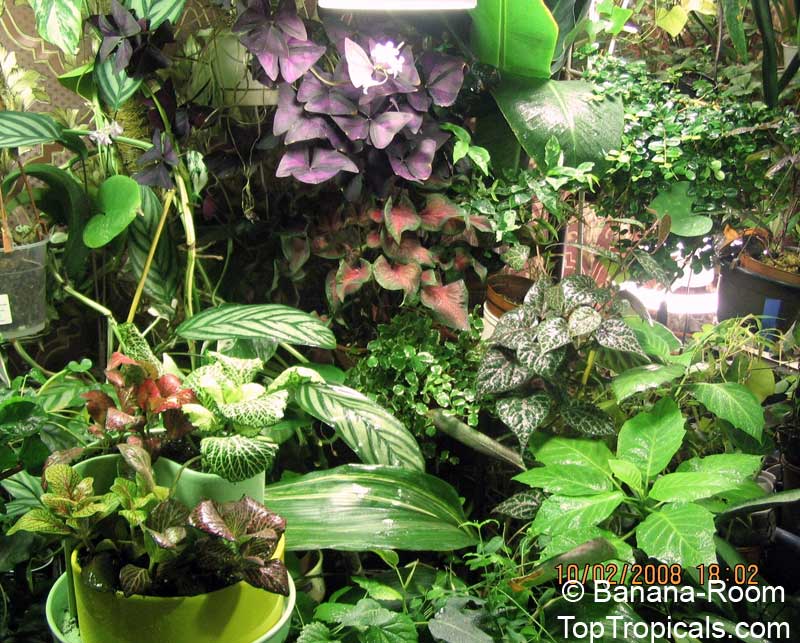
Photo above: small tropical indoor garden of Julia Nikolayeva, St Petersburg, Russia.

Date: 4 Nov 2024

How to overwinter tropical plants indoors

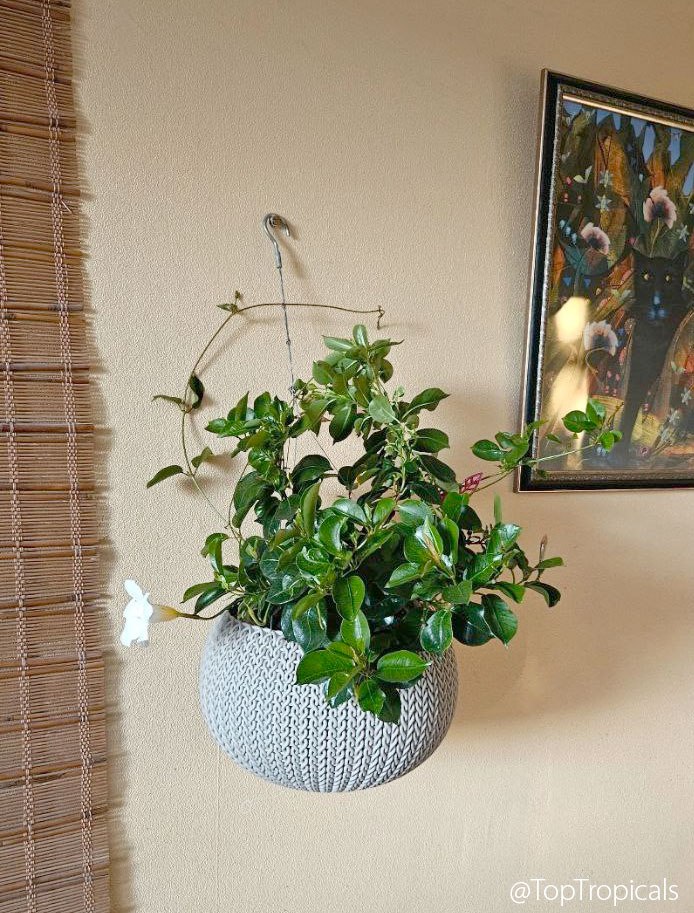
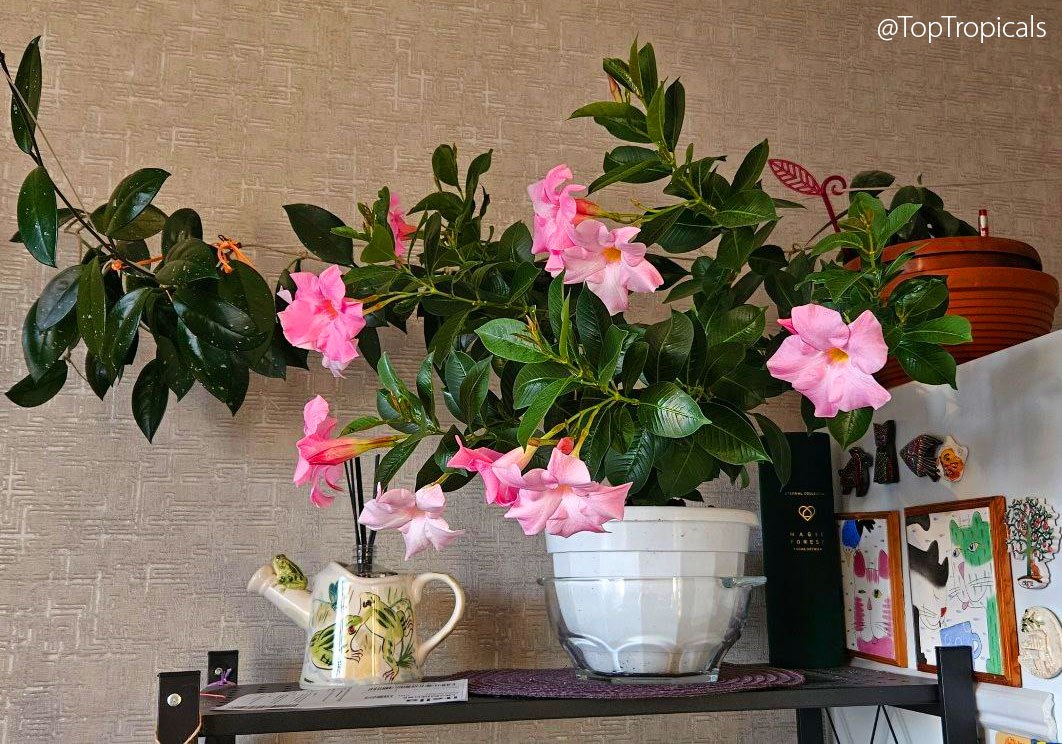
Mandevilla indoors

Mandevilla indoors

Mandevilla indoors

Mandevilla indoors

❄️ How to overwinter tropical plants indoors


I have two Mandevillas that thrived on my balcony all summer. Now that cold weather is approaching, I've moved them indoors to bright spots, but they're dropping and wilting leaves. How can I keep them healthy until spring? Should I fertilize them? Can Mandevillas grow indoors year-round?

✔️ First, keep in mind that the plants we call "indoor plants" or "house plants" are all tropical. However, not all tropical plants are suitable for indoor living. Some, especially shade-loving ones, thrive in indoor conditions, which is why we refer to them as "house plants" (philodendrons, monsteras, calatheas, peperomias, and many others, including some succulents). Others are less adaptable to the lower light and humidity typical of indoor spaces, but with a little extra care, you can overwinter them inside and move them back outdoors in spring. Mandevillas are no exception! Even tropical trees, including fruit trees, can tolerate a few months indoors if given the right conditions for semi-dormancy. Below are the 10 key tips for successfully overwintering tropical plants indoors.

Find out the secrets of overwintering in our next post ⬇️

🛒 Shop Indoor plants

#How_to

🔴 Join 👉 TopTropicals