Date: 25 Mar 2026
Forget the Tropics: These 5 Condo Mango Varieties Thrive in Your Living Room
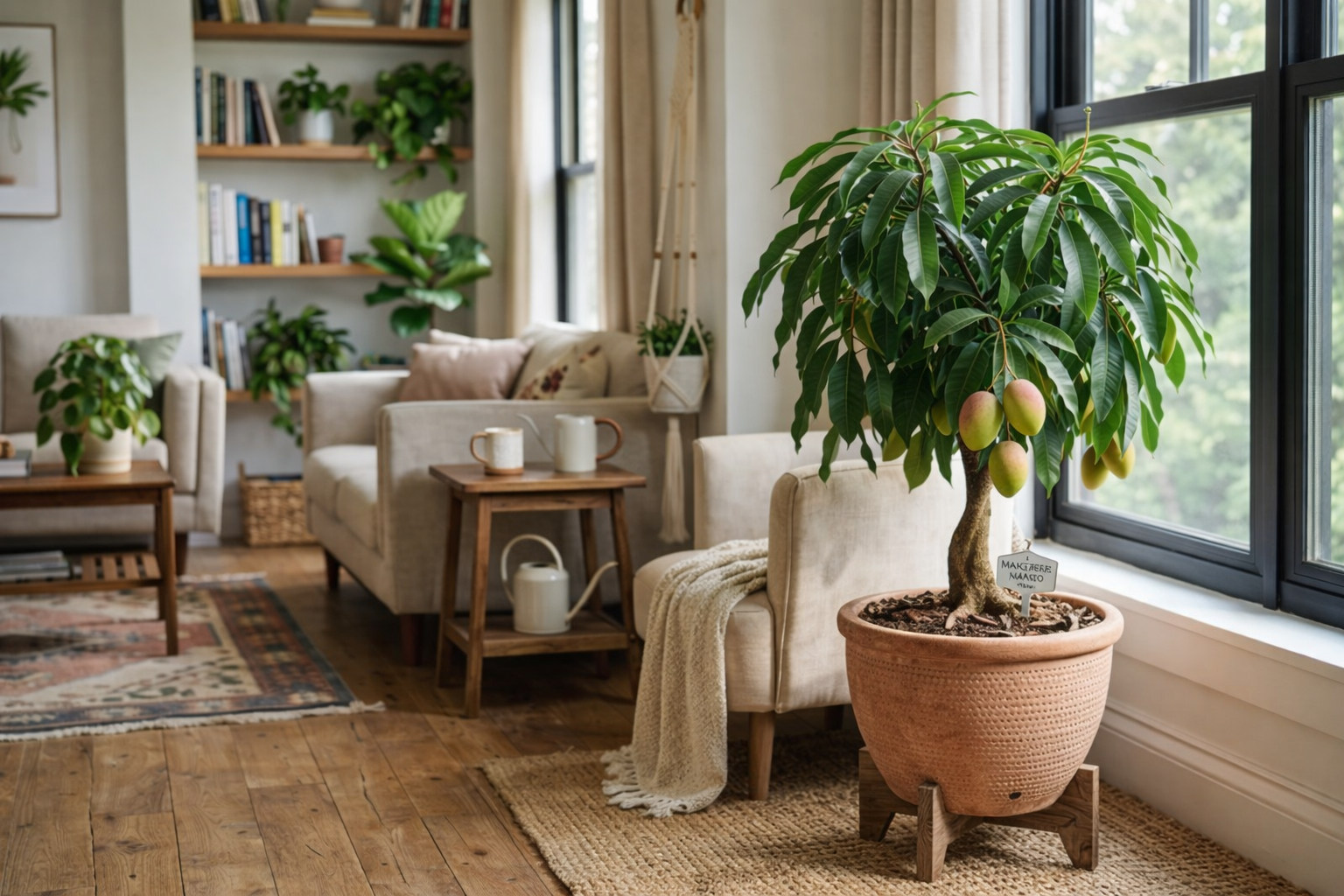
Mngo tree in a pot
Forget the Tropics: These 5 "Condo Mango" Varieties Thrive in Your Living Room 🥭
A tropical orchard in your living room? It’s more possible than you think. While wild mango trees can tower at 60 feet, "condo mango" varieties allow you to harvest juicy, sun-ripened fruit right next to your sofa.


If you have a sunny window and a bit of patience, here is exactly how to grow a potted mango tree indoors.
Most people fail because they plant a seed from a grocery store mango. Don't do that. Seeds take up to a decade to fruit and grow far too large.
Instead, look for grafted, dwarf varieties. These are bred to:
• Stay compact (6–10 feet).
• Fruit within 1–3 years.
• Thrive in the limited root space of a container.
Choosing the right cultivar is 90% of the battle. These five are the gold standard for indoor growers:
• Pickering: The #1 choice for pots; naturally tiny. Rich, fiberless, and coconut-heavy.
• Cogshall: Slow-growing and easy to prune. Classic, ultra-sweet tropical taste.
• Ice Cream: Extremely compact; thrives in small spaces. Creamy texture, like mango sorbet.
• Carrie: High disease resistance; very productive. intense, spicy-sweet aroma.
• Mallika: A semi-dwarf Indian favorite. Exceptional, honey-like sweetness.
👉 See full list of Condo Mango
1. Light: The "Make or Break" Factor
Mangoes are sun-worshippers. They need at least 8 hours of direct light daily.
The Pro Move: Place your tree in a south-facing window. If you live in a cloudy climate, a high-quality LED grow light isn't optional - it’s a necessity to prevent leaf drop and encourage flowering.
2. Strategic Watering
Mango trees hate "wet feet." Use a fast-draining potting mix and a pot with large drainage holes.
The Rule: Let the top 2 inches of soil dry completely before watering deeply.
3. Temperature & Humidity
Keep your room between 65F and 90F. If you are comfortable, the tree is likely comfortable. Avoid placing it near drafty AC vents or heaters that sap humidity.
4. The "Bee" Factor (Pollination)
Indoors, you lack wind and insects. When your tree flowers, gently shake the branches or use a small paintbrush to move pollen between blooms to ensure fruit sets.
• Pot Size: Start with a 15-inch wide container and "up-pot" every two years.
• Pruning: Don't be afraid to snip! Pruning the tips encourages branching, and more branches mean more fruit.
• Fertilizer: Use a balanced organic fertilizer with micronutrients (like magnesium and iron). We recommend Sunshine Mango Tango specifically formulated for mango trees, and a micro element supplement - Sunshine Superfood - these are safe to use with every watering.
🛒 Dicover Condo Mango
📚 Learn more:
Mango Tree - Mangifera indica - in Plant Encyclopedia
Mango varieties and Condo Mango
Yes, you can grow a mango tree on your patio - here is how to do it right
Mango Tree for Zone 5: top 15 Condo Mango for growing in cold areas
How long does it take for a mango tree to bear fruit?
What are the Condo Mangos - a practical guide
Top 10 Dwarf "Condo" Mango, great for container culture
Yes, you can grow an avocado tree on your patio - here is how to do it right


How to grow tropical fruit outside the Tropics
Yes, you can grow a tropical fruit tree in a pot!
Growing and fruiting Soursop in apartment
(PDF download)
#Food_Forest #How_to #Discover #Mango
🟢 Join 👉 TopTropicals
A tropical orchard in your living room? It’s more possible than you think. While wild mango trees can tower at 60 feet, "condo mango" varieties allow you to harvest juicy, sun-ripened fruit right next to your sofa.
If you have a sunny window and a bit of patience, here is exactly how to grow a potted mango tree indoors.
🌳 Why "Condo Mangoes" are the Secret to Success
Most people fail because they plant a seed from a grocery store mango. Don't do that. Seeds take up to a decade to fruit and grow far too large.
Instead, look for grafted, dwarf varieties. These are bred to:
• Stay compact (6–10 feet).
• Fruit within 1–3 years.
• Thrive in the limited root space of a container.
🌳 The 5 Best Mango Varieties for Indoor Pots
Choosing the right cultivar is 90% of the battle. These five are the gold standard for indoor growers:
• Pickering: The #1 choice for pots; naturally tiny. Rich, fiberless, and coconut-heavy.
• Cogshall: Slow-growing and easy to prune. Classic, ultra-sweet tropical taste.
• Ice Cream: Extremely compact; thrives in small spaces. Creamy texture, like mango sorbet.
• Carrie: High disease resistance; very productive. intense, spicy-sweet aroma.
• Mallika: A semi-dwarf Indian favorite. Exceptional, honey-like sweetness.
👉 See full list of Condo Mango
🌳 4 Essentials for Indoor Mango Care
1. Light: The "Make or Break" Factor
Mangoes are sun-worshippers. They need at least 8 hours of direct light daily.
The Pro Move: Place your tree in a south-facing window. If you live in a cloudy climate, a high-quality LED grow light isn't optional - it’s a necessity to prevent leaf drop and encourage flowering.
2. Strategic Watering
Mango trees hate "wet feet." Use a fast-draining potting mix and a pot with large drainage holes.
The Rule: Let the top 2 inches of soil dry completely before watering deeply.
3. Temperature & Humidity
Keep your room between 65F and 90F. If you are comfortable, the tree is likely comfortable. Avoid placing it near drafty AC vents or heaters that sap humidity.
4. The "Bee" Factor (Pollination)
Indoors, you lack wind and insects. When your tree flowers, gently shake the branches or use a small paintbrush to move pollen between blooms to ensure fruit sets.
👉 Quick Tips for a Better Harvest
• Pot Size: Start with a 15-inch wide container and "up-pot" every two years.
• Pruning: Don't be afraid to snip! Pruning the tips encourages branching, and more branches mean more fruit.
• Fertilizer: Use a balanced organic fertilizer with micronutrients (like magnesium and iron). We recommend Sunshine Mango Tango specifically formulated for mango trees, and a micro element supplement - Sunshine Superfood - these are safe to use with every watering.
🛒 Dicover Condo Mango
📚 Learn more:
Mango Tree - Mangifera indica - in Plant Encyclopedia
Mango varieties and Condo Mango
Yes, you can grow a mango tree on your patio - here is how to do it right
Mango Tree for Zone 5: top 15 Condo Mango for growing in cold areas
How long does it take for a mango tree to bear fruit?
What are the Condo Mangos - a practical guide
Top 10 Dwarf "Condo" Mango, great for container culture
Yes, you can grow an avocado tree on your patio - here is how to do it right
How to grow tropical fruit outside the Tropics
Yes, you can grow a tropical fruit tree in a pot!
Growing and fruiting Soursop in apartment
#Food_Forest #How_to #Discover #Mango
🟢 Join 👉 TopTropicals