Garden Blog - Top Tropicals

Date: 28 Sep 2016

Helping plants to survive winter:
SUNSHINE BOOSTERS - FROM SUNSHINE STATE

A magic plant hormone so wanted by gardeners, is finally here! When people purchase plants and trees either on-line, or from their local nursery, expectation and anticipation for their new find is high. Many times, however, disappointment is encountered due to a variety of reasons. These reasons include changes in light, temperature, water, soil conditions and transportation; just to name a few. So how can the stress on newly transported and transplanted plants be mitigated? Easy! There are plant stimulators able to reduce the shock encountered.

One such plant stimulator, produced at TT Laboratories is SUNSHINE, a revolutionary, broad spectrum, plant stress reliever. Extracted initially from plant pollen, SUNSHINE can bring back and keep the vigor to stressed plants in both the home and garden. Sunshine is indeed a plant stimulator on the cutting edge of plant care technology. Reasonably priced, and easy to use, SUNSHINE will be your plants' best friend, next to yourself, of course.

SUNSHINE will help your plants:
- recover from stress
- dramatically increase growth rate
- get profuse flowering and fruiting
- improve disease resistance, cold hardiness, and heat resistance
- promote seed germination and root cuttings easily

Great for indoor plants and improving cold tolerance!

Line of products:
SUNSHINE-E - general plant booster, growth stimulator and immune booster
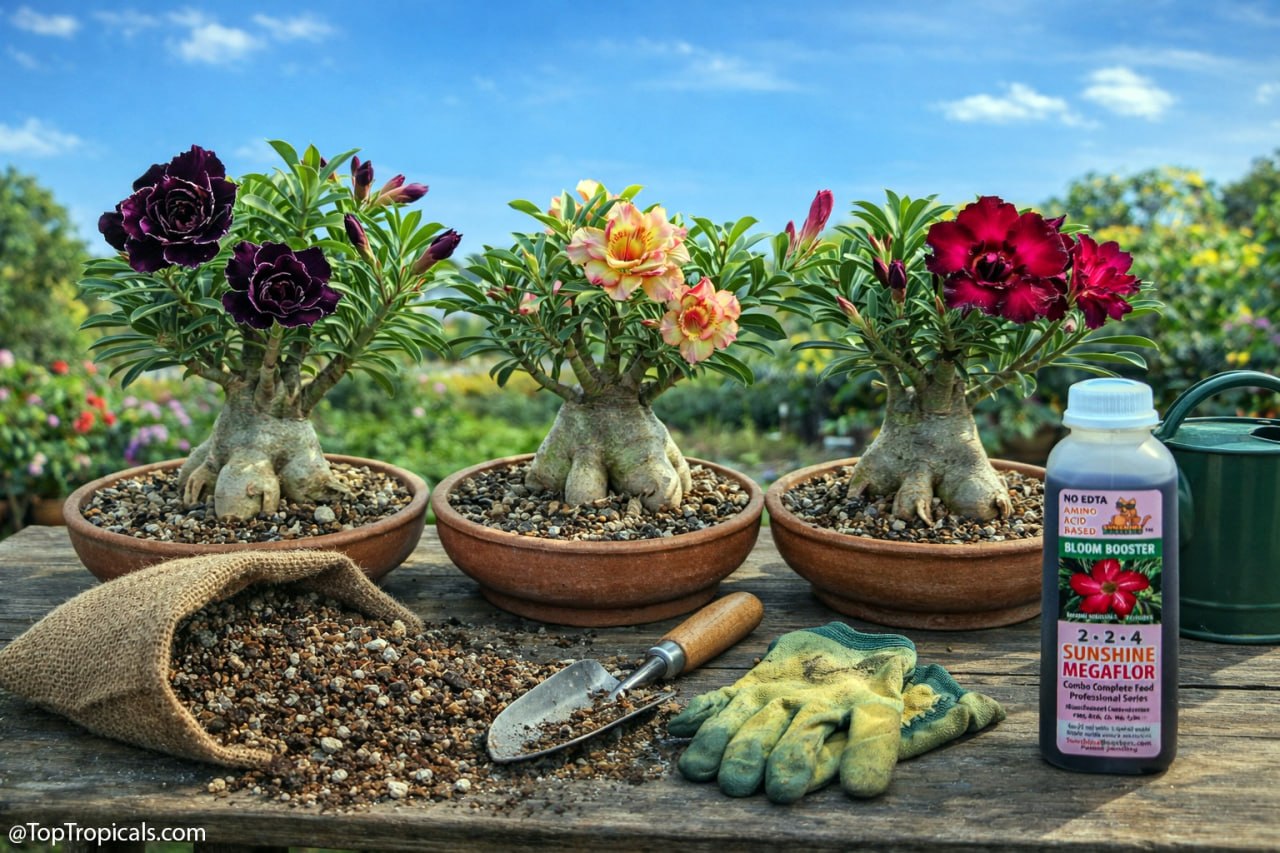
SUNSHINE-BC - Bonsai and Caudex developer
SUNSHINE-S - seeds and cuttings pre-treatment
SUNSHINE-T - Thermo-protection for overwintering tropical plants
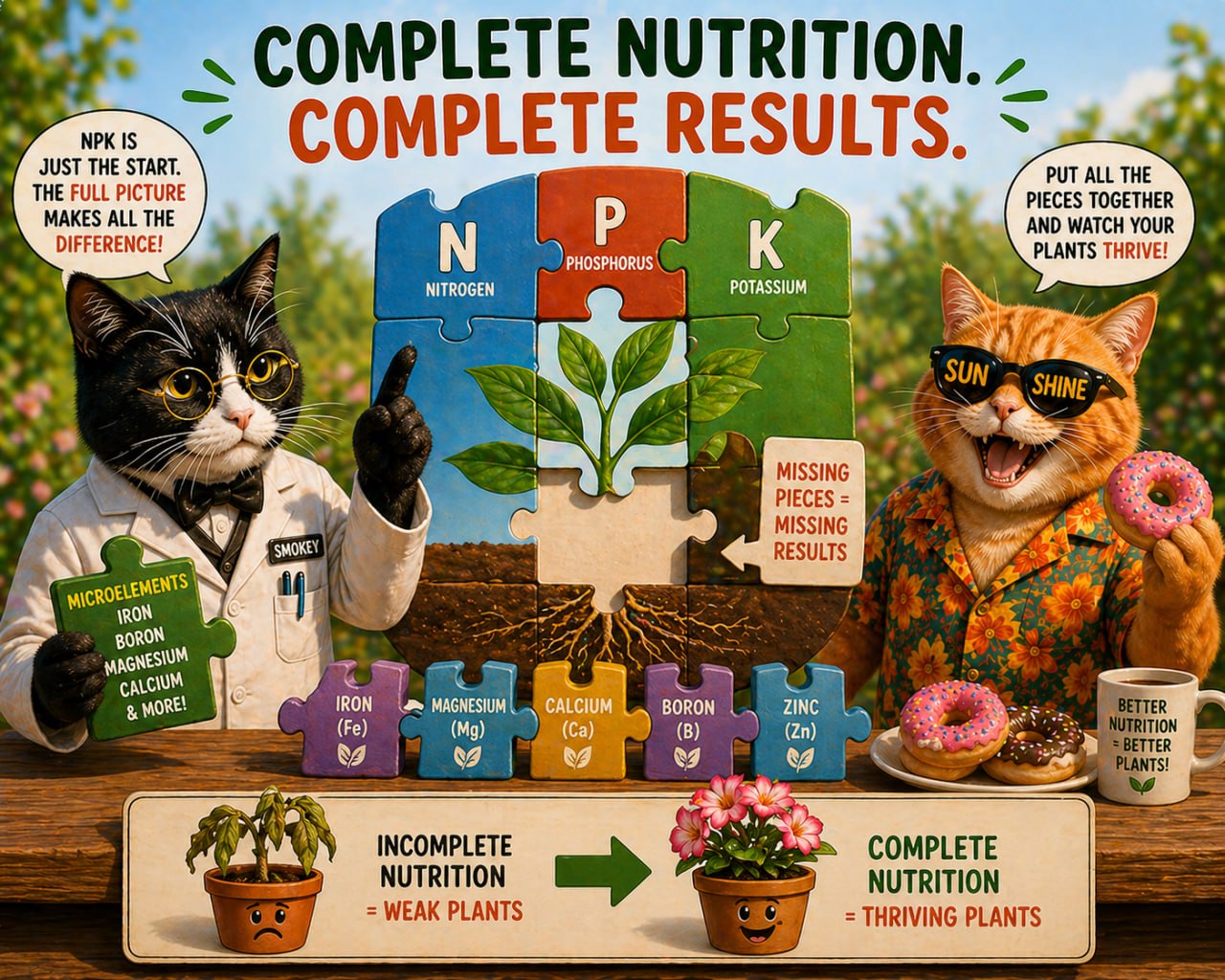
SUNSHINE-Micro - ultimate micro-element mix from TT Laboratories

On the photo: Tomato seedlings, with and without Sunshine-E treatment; 1 week after treatment, 09-01-2016. Continue reading...

Order online

Date: 12 Sep 2019

Helping Citrus and other fruit trees with Nutritional Supplements

Q: Can you recommended a product to help with my citrus? Combating greening and chlorosis.

A: Citrus greening is spread by an insect called the Asian citrus psyllid. The psyllid feeds on the stems and leaves of the trees, infecting the trees with the bacteria that causes citrus greening. Florida Citrus growers dedicated the last decade to researching citrus greening. Officially, currently there is still no cure, however, some Nutritional solutions have shown promising results. To slow the progression of citrus greening in infected trees, nutrients are applied to the leaves and to the roots. Providing better nutrition helps trees fight against citrus greening and enables them to continue to produce quality fruit.

We recommend the following products for use on regular basis:

SUNSHINE Epi is a natural Brassinosteroid plant hormone and a bio-stimulant that may be very effective as citrus greening treatment. It works through plant's immune system and shows amazing results of recovery of weak and sick plants.

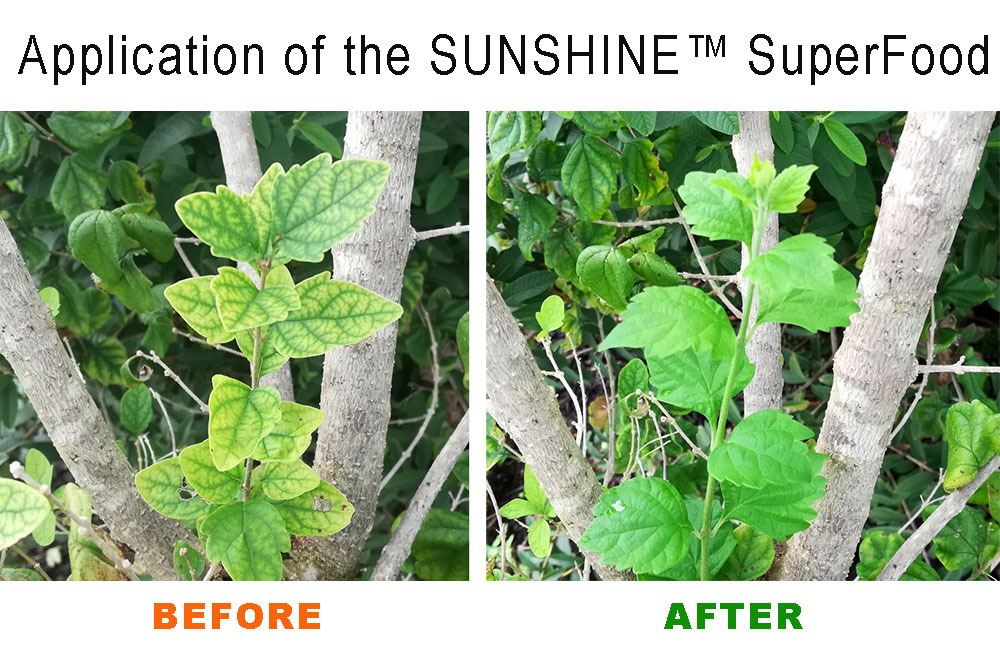
SUNSHINE Superfood, a complex micro-element supplement, maintains plant's health and provides vigorous growth.

SUNSHINE-Honey is a basic nutritional complement, it contains essential plant micronutrients Boron (B) and Molybdenum (Mo). These elements are essential to vegetative and reproductive growth, cell expansion, tissue growth, and fertility. A very common problem for most unimproved garden soils is lack of Molybdenum and Boron as soil micro-component. This results in underdeveloped / low quality fruit and/or premature fruit drop. Applying SUNSHINE Honey on your fruit trees will fill that gap and help a fruit tree to form a healthy fruit.

Macro-nutrients should be applied in combination with micro-nutrients on regular basis:

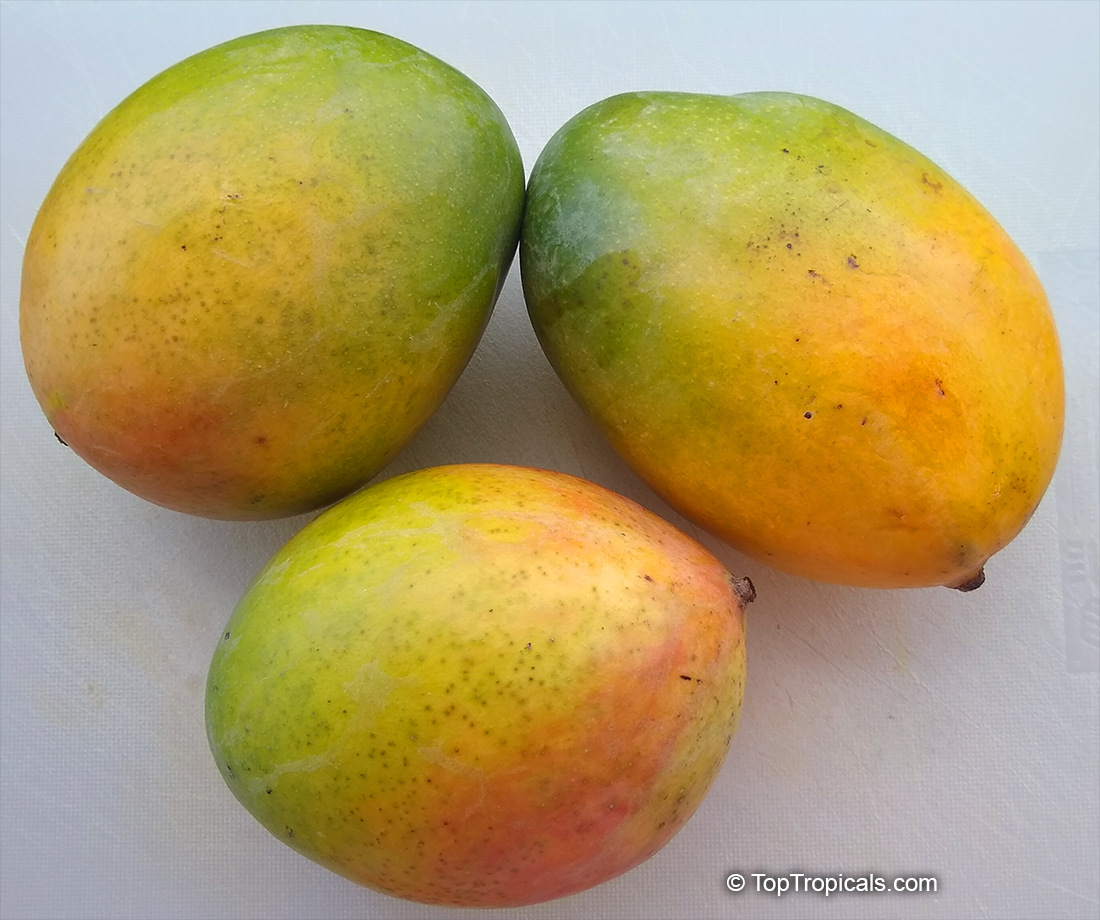
Mango-Food - Smart Release Fruit Tree Booster (works great for all tropical fruit trees)
Fruit Festival Plant Food - Ideal blend designed to improve fruit trees health and vigor, and increase crop yield.

See SUNSHINE Boosters page for the complete list of plant boosters.

Date: 15 Nov 2016

SUNSHINE in a bottle - your help during winter

Q: I have been using your new plant hormone SUNSHINE for plants after shipping, and I must admit it does make a big difference! They recover right away. I order plants online very often, and usually it takes up to a week or more until they start showing new growth. After SUNSHINE treatments, they look fresh within a day or two. My question would be, for improving cold tolerance, what do you recommend? I live in Florida and it is still warm here, should I start spraying my garden now or should I wait until cold spells?

A: SUNSHINE is very effective plant stimulant that helps tropical plants survive different kinds of stress, including cold, heat, drought, low light, etc. At TopTropicals gardens and nursery, we have been using this hormone for many years to protect our plants from unfavorable conditions, and it saved us many rare tender species, and lots of money!
The sooner in Fall you start treatments, the better. Don't wait until cold spell. SUNSHINE works slowly and in very low doses. The mechanism is actually about boosting, building up the plant's own immune system. Low doses once a week, even every other week will work just fine, so you will need very little of the product. For less than $5 you can help expensive rare plants to go through winter painlessly. Recommended application is only 2.5 ml/1 gal of water, to spray every 1-2 weeks throughout winter period.

Start spraying your plants with SUNSHINE now, to help them survive short winter days, build up insect resistance (especially for plants indoors), and what is most important, to remain strong through lower temperatures. These are our suggestions:

- SUNSHINE-T - thermo-protection booster. It is specially formulated for winter protection of tropical plants. To improve cold hardiness even more, spray 1-2 days prior to cold with 5 ml/1 gal solution and after that, continue applications with 2.5 ml/1 gal solution every 10-15 days throughout winter period.
- For large plant collections, and in-ground gardens in subtropical areas, take advantage of very cost effective bulk items 50 ml and 100 ml bottles of SUNSHINE.
- Don't forget that SUNSHINE is only a stimulant, and not a plant food. While regular fertilizer should be avoided during winter months, it is always beneficial to apply microelements through foliar spray. During cooler period, chances of chlorosis increase, because at low temperatures iron is difficult so absorb by roots especially in moist soil, hence iron deficiency! Our new Iron supplement SUNSHINE-Super-Iron microelement booster will help to avoid yellowing leaves and to maintain your plants strong and healthy during slow growth period. Ultra-potent, highly absorbable iron mix, with chelated Iron with DTPA (instead of usual EDTA) that is better soluble in hard water and more effective for chlorosis. This mix contains both EDTA + DTPA chelated iron in higher concentration than regular micro-elements mixes.

See all SUNSHINE booster products in our store. For advanced information on SUNSHINE plant boosters, history of use, formulation, and frequently asked questions, visit our manufacturer's website TTLaboratories.com.

Best plants suitable for containers. Check out our large selection of plants that are easily grown in containers. This week only, 20% off!

Date: 10 May 2026

🍑 From the Garden: Why I Always Recommend Growing Your Own Peaches

by Tatiana Anderson, Top Tropicals Garden Expert

A  peach  tree  growing  outdoors  under  a  blue  sky  with  ripe  red-orange 
 peaches  hanging  among  long  green  leaves.  The  image  also  shows  a  close-up 
 view  of  several  fuzzy  peaches  ripening  on  a 
 branch.

Peach trees are beautiful long before harvest day - glossy green leaves, colorful fruit, and that classic fuzzy peach look straight from the branch.

I'll be honest with you. The first time I bit into a peach straight off the tree, still warm from the afternoon sun, I understood why people get obsessed with this fruit. There is no comparison to what you find in a grocery store. Store peaches are picked hard, shipped cold, and by the time they reach you, something important is already gone. A tree-ripened peach is soft, fragrant, juicy, and sweet in a way store peaches rarely are. Eat it fresh, slice it into a cobbler, throw it on the grill - it holds up beautifully either way.

So let's talk about how to actually get there.

Planting

Peaches are not difficult. Give them sun, drainage, and room for air movement, and they will usually tell you very quickly that they are happy.

  • Full sun is essential - 8 hours minimum, and more is better.
  • Drainage matters - peach roots do not like sitting wet.
  • If your soil stays wet, plant on a mound - simple fix, big difference.
  • Water deeply, then pause - let the soil partially dry before watering again.
  • Prune every year - it keeps the tree open, improves airflow, and helps the tree put energy into fruit instead of tangled growth.

Branches  of  a  peach  tree  covered  in  masses  of  bright  pink  blossoms 
 during  spring  bloom.  The  flowers  densely  fill  the  tree,  creating  a  colorful 
 display  of  pink  petals  against  the  brown 
 branches.

Peach trees put on one of spring's prettiest shows - clouds of pink blossoms before the fruit season even begins.

What If You Do Not Have Room?

You can still grow peaches in a large container. This is a great option for patios, small yards, renters, or gardeners who want better control over soil and drainage.

  • Use a large pot with drainage holes.
  • Choose a fast-draining potting mix, not heavy garden soil. We recommend Sunshine Abundance potting mix.
  • Place the container in the sunniest spot you have.
  • Water more often than in-ground trees, but never let the pot stay soggy.
  • Prune to keep the tree compact and easy to manage.

Fertilizing

Peach trees are generous plants, but producing vigorous growth and a heavy crop of sweet fruit takes energy. Regular feeding makes a noticeable difference in tree health, flowering, and fruit quality.

I prefer a simple two-part approach that provides both steady background nutrition and quick, readily available nutrients when the tree is actively growing.

  • Green Magic controlled-release fertilizer provides a steady supply of nutrients for months and serves as the foundation of the feeding program.
  • Sunshine Boosters liquid fertilizers deliver amino acid-based nutrients that are quickly absorbed and especially useful during periods of active growth, flowering, and fruit development. Sunshine C-Cibus formula is the best for fruit trees.

During the growing season, this combination helps build stronger branches, healthier leaves, better flowering, and sweeter, higher-quality fruit.

If your tree shows yellowing leaves or weak growth, consistent feeding often makes a dramatic difference within a few weeks.

📚 More about low-chill peaches from our garden Blog

Clusters  of  ripe  fuzzy  peaches  growing  on  tree  branches  surrounded  by 
 long  green  leaves  in  bright  sunlight.  The  peaches  show  shades  of  pink,  red, 
 and  soft  yellow  as  they  ripen  on  the 
 tree.

Tree-ripened Tropic Beauty peaches warming in the sun - fuzzy, colorful, and almost ready to pick straight from the branch. Tropic Beauty variety is one of the most colorful and sweet.

📚 More about Tropic Beauty Peach

🛒 Shop Low-Chill Peach trees

Sunshine’s Philosophy: Lazy Peach Sundae 😺

Sunshine absolutely loves peach cobbler, especially when someone else does all the peeling, slicing, mixing, and baking. But when he is left to prepare dessert on his own, his standards become much more practical. Why turn on the oven when perfectly ripe peaches already taste amazing? His philosophy is simple: if a recipe takes less than five minutes and ends with peaches and vanilla ice cream in the same bowl, it is a masterpiece.

A  bowl  of  sliced  ripe  peaches  topped  with  two  scoops  of  vanilla  ice 
 cream,  drizzled  with  honey  and  lightly  sprinkled  with  cinnamon,  sits  on  a 
 rustic  wooden  table  outdoors.  Fresh  whole  peaches  rest  nearby,  with  a  sunny 
 peach  orchard  full  of  fruit  and  a  bright  blue  sky  in  the 
 background.

Sunshine's Lazy Peach Sundae - fresh peaches, cold ice cream, and zero effort on a perfect sunny day.

Sunshine's Lazy Peach Sundae

This is not cooking. This is assembly.

Ingredients

  • 2 ripe homegrown peaches
  • 2 big scoops of vanilla ice cream
  • A drizzle of honey (optional)
  • A pinch of cinnamon (optional)

Instructions

  1. Slice the peaches.
  2. Put them in a bowl.
  3. Add vanilla ice cream.
  4. Drizzle with honey and sprinkle with cinnamon if you feel ambitious.
  5. Eat immediately while smiling.

Sunshine's Review

"I peeled exactly nothing and still got dessert. This is my kind of gardening."

Want this?
Start with a low-chill peach tree. That is usually how it begins.

🛒 Plant your own Peach tree

Date: 5 Jan 2021

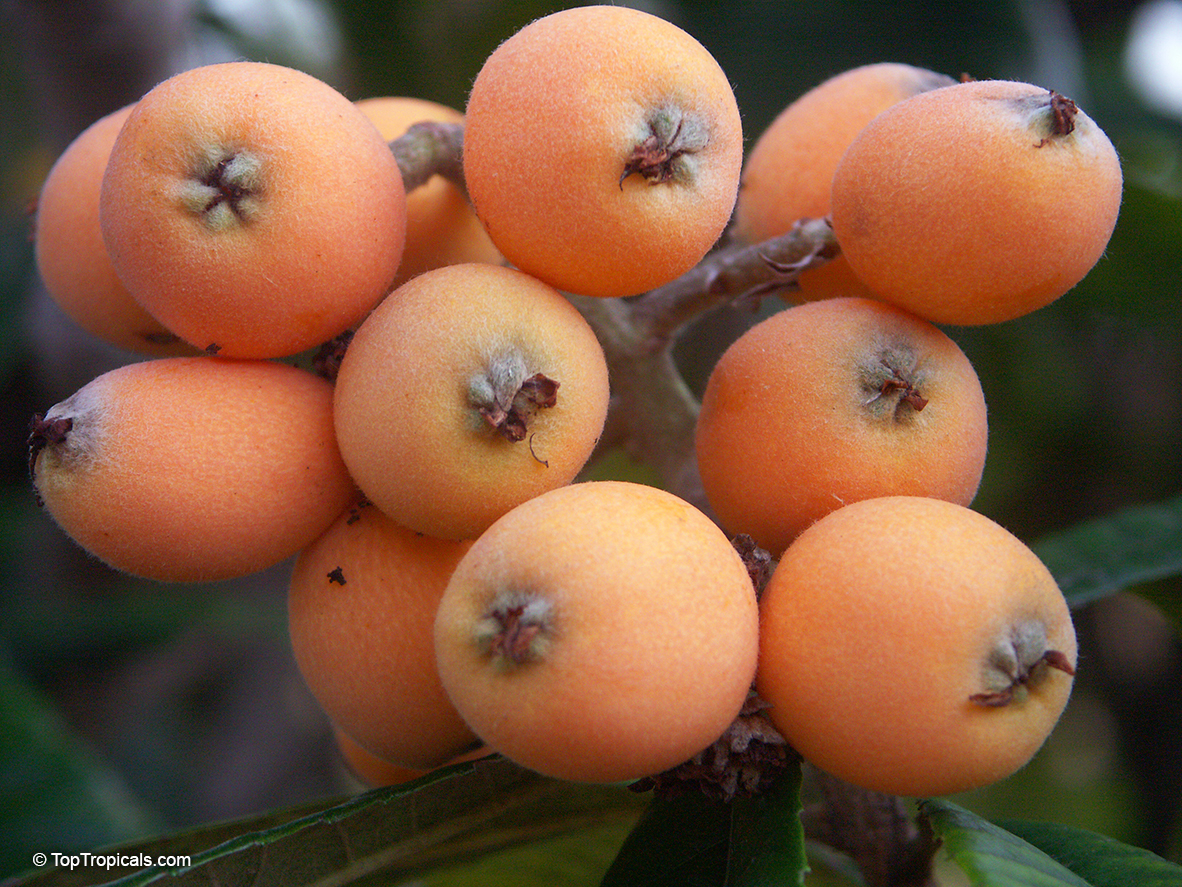
Growing Loquat in container

Q: I purchased a Sherry Loquat tree from you in April of 2020. It got off to a slow start initially, but now is five feet tall with healthy leaf growth! It is in a 15-gallon pot and was brought into the house by October 15th. I live in Zone 6 and kept the plant outside from end of May to October 15th. I have given the tree artificial lights in addition to slow release fertilizer. Can you please advise me on what steps I need to take to get the Sherry Loquat tree to fruit? E.g., lighting requirements, soil pH, soil type, etc.

A: Loquat is normally winter flowering and spring fruiting tree, here in Florida it is usually heavily covered with fruit by April. With a proper care, you may see flowers throughout the winter and they may set some fruit for you. Considering that during this time you have to keep the plant indoors, here are some recommendations:

1. Soil. Well-drained, porous potting mix. Do not use any heavy garden soils. For our plants we use the following mix which is excellent for containers: Abundance

2. Light. The brighter the better. Sunroom would be great, or at least put the tree next to a large window. Extra lighting with grow lights is beneficial. Any type of light will work, you can even use a simple clip-on light, the brighter the better. 8-10 hours a day.

3. Water. Loquat is drought tolerant but for fruiting it will need regular watering; just don't keep soil soggy, let is slightly dry before waterings.

4. Fertilizer program. Use liquid fertilizer. We recommend Sunshine Boosters that are safe to use with every watering and year around - SUNSHINE C-Cibus - Crop Nutrition Booster.
We recommend to switch plants from traditional"slow-release"fertilizer to the liquid one because it makes a huge difference in plant growth and flower/fruit quality and quantity. Sunshine Boosters are scientifically balanced fertilizers that supply all necessary elements for daily plant needs. They are natural and eco-safe, great for any edibles.

5. Micro-elements. These are essential for potted plants, because in containers roots can't reach out to elements that are usually present in soil when trees grown in the ground.

Apply micro-element remedies that are very effective for improving fruit production, especially when flower or fruit drop occurs:
SUNSHINE Honey - promotes more efficient blossoming and pollination, makes flowers bigger and reduces bud drop.
SUNSHINE SuperFood - improves plant vigor and quality and size of flowers
These are all natural, eco-friendly supplements that work great for fruit trees and other edibles.

Read more about Loquat trees: The best grafted Loquat varieties.