Garden Blog - Top Tropicals

Date: 7 Nov 2024

What are the best Mulberry varieties

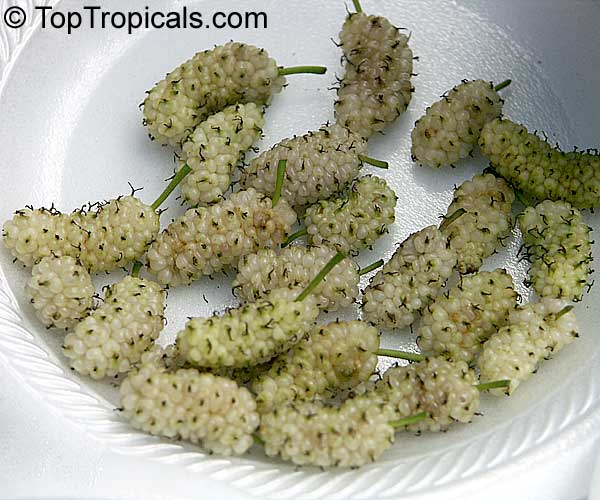
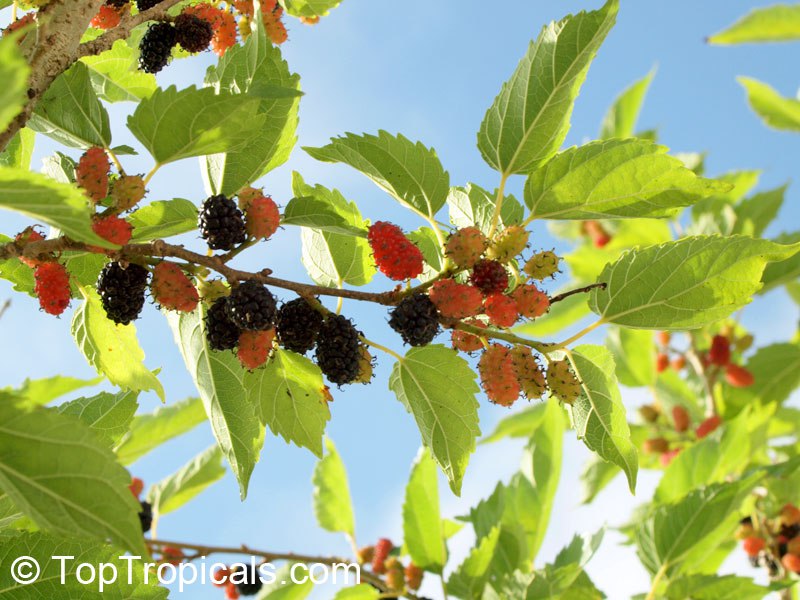
White Mulberry

White Mulberry

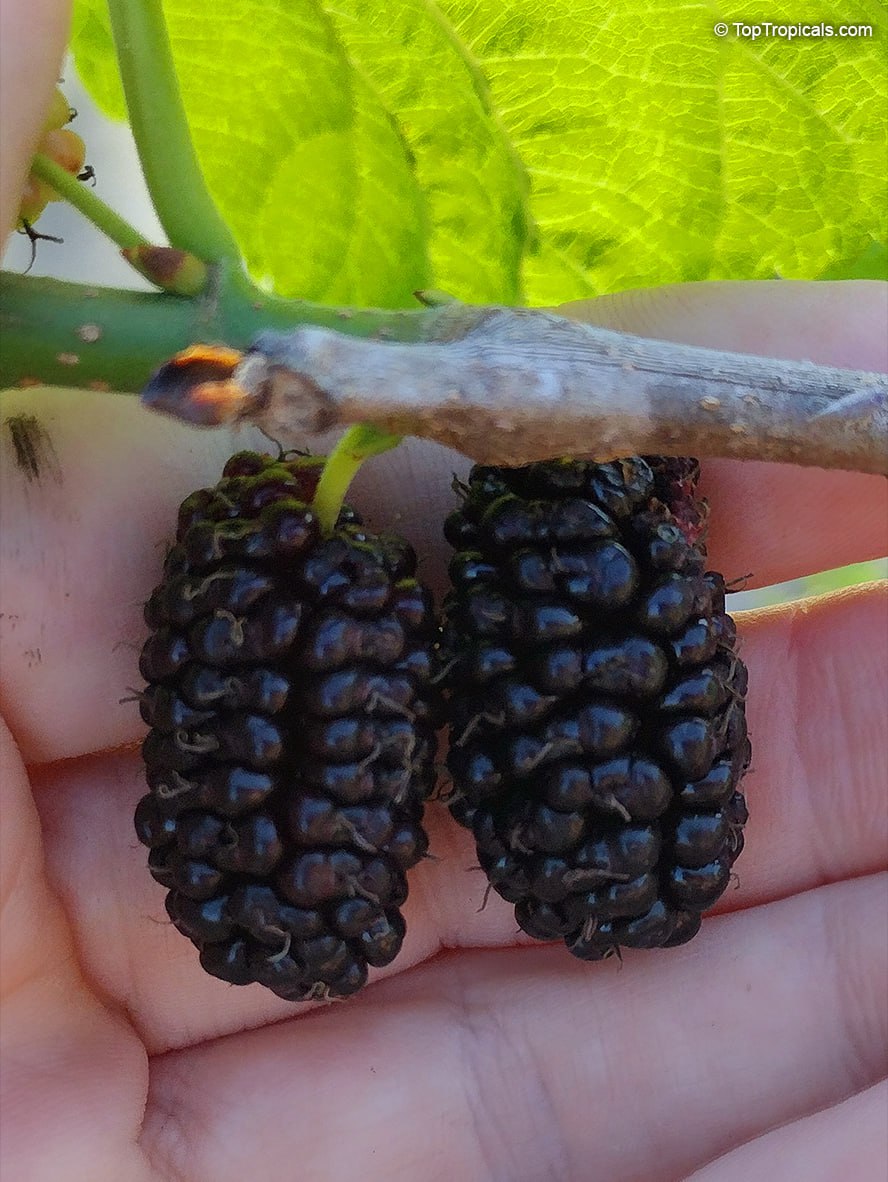
Shangri-La Mulberry

Shangri-La Mulberry

Shangri-La Mulberry

Shangri-La Mulberry

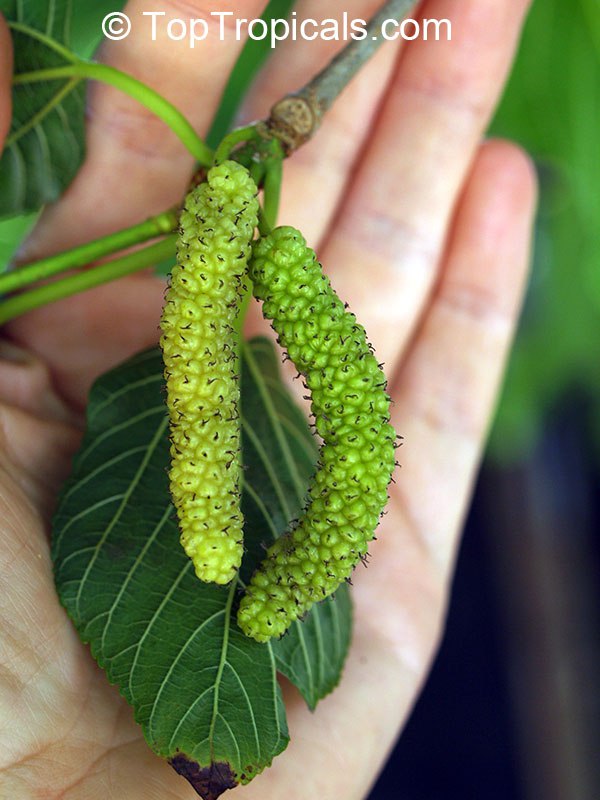
Dwarf Everbearing or Dwarf Issai Mulberry

Dwarf Everbearing or Dwarf Issai Mulberry

Pakistanu Mulberry

Pakistanu Mulberry

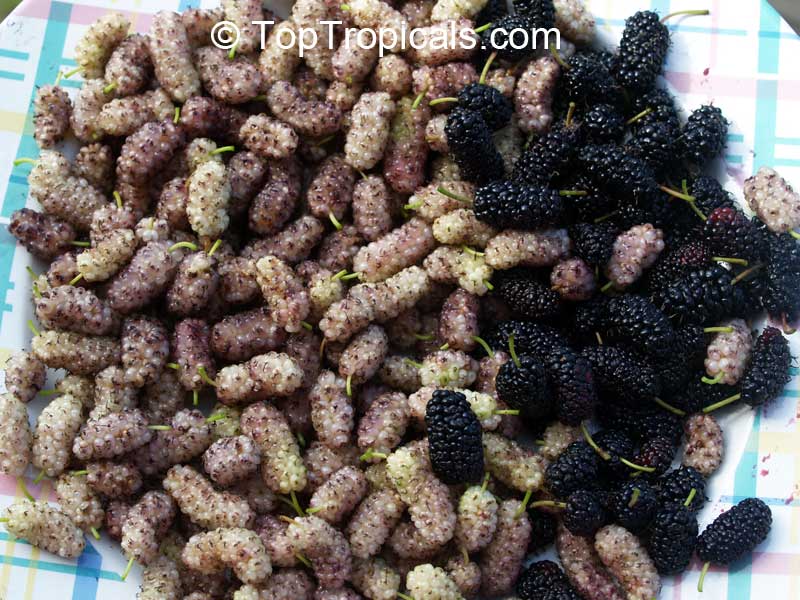
White Mulberry and Shangri-La Mulberry

White Mulberry and Shangri-La Mulberry

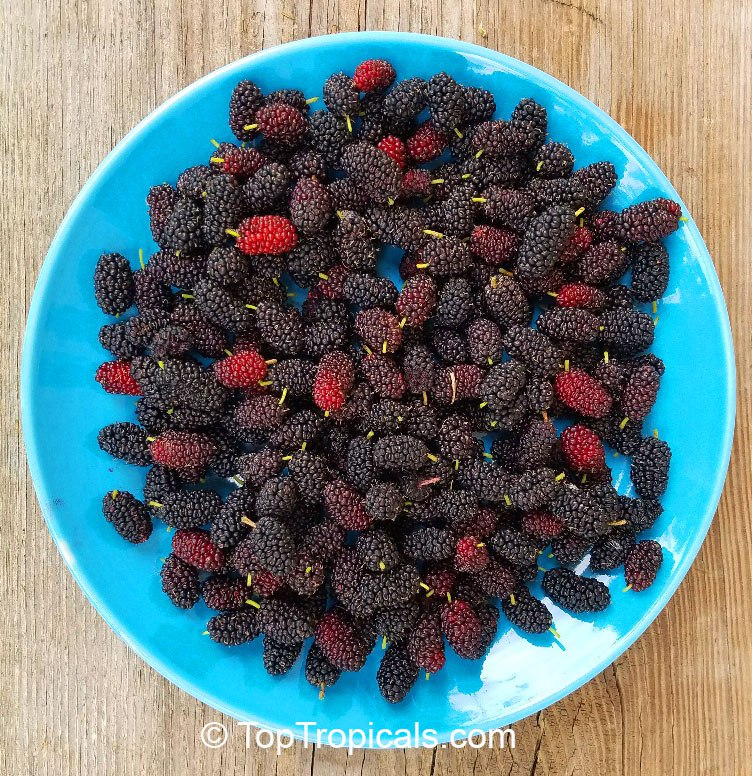
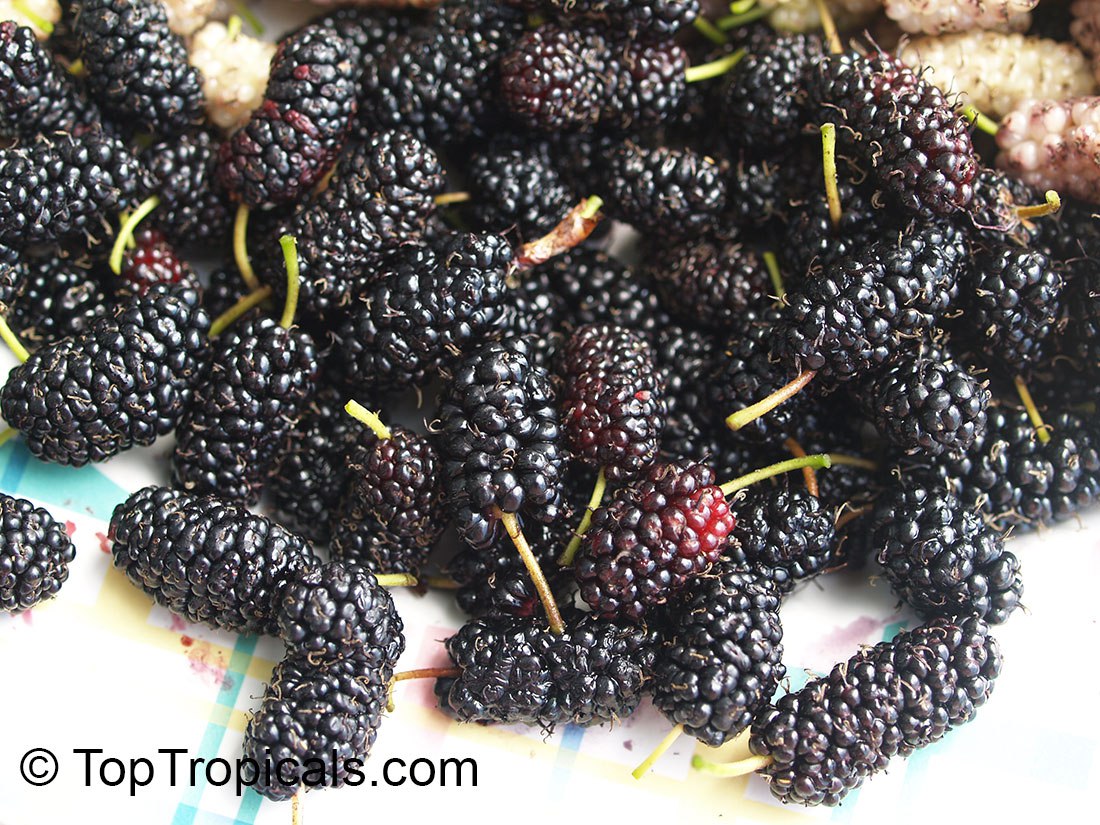
Florida Giant Mulberry

Florida Giant Mulberry

💗 What are the best Mulberry varieties


Muberries are very cold hardy (to hard freeze, up to zone 6), tough trees that take poor soils and grow well in almost any conditions once established.

💬 #Fun_Facts: Did you know that mulberries belong to the same plant family with Jackfruit?

The Best Mulberry Varieties for Your Garden:

  • 🐾 Dwarf Everbearing and Dwarf Issai - Compact, container-friendly varieties perfect for small spaces. These dwarf trees (6-10 ft tall) are disease and drought resistant, with multiple crops year-round, even from the first year! Ideal for patios and small yards..
  • 🐾 Florida Giant - A vigorous, fast-growing tree with large, heart-shaped leaves and long purple-black fruits bursting with a sweet-tart flavor. This beauty grows up to 6-10 ft per year and thrives as far north as zone 6, despite its name.
  • 🐾 Shangri-La - A modest-sized tree with giant leaves and plump, sweet-tart berries. Originally from Florida, it's heat, drought, pest, and disease-resistant. Ripens from April through summer, bringing both beauty and bounty to your garden.
  • 🐾 White Mulberry - Produces medium-sized, super-sweet white fruits without a hint of tartness. This productive tree makes a mess-free option since the fruit doesn't stain. Ideal for fresh eating or drying.


📚 Learn more about Mulberries from previous posts:


Top 10 fast-fruiting trees: #7. Mulberry
How Mulberry fruit helps with diabetes

🛒 Shop Mulberry varieties

#Food_Forest

🔴 Join 👉 TopTropicals

Date: 24 Jun 2025

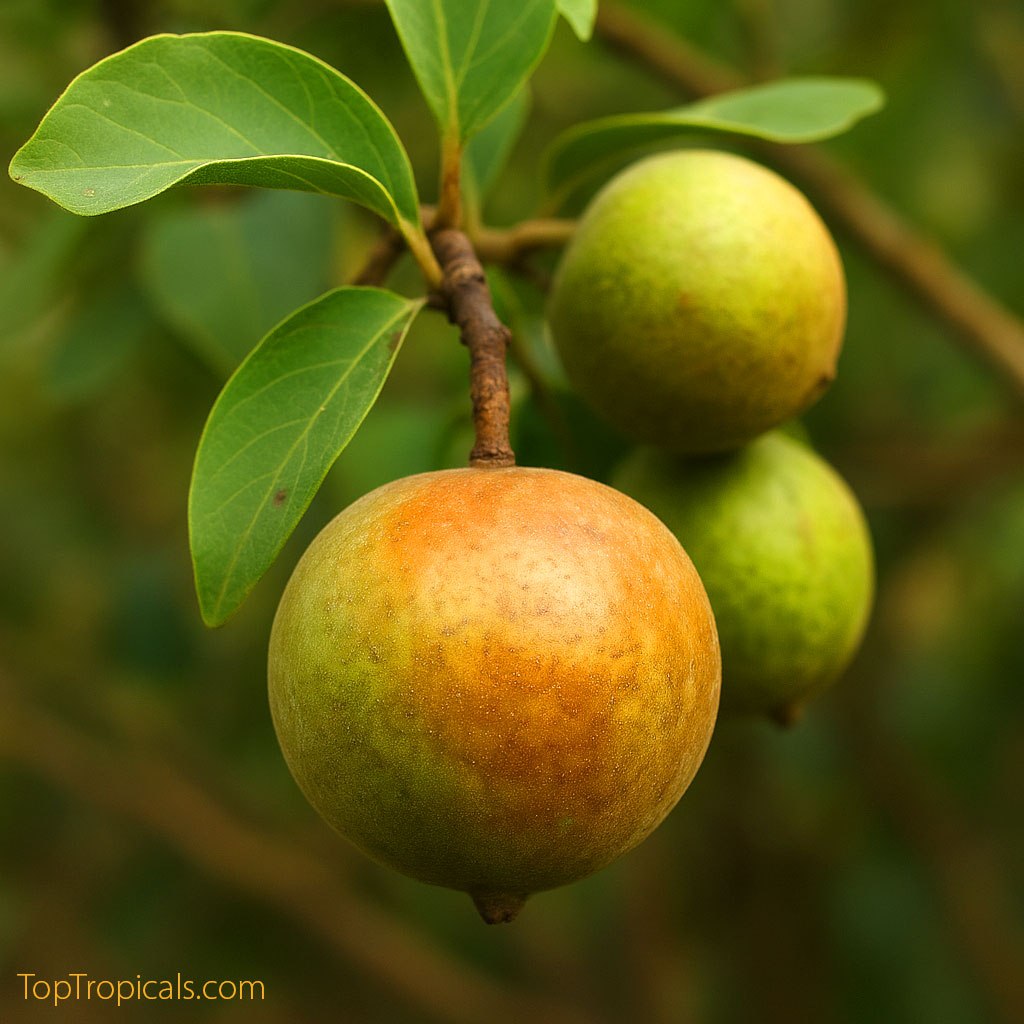
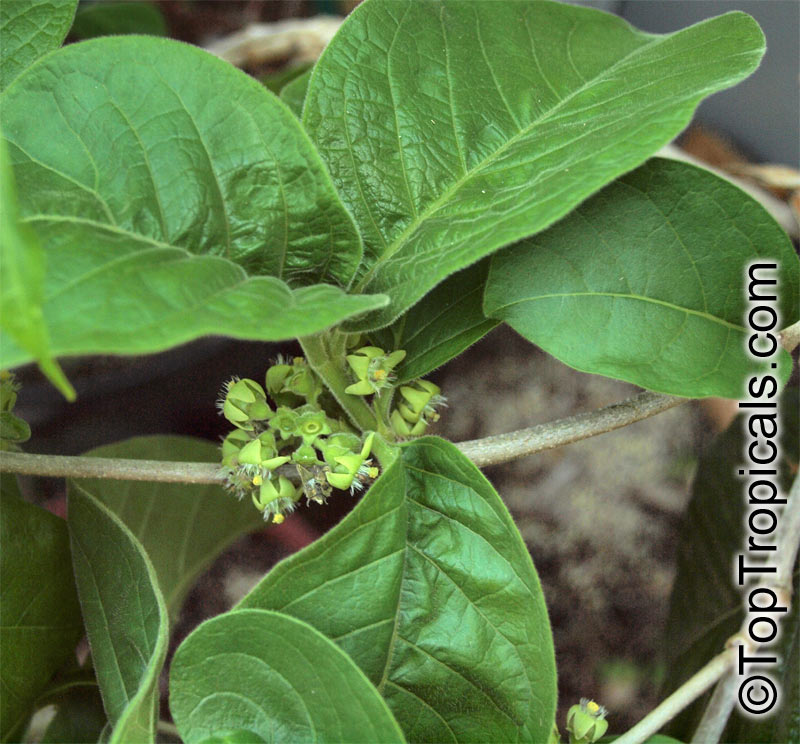
The wild fruit with a secret: health benefits of rare Spanish Tamarind - the exotic fruit youve never heard of

The wild fruit with a secret: health benefits of rare Spanish Tamarind - the exotic fruit youve never heard of The wild fruit with a secret: health benefits of rare Spanish Tamarind - the exotic fruit youve never heard of The wild fruit with a secret: health benefits of rare Spanish Tamarind - the exotic fruit youve never heard of The wild fruit with a secret: health benefits of rare Spanish Tamarind - the exotic fruit youve never heard of The wild fruit with a secret: health benefits of rare Spanish Tamarind - the exotic fruit youve never heard of

🍊 The wild fruit with a secret: health benefits of rare Spanish Tamarind - the exotic fruit you've never heard of


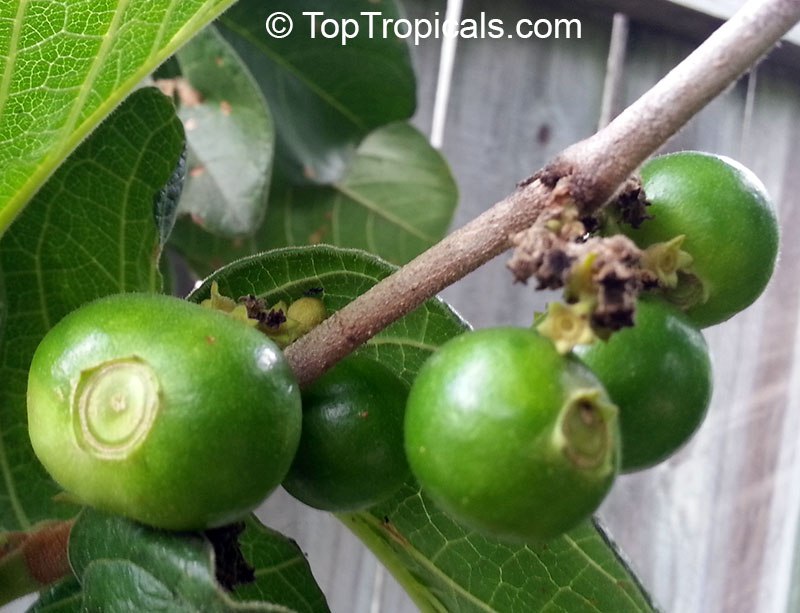
  • Looking for a new exotic fruit to love? Meet Vangueria infausta - Spanish Tamarind, also called Wild Medlar. Native to Southern Africa, this little-known gem grows on a small tree and produces round, golden-brown fruit with a sweet-tart flavor. You can eat them fresh, dried, or even turn them into a tropical jam or homemade fruit beer!

  • But it's not just tasty - it's super healthy. The fruit is packed with vitamin C, fiber, and minerals like iron and magnesium. Locals use it as natural medicine: the leaves and bark are brewed into teas for colds, fevers, and stomachaches. The roots are even used for coughs and snakebites.

  • Secret bonus? Its bark and leaves make natural dyes in yellow, green, and purple!

  • The Wild Medlar is easy to grow in warm climates (Zones 9-11) and can handle poor soil and dry weather. In cooler zones, just grow it in a pot and bring it in for winter. Give it full sun, some water, and it'll reward you with 20-40 fruits per season.


🛒 Grow your own wild superfruit - Spanish Tamarind

#Food_Forest #Remedies #Discover

🟢 Join 👉 TopTropicals

Date: 31 May 2017

Wounded Warrior Project donation

Thanks to your memorial day orders! In honor of the memory of fallen brothers and sisters in battle, Top Tropicals sent a substantial donation of 5% of Memorial Day Promotion sales to Wounded Warrior Project. Reference ID: 43810379. Thank you everybody for your orders and participation!

Gemini Zodiac lucky plants

Gemini - 5/21-6/20. Ruled by the mutable, changeable planet Mercury (also patron of the art of medicine), Gemini is an AIR sign. Plants ruled by Mercury tend to have ferny or highly-divided leaves or stems (like the bronchi of lungs), hairy or fuzzy leaves (related to the cilia in the lungs), or subtle odors.

Gemini rules the lungs, shoulders, arms, and hands. Its plants help to strengthen the lungs and respiratory system, relax the nervous system, strengthen ears and hearing, the tongue and speaking, the vocal cords, lungs and thyroid, as well as the shoulders, arms, and hands. Gemini has so much going on mentally that they may need a little help to digest all the information they're constantly absorbing. Herbs that have clean, pure flavor not only help physical digestion, but assist spiritual and mental intake as well.

Gemini Zodiac lucky plants: Ferns, Blechnum, Tree ferns and Cyatheas, Fern Tree, Aralias, Jackfruit and Breadfruit, Paulownia, Anthurium, Philodendron, Philadelphus, Clerodendrums, Anise, Lavender, Myrtle, Nut trees, Macadamia, Ficus, Piggyback plant - Tolmiea menziesii, Aloe vera, Fig , Honeysuckle, Azalea, Mint Tree Satureja, Vitex, Ironwood, Mulberry, Osmoxylon, Acalypha, Allamanda, Aphelandra, Iboza, Ruda, Kiwi, Caesalpinia, Cyphomandra, Monstera, Kalanchoe , Magnolia, Oregano, Ocimum, Naranjilla, Zamia, Delionix, Acacias, Calliandra, Patchoili, Palms, Geranium, Grevillea, Eucalyptus.

For other signs information, see full Plant Horoscope

Date: 22 Feb 2023

Benefits of growing your own tropical fruit

"The fruit of the mango tree is no longer forbidden. Indeed, it has been recommended to me by the physicians as an antidote to the plague."
- Louis IX, King of France -

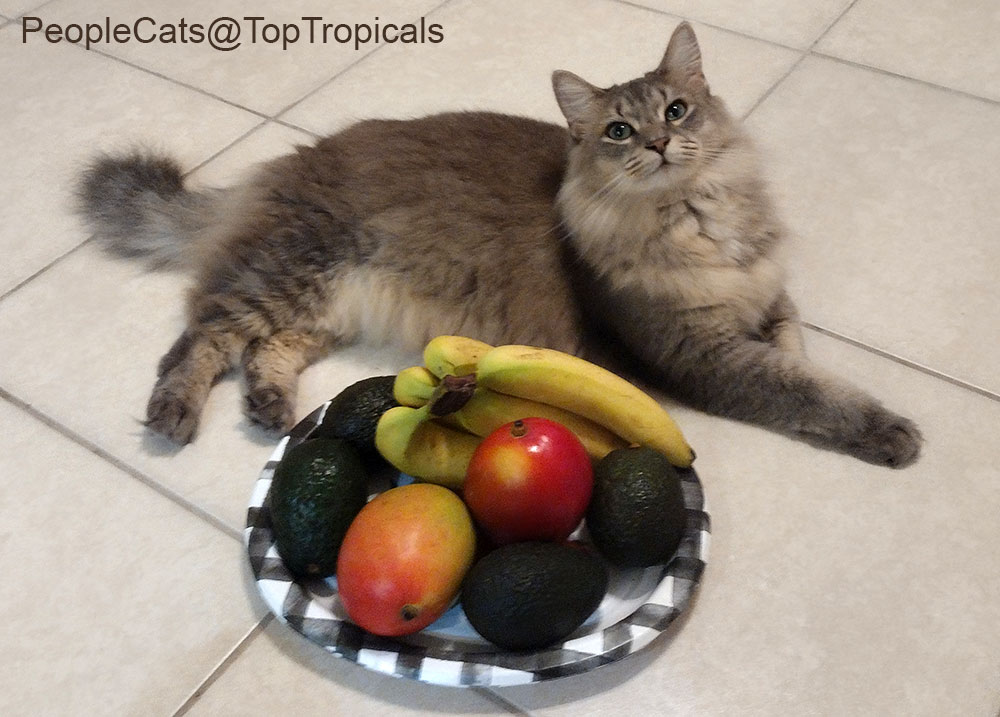
Fluffy  cat  with  a  tray  of  tropical  fruit

Q: Why do you want to grow your own tropical fruit tree?

A: Growing your own tropical fruit tree can have many benefits. Here are a few reasons why someone might choose to grow their own tropical fruit tree:

1. Fresh, flavorful fruit: When you grow your own tropical fruit tree, you have access to fresh, flavorful fruit that you may not be able to find at your local grocery store. Tropical fruit, like avocado, mangoes, papayas, and passionfruit, jackfruit, Dragon Fruit, Annona have a short shelf life, and the fruit you find at the store may have been harvested weeks ago. When you grow your own fruit tree, you can pick the fruit when it's fully ripe and enjoy it at its peak flavor. Besides, some rare fruit like Akee or Sapodilla simply never offered from the store.

2. Environmental benefits: Growing your own fruit trees can have environmental benefits. Trees absorb carbon dioxide from the air and release oxygen, which can help reduce your carbon footprint. Additionally, growing your own fruit trees reduces the need to transport fruit long distances, which can help reduce greenhouse gas emissions.

3. Cost savings: Depending on where you live and the availability of tropical fruit, growing your own fruit tree can be a cost-effective way to enjoy your favorite tropical fruits.

4. Gardening and outdoor hobby: Growing a fruit tree can be a fulfilling and rewarding outdoor hobby. It can also be a great way to teach children about where their food comes from and the importance of taking care of the environment.

Overall, growing your own tropical fruit tree can be a great way to enjoy fresh, flavorful fruit, reduce your carbon footprint, save money, and enjoy a fulfilling outdoor hobby.

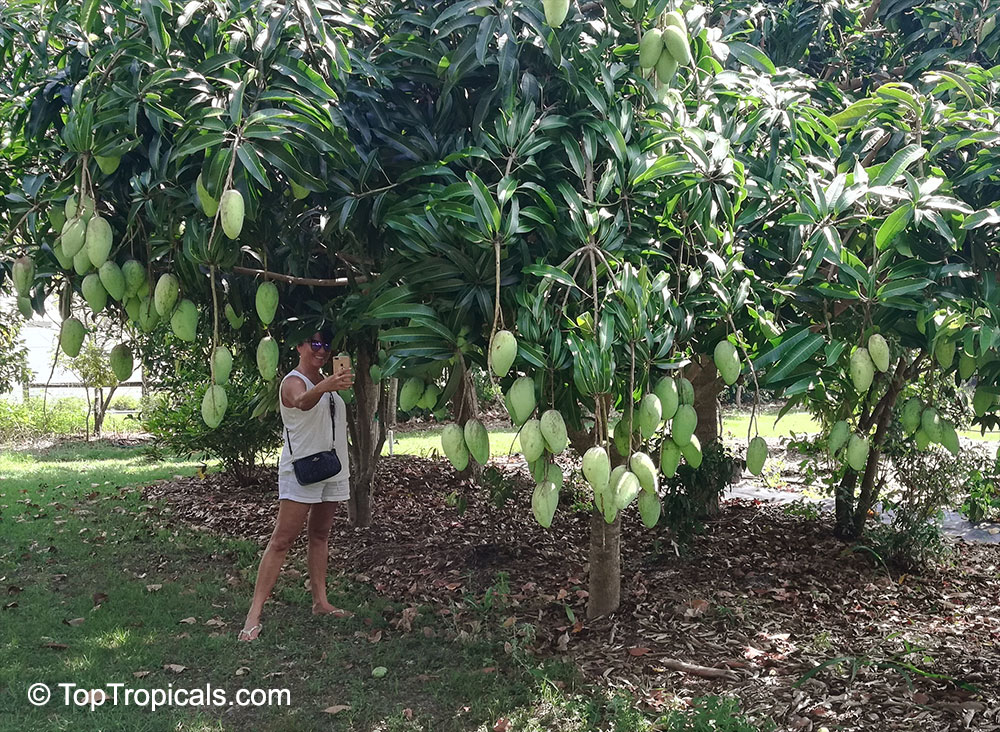
Taking  a  picture  of  a  mango  tree  loaded  with  fruit

In the photo: Mango

Date: 23 Sep 2020

Fast-fruiting trees?

Photo above: Annona reticulata - Red Custard Apple

Q: More of a question than a review, but a review regarding your catalog, it would be easier for us buyers, if we could search for plants that produce fruit in 2 years or less, I don't have the patience to wait longer than that for fruit. I'm trying to buy for a fairly good sized garden but want some fast growers and fruit produced in 2 yrs. Can you help me out?

A: Fruiting time depends on many factors (established size, growing conditions, fertilizing, and even specific variety), this is why we can not just put a simple icon "will fruit within 2 years".
However, most grafted and air-layered fruit trees, including all Mango, Avocado, Loquat, Sapote, Sapodilla, Lychee/Longan, Peaches and Nectarines - will fruit right away. If you see in our store "grafted" or "air-layered" in plant description - these trees will fruit soon. Some of them already flowering and fruiting.
Some non-grafted trees or seedlings like Annona, Artocarpus (Jackfruit), Eugenia, Guava, Banana, Dragon fruit, Mulberry, Blackberry/Raspberry - will fruit within 3-4 years from seed or even sooner (Banana, Mulberry, Dragon fruit, Blackberry-Raspberry - within a year). Usually it says in description that this plant can produce fruit soon.
Bigger size plants are more established and have more energy to produce, so try to get larger size plants if your budget permits, and especially if you can pick up bigger plants rather than shipping them - obviously, shipping has size limitations.
In addition, all spice trees like Bay Leaf, Bay Rum, Allspice and many more - they will produce spice for you right away, so you don't need to wait at all!
If you have questions about fruiting time on any specific plant you put your eye on, don't hesitate to ask!

Photo above: Pimenta dioica - Allspice