Garden Blog - Top Tropicals

Date: 4 Feb 2017

Groundhog Day Feb 2

On Groundhog Day Feb 2: Groundhog Punxsutawney Phil saw his shadow on Thursday morning, predicting six more weeks of winter during Groundhog Day festivities at Gobbler's Knob, a small hill just outside Phil's hometown.
According to folklore, if it is cloudy when a groundhog emerges from its burrow on this day, then the spring season will come soon; if it is sunny, the groundhog will supposedly see its shadow and retreat back into its den, and winter weather will persist for six more weeks.
Phil promised long winter, however, we should not cry in despair but starting to get ready for Spring!

Spring Check List:
- Make sure min temperatures are above 45F before you start bringing potted plants outside.
- When active new growth appears from buds, after-winter pruning can be done.
- You may start weekly fertilizing as soon as night temperatures raise above 55F.
- Start planting in the ground as soon as there are no more chances of frost, until then keep newly arrived plants in pots so they get better established.
- Low chill cold hardy fruit trees including Peaches, Nectarines, Plums, Apples, Mulberry, Loquats go in the ground first, so you can enjoy their blooms and early fruit set. Plant Pomegranates, blueberries and cranberries, raspberries and blackberries, grapes.
- Water as needed, still keeping on dry side until afternoons get hot and plants start using more water.
- Start seeds indoors. The sooner the better, to give seedlings more time to establish before planting out in the ground.

Overwintering Magnolia (Michelia)

Michelia alba Question: I have a question about Michelia alba. My Michelia alba leaves turning yellow and losing leaves. When I brought it inside for the winter, after the leaves falling off new one grow back not all of them grow back and now the new the branches start to die. I water once a week.

A: Whenever moving a plant in or out of the home it is always best to do it gradually. Moving a plant all in one day will cause stress to the plant due to environmental changes such as, new humidity levels, new light levels and new watering requirements. Michelias usually loose their leaves once in the spring and once before winter but grow them back right away. Now that your plant is inside with less humidity, light and leaves, you only need to water once the soil as almost dried out. You will need to stick your finger in the soil to see if it is still wet as the top layer dries before the under layer. If the branches are starting to die at the tips this usually means too much water. Move the plant to a bright light window, decrease water and you may want to also use a humidifier.


Date: 4 Oct 2016

Plants for happiness and joy

Plants as homeopathic remedies and happiness boosters. Many people know about health benefits of vitamin C which improves and boosts our immune system similar to SUNSHINE plant booster stimulating growth of plants. But not everybody realizes that this vitamin is responsible for overall happiness of our body, it brings many systems in balance. A number of tropical plants used in salads, as well as fruit with high content of vitamin C can play dual role in your life. You can use them as food, as well as enjoy their beautiful tropical appearance. Such plants will help you feel interest and joy in life when you feel apathetic and resigned to the situation you are in. Just to name a few:

Lychee
Barbados Cherry
Eugenias
Hibiscus Karkade

Try them out. Stay healthy and happy!

Date: 25 Jan 2021

Healthy Plants: Q&A from Mr Booster

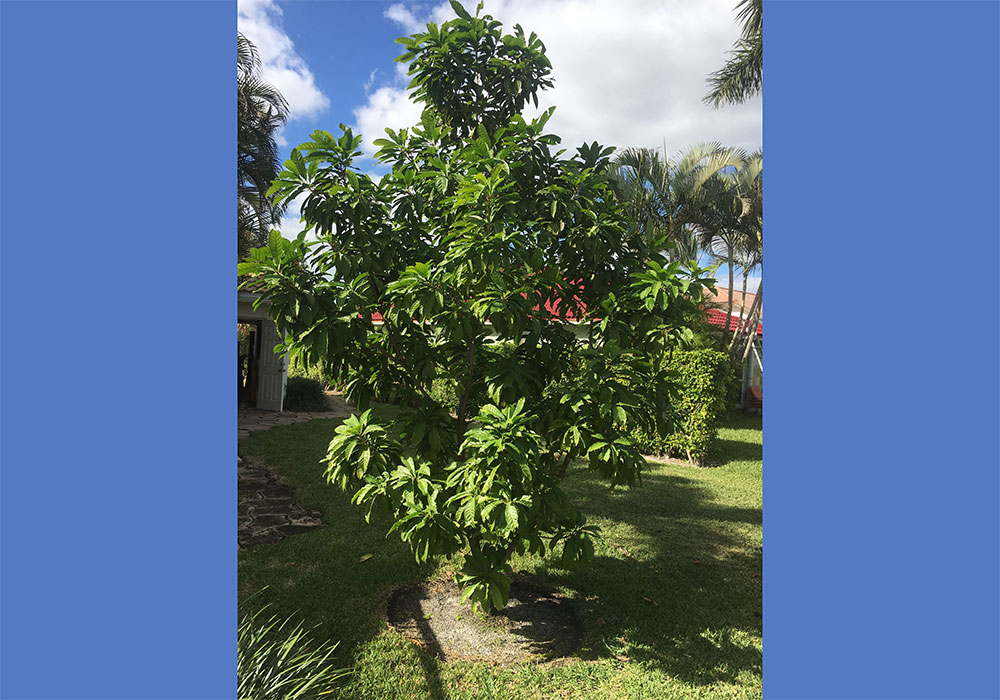
How to get Canistel tree to produce
without dropping flowers and fruit

Q: My Canistel tree is 3 1/2 years old and is growing very well, see the picture below. It gets hundreds of pea sized "berries" but then they fall off. No canistel fruit. What's wrong?

A: You have such a nice looking tree, it is a shame you can't get any fruit to ripen.
In our experience, Pouteria trees dropping fruit prematurely is a very common problem. There may be one of the following reasons, or a combination of them:
- Cold winters may affect production, and while Canistel is generally pretty hardy tropical plant that can easily withstand short periods of chill, the fruit may never form properly if it had a cold winter.
- Lack of water. Canistel tree is pretty drought tolerant, but for the proper production cycle it needs regular irrigation. Especially during hot summer.
- The tree may be not strong enough; young trees drop fruit very often when they don't have enough "fruiting energy" built up in their system.
Your tree looks well established and vigorous, however, flower/fruit drop is often a sign of insufficient nutrients of particular kind, usually Boron (B) and/or Molybdenum (Mo): either when a tree is too young and not strong enough, or because of poor soils and lack of necessary elements.

Here is what can be done, considering you live in a warm, frost-free climate.

1. Provide regular fertilizing program. We recommend liquid fertilizers Sunshine Boosters that are safe to use with every watering and year around. It is beneficial to switch plants from traditional "slow-release" fertilizer to the liquid one because it makes a huge difference in plant growth and flower/fruit quality and quantity. See also:
- Why liquid fertilizers are better than dry
- Article about benefits of liquid fertilizers.

Use this plant food for your Canistel tree:
SUNSHINE C-Cibus - Crop Nutrition Booster

2. Apply micro-element remedies that are very effective for improving fruit production, especially when flower or fruit drop occurs:

SUNSHINE Honey - promotes more efficient blossoming and pollination, makes flowers bigger and reduces bud drop.
SUNSHINE SuperFood - improves plant vigor and quality and size of flowers These are all natural, eco-friendly supplements that work great for fruit trees and other edibles.

Date: 19 Nov 2025

5 fruits that help manage gout (high uric acid)

5 fruits that help manage gout

5 fruits that help manage gout

🍒 5 fruits that help manage gout (high uric acid)


💥 High uric acid, hyperuricemia, also called gout, causes painful swelling in joints and can affect kidney health over time. Medicine helps, but so does what you grow and eat. Some fruits can naturally flush out excess uric acid and reduce inflammation. Here are five easy fruit trees and plants that can help:

🍋 Citrus


Citrus trees are great to grow in pots or sunny yards. Lemons and oranges are rich in vitamin C, which helps kidneys remove uric acid and keeps the body’s pH balanced. A glass of lemon water in the morning or a fresh orange during the day can help. Studies in Science Direct show lemon juice lowers uric acid levels in the blood.

Berries (mulberries, blackberries, blueberries, strawberries)


Berries are packed with antioxidants that fight inflammation and support kidney health. Mulberry trees are perennial trees and bushes that produce berries year after year. They grow well in both temperate and warm areas, and are an easy choice for all backyard gardeners. Mulberry high water content helps flush out toxins. Research from the National Institute of Health shows berries rich in polyphenols can lower uric acid naturally.

🍒 Cherries


Cherries are one of the best fruits for gout. They’re rich in anthocyanins, compounds that reduce inflammation and uric acid levels. National Institute of Health studies have found regular cherry intake helps lower gout attacks. Dwarf cherry trees can grow in large pots if space is limited.

🍌 Bananas


Bananas are rich in potassium, which helps the kidneys remove uric acid more efficiently, according to PubMed central. They’re also low in purines, the compounds that form uric acid. Dwarf banana varieties grow well in containers and add a tropical look while supporting healthy digestion and uric acid balance.

🍍 Pineapple


Pineapple contains bromelain, a natural enzyme that eases swelling and pain caused by gout. It’s also refreshing and supports kidney function. Studies by global health science group show pineapple juice can help reduce inflammation and uric acid. It’s easy to grow in a pot or sunny garden bed.

These fruits won’t replace medicine, but they can support your body’s natural detox system. Grow them, eat them fresh, and enjoy both their flavor and health benefits.

🛒 Explore Fruit trees and grow your own natural remedies

📚
Learn more:
Grow your own brain food: avocado and cacao
Plant a fruit tree - and breathe easier: fruit might be the surprising key to healthier lungs
11 tropical fruits to eat instead of taking a fiber supplement
Tropical fruit health benefits guide - what fruit and edibles can help with health issues and vitamin deficiencies, Part 1 and Part 2.
Top 10 fruiting plants you'll ever need for your health benefits

#Food_Forest #Mango #Remedies #Discover

🟢 Join 👉 TopTropicals

Date: 26 May 2021

Jasmine for a fence

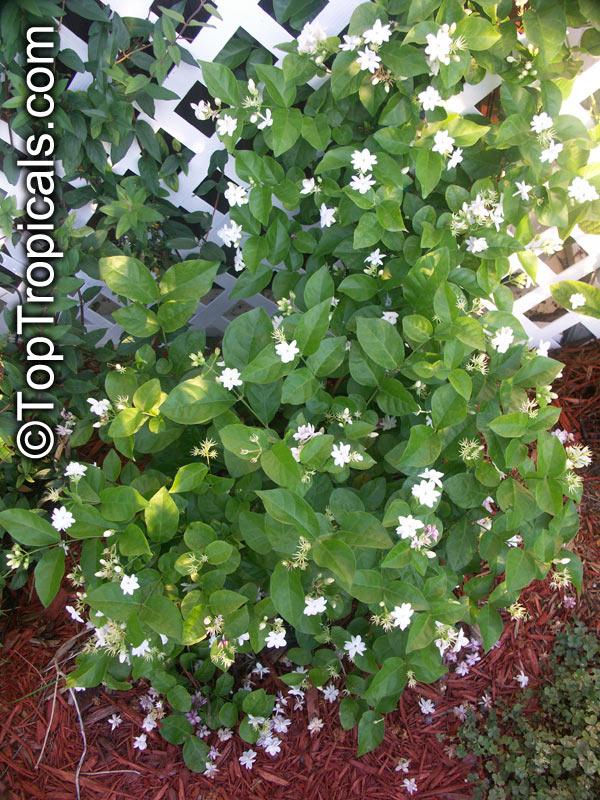
In the photo: Jasmine Maid of Orleans

Q:We are looking for a jasmine variety without thorns that we can grow on a wire fence...

A: All true jasmines (Jasminum spp.) are thornless. So you are safe to get anyone you like. The most vigorous, fast growing jasmines that grow into a vine, are:
Jasminum dichotomum
Jasminum pubescens
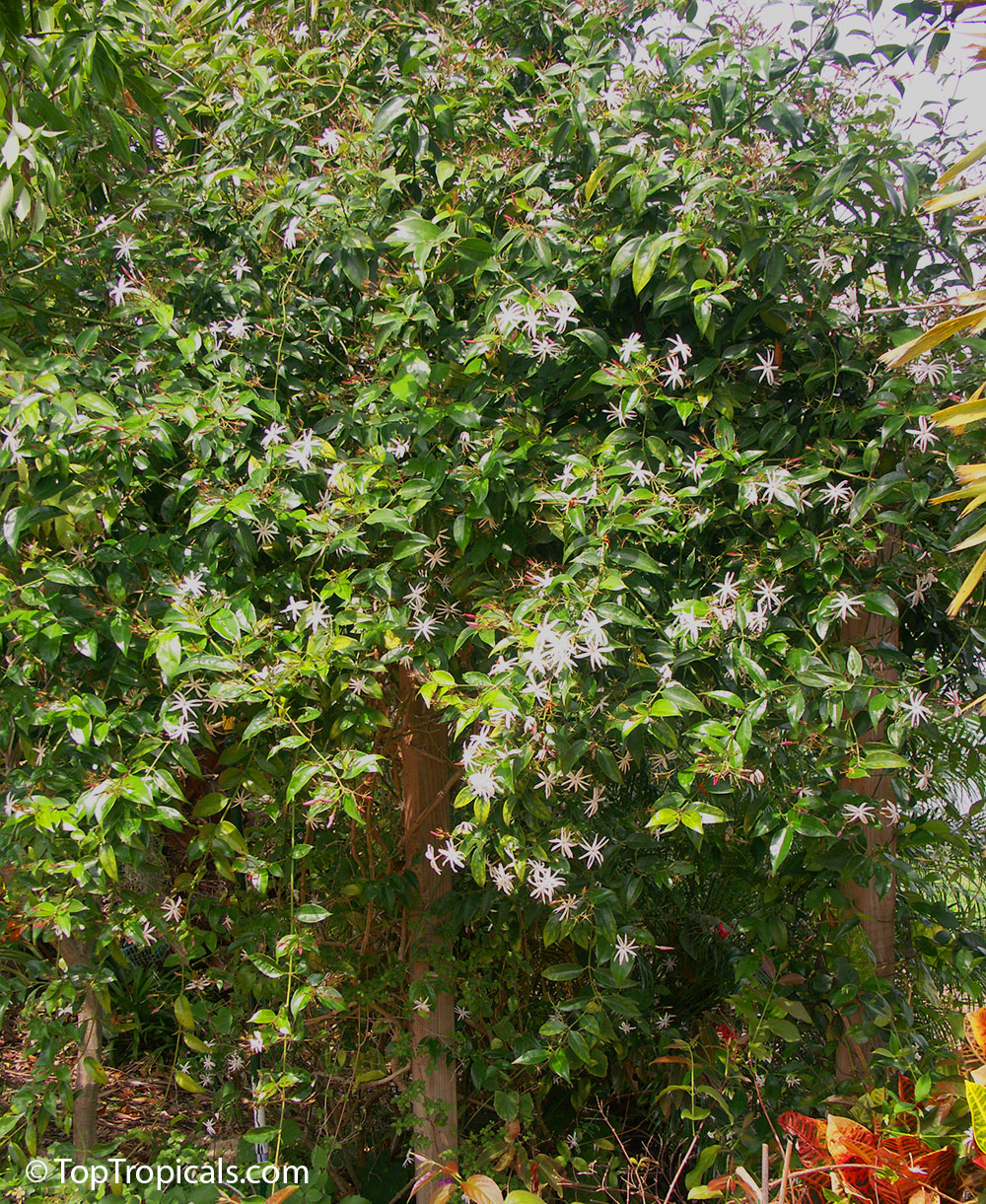
Jasminum nitidum
Jasminum officinale
Jasminum sambac Maid of Orleans - the most fragrant!

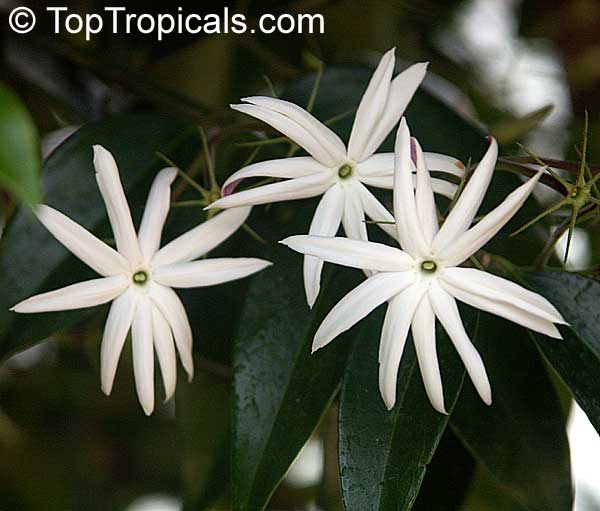
In the photos: Jasminum nitidum (Star Jasmine)