Garden Blog - Top Tropicals

Date: 15 Dec 2025

🌿 Bring the Jungle Inside: Winter Survival Guide. Part 3. Watering and Humidity. ❄️


💦 Water, Humidity, and the Small Things That Decide Who Makes It to Spring

Smokey  the  tuxedo  cat  checks  soil  moisture  and  wipes  a  monstera  leaf 
 

while  Sunshine  the  ginger  cat  relaxes  with  a  watering  can  beside  indoor 
 

tropical  plants  in  winter.

Smokey: "Still damp. No watering today."
Sunshine: "Great. I am excellent at not watering."
Smokey: "You have been practicing not doing any work your whole life."

In Part 1 (Winter Survival Guide: Temperature) we covered the foundation: light, placement, and acclimation. That is the survival layer.

Part 2 (Winter Survival Guide: Temperature) is about what quietly ruins plants indoors in winter. Not overnight. Slowly.

Most winter losses come from good intentions and habits that worked fine outdoors or in summer, but fail indoors when growth slows.

Watering: Where Most Indoor Plants Die in Winter

If there is one winter skill that matters more than anything else, it is knowing when not to water.

In winter, light is weaker, temperatures are lower, roots stay cold longer, and growth slows or stops. Plants simply do not drink the way they do in summer.

How winter watering actually works

Do not water on a schedule. Winter does not care about your calendar.

Instead:

  • Water thoroughly when you do water.
  • Let excess drain out.
  • Then wait longer than feels comfortable.

Before watering, test the soil with your finger. Water only when the top inch or so is dry.

If the soil below still feels cool and damp, do nothing. That is the hardest skill to learn.

Remember what we covered in Part 1: in winter, soil and roots stay cold much longer. Cold roots absorb water very slowly. Wet, cold soil is not helpful moisture. It is stress.

Waiting is often the correct move.

Common winter watering traps

  • The soil surface looks dry, but the root ball is still wet.
  • Pots near windows dry unevenly.
  • Large pots stay wet for weeks.

Always check below the surface. If the pot feels cold and heavy, roots are not asking for water yet.

Signs you are watering too much

  • Soil stays wet for many days.
  • Pot feels heavy long after watering.
  • Leaves yellow and soften.
  • Fungus gnats appear.

As a rough guideline, most indoor tropicals need 25 to 50 percent less water than summer, sometimes even less in low light.

Always use room temperature water. Cold water shocks roots and slows recovery.

Humidity: Invisible Winter Stress

Winter indoor air is dry. Often far drier than people realize.

Heating systems pull moisture out of the air, and many homes sit at 20 to 30 percent humidity all winter. Most tropical plants prefer something closer to 50 to 60 percent.

Low humidity rarely kills plants outright. It weakens them first. That is why pests show up more often in winter. The plant is already stressed before insects arrive.

What low humidity looks like

  • Brown or crispy leaf edges.
  • Curling leaves.
  • New leaves stuck while unfolding.
  • Spider mites appearing suddenly.

What actually helps

  • Group plants together.
  • Use pebble trays.
  • Run a room humidifier.
  • Use bathrooms if light allows.

Humidity works best when plants are grouped. One isolated plant in dry air struggles far more than a group sharing moisture.

Misting leaves feels helpful, but it only raises humidity for minutes. It does not fix dry air.

Cleaning Leaves: More Important Than It Sounds

Winter light is already weak. Dust makes it worse.

Dusty leaves block light, clog stomata, and create hiding places for pests.

Wiping leaves is one of the simplest winter care steps, and one of the most ignored.

How to clean

  • Soft cloth.
  • Plain water.
  • Mild soap if needed.

Gently wipe. No scrubbing. Every few weeks is enough.

Plants with fuzzy leaves, like African violets, should only be brushed gently with a dry brush.

Clean leaves also make problems easier to see. You will spot mites, scale, or damage early instead of discovering it weeks later.

Winter is not the season to be surprised.

Soil and Pots Behave Differently Indoors

Soil that works outdoors often behaves badly indoors. No wind, lower evaporation, and cooler roots mean the same soil stays wet far longer than expected.

In winter, roots care more about oxygen than water. Soil that stays wet pushes oxygen out, even if the plant looks fine above the soil line.

This is why rot often appears suddenly in late winter, not right after watering mistakes.

Pot size matters

Large pots dry slowly. Slow drying plus cool soil equals rot.

If a plant is barely growing, a very large pot is not doing it any favors.

About repotting

Winter is not the time to repot unless you must.

Only repot if:

  • Roots are rotting.
  • Pests are severe.
  • The plant is clearly failing.

Repotting in winter slows recovery and often makes things worse.

Airflow: Quietly Important

Indoor winter air is still. Still air leads to mold, fungus, and spider mites.

Airflow is not about cooling plants. It is about breaking stagnant air layers that pests and fungus love.

A small fan on low, not blowing directly on plants, makes a big difference. Even gentle movement helps more than people expect.

Drainage and Mold: Boring but Critical

Never let pots sit in water.

Standing water causes root rot, fungus gnats, and mold smell. Always empty trays after watering.

Raise pots slightly so air can move underneath. It helps more than people expect.

If you smell sour soil or a musty odor, something is staying wet too long. That smell is an early warning, not a minor issue.

Fertilizer: Mostly Stop

This is where a lot of winter damage happens.

If a plant is not actively growing, fertilizer does not help. It hurts.

In winter, most indoor tropicals are in maintenance mode, not growth mode. Feeding during this time leads to salt buildup, root burn, and weak, floppy growth.

Green leaves do not mean the plant is growing. They often just mean the plant has not given up yet.

Growth shows up as new leaves, longer stems, or expanding roots. No growth means no feeding.

When light feeding is acceptable

Only if all of these are true:

  • The plant is warm.
  • Light is strong.
  • You see real new growth.

Even then, feed lightly and less often than summer.

Spring will come. You do not need to force it.

Common Winter Care Mistakes

  • Watering on a schedule.
  • Misting instead of humidifying.
  • Fertilizing to fix poor light.
  • Ignoring cold windowsills.
  • Placing pots on cold tile or stone.
  • Repotting out of boredom.
  • Letting trays stay wet.
  • Assuming green leaves mean growth.
  • Assuming winter leaf drop always means death.

Quick Winter FAQ

My soil stays wet forever.
Too little light, too cold, or pot too large. Water less.

Leaves are crispy but soil is wet.
Low humidity combined with overwatering.

Should I mist every day?
No. Fix the air, not the leaves.

Can I fertilize just a little?
Only if the plant is clearly growing.

Why do I suddenly have fungus gnats?
Wet soil indoors is the invitation.

My plant looks fine but has not grown in months. Is that bad?
No. Stability is success in winter.

Date: 5 Oct 2022

Re-Leaf discount extended!

The prettiest plants of the month

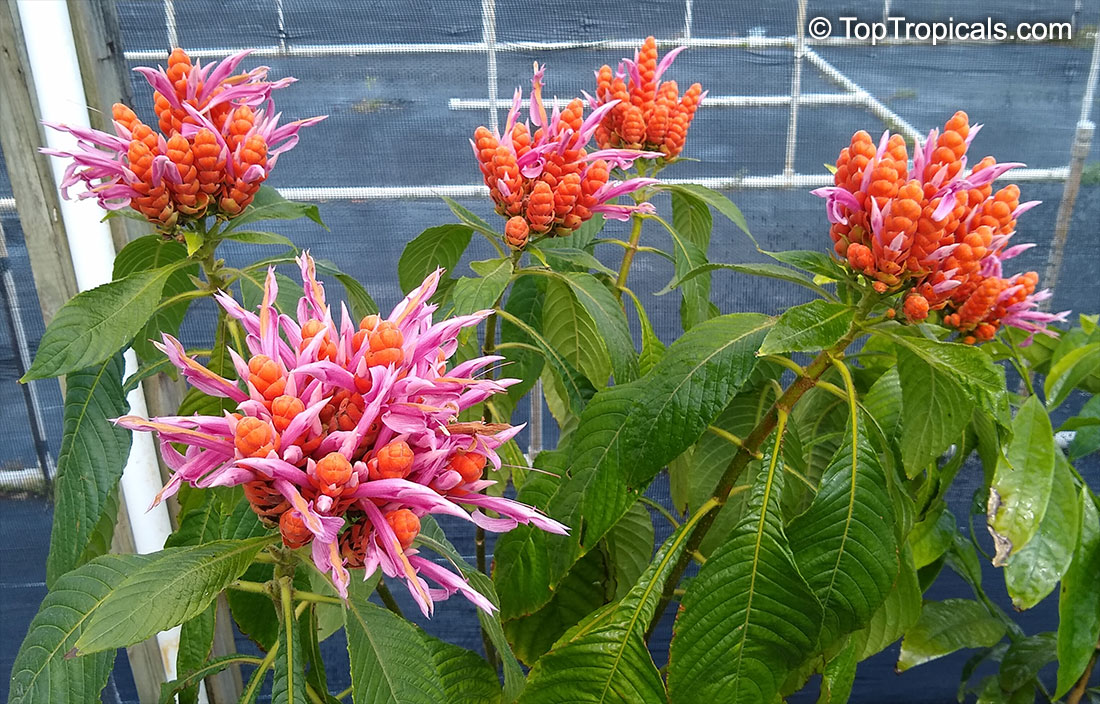
Aphelandra  sinclairiana  -  Panama  Queen

Aphelandra sinclairiana - Panama Queen

We thank everyone who made a purchase in the past few days, you made a big difference! We continue clearing debris and rebuilding our greenhouses. Thanks to your support, we will be able to get our plants ready for winter! This is what we are doing this month:

rebuilding woodframes for greenhouses
installing new shade cloth and plastic
cutting fallen trees
getting new equipment that suffered from flood
adding rock in the nursery to be ready for the Fall Festival

You help us - we help you!
Ask for more RE-LEAF specials when you visit our Garden Center!

Hurricane Ian re-leaf discount extended

For 10% off your entire order, use this code:

IANRELEAF

Use this code on top of our fantastic deals and make it a super deal:
As low as $5 sale of selected items
Secret Garden - 50% off

Min order $100. Exp. 10-08-22.

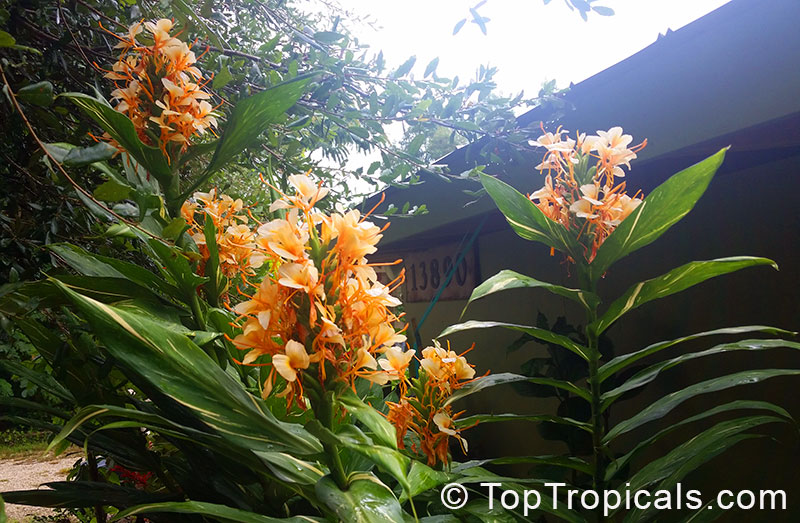
Hedychium  flavum  x  coccineum  Dr.  Moy  -  Variegated  Hardy  Ginger  Lily

Hedychium flavum x coccineum Dr. Moy - Variegated Hardy Ginger Lily

Date: 2 Jan 2025

Seven most popular low-growing plants
for small gardens

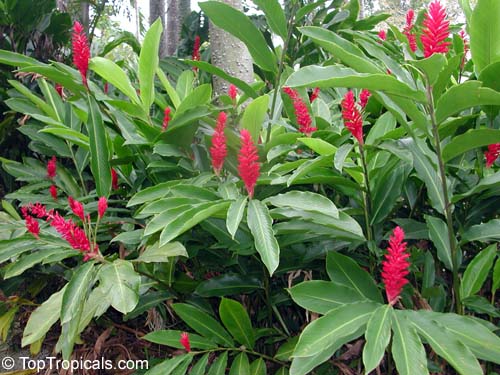
Alpinia  purpurata  -  Dwarf  Red  Cone  Ginger

Photo above: Alpinia purpurata - Dwarf Red Cone Ginger - is a medium-growing, compact option for your garden, offering vibrant red flowers with minimal space needed. Its tropical appeal and tolerance for partial shade make it perfect for adding color without overwhelming your garden. Grows up to 4-5 ft.

Easy plants that can stay compact and short!

Q: I am looking for a few compact plants that I don't need to trim all the time. Can you recommend some low-growing pretty shrub to plant along my driveway (sun) and under an oak tree (shade)?

A: Here are a few most popular showy shrubs for you that can stay compact and require minimal if any pruning or maintenance!

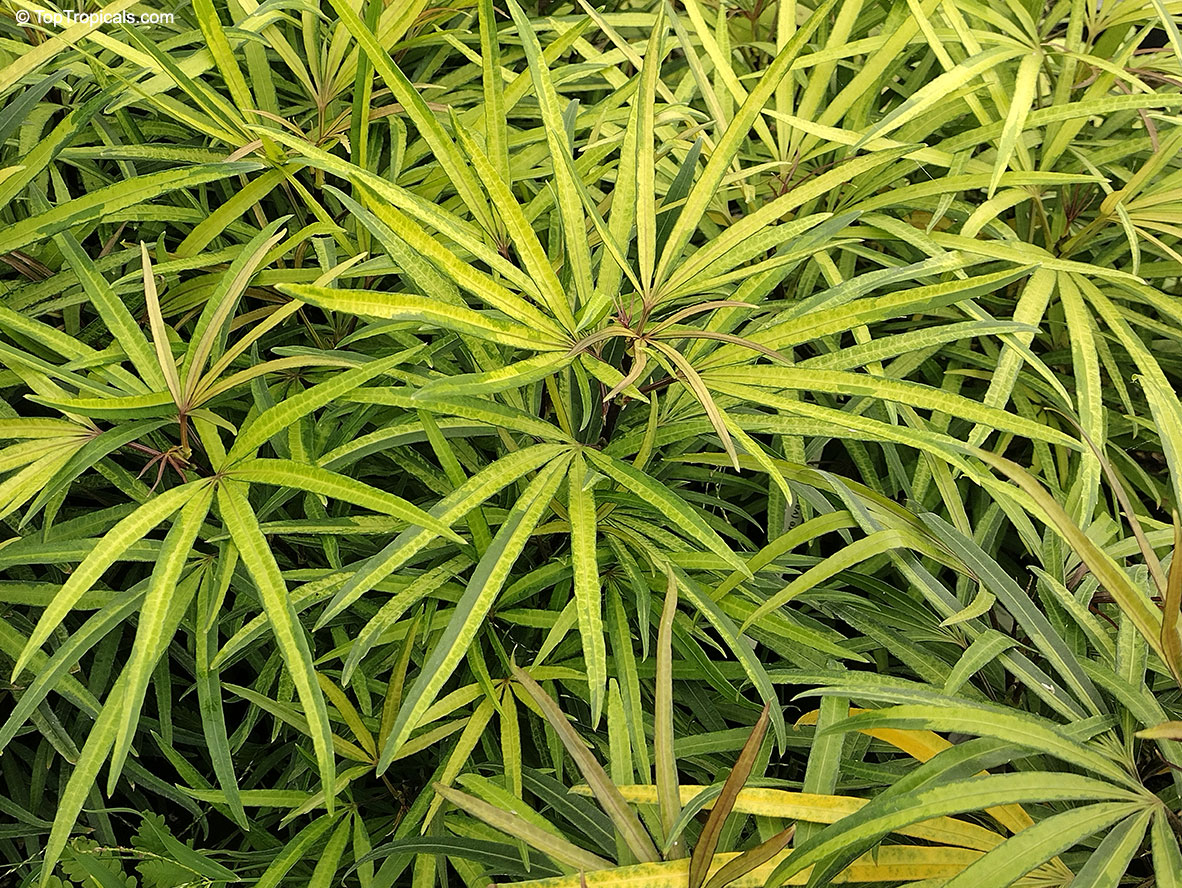
Osmoxylon  lineare  (variegated)  -  Miagos  bush,  Golden  Feather

Osmoxylon lineare - variegated Miagos bush, Golden Feather - is a compact and striking shrub perfect for adding an exotic touch to a small garden or indoor space. Its hardiness and low-maintenance nature, combined with its tolerance for various light conditions, make it an ideal choice for a small, visually appealing addition to your garden. Full sun or light shade.

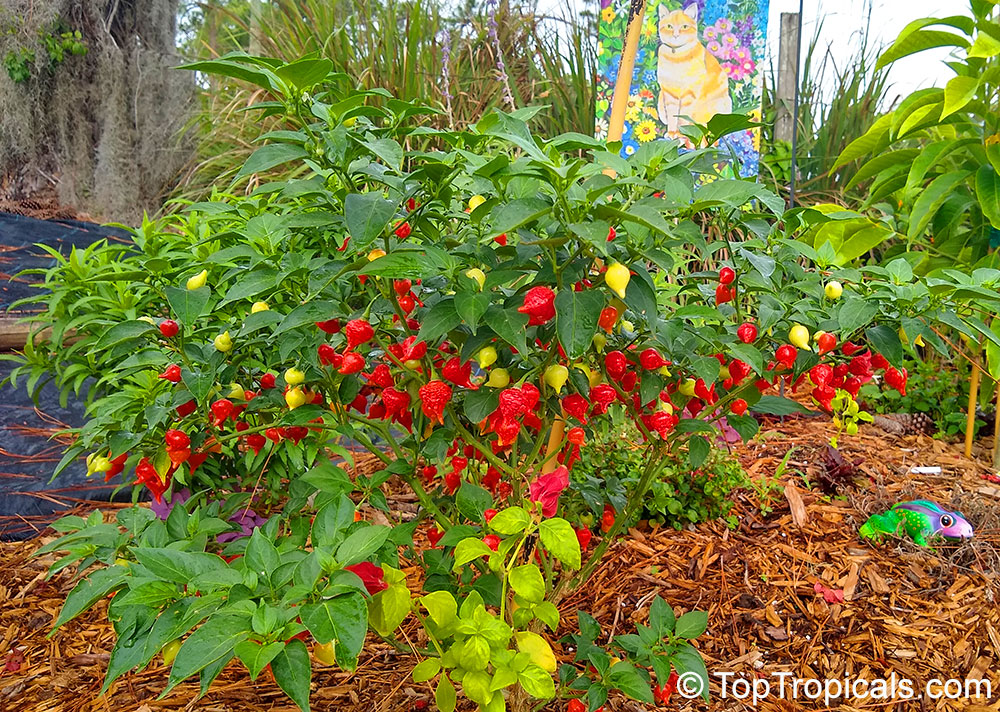
Capsicum  annuum  x  chinense  -  Biquinho  Pepper

Capsicum annuum x chinense - Biquinho Pepper - amazing showy pepper, both ornamental and useful! Vibrant, compact plant that combines ornamental beauty with culinary use. Its small, bright fruits offer a burst of fruity, habanero-like flavor, making it a unique addition to any garden or kitchen, with little to no heat. Full sun: the more sun - the more peppers!

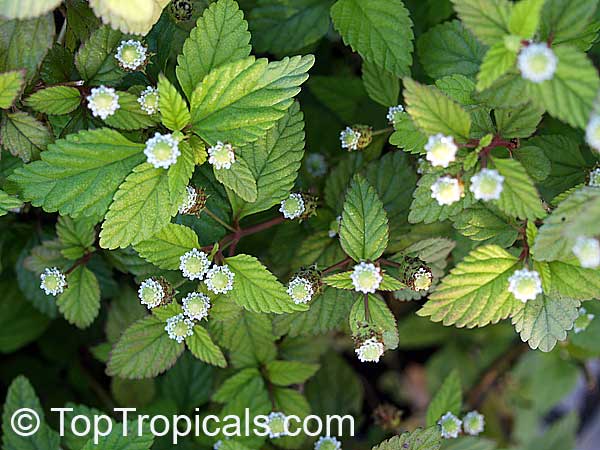
Lippia  dulcis  -  Aztec  Sweet  Herb,  Sweetleaf

Lippia dulcis - Aztec Sweet Herb, Sweetleaf - not only showy, but also scented leaves and useful herb right at your doorstep! This fragrant, compact elegant plant adds both beauty and function to your garden. Its sweet-tasting leaves are perfect for snacking or enhancing fruit salads, while also serving as a natural remedy for colds and coughs.

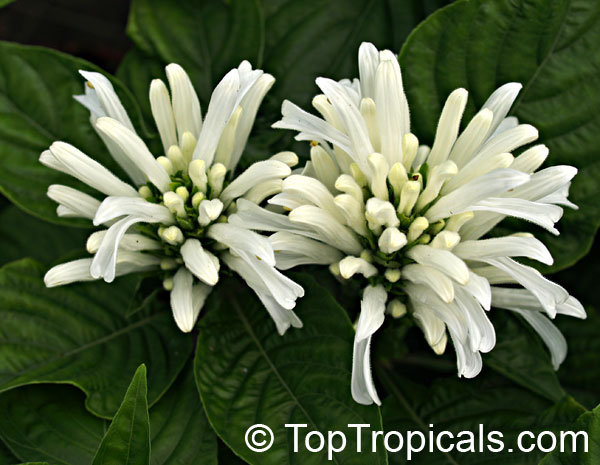
Justicia  carnea  Alba  -  White  Brazilian  Plume  Flower

Justicia carnea Alba - White Brazilian Plume Flower is a compact, tropical beauty that thrives in full to partial sun and attracts hummingbirds and butterflies. Its stunning white flowers and lush green foliage make it a perfect choice for adding a tropical touch to your garden, and its relatively cold hardy!

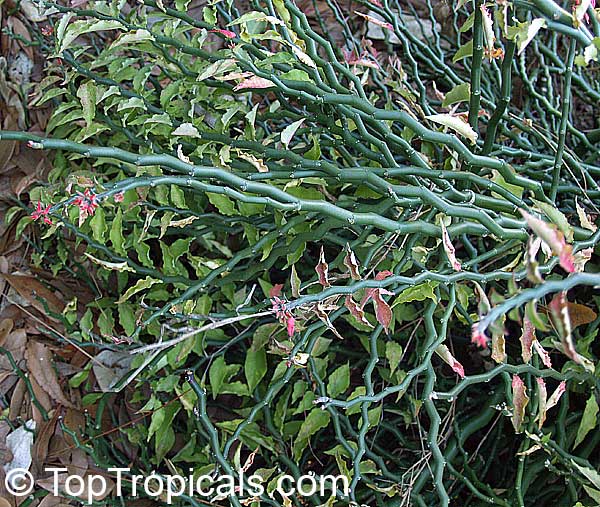
Pedilanthus  tithymaloides  -  Devils  Backbone

Pedilanthus tithymaloides - Devils Backbone - thrives in toughest spots! Hardy, low-maintenance plant, offering striking pink flowers and showy, unique ziz-zag foliage. Easy care requirements, full sun and minimal watering.

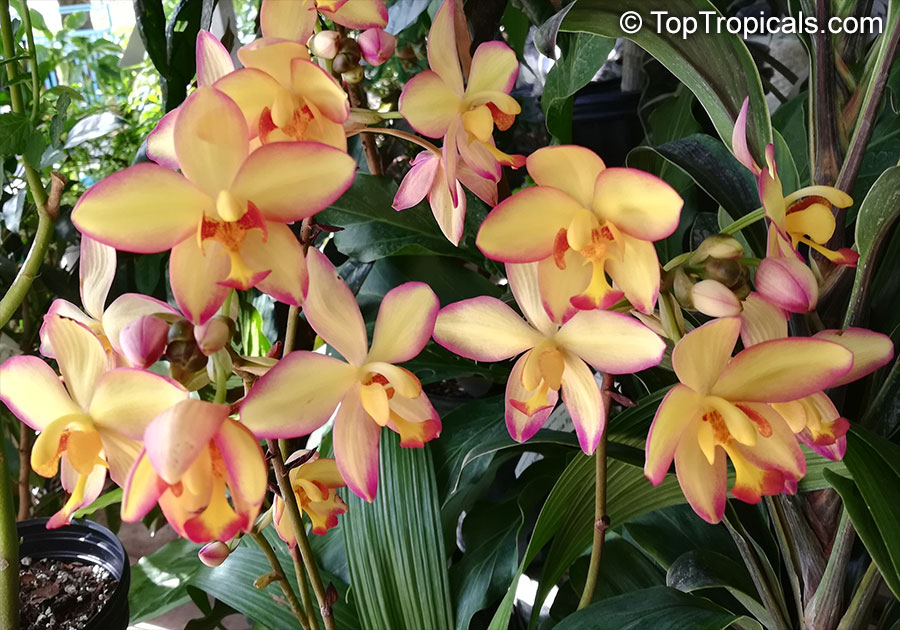
Ground  Orchids

Ground orchids are a fantastic choice for exotic flower beds and colorful borders, growing just 2-3 feet tall and blooming year-round. They offer a wide selection of colors and bloom year-round. Sun or shade, they thrive in both! And yes, they grow in regular garden soil, which is why they are also called Terrestrial Orchids.

Date: 14 Mar 2025

Carambola Jam recipe

⭐️ Carambola Jam recipe


😁 Ingredients:


  • · 4 ripe carambolas, washed and thinly sliced
  • · 1 cup granulated sugar
  • · 1/2 cup water
  • · Juice of 1 lemon
  • · 1/4 teaspoon ground ginger (optional)


📞 Instructions:


  • · In a saucepan, combine the water, sugar, and lemon juice. Bring to a boil, stirring until the sugar dissolves.
  • · Add the sliced carambola and ground ginger. Reduce heat and simmer for 25–30 minutes, stirring occasionally, until the fruit softens and the mixture thickens.
  • · Remove from heat, let cool slightly, then transfer to sterilized jars.
  • · Refrigerate and enjoy on toast, with yogurt, or as a glaze for meats.


🎁 This simple yet unusual jam highlights carambola’s unique star shape and tangy-sweet flavor! 😏

🛒 Plant your own Carambola Tree

#Food_Forest #Recipes

🔴 Join 👉 TopTropicals

Date: 19 May 2025

What edible plants and herbs can reduce your blood pressure. Tropical fruit and plants that help keep blood pressure in balance

Edible plants and herbs reducing blood pressure

Edible plants and herbs reducing blood pressure

💚 Tropical fruit and plants that help keep blood pressure in balance.
Part 2: What edible plants and herbs can reduce your blood pressure?


Continued from previous post ⤴️
  • 🌿 Moringa (Moringa oleifera, Horseradish tree) - Contains potassium and antioxidants, shown in studies to help reduce blood pressure.
  • 🌿 Curry Leaf (Murraya koenigii) - Traditionally used for blood sugar and blood pressure regulation; contains cardio-protective compounds.
  • 🌿 Hibiscus sabdariffa (Karkade) - Famous for hibiscus tea, clinically shown to lower blood pressure naturally.
  • 🌿 Camellia sinensis (Tea Plant) - Green and black tea can support vascular health and slightly reduce blood pressure over time.
  • 🌿 Turmeric (Curcuma) - Contains curcumin, which may support vascular relaxation and improve circulatory health.
  • 🌿 Yerba Mate (Ilex paraguariensis)- Contains antioxidants and vasodilating compounds that may support blood pressure regulation.
  • 🌿 Bay Leaf (Laurus nobilis) - Traditional uses include heart and circulatory support, with mild diuretic properties.
  • 🌿 Piper sarmentosum (Vietnamese Pepper Leaf) and Piper betel (Betel Leaf) - Used traditionally to help with hypertension and circulation.
  • 🌿 Cinnamon (Cinnamomum sp.) - May improve insulin sensitivity and support vascular relaxation, contributing to lower blood pressure.
  • 🌿 Allspice (Pimenta dioica) - Contains anti-inflammatory compounds that support heart and circulatory health.
  • 🌿 Ginger (Alpinia, Costus, Zingiber, etc.)- Known to help relax blood vessels and improve blood flow, which can reduce blood pressure.
  • 🌿 Wiriwiri and Biquinho Peppers (Capsicum sp.) - Their capsaicin content may support vasodilation and improve circulation.


🛒 Shop tropical herbs and spice plants that boost your health

📚 Learn more:


Tropical fruit health benefits guide
#Disover more #Remedies and #Fruit_Forest

🔴 Join 👉 TopTropicals