Garden Blog - Top Tropicals

Date: 4 Mar 2026

The Magic Number 65: when tropicals finally wake and the 7-Day Rule you should know

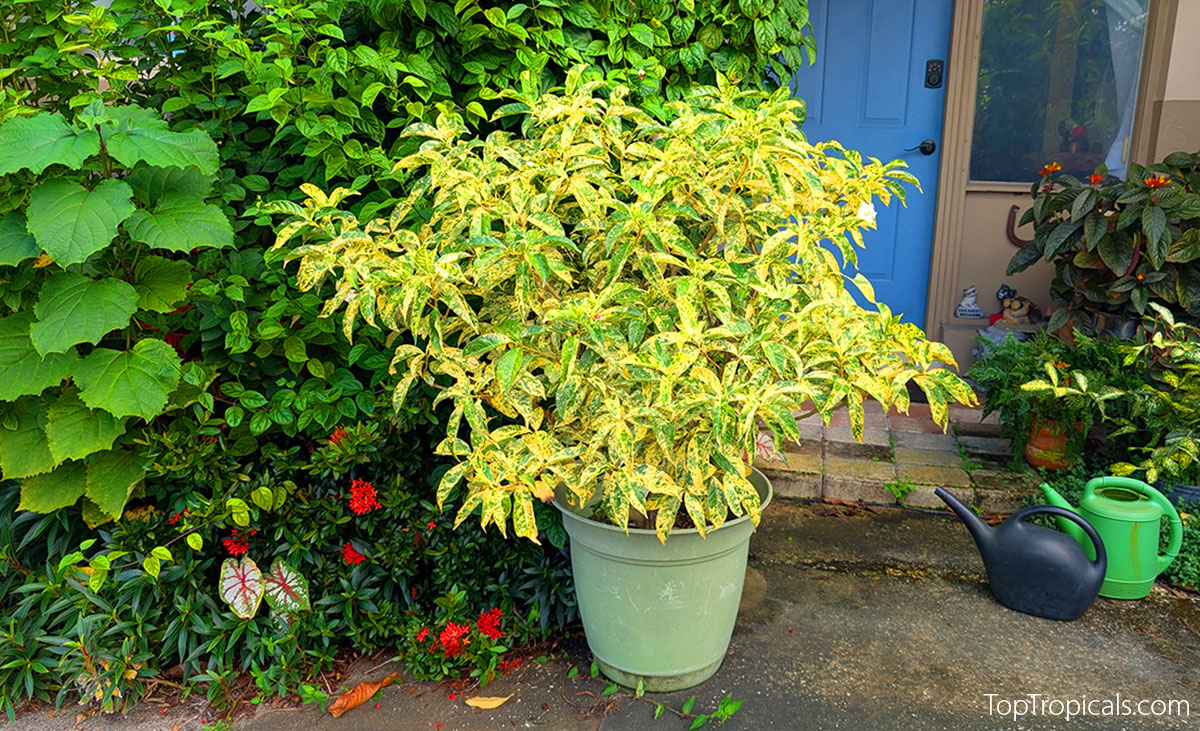
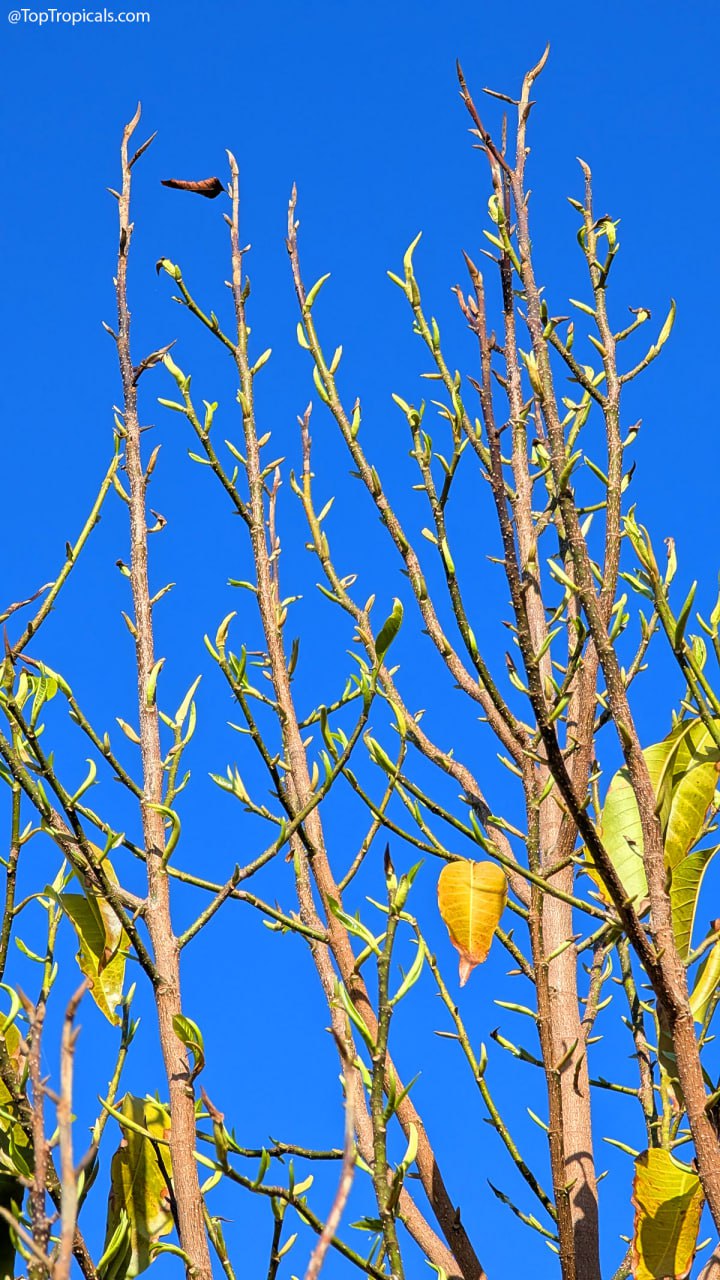
Champaka tree new growth sprouts

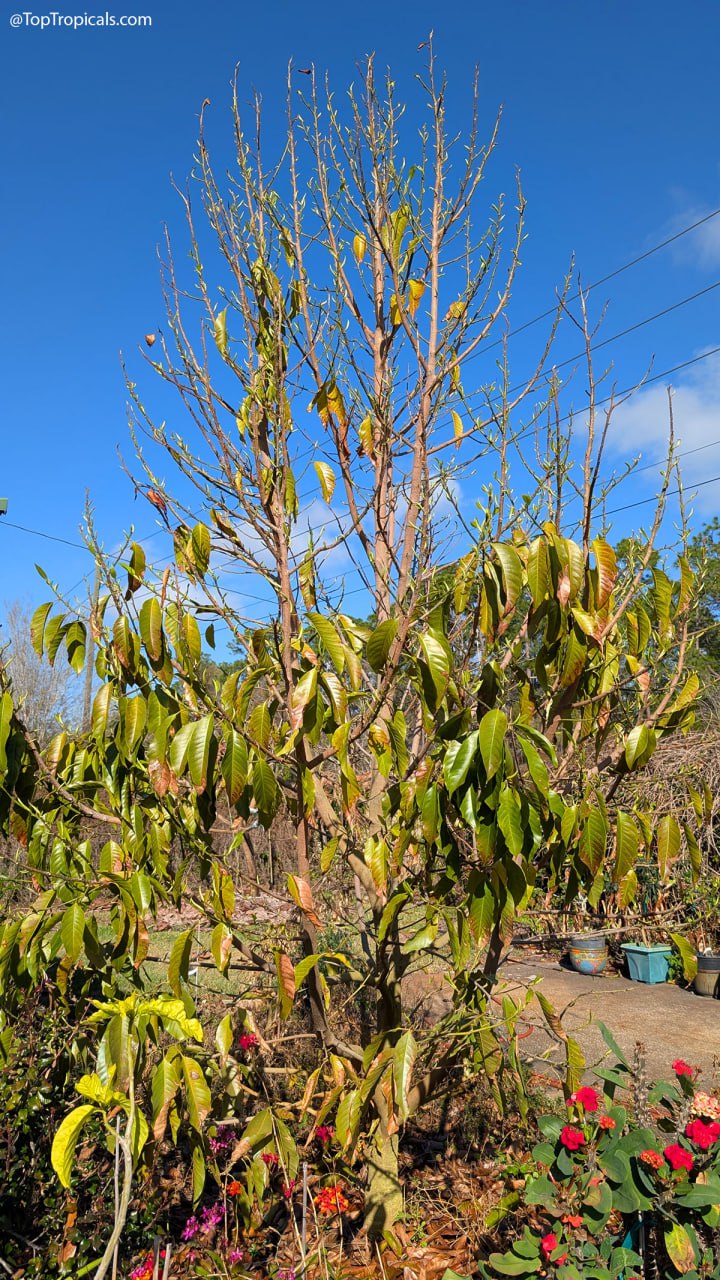
Champaka tree new growth sprouts

A Champaka tree (Joy Perfume Tree) first fresh sprouts

A Champaka tree (Joy Perfume Tree) first fresh sprouts

The Magic Number 65: when tropicals finally wake and the 7-Day Rule you should know 🌱

Discover the "Magic 65" rule for waking up your garden and the exact time to start fertilizing for maximum growth. Learn the specific temperature threshold that signals your tropicals to wake up and how to handle spring cold snaps.

🌿 If you’ve been staring at your dormant trees and shrubs wondering if they survived the winter, you aren't alone. The most frequent question every spring is: "When will my tropical plants start sprouting?"

🌿 While the calendar might say spring, tropical plants don’t use a watch - they use a thermometer. If you want to see green shoots and active growth, there is one "Magic Number" you need to watch: 65F 🌡

🌿 The 7-Day Rule for Tropical Growth


The gold standard for the tropical world is simple: plants generally wake up when minimum nighttime temperatures remain at or above 65F for at least one full week.

🌿 Why 65°F?


Tropical species are biologically programmed to stay dormant to protect their cell structure from cold damage. A single warm day won't fool them, but seven consecutive nights of 65F+ signals that the "growing season" has officially arrived. Once you hit that 7-day mark, you’ll see buds pushing and fresh leaves finally sprouting.

🌿 Can You Force Them to Wake Up Faster?


Patience is a virtue, but if you’re looking to "push" your plants, focus on two things:
🌞 Sun Exposure: Ensure they are in the brightest spot possible to warm the soil.
♨️ Heat Retention: Use dark mulch or move potted plants onto concrete surfaces that retain daytime heat.

🌿 When to Start Fertilizing


Don’t reach for the fertilizer until you see that active growth. Feeding a dormant plant can lead to root rot or wasted nutrients.
👉 The Signal: After that first week of 65F nights.
The Action: Once you see green tips, start your fertilization routine. This is when the plant actually has the metabolic "engine" running to use those nutrients.

🌿 Watch Out for the "False Spring"


Before you go all-in, ensure the risk of a hard freeze has passed. A minor cold snap - a few nights in the 50s - won't kill your progress, but it will act as a "pause" button. If cool weather persists, tropicals may "lock up" and return to dormancy. If that happens, simply reset your clock and wait for the next stretch of 65F nights.

🌿 Ready for the Wake-Up Call? Fuel Your Tropical Growth!

Don’t get caught empty-handed when that 7th day of 65F hits. Stock up now so you can feed them the moment they wake up. Using the right nutrients during the active growth phase is key to lush blooms. Check out our curated selection of professional-grade fertilizers:

🛒 Get my growth boosters for every tropical type

📷 Recovery in Action: The Joy Perfume Tree - Champaka showing off its first fresh sprouts in March after a chilly Florida winter. This is exactly what happens once you hit that 7-day streak of 65F nights!

📚
Learn more:
Why is my Champaka Tree dropping leaves?

#How_to #Discover

🟢 Join 👉 TopTropicals

Date: 2 Mar 2026

😼😺 The Story Behind Smokey and Sunshine 🐾

Smokey  and  Sunshine  in  office  presentation  about  Cherry  of  the  Rio 
 Grande  freeze  survival,  with  Sunshine  pointing  at  polar  bear  and  penguin 
 marketing  poster,  coffee  and  donuts  on  table,  tropical  plants  on  shelves  in 
 background.
Sunshine: You know, February 27 was International Polar Bear Day. I just learned about it and got a brilliant marketing idea. Cherry of the Rio Grande survived 25F. With wind. Real wind. That means we go north. Let them taste this magic. I even have a donut recipe with the fruit. It’s a bomb, Smokey. We expand. Trust me. Finally you can afford that new watering timer.

Smokey: Not so fast, genius. Twenty five degrees is not the North Pole. And polar bears and penguins do not share zip codes.

Sunshine: You always pour cold water on my brilliance. Fine. Where do we start?

Smokey: Well, first you go talk to Tatiana. She graduated from the Geography Department. She can explain climate zones. Cherry of the Rio Grande can grow in North Florida, Texas, and similar climates. Let’s master that before we conquer Arctic.

Sunshine: So… Phase One: Geography?

Smokey: Exactly.

Some stories are easier to tell with a little humor. Smokey and Sunshine were never just mascots. They represent the two forces behind every decision we make here: bold ideas and careful reality. One dreams big. The other checks the climate zone map. Together, they remind us that growing plants is part science, part optimism, and always personal. If you have ever wondered why they keep appearing in our newsletters, you can read their full story on the Smokey and Sunshine page. They have been with us longer than most people realize.

🐾 Learn the Story of Smoky and Sunshine

Freeze Testing of Grumichama and Cherry of Rio Grande 🍒❄️

Grumichama  tree  (Eugenia  brasiliensis)  showing  white  flowers  and  ripe 
 red  fruits  in  tropical  garden 
 conditions

Eugenia brasiliensis - Grumichama tree flowering and fruiting

When temperatures dropped to 25F, with wind chill near 14F, winter made it clear which tropical trees were truly resilient. Some plants burned back. Tender growth collapsed. But our established Eugenia cherries stood steady. Leaves held. Branches stayed flexible. The canopy remained intact.

Cherry of the Rio Grande (Eugenia aggregata) and Grumichama (Eugenia brasiliensis) are among the most cold-hardy tropical cherries for Southern gardens. Both are native to Brazil and thrive in USDA Zones 9b–11, and even protected 9a sites.

Cherry of the Rio Grande Plant Facts

Botanical name: Eugenia involucrata, Eugenia aggregata
Also known as: Cherry of the Rio Grande, Cere Jodo Rio Grande
USDA Zone: 9 - 11
Highligths Small tree 10-20 ftSemi-shadeFull sunWatering: Moderate. Water when top soil feels dryWatering: Regular. Let topsoil dry slightlyEdible plantSubtropical plant. Mature plant cold hardy at least to 30s F for a short time
Get personalized tips for your region

Grumichama Plant Facts

Botanical name: Eugenia brasiliensis, Eugenia dombeyi
Also known as: Grumichama, Brazilian Cherry
USDA Zone: 9 - 11
Highligths Small tree 10-20 ftSemi-shadeFull sunWatering: Moderate. Water when top soil feels dryEdible plantSubtropical plant. Mature plant cold hardy at least to 30s F for a short timeSeaside, salt tolerant plant
Get personalized tips for your region

Cherry of the Rio Grande produces dark ruby fruit that ripens almost black, with a rich, full cherry flavor. It flowers early in spring and can fruit well into summer. Mature trees can tolerate brief drops into the low 20s once established. Trees typically grow 8 to 15 feet tall, remain naturally compact, and often begin fruiting within 2 to 3 years.

Grumichama is an evergreen tree known for both beauty and productivity. In spring, it covers itself in white starburst flowers that attract pollinators. Within about four weeks, glossy purple-black fruit develops. Established trees tolerate temperatures into the upper 20s and grow well in the ground or in 5–10 gallon containers. Mature trees can produce hundreds of fruits per season.

Across the Eugenia group, strengths are consistent: early bearing, compact growth, heat tolerance, light freeze endurance, and low pest pressure. They are adaptable to different soils, need modest water once established, and perform in full sun or partial shade. Birds enjoy the fruit, but there is usually plenty to share.

Nutritionally, Eugenia cherries provide Vitamin C, fiber, antioxidants, and notable Vitamin A that supports eye health. They offer sweetness with real dietary value.

In the kitchen, they are simple and rewarding. Cherry of the Rio Grande makes an easy compote. Simmer the fruit with a small amount of water until soft, mash lightly, and spoon over pancakes or warm bread. Grumichama turns into a deep red jam with sugar and lime, or can be blended into a bright spoon drizzle over vanilla ice cream.

Even when not fruiting, both trees remain attractive year-round with glossy evergreen foliage and clean structure. They fit well into edible landscapes, small yards, and container gardens.

Winter will return. The difference lies in planting fruit trees that can handle heat, humidity, and the occasional cold snap. If you are building a food forest for lasting harvests, cold-hardy tropical cherries like Cherry of the Rio Grande and Grumichama deserve a place in your garden.

Ripe  Grumichama  fruits  (Eugenia  brasiliensis)  hanging  on  a  branch  with 
 glossy 
 leaves

Ripe Grumichama (Eugenia brasiliensis) fruits developing on the tree, turning deep red to nearly black when fully mature.

Cherry  of  the  Rio  Grande  (Eugenia  aggregata  cv.  Calycina)  fruits 
 ripening  from  green  to  dark  purple  on  the 
 branch

Eugenia aggregata (cv. Calycina), Cherry of the Rio Grande

🛒 Plant hardy Eugenia cherries

Date: 20 Feb 2026

What tropical plants survived Floridas historic freeze without protection

Florida historic freeze

What tropical plants survived Florida's historic freeze without protection

In the first week of February 2026, arctic air pushed deep into Florida. For many areas, this was the coldest event in over a century.
We received one question over and over: How did your gardens do?
Top Tropicals Farm in Sebring, Florida is up and running - and this freeze became a real-world hardiness test for tropical and subtropical plants. Below is our initial field report after inspecting established plantings.

📊 Weather data - February 1-6, 2026


Sebring, Florida - 132 years of recorded observations
This was not a light frost. It was prolonged, windy, penetrating hard freeze.


🌡 Minimum temperature: 25F
❄️ Wind chill: 14F
⏳ Duration: 3 nights of 8-10 hour hard freeze
☀️ Daytime temperatures: around 50F for 7 days
🌀 Wind: sustained 20 mph, gusts 40-50 mph

Cold protection


In-ground trees: selected plants covered with frost cloth, especially

Mango Plant Facts

Botanical name: Mangifera indica
Also known as: Mango
USDA Zone: 9 - 11
Highligths Large tree taller than 20 ftSmall tree 10-20 ftFull sunWatering: Moderate. Water when top soil feels dryYellow, orange flowersPink flowersEdible plantSeaside, salt tolerant plant
Get personalized tips for your region
mango and young

Avocado Plant Facts

Botanical name: Persea americana, Persea gratissima
Also known as: Avocado, Alligator Pear, Aguacate, Abacate
USDA Zone: 9 - 11
Highligths Large tree taller than 20 ftSmall tree 10-20 ftFull sunWatering: Regular. Let topsoil dry slightlyEdible plantSubtropical plant. Mature plant cold hardy at least to 30s F for a short time
Get personalized tips for your region
avocado trees.
Tender container plants: moved into greenhouses with propane heat above 34F.
Hardy container plants: frost cloth and wind protection only - no plastic
Nutrition support: plants fertilized regularly during the growing season with Green Magic and Sunshine Boosters to maintain vigor and hardiness.

However, the plants listed below had no protection at all.
All were established trees 2-3 years in the ground.

The plants below had NO PROTECTION, established trees 2-3 years old


✅ Survived with no damage
:

🍑 Tropical Fruit Trees and Edibles:


Citrus
Loquats
Mulberries
Macadamia Nut
Jaboticabas
Pomegranates
Avocado - cold hardy varieties
Feijoa - Pineapple Guava
Psidium littorale - Cattley Guavas

Cattley Guava Plant Facts

Botanical name: Psidium cattleyanum, Psidium littorale
Also known as: Cattley Guava, Sand Plum, Strawberry Guava
USDA Zone: 9 - 11
Highligths Large shrub 5-10 ft tallSmall tree 10-20 ftSemi-shadeFull sunWatering: Moderate. Water when top soil feels dryWatering: Regular. Let topsoil dry slightlyWhite, off-white flowersEdible plantFlood tolerant plantSeaside, salt tolerant plant
Get personalized tips for your region

Eugenias (Grumichama, Rio Grande, Surinam and more)
Olive trees
Bay Leaf (Laurus nobilis)
Fig trees (Ficus carica)
Prunus sp - Peaches, Plums, Nectarines
Persimmons
Rubus (Blackberries) including Tropical Mysore Raspberry
Elderberry (Sambucus)
Yerba Mate - Ilex paraguariensis
Opuntia - Nopal Cactus, Prickly Pear

🌸 Flowering Trees and Shrubs:


Beaucarnea recurvata - Pony Tail

Ponytail Palm Plant Facts

Botanical name: Beaucarnea recurvata, Nolina recurvata
Also known as: Ponytail Palm, Pony Tail, Bottle Palm, Nolina, Elephant-foot Tree
USDA Zone: 10 - 11
Highligths Plant with caudexPlant used for bonsaiSmall tree 10-20 ftFull sunWater Requirement: Low. Allow soil to dry out between wateringsPalm or palm-like plant
Get personalized tips for your region

Callistemon - Bottlebrush
Yucca
Tabebuias
Magnolia figo and Little Gem

Banana Magnolia Plant Facts

Botanical name: Magnolia figo, Michelia figo, Magnolia fuscata
Also known as: Banana Magnolia, Banana Shrub, Port Wine Magnolia
USDA Zone: 7 - 10
Highligths Large shrub 5-10 ft tallSmall tree 10-20 ftSemi-shadeShadeWatering: Regular. Let topsoil dry slightlyWhite, off-white flowersFragrant plantSubtropical plant. Mature plant cold hardy at least to 30s F for a short time
Get personalized tips for your region

Calliandra tweedii - Red Powderpuff
Sophora tomentosa

Yellow Necklace Pod Plant Facts

Botanical name: Sophora tomentosa
Also known as: Yellow Necklace Pod, Silverbush
USDA Zone: 8 - 11
Highligths Large shrub 5-10 ft tallSemi-shadeFull sunWatering: Moderate. Water when top soil feels dryYellow, orange flowersPlant attracts butterflies, hummingbirdsSubtropical plant. Mature plant cold hardy at least to 30s F for a short timeSeaside, salt tolerant plant
Get personalized tips for your region

Galphimia gracillis - Thriallis

Thriallis Plant Facts

Botanical name: Galphimia gracillis, Galphimia gracilis, Galphimia glauca
Also known as: Thriallis, Rain of Gold, Spray of Gold
USDA Zone: 9 - 11
Highligths Large shrub 5-10 ft tallSemi-shadeFull sunWatering: Moderate. Water when top soil feels dryYellow, orange flowersFragrant plantSeaside, salt tolerant plant
Get personalized tips for your region

Acacia trees
Osmanthus fragrans

Tea Olive Plant Facts

Botanical name: Osmanthus fragrans, Olea fragrans, Olea ovalis, Osmanthus longibracteatus, Osmanthus macrocarpus
Also known as: Tea Olive, Fragrant Olive, Sweet Olive, Kinmokusei in Japan
USDA Zone: 8 - 11
Highligths Large shrub 5-10 ft tallSemi-shadeFull sunWatering: Regular. Let topsoil dry slightlyWhite, off-white flowersPlant attracts butterflies, hummingbirdsFragrant plantSubtropical plant. Mature plant cold hardy at least to 30s F for a short time
Get personalized tips for your region

Abutilon trees
Erythrina - several species
Monkey Ear tree - Enterolobium cyclocarpum
Bauhinia Orchid Trees - several species
Pseudobombax ellipticum - Shaving Brush Tree

Shaving Brush Tree Plant Facts

Botanical name: Pseudobombax ellipticum, Bombax ellipticum
Also known as: Shaving Brush Tree
USDA Zone: 9 - 11
Highligths Plant with caudexPlant used for bonsaiLarge tree taller than 20 ftSmall tree 10-20 ftFull sunWater Requirement: Low. Allow soil to dry out between wateringsWhite, off-white flowersPink flowersDeciduous plantSubtropical plant. Mature plant cold hardy at least to 30s F for a short time
Get personalized tips for your region

Bulnesia arborea- Vera Wood

Vera Plant Facts

Botanical name: Bulnesia arborea
Also known as: Vera, Verawood, Vera Wood, Maracaibo Lignum Vitae
USDA Zone: 10 - 12
Highligths Large tree taller than 20 ftSmall tree 10-20 ftFull sunWatering: Moderate. Water when top soil feels dryYellow, orange flowersPlant attracts butterflies, hummingbirds
Get personalized tips for your region

Caesalpinia mexicana, Mexican Bird of Paradise

Mexican Bird of Paradise Plant Facts

Botanical name: Caesalpinia mexicana
Also known as: Mexican Bird of Paradise, Dwarf Poinciana
USDA Zone: 9 - 11
Highligths Small tree 10-20 ftSemi-shadeFull sunWatering: Moderate. Water when top soil feels dryYellow, orange flowersIrritating plantFragrant plantSubtropical plant. Mature plant cold hardy at least to 30s F for a short timeSeaside, salt tolerant plant
Get personalized tips for your region

Sansevieria - Snake Plant
Foxtail fern - Asparagus densiflorus
Lonicera - several varieties
Jacaranda tree
Eucalyptus
Plumbago Imperial Blue
Philodendron bipinnatum
Gardenias
Gingers (dormant rhizomes)

✳️ Minimal leaf damage only:
(These plants showed light cosmetic damage but no structural injury)

🍑 Tropical Fruit Trees and Edibles:


Glycosmis pentaphylla - Gin Berry

Ash sheora Plant Facts

Botanical name: Glycosmis pentaphylla, Limonia pentaphylla
Also known as: Ash sheora, Orangeberry, Rum Berry, Gin Berry
USDA Zone: 9 - 10
Highligths Small tree 10-20 ftFull sunWatering: Moderate. Water when top soil feels dryWatering: Regular. Let topsoil dry slightlyWhite, off-white flowersEthnomedical plant.
Plants marked as ethnomedical and/or described as medicinal, are not offered as medicine but rather as ornamentals or plant collectibles.
Ethnomedical statements / products have not been evaluated by the FDA and are not intended to diagnose, treat, cure, or prevent any disease. We urge all customers to consult a physician before using any supplements, herbals or medicines advertised here or elsewhere.
Get personalized tips for your region

Black sapote tree
Tamarind tree
Syzygiums: Rose Apple and Java Plum

🌸 Flowering Trees and Shrubs:


Pandora vine
Jasminum - several species
Stenocarpus sinuatus - Firewheel Tree

Firewheel Tree Plant Facts

Botanical name: Stenocarpus sinuatus
Also known as: Firewheel Tree
USDA Zone: 9 - 11
Highligths Small tree 10-20 ftSemi-shadeFull sunWatering: Moderate. Water when top soil feels dryWatering: Regular. Let topsoil dry slightlyRed, crimson, vinous flowersOrnamental foliageSubtropical plant. Mature plant cold hardy at least to 30s F for a short time
Get personalized tips for your region

Xanthostemon
Quisqualis indica

Rangoon Creeper Plant Facts

Botanical name: Combretum indicum, Quisqualis indica
Also known as: Rangoon Creeper, Burma Creeper, Chinese Honeysuckle
USDA Zone: 10 - 11
Highligths Vine or creeper plantSemi-shadeFull sunWatering: Regular. Let topsoil dry slightlyRed, crimson, vinous flowersWhite, off-white flowersPink flowersPlant attracts butterflies, hummingbirdsDeciduous plantFragrant plantFlood tolerant plantSeaside, salt tolerant plant
Get personalized tips for your region

Schotia tree
Eranthemum pulchellum - Blue Sage

Blue sage Plant Facts

Botanical name: Eranthemum pulchellum, Eranthemum nervosum
Also known as: Blue sage, Blue eranthemum, Lead Flower
USDA Zone: 9 - 11
Highligths Groundcover and low-growing 2ft plantSmall plant 2-5 ftSemi-shadeShadeWatering: Regular. Let topsoil dry slightlyBlue, lavender, purple flowersPlant attracts butterflies, hummingbirdsSeaside, salt tolerant plant
Get personalized tips for your region

Hiptage benghalensis - Helicopter Flower

Hiptage Plant Facts

Botanical name: Hiptage benghalensis, Hyptage bengalensis
Also known as: Hiptage, Helicopter Flower
USDA Zone: 9 - 10
Highligths Large shrub 5-10 ft tallVine or creeper plantSemi-shadeFull sunWatering: Regular. Let topsoil dry slightlyYellow, orange flowersWhite, off-white flowersPink flowersPlant attracts butterflies, hummingbirdsEthnomedical plant.
Plants marked as ethnomedical and/or described as medicinal, are not offered as medicine but rather as ornamentals or plant collectibles.
Ethnomedical statements / products have not been evaluated by the FDA and are not intended to diagnose, treat, cure, or prevent any disease. We urge all customers to consult a physician before using any supplements, herbals or medicines advertised here or elsewhere.Fragrant plantSubtropical plant. Mature plant cold hardy at least to 30s F for a short time
Get personalized tips for your region


🏡 What this means for Florida gardeners


This freeze was a stress test few gardens are prepared for. Yet many species handled 25F, wind, and multi-night freeze conditions without protection.
Choosing proven survivors, planting in smart microclimates, and maintaining strong plant health during the growing season makes a measurable difference.
More updates will follow as full recovery continues - but these early results already help define a stronger plant palette for future winters.

🛒 Explore cold tolerant tropical plants and cold hardy Avocados

📚 Learn more:


· To trim or not to trim? When and how to trim damaged plants after winter
· Cold-hardy avocado varieties - what freezing they really survive
· Cold-hardy avocado survival groups - what the numbers really mean

🎥 These Avocados survived 3 nights of 25F hard freeze, Florida Record Freeze

#Discover #How_to

🟢 Join 👉 TopTropicals

Date: 21 May 2026

Rare Pineapple that looks like a sunset and thrives on neglect

Pineapple Lava Burst colorful leaves

Pineapple Lava Burst colorful leaves

Pineapple Lava Burst fruit

Pineapple Lava Burst fruit

Pineapple Lava Burst fruit

Pineapple Lava Burst fruit

🌅 Rare Pineapple that looks like a sunset and thrives on neglect


Forget plain green plants - this pineapple looks like a tropical sunset! One look at Pineapple Lava Burst and you immediately understand why people stop and stare. This isn't your typical pineapple plant hiding quietly in the background; the leaves explode with shades of burgundy, pink, cream, green, and bronze, often changing intensity depending on sunlight and temperature. Even gardeners who don't normally collect bromeliads suddenly want one after seeing it in person.

Pineapple Plant Facts

Botanical name: Ananas comosus
Also known as: Pineapple, Pina
USDA Zone: 9 - 11
Highligths Small plant 2-5 ftSemi-shadeFull sunWatering: Moderate. Water when top soil feels dryOrnamental foliageThorny or spinyEdible plantSubtropical plant. Mature plant cold hardy at least to 30s F for a short time
Get personalized tips for your region


🍍 A pineapple plant that acts like living artwork


Pineapple Lava Burst belongs to the same plant family as bromeliads, and it definitely inherited the dramatic side of the family. The long arching leaves create a fountain-like shape, while the bold variegation gives the plant a painted appearance. In bright light, the burgundy and pink tones become especially intense, making the whole plant glow with tropical color.

Unlike many ornamental plants that only shine during bloom season, Lava Burst stays visually interesting year-round. Even without fruit, it looks like a centerpiece.

🍍 Yes - it actually produces a pineapple


One of the fun surprises about Lava Burst is that it does produce a real edible pineapple. The fruit is usually smaller than grocery store pineapples, but that’s not really the point. When the colorful fruit forms in the center, the plant becomes a tropical sculpture - a combination of striped foliage and bright fruit that looks like it belongs in a botanical garden rather than a typical backyard.

🍍 Pro-Grower Tips for Success


👌 Color Intensity: To get the most "lava" out of your plant, give it plenty of light. Increased UV exposure is the physiological trigger for anthocyanin production - the pigment responsible for those deep red and pink tones. If your plant is looking a bit green, it’s likely asking for a sunnier spot.

👌 Cold Hardiness & Protection: While these thrive in the heat, they are sensitive to frost. After the recent 25°F freezes we’ve seen in Florida, remember that these are the perfect "mobile" plants. Because they handle containers so well, you can easily move them into a garage or indoors during a cold snap to protect the foliage from burn.

👌 Fertilizing for Vibrancy: To keep the variegation crisp and the colors saturated, use a high-quality micro-element fertilizer - SUNSHINE Ananas - Pineapple and Bromeliad Booster with every watering. During active growth season, a gentle application of Green Magic provides the necessary nutrients to maintain plant health and color intensity without the risk of burning the delicate root system.

🍍 Surprisingly easy for a tropical-looking plant


Despite looking rare and complicated, ornamental pineapples are generally very manageable. Lava Burst likes warmth, bright light, and fast-draining soil. It handles containers extremely well, which makes it popular for patios, pool areas, lanais, and sunny windows indoors. Like many pineapple varieties, it dislikes soggy soil more than occasional dryness, making it much easier to grow than many fussy tropical foliage plants.

Its architectural shape also pairs beautifully with palms, crotons, cordylines, and other colorful tropical mainstays. Whether you have a sprawling poolside landscape or a small-space apartment garden, this plant brings a wow factor that is hard to beat.

🛒 Ready to add a burst of lava to your plant collection?
Check availability for Pineapple Lava Burst beyond traditional Pineapples

📚 Learn more:


Variegated Pineapple Lava Burst Rainbow in Plant Encyclopedia
What is the best pineapple to grow at home
What are the best varieties of Pineapples?
How we ate all pineapples from that ugly corner
The most luscious Hospitality Fruit: Pineapple
Three must-have fruit for every tropical garden

#Food_Forest #Container_Garden #Discover #Nature_Wonders

🟢 Join 👉 TopTropicals

Date: 26 May 2026

♊ Gemini Season Starts. We Are Five Days Late. Very Gemini.

Smokey  and  Sunshine  with  Gemini  tropical  plants  in  a  whimsical 
 greenhouse
Sunshine: I once met a girl and asked what she does. She said she assembles gyroscopes. I told her I don't believe in gyroscopes.
Smokey: You meant horoscopes.
Sunshine: That is what I said.
Smokey: You said gyroscopes.
Sunshine: Same thing.
Smokey: One predicts your future. The other stabilizes aircraft.
Sunshine: I don't believe in aircraft either.
Smokey: She left, didn't she.
Sunshine: She said she had to go assemble something.

♊ Gemini season started on May 21. Today is May 26 But honestly? That is not a problem. That is actually very Gemini. Gemini probably got distracted, opened three browser tabs, started a new hobby, forgot what it was doing, and came back five days later with a notebook full of ideas and zero apologies. So here we are.

Why these plants and not others

No, there is no scientific proof that olive trees belong to Gemini. We checked. The olives refused to comment. But if you are going to assign plants to zodiac signs — and we are — then Gemini deserves plants with intelligence, motion, surprise, fragrance, and a little chaos. Gemini is the sign of curiosity, conversation, and dual natures. It gets bored easily and talks to everyone at the party. These plants were picked because they fit that energy. And also because they are genuinely good plants worth growing, which Smokey insisted we mention.

Olive (Olea europaea)

Close-up  of  an  olive  tree  branch  laden  with  clusters  of  green  olives 
 among  narrow  silvery-green  leaves.  The  fruit  is  ripening  on  the  tree  and 
 hanging  from  slender 
 stems.

Clusters of green olives developing on an olive tree branch. Olive trees are evergreen, drought-tolerant, and have been cultivated for thousands of years for both their fruit and the oil produced from it.

Olive is the thinking plant of this group. Ancient, silver-leaved, and quietly dramatic, it belongs to Gemini because Gemini loves history, long conversations, and plants that look like they know something you don't.

If you are growing olive in a container — which works very well — give it full sun, fast-draining soil, and a firm commitment to not overwatering it. Olive does not want wet feet. It wants to think in dry conditions, like a philosopher in a warm courtyard.

Smokey: Olive represents thousands of years of cultivation and human civilization.
Sunshine: And snacks with much better branding than they get credit for.

📚 More from garden blog

🛒 Shop olive trees

Dwarf Mulberry (Morus sp.)

Branch  of  a  Dwarf  Everbearing  Mulberry  tree  displaying  fruit  in  various
    stages  of  ripening,  from  pale  green  and  pink  to  deep  purple-black,  against 
 a  bright  blue 
 sky.

Dwarf Everbearing Mulberry produces fruit over an extended season, often carrying berries in multiple stages of ripeness at the same time. The sweet, blackberry-like fruit is a favorite of both gardeners and wildlife.

Mulberry is Gemini in motion. It grows fast, produces generously, and absolutely refuses to be boring. A standard mulberry will take over your yard before you finish reading this sentence. A dwarf mulberry, however, is patio-friendly, container-happy, and still delivers fruit, birds, and mild garden chaos on schedule.

Prune after fruiting to keep the shape. Full sun. Large pot if you're growing in a container. This is the plant for people who want results and do not enjoy waiting.

Smokey: Efficient growth rate. Edible output. Compact habit. Reasonable choice.
Sunshine: Finally, a tree with a snack schedule.

📚 More from garden blog

🛒 Shop mulberry trees

Parijat (Nyctanthes arbor-tristis)

Close-up  of  Parijat  flowers  (Nyctanthes  arbor-tristis)  with  white 
 pinwheel-shaped  petals  and  bright  orange  centers  surrounded  by  fresh  green 
 leaves  and  unopened  flower 
 buds.

Parijat, also known as Night-Flowering Jasmine, produces fragrant white flowers with vivid orange centers that open at night and often carpet the ground beneath the tree by morning.

Parijat belongs to Gemini's quieter, more poetic side. It blooms with small fragrant white flowers — orange centers, delicate petals — often at night. By morning, the flowers have fallen. They drop like little messages from the universe, which Sunshine finds meaningful and Smokey finds botanically interesting.

This one is for the gardener who wants something to actually stop and look at. Good in containers, good on a warm patio, needs decent light and warmth to do its best work.

Smokey: Night-blooming pattern. Fragrant ornamental. Grows well in warm climates.
Sunshine: It's a tree that leaves notes.

📚 More from garden blog

🛒 Shop parijat

Dwarf Golden Tabebuia (Tabebuia chrysotricha)

Dwarf  Golden  Tabebuia  tree  covered  in  bright  golden-yellow  flowers, 
 standing  in  a  lawn  beneath  a  blue  sky,  with  a  carpet  of  fallen  blossoms 
 surrounding  the 
 trunk.

Dwarf Golden Tabebuia puts on one of the most spectacular spring displays, covering its branches with brilliant golden flowers before the leaves emerge. The fallen blooms create a striking yellow carpet beneath the tree.

This is the Gemini show-off. Quiet for most of the year, then suddenly covered in golden yellow flowers like it just remembered it has an announcement to make.

Dwarf Golden Tabebuia is compact enough for a large container or a sunny entrance, but it needs strong light to bloom well. Give it sun. Give it room. Then step back and let it perform.

Smokey: Seasonal flowering response triggered by environmental conditions.
Sunshine: Botanical applause.

📚 More from garden blog

🛒 Shop Dwarf Tabebuia

Miracle Fruit (Synsepalum dulcificum)

Clusters  of  bright  red  Miracle  Fruit  berries  growing  among  glossy  green
    leaves  on  a  compact  shrub.  The  elongated  fruits  stand  out  against  the  lush 
 foliage.

Miracle Fruit is famous for its unique berries, which contain miraculin - a natural compound that temporarily makes sour foods taste sweet. The attractive evergreen shrub produces bright red fruit and is well suited to containers and small gardens.

Miracle Fruit belongs on this list because it is, without argument, the most Gemini plant in existence. It does not taste like much on its own. But eat one berry and everything sour suddenly tastes sweet. Lemons taste like lemonade. Lime juice tastes like candy. A plain piece of sourdough becomes something you would pay extra for. The fruit literally changes how you experience everything that comes after it.

If that is not Gemini energy — dual nature, transformation, making you see the same thing two completely different ways — nothing is.

Miracle Fruit is a slow grower that likes warmth, humidity, acidic soil, and protection from cold. It does well in containers, which is good news because it genuinely hates frost. Keep it in a pot, bring it in when temperatures drop, and give it filtered light or morning sun rather than harsh afternoon exposure.

Smokey: The active compound is miraculin. It binds to taste receptors and distorts sour perception at low pH. Temporary effect, roughly thirty minutes to an hour.
Sunshine: It's a fruit that lies. Beautifully.

📚 More from garden blog

🛒 Shop Miracle Fruit

Spanish Tamarind (Wild Medlar, Vangueria infausta)

Spanish  Tamarind  (Vangueria  infausta)  tree  with  glossy  green  leaves  and
    clusters  of  round  fruit  in  various  stages  of  ripening,  from  green  to 
 golden-brown,  growing  on  branching  stems  in  a  lush  tropical  garden  setting.

Spanish Tamarind (Vangueria infausta) may be grown for its unusual fruit, but it also brings beauty to the garden with its lush foliage and heavy crops of ripening fruit. Green and golden-brown fruits often appear together on the tree, creating a colorful display.

Spanish Tamarind belongs to Gemini because it is unusual enough to start a conversation before anyone even knows what it is. The name alone does it. People will ask. You will explain. The fruit changes color as it ripens, the plant has collector appeal, and the whole thing feels like something you found in a book about plants that don't get enough attention.

This one needs warmth, sun, good drainage, and patience. It can live in a container with pruning. It rewards the gardener who is genuinely interested in something a little different.

Smokey: Tropical fruiting curiosity. Suitable for collectors.
Sunshine: Sounds like something I would order at a restaurant without reading the description.

Container  filled  with  ripe  Spanish  Tamarind  (Vangueria  infausta)  fruit 
 on  a  wooden  table  beside  a  white  cup  of  amber-colored  fruit  tea  and  a  sprig 
 of  velvety  green  leaves.

One of the traditional uses of Spanish Tamarind (Vangueria infausta) is fruit tea. The ripe fruit can be dried and steeped to make a mild, refreshing drink rich in natural flavor, while the soft, velvety leaves have long been used in traditional herbal infusions.

📚 More from garden blog

🛒 Shop Spanish Tamarind

Horoscope aside — why these plants are actually worth growing

Even if Gemini energy has nothing to do with your garden, these plants offer real value: fruit, fragrance, flowers, container growing, and something interesting to look at or talk about.

  • Olive — full sun, excellent drainage, don't overwater, thrives in containers. Tropical varieties: USDA Zone: 8-10. Cold hardy to 15-20°F.
  • Dwarf Mulberry — full sun, large pot, prune after fruiting, fast results. USDA Zone: 8-11. Cold hardy to 20-25°F. Most mulberry varieties can be grown in USDA Zone 5-6 to 10 and cold hardy to 5°F.
  • Parijat — warmth, good light, patio or container, fragrant and ornamental. USDA Zone 9-11. Tolerates light freezing to about 30°F for short periods (mature plants). Young plants must be protected.
  • Dwarf Golden Tabebuia — strong sun, large container or sunny ground spot, compact but dramatic when it blooms. USDA Zone 9-11. Protect young plants from frost. Best flowering in full sun.
  • Spanish Tamarind — warmth, sun, drainage, patience, collector interest. USDA Zone 9-11. USDA Zone 10-11, possibly warm Zone 9b in protected microclimates. Protect from frost, especially young plants.
  • Miracle Fruit — warmth, humidity, acidic soil, filtered light, protect from frost. Best in containers. USDA Zone 10-11. Cold hardy only to about 40°F — bring it in well before first frost, not after.

Can you grow them in pots?

Yes. With the standard warning: a pot is not magic. Use a large container, fast-draining soil, full sun where the plant wants it, regular feeding with Green Magic conrolled-release fertilizer every 6 months and Sunshine Boosters - safe to use with every watering. Apply a bit of pruning when things get out of hand.

Smokey: A pot is just a smaller universe.
Sunshine: A pot is a drainage system with ambitions.

📅June gardening reality check

June is a good time to establish tropical and subtropical plants. The soil is warm, the days are long, and actively growing plants will take root faster than they would in cooler months.

👉 A few things to keep in mind:

  • Containers dry out fast even when rain increases. Check them. Don't assume rain did the job.
  • Don't let pots sit in standing water. Root rot is quiet until it isn't.
  • Feed actively growing plants. They are working hard and they need the input. We recommend Green Magic controlled release fertilizer during active growth (twice a year) and Sunshine Boosters for spray and daily watering year around.

    📚 More about fertilizers from our garden Blog

  • Watch new growth for pests. Tender leaves are the first target.
  • Prune lightly to shape if needed, but don't do heavy cutting in peak heat. Save that for after flowering or early in the season.
  • Mulch around in-ground plants to hold moisture, but keep mulch away from the trunk.

🌠 The stars don't care? Grow anyway!

Maybe the stars do not care whether your garden is a Gemini garden. Maybe olive trees are not receiving transmissions from Mercury. But a garden full of fruit, fragrance, flowers, and strange little stories is still a very good idea.

Smokey: That is the first reasonable conclusion in this entire article.
Sunshine: Second. The donut research was also important.

Happy Gemini gardening season from all of us!

🛒 Shop tropical fruit and flowers

🎤 NEW: Interview With Smokey & Sunshine