Garden Blog - Top Tropicals

Date: 3 May 2026

3 Olive Trees Worth Planting in Your Yard Right Now
3 Olive Trees Worth Planting in Your Yard Right Now

3 Olive Trees Worth Planting in Your Yard Right Now

3 Olive Trees Worth Planting in Your Yard Right Now

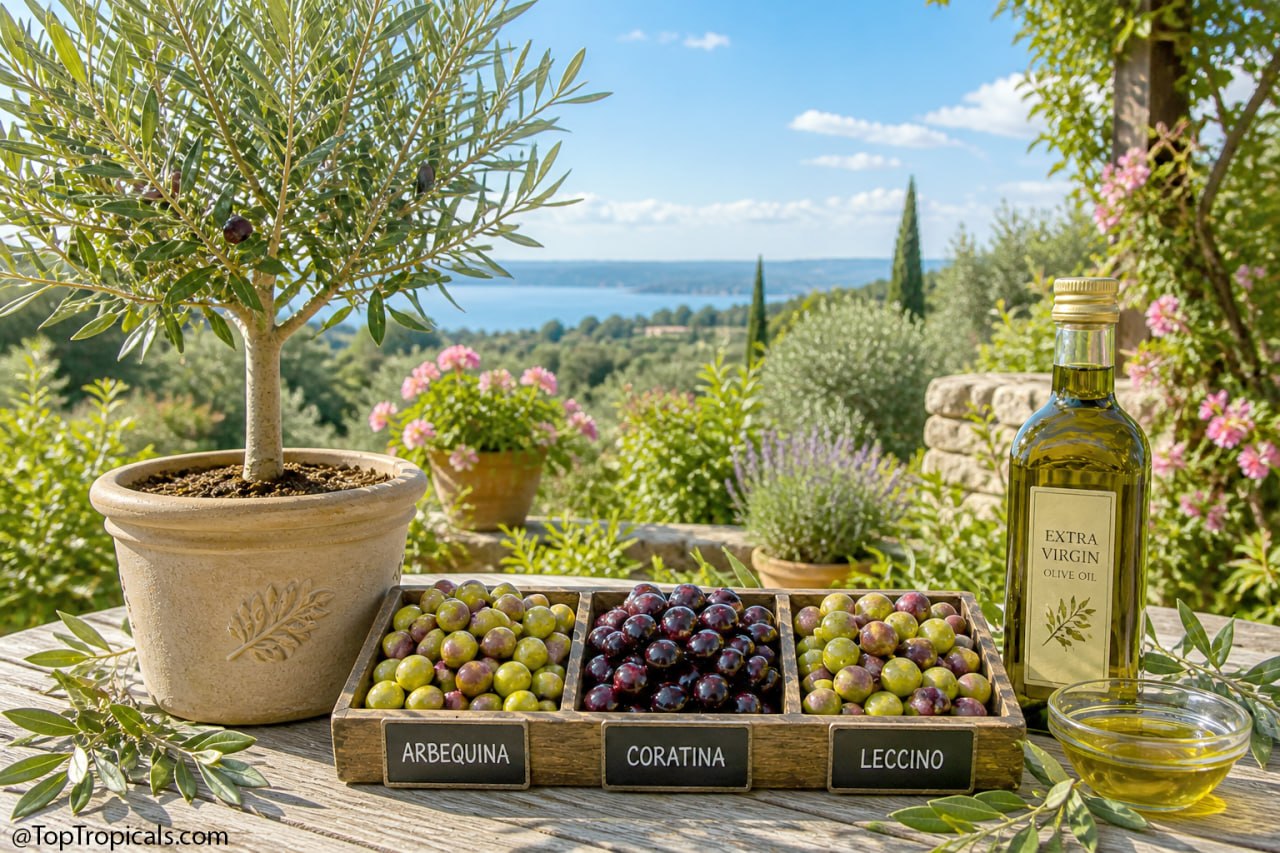
Olive trees aren’t just for the Mediterranean anymore. In warm parts of the U.S. - including much of Florida - certain varieties handle heat, humidity, and even occasional cold better than people expect. If you’ve been thinking about adding something useful, low-maintenance, and long-lived to your garden, olives deserve a spot on your list. Here are three varieties that actually make sense to grow.

1. Arbequina: Compact, Productive, and Beginner-Friendly

Arbequina is one of the easiest olives to grow, especially if space is limited. It is naturally compact, which makes it great for containers or small yards. It starts producing early compared to other olives, handles heat well, and adapts to different soils. The fruit is mild, buttery, and excellent for oil. If you want an olive tree that behaves well and produces without much fuss, this is the one. More...

2. Coratina: Bold Flavor and Strong Growth

Coratina is a completely different type of olive - vigorous, tough, and known for intense flavor. It is fast-growing and very hardy once established, and it produces heavily under the right conditions. The fruit is high in oil content with a flavor that is strong and peppery, making it prized for premium olive oil. This is a great choice if you want a more traditional, high-performance olive tree with character. More...

3. Leccino: Reliable and Cold-Tolerant

Leccino is known for consistency and is one of the most widely planted olives for a reason. It is more cold-tolerant than many other varieties and is a reliable producer year after year. It has a medium growth habit that is easy to manage, and the fruit works well for both oil and curing. If your area gets occasional cold snaps, Leccino is a safer bet. More...

Why olives make sense in your garden

Olives check a lot of boxes most fruit trees don’t. They are drought-tolerant once established and don’t need rich soil; average or even poor soil is fine. They are long-lived trees that can produce for decades and have low pest pressure compared to many tropical fruits. They’re not high-maintenance, and they don’t demand constant attention.

What to know before you plant

A few practical points make all the difference. Full sun is non-negotiable, and drainage matters because if water sits, the roots suffer. Light pruning keeps trees productive and manageable. Some varieties produce better with cross-pollination. In Florida conditions, airflow and avoiding overly wet soil are key.

If you want a tree that looks good, produces something useful, and doesn’t need babysitting, olives are hard to beat. Choose Arbequina for small spaces and ease, Coratina for strong growth and bold oil, or Leccino for reliability and cold tolerance. Plant one - or plant all three - and you’ll start to see why olive trees have been grown for thousands of years.

Shop Olive trees

"Learn more:
Olea europea - Olive Tree - in Plant Encyclopedia
Grow your own Olive Oil
Marinated green olives: quick-n-fun exotic recipes
How to grow your own Olive

Shop Olive trees

#Food_Forest #How_to #Discover

Olive Plant Facts

Botanical name: Olea europea
Also known as: Olive
USDA Zone: 8 - 11
Highligths Plant used for bonsaiSmall tree 10-20 ftFull sunWater Requirement: Low. Allow soil to dry out between wateringsWatering: Moderate. Water when top soil feels dryEdible plantPlant attracts butterflies, hummingbirdsEthnomedical plant.
Plants marked as ethnomedical and/or described as medicinal, are not offered as medicine but rather as ornamentals or plant collectibles.
Ethnomedical statements / products have not been evaluated by the FDA and are not intended to diagnose, treat, cure, or prevent any disease. We urge all customers to consult a physician before using any supplements, herbals or medicines advertised here or elsewhere.Subtropical plant. Mature plant cold hardy at least to 30s F for a short time
Get personalized tips for your region
Join TopTropicals

Date: 12 Sep 2019

Helping Citrus and other fruit trees with Nutritional Supplements

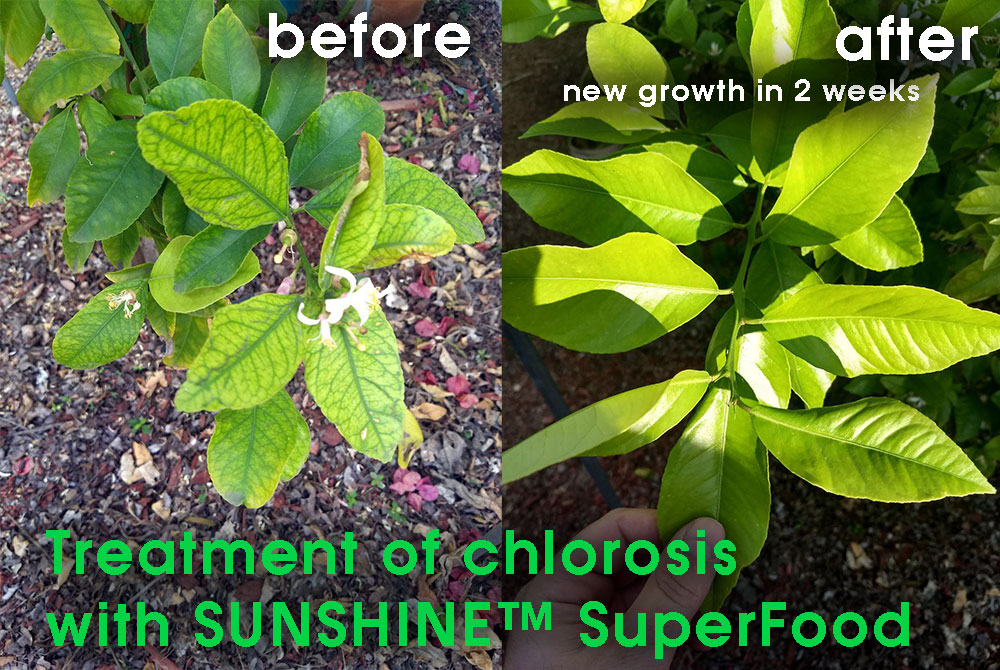
Q: Can you recommended a product to help with my citrus? Combating greening and chlorosis.

A: Citrus greening is spread by an insect called the Asian citrus psyllid. The psyllid feeds on the stems and leaves of the trees, infecting the trees with the bacteria that causes citrus greening. Florida Citrus growers dedicated the last decade to researching citrus greening. Officially, currently there is still no cure, however, some Nutritional solutions have shown promising results. To slow the progression of citrus greening in infected trees, nutrients are applied to the leaves and to the roots. Providing better nutrition helps trees fight against citrus greening and enables them to continue to produce quality fruit.

We recommend the following products for use on regular basis:

SUNSHINE Epi is a natural Brassinosteroid plant hormone and a bio-stimulant that may be very effective as citrus greening treatment. It works through plant's immune system and shows amazing results of recovery of weak and sick plants.

SUNSHINE Superfood, a complex micro-element supplement, maintains plant's health and provides vigorous growth.

SUNSHINE-Honey is a basic nutritional complement, it contains essential plant micronutrients Boron (B) and Molybdenum (Mo). These elements are essential to vegetative and reproductive growth, cell expansion, tissue growth, and fertility. A very common problem for most unimproved garden soils is lack of Molybdenum and Boron as soil micro-component. This results in underdeveloped / low quality fruit and/or premature fruit drop. Applying SUNSHINE Honey on your fruit trees will fill that gap and help a fruit tree to form a healthy fruit.

Macro-nutrients should be applied in combination with micro-nutrients on regular basis:

Mango-Food - Smart Release Fruit Tree Booster (works great for all tropical fruit trees)
Fruit Festival Plant Food - Ideal blend designed to improve fruit trees health and vigor, and increase crop yield.

See SUNSHINE Boosters page for the complete list of plant boosters.

Date: 9 Mar 2025

How to grow tons of fruit in limited space - its incredible!

100 Papaya trees in 6"x100" strip

💥 How to grow tons of fruit in limited space - it's incredible!


🍊 Yesterday we planted 100 Papaya trees in 6"x100" strip of the garden. That’s right - 100! This year, we’ll have BILLIONS and BILLIONS of fruit. Unbelievable! You should do it too. And here's how.

🍊 Want to grow more fruit trees? Different varieties? But look at your space - it's never enough! What can you do? Most people have no clue. But we do.

🍊 "Fruit cocktail trees" - great idea, right? Different varieties grafted onto one tree. Used to be very popular, especially citrus. But guess what? Doesn’t work well. The strongest variety takes over, dominates - very unfair.

🍊 The best solution? It's called "One Hole Planting." Genius! Just plant several varieties in the SAME hole. Each variety gets its own root system - no fighting, no losers. Just winners.

🍊 The absolute best candidates? Papaya Trees! (Carica papaya). They grow tall, straight, strong - just like a palm tree!

🍊 Here’s the trick: plant several varieties together. Both male and female trees (you thought male papaya was useless? Plant it in, and watch what happens!). It's the best way! Saves space, supercharges pollination, maximizes fruit production. You get different flavors, non-stop harvests.

🍊 Watch the video - 14 huge holes, 100 trees! It’s going to be HUGE! And guess what? We'll be back in just a few weeks - showing off the harvest! Stay tuned!

📚 Learn more from previous posts:


🟡 How to have fresh Papaya fruit year around
🟡 Top 3 most wanted Papaya varieties
🟡Carefree Garden: practical Guide to Growing Papaya.
🟡10 best fruit trees to grow in Florida and Southern landscapes. # 7: Papaya Tree.
🟡more posts about #Papaya

🛒 Shop Papaya Trees

#Food_Forest #Papaya #How_to

🔴 Join 👉 TopTropicals

Date: 14 Apr 2025

How to Plant a Perfume Hedge
And What Does a Champaka Tree Look Like?
Practical Growing Guide

Champaka  tree  in  landscape

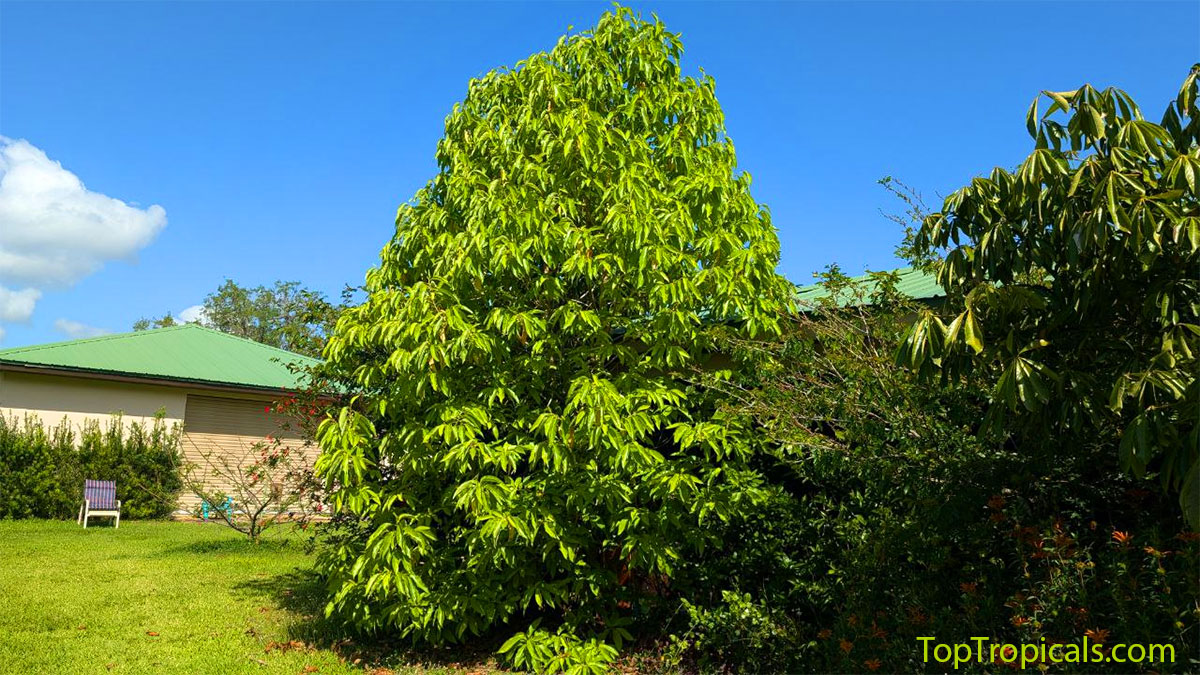
Photo above: Magnolia champaka (Joy Perfume tree) in landscape. This tree was planted 3 years ago from a 7-gal pot. The tree is now 5 years old from seed and has been covered with flowers for two seasons in a row. Check out short video.

Q: How big does the Champaka tree grow, tall and wide? And what is the growth habit? I'm thinking of planting a perfume hedge along my property with several of these beautiful trees (8-10 trees). How far apart should I plant them and what container size should I start with? And how soon will they start blooming?

A: Magnolia champaka, or Joy Perfume tree is the most desirable perfume tree for Southern landscapes - and a Signature Plant of Top Tropicals! You can see several of these stunning trees around our B-Farm in Sebring, including the one right by the office front door.

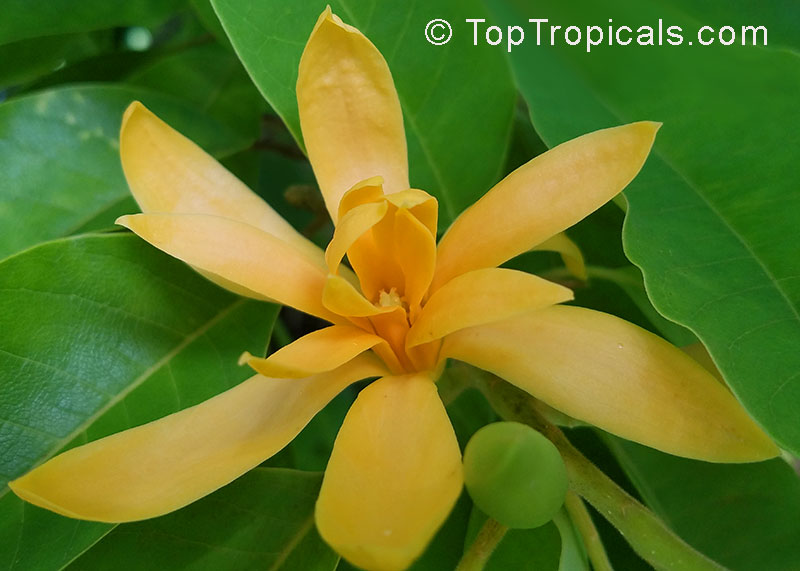
The flowers are used to make the world's most expensive perfume, Joy - and they smell like fruity bubble gum... you won't be able to stop sticking your nose in this flower! The Joy Perfume Tree blooms on and off year-round.

The lemon-lime, light green leaves are lush, soft, and tropical-looking, with a unique and beautiful color.

The Champaka tree has a striking columnar shape and becomes very bushy and full when established - whether in a pot with a proper fertilizer program or in the ground. In Florida, mature trees can reach 20-25 ft tall, although in true tropical environments they may grow much taller. Check out short video of a mature tree. It doesn't get very wide, and if you are planning to plant several trees as a perfume hedge, you can space them as close as 10 ft apart. This tree - light green, fragrant, evergreen, fast-growing, bushy, and dense - makes the perfect perfume hedge!

Champaka trees begin flowering within 2-3 years from seed. Singing birds love this tree and often build nests in its bushy crown during spring. The tree is relatively cold-hardy and can withstand light freeze for short periods once established. Just make sure to provide regular watering.

We have beautiful Champaka trees in all sizes:

3 gal pot: 3-4 ft tall - ready to bloom within a year, can be shipped
7 gal pot: 5-6 ft tall - ready to bloom, can be shipped
15 gal pot: 7-8 ft tall - have already bloomed, pick up or delivery*
25 gal pot: 10 ft tall - have already bloomed, pick up or delivery*
* Free delivery for qualified orders - contact us for estimate

Plant Your Perfume Hedge Today!

Imagine walking along a path lined with Champaka trees - Joy -fragrant blossoms drifting through the air, lush green leaves swaying gently, and birds singing above. With just a few trees, you can create your own heavenly hedge of joy and fragrance. Let your garden bloom with elegance, beauty, and the world's most luxurious scent!

Champaka  flower

Date: 9 Apr 2024

How to start a tropical garden?

Lagerstroemia

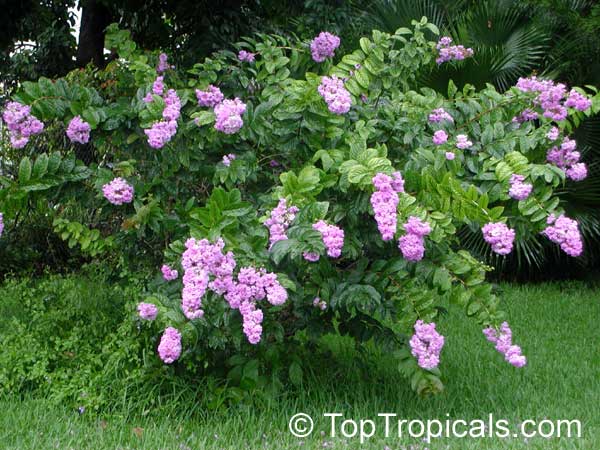
Photo above: Lagerstroemia speciosa - Queen Crape Myrtle. Gorgeous flowering tree with cascades of lilac flowers. One of the most popular trees in Southern gardens.

Q: It's spring, finally! I can't wait to plant my paradise garden with lots of tropical flowers. We moved into a nice new house but the yard has nothing but grass. Where do I start?

A: When you start your garden from scratch, you need to plant your trees first. It's a perfect timing!
Getting tropical flowering trees now is really important for making your garden strong and beautiful. Trees are like the bones of your garden, giving it shape and shade. If you plant them in spring, they have enough time to grow strong roots before winter. This helps them survive better.
Trees also give shade to other plants so they can grow well too. It's like building a house - you need to start with the frame before adding other parts. So, it's a good idea to get those trees now before moving on to shrubs and vines.
Remember to provide regular fertilizing program which is the most important during season of active growth. The more food your tree gets, the stronger and faster it grows! For flowering trees, we recommend Sunshine Boosters Megaflor formula.

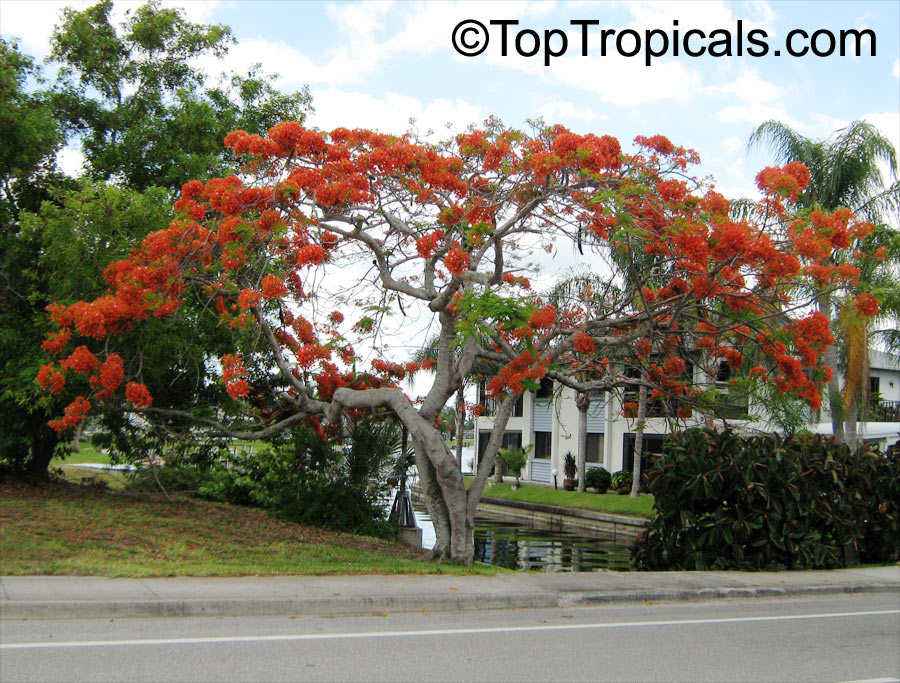
Royal  poinciana,  Flamboyant  tree,  Delonix  regia

Photo above: Royal poinciana, Flamboyant tree - Delonix regia."The Royal Poinciana is one of the most spectacular flowering trees in the USA, and probably among the top 10 on this planet. In full bloom, it is like a regal elephant caparisoned in red and yellow brilliance."(Larry M. Schokman, The Kampong, National Tropical Botanic Garden)