Date: 18 May 2024
What was discovered in the Pyramids: Pigeon Pea - an Ancient Superfood
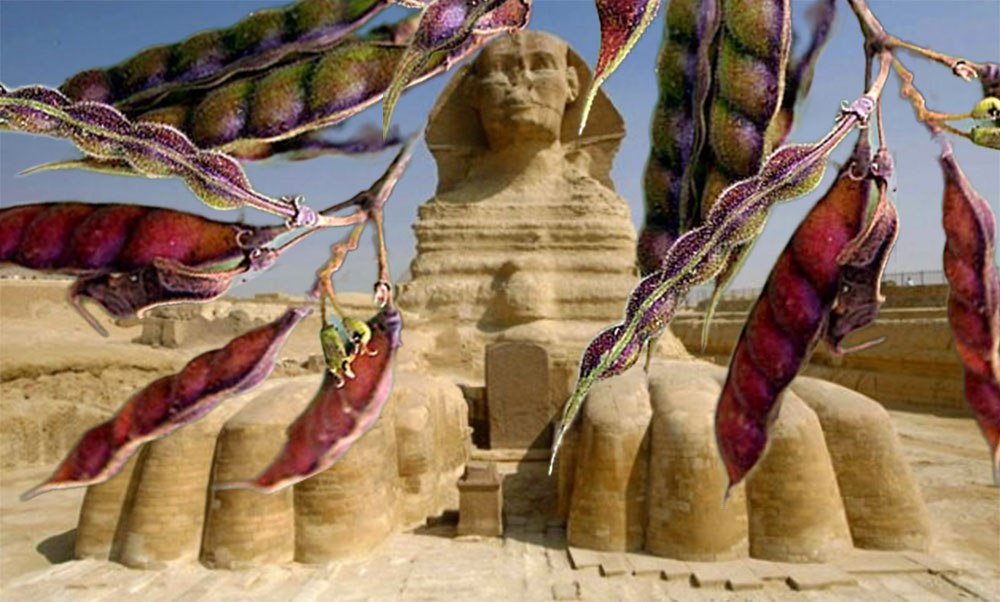
Cajanus cajan - Pigeon Pea and Egyptian pyramids
Cajanus cajan - Pigeon Pea
Cajanus cajan - Pigeon Pea
Cajanus cajan - Pigeon Pea
What was discovered in the Pyramids: Pigeon Pea - an Ancient Superfood...
Cajanus cajan - Pigeon Pea - existed for more than 4800 year! It's been widely consumed in South Asia, South East Asia, Africa, and Latin America. Documented in India since 2,800 BC; reached Ancient Egypt around 2,200 BC.
Provides flavorful, nutritious, and healthy food, with potential to become widely popular like Japanese sushi 🍱
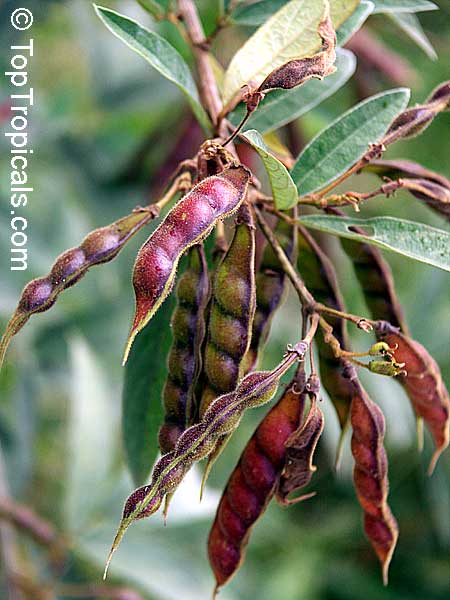
It is a showy perennial woody shrub or small tree, 4-8 ft tall, with soft leaves. Can be grown in container
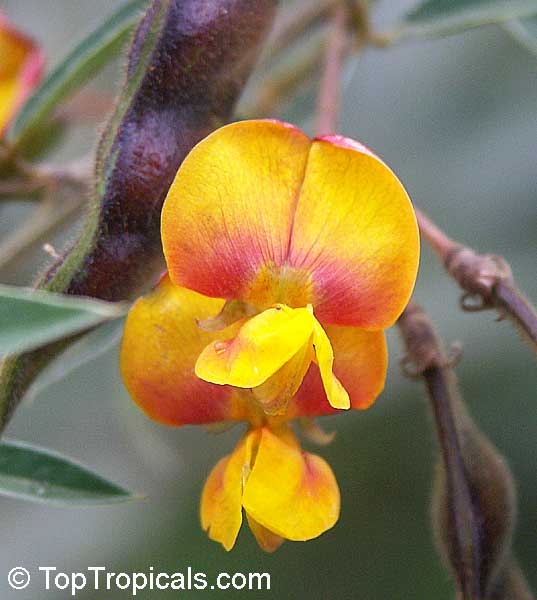
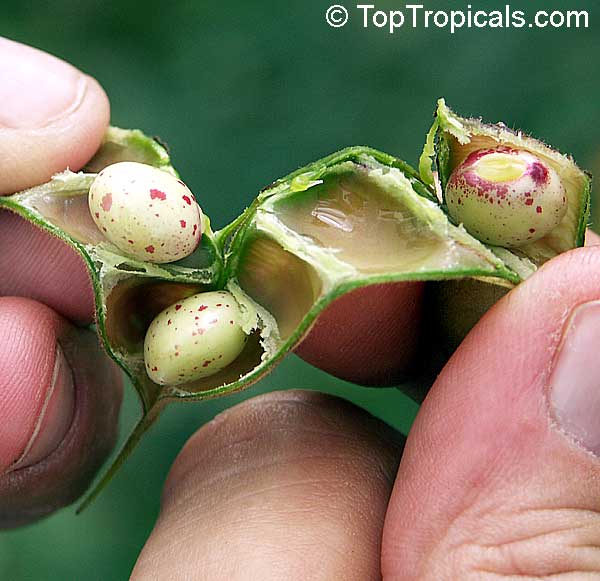
Pretty flowers are yellow, with purple or red streaks, pods containing oval to round seeds.
Many culinary uses: the tasty and healthy beans used in rice dishes, soups, stews, tempeh, tofu. Unripe pods eaten in curries, leaves and young shoots cooked as a vegetable.
Rich source of fiber, protein, vitamins (B, C, E, K), and minerals (calcium, iron, magnesium, manganese, phosphorus, potassium, zinc).
Medicinal value: various folk medicinal uses for sores, bladderstones, jaundice, skin irritations, bronchitis, coughs, pneumonia, toothache, dysentery, and more.
Everyone can grow it! The plant is super easy, tolerates poor soils, drought tolerant, improves soil quality like many other beans.
📚 Learn more about Pigeon Pea
🛒Grow your own Pigeon Pea Superfood
#Food_Forest #Remedies #Container_Garden #Fun_Facts
🏵 TopTropicals