Garden Blog - Top Tropicals

Date: 6 Oct 2025

The hot Guyanese secret to perfect skin

Biquinho Pepper (Capsicum annuum x chinense) and Wiri Wiri Pepper (Capsicum frutescens)

❗️ The hot Guyanese secret to perfect skin 💥
  • 🌶 Who said Peppers can't be cute? These two little fireballs prove otherwise! They might look small, but they’re full of personality, flavor, and heat.
  • 🌶 Biquinho Pepper (Capsicum annuum x chinense)
  • This heart-shaped hottie is an ancient hybrid between bird pepper and habanero is as beautiful as it is flavorful. Each tiny 1-inch red pepper packs a fruity, tangy punch with just enough heat to make your taste buds dance. Perfect for container gardens, Biquinho peppers decorate the plant like tiny red ornaments – and they’re just as tasty in pickles, salsas, or fresh salads.
  • 🌶 Wiri Wiri Pepper (Capsicum frutescens)
From the kitchens of Guyana comes a true legend - the Wiri Wiri pepper. These little berry-shaped peppers turn from green to orange to bright red, bursting with intense heat and flavor. Guyanese chefs swear by it - it's the secret behind their famously spicy, flavorful dishes. Locals even say it’s the reason they live long, have glowing skin, and look amazing… it's not just spice, it's magic!
  • 🌶 Fun facts:


· Both peppers belong to the same botanical family as potatoes, tomatoes and eggplants.
  • · What makes them special isn't just the heat - it's the flavor!
  • · True pepper lovers know that great peppers are about depth, aroma, and the fruity fire they bring to every meal.


🌶 Growing tips:
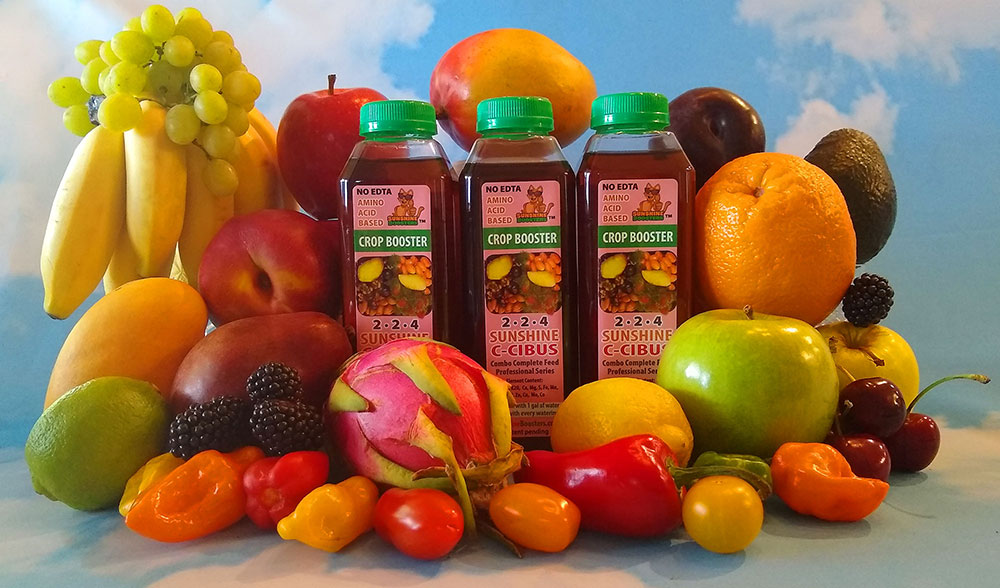
Feed your peppers with Sunshine C-Cibus plant booster for abundant crops and extra flavorful fruits. These compact plants thrive in containers and bring tropical flair to patios, balconies, or edible gardens.

💥 These two peppers are a must for spice lovers - intense fruity habanero flavor packs quite a bang!
Extremely showy, these ornamental peppers have culinary benefits and are great for container garden.

🛒 Add the flavor of Hot Peppers to your garden and kitchen

📚 Learn more:

Plant Facts

Capsicum chinense
Yellow Lantern Chili
USDA Zone: 9-11
Small plant 2-5 ftSemi-shadeFull sunRegular waterWhite, off-white flowersSpice or herb plantIrritating plant
  • Hot-hot-hot HEART! How hot is it?
  • Wiri Wiri Pepper: how to live long and have a great skin.
    📱 How to grow the hot Wiri Wiri and Biquino Peppers

    #Food_Forest #Container_Garden

    🟢 Join 👉 TopTropicals

  • Date: 31 Mar 2023

    Cat Horoscope

    By Alex Butova, the Witch of Herbs and Cats

    This year (March 2023) we are celebrating Alex's 75th Anniversary and her 20 years with TopTropicals. Here is a note from Alex...

    Alex  Cat

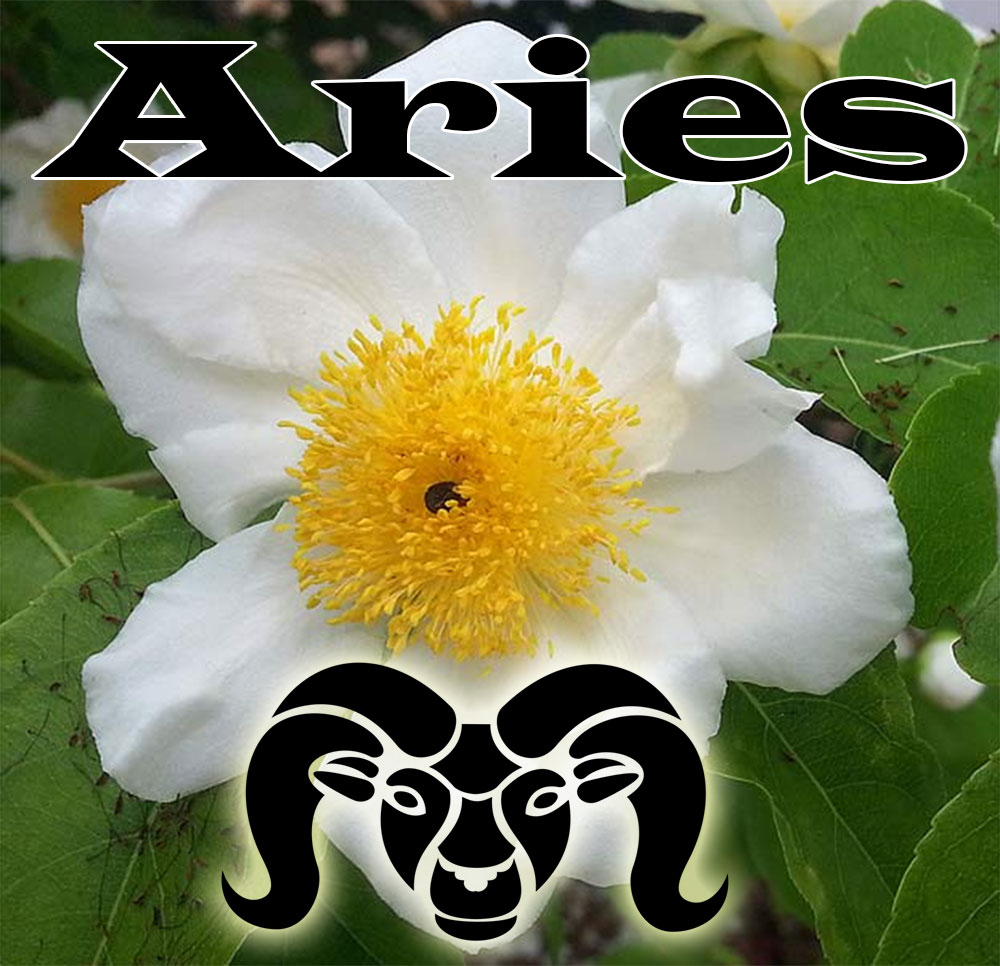
    Aries Cats 3/21-4/20

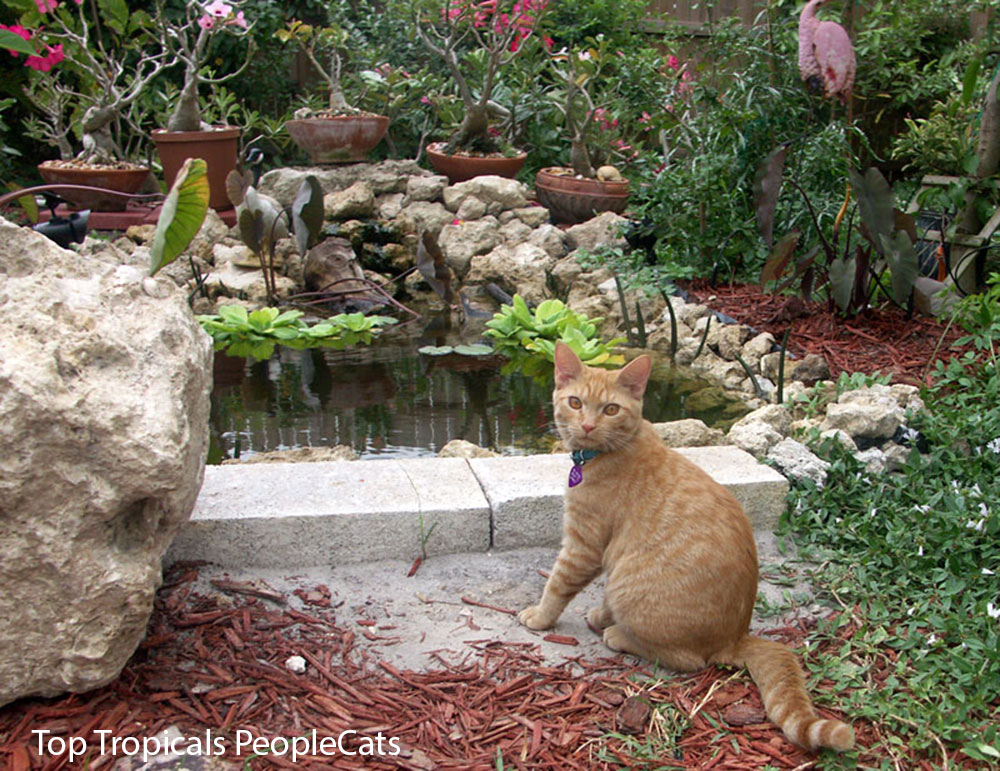
    Cats  eating  grass

    The astrological sign of a cat can be determined by either their date of birth or adoption...More >>

    The Aries Cats are a highly competitive and may initiate fights with other cats. With a natural inclination for combat, they may even confront dogs, humans, or even a giraffe...
    ...Tickling an Aries Cat's tummy can lead to an attack as they're also known to be biters...
    ...Aries Cats are adventurous and love to challenge themselves physically. They'll seek out the highest spots in the house, even if it scares their humans...
    ...Aries Cats love tall, well-branched trees that are good for climbing, and are rather indifferent to bright flowers and fragrant plants... But on the other hand, they adore the soft, juicy grass on which it is so pleasant to lie down and rest after all their athletic feats and fighting duels...
    ...One of the best things about the Aries Cats is that they make their priorities clear. With them, you'll always know your place, as they believe they come first, and you don't....
    CONTINUE READING >>

    Cats  eating  grass

    Plant Zodiac for humans

    Aries  lucky  Zodiac  plant,  Oncoba

    Aries lucky plants for humans

    Date: 24 Jul 2019

    Perfect small tree for a pool area

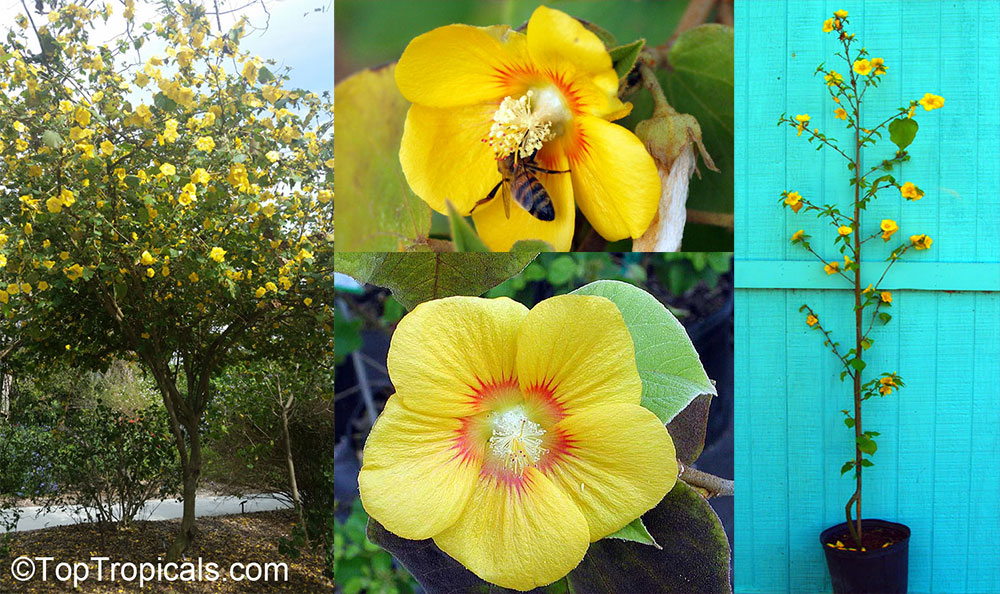
    Q: I need a tree for a space that is close to a pool and I don't want a tree that is shedding leaves all year long. I don't want it too big either. The canary tree caught my attention but I need to know if it is a tree that is dropping leaves all year. If it does then can you recommend another tree? I live in Fort Lauderdale.

    A: Canary tree is a good choice. It is free-flowering pretty little tree. It is evergreen and doesn't shed leaves too much especially in your area with mild winter. However, keep in mind that every plant sheds leaves. Even evergreen trees replace old leaves with new ones. Some trees more than others. Flowers also have a seasonal drop. You may check the full list of compact flowering trees suitable for small spaces.

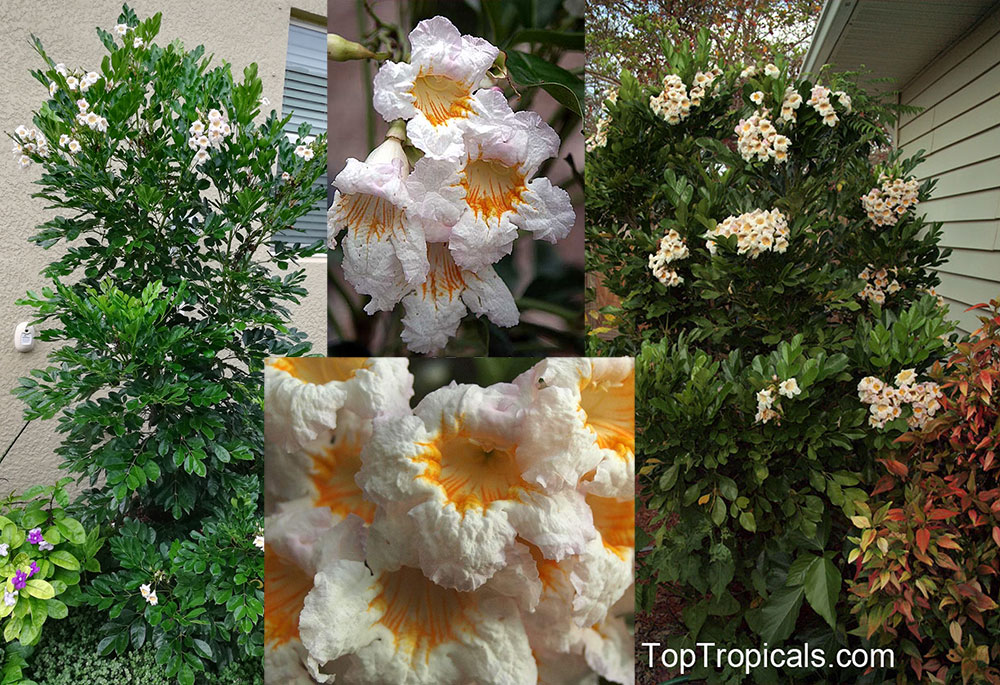
    Another great choice is a Dwarf Tree Jasmine, Radermachera - also a free-flowering tree with rose-fragrant flowers and large, architectural leaves that hardly ever drop. It has very dense yet compact columnar shape, and is one of the greatest trees for smaller landscapes.

    Recommended fertilizers and supplements:

    Pink N Good Daily Plant Food - Flower Booster
    Tropical Allure - Smart-Release Booster
    SUNSHINE SuperFood - plant booster

    Date: 1 Feb 2021

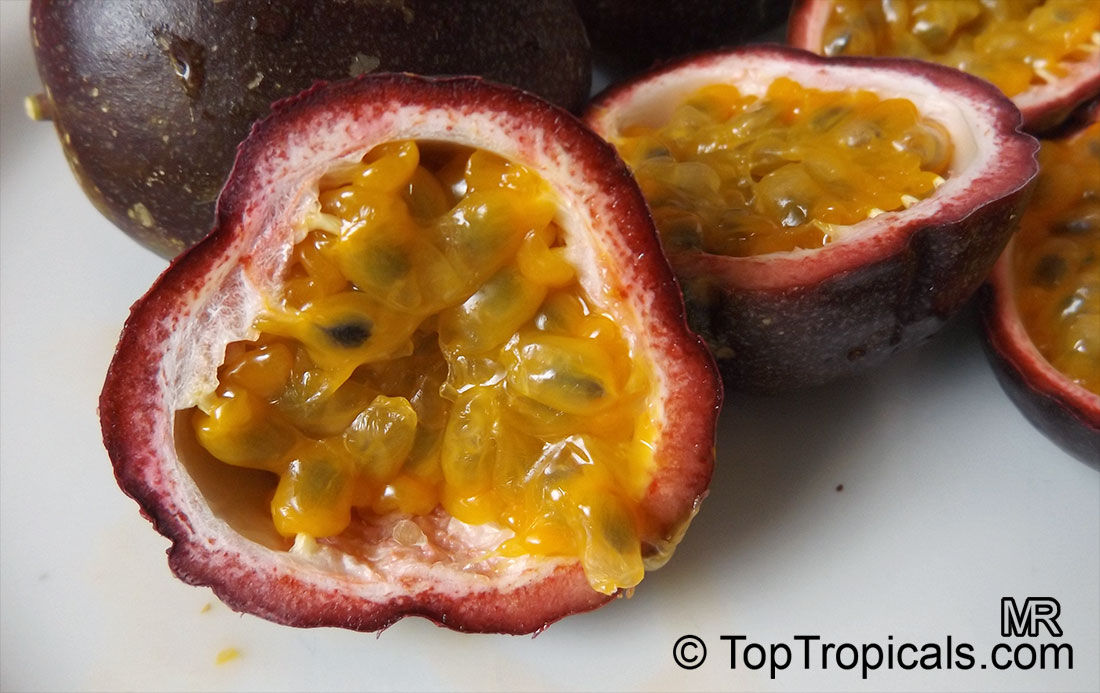
    The Passion Fruit - Juicy Maracuya

    by Alex Butova, the Witch of Herbs and Cats

    ...There was an unexpected confusion with the name of this plant. Most people understand its name literally: passiflora - a flower of passion, and its fruits - the fruits of passion, implying human, earthly passions. Nevertheless, the passion fruit is so called because it is one of the many  species  of  passion flower, the English translation of the Latin genus name,  PassiFlora.
    Learn more about this delicious, flavorful fruit and how to grow it in your own garden in no time...

    CONTINUE READING >>

    SUNSHINE C-Cibus - Crop Booster, an ultimate natural plant food for fruit and edibles.

    Date: 24 Mar 2024

    Bauhinias: trees with Orchid Flowers
    and Butterfly Wings...

    Bauhinia  variegata  -  Purple  Orchid  Tree

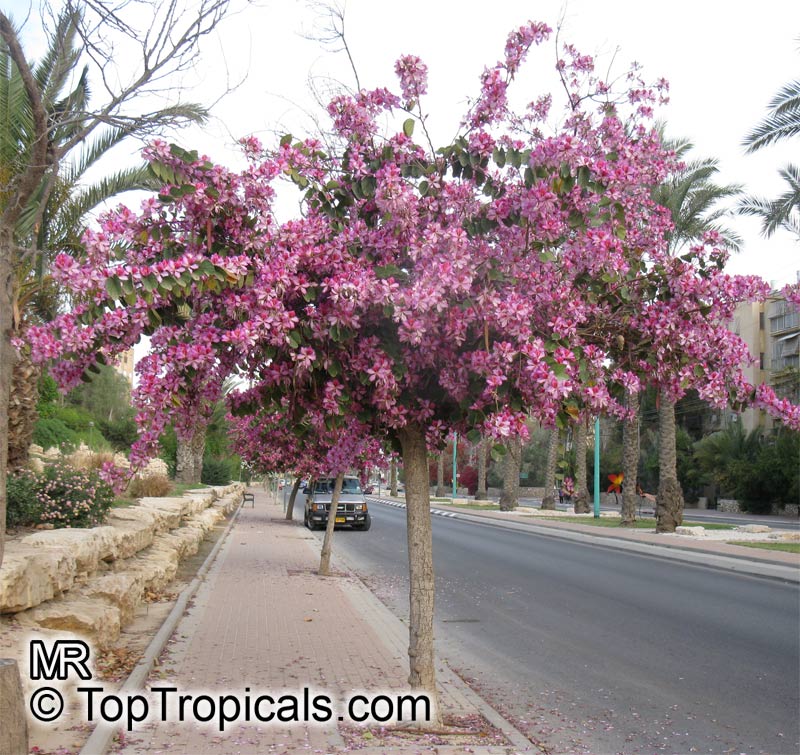
    Photo above: Bauhinia variegata - Purple Orchid Tree, one of the most spectacular varieties.

    Q: We just moved to Florida and I see these beautiful trees with large purple flowers. I was told these are Orchid trees, do you have them?

    A: Bauhinias, commonly known as Orchid trees, are renowned for their captivating flowers and unique foliage. These trees typically grow to a moderate height of 15-25 feet with a spread of 10-15 feet, showcasing a rounded to vase-like shape. Thriving in hardiness zones 9-11, they exhibit resilience to heat and can withstand mild frost. There are over 300 species of Bauhinia, which are distributed in tropical and subtropical areas. These species vary in characteristics such as size, foliage, and flower color, contributing to the diversity and appeal of this genus. You can find them as trees, shrubs, and even vines.

    Bauhinias are evergreen (in tropics) to semi-deciduous (in cooler climates), offering year-round beauty with intermittent blooming cycles. The peak bloom time varies depending on the species and location, often occurring in late winter to early spring, bedecking the tree with striking orchid-like flowers in hues ranging from white and pink to purple and red. The flowers boast delicate petals with intricate patterns, resembling the elegance of true orchids.

    One of the distinguishing features of Bauhinia leaves is their unique bi-lobed or bilobed structure, which gives them a distinct appearance. The leaves are deeply divided, typically into two lobes or halves, hence the common name "Butterfly tree" due to their resemblance to butterfly wings. This characteristic is often used as an identifying trait for Bauhinia species. The bilobed leaves add to the visual appeal of the tree, contributing to its ornamental value in addition to its beautiful flowers.

    Bauhinia  monandra  -  Napoleons  plume

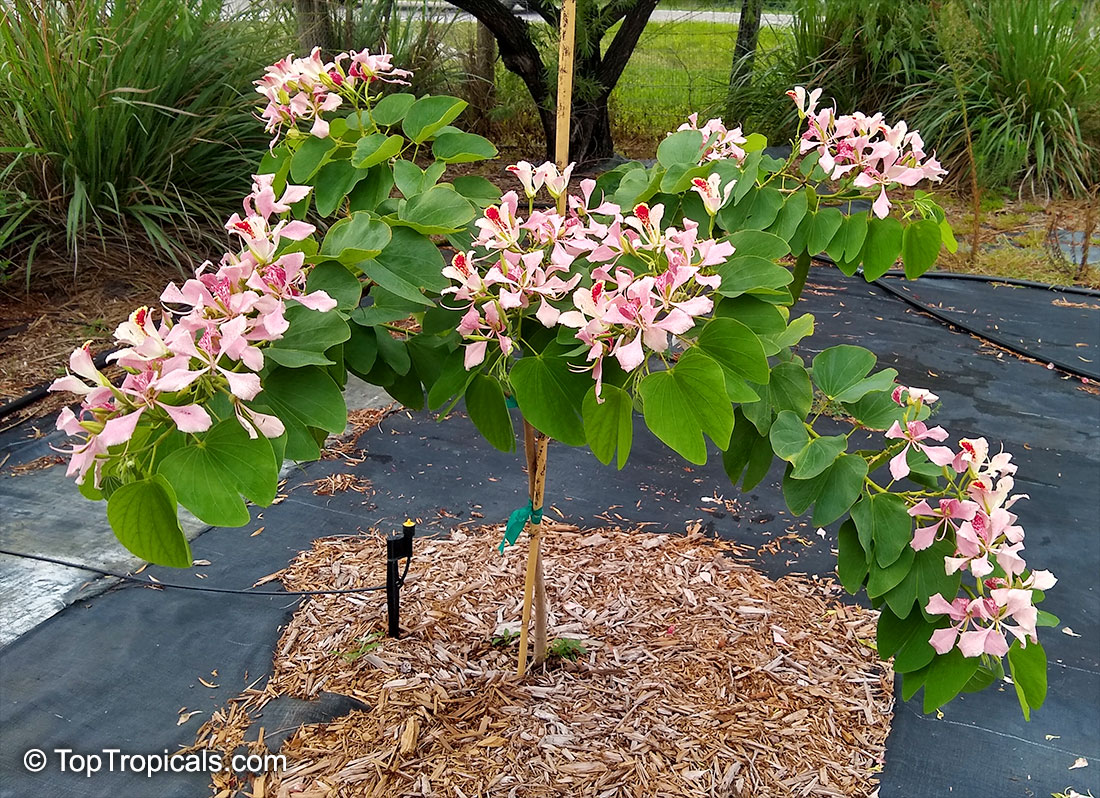
    Photo above: Bauhinia monandra - Napoleons Plume, starts flowering in small size. This one is very beautiful but the most cold sensitive and should be grown in pots in areas with winter freeze. It will happily bloom in container!

    Low-maintenance by nature, Bauhinias require minimal upkeep. Annual feeding with a balanced fertilizer enhances growth and flowering. Pruning is generally optional but can be done in late winter or spring, after flowering, to maintain shape or remove dead or damaged branches. These trees thrive in full sun, preferring well-drained soil. With their enchanting blooms and easy care requirements, Bauhinia orchid trees are a delightful addition to any landscape, and a colorful specimen for tropical winter gardens.

    In addition, Orchid trees grow fast and provide excellent shade. They can make a shady spot in your garden in no time, giving relief from the hot sun. This is really valuable, especially in places where it gets very hot. So, not only are Orchid trees pretty to look at with their lovely flowers, but they're also great for keeping you cool!

    Read more about Bauninias:
    Bauihnias: Orchid trees with Butterfly flowers... and leaves

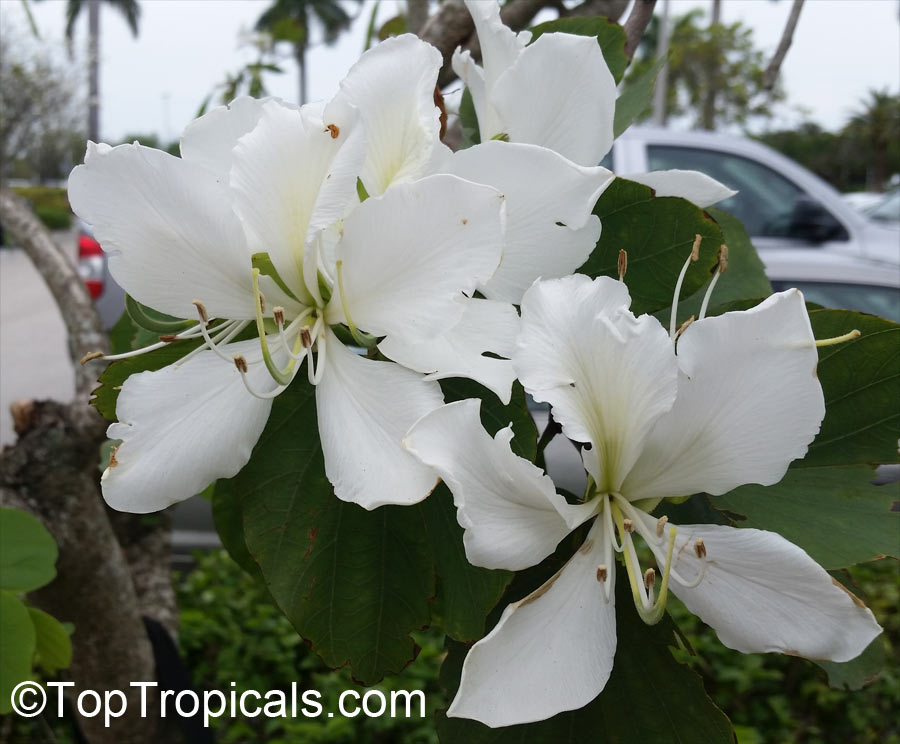
    Bauhinia  x  alba  (candida)  -  White  orchid  tree

    Photo above: Bauhinia x alba (candida) - White orchid tree, the most cold hardy variety that can take light freeze once established.

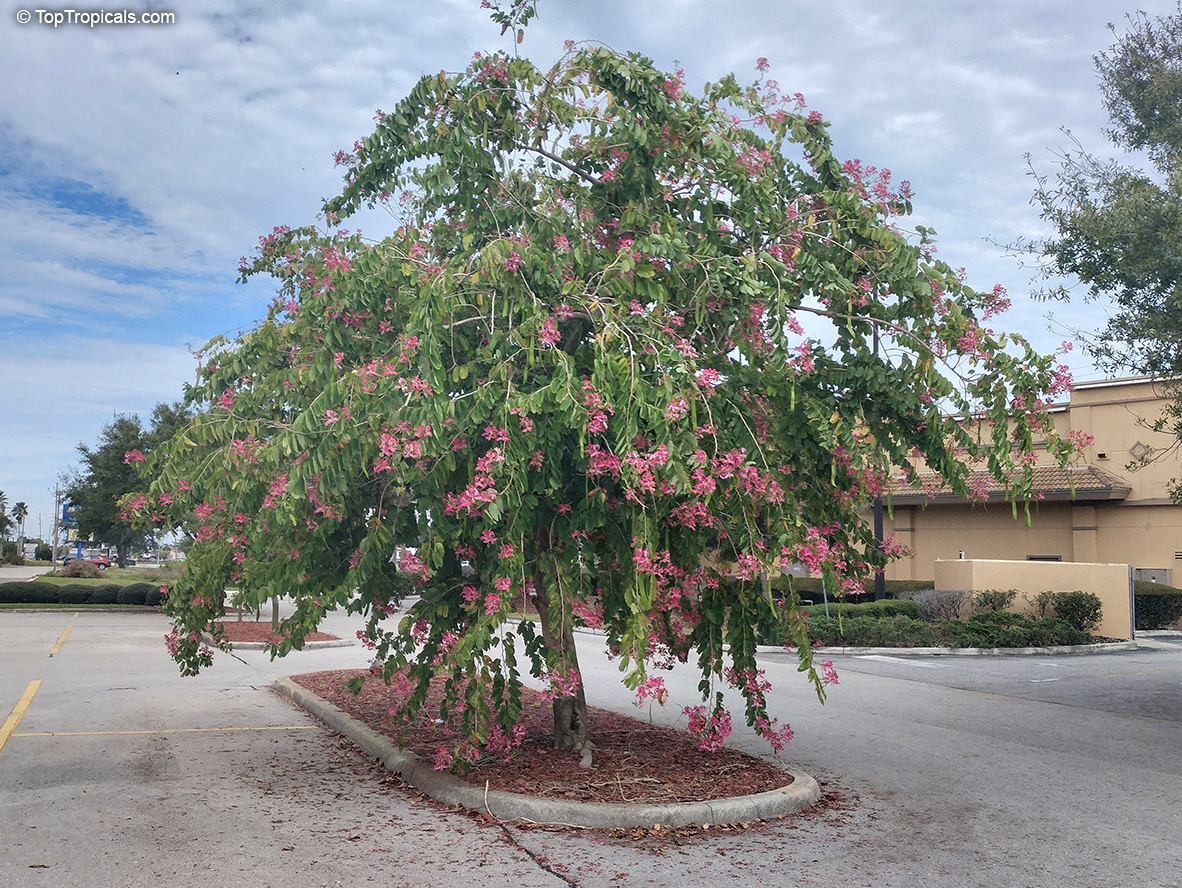
    Bauhinia  purpurea  -  Purple  Orchid  Tree

    Photo above: Bauhinia purpurea