Garden Blog - Top Tropicals

Date: 12 Jan 2026

Cherry of the Rio Grande quick compote: quick-n-fun exotic recipes

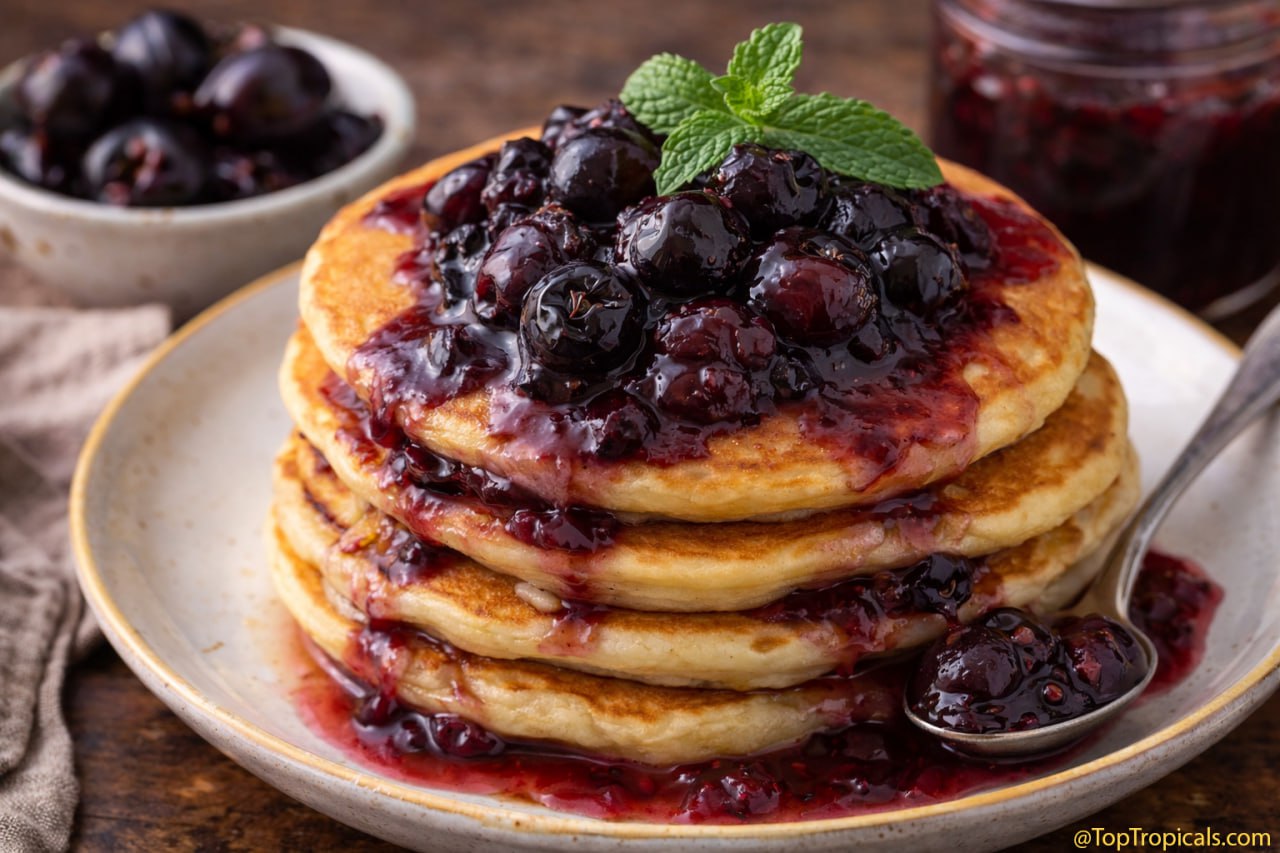
Cherry of the Rio Grande quick compote over pancakes

Cherry of the Rio Grande quick compote over pancakes

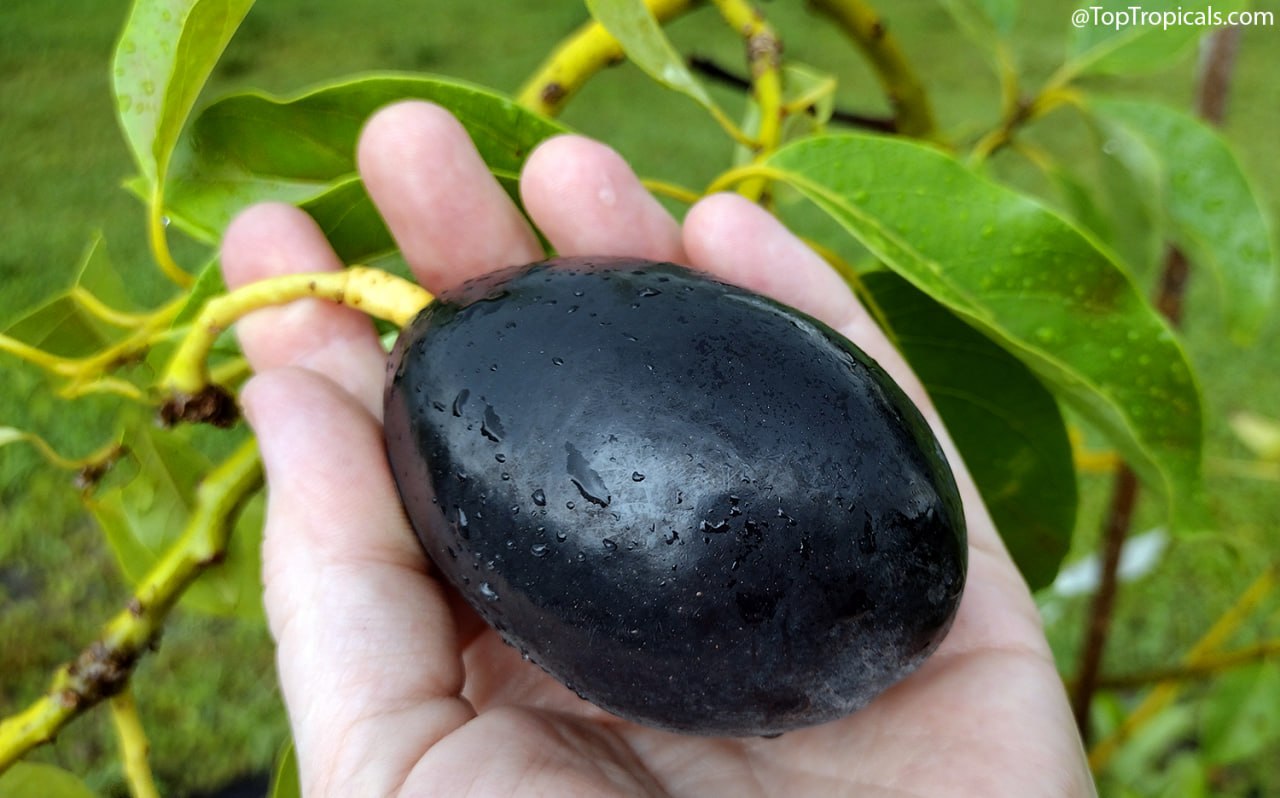
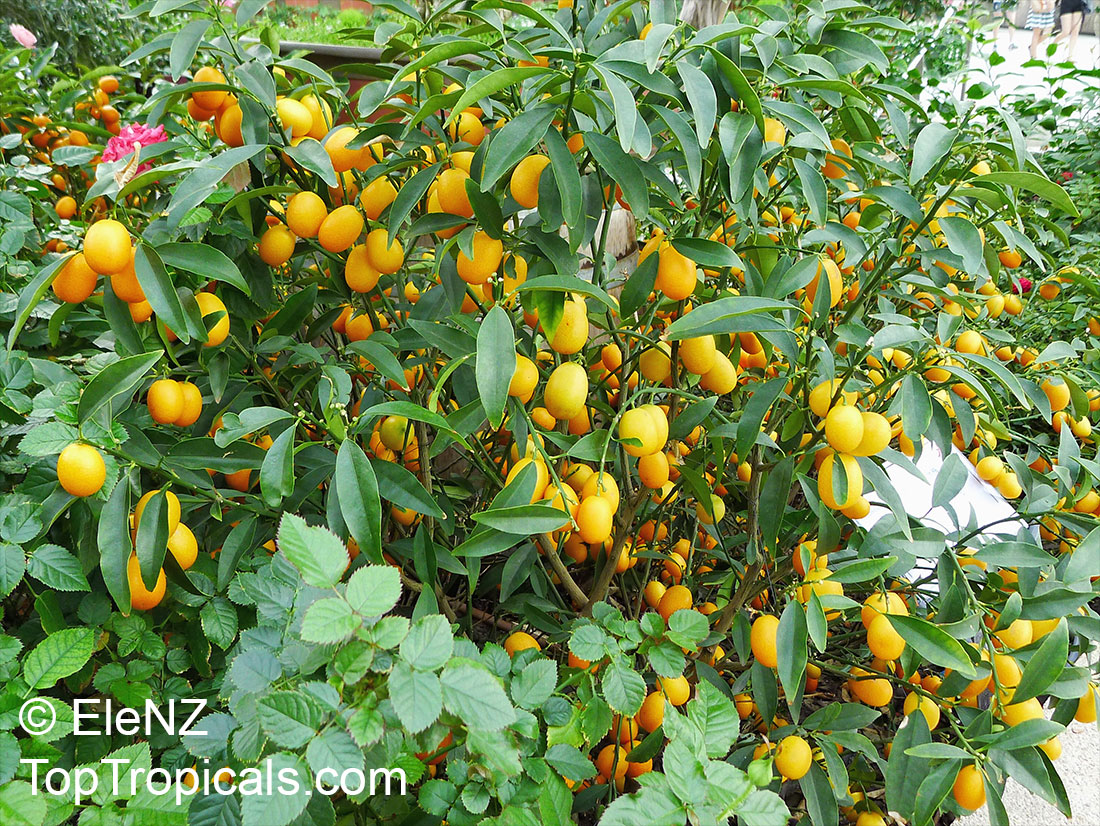
Eugenia aggregata - Cherry of the Rio Grande fruit

Eugenia aggregata - Cherry of the Rio Grande fruit

🍴 Cherry of the Rio Grande Quick Compote

This fast cherry compote is made from Cherry of the Rio Grande (Eugenia aggregata). It is tart, rich, and perfect over pancakes, waffles, toast, or warm bread.

Cherry of the Rio Grande Plant Facts

Botanical name: Eugenia involucrata, Eugenia aggregata
Also known as: Cherry of the Rio Grande, Cere Jodo Rio Grande
USDA Zone: 9 - 11
Highligths Small tree 10-20 ftSemi-shadeFull sunWatering: Moderate. Water when top soil feels dryWatering: Regular. Let topsoil dry slightlyEdible plantSubtropical plant. Mature plant cold hardy at least to 30s F for a short time
Get personalized tips for your region

Ingredients

  • 1 cup Cherry of the Rio Grande fruit, pitted
  • 2 to 4 tablespoons water

Instructions

  1. Place cherries and water in a small saucepan.
  2. Simmer over medium heat until the cherries soften and release juice.
  3. Mash lightly with a spoon for a chunky texture.
  4. Spoon warm compote over pancakes or bread and serve immediately.

🛒 Plant Cherry of the Rio Grande

📚 Learn more:


Eugenia aggregata - Cherry of the Rio Grande in Plant Encyclopedia
Don't plant cherries until you see this one!
Ten best fruit trees to grow in Florida and Southern landscapes. Tropical Cherries: Eugenias

#Food_Forest #Recipes

🟢 Join 👉 TopTropicals

Date: 23 May 2026

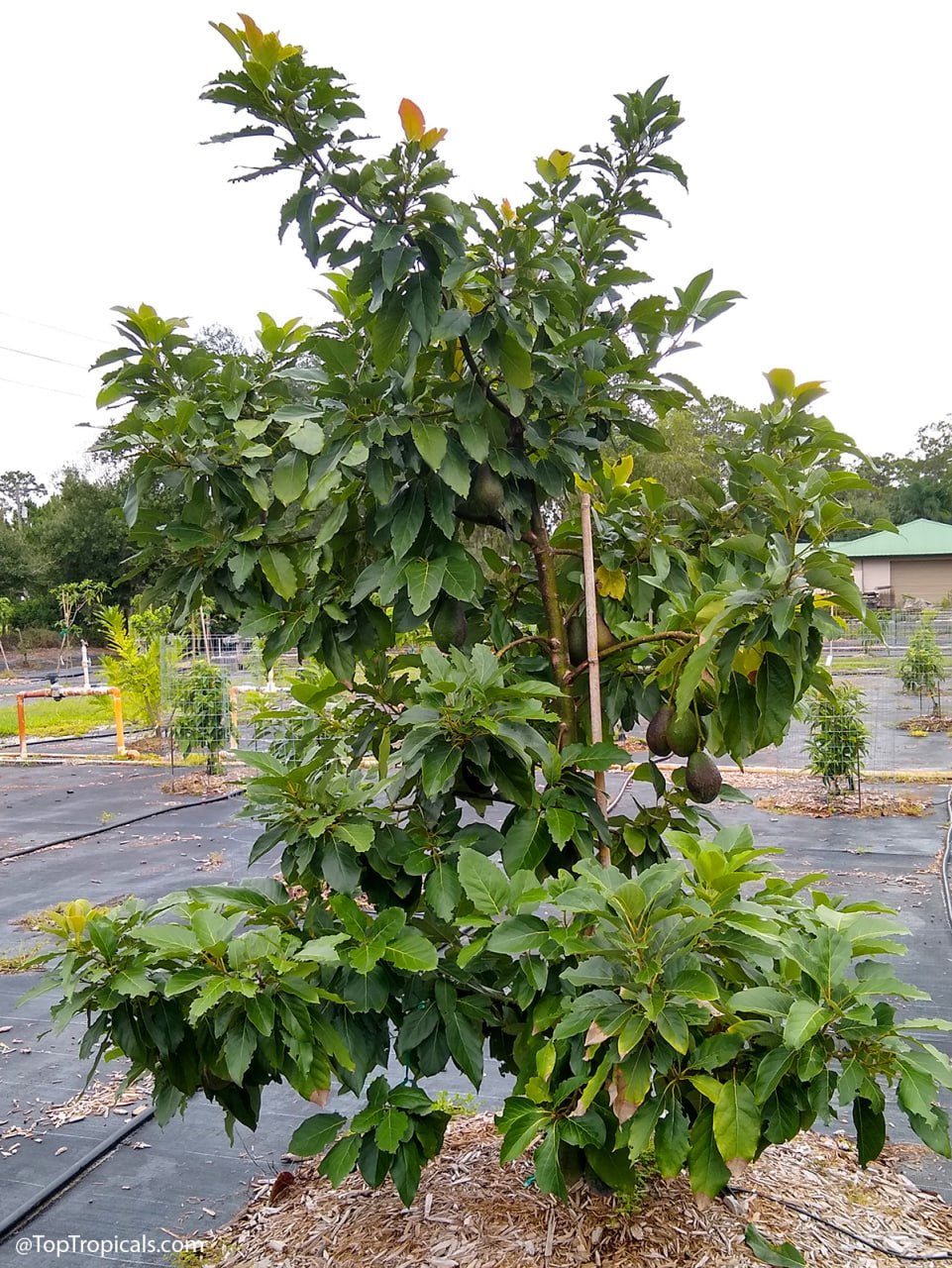
Avocado Fantastic Quick Facts

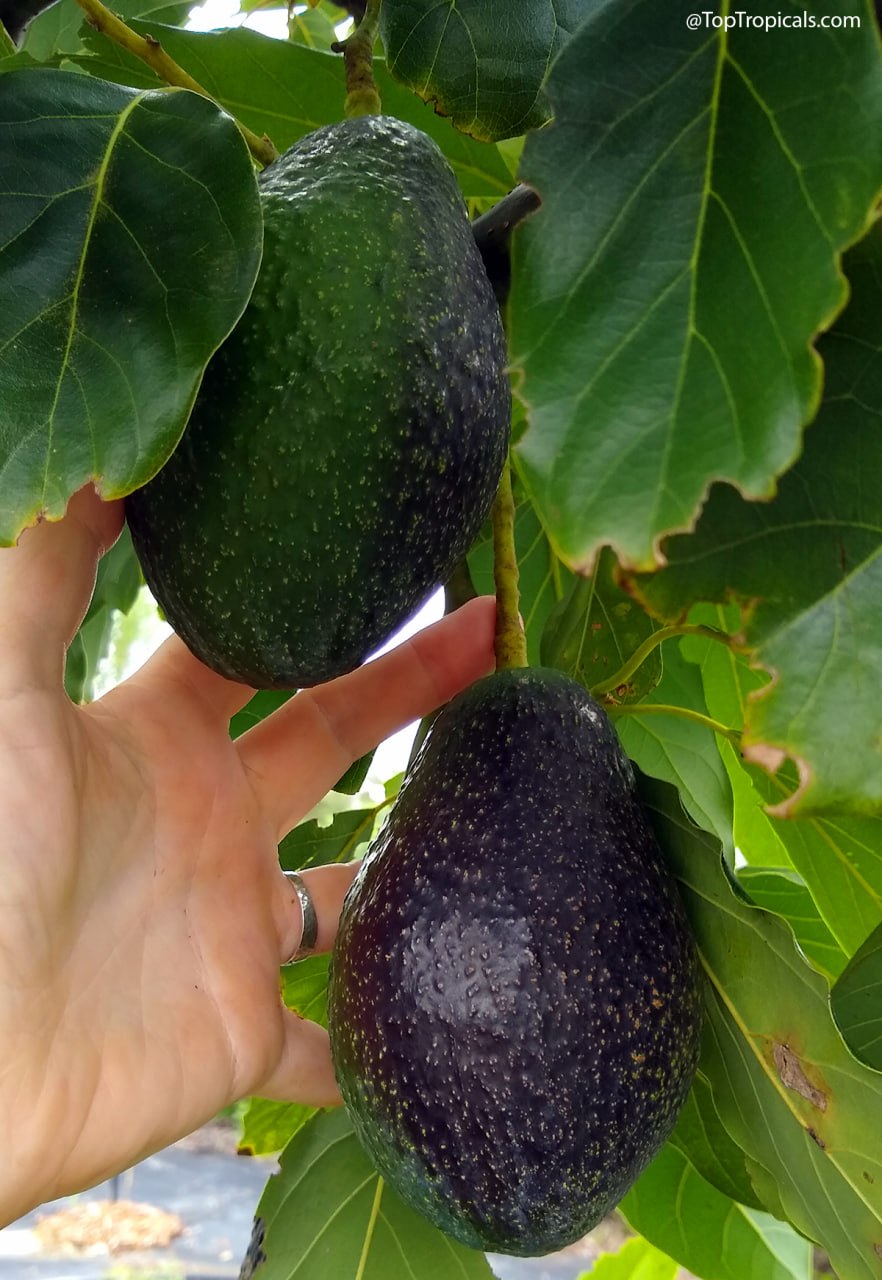
Avocado Fantastic

Avocado Fantastic

Avocado Fantastic Quick Facts


Fantastic has earned a reputation as one of the most cold-hardy avocados available. Reportedly surviving temperatures near 10°F in Texas and showing excellent performance during Florida freezes, it offers peace of mind for growers in cooler regions. The small fruit features paper-thin skin, creamy flesh, and a rich nutty flavor, while the tree remains relatively compact and attractive.

· Botanical name: Persea americana 'Fantastic'
· Origin: Texas selection
· Cold hardiness: One of the most cold-hardy avocados known; reported to survive near 10°F and tolerate about 15°F with minimal damage
· USDA zones: 8-11
· Flower type: A
· Tree size: Approximately 25 ft x 25 ft in the ground
· Growth habit: Upright, relatively compact, manageable for home landscapes and container culture
· Foliage: Refined Mexican-type foliage with an anise-like fragrance when crushed
· Fruit size: 6-8 oz
· Fruit shape:
Pear-shaped
· Fruit color: Green skin that darkens with maturity
· Skin: Extremely thin, paper-thin
· Flesh: Smooth, creamy, buttery, and rich
· Flavor: Nutty, rich, and highly regarded for fresh eating
· Season: August-October
· Best use: Fresh eating, spooned directly from the shell
· Special feature: Exceptional cold tolerance combined with excellent fruit quality
· Why growers love it: Fantastic proves that avocados can be grown in places where many people assume it is impossible. Its remarkable cold hardiness makes it one of the most sought-after varieties for adventurous gardeners; for them, this discovery is simply Fantastic. 👉 More

💡 Avocado tip: Plant on a mound, not in a hole


Avocados hate wet feet. In Florida and other rainy climates, planting on a mound 10-15 inches high can make the difference between a thriving tree and a declining one.

📚 Learn more:


· Avocado Variety Guide: Snack or Guacamole? Collector's inspiration
· Avocado Fantastic: the hidden world beyond green and black
· Cold-hardy avocado survival groups - what the numbers really mean
· How to protect Avocado from cold and how hardy is it?
· Avocado that laughs at frost: Mexicola Grande for cooler climates
· Cold hardy Avocado Joey - you eat it with the skin

📖 Our Book: Avocado Variety Guide, Snack or Guacamole?
·
Hard copy · PDF File Download

#Food_Forest #Avocado #Discover

🟢 Join 👉 TopTropicals

Date: 31 May 2026

Avocado Florida Hass: the hidden world beyond green and black

Avocado Florida Hass: the hidden world beyond green and black Avocado Florida Hass: the hidden world beyond green and black

Avocado Florida Hass: the hidden world beyond green and black


Florida Hass brings some of the flavor characteristics of traditional Hass to Florida gardens while offering better adaptation to humid conditions. The fruit is smaller than many Florida avocados but rich, creamy, and ideal for fresh eating. It is often recommended for gardeners seeking a Hass-like experience in the Southeast.

· Botanical name: Persea americana 'Florida Hass'
· Origin: Mexican (Florida selection)
· Cold hardiness: Tolerates temperatures around 30°F
· USDA zones: 9b-11
· Flower type: A
· Tree size: Approximately 30 ft x 20 ft
· Growth habit: Compact, upright, and well suited to home gardens
· Foliage: Dense, glossy green foliage that provides an attractive evergreen canopy
· Fruit size: 4-12 oz
· Fruit shape: Pear-shaped to oval
· Fruit color: Green when immature, turning dark purple-black at maturity
· Skin: Thick, pebbly, Hass-like skin
· Flesh: Creamy, smooth, and high in oil
· Flavor: Rich, buttery, and similar to Hass, with excellent eating quality
· Season: July-September
· Best use: Fresh eating, guacamole, sandwiches, salads, and gourmet dishes
· Special feature: Hass-like flavor and appearance combined with better adaptation to Florida's humid climate
· Why growers love it: Florida Hass offers the rich flavor and dark skin that avocado lovers associate with traditional Hass, but on a tree better adapted to the heat and humidity of the Southeast. Its compact size and excellent fruit quality make it a favorite for home gardens. 👉 More

💡 Avocado tip: Let the leaves stay
Fallen avocado leaves make excellent mulch. As they break down, they return nutrients to the soil and help create the natural forest-floor conditions avocados love.


🛒 Explore cold hardy Avocado varieties

📚 Learn more:


· Avocado Variety Guide: Snack or Guacamole? Collector's inspiration
· Avocado Brogdon: the hidden world beyond green and black
· Avocado Joey: the hidden world beyond green and black
· Avocado Fantastic: the hidden world beyond green and black
· Avocado Fantastic Quick Facts
· Cold-hardy avocado survival groups - what the numbers really mean
· How to protect Avocado from cold and how hardy is it?
· Avocado that laughs at frost: Mexicola Grande for cooler climates
· Cold hardy Avocado Joey - you eat it with the skin

📖 Our Book: Avocado Variety Guide, Snack or Guacamole?
·
Hard copy · PDF File Download

#Food_Forest #Avocado #Discover

🟢 Join 👉 TopTropicals

Date: 15 Jan 2021

Healthy Plants: Q&A from Mr Booster

New Boosters for the New Year!
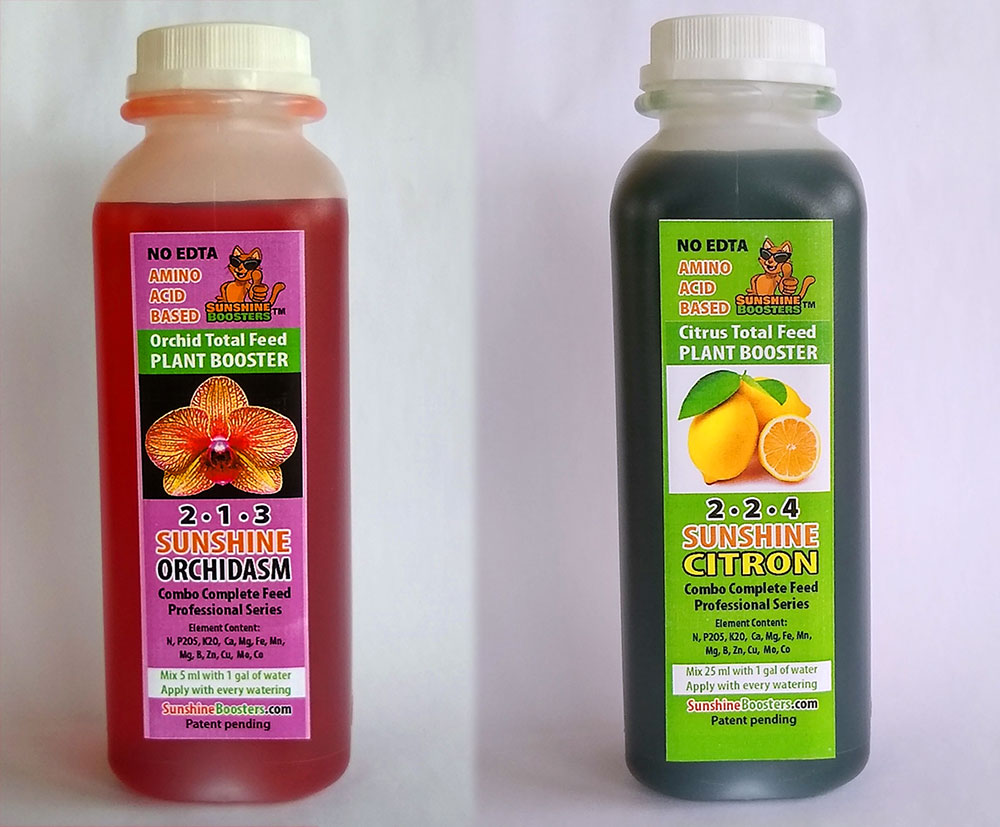
Sunshine Total Feed: Orchidasm and Citron
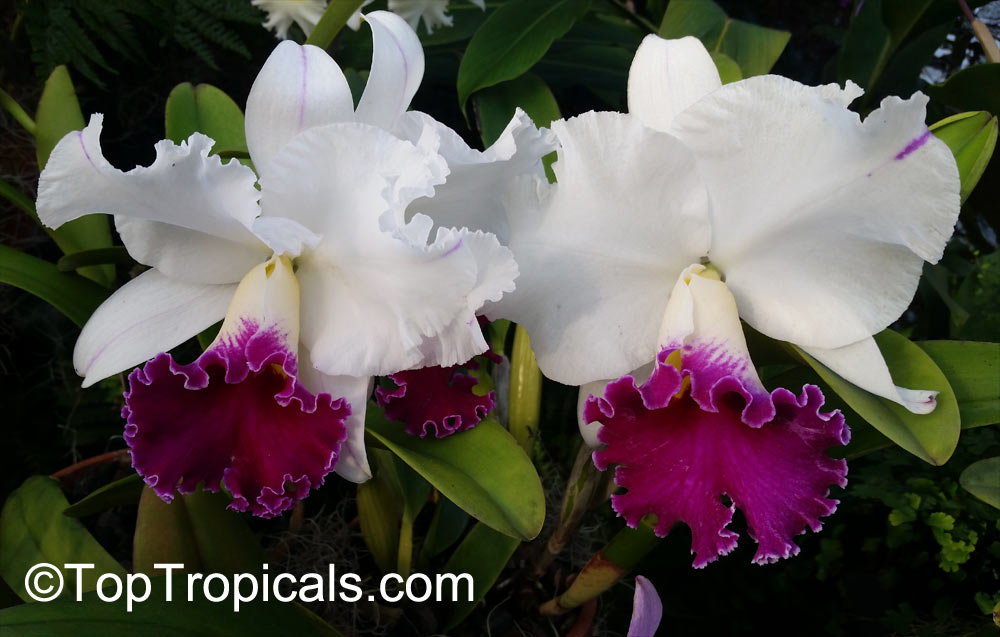
How to grow everblooming orchids?

Q: I ended up with a large collection of orchids that I was given as presents... They grow well but unfortunately after the showy blooms were gone, I don't see any more flowers, just green leaves. What do I need to do to make them bloom again? Should I fertilize them with Azalea bloom booster?

A: Orchids culture is different from garden ornamental plants. First big difference, they are epiphytes, growing in a loose bark medium rather than soil, and benefit from daily mist. Second difference is a type of fertilizer. You can not use a regular garden fertilizer on orchids, because they are very sensitive to salts. Orchids need special, acidic type of fertilizer, very mild in action.
Luckily, Sunshine Boosters formulas are exactly what orchids need! They are amino-acid based, have very mild formulas, and do not create nutrient lock up (building up salts is one of the biggest enemies of tender orchids).
A new Sunshine Boosters Orchidasm TotalFeed is scientifically balanced orchid food that contains all necessary nutrients, including micro-elements, for healthy, happy, vigorous orchids. It can be used as often as daily with every foliage spray. From our testing experience, after using Orchidasm Booster, orchids not only got happy and thriving - they also bloom more often - up to several times a year, shooting new flower spikes one after another! (while normal blooming cycle for most orchids is once a year). It gets even better - the flower display lasts twice longer!
To enjoy these beautiful flowers year around - treat them with Love, give them some Orchidasm!

See more information with pictures in Sunshine Boosters Orchid Blog
Secrets of a healthy Citrus tree

Q: We planted several citrus trees in our yard - Meyer Lemon, Grapefruit and Blood Orange. The trees came from the store full of flowers and even had a few fruit, but a year after planting - no more flowers! The old leaves are green, but new growth doesn't look healthy, leaves are yellowish and have spots, maybe eaten by bugs (?), and how do we get them to fruit?

A: Citrus plants are not the easiest trees to grow; they are susceptible to various diseases, pests, and deficiencies, especially in areas with high humidity/rainfall like Florida. Fungi, viruses, leaf minors, chlorosis - this is not a complete list of citrus common problems. In commercial groves, these conditions are kept under control by using harsh chemicals on solid schedule.
For home gardeners, growing citrus trees may become a challenge. Many people don't want to use harsh chemicals on their edibles; and those who do, may not always have time to apply treatments on a professional schedule. So as much as we all love a fresh juicy orange, growing your own may become quite a pain!
Sunshine Citron TotalFeed is your simple, eco-safe solution to a healthy looking, productive citrus tree with organic fruit! Amino-acid based formula provides all necessary elements to strengthen the tree and make it resistant to possible problems.
Did you know that treatment of leaf chlorosis (yellow leaves with dark green veins), commonly treated with iron supplements, in fact requires a complex combination of nutrients - both balanced NPK and micro-elements?
Use Sunshine Citron in combination with Sunshine GreenLeaf and Sunshine SuperFood and never see yellow chlorotic leaves again!
Apply Sunshine Epi on regular basis (every 2 weeks) and help your tree boost its immune system and stay virus-free.
Add Sunshine Honey, and you will have large, juicy fruit that are much sweeter and more flavorful than those from the store! All these boosters are compatible with each other, and perfectly natural. Eat your fruit safely and enjoy...

Read more about treating citrus tree defficiencies in Sunshine Boosters Citrus Blog.
Date: 16 Feb 2019

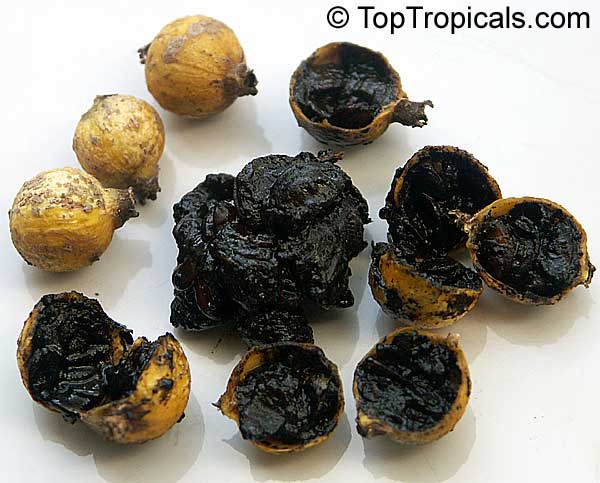
Featured plant. Randia formosa - Blackberry jam fruit

TopTropicals.com

Randia formosa - Blackberry jam fruit

This unique compact plant, perfect for container culture, combines features of a fragrant flower and tasty desert fruit. Kids love it! Originally from Central and South America, this rare tropical small evergreen tree bears fruit which tastes like fresh Blackberry jam. Many claim that it's even better than preserves. Closely related to the gardenia, its flowers are sweetly fragrant. This relatively hardy tropical has attractive foliage and can be grown in a container as well as in the ground. The Randia formosa (or Rosenbergiodendron formosum) produces as many as 25 to 30 fruits at a time. Since it blooms for a few months in the fall and winter, fruiting and flowering can be enjoyed when many other plants are dormant. Large tubular white flowers that attract nocturnal moths... Read more about this plant...

Get it from our store... Limited quanity!