Garden Blog - Top Tropicals

Date: 10 Aug 2025

Tuxedo  cat  planting  tropical  tree  with  Sunshine  Boosters  bag,  orange  cat  waving  to  kitten  with  backpack  by  school  bus  in  sunny  garden 
 scene.

🌺 Back to School and Back to Planting – Cats in the Garden

Back to School, Back to Planting – Why August Works for Tropicals

Planting Season Isn't Over Yet

August is still a good month for planting tropicals in warm climates. The soil stays warm enough to push root growth, and late-summer weather gives plants time to settle in before winter. In drier areas, regular watering will keep them moving along just fine.

Tropicals in warm climates aren't usually harmed by cooler Winter weather, but as days get shorter, growth may slow down. This is why planting in late Summer-Fall lets roots grow during this last warm stretch, so the plant enters winter already established.

By spring, those roots are ready to drive new shoots, flowers, and fruit. There's no lost time to transplant shock - plants can get straight to blooming and fruiting earlier in the season.

August Planting FAQ

How can heat be prevented from harming new tropicals?

Water in the morning so plants start the day hydrated. Warm soil is good for root growth, but don't let it dry out.

How should new plants be protected from strong sun?

For the first couple of weeks, use a shade cloth or even a white bed sheet to soften midday sun and prevent leaf scorch.

What fertilizer works best for planting in summer heat?

Controlled-release types are best. We use professional grade Green Magic. You may pair it with Sunshine Boosters for steady, gentle feeding through the warm months.

Which tropicals grow best when planted in August?

Most tropical plants do well when planted in warm end-of-summer conditions, including Mango, Avocado, Guava, Jackfruit, Annona, Bananas, Orchid Trees, Jasmines, Allamanda and most of flowering trees, shrubs and vines.

Can tropical trees planted in August produce fruit next year?

Many can, especially fast growers, since they have established roots by the time spring growth begins.

How can tropicals be kept healthy when planting in August?

Mulch around the base to help prevent soil from drying out too quickly. Water deeply in the morning to help plants handle the heat.
Shop Flowering trees

Shop Fruit trees and edibles

Date: 18 Aug 2025

🌟Repotting FAQ

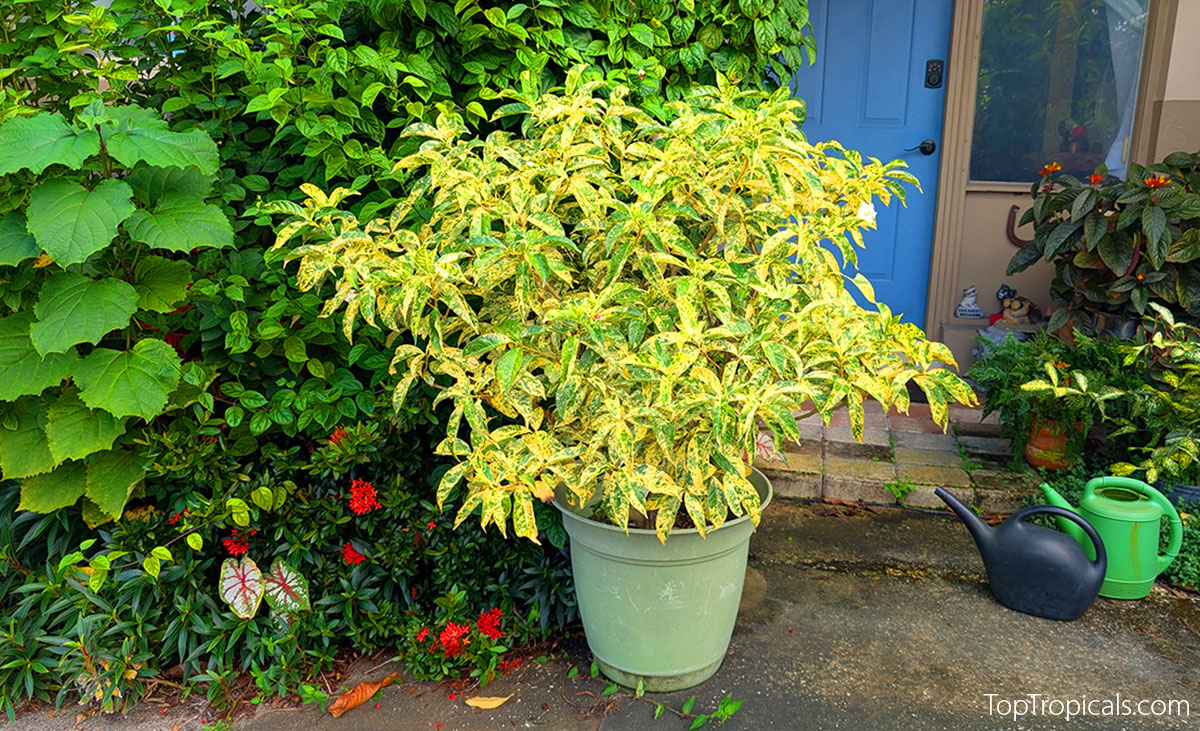
Tabernaemontana  variegated  in  container

Q: How big should the new pot be?

A: Only a few inches larger than the old one. Oversized pots hold too much moisture and may cause root rot.

Q: Why are plastic pots better than ceramic?

A: Plastic pots are lighter, easier to handle, and you can cut them if a root-bound plant is stuck. Ceramic pots are heavy, breakable, and often lack drainage.

Q: How do I safely remove a plant from its pot?

A: Turn the pot upside down and let gravity help. Never pull by the stems or leaves. If stuck, lay the pot on its side and squeeze or tap it. Cut the pot if needed.

Q: Should I remove old soil from the roots?

A: No. Roots have tiny hairs that absorb water and nutrients. Shaking off soil damages them and sets the plant back.

Q: Why must the plant sit at the same soil level?

A: Planting too deep suffocates the stem, and planting too high exposes roots. Keeping the same level protects the root crown.

Q: How soon should I water again after repotting?

A: Water thoroughly right after repotting, then wait until the top inch of soil dries before watering again.

🌱 Done! Your plant now has room to grow stronger before fall.

Shop Garden Supplies

Date: 20 Feb 2026

What tropical plants survived Floridas historic freeze without protection

Florida historic freeze

What tropical plants survived Florida's historic freeze without protection

In the first week of February 2026, arctic air pushed deep into Florida. For many areas, this was the coldest event in over a century.
We received one question over and over: How did your gardens do?
Top Tropicals Farm in Sebring, Florida is up and running - and this freeze became a real-world hardiness test for tropical and subtropical plants. Below is our initial field report after inspecting established plantings.

📊 Weather data - February 1-6, 2026


Sebring, Florida - 132 years of recorded observations
This was not a light frost. It was prolonged, windy, penetrating hard freeze.


🌡 Minimum temperature: 25F
❄️ Wind chill: 14F
⏳ Duration: 3 nights of 8-10 hour hard freeze
☀️ Daytime temperatures: around 50F for 7 days
🌀 Wind: sustained 20 mph, gusts 40-50 mph
  • Cold protection


    In-ground trees: selected plants covered with frost cloth, especially mango and young avocado trees.
    Tender container plants: moved into greenhouses with propane heat above 34F.
    Hardy container plants: frost cloth and wind protection only - no plastic
    Nutrition support: plants fertilized regularly during the growing season with Green Magic and Sunshine Boosters to maintain vigor and hardiness.

    However, the plants listed below had no protection at all.
    All were established trees 2-3 years in the ground.
  • The plants below had NO PROTECTION, established trees 2-3 years old


✅ Survived with no damage
:
  • 🍑 Tropical Fruit Trees and Edibles:


    Citrus
    Loquats
    Mulberries
    Macadamia Nut
    Jaboticabas
    Pomegranates
    Avocado - cold hardy varieties
    Feijoa - Pineapple Guava
    Psidium littorale - Cattley Guavas
    Eugenias (Grumichama, Rio Grande, Surinam and more)
    Olive trees
    Bay Leaf (Laurus nobilis)
    Fig trees (Ficus carica)
    Prunus sp - Peaches, Plums, Nectarines
    Persimmons
    Rubus (Blackberries) including Tropical Mysore Raspberry
    Elderberry (Sambucus)
    Yerba Mate - Ilex paraguariensis
    Opuntia - Nopal Cactus, Prickly Pear


🌸 Flowering Trees and Shrubs:


Beaucarnea recurvata - Pony Tail
Callistemon - Bottlebrush
Yucca
Tabebuias
Magnolia figo and Little Gem
Calliandra tweedii - Red Powderpuff
Sophora tomentosa
Galphimia gracillis - Thriallis
Acacia trees
Osmanthus fragrans
Abutilon trees
Erythrina - several species
Monkey Ear tree - Enterolobium cyclocarpum
Bauhinia Orchid Trees - several species
Pseudobombax ellipticum - Shaving Brush Tree
Bulnesia arborea- Vera Wood
Caesalpinia mexicana, Mexican Bird of Paradise
Sansevieria - Snake Plant
Foxtail fern - Asparagus densiflorus
Lonicera - several varieties
Jacaranda tree
Eucalyptus
Plumbago Imperial Blue
Philodendron bipinnatum
Gardenias
Gingers (dormant rhizomes)

✳️ Minimal leaf damage only:
(These plants showed light cosmetic damage but no structural injury)

🍑 Tropical Fruit Trees and Edibles:


Glycosmis pentaphylla - Gin Berry
Black sapote tree
Tamarind tree
Syzygiums: Rose Apple and Java Plum

🌸 Flowering Trees and Shrubs:


Pandora vine
Jasminum - several species
Stenocarpus sinuatus - Firewheel Tree
Xanthostemon
Quisqualis indica
Schotia tree
Eranthemum pulchellum - Blue Sage
Hiptage benghalensis - Helicopter Flower

🏡 What this means for Florida gardeners


This freeze was a stress test few gardens are prepared for. Yet many species handled 25F, wind, and multi-night freeze conditions without protection.
Choosing proven survivors, planting in smart microclimates, and maintaining strong plant health during the growing season makes a measurable difference.
More updates will follow as full recovery continues - but these early results already help define a stronger plant palette for future winters.

🛒 Explore cold tolerant tropical plants and cold hardy Avocados

📚 Learn more:


🎥 These Avocados survived 3 nights of 25F hard freeze, Florida Record Freeze

#Discover #How_to

🟢 Join 👉 TopTropicals

Date: 4 Mar 2026

The Magic Number 65: when tropicals finally wake and the 7-Day Rule you should know

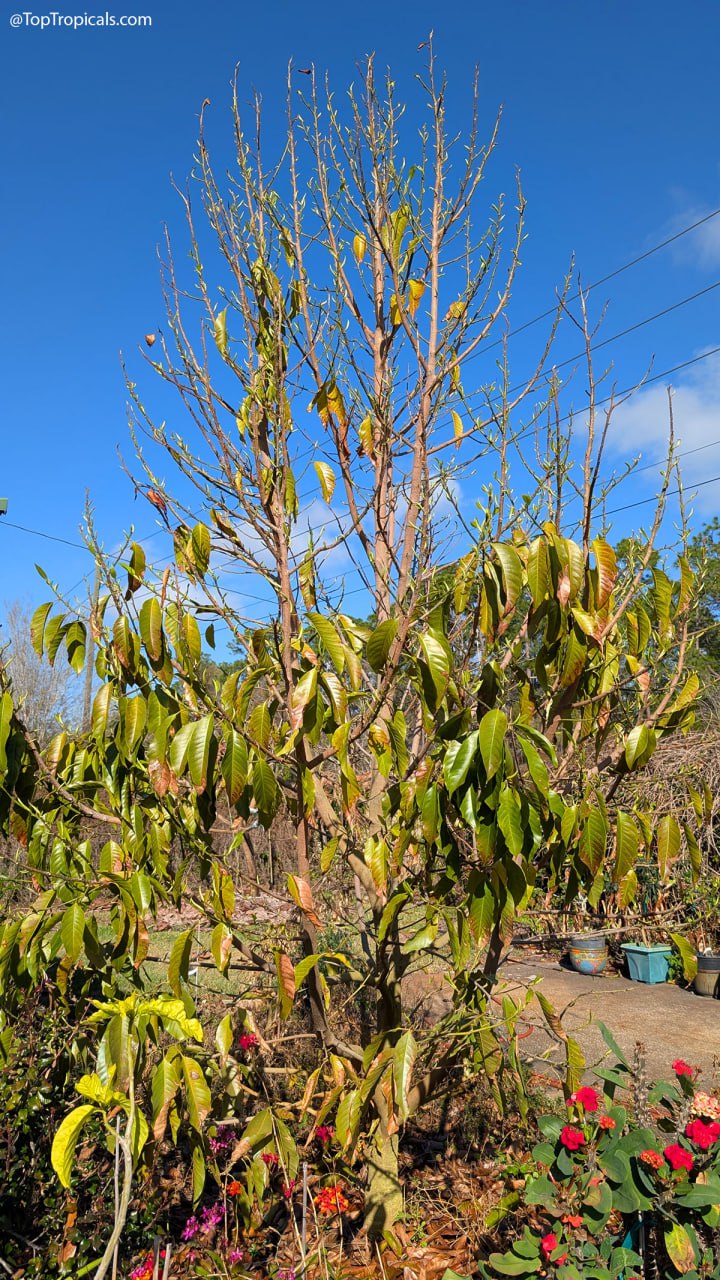
Champaka tree new growth sprouts

Champaka tree new growth sprouts

A Champaka tree (Joy Perfume Tree) first fresh sprouts

A Champaka tree (Joy Perfume Tree) first fresh sprouts

The Magic Number 65: when tropicals finally wake and the 7-Day Rule you should know 🌱

Discover the "Magic 65" rule for waking up your garden and the exact time to start fertilizing for maximum growth. Learn the specific temperature threshold that signals your tropicals to wake up and how to handle spring cold snaps.
  • 🌿 If you’ve been staring at your dormant trees and shrubs wondering if they survived the winter, you aren't alone. The most frequent question every spring is: "When will my tropical plants start sprouting?"
  • 🌿 While the calendar might say spring, tropical plants don’t use a watch - they use a thermometer. If you want to see green shoots and active growth, there is one "Magic Number" you need to watch: 65F 🌡
  • 🌿 The 7-Day Rule for Tropical Growth


    The gold standard for the tropical world is simple: plants generally wake up when minimum nighttime temperatures remain at or above 65F for at least one full week.
  • 🌿 Why 65°F?


    Tropical species are biologically programmed to stay dormant to protect their cell structure from cold damage. A single warm day won't fool them, but seven consecutive nights of 65F+ signals that the "growing season" has officially arrived. Once you hit that 7-day mark, you’ll see buds pushing and fresh leaves finally sprouting.
  • 🌿 Can You Force Them to Wake Up Faster?


    Patience is a virtue, but if you’re looking to "push" your plants, focus on two things:

🌞 Sun Exposure: Ensure they are in the brightest spot possible to warm the soil.
♨️ Heat Retention: Use dark mulch or move potted plants onto concrete surfaces that retain daytime heat.
  • 🌿 When to Start Fertilizing


Don’t reach for the fertilizer until you see that active growth. Feeding a dormant plant can lead to root rot or wasted nutrients.
  • 👉 The Signal: After that first week of 65F nights.

The Action: Once you see green tips, start your fertilization routine. This is when the plant actually has the metabolic "engine" running to use those nutrients.
  • 🌿 Watch Out for the "False Spring"


    Before you go all-in, ensure the risk of a hard freeze has passed. A minor cold snap - a few nights in the 50s - won't kill your progress, but it will act as a "pause" button. If cool weather persists, tropicals may "lock up" and return to dormancy. If that happens, simply reset your clock and wait for the next stretch of 65F nights.
  • 🌿 Ready for the Wake-Up Call? Fuel Your Tropical Growth!

Don’t get caught empty-handed when that 7th day of 65F hits. Stock up now so you can feed them the moment they wake up. Using the right nutrients during the active growth phase is key to lush blooms. Check out our curated selection of professional-grade fertilizers:

🛒 Get my growth boosters for every tropical type

📷 Recovery in Action: The Joy Perfume Tree - Champaka showing off its first fresh sprouts in March after a chilly Florida winter. This is exactly what happens once you hit that 7-day streak of 65F nights!

📚
Learn more:
Why is my Champaka Tree dropping leaves?

#How_to #Discover

🟢 Join 👉 TopTropicals

Date: 22 Mar 2026

Do Fruit Trees Increase Property Value? Tropical Plants That Pay Off

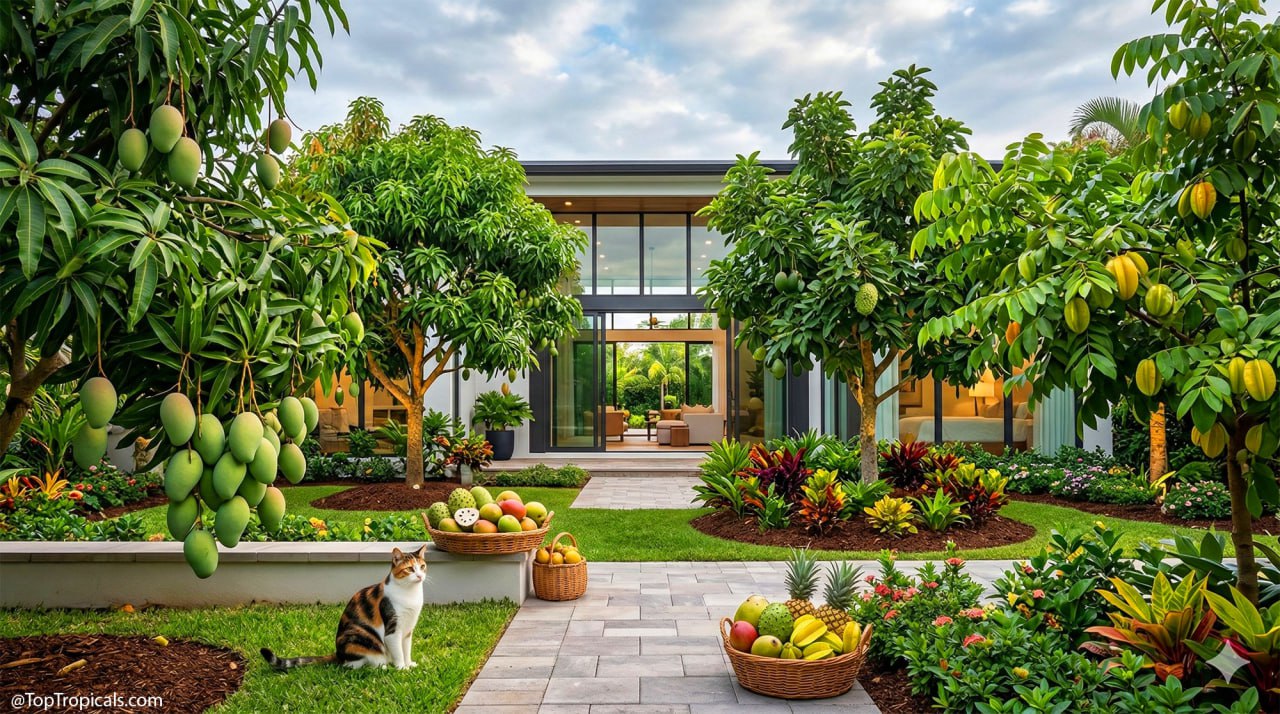
Yard with fruiting tropical trees

Yard with fruiting tropical trees

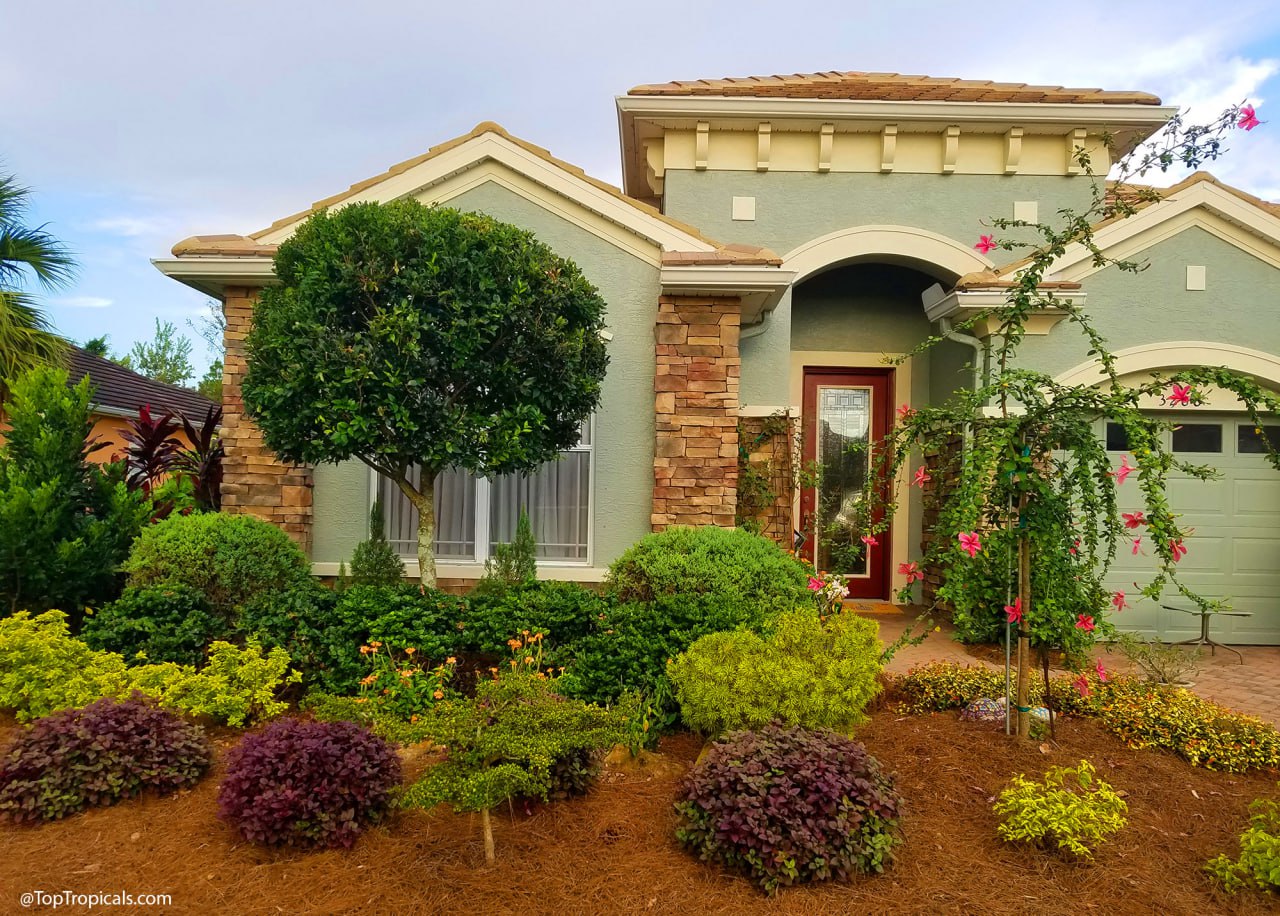
Landscaped yard in Florida

Landscaped yard in Florida

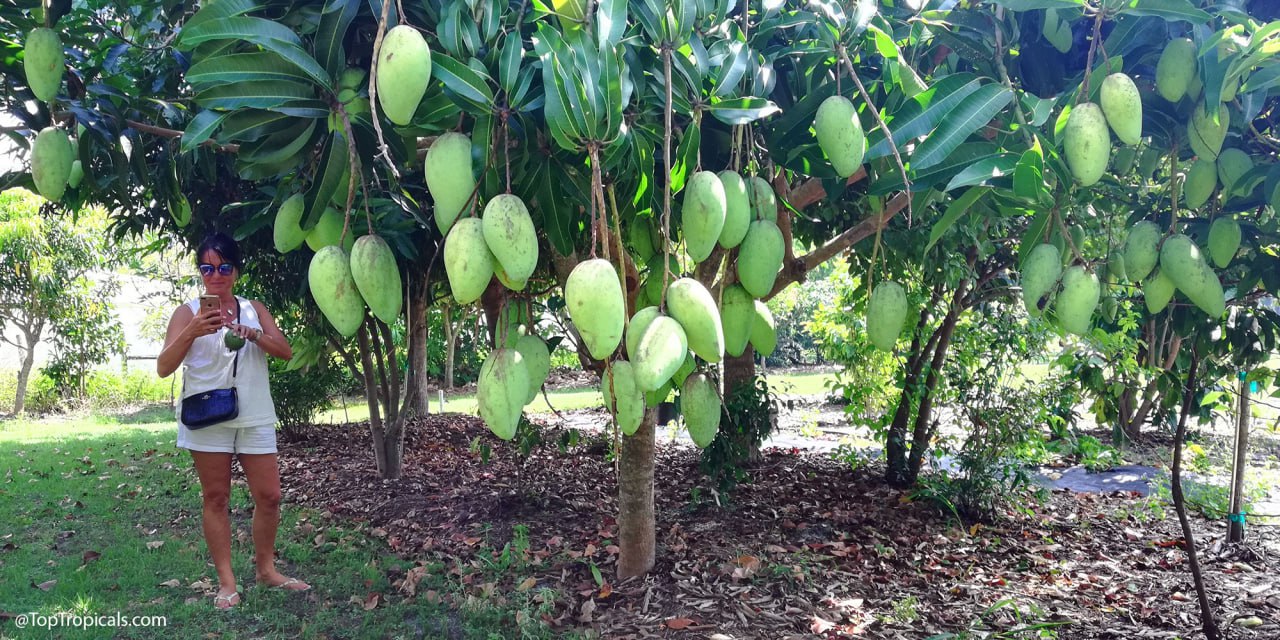
Mango tree fruiting in the garden

Mango tree fruiting in the garden

Do Fruit Trees Increase Property Value? Tropical Plants That Pay Off 🏡

Can your backyard pay for itself? Learn which 12 tropical fruit trees real estate experts say are the smartest investment for your landscape. Discover how tropical fruit trees like mango and avocado add "edible equity" and curb appeal to your property, making it more desirable to future buyers. Turn your yard into a private paradise that lowers grocery bills and boosts home value.

In warm climates like Florida, a mango tree isn't just landscaping - it’s a food-producing asset. Mature tropical fruit trees offer "edible equity," saving homeowners hundreds in grocery bills while creating a unique, memorable aesthetic for buyers.
  • 🥭 1. Focus on "Instant Recognition" Favorites


    Trees buyers already know and love provide the strongest ROI. They signal that the yard is already productive - something new builds can’t offer.

  • •  Top Picks: Mango, Avocado, Papaya, Banana, Guava, and Loquat.
  • •  The Value: A single mature avocado or mango tree can yield hundreds of pounds of fruit annually.


🥭 2. Create a "Memorable Discovery" with Exotic Varieties


Unusual fruits turn a standard yard into a tropical orchard, acting as a conversation piece during home tours.
  • •  The Exotic List: Jackfruit, Sugar Apple, Soursop, Sapodilla, Ice Cream Bean, and Star Fruit.


🥭 3. Strategic Placement for Energy Savings


Large-canopy trees like jackfruit or mango do more than provide food; they act as natural insulation.
  • •  Natural Cooling: Strategic planting reduces afternoon sun exposure and lowers AC costs.
  • •  Indoor/Outdoor Flow: Use trees to frame window views, block neighbors, and create private "outdoor rooms."


🥭 4. The Power of the "Mini Orchard"


A collection of 3–5 trees creates a stronger emotional pull than a lone plant. Buyers begin to visualize a lifestyle of smoothies and harvests.
  • •  Winning Combos: Mango + Avocado + Papaya or Guava + Star Fruit + Banana.


🥭 5. Maintenance: Health Equals Value


Fruit trees only add value if they look manageable. A neglected tree suggests a neglected home.
  • •  Pre-Sale Prep: Prune for tidiness, mulch the base, and clear fallen fruit.
  • •  Spacing Matters: Avoid overcrowding; ensure buyers can walk comfortably through the yard without feeling "closed in."


🥭 The Long-Term Play


Unlike decorative plants that may need frequent replacement, fruit trees appreciate over time. Because a mango tree takes years to reach peak production, the best time to plant for future resale value is now. By the time you list, your yard will offer shade, privacy, and a harvest that buyers find hard to resist.

🛒 Start Growing Your Edible Equity - Find the Perfect Fruit Tree for Your Yard

📚 Learn more:

Plant Facts

Mangifera indica
Mango
USDA Zone: 9-11
Large tree taller than 20 ftSmall tree 10-20 ftFull sunModerate waterYellow, orange flowersPink flowersEdible plantSeaside, salt tolerant plant

Mango trees in Plant Encyclopedia

#Food_forest #How_to #Discover

🟢 Join 👉 TopTropicals