Garden Blog - Top Tropicals

Date: 10 Apr 2025

Plant Smarter: Grow Your Own Brain Boosters - Part 1
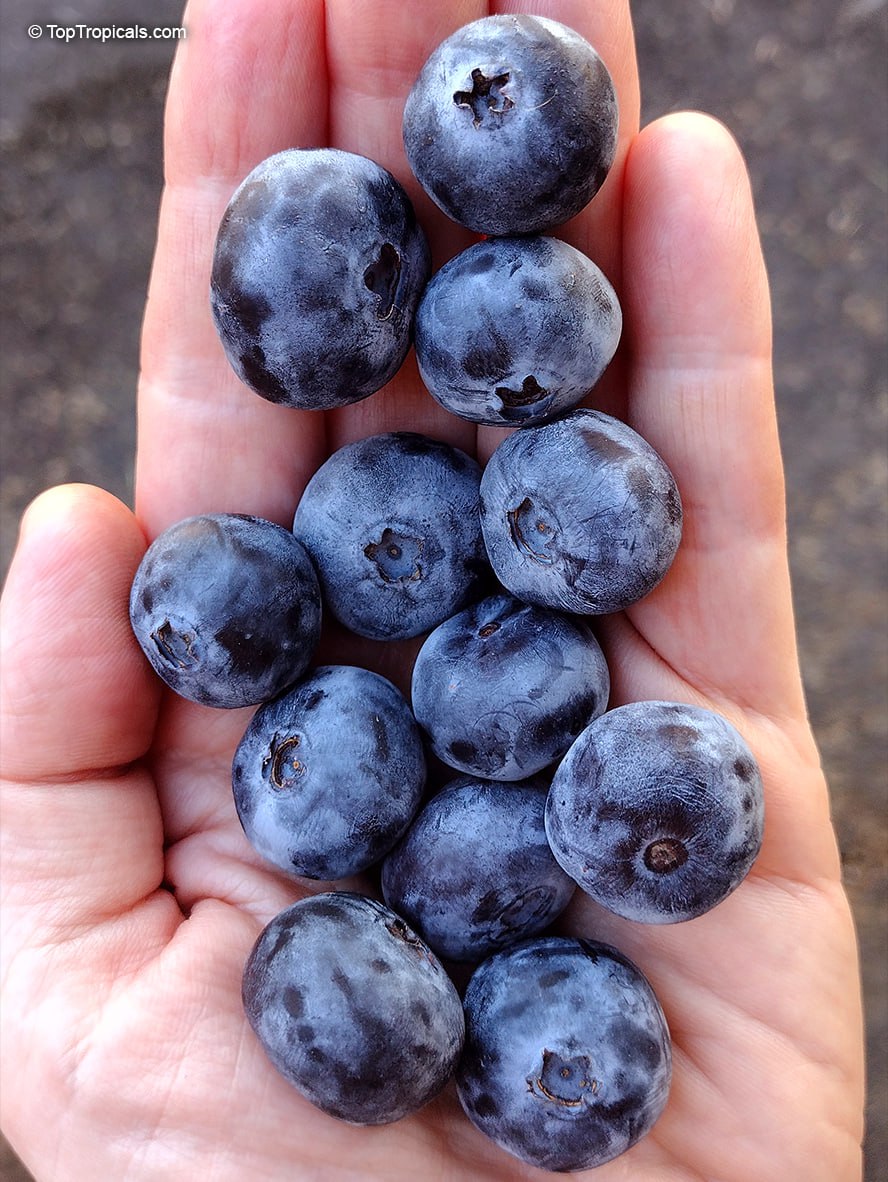
Blueberries
Blueberries

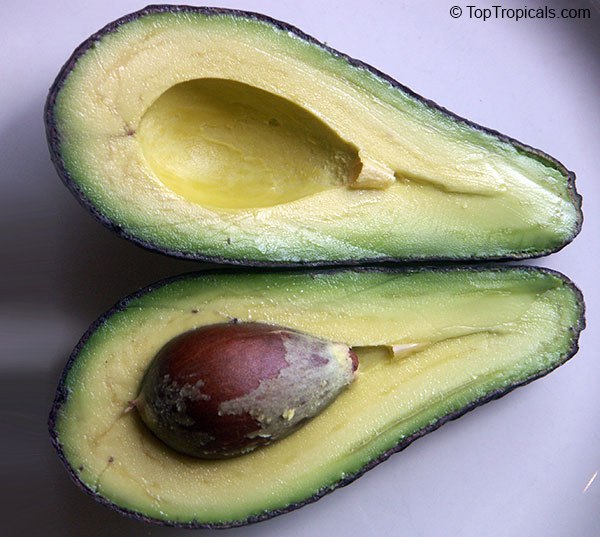
Avocado

Avocado

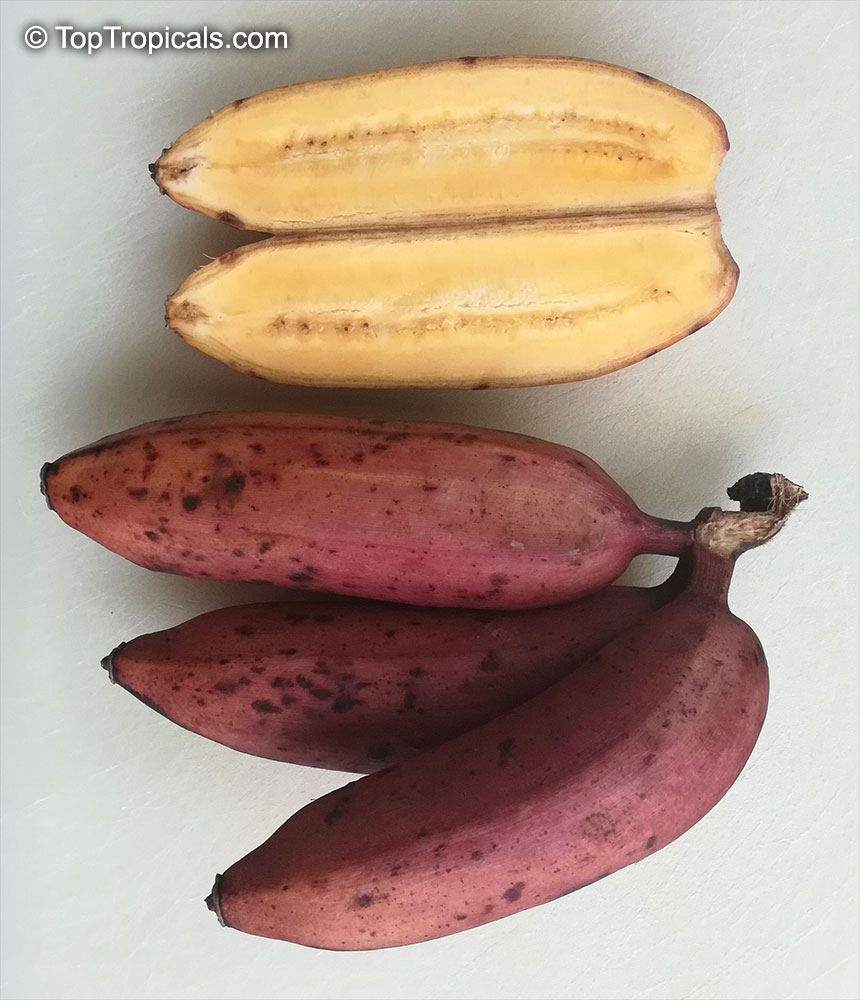
Red Banana

Red Banana

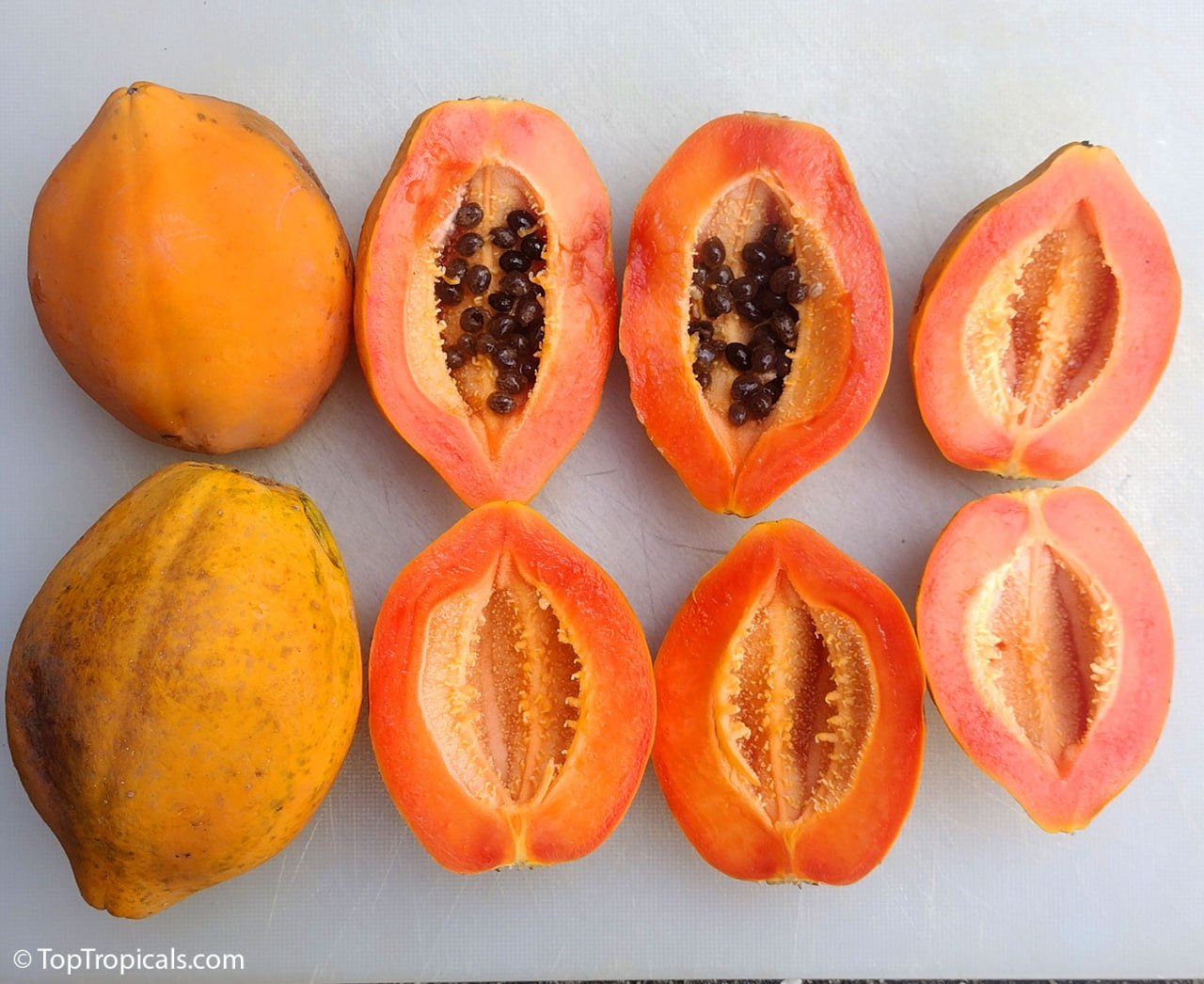
Papaya

Papaya

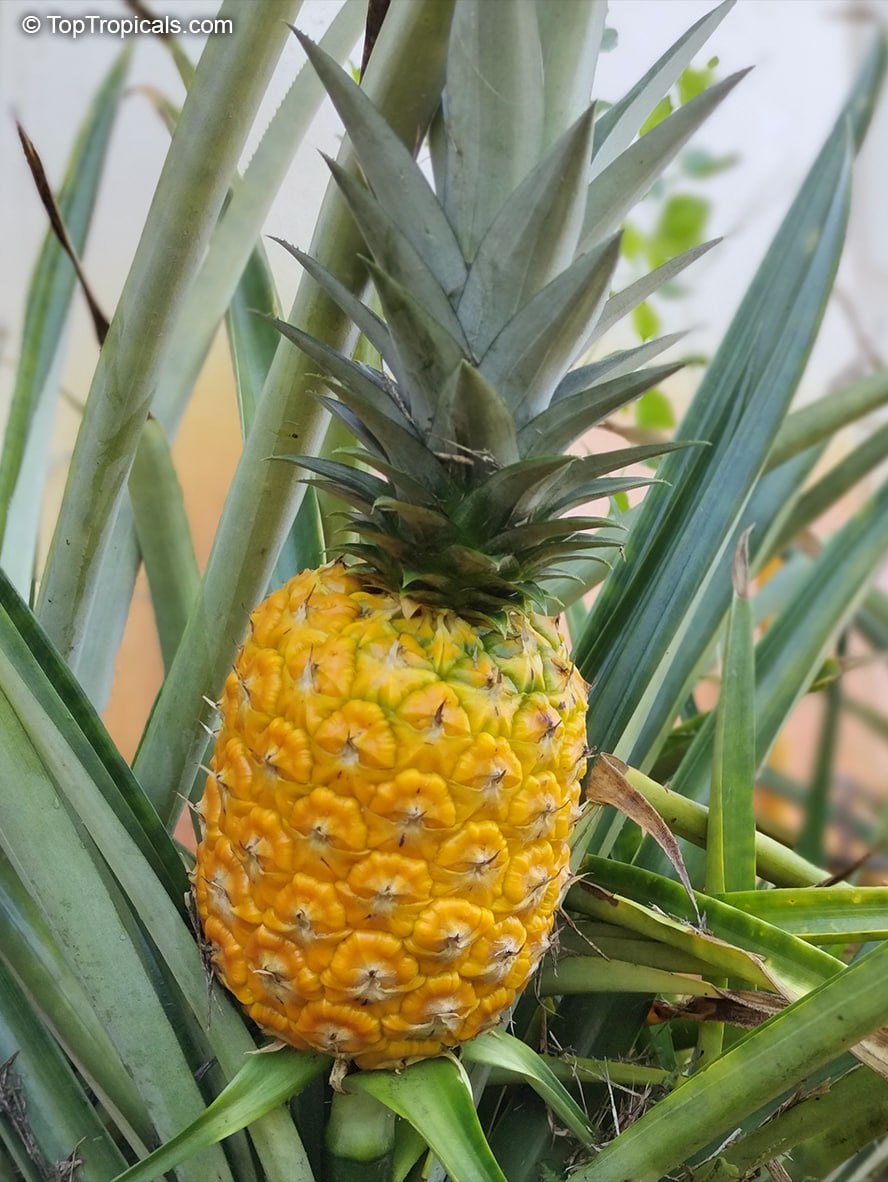
Pineapple

Pineapple

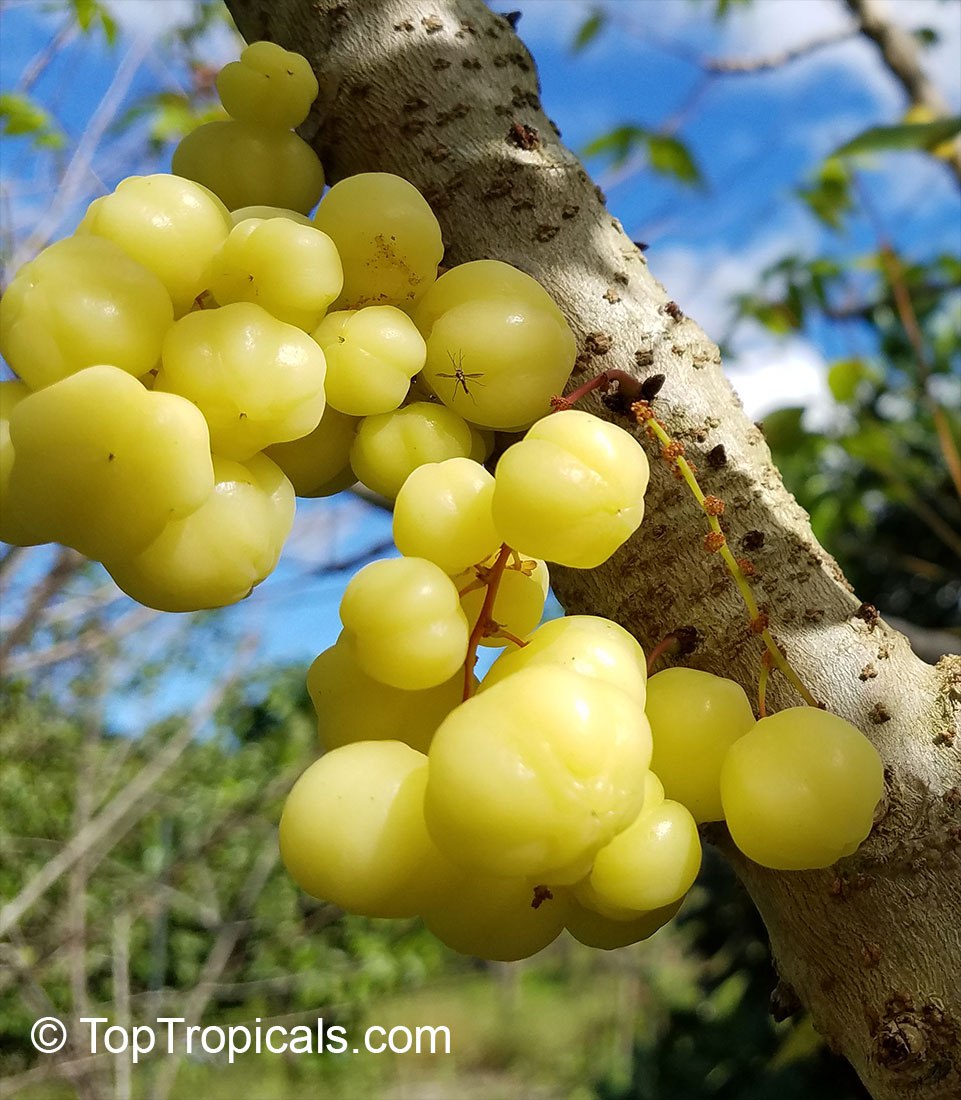
Amlak (Indian Gooseberry)

Amlak (Indian Gooseberry)

Plant Smarter: Grow Your Own Brain Boosters - Part 1


Want to stay sharp, focused, and energized - naturally?
Don't just eat smart - plant smart. These tropical fruits and herbs aren't just delicious - they're packed with memory-boosting, focus-enhancing, and brain-protecting compounds. When you grow them in your own garden, you're building a personal pharmacy of mental clarity and cognitive power. No pills. No plastic bottles. Just real plants with real benefits, right outside your door.


Memory & Cognitive Support (Brain Boosters)


Tropical Fruits:
  • 🟡 Blueberries – Rich in flavonoids and antioxidants; support memory and cognitive performance (Note: not tropical, but widely grouped due to powerful brain benefits).
  • 🟡 Avocado – High in monounsaturated fats, supports healthy blood flow to the brain.
  • 🟡 Banana – Contains vitamin B6 and potassium, essential for neurotransmitter function.
  • 🟡 Papaya – High in antioxidants and vitamin C, may protect brain cells from oxidative stress.
  • 🟡 Pineapple – Contains bromelain and vitamin C, which may reduce inflammation and support brain health.
  • 🟡 Amla (Indian Gooseberry) – One of the richest natural sources of vitamin C. Used in Ayurvedic medicine to enhance memory, focus, and longevity. Acts as a neuroprotective, anti-inflammatory, and adaptogen.

Edible Plants and Herbs: continued in next post ⤵️

🛒 Give your brain what it craves, shop tropical brain boosters: Fruit Trees & Herbal Plants

#Food_Forest #Remedies #Bananas #Discover

🔴 Join 👉 TopTropicals
Date: 10 Aug 2025

🍈 We Cut Open a 37 lb Jackfruit - You Won't Believe What's Inside!

🍈 Cutting into a 37-pound Jackedak Jackfruit with Chiane and Ashley!

🍈 Join us at Top Tropicals as we explore one of the largest fruits on Earth - the mighty Jackfruit. From golden, juicy bulbs bursting with tropical sweetness to edible seeds and the soft “rag” with hints of bubblegum, pineapple, and custard, this giant fruit has more surprises than expected.

  • ✔️Learn how to cut and clean a jackfruit
  • ✔️See which parts are edible (you might be surprised!)
  • ✔️Why it's a favorite for exotic fruit lovers
  • ✔️Hear our taste-test reactions: bubblegum, custard, pineapple?

🍈 Whether you're into exotic fruits, cooking, or growing your own tropical trees, this is one tasty experience you don't want to miss.

🍈 Want to grow your own Jackfruit? We've got you covered!

Watch the video

Read Garden Blog about Jackfruit

Buy Jackfruit Trees - Delivered to Your Door

Date: 6 Jan 2020

Ever heard of Chupa-Chupa?

By Mark Hooten, the Garden Doc

...I wonder how many knowledgeable people here have even heard of the national fruit of Brazil? Ever heard of the chupa-chupa tree? Almost no-one in this country has, unless they are either Brazilian by birth, or perhaps visit there regularly, exploring the abundant fresh-fruit markets. It is a magnificent fruit tree, and deserves to be better known here...
The flesh inside is bright orange, very sweet, and especially juicy! ...Something you might imagine as an unlikely cross of cantaloupe and pineapple, and that it is especially juicy similar to a good pineapple...

CONTINUE READING >>

Date: 3 Aug 2018

Featured Plant. Monstera deliciosa - Swiss cheese plant

TopTropicals

Monstera deliciosa - Swiss cheese plant

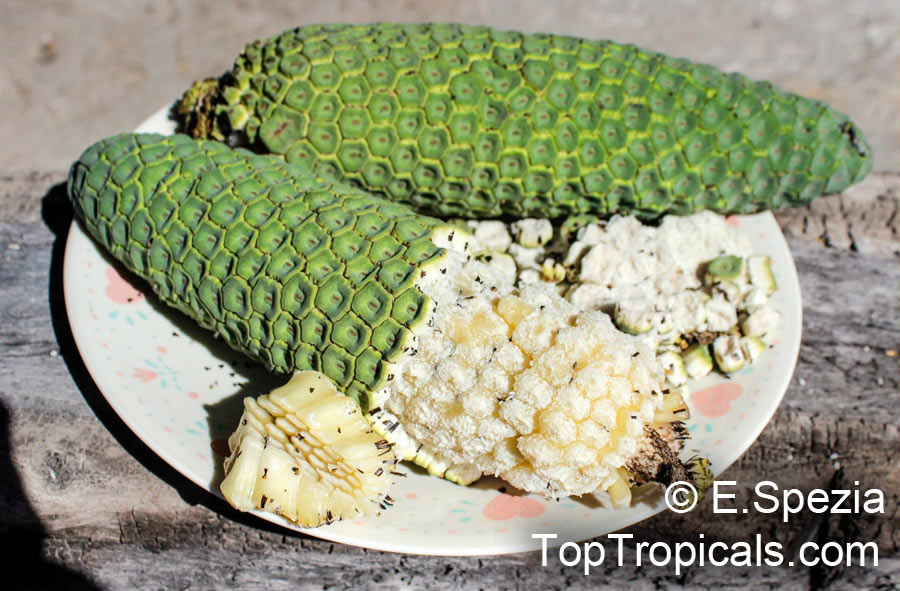
Swiss cheese plant is a jungle climbing relative of the philodendron from Mexico and Guatemala. It is seen in gardens in tropical and subtropical areas, growing well in partial sun or shade. The plant begins bearing fruit after three years. The large deep green, cone-like fruit is actually an unripened flower spike, covered with hexagonal scales that dry out and separate as the fruit ripens from the base upwards, revealing the white pulp. It takes a little longer than a year to mature to an edible stage. The fruit tastes kind of like a cross between a sugar apple and a pineapple. Very perfuming smell and taste! It's so amazing, can't figure the consistency, but totally a pineapple sugar apple cross... But wash the black specks off before eating - they will sting your tongue.

Check out this plant...

Date: 2 Jan 2026

Why white-flesh Dragon fruits deserve more attention?

White Dragon fruit varieties (Hylocereus undatus)

🏆 Why white-flesh Dragon fruits deserve more attention?

  • ✔️ Fast growers, heavy producers.


    White-fleshed Dragon fruits are often overlooked, but they are the real workhorses of the Pitaya world. These varieties tend to be more vigorous, faster growing, and less demanding than red-fleshed types. They establish quickly, handle a wider range of conditions, and are usually heavier producers.
  • ✔️ Juicy, light, and refreshing.


    Flavor-wise, white-flesh types are milder and juicier, with higher water content and lower sugar. That makes them refreshing, hydrating, and a good choice for people watching sugar intake. Because they set fruit more reliably and produce larger crops, white-fleshed dragon fruits are often the best option for beginners and for anyone who wants dependable harvests without fuss.
  • ✔️ The sweetest of them all.


    Yellow-skinned dragon fruit with white flesh takes things one step further. While the plant itself is a bit slower and more selective, the fruit is the sweetest and most flavorful of all dragon fruits, often described as honeyed or tropical with pineapple notes.


✍️ The best white-fleshed Dragon fruit varieties:

  • 🔴 ⚪️ Red skin, white flesh (Hylocereus undatus): the most common and productive group. These plants are vigorous, fast-growing, and known for large fruit size. Flavor is mildly sweet and very refreshing, often compared to kiwi or pear. Excellent choice for heavy production and easy care.
  • Varieties: David Bowie, Delight, Hana, Lake Atitlan, Seoul Kitchen, Vietnamese Jaina, Hana

  • 🟡⚪️ Yellow skin, white flesh (Hylocereus, or Selenicereus megalanthus) - Smaller fruit but unmatched sweetness. Crisp, juicy flesh with honey, pineapple, or tropical notes. Less productive than red-skin whites, but prized for flavor above all else.
  • Varieties: Amarilla (Kirin), Colimbiana, Godlen Dragon, Palora, Thai Gold (Hawaiian)

    Quick Takeaway:


⚪️ White-flesh reds = most vigorous, most productive, easiest to grow
🟡 Yellow with white flesh = sweetest and most flavorful
🔴 Red-flesh types = richer flavor but usually slower and less productive

🛒 Explore and collect Dragon Fruit varieties

📚 Learn more:

Plant Facts

Hylocereus sp.
Pitaya, Pitahaya, Dragon Fruit, Strawberry Pear
USDA Zone: 9-11
Large shrub 5-10 ft tallVine or creeper plantSemi-shadeFull sunModerate waterWhite, off-white flowersThorny or spinyEdible plantSubtropical plant. Mature plant cold hardy at least to 30s F for a short timeSeaside, salt tolerant plant

  • 📱 How to grow Dragon Fruit
  • 📱
  • 📱

#Food_Forest #Dragon_Fruit #Discover

🟢 Join 👉 TopTropicals