Garden Blog - Top Tropicals

Date: 13 Jun 2026

Why June Is the Most Important Month for Potted Tropical Plants

Cats Smokey and Sunshine planting tropical plants

Cats Smokey and Sunshine planting tropical plants

Why June Is the Most Important Month for Potted Tropical Plants


For many tropical plants, June is the start of peak growing season. Days are longer, temperatures are warmer, and plants that spent winter indoors or in a greenhouse are suddenly growing at full speed.
A few simple tasks now can mean stronger growth, more flowers, and better fruit later in the season.


Smokey: Sunshine, why are you mixing fertilizer with coffee and donut crumbs?
Sunshine: I'm testing a new growth formula.
Smokey: Based on what research?
Sunshine: Based on a highly controlled breakfast study. I call it Hibiscus Turbo Boost Deluxe.


✅ 1. Repot Before Plants Become Root-Bound


·  If roots are circling the pot, growing through drainage holes, or the soil dries out unusually fast, it's time to move up one pot size.
·  Fresh potting mix provides new space, better drainage, and access to nutrients that older soil may no longer contain. Use professional soilless mix Abundance for best results.
·  Don't jump from a small pot to an oversized container. One size larger is usually enough.

✅ 2. Feed Hungry Summer Growth


· Tropical plants are no longer resting. They are actively producing roots, leaves, flowers, and fruit.
· June is the perfect time to begin regular feeding.
· A balanced fertilizer program helps support strong growth, while products such as Green Magic and Sunshine Boosters provide additional nutrients that fast-growing tropicals can quickly use during summer.
· A well-fed plant grows faster, recovers from stress better, and flowers more heavily.

✅ 3. Acclimate Plants to Full Sun


One of the most common mistakes is moving a plant directly from indoors or a greenhouse into full summer sun. Leaves that developed in shade can burn within hours.
Start with bright shade or morning sun, then gradually increase exposure over one to two weeks. Even sun-loving plants benefit from a transition period.

✅ 4. Prune for Shape and Strength


June is an excellent time to remove weak, damaged, or overly long branches.
Light pruning encourages branching and creates a fuller, stronger plant.
For fruit trees, selective trimming can also help maintain a manageable size for container growing.

✅ 5. Check for Pests Before They Multiply


·  Warm weather brings rapid plant growth - and rapid pest growth.
·  Inspect new leaves, stems, and undersides of foliage for aphids, scale, spider mites, mealybugs, and whiteflies.
·  Treat problems early before populations explode during the heat of summer. We recommend Sunshine NoBug all-natural pesticide.

✅ 6. Add Stakes, Trellises, and Supports


·  Many tropical plants can double or triple their size during summer.
·  Climbing plants, vanilla orchids, passion fruit, dragon fruit, mandevilla, and many vining species appreciate support before they become tangled.
·  Installing stakes or trellises now is much easier than trying to do it later.

✅ 7. Water for Active Growth


·  A tropical plant that needed water once a week in spring may need it every day during summer.
·  Higher temperatures mean faster growth, greater water use, and more nutrient uptake.
·  Check containers frequently, especially during hot or windy weather. Water thoroughly and allow excess water to drain away.

✅ 8. Refresh Mulch and Clean Up Pots


·  Remove weeds, old leaves, and debris from containers.
·  A thin layer of mulch helps moderate soil temperatures and slows moisture loss during the hottest months.
·  Clean pots also reduce hiding places for pests and disease.

✅ The Bottom Line


June is when potted tropical plants shift into high gear. Repot if needed, fertilize regularly, inspect for pests, provide support, and keep up with watering. A little attention now often produces the biggest growth, best blooms, and heaviest fruiting of the entire year.

🛒
Get fresh soilless mix and real food for your plants

📚
Learn more:
Sunshine Boosters: Complete Plant Nutrition System
Why young trees need staking?
The SECRET growers never tell you: simple trick how to bring plants back to life and keep green 
How to re-pot a plant properly?

#Discover #How_to #Smokey_Sunshine

🟢 Join 👉 TopTropicals

Date: 21 Jun 2026

How to Grow Massive, Exotic Lobster Claw Blooms Anywhere (Even in Pots!)

How to Grow Massive, Exotic Lobster Claw Blooms Anywhere (Even in Pots!)

How to Grow Massive, Exotic "Lobster Claw" Blooms Anywhere (Even in Pots!)


If you’ve ever dreamed of transforming your patio or backyard into a lush, dramatic tropical getaway, there is one iconic plant that needs to be on your radar: Heliconia rostrata - famously known as the Lobster Claw or Parrot’s Beak.
With its massive, neon-bright, dangling inflorescences, it looks like something straight out of a high-end botanical resort. But here is the best-kept secret in tropical gardening: you don’t need to live in the deep jungle to grow them. Whether you have a sprawling tropical landscape or a simple sunny patio in a colder climate, this showstopper is ready to perform.


🔻 Why Heliconia Rostrata Rules the Tropics


There’s a reason the Lobster Claw is one of the most recognized and celebrated exotic plants in the world. It delivers maximum visual drama with surprisingly little fuss.

Jaw-Dropping Blooms: The vibrant, cascading flower bracts feature intense shades of red, yellow, and green, looking exactly like bright lobster claws or parrot feathers.
Unbeatable Vase Life: These flowers don’t just look spectacular on the plant; they last for weeks in water, making them the ultimate centerpiece for tropical floral arrangements.
Instant Scale: Growing up to 7 feet tall, a healthy cluster of Heliconia creates a dense, gorgeous tropical screen in no time.

🔻 The Container Secret: Growing in Pots


Think your winter weather is too harsh for jungle exotics? The Lobster Claw is surprisingly resilient. While it loves tropical heat, it can actually withstand brief temperature drops down into the high 20s F.
More importantly for northern gardeners, it adapts beautifully to container life.

By planting your Heliconia in a large, sturdy pot, you unlock the ability to grow them anywhere. When summer hits, your patio becomes a tropical oasis. When winter sets in and sustained freezing weather arrives, you simply roll the container into a greenhouse, garage, or bright indoor room until spring.

🔻 Pro-Tips for Maximum Blooms


To get those massive, vibrant stalks to stretch to their full potential, just follow these three golden rules:

1. Give the Underground Room
Heliconias grow from thick underground structures called rhizomes. To get a 7-foot canopy, use a large, deep pot with excellent drainage. Give those stalks room to multiply and spread!

2. Keep the Fuel Coming

These are fast-growing plants that require plenty of energy to produce those heavy, cascading flowers. Keep the soil consistently moist (never soggy) and feed them regularly with a high-quality tropical fertilizer to maximize bloom production. We put a scoop of Green Magic controlled release fertilizer every 6 months and Sunshine Booster Megaflor that is safe to apply with every watering, year around.

3. Sun and Shelter
Position your plant where it can soak up plenty of bright, filtered sunlight or partial afternoon sun. Try to protect it from harsh, whipping winds so those beautiful, banana-like leaves stay pristine and tear-free.

🛒 Claim Your Lobster Claw

📚 Learn more:

Lobster Claw Plant Facts

Botanical name: Heliconia rostrata, Bihai rostrata
Also known as: Lobster Claw, Parrot's beak
USDA Zone: 9 - 11
Highligths Small plant 2-5 ftSemi-shadeShadeFull sunWatering: Regular. Let topsoil dry slightlyYellow, orange flowersRed, crimson, vinous flowersSubtropical plant. Mature plant cold hardy at least to 30s F for a short timeFlood tolerant plantSeaside, salt tolerant plant
Get personalized tips for your region

Heliconia rostrata in Plant Encyclopedia
Blooming Lobster Claw Show at TopTropicals
Lobster Claw - Simply Spectacular
How to grow Lobster Claw
🎥 Lobster Claw Show at TopTropicals

#Hedges_with_benefits #Shade_Garden #Nature_Wonders #Discover

🟢 Join 👉 TopTropicals

Date: 30 Dec 2022

Cold protection for tropical plants

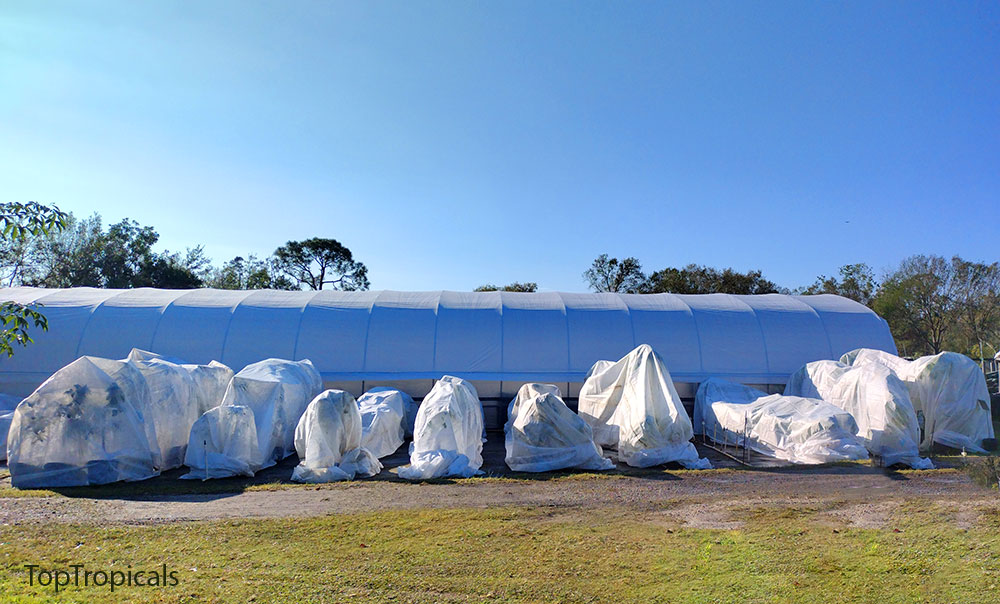
greenhouse  and  cold  protection  covers  on  tropical  plants

Pushing the limits of tropical gardening

The year is almost over but the winter is not. This Christmas weekend at our Sebring B-farm we had it down to 30F. As a tropical gardener, winter can be challenging, especially if you grow plants outside of tropical zones.

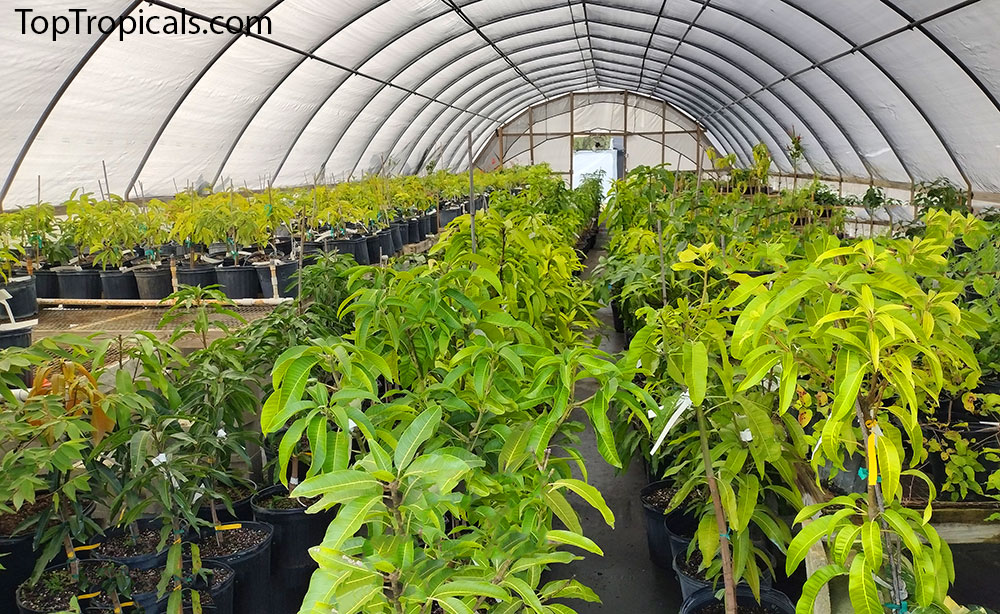
greenhouse  with  tropical  plants

To protect your garden from the cold, consider the following:

1. Monitor freeze watches and be prepared to take action if necessary.
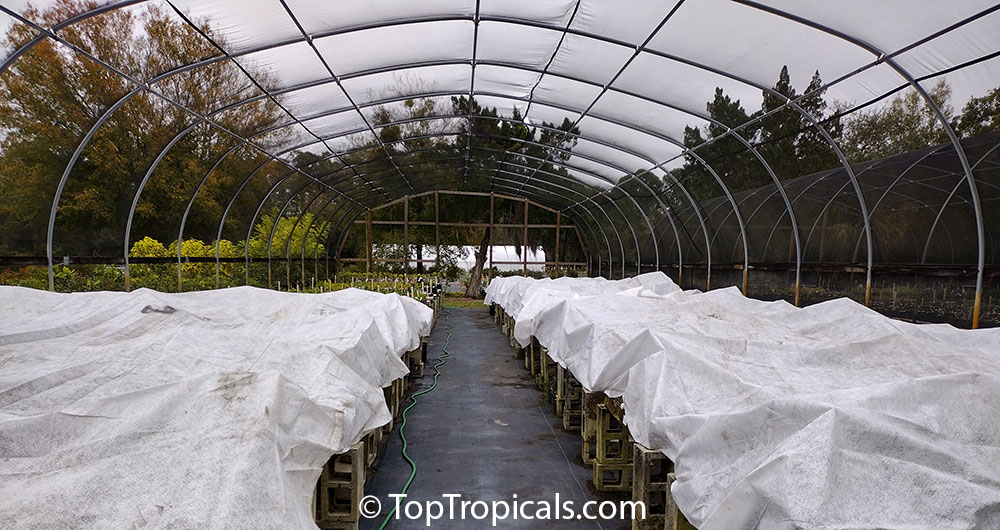
2. Create temporary structures like mini-greenhouses using PVC pipes, carport frames, or bamboo sticks to support covers.
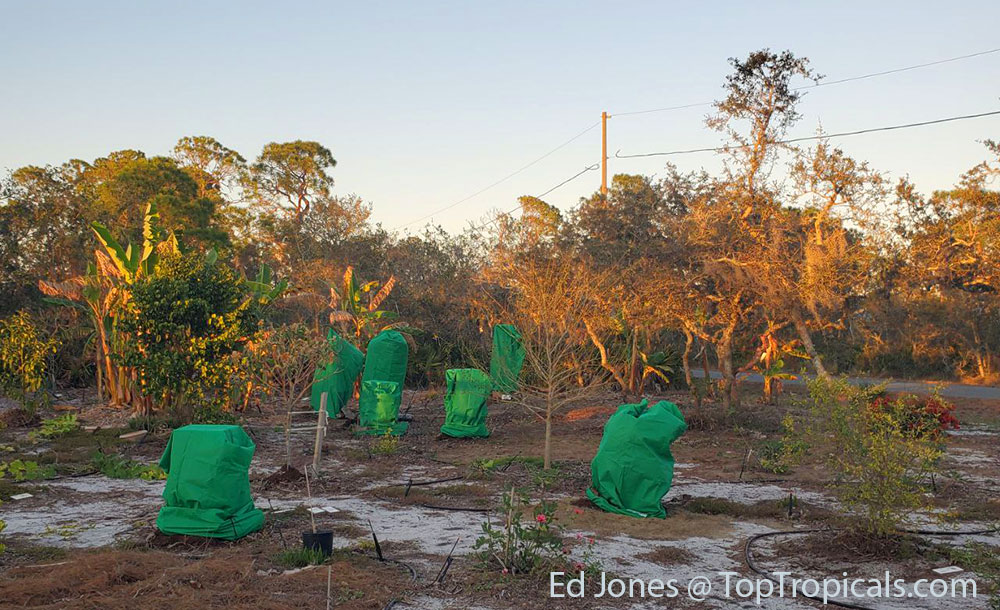
3. Use covers such as frost cloth, cardboard boxes, blankets, and bed sheets.
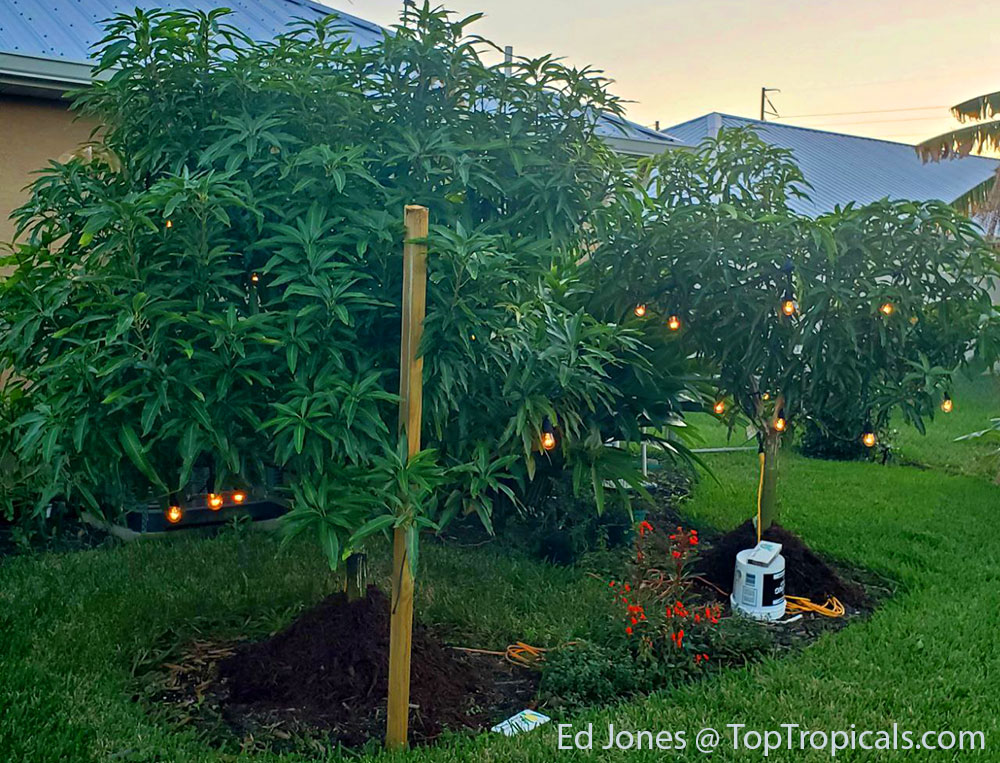
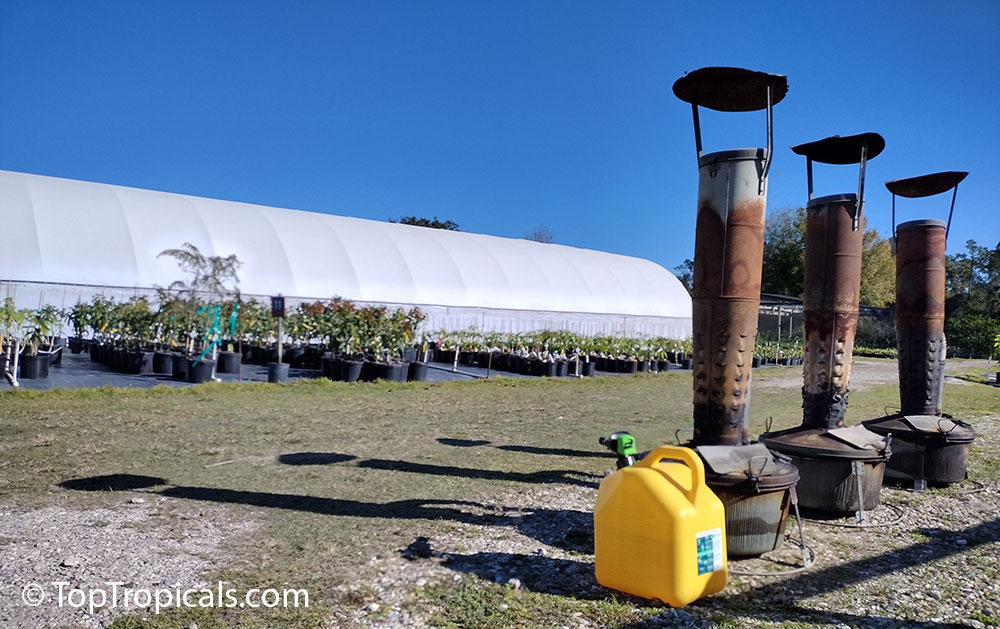
4. Use Christmas lights and other heating elements, including propane heaters, to keep plants warm.
5. Add a layer of heavy mulch around plant trunks to protect them from the cold.
6. Apply plant boosters that improve cold hardiness, such as Sunshine Epi, Sunshine-Si, and Sunshine Superfood.

At TopTropicals B-Farm, we sprayed our plants with a special cold hardiness treatment Sunshine-Si and covered and wrapped everything we could. We also moved cold sensitive species inside greenhouses. All of our plants are looking great and happy!

Mulching  mango  trunks  and  using  Christmas  lights  for  cold  protection

Photo above: Mulching mango trunks and using Christmas lights for cold protection

Read more about this special treatment plan: Cold Hardiness Improvement Kit.

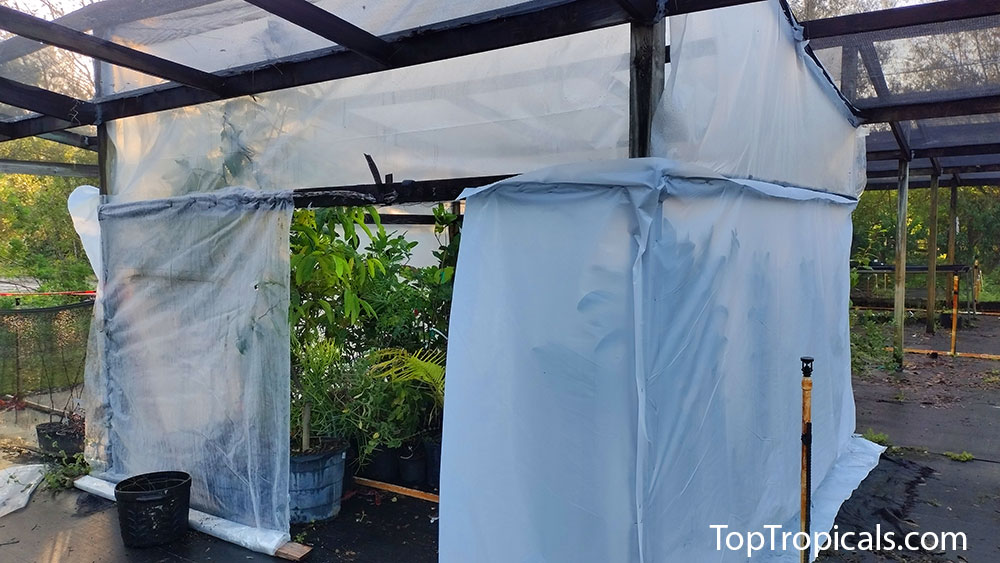
Covering  plants  during  cold  night

Plastic  warm  house  wrapping

Photo above: Temporary wrapping of a section of a greenhouse with a plastic or frost cloth protects from a windchill. It may also win you a few degrees even without a heater. In this particular case, according to our temp sensors, it was 30F outside, and 41F inside this "dome", no heaters used.


Sunshine Boosters:

Last chance to stock up
at a lower price!

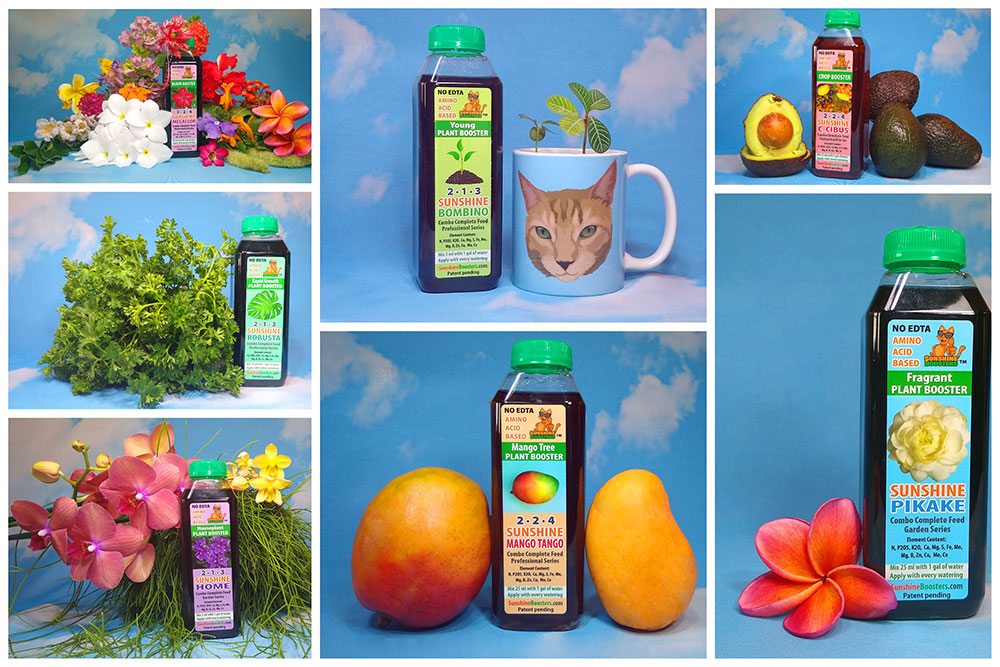
Sunshine Boosters are natural, amino acid-based liquid fertilizers made with only the highest quality ingredients. Starting in 2023, the pricing for Sunshine Boosters will be adjusting to reflect the increasing cost of supplies. This is your last chance to stock up on Sunshine Boosters before the end of the year! Sunshine Boosters are safe to use year around, with every watering.

Don't miss out on this opportunity to get the best value for your money!

Use discount for even better deal:

22FOR22
for 22% off orders $220+

Min order $220. Offer expires 12-31-22

Sunshine  boosters  for  different  plant  types

Date: 26 Jan 2022

Don't miss this one:
PodCast Premiere!

Episode 1
How to Protect Tropical plants in Winter: Q & A

Featuring Horticulturist Mark Hooten

...We are introducing our new Series: Top Tropicals Podcast. Growing tropicals and pushing the limits. Watch the first episode:

How to Protect Tropical plants in Winter

...Who doesn't like tropical beauty? Everyone wants tropical plants. But not everyone lives in a warm climate. Is it possible to grow tropicals outside of Tropics?
Top Tropicals horticulturist Mark Hooten, who is well known to many gardeners as the Garden Doc with his Saturday Plant Clinic, is answering gardeners' questions about how to prepare and protect tropical plants during winter...

Premiere scheduled:
Thursday, January 27, 8:00 AM

More about cold hardiness and cold protection:

Cold hardy tropical fruit trees
Growing Stephanotis and cold protection
Cold protection of tropical container plants
Plumeria cold protection
Ghost Cold Protection
Seven rules of cold protection for tropicals
Improving cold hardiness before winter: fertilizer and micro-elements
3D garden ideas and winter cold protection
Cold protection - winter action for your plant collection
About Cold Protection

Date: 19 May 2025

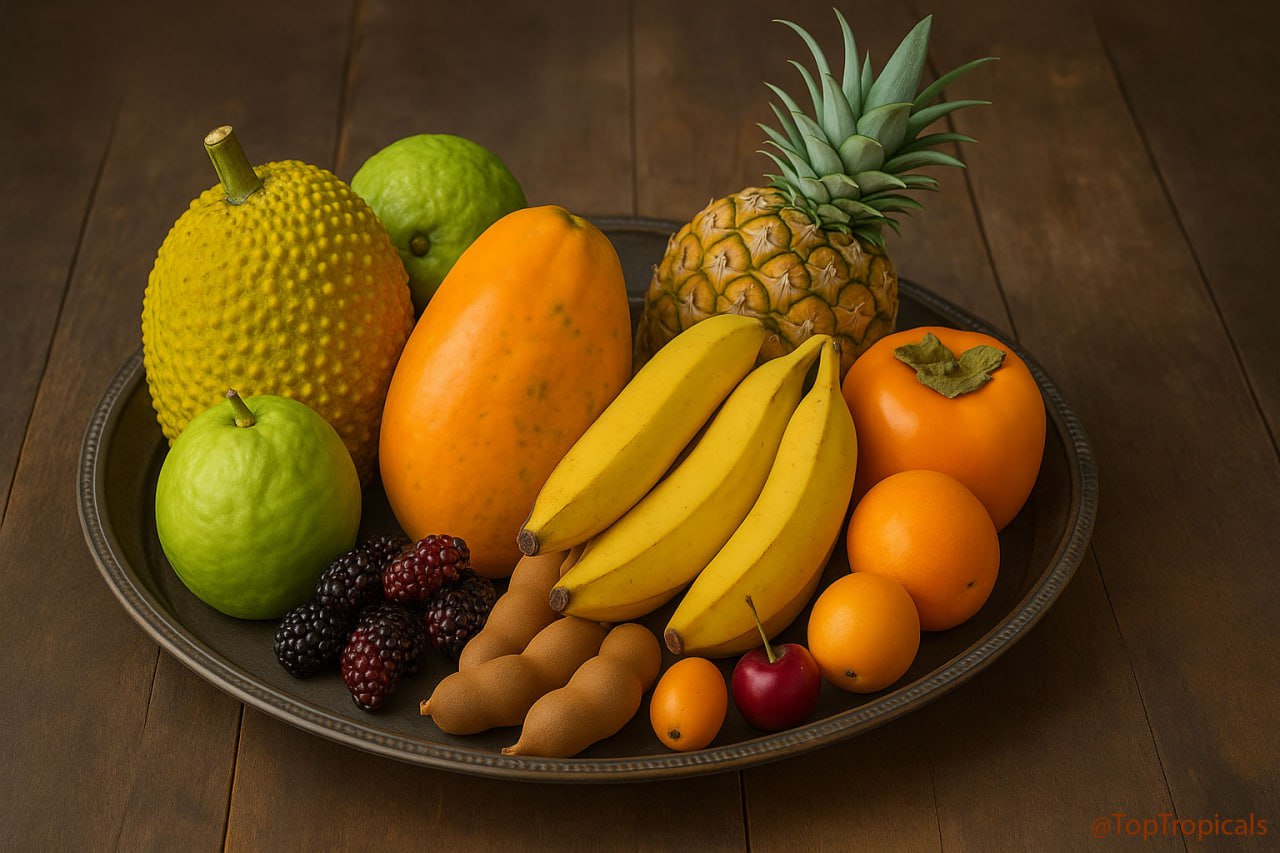
What fruit can reduce your blood pressure. Tropical fruit and plants that help keep blood pressure in balance

Tropical fruit that can reduce your blood pressure

Tropical fruit that can reduce your blood pressure

❤️ Tropical fruit and plants that help keep blood pressure in balance.
Part 1: What fruit can reduce your blood pressure?


💲 You don’t need to spend $$$ on doctors and medications to stay healthy and young. By eating right and adding a few powerful plants and fruits to your diet, you can naturally keep your blood pressure in check. Plant them today and harvest your own medicine tomorrow! And don’t forget - gardening itself is therapeutic! It keeps you active, reduces stress, and helps your whole body stay in balance.

💚 Tropical fruit that help reduce blood pressure:


Jackfruit (Artabotrys hexapetallus) - Contains potassium and magnesium, which help relax blood vessels and regulate blood pressure.

Guava (Psidium sp.) - Rich in potassium and fiber, supports vascular health and may help lower blood pressure.

Papaya (Carica papaya) - High in potassium and antioxidants, promoting healthy blood pressure.

Banana (Musa sp.) - Well-known for its high potassium content, which helps counteract sodium and lower blood pressure.

Pineapple (Ananas comosus) - Contains potassium and bromelain, which may support circulation and reduce inflammation.

Persimmon - High in fiber and antioxidants, which can contribute to better heart and vascular function.

Mulberry (Morus sp.) - Contains resveratrol and other antioxidants linked to heart health and blood pressure support.

Tamarind (Tamarindus indica) - Rich in potassium and fiber, may help regulate blood pressure and support arterial health.

Loquat (Eriobotrya japonica) - Contains potassium, aiding in fluid balance and blood pressure control.

✅🍒 Tropical Cherry (Eugenia) - Contains antioxidants and supports healthy circulation.

Part 2: Edible plants reducing blood pressure - see next post⤵️

🛒 Shop tropical fruit trees that boost your health

📚 Learn more:


Tropical fruit health benefits guide
#Disover more #Remedies and #Fruit_Forest

🔴 Join 👉 TopTropicals