Garden Blog - Top Tropicals

Date: 26 Jan 2022

Don't miss this one:
PodCast Premiere!

Episode 1
How to Protect Tropical plants in Winter: Q & A

Featuring Horticulturist Mark Hooten

...We are introducing our new Series: Top Tropicals Podcast. Growing tropicals and pushing the limits. Watch the first episode:

How to Protect Tropical plants in Winter

...Who doesn't like tropical beauty? Everyone wants tropical plants. But not everyone lives in a warm climate. Is it possible to grow tropicals outside of Tropics?
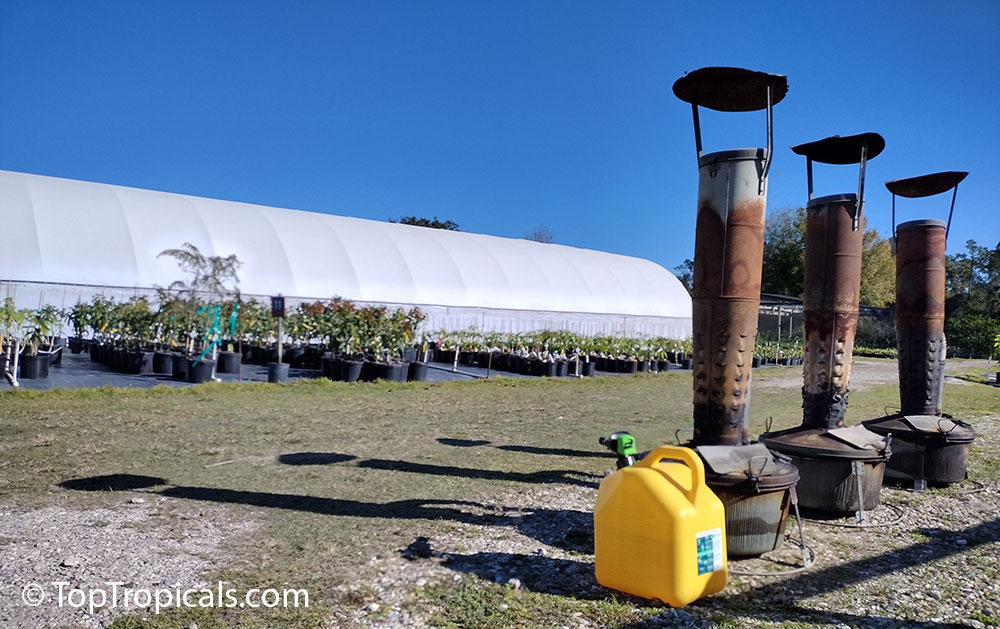
Top Tropicals horticulturist Mark Hooten, who is well known to many gardeners as the Garden Doc with his Saturday Plant Clinic, is answering gardeners' questions about how to prepare and protect tropical plants during winter...

Premiere scheduled:
Thursday, January 27, 8:00 AM

More about cold hardiness and cold protection:

Cold hardy tropical fruit trees
Growing Stephanotis and cold protection
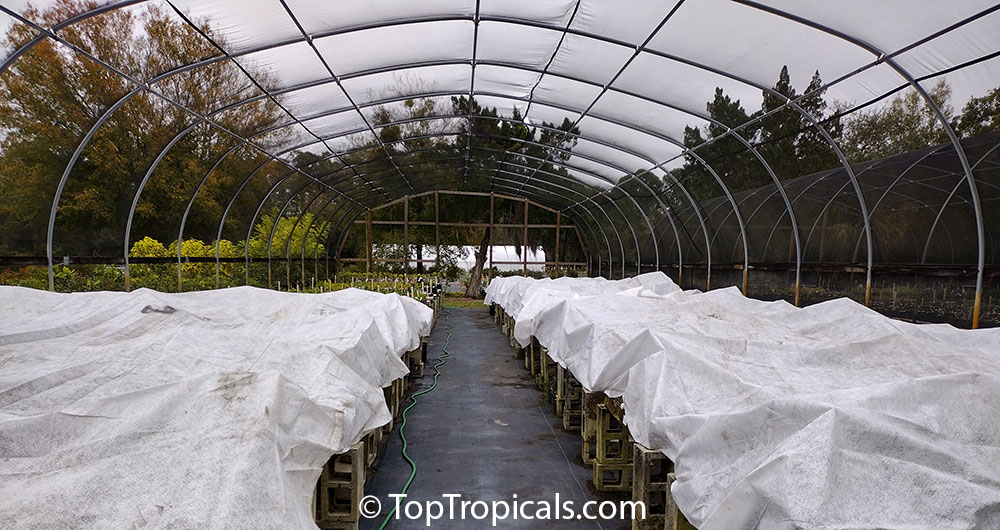
Cold protection of tropical container plants
Plumeria cold protection
Ghost Cold Protection
Seven rules of cold protection for tropicals
Improving cold hardiness before winter: fertilizer and micro-elements
3D garden ideas and winter cold protection
Cold protection - winter action for your plant collection
About Cold Protection
Date: 19 May 2025

What fruit can reduce your blood pressure. Tropical fruit and plants that help keep blood pressure in balance

Tropical fruit that can reduce your blood pressure

Tropical fruit that can reduce your blood pressure

❤️ Tropical fruit and plants that help keep blood pressure in balance.
Part 1: What fruit can reduce your blood pressure?


💲 You don’t need to spend $$$ on doctors and medications to stay healthy and young. By eating right and adding a few powerful plants and fruits to your diet, you can naturally keep your blood pressure in check. Plant them today and harvest your own medicine tomorrow! And don’t forget - gardening itself is therapeutic! It keeps you active, reduces stress, and helps your whole body stay in balance.

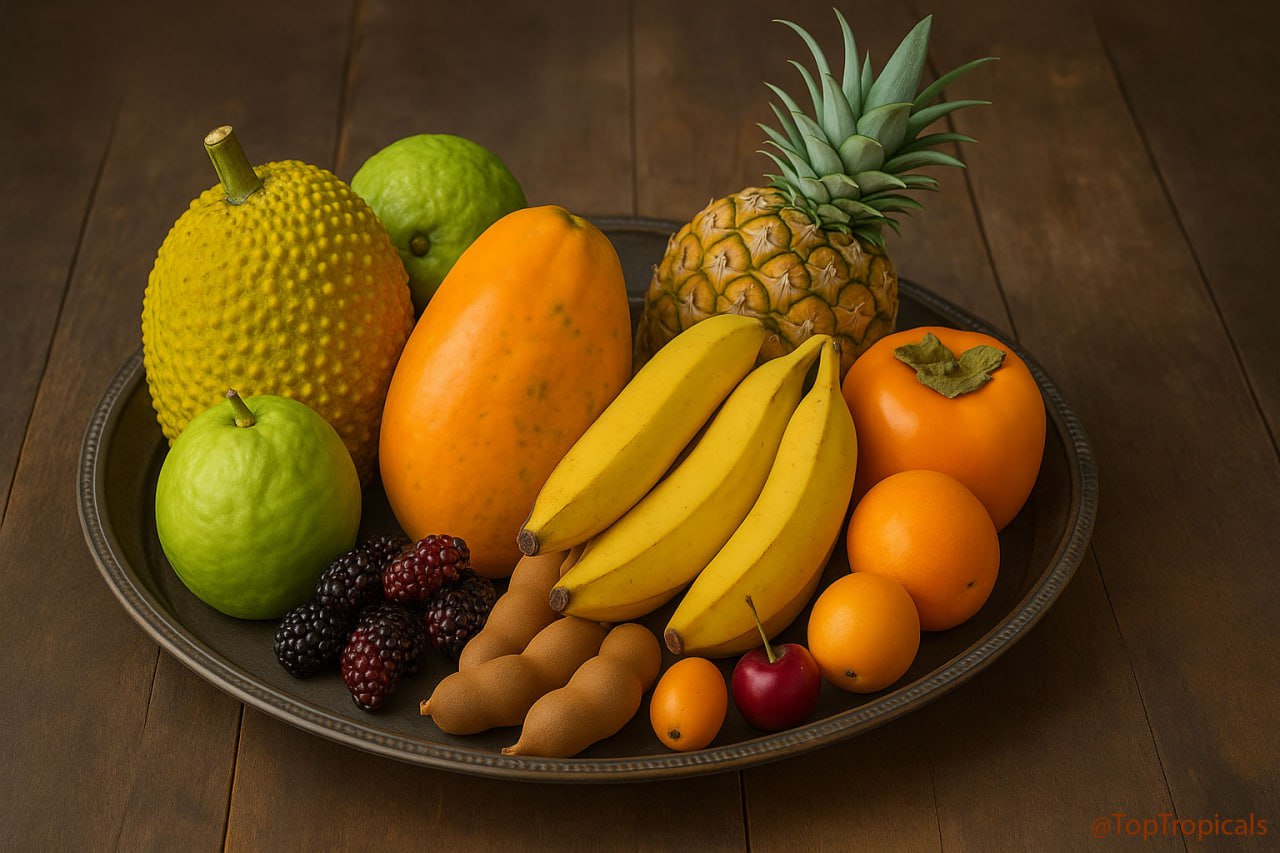
💚 Tropical fruit that help reduce blood pressure:


Jackfruit (Artabotrys hexapetallus) - Contains potassium and magnesium, which help relax blood vessels and regulate blood pressure.

Guava (Psidium sp.) - Rich in potassium and fiber, supports vascular health and may help lower blood pressure.

Papaya (Carica papaya) - High in potassium and antioxidants, promoting healthy blood pressure.

Banana (Musa sp.) - Well-known for its high potassium content, which helps counteract sodium and lower blood pressure.

Pineapple (Ananas comosus) - Contains potassium and bromelain, which may support circulation and reduce inflammation.

Persimmon - High in fiber and antioxidants, which can contribute to better heart and vascular function.

Mulberry (Morus sp.) - Contains resveratrol and other antioxidants linked to heart health and blood pressure support.

Tamarind (Tamarindus indica) - Rich in potassium and fiber, may help regulate blood pressure and support arterial health.

Loquat (Eriobotrya japonica) - Contains potassium, aiding in fluid balance and blood pressure control.

✅🍒 Tropical Cherry (Eugenia) - Contains antioxidants and supports healthy circulation.

Part 2: Edible plants reducing blood pressure - see next post⤵️

🛒 Shop tropical fruit trees that boost your health

📚 Learn more:


Tropical fruit health benefits guide
#Disover more #Remedies and #Fruit_Forest

🔴 Join 👉 TopTropicals

Date: 22 Dec 2024

What are the easiest, low maintenance plants?

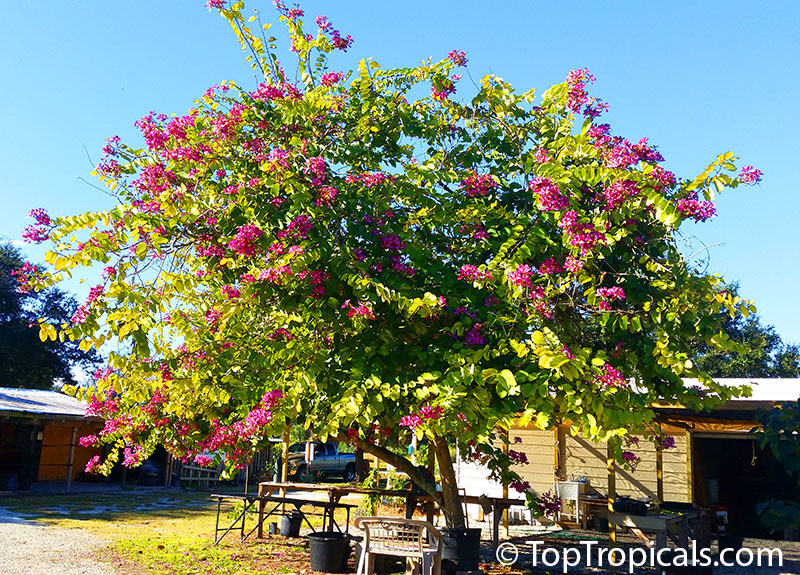
Bauhinia  blakeana  -  Hong  Kong  Orchid  Tree

Photo above: Bauhinia blakeana - Hong Kong Orchid Tree. The most beautiful of all orchid trees. This winter bloomer starts flowering in very small size, when only 2-3 ft tall, and grows fast. (Bonus plant: makes it 7 easy plants!)

Six easiest to grow, effortless plants

Q: I'm seeking low-maintenance, tropical plants for my yard since I have limited time for gardening. Could you recommend some easy-to-care-for options that will still give my outdoor space a tropical feel?

A: Tropical plants don't necessarily require extensive care. Many options are low maintenance, effortless, and easy to grow, including a variety of plants, trees, shrubs, and vines that demand minimal upkeep. They are fast growing, not fussy about soil, cold- and heat- resistant, and can rely on regular sprinkler irrigation. Below are six our favorites - the easiest and most effortless tropical plants for your Southern landscape. You can find the full list here.

1. Fruit tree: Lolita Cherry

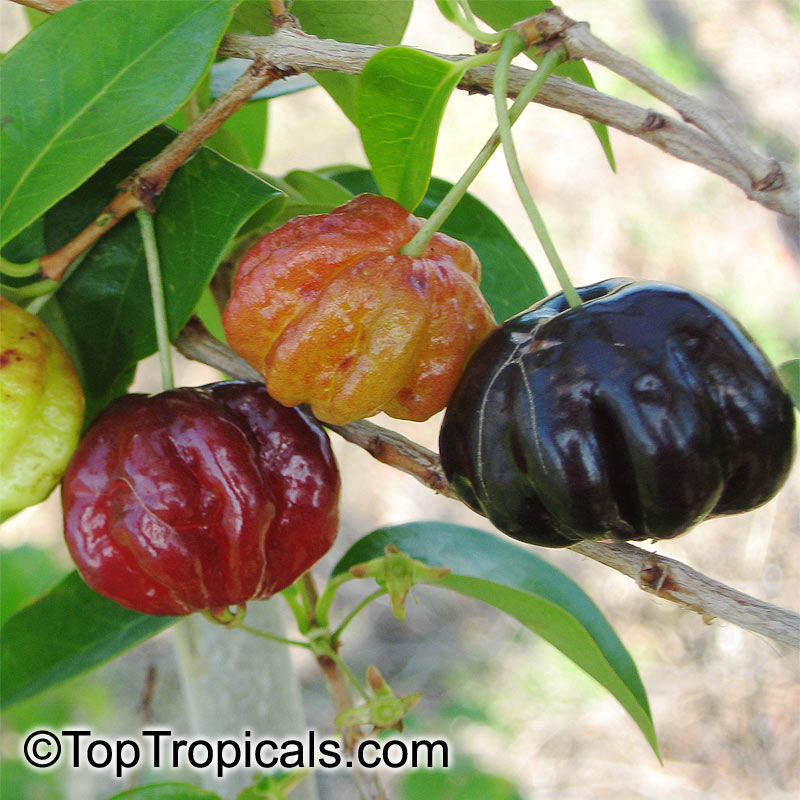
Eugenia  uniflora  -  Black  Surinam  Cherry  Lolita

Eugenia uniflora - Black Surinam Cherry Lolita. The plant is vigorous and ready to fruit the same year. The fruit has exceptional flavor, very sweet, without aftertaste, large 1-1.2 inch, very juicy. Reliable producer. These cherries are cold hardy and can take short periods of frost.

2. Flowering tree: Shaving Brush Tree

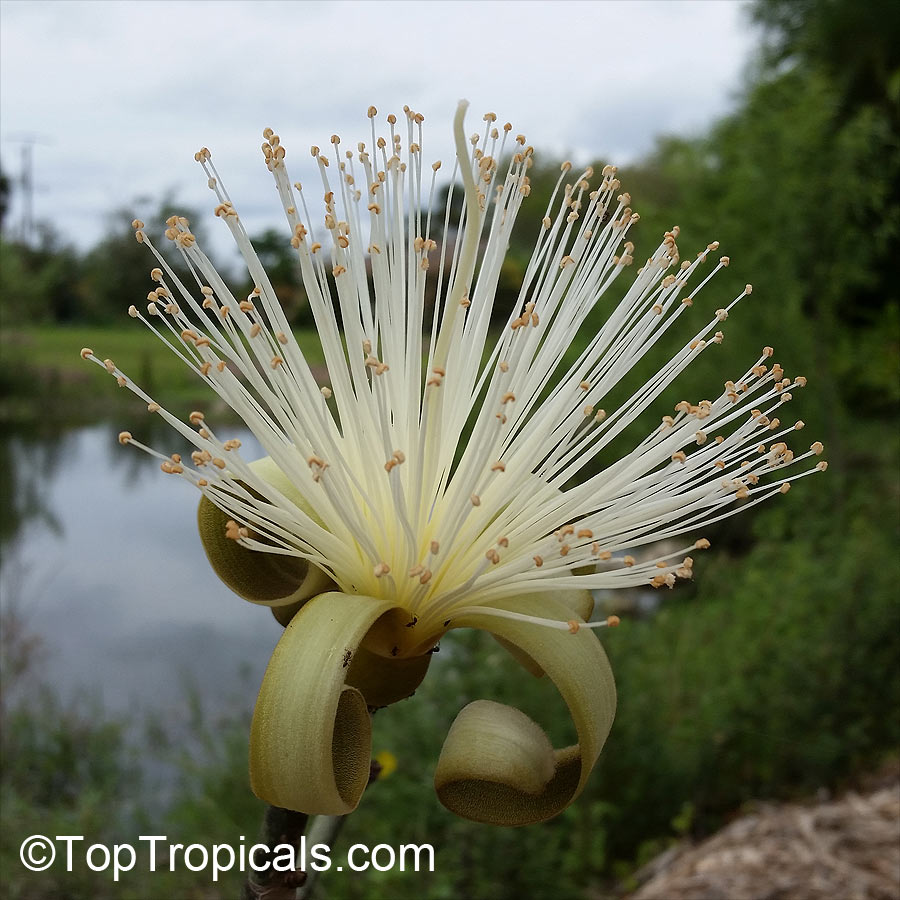
Pseudobombax  ellipticum  -  Shaving  Brush  Tree

Pseudobombax ellipticum - Shaving Brush Tree is one of the coolest looking flowering trees, this fast-growing tree bears spectacular showy staminate flowers in the spring. It usually has no leaves at that time, which serves to show off the large and striking blooms. Very low water needs, grows fast!

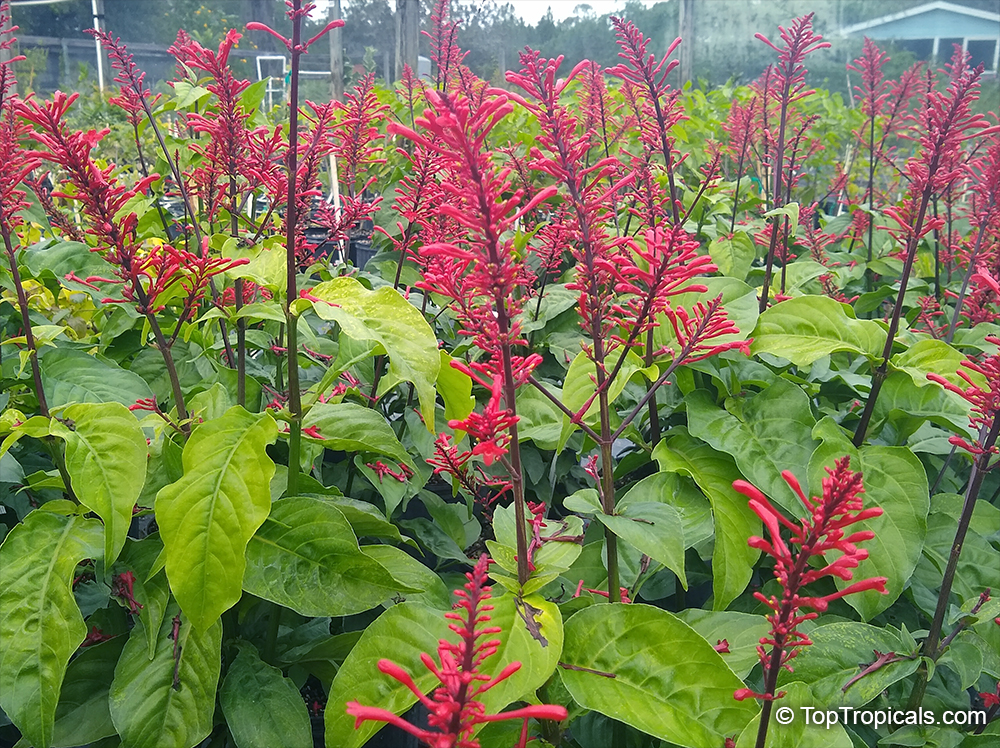
3. Flowering shrub: Firespike

Odontonema  cuspidatum  -  Firespike,  Red

Odontonema cuspidatum - Firespike - ultimate butterfly magnet with showy bright red flowers. Will take sun or shade. Very easy and happy plant!

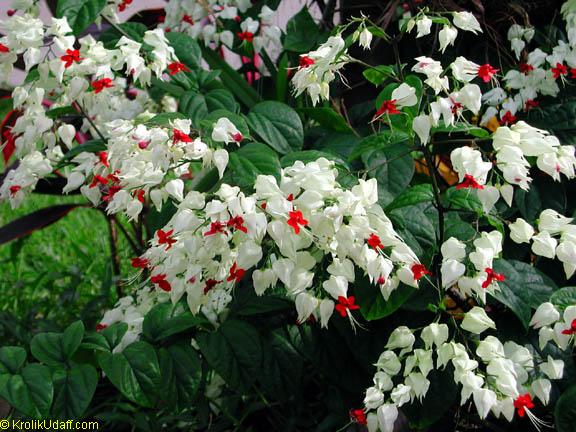
4. Flowering vine: Bleeding Heart

Clerodendrum  thomsoniae  -  Bleeding  Heart

Clerodendrum thomsoniae - Bleeding Heart. One of the most spectacular blooming vines. Spectacular, dramatic flowers are slightly flat, they have white sepals on either side of bright crimson petals. The appearance may be liken to a line of dangling hearts, each emerging from the other. Very easy to grow and undemanding plant. Blooms in both sun or shade!

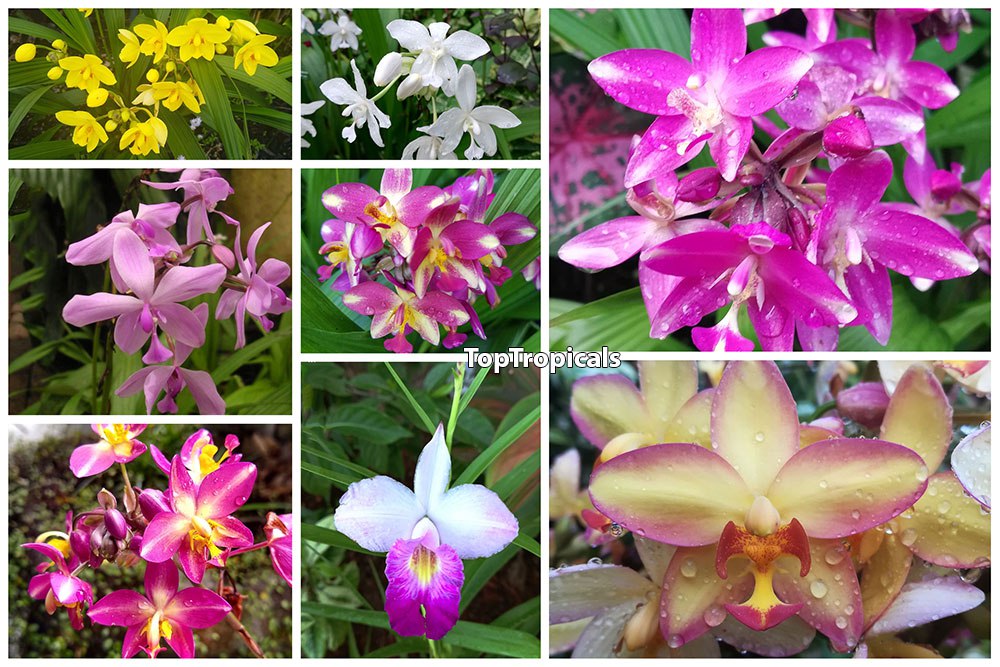
5. Small perennial: Ground Orchids - many colors!

Ground  orchids

Ground orchids are the easiest and most rewarding flowers for a tropical garden. They thrive in regular garden soil or potting mix, tolerate both sun and shade, and bloom nearly year-round. They take both sun or shade, are cold-resistant and carefree. And look at these colors! From vibrant purples to soft pinks and yellows, ground orchids bring a splash of tropical beauty with minimal effort. Their consistent blooming makes them a must-have for gardeners seeking color all year.

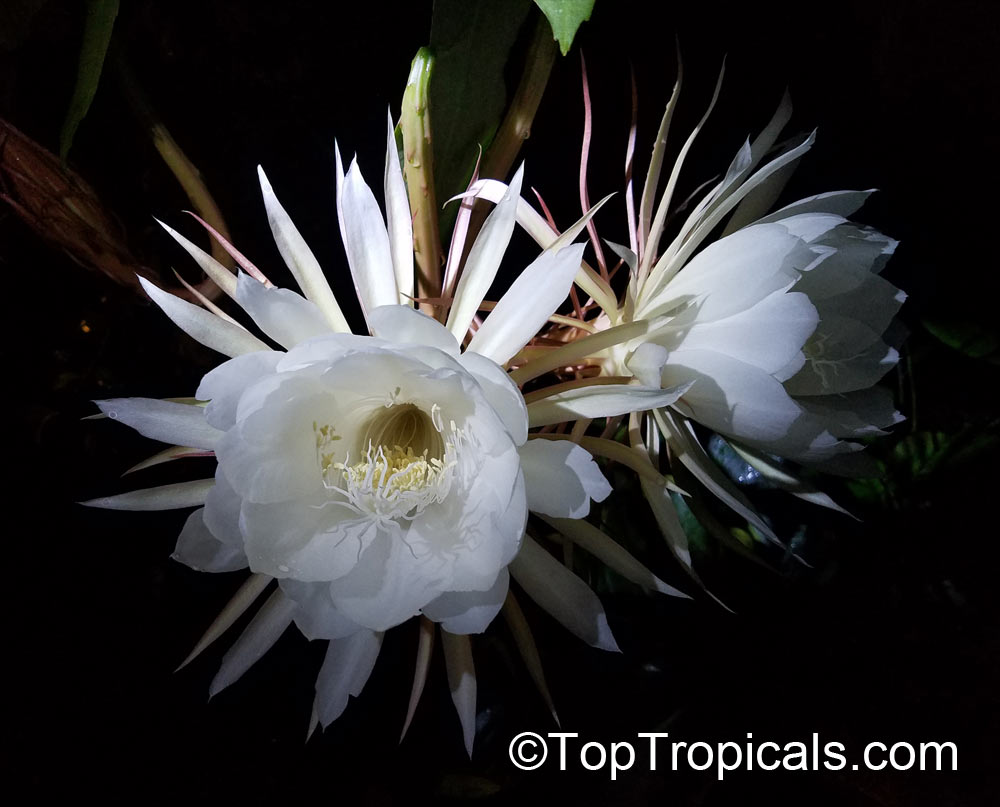
6. Fragrant exotic: Queen of the Night

Epiphyllum  oxypetalum  -  Queen  of  the  Night

Epiphyllum oxypetalum - Queen of the Night - powerfully fragrant at night! This special cactus grows in tropical rainforests and has large wide meaty leaves. The flower is huge, white, and nocturnal. Blooms at night hours, hence the name. One of the most exotic indoor plants, great shade garden specimen. Easy to care, very low maintenance. Very low water needs.

Date: 10 Aug 2025

Tuxedo  cat  planting  tropical  tree  with  Sunshine  Boosters  bag,  orange  cat  waving  to  kitten  with  backpack  by  school  bus  in  sunny  garden 
 scene.

🌺 Back to School and Back to Planting – Cats in the Garden

Back to School, Back to Planting – Why August Works for Tropicals

Planting Season Isn't Over Yet

August is still a good month for planting tropicals in warm climates. The soil stays warm enough to push root growth, and late-summer weather gives plants time to settle in before winter. In drier areas, regular watering will keep them moving along just fine.

Tropicals in warm climates aren't usually harmed by cooler Winter weather, but as days get shorter, growth may slow down. This is why planting in late Summer-Fall lets roots grow during this last warm stretch, so the plant enters winter already established.

By spring, those roots are ready to drive new shoots, flowers, and fruit. There's no lost time to transplant shock - plants can get straight to blooming and fruiting earlier in the season.

August Planting FAQ

How can heat be prevented from harming new tropicals?

Water in the morning so plants start the day hydrated. Warm soil is good for root growth, but don't let it dry out.

How should new plants be protected from strong sun?

For the first couple of weeks, use a shade cloth or even a white bed sheet to soften midday sun and prevent leaf scorch.

What fertilizer works best for planting in summer heat?

Controlled-release types are best. We use professional grade Green Magic. You may pair it with Sunshine Boosters for steady, gentle feeding through the warm months.

Which tropicals grow best when planted in August?

Most tropical plants do well when planted in warm end-of-summer conditions, including Mango, Avocado, Guava, Jackfruit, Annona, Bananas, Orchid Trees, Jasmines, Allamanda and most of flowering trees, shrubs and vines.

Can tropical trees planted in August produce fruit next year?

Many can, especially fast growers, since they have established roots by the time spring growth begins.

How can tropicals be kept healthy when planting in August?

Mulch around the base to help prevent soil from drying out too quickly. Water deeply in the morning to help plants handle the heat.

Shop Flowering trees

Shop Fruit trees and edibles

Date: 18 Aug 2025

🌟Repotting FAQ

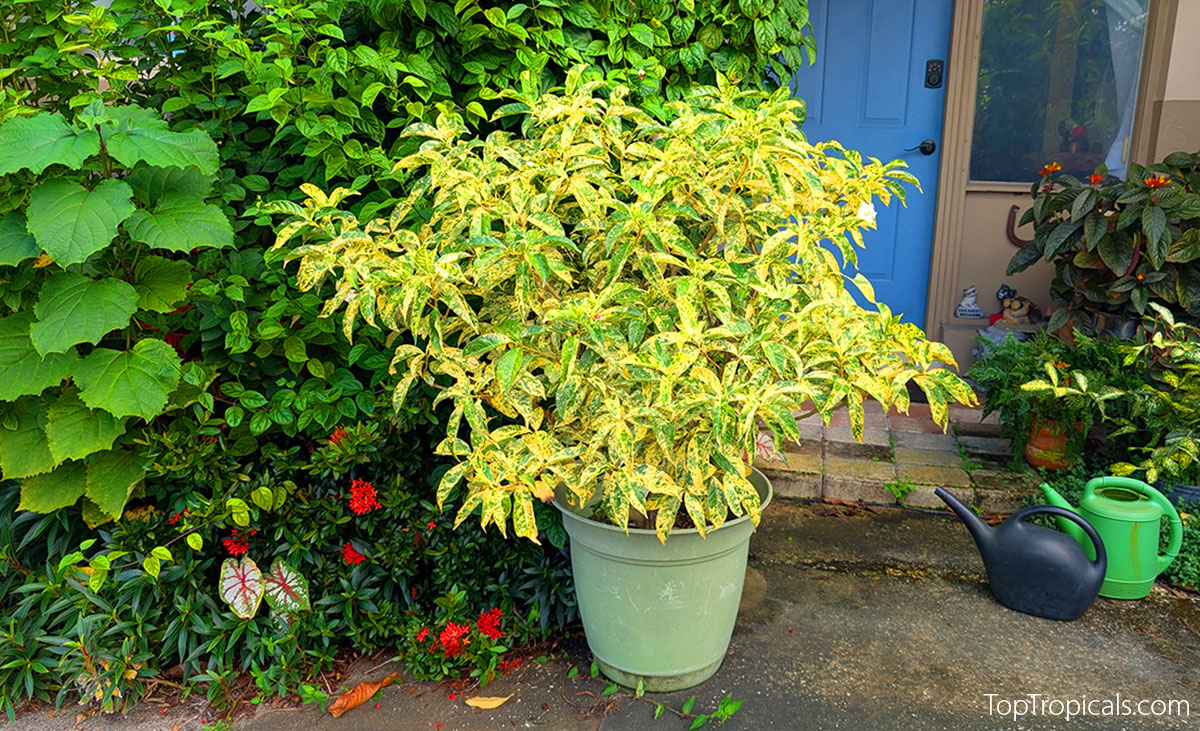
Tabernaemontana  variegated  in  container

Q: How big should the new pot be?

A: Only a few inches larger than the old one. Oversized pots hold too much moisture and may cause root rot.

Q: Why are plastic pots better than ceramic?

A: Plastic pots are lighter, easier to handle, and you can cut them if a root-bound plant is stuck. Ceramic pots are heavy, breakable, and often lack drainage.

Q: How do I safely remove a plant from its pot?

A: Turn the pot upside down and let gravity help. Never pull by the stems or leaves. If stuck, lay the pot on its side and squeeze or tap it. Cut the pot if needed.

Q: Should I remove old soil from the roots?

A: No. Roots have tiny hairs that absorb water and nutrients. Shaking off soil damages them and sets the plant back.

Q: Why must the plant sit at the same soil level?

A: Planting too deep suffocates the stem, and planting too high exposes roots. Keeping the same level protects the root crown.

Q: How soon should I water again after repotting?

A: Water thoroughly right after repotting, then wait until the top inch of soil dries before watering again.

🌱 Done! Your plant now has room to grow stronger before fall.

Shop Garden Supplies