Date: 7 May 2025
Step away from the chaos

😶 Step away from the chaos
"Sometimes, you just need to step away from the chaos to find yourself."
🐈 PeopleCats.Garden
#PeopleCats
🔴 Join 👉 TopTropicals
Garden Blog - Top Tropicals
Date: 7 May 2025
Date: 31 Dec 2023
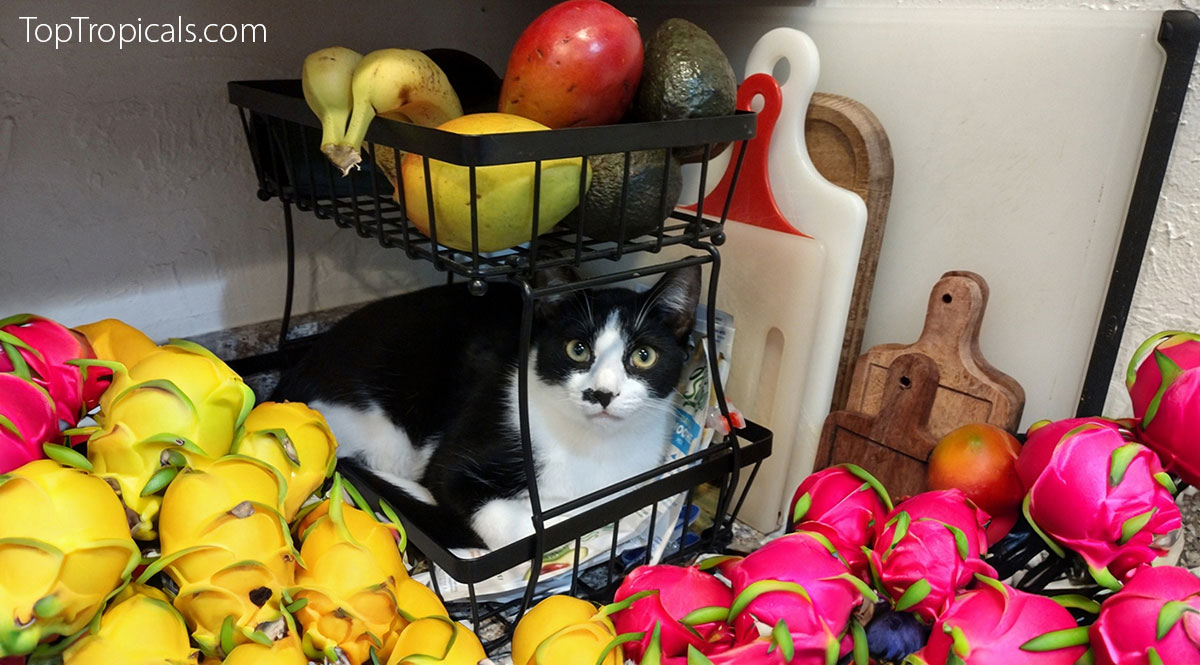
Q: What can you do with Dragon Fruit? I bought some from the grocery store, but they don't have much flavor.
A: Dragon fruit, or Pitaya, comes in many varieties that differ in flavor, sweetness, and texture. In the store they usually carry simple varieties that are easy to ship and store but have very little flavor. This is why we prefer grow our own Dragon Fruit, same way like we grow many varieties of Mango - to enjoy their excellent flavors that you can't find in a store. Our favorite is the Yellow Dragon Fruit that is not only the sweetest of all but also have the best flavor, with pineapple-mango hint. It is best enjoyed fresh out of hand.
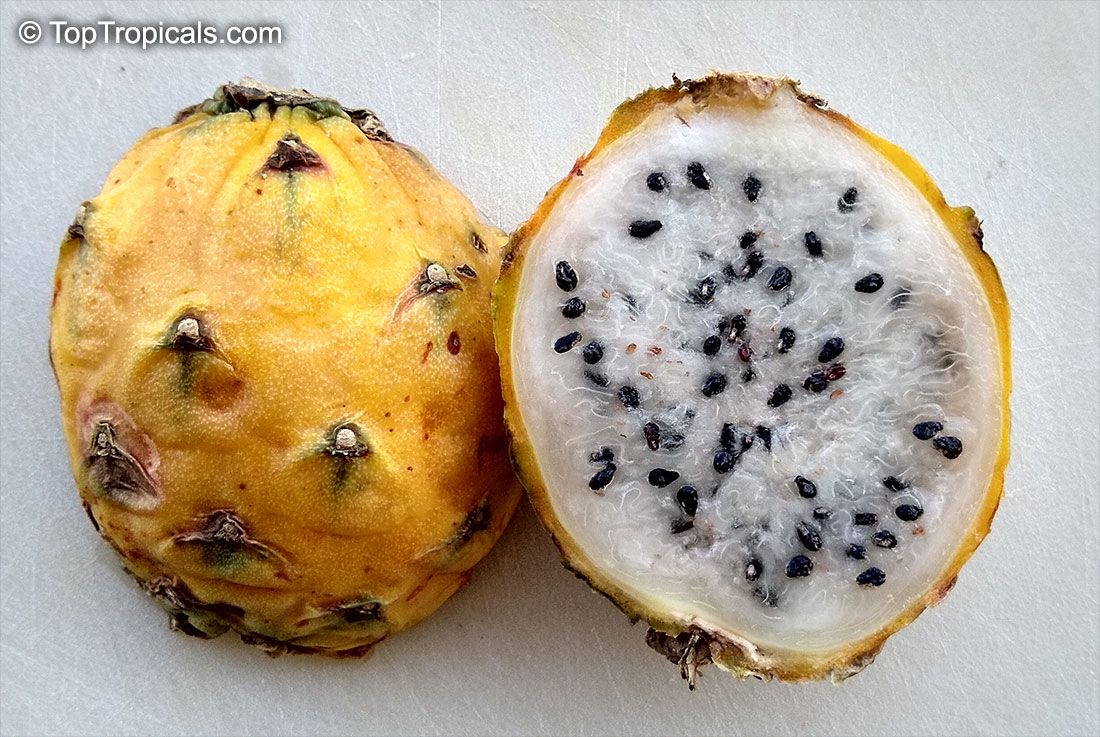
Yellow Dragon Fruit - Selenicereus megalanthus Equador Golden
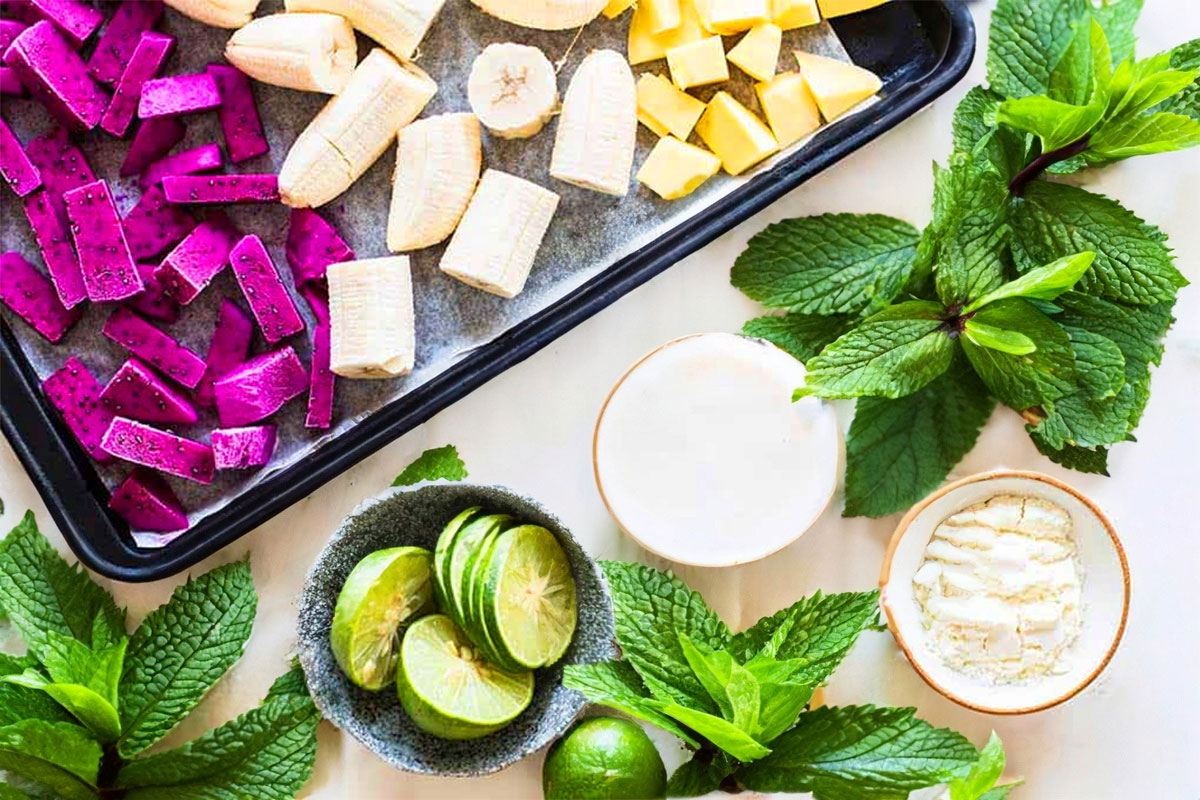
Dragon fruit, regardless of variety, makes excellent smoothies. A perfect Dragon Fruit Smoothie can be made with a creamy blend of dragon fruit, mango, and banana. The tropical flavor is played up with a squeeze of fresh lime.

Mix in a blender:
2 dragon fruit, peeled
1/2 cup of mango pulp
Dragon fruit contains lots of of nutrients, most notably high vitamin C and iron. Its low calorie content helps give it superfood status because of high nutrient density. Try it today, even from the grocery store! Although these fruit can be quite costly. So, plant your own Dragon Fruit variety collection and enjoy an endless palette of deliciousness!
Date: 3 Aug 2025
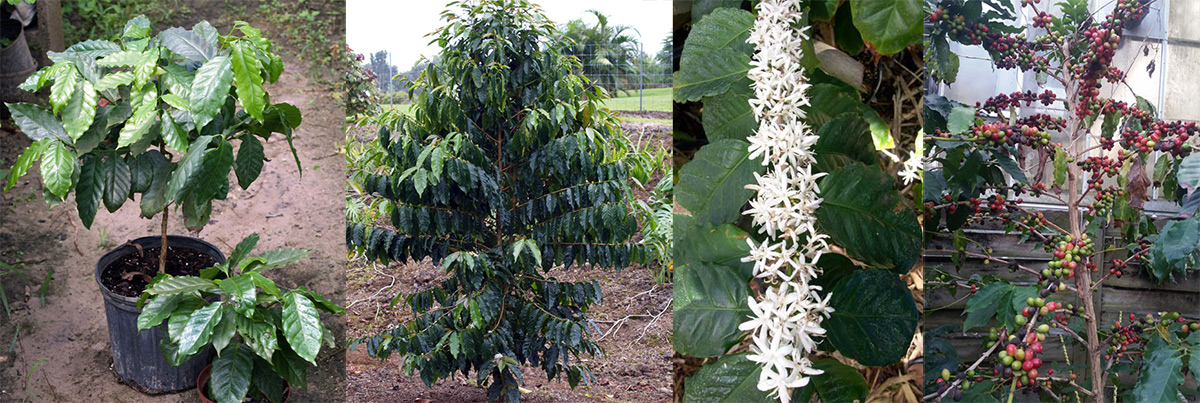
No doubt about it - it's the Coffee Tree.
 Coffee Plant Care Tips
Date: 7 Aug 2025
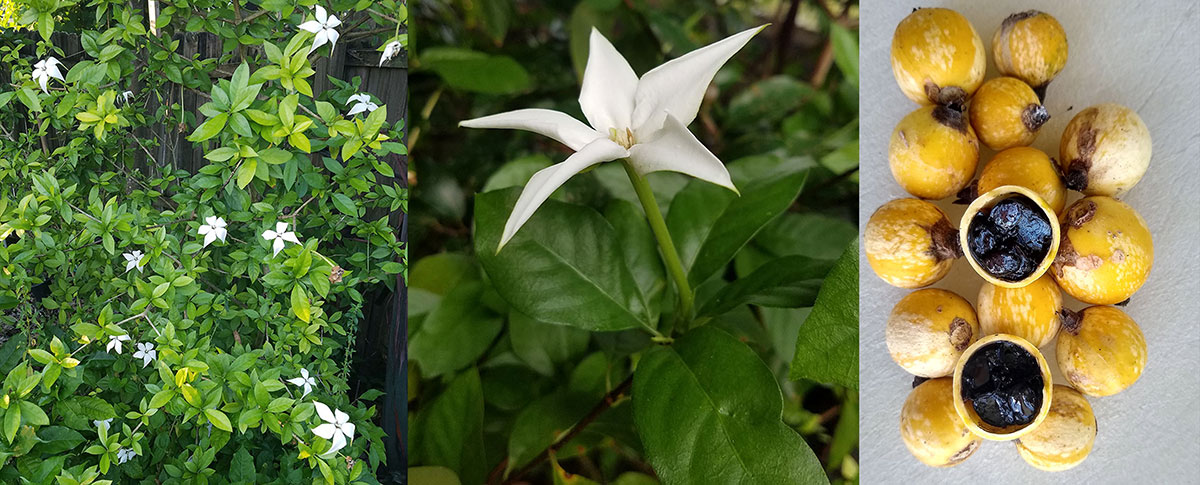
Randia formosa - Blackberry Jam Fruit Tree with Flowers and Ripe Fruit
That's Randia formosa - the Blackberry Jam Fruit Tree. At first, it just looks like a cute little gardenia-type shrub. Glossy leaves, sweet white flowers. Nice enough. But then the fruit shows up… and you crack one open and go, “Wait - this tastes like jam?!”
And not just any jam - like real, fresh blackberry jam. No sugar, no cooking. Just soft black pulp inside this golden little fruit. It's weirdly satisfying. One of those things you make everyone taste just to see their face.
What's even cooler is how easy it is. This thing starts blooming and fruiting when it's barely 2 feet tall. You can grow it in a pot on your porch, or even inside if it gets enough light. And while most of your other plants take the winter off, this one keeps going - flowers, fruit, the whole show.
If you've got a spot with filtered light and a little curiosity, it's absolutely worth a try. Honestly, it's just… fun.
This rare South American evergreen shrub checks all the boxes: fragrant, compact, easy, and edible.
✅ Grows in pots ✅ Indoors ✅ Small yards
Randia formosa, also known as Blackberry Jam Fruit or Jasmin de Rosa, is a compact tropical shrub that produces fragrant white flowers and small yellow fruits filled with soft, black pulp that tastes remarkably like blackberry jam. It belongs to the Rubiaceae family, the same as Gardenia and Coffea.
The pulp inside the fruit tastes just like fresh blackberry jam - sweet, tangy, and rich. It is edible fresh, without any processing or sweeteners, and is loved by both kids and adults.
In the ground, Randia formosa typically reaches 4 to 5 feet tall. In containers, it usually stays smaller, around 3 to 4 feet, making it perfect for small gardens, patios, or indoor growing.
Very quickly! This is one of the fastest fruiting tropicals. Plants begin to flower and produce fruit within two years from seed. Еstablished plants in 3 gallon containers may begin fruiting at just 2 feet tall.
No. It actually prefers filtered light or partial shade, especially in hot climates. Leaves tend to look healthier and greener when grown in dappled light.
Yes! Its compact size and shade tolerance make it an excellent choice for bright indoor spaces. Just be sure to provide good air circulation, high humidity if possible, and avoid cold drafts.
Mature plants can tolerate temperatures down to about 26F for short period of time, but young plants are more sensitive and should be protected from frost. It is best grown outdoors in USDA zones 9b and up or kept as a container plant that can be brought indoors in winter.
Randia formosa requires acidic, well-draining soil. Avoid alkaline soils, which may cause leaf chlorosis (yellowing with green veins).
Keep soil evenly moist but not soggy. It is sensitive to overwatering, especially in cooler weather. During winter, reduce watering. Underwatering may cause sudden leaf drop - but the plant usually recovers quickly once watered again.
Yes. Use a slow-release fertilizer formulated for acid-loving plants. Regular applications of micronutrients (especially iron and magnesium) help prevent chlorosis. Foliar sprays can also be helpful. Apply Sunshine C-Cibus Booster or Green Magic controlled release fertilizer to keep your plant happy: Blackberry Jam Fruit is a heavy feeder!
This plant can bloom and fruit for several months, often from summer through winter. It is known to bloom off-season, making it a fun and productive plant when others are dormant.
Yes, the white star-shaped tubular flowers have a light, sweet fragrance, similar to gardenias but less intense. The flowers open at night.
Yes. A single plant can set fruit on its own, although insect activity can improve fruit set.
The most common issue is chlorosis, which shows up as yellowing leaves with green veins - usually due to overwatering, poor drainage, or alkaline soil. It's fixable with acidification and micronutrients. The plant may also drop leaves suddenly if underwatered but tends to bounce back.
Yes. It is in the same plant family (Rubiaceae) as Gardenia and Coffee. That's why the flowers look similar and why it tolerates similar care needs.
Yes, due to its slow growth and branching habit, Randia formosa can be shaped into a miniature tree form and is quite attractive when trained.
Once established, it shows moderate drought tolerance. However, young plants need regular watering and are more vulnerable to drying out.
Date: 24 Sep 2023

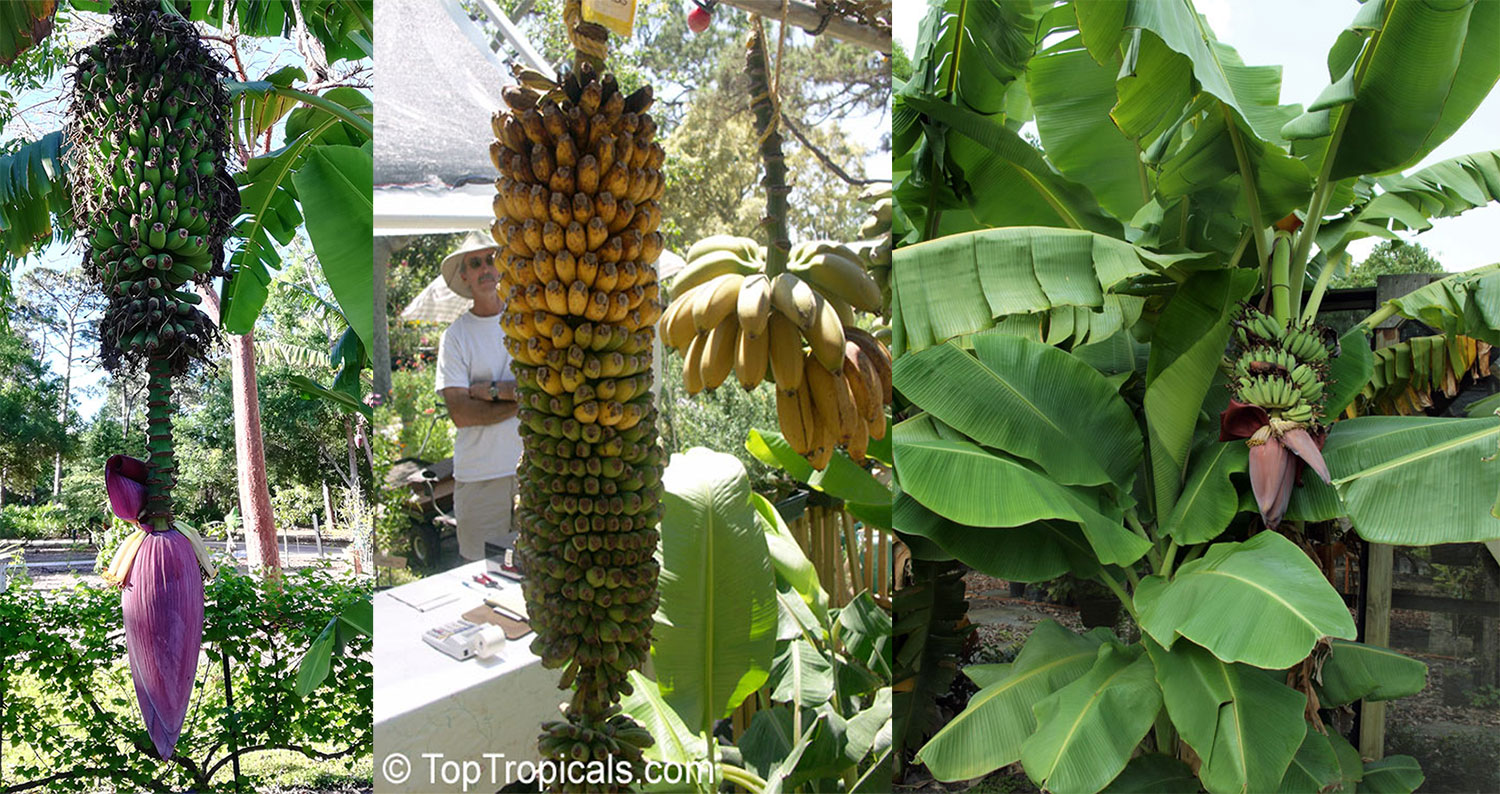
Adding banana plants to your subtropical garden or plant collection can enhance the aesthetics of your outdoor and indoor space, provide fresh and nutritious fruits, and offer a fun gardening experience with relatively low maintenance requirements. It's a delightful way to connect with nature and enjoy the benefits of homegrown produce.
1. Tropical Ambiance: Banana plants bring a touch of the tropics to your subtropical garden. Their large, lush leaves create a lush and exotic atmosphere that can transform your garden into a tropical paradise.
2. Homegrown Flavor: Growing your own banana trees allows you to enjoy the freshest, most flavorful bananas right from your garden. Homegrown bananas often have a superior taste compared to store-bought varieties.
3. Nutritional Benefits: Bananas are packed with essential vitamins, minerals, and dietary fiber. By cultivating your own banana trees, you gain access to a nutritious and healthy snack option right in your backyard.
4. Quick Results: Banana plants are known for their fast growth. In subtropical climates, they can produce fruit in as little as one to two years. This means you don't have to wait long to savor the fruits of your labor!
5. Low Maintenance: Banana trees are relatively low-maintenance once established. They require regular watering, but their hardy nature makes them a relatively easy addition to your garden. They are not messy in a landscape.
6. Versatility: Bananas offer versatility in your garden. You can choose from dessert bananas for snacking, cooking bananas like plantains for culinary experiments, or even ornamental banana varieties to enhance your garden's aesthetics. There are so many varieties to enjoy! You can't find this big selection in a grocery store.
7. Sustainable Living: Growing your own bananas reduces your reliance on store-bought produce, contributing to a more sustainable lifestyle. It also minimizes the carbon footprint associated with transporting fruits to market.
8. Educational Value: Cultivating banana plants can be an educational experience for both adults and children. It offers insights into tropical horticulture and can foster an appreciation for gardening and botany.
9. Landscaping Appeal: Beyond their fruit-bearing potential, banana plants add visual interest to your garden. Their unique form and striking leaves make them an excellent choice for landscaping and providing shade in your outdoor space.
10. Resilience: While bananas thrive in tropical conditions, many banana varieties are hardy enough to withstand cooler climates, making them a durable addition to your garden.