Large Grafted Mango Trees - Plant Now Before
Winter!
"Next Time We'll Specify - A TREE!" - Smokey and
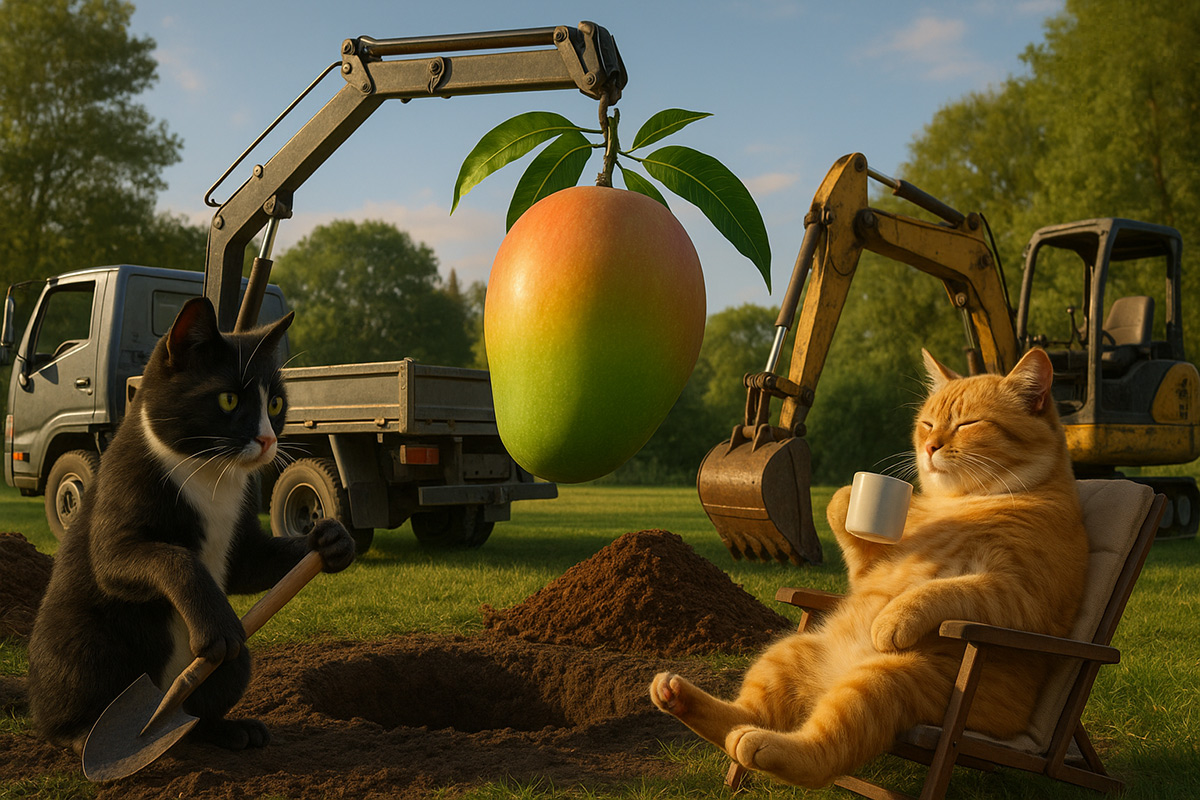
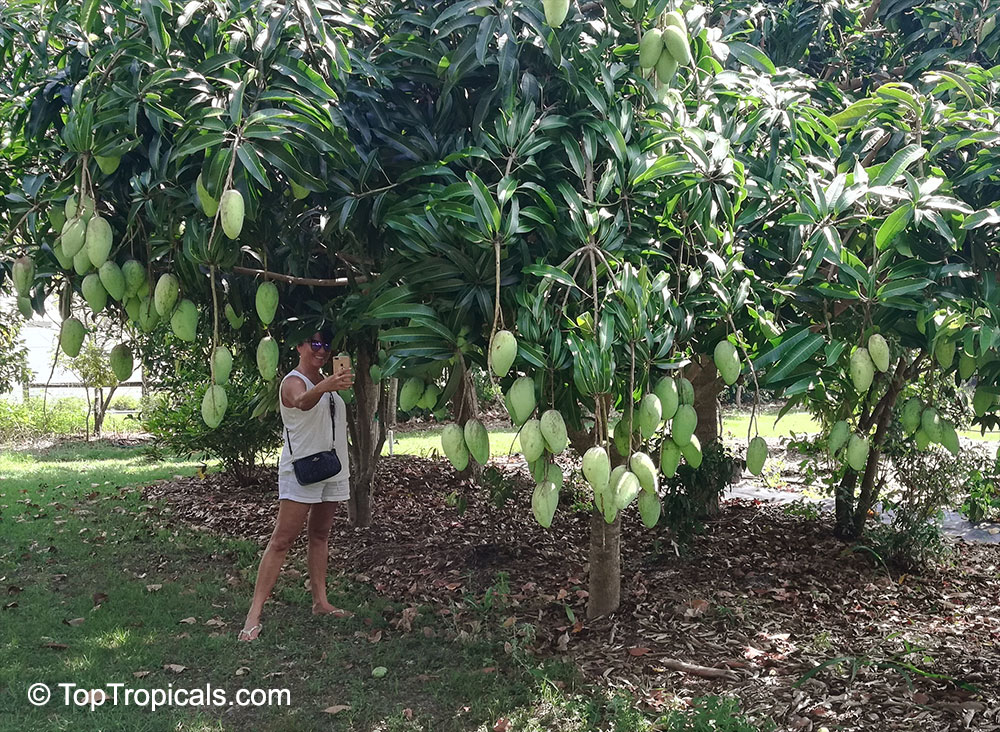
Sunshine Plant a Giant Mango
🌡️ Why plant now?
Fall is the perfect time to plant tropical fruit trees. The
soil is still warm, the air is mild, and your trees can quietly build strong
roots. By spring, they’ll already be settled and ready to grow
fast.
Imagine walking outside next summer and picking your own
mangoes from a tree you planted this fall!
🌿 Bring the Jungle Inside: Winter Survival
Guide Part 1: Lighting
❄️
Smokey: "Winter lighting must be precise. I need this light exactly at 14
inches." Sunshine: "Sure. I am holding this… little number thing."
Smokey: "It reads humidity. Your main job is to look cute."
🌞
LIGHT, TEMPERATURE, PLACEMENT
Winter indoors is a different kind of battlefield.
Dark rooms. Dry air. Cold windows. Random drafts. Weak light. Sad plants.
We've been talking about keeping your tropicals alive outdoors previously.
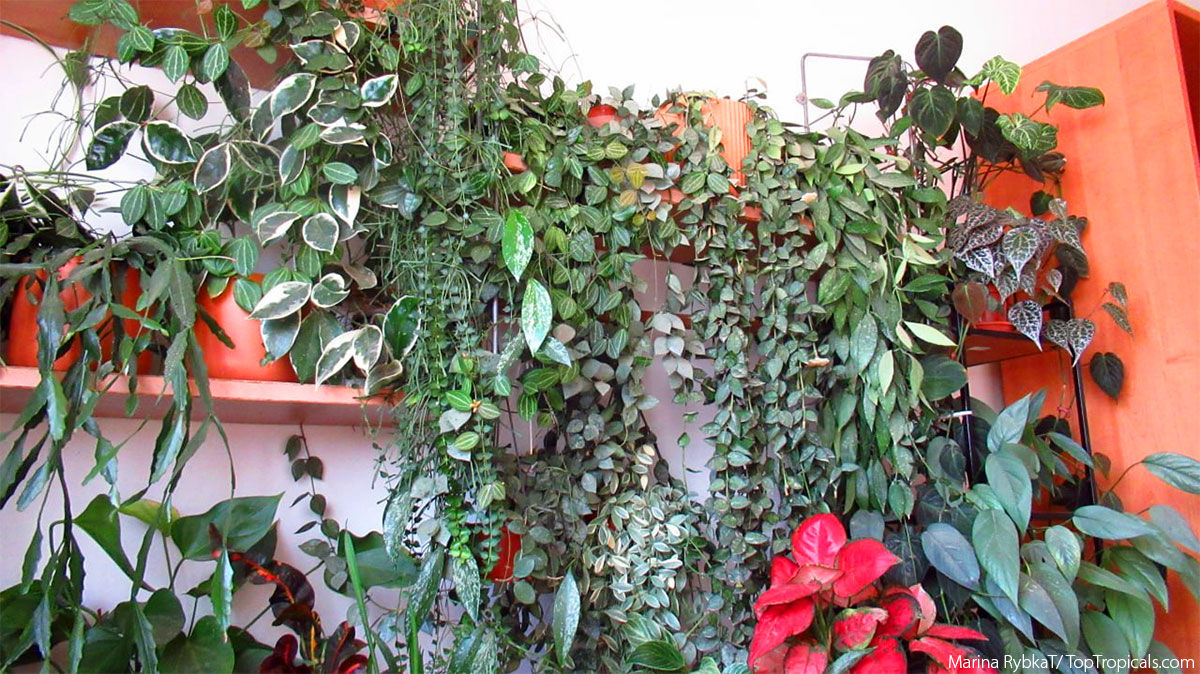
But some of you have no choice this time of year. You have to bring the jungle inside.
If that is you, then this is your plant survival guide.
☀️ LIGHT: THE WINTER LIFELINE
Light advice here comes straight from our in-house expert, Michael Dubinovsky, a high-tech lighting engineer with over 30 years of hands-on experience. If he says brightness beats hours, trust him.
Here is the truth: Indoor light in winter is 10 to 50 times weaker than outdoors.
Short days. Low-angle sun. Windows filtering half the useful light. It all adds up.
Tropicals need 10 to 12 hours of real brightness. Winter sun cannot do that on its own. Not even in a big window. So we help them.
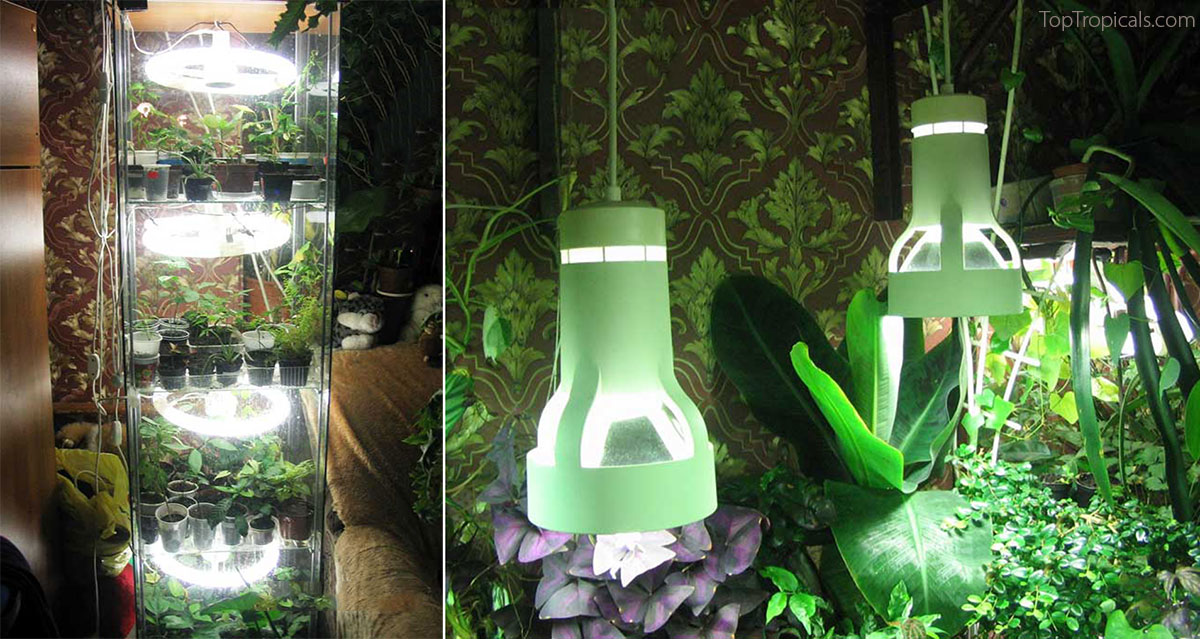
Use bright LED shop lights or utility lights. 5000K to 6500K CCT. High lumen output. Skip decorative bulbs. Skip purple grow fancy toy lights. If you want a single plant light, even a clamp lamp is fine if you screw in a bright daylight LED bulb.
Panels work best for plant clusters. Bars for shelves. Bulbs for single plants.
And grouping plants under one bright panel always beats spreading them out.
Distance matters: keep LEDs about 12 to 18 inches above the leaves.
Too close: leaf burn.
Too far: stretching, weak stems.
Leaves reaching up? Light is too high or too weak.
Leaves curling down? Light is too close.
If you want a reality check, download any smartphone lux meter app.
Most indoor corners are 50 to 200 lux without supplemental light.
Tropicals want much more
And a quick tip about windows: winter sun comes in sideways.
A spot that looks bright at noon can go dull by 2 PM. Don't count of window light
Bright light or long hours
People try to fix weak light by running it for 16 or 18 hours. That does not work.
Plants care more about light intensity.
A few hours of strong light beats all-day dim light.
If the light is weak, adding more hours will not change anything except your electric bill.
Simple rule: Short duration but bright is always better than long duration but weak. - by Michael, Top Tropicals lighting expert
No need for fancy horticultural panels
You do not need purple grow lights. You do not need special horticultural fixtures. You do not need expensive panels unless you want real winter growth.
For winter plant holding till spring, the inexpensive solution works great:
Bright LED daylight bulbs (5000K to 6500K) from hardware store
High lumen output
Inexpensive clamp lamps
Aim directly at the plant from 12 to 18 inches
This setup keeps tropicals happy until spring without buying anything fancy.
Save the money for soil, pots, or your next plant.
Indoor plant lighting safety note:
Use timers. Keep cords dry. Do not overload outlets.
Do not hang lights over humidifiers.
And do not put fixtures on piles of books to raise them. People do this.
✔️ WINTER INDOOR FAQ: TEMPERATURE AND PLACEMENT
Q: I am in Home Depot. Which light do I buy?
A: LED shop light, daylight color (5000K to 6500K), high lumens. Skip fancy plant bulbs.
Q: Can I use clamp lamps or floor lamps for plants?
A: Yes. Clamp lamps with a bright daylight LED bulb work great for winter holding.
Q: Do I need special horticultural grow lights?
A: No. A bright LED daylight bulb works fine for winter. Save the fancy lights for real growth projects.
Q: How far should the light be from the plant?
A: About 12 to 18 inches above the leaves. Too close burns. Too far stretches.
Q: Can I run weak lights for 18 hours to compensate?
A: No. Weak light plus long hours still equals a weak plant. Brightness matters more than hours.
Q: How do I know if a spot is bright enough?
A: Use a free phone lux app. Most indoor corners are much too dim for tropicals.
Q: I have a huge window. Why do I still need LEDs?
A: Indoor winter light is weak, short, and filtered by glass. Plants want intensity, not just a big window.
Q: My window faces north. Now what?
A: North windows are decorative only. Use supplemental lighting or move the plant.
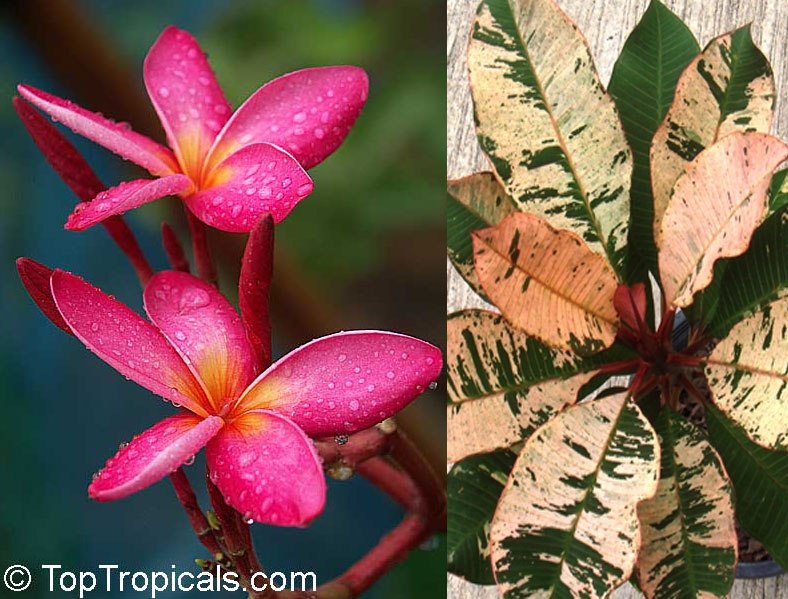
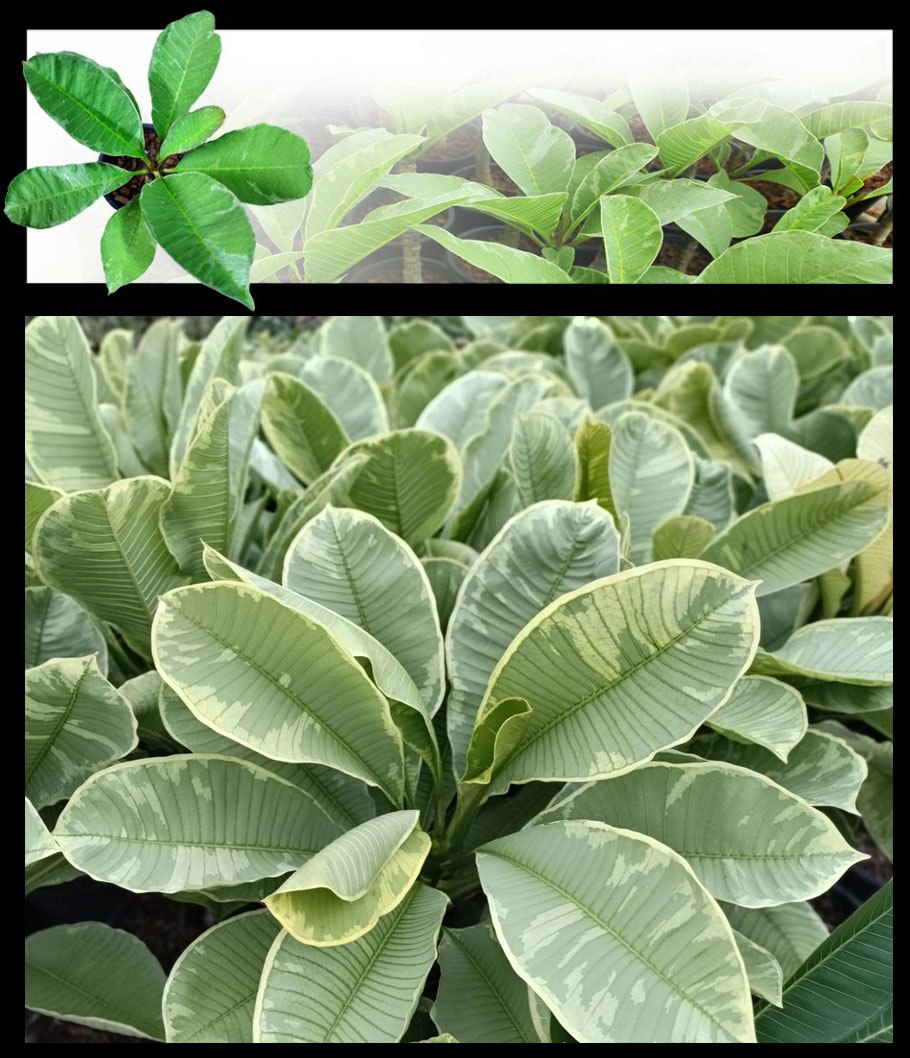
5 striking variegated plumerias you can’t ignore. Soil tip 🌈
Variegated plumerias are a whole different level - not just flowers, but foliage that steals the show even when the plant is not in bloom. This batch feels rare, collectible, and a little addictive… once you see them, it’s hard to stop at just one.
Plumeria Plant Facts
Botanical name: Plumeria sp. Also known as: Plumeria, Frangipani
USDA Zone: 9 - 11
Highligths
🌸 Today's featured plumerias
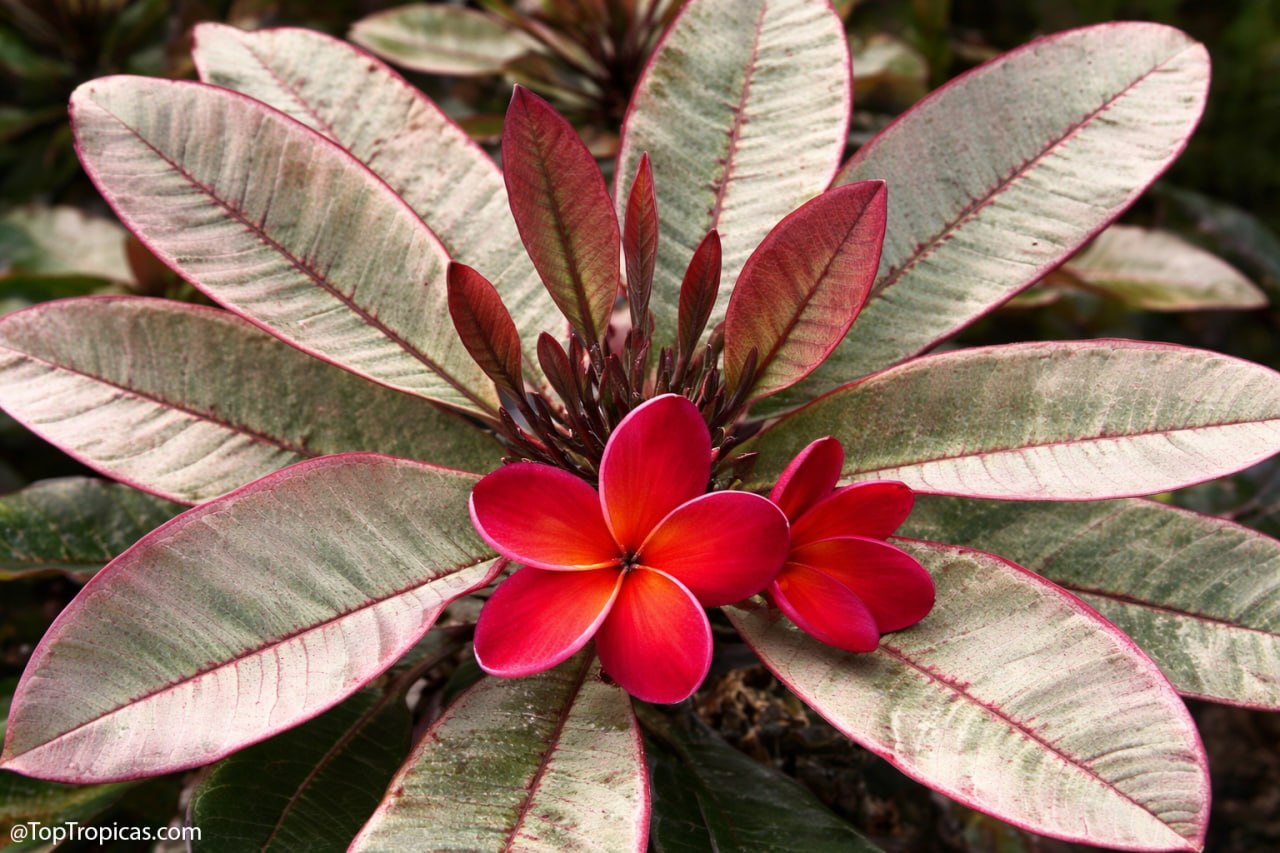
✦ Plumeria Pink Border Leaf Variegated - silver-green leaves with dark pink veins and a distinct pink edge, often deepening in new growth. Bright red flowers add strong contrast.
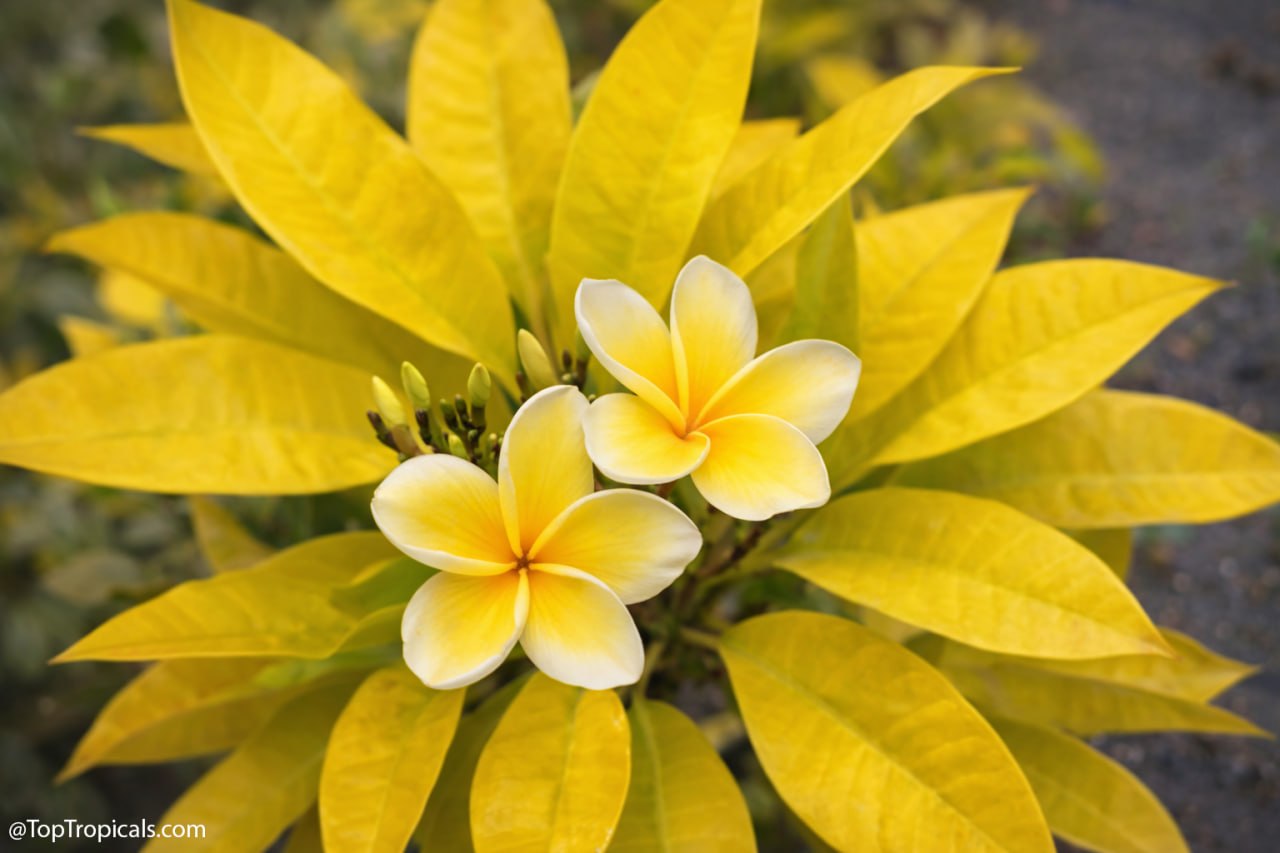
✦ Plumeria Golden Leaf - grown as much for its glowing golden foliage as for its soft yellow flowers with creamy edges. One of those varieties that stands out even without blooms.
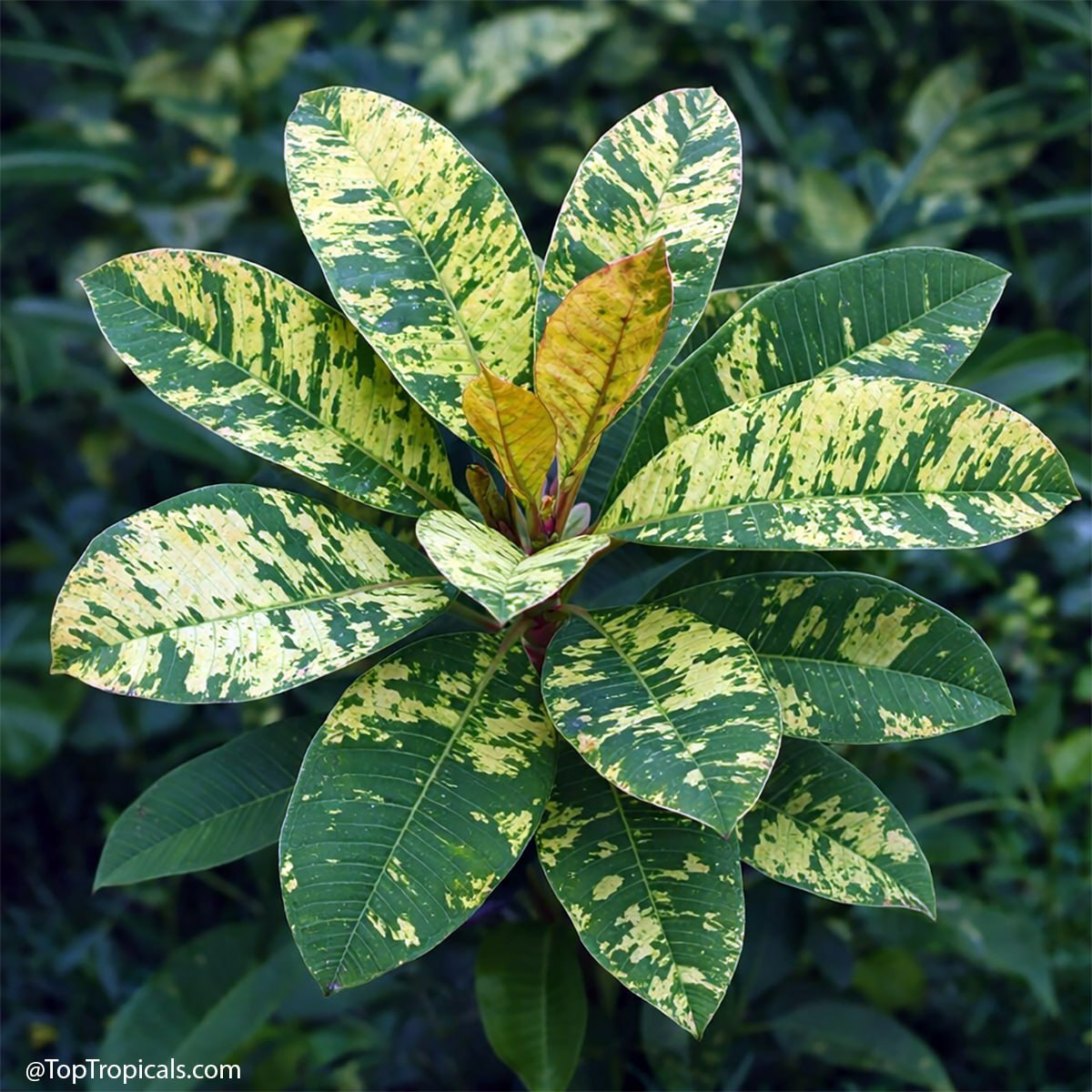
✦ Plumeria Anyamanee Yellow Variegated - bright yellow flowers paired with dark green leaves streaked in yellow, creating a bold, high-contrast look. The Thai name means rare jewel, and it fits perfectly.
✦ Plumeria Maya Red Variegated - rich red-pink flowers with variegated leaves touched by reddish tones, giving the whole plant a warm, layered look. Fragrant and very eye-catching.
✦ Plumeria Silver Leaf Variegated - silvery variegated foliage paired with soft yellow blooms, creating a clean, elegant contrast. A collectible type that feels a bit different from typical plumerias.
💡 Plumeria tip: soil and drainage
Plumerias hate wet feet. Give them a fast-draining, airy mix so roots can breathe - think chunky soil with perlite, bark, and coconut fiber. A simple formula that works very well is Sunshine Abundance soilless formula mixed 50/50 with coarse sand - it drains quickly and keeps roots healthy and rot-free.
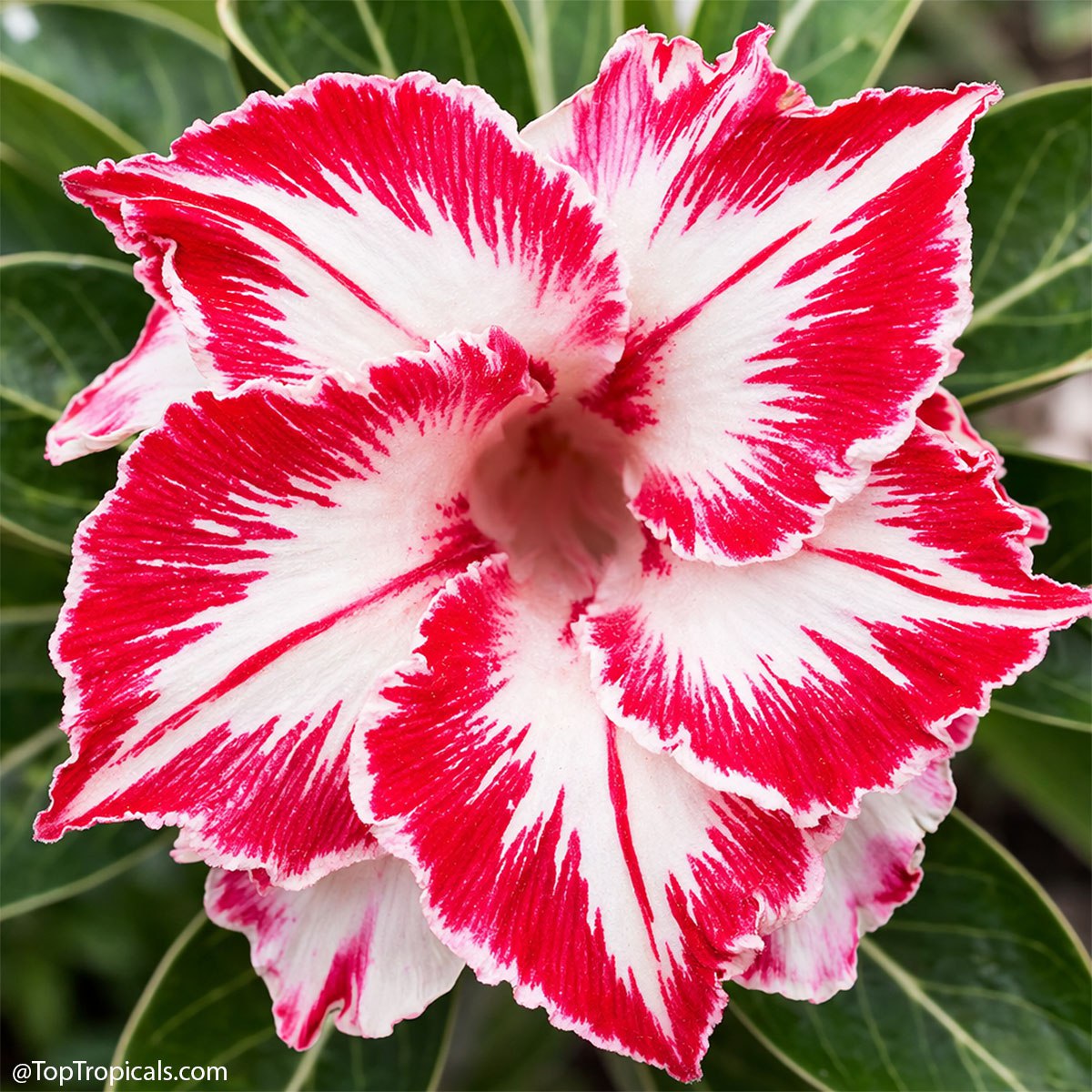
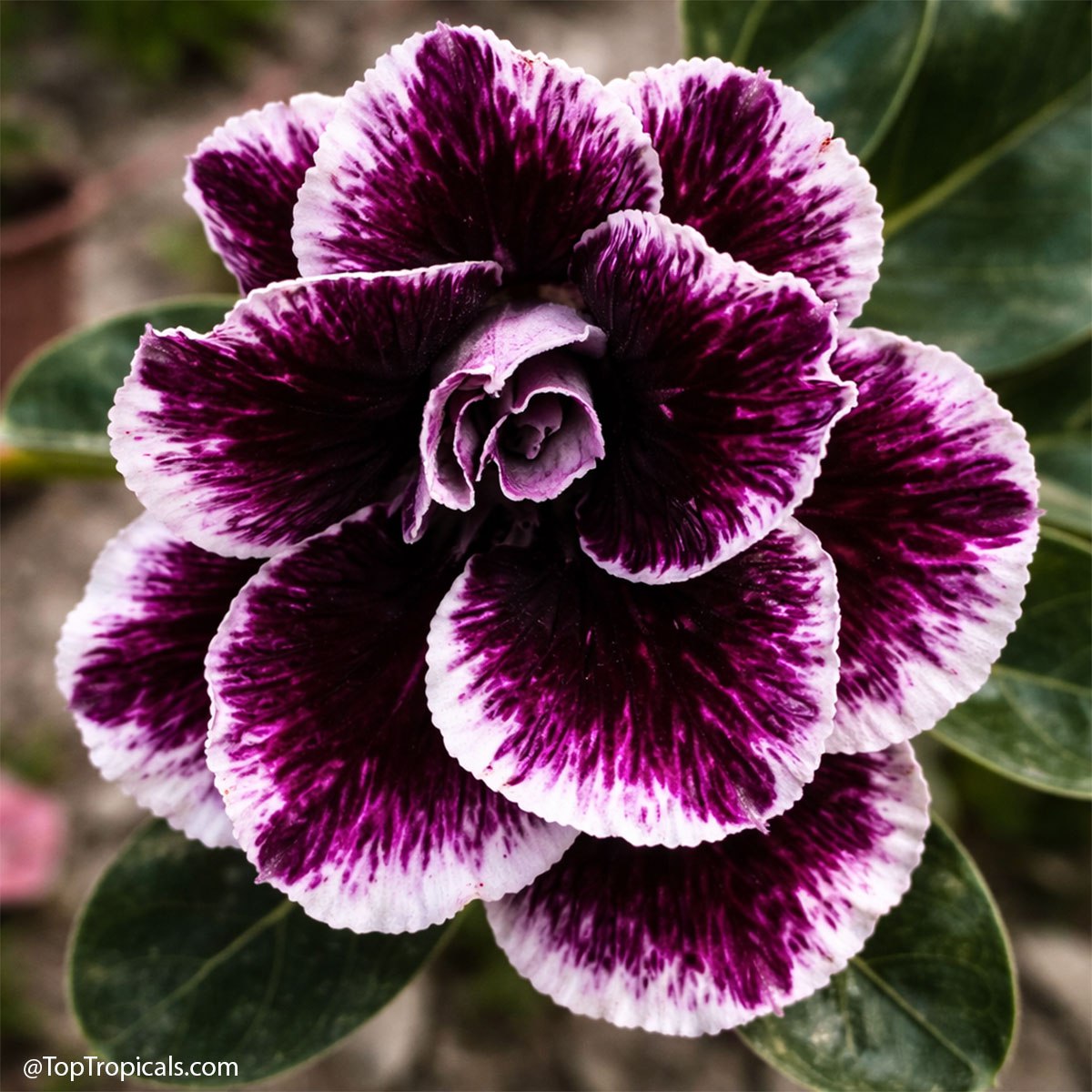
How to start your dream collection: Adenium rainbow
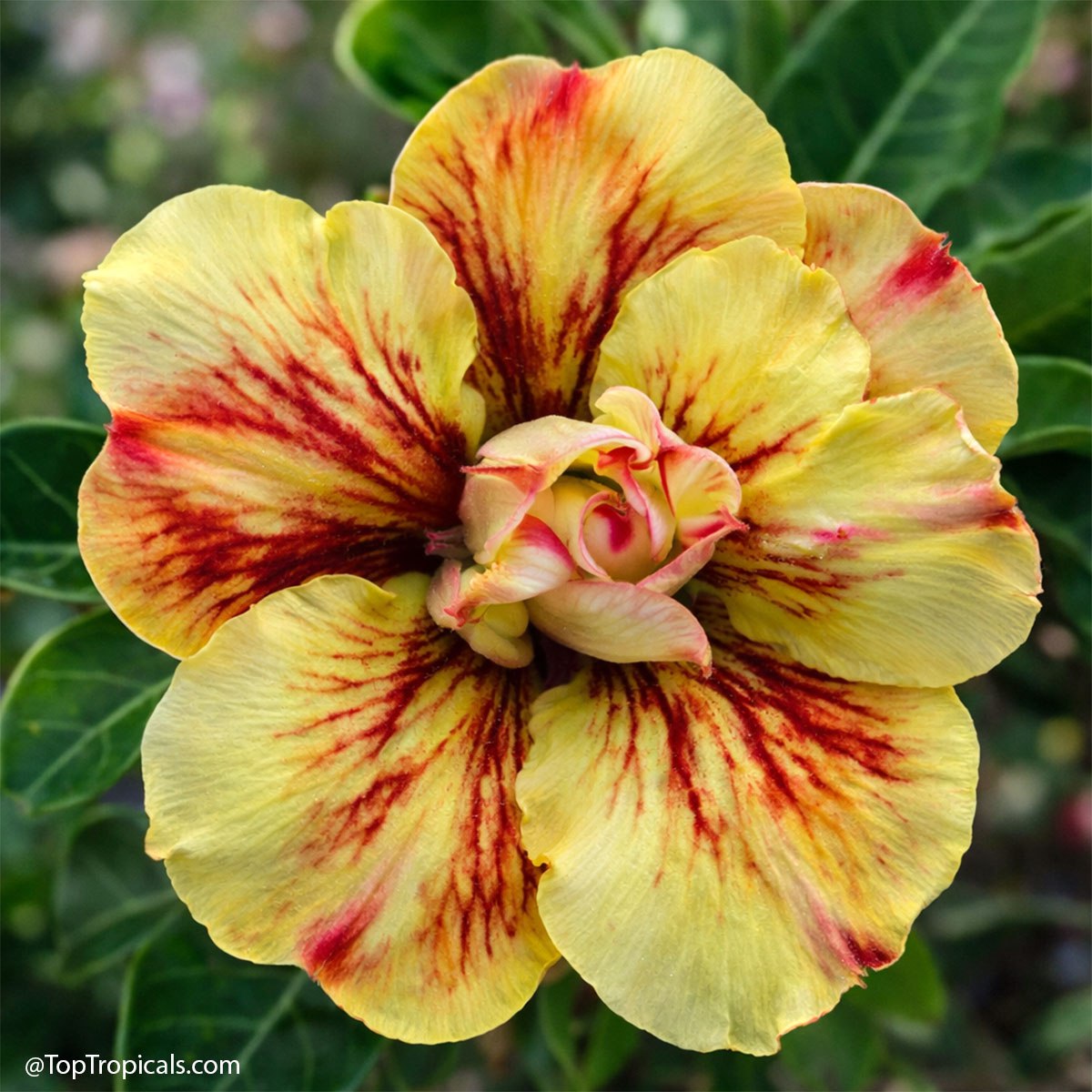
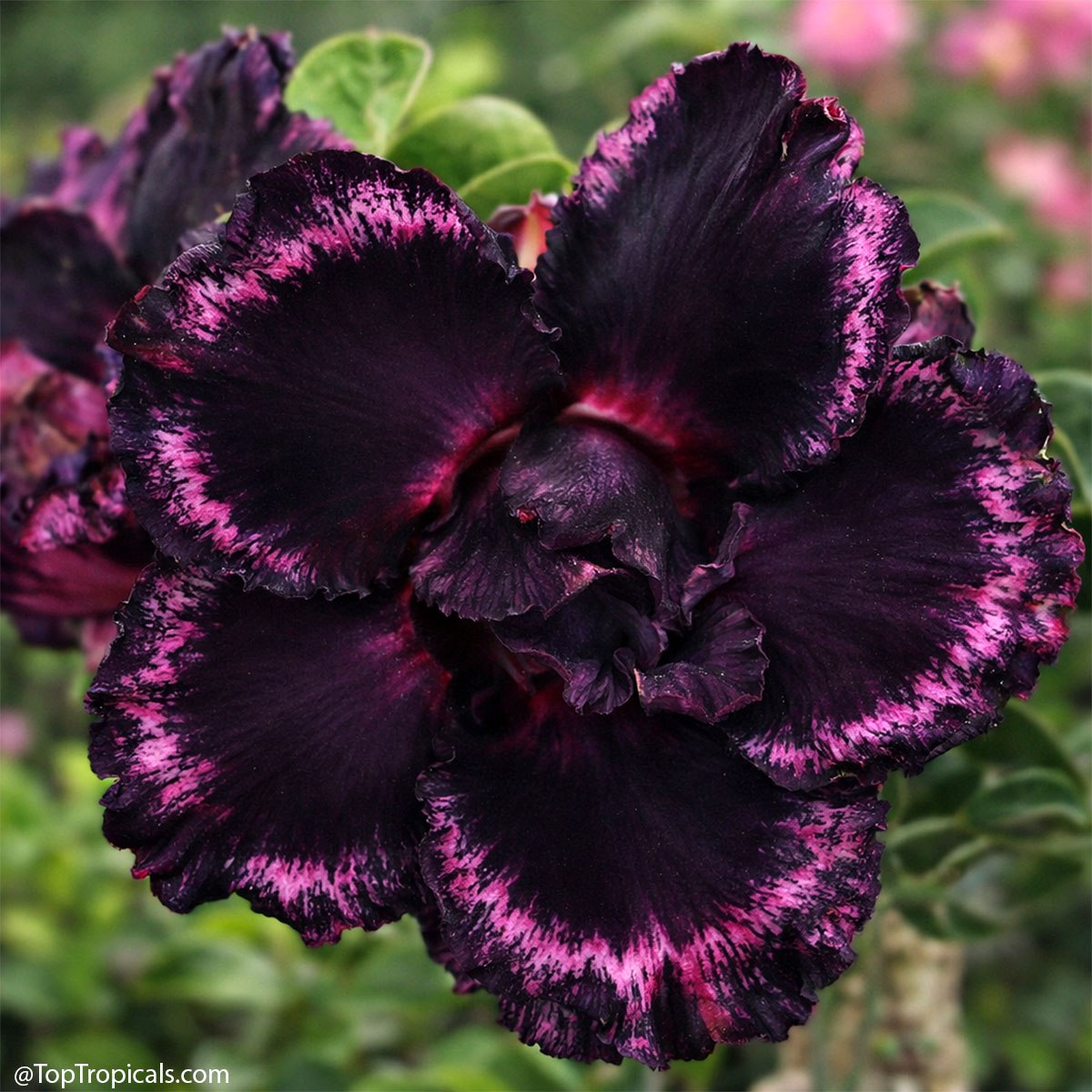
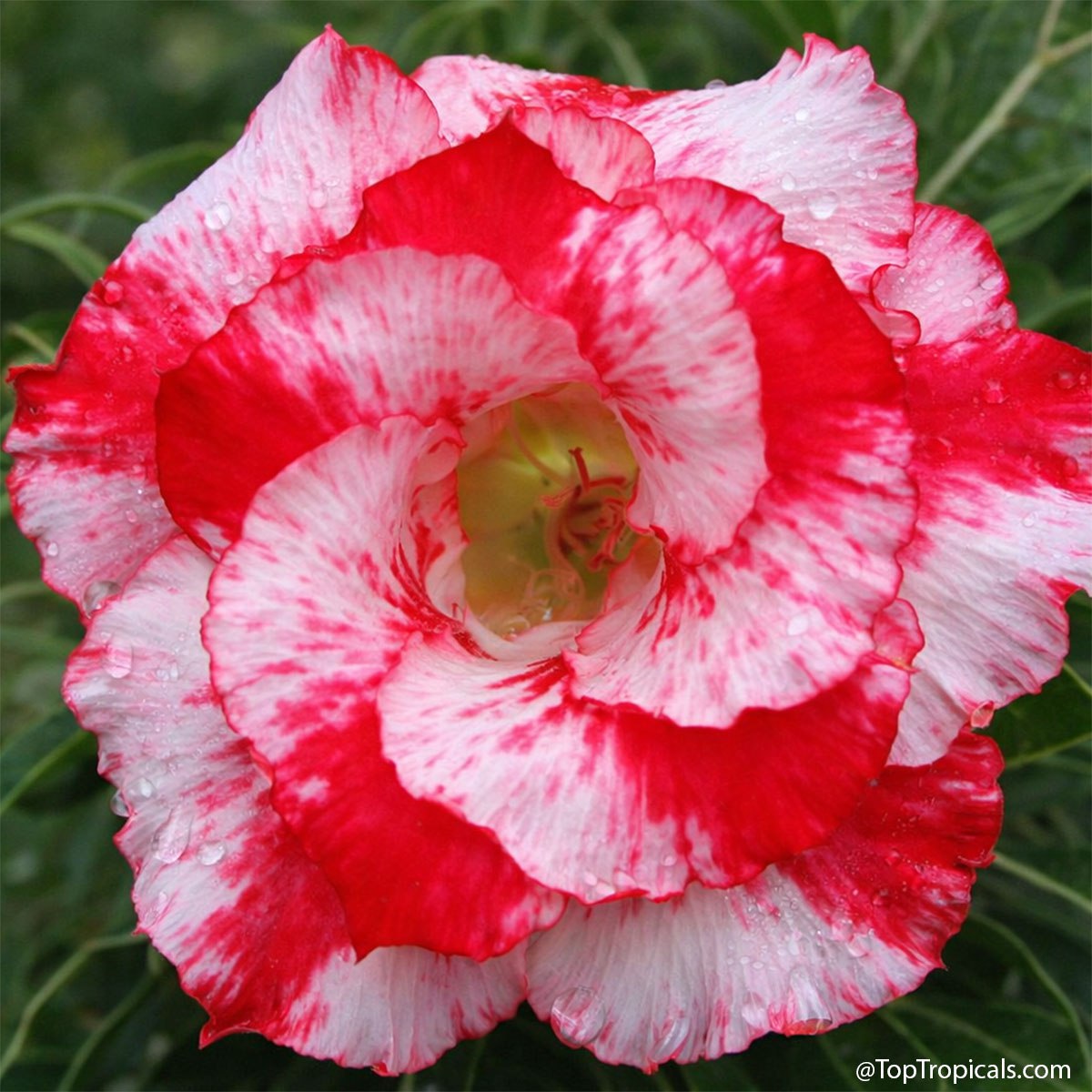
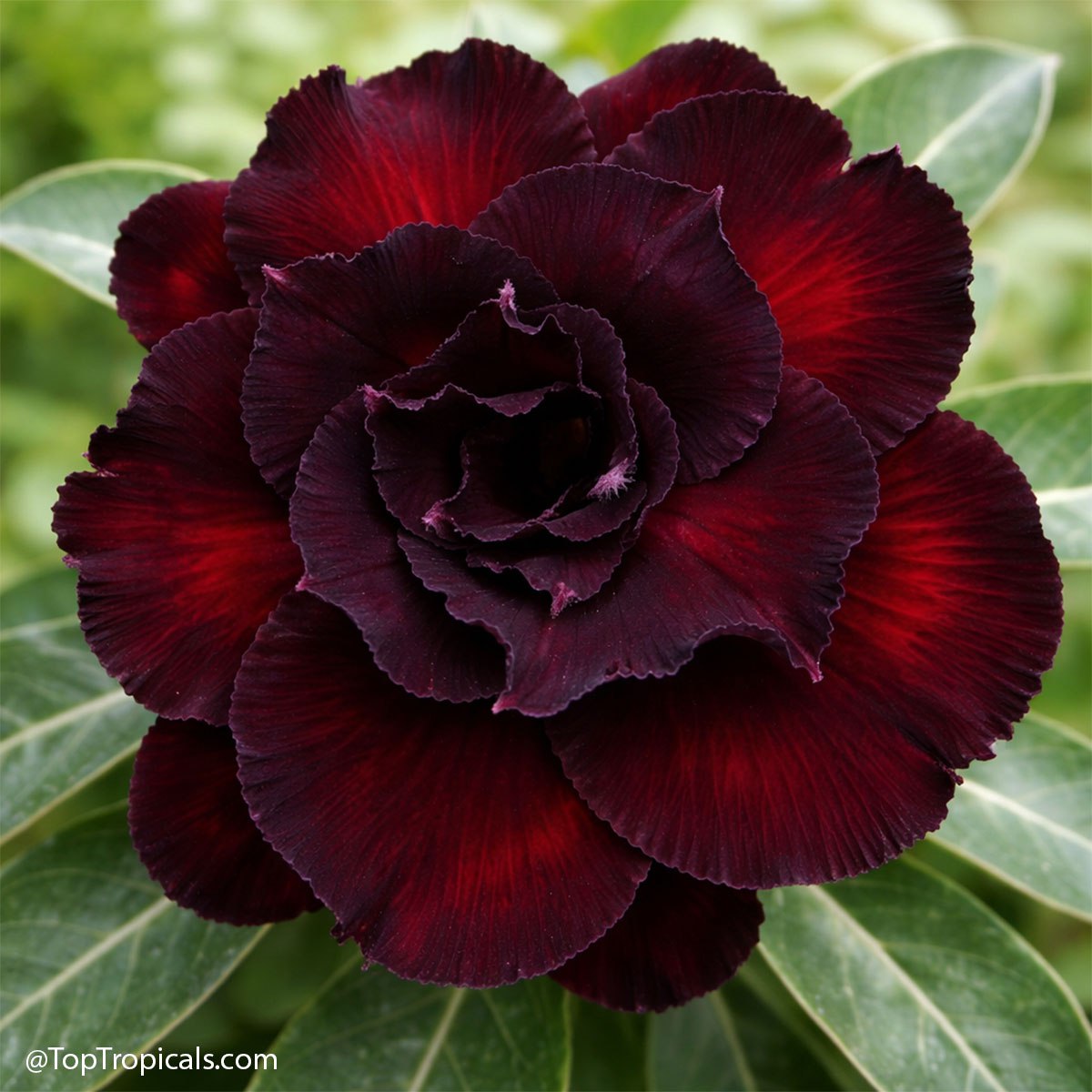
Adenium Amaryllis
Adenium Win
Adenium Butterfly Yellow
Adenium Black Butterfly
Adenium Good Morning
Adenium Good Night
How to start your dream collection: Adenium rainbow 🌈
👉 Thinking about adeniums? Read this before you buy one!
How to start an adenium collection without wasting money
If you’ve ever seen a tray of different blooming adeniums, you probably had the same thought: "I want them all." And honestly - we get it.
Adenium Plant Facts
Botanical name: Adenium sp. Also known as: Adenium, Desert Rose, Impala Lily
USDA Zone: 9 - 10
Highligths
But with hundreds of varieties out there (and only so much space on your patio), the real trick isn’t collecting everything… it’s choosing the right ones and growing them well so they actually bloom like the photos.
Let’s make it simple.
💡 Before you start your adenium collection
A few basics that make all the difference:
🔸 Light. Bright light is key. The more light, the better the blooms. 🔸 Water. Water deeply, then let soil dry out. Adeniums hate sitting wet. 🔸 Fertilizer. Adeniums prefer liquid food. Light, regular feeding withSunshine Megaflor Bloom Booster during active growth = stronger growth, bigger caudex, and better flowering. 🔸 Trimming. Prune after flowering to shape and encourage branching. More branches = more flowers. 🔸 Soil. Fast-draining mix is a must. No heavy, soggy soil. Use Adenium Soilless Mix. 👉 How to grow a happy Adenium
🌸 Today's featured adeniums
A few standout varieties to start (or expand) your collection:
✦ Amaryllis: Large, bold blooms with a classic floral shape - one of those that always catches attention. ✦ Win: Clean, bright blooms with a balanced form - simple and very satisfying. ✦ Butterfly Yellow: Soft yellow tones with a delicate, airy look - light and cheerful. ✦ Black Butterfly: Dark, velvety tones with a winged pattern feel - rich and dramatic. ✦ Good Morning: Bright, fresh tones that feel clean and uplifting - a nice contrast in any group. ✦ Good Night: Dark, moody tones - a completely different vibe from typical bright adeniums.
If you’re just starting, pick a few different styles - light, dark, bold, soft. That contrast is what makes a collection feel alive.
What tropical plants survived Floridas historic freeze without protection
Florida historic freeze
What tropical plants survived Florida's historic freeze without protection
In the first week of February 2026, arctic air pushed deep into Florida. For many areas, this was the coldest event in over a century.
We received one question over and over: How did your gardens do?
Top Tropicals Farm in Sebring, Florida is up and running - and this freeze became a real-world hardiness test for tropical and subtropical plants. Below is our initial field report after inspecting established plantings.
📊 Weather data - February 1-6, 2026
Sebring, Florida - 132 years of recorded observations
This was not a light frost. It was prolonged, windy, penetrating hard freeze.
🌡 Minimum temperature: 25F ❄️ Wind chill: 14F ⏳ Duration: 3 nights of 8-10 hour hard freeze ☀️ Daytime temperatures: around 50F for 7 days 🌀 Wind: sustained 20 mph, gusts 40-50 mph
Cold protection
In-ground trees: selected plants covered with frost cloth, especially
Mango Plant Facts
Botanical name: Mangifera indica Also known as: Mango
USDA Zone: 9 - 11
Highligths
mango and young
Avocado Plant Facts
Botanical name: Persea americana, Persea gratissima Also known as: Avocado, Alligator Pear, Aguacate, Abacate
USDA Zone: 9 - 11
Highligths
avocado trees. Tender container plants: moved into greenhouses with propane heat above 34F. Hardy container plants: frost cloth and wind protection only - no plastic Nutrition support: plants fertilized regularly during the growing season with Green Magic and Sunshine Boosters to maintain vigor and hardiness.
However, the plants listed below had no protection at all.
All were established trees 2-3 years in the ground.
The plants below had NO PROTECTION, established trees 2-3 years old
Botanical name: Psidium cattleyanum, Psidium littorale Also known as: Cattley Guava, Sand Plum, Strawberry Guava
USDA Zone: 9 - 11
Highligths
Eugenias (Grumichama, Rio Grande, Surinam and more)
Olive trees
Bay Leaf (Laurus nobilis)
Fig trees (Ficus carica)
Prunus sp - Peaches, Plums, Nectarines
Persimmons
Rubus (Blackberries) including Tropical Mysore Raspberry
Elderberry (Sambucus)
Yerba Mate - Ilex paraguariensis
Opuntia - Nopal Cactus, Prickly Pear
🌸 Flowering Trees and Shrubs:
Beaucarnea recurvata - Pony Tail
Ponytail Palm Plant Facts
Botanical name: Beaucarnea recurvata, Nolina recurvata Also known as: Ponytail Palm, Pony Tail, Bottle Palm, Nolina, Elephant-foot Tree
USDA Zone: 10 - 11
Highligths
Callistemon - Bottlebrush
Yucca
Tabebuias
Magnolia figo and Little Gem
Banana Magnolia Plant Facts
Botanical name: Magnolia figo, Michelia figo, Magnolia fuscata Also known as: Banana Magnolia, Banana Shrub, Port Wine Magnolia
USDA Zone: 7 - 10
Highligths
Calliandra tweedii - Red Powderpuff
Sophora tomentosa
Yellow Necklace Pod Plant Facts
Botanical name: Sophora tomentosa Also known as: Yellow Necklace Pod, Silverbush
USDA Zone: 8 - 11
Highligths
Galphimia gracillis - Thriallis
Thriallis Plant Facts
Botanical name: Galphimia gracillis, Galphimia gracilis, Galphimia glauca Also known as: Thriallis, Rain of Gold, Spray of Gold
USDA Zone: 9 - 11
Highligths
Acacia trees
Osmanthus fragrans
Tea Olive Plant Facts
Botanical name: Osmanthus fragrans, Olea fragrans, Olea ovalis, Osmanthus longibracteatus, Osmanthus macrocarpus Also known as: Tea Olive, Fragrant Olive, Sweet Olive, Kinmokusei in Japan
USDA Zone: 8 - 11
Highligths
Abutilon trees
Erythrina - several species
Monkey Ear tree - Enterolobium cyclocarpum
Bauhinia Orchid Trees - several species
Pseudobombax ellipticum - Shaving Brush Tree
Shaving Brush Tree Plant Facts
Botanical name: Pseudobombax ellipticum, Bombax ellipticum Also known as: Shaving Brush Tree
USDA Zone: 9 - 11
Highligths
Bulnesia arborea- Vera Wood
Vera Plant Facts
Botanical name: Bulnesia arborea Also known as: Vera, Verawood, Vera Wood, Maracaibo Lignum Vitae
USDA Zone: 10 - 12
Highligths
Caesalpinia mexicana, Mexican Bird of Paradise
Mexican Bird of Paradise Plant Facts
Botanical name: Caesalpinia mexicana Also known as: Mexican Bird of Paradise, Dwarf Poinciana
USDA Zone: 9 - 11
Highligths
Sansevieria - Snake Plant
Foxtail fern - Asparagus densiflorus
Lonicera - several varieties
Jacaranda tree
Eucalyptus
Plumbago Imperial Blue
Philodendron bipinnatum
Gardenias
Gingers (dormant rhizomes)
✳️ Minimal leaf damage only:
(These plants showed light cosmetic damage but no structural injury)
🍑 Tropical Fruit Trees and Edibles:
Glycosmis pentaphylla - Gin Berry
Ash sheora Plant Facts
Botanical name: Glycosmis pentaphylla, Limonia pentaphylla Also known as: Ash sheora, Orangeberry, Rum Berry, Gin Berry
USDA Zone: 9 - 10
Highligths
Black sapote tree
Tamarind tree
Syzygiums: Rose Apple and Java Plum
🌸 Flowering Trees and Shrubs:
Pandora vine
Jasminum - several species
Stenocarpus sinuatus - Firewheel Tree
Firewheel Tree Plant Facts
Botanical name: Stenocarpus sinuatus Also known as: Firewheel Tree
USDA Zone: 9 - 11
Highligths
Xanthostemon
Quisqualis indica
Rangoon Creeper Plant Facts
Botanical name: Combretum indicum, Quisqualis indica Also known as: Rangoon Creeper, Burma Creeper, Chinese Honeysuckle
USDA Zone: 10 - 11
Highligths
Schotia tree
Eranthemum pulchellum - Blue Sage
Blue sage Plant Facts
Botanical name: Eranthemum pulchellum, Eranthemum nervosum Also known as: Blue sage, Blue eranthemum, Lead Flower
USDA Zone: 9 - 11
Highligths
Hiptage benghalensis - Helicopter Flower
Hiptage Plant Facts
Botanical name: Hiptage benghalensis, Hyptage bengalensis Also known as: Hiptage, Helicopter Flower
USDA Zone: 9 - 10
Highligths
🏡 What this means for Florida gardeners
This freeze was a stress test few gardens are prepared for. Yet many species handled 25F, wind, and multi-night freeze conditions without protection.
Choosing proven survivors, planting in smart microclimates, and maintaining strong plant health during the growing season makes a measurable difference.
More updates will follow as full recovery continues - but these early results already help define a stronger plant palette for future winters.