Garden Blog - Top Tropicals

Date: 1 Jan 2025

2025: The Year of the Green Wood Snake

2025: The Year of the Green Wood Snake

👍 2025: The Year of the Green Wood Snake. A Time for Wisdom, Growth, and Renewal


  • 🐍 Are You Ready to Transform?

On January 29th, 2025, Asia ushers in the Lunar New Year of the Green Wood Snake, a symbol of wisdom, transformation, and creativity. This isn't just any snake year; it's one filled with the potential for significant personal and communal evolution.

  • 🐍 What Makes the Snake So Special?

In Chinese astrology, the Snake is known for its intelligence, elegance, and quiet strength, paired with the Wood element to foster creativity and flexibility in 2025. Are you ready to shed old habits and embrace new possibilities?

  • 🐍 What Does It Mean to Be Born in the Year of the Snake?

Those born under the Snake sign are intelligent, creative, and determined, often thriving under pressure. This year offers them a special opportunity to leverage their talents fully.

  • 🐍 How Can the Snake Inspire You?

The Snake's ability to solve problems and adapt to changes encourages us to face life's challenges with grace. What will you shed this year to reveal your best self?

  • 🐍 What Can We Learn from Snake Myths?

The legend of Nuwa, the goddess who embodies creation and balance, teaches us about renewal and harmony. How will you harness this energy in 2025?

  • 🐍 Why Is 2025 Perfect for Growing Something New?

The Wood Green Snake, as the Patroness of Plants, makes 2025 an ideal year for gardening and embracing nature. What will you grow this year?

  • 🐍 How Can You Blossom in 2025?

This year encourages personal growth, healthier habits, and creativity. What steps will you take to thrive?

  • 🐍 Are You Ready to Embrace the Possibilities?

2025 invites you to grow, create, and transform. Follow the Snake's lead and make it a year to remember. What will you achieve in the Year of the Green Wood Snake?

🐍 What are Snake's lucky plants and your lucky plants for the New Year 2025?


Find out now! Check out the lucky plants especially for you, depending on the year you were born:

🚩 Check out your personal lucky plants for Year of Snake

#Horoscope

🔴 Join 👉 TopTropicals

Date: 17 Jan 2025

Six most desired perfume plants

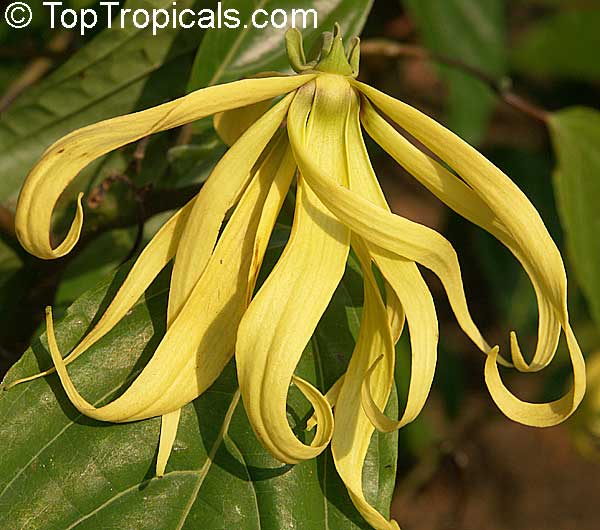
Cananga fruticosa - Dwarf Ylang-Ylang, Chanel No 5 Tree

Cananga fruticosa - Dwarf Ylang-Ylang, Chanel No 5 Tree

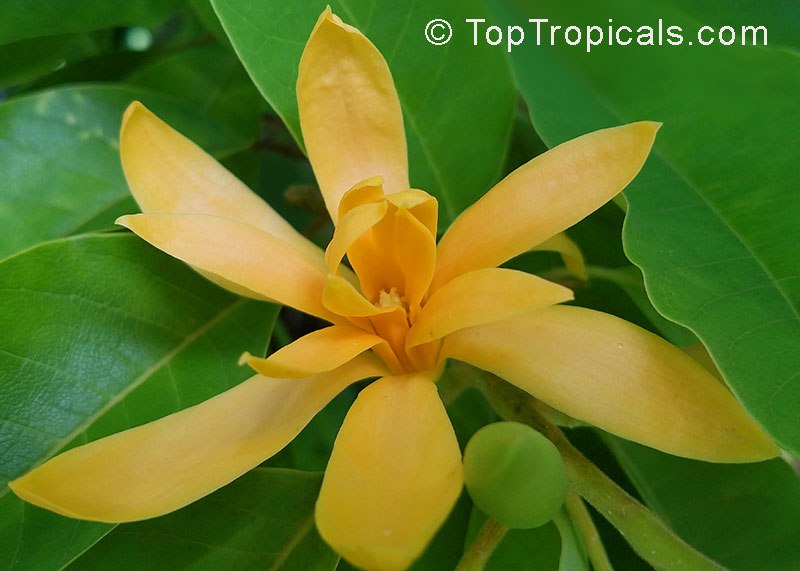
Magnolia (Michelia) champaca - Joy Perfume Tree, Champaka

Magnolia (Michelia) champaca - Joy Perfume Tree, Champaka

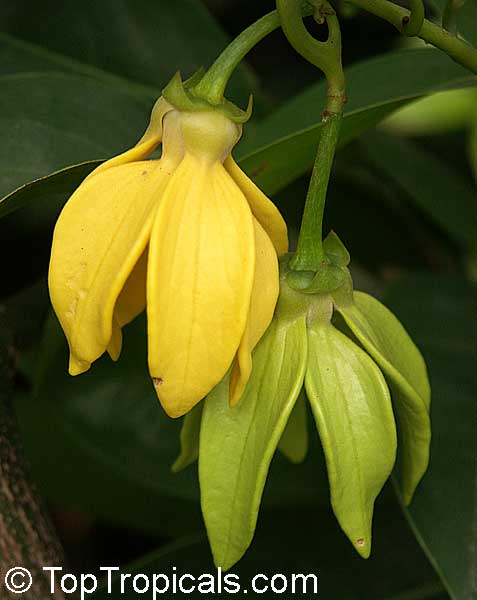
Artabotrys - Ylang Ylang vine

Artabotrys - Ylang Ylang vine

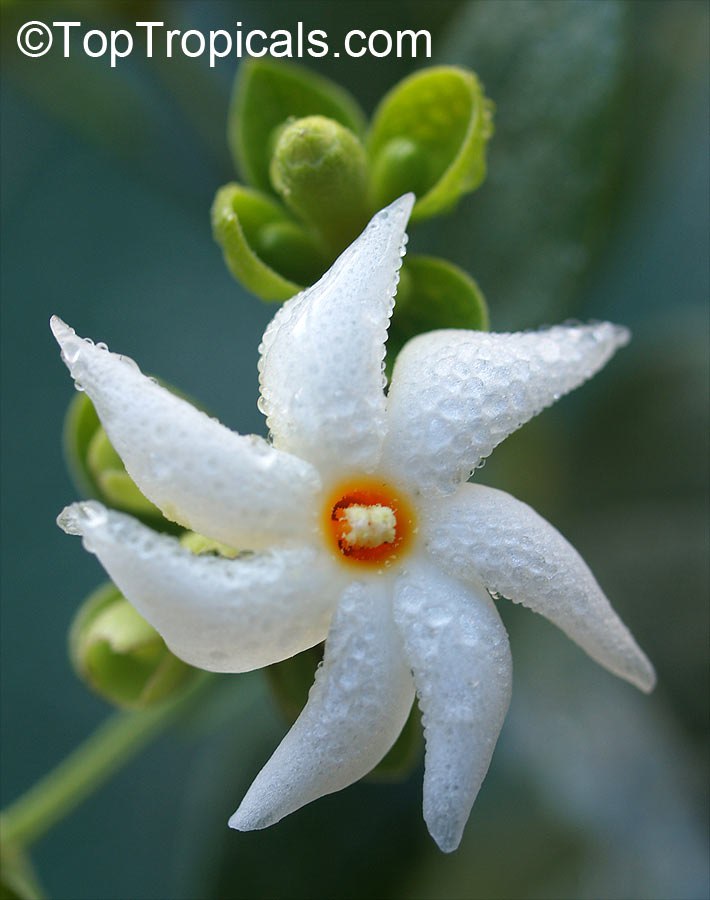
Nyctanthes arbor-tristis - Parijat

Nyctanthes arbor-tristis - Parijat

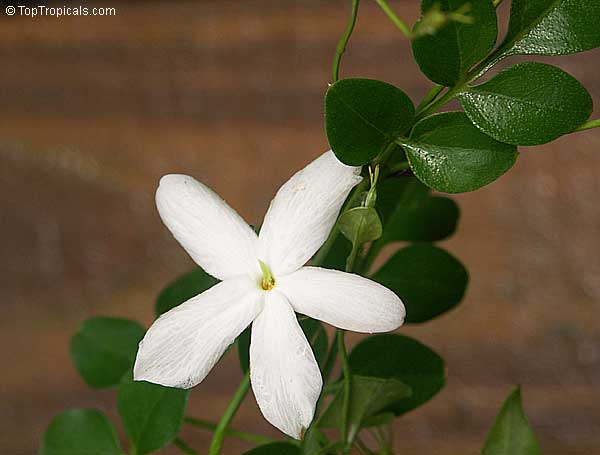
Jasminum sambac Grand Duke

Jasminum sambac Grand Duke

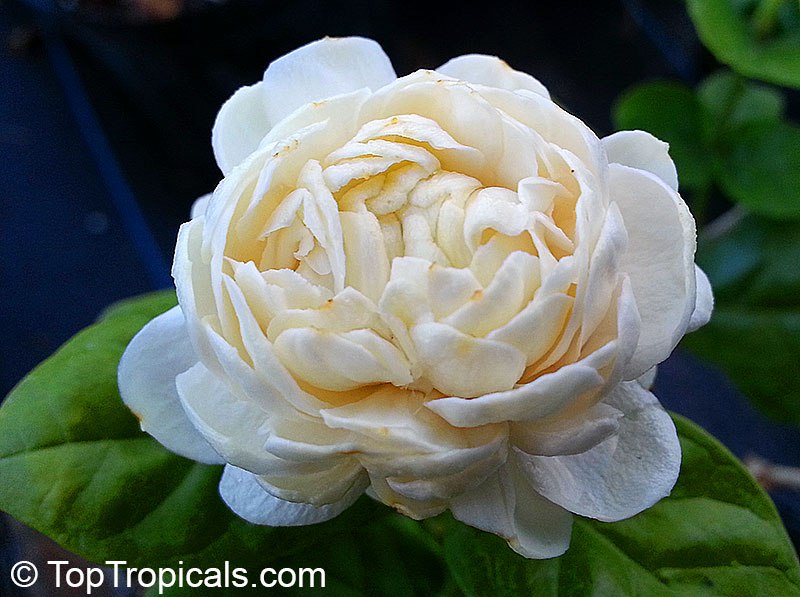
Jasminum officinale - French Perfume Jasmine

Jasminum officinale - French Perfume Jasmine

Six most desired perfume plants

  • 🕊 Cananga fruticosa - Dwarf Ylang-Ylang, Chanel No 5 Tree. One of the most desired and sought after rare fragrant plants. Elegant flowers are responsible for creation Chanel #5 perfume. Perfect small tree for a container.
  • 🕊 Magnolia (Michelia) champaca - Joy Perfume Tree, Champaka. The most sacred tree of India and tropical Asia. Divine fragrance exceedingly pleasing to the Gods... The flowers are used to make the world's most expensive perfume 'Joy' and smell like fruity bubble gum, you can't stop sticking your nose in this flower!
  • 🕊 Artabotrys - Ylang Ylang vine - Woody climber with strong fragrance of flowers resembling lemon candy and melon.
  • 🕊 Nyctanthes arbor-tristis - Parijat. Small tree or shrub from India with highly perfumed flowers, one of the most desired fragrant plants. Mythology says the plant came to earth with God Krishna, shedding flowers like tears before dawn.
  • 🕊 Jasminum sambac - the most popular and the most fragrant Jasmine for both indoor or outdoor culture. Varieties: Arabian Nights, Belle of India, Mangalore Malli, Grand Duke, Grand Duke Supreme, Gundu Malli, Maid of Orleans, Mali Chat, Mysore Mulli, Little Duke Supreme - Baby Duke.
  • 🕊 Jasminum officinale - French Perfume Jasmine - Essential oil of this jasmine is one of the most important components in perfumery.


🛒 Shop fragrant plants

#Perfume_Plants

🔴 Join 👉 TopTropicals

Date: 17 Apr 2025

Fuel Your Day Naturally: Grow Plants That Boost Your Energy

Tropical fruit that boost energy

Tropical fruit that boost energy

⚡️ Fuel Your Day Naturally: Grow Plants That Boost Your Energy


Feeling tired, sluggish, or mentally foggy? Your garden can be your energy station!
These tropical fruits and edibles are rich in Vitamin B1 (Thiamine), natural caffeine, and metabolism-enhancing compounds that help convert food into fuel, power your body, and sharpen your mind - naturally and sustainably.


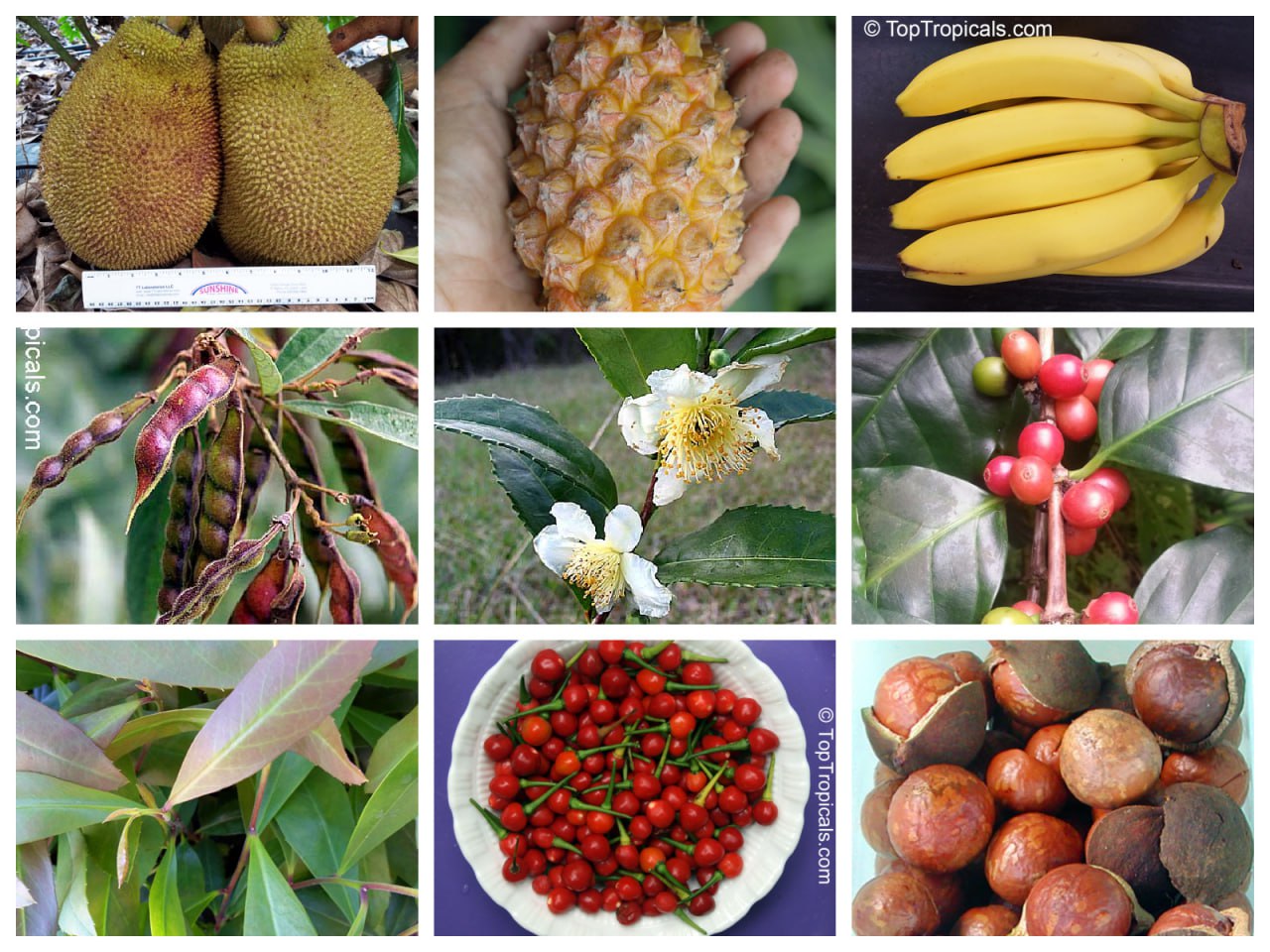
⚡️ Top 9 Energy-Supporting Plants (Vitamin B1 - Thiamine):

  • 🟡 Jackfruit - A delicious tropical source of vitamin B1, supporting energy production and nervous system function.
  • 🟡 Pineapple - Contains thiamine, essential for turning food into usable energy.
  • 🟡 Banana - Supplies vitamin B1 and quick-access natural sugars, ideal for an energy lift.
  • 🟡 Pigeon Pea (Cajanus cajan) - A protein-rich edible legume packed with thiamine to aid in energy metabolism.
  • 🟡 Camellia sinensis (Tea Plant) - Leaves used to brew green and black tea, combining caffeine with L-theanine to promote sustained mental energy.
  • 🟡 Coffee - One of nature's most famous energy boosters - grown from a beautiful tropical tree.
  • 🟡 Yerba Mate - A South American favorite for mental clarity and physical stamina - with natural caffeine and nutrients.
  • 🟡 Wiri wiri and Biquinho Peppers - These fiery little peppers are rich in capsaicin, which may help boost metabolism, burn fat, and enhance overall energy levels.
  • 🟡 Macadamia Nut - Loaded with thiamine (B1) and healthy fats that support nervous system function and long-lasting energy.


📚 Learn more about health benefits of tropical plants:


TROPICAL FRUIT HEALTH BENEFITS GUIDE - Part 1 and Part 2

🛒 Shop Energy-Boosting Plants for Natural Energy

#Food_Forest #Discover #Remedies #Bananas

🔴 Join 👉 TopTropicals

Date: 31 Aug 2025

🌿 The Jungle Cactus with a secret life

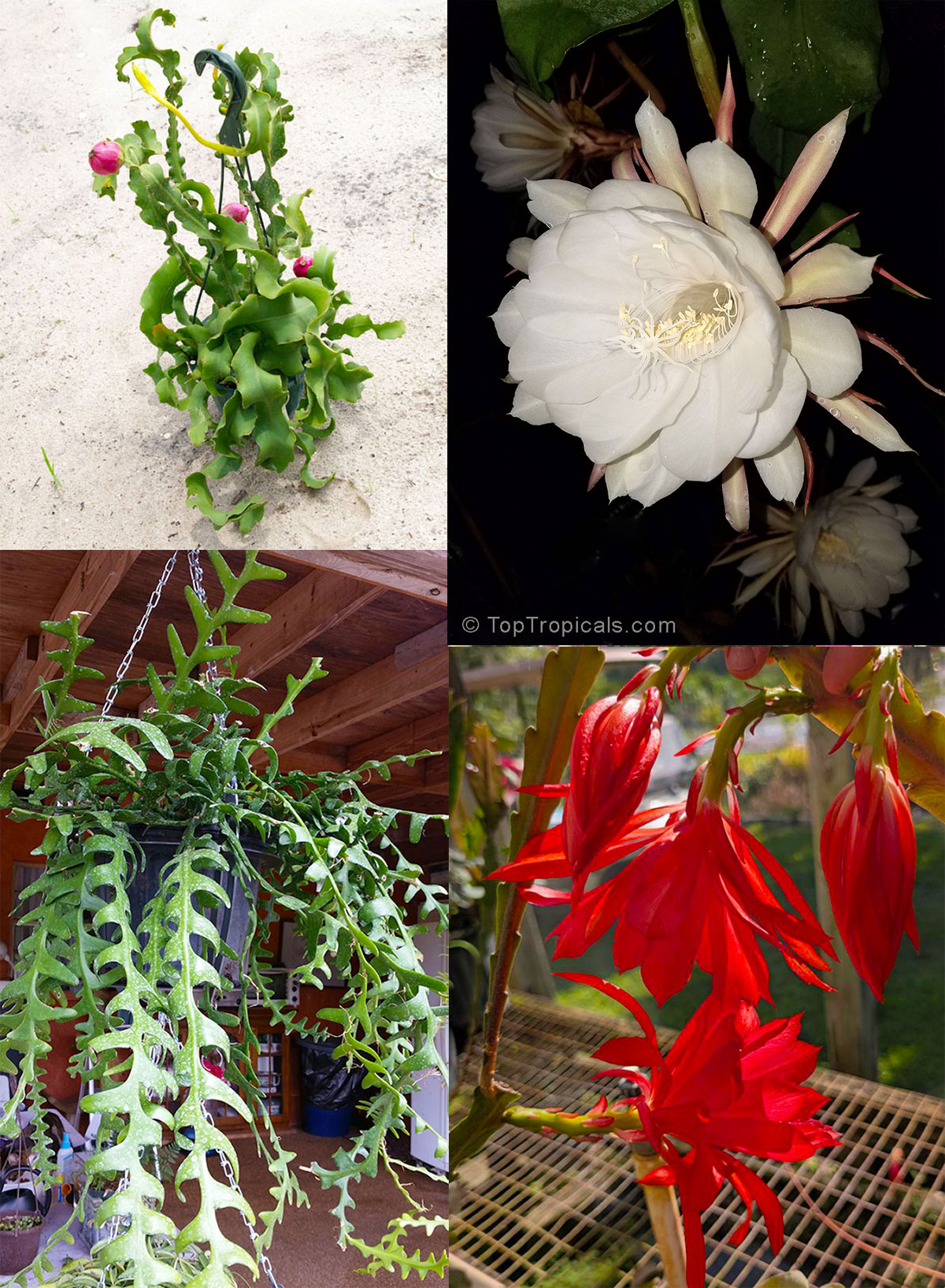
Collage  of  four  jungle  cactus  plants:  top  left  Epiphyllum  guatemalense 
 Monstrosa  (Curly  Locks  Orchid  Cactus),  top  right  Epiphyllum  oxypetalum 
 (Queen  of  the  Night),  bottom  left  Cryptocereus  anthonyanus  (Zig-Zag  Cactus),
    and  bottom  right  Disocactus  ackermanni  (Red  Orchid 
 Cactus).

Jungle cactus collage: top left Epiphyllum guatemalense Monstrosa (Curly Locks Orchid Cactus), top right Epiphyllum oxypetalum (Queen of the Night), bottom left Cryptocereus anthonyanus (Zig-Zag Cactus), and bottom right Disocactus ackermanni (Red Orchid Cactus)

Most people picture cactus as desert plants: hot sun, sharp spines, dry sand. But that’s only half the story. There’s another branch of the family that lives in the shade of rainforests. These are the jungle cacti — epiphyte plants that climb trees, trail from branches, and throw out flowers so big and showy they look closer to orchids than to cactus blooms.

See one up close and it’s a surprise. The stems can be flat, zig-zagged, or even curly. Some trail like ferns, others pile into a shaggy basket. And when the flowers open — often at night — they’re wide, fragrant, and gone by morning. It’s no wonder gardeners like them from a first sight.

✔️ Jungle Cactus Q&A

Aren’t all cacti desert plants?

Not these. Jungle cacti are epiphytes and grow in rainforests, clinging to trees and catching rain. They never touch desert sand.

What kind of light do they need?

Outdoors, filtered sun under a tree works best. Indoors, give them bright but indirect light — east or north windows are usually safe. Direct summer sun can scorch the stems, whether inside or out.

How much water is safe?

They take more water than desert cactus but still hate wet feet. Outdoors, a rain shower is fine if the pot drains fast. Indoors, water when the top inch of soil feels dry. Always use a loose mix like Adenium mix so roots get some air.

Do they bloom indoors?

Yes. In fact, many bloom better inside where conditions are steady. They set buds when a little root-bound, and cooler nights help. Outdoors in frost-free zones, flowers come with seasonal shifts. Indoors, expect surprise buds after a cool spell by the window.

Best way to display them?

Hanging baskets show off trailing stems both inside and out. Shallow pots work well on shelves or ledges indoors. In warm climates, they can even be tied to a tree branch outside — exactly how they grow in the wild.

Extra note on indoor vs. outdoor care?

Indoors, watch for dry heated air in winter — they like a bit of humidity. A tray of pebbles and water under the pot helps. Outdoors, protect from heavy midday sun and bring them in if nights dip below the mid 30s F.

Jungle cacti are easy to keep and full of surprises. Whether trailing from a basket or blooming after dark, they prove that not every cactus belongs in the desert.

Read Garden Blog about Cacti

Add Jungle Cactus to your collection

Date: 14 Feb 2024

Year of the Dragon: Chinese or Vietnamese?

Green  Wooden  Baby  Dragon

Q: Is Chinese New Year the same as Vietnamese Tat? I want to buy a Vietnamese Micky Mouse plant and I am wondering if this would be also a lucky plant for the Year of the Dragon?

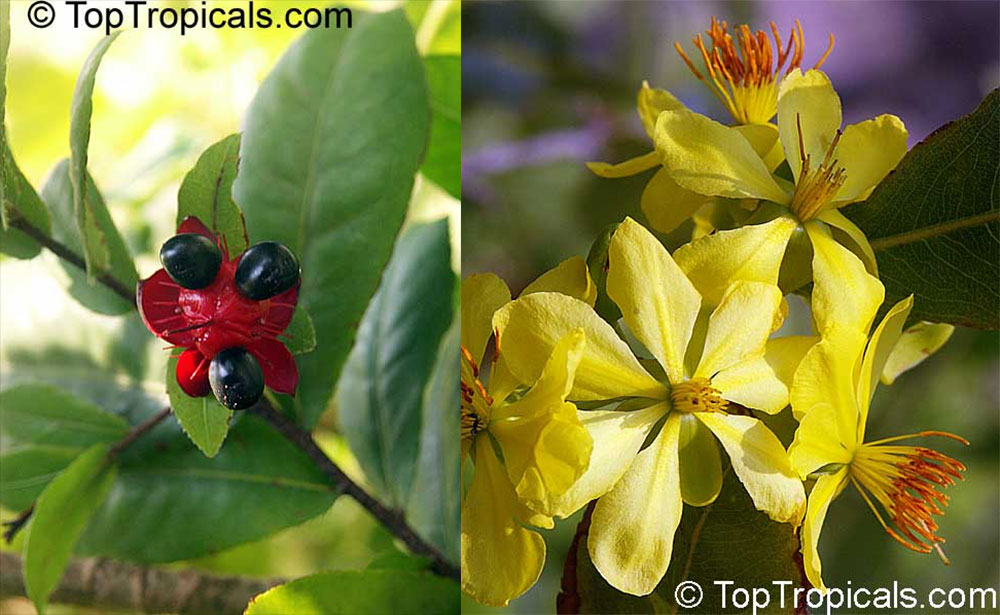
A: Vietnam, as well as other parts of Asia, is celebrating the Lunar New Year of the Dragon, which falls on February 10. Vietnam and neighboring China share 10 of the zodiac calendar's 12 signs: the rat, tiger, dragon, snake, horse, goat, monkey, rooster, dog and pig. The Vietnamese traditional Tet market in Hanoi is covered in hues of red and gold, colors that represent good luck and fortune. One of the most significant plants is the golden-flowered Ochna. But there are several other plants associated with the Lunar New year, as well as Dragon Year.

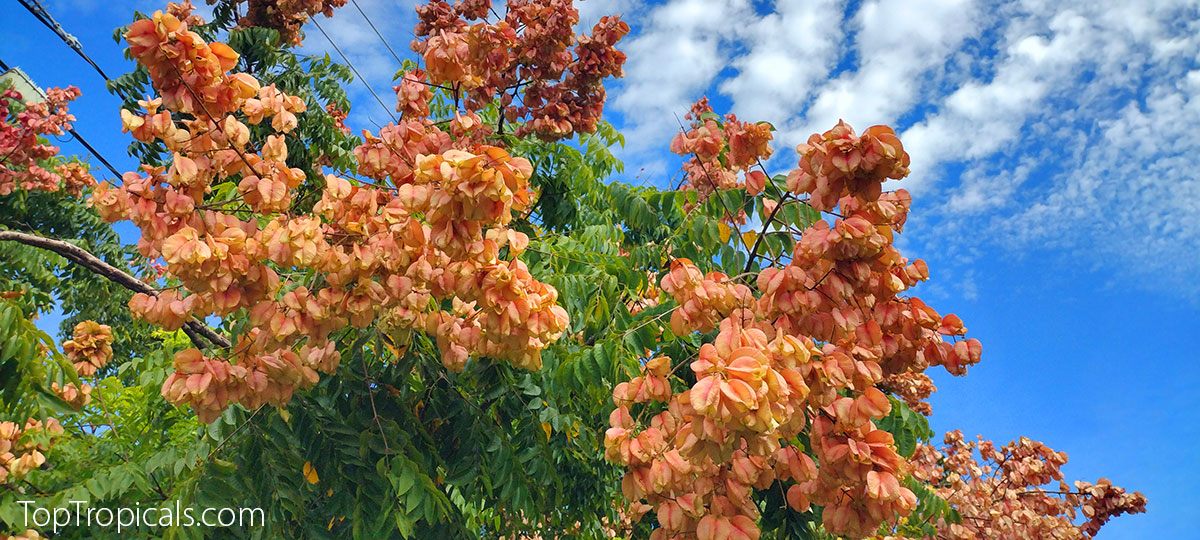
Green Wooden Dragon has specific favorite plants, including all species of Dragon fruits, Lychee or First Dragon's Eye (Litchi sinensis), Longan or Second Dragon's Eye (Euphoria longana), Creeping Philodendrons, and the Golden Rain Tree (Koelreuteria paniculata).

Learn more:

Golden  Rain  Tree  (Koelreuteria 
 paniculata)

Golden Rain Tree (Koelreuteria paniculata). According to ancient Chinese manuscripts, the Golden Rain Tree (Koelreuteria paniculata) is crucial for Dragons, as it is believed to be connected to their existence, guarding and complementing each other. Growing these plants is considered auspicious and is believed to safeguard the Dragon family.

Green  Wooden  Baby  Dragon

The most celebrated flower in Vietnam, Ochna integerrima