Date: 10 Aug 2025

🌺 Back to School and Back to Planting – Cats in the Garden
Back to School, Back to Planting – Why August Works for Tropicals
Planting Season Isn't Over Yet
August is still a good month for planting tropicals in warm climates. The soil stays warm enough to push root growth, and late-summer weather gives plants time to settle in before winter. In drier areas, regular watering will keep them moving along just fine.
Tropicals in warm climates aren't usually harmed by cooler Winter weather, but as days get shorter, growth may slow down. This is why planting in late Summer-Fall lets roots grow during this last warm stretch, so the plant enters winter already established.
By spring, those roots are ready to drive new shoots, flowers, and fruit. There's no lost time to transplant shock - plants can get straight to blooming and fruiting earlier in the season.
August Planting FAQ
How can heat be prevented from harming new tropicals?
Water in the morning so plants start the day hydrated. Warm soil is good for root growth, but don't let it dry out.
How should new plants be protected from strong sun?
For the first couple of weeks, use a shade cloth or even a white bed sheet to soften midday sun and prevent leaf scorch.
What fertilizer works best for planting in summer heat?
Controlled-release types are best. We use professional grade Green Magic. You may pair it with Sunshine Boosters for steady, gentle feeding through the warm months.
Which tropicals grow best when planted in August?
Most tropical plants do well when planted in warm end-of-summer conditions, including Mango, Avocado, Guava, Jackfruit, Annona, Bananas, Orchid Trees, Jasmines, Allamanda and most of flowering trees, shrubs and vines.
Can tropical trees planted in August produce fruit next year?
Many can, especially fast growers, since they have established roots by the time spring growth begins.
How can tropicals be kept healthy when planting in August?
Mulch around the base to help prevent soil from drying out too quickly. Water deeply in the morning to help plants handle the heat.
Date: 13 Aug 2025
🌸 Orchid Tree - Bauhinia: Winter Blooms & Year-Round Beauty
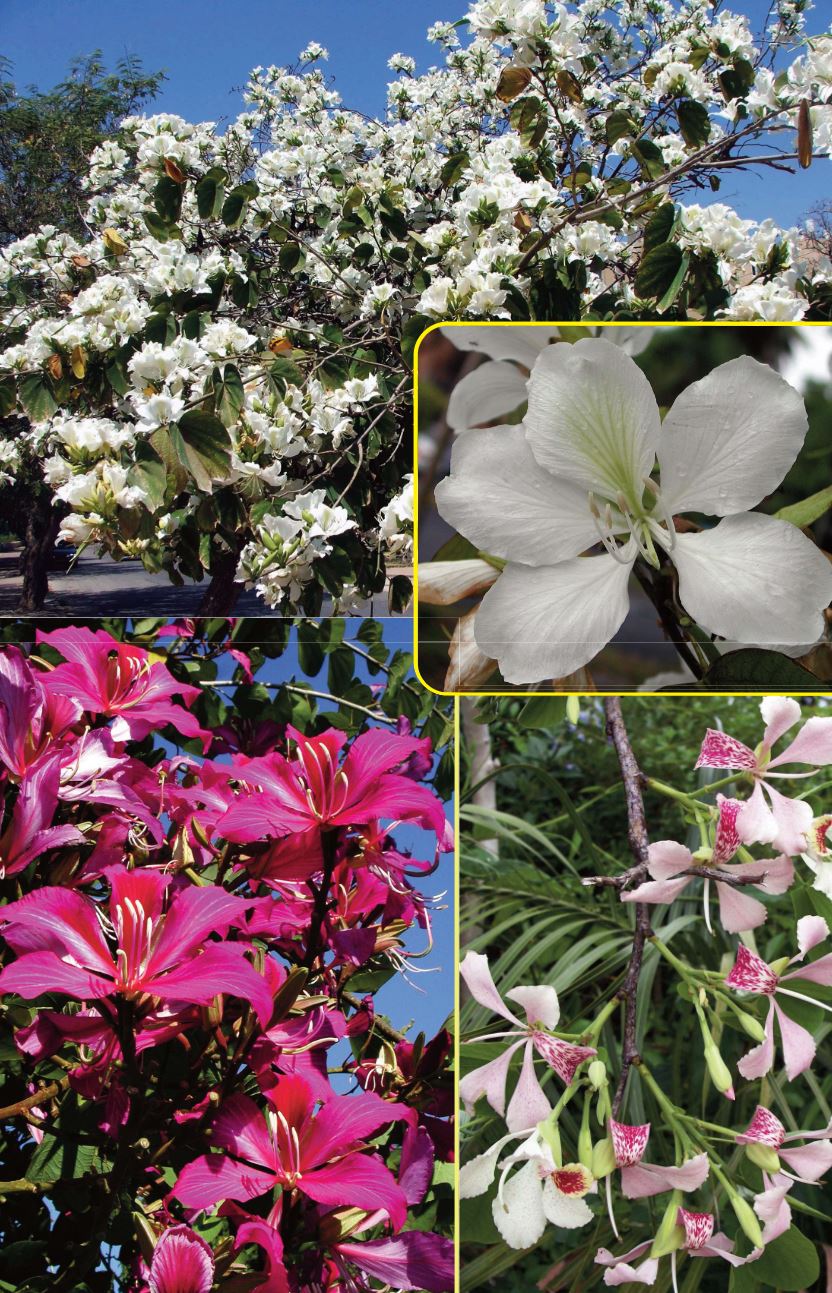
Sometimes a plant stops you midwalk. Flowers so bright they almost glow, leaves shaped like butterflies — that’s a Bauhinia, the Orchid Tree. These fast growers bring color when many gardens are quiet, with some blooming in the heart of winter.
🌟 Why Grow Bauhinia?
- Exotic blooms in colors from white to deep magenta
- Distinctive leaves — nature’s own butterfly design
- Many varieties flower in the cooler season
- Fast growth, easy shaping, more blooms after pruning
- Varieties for large yards, small gardens, and sunny patios
- Tolerant of heat, drought, and poor soils
 Bauhinia Care Tips
🌞 Outdoor
Full sun for best flowering, well-draining soil, deep watering once established. Light pruning after bloom keeps shape and encourages more flowers. Protect young plants from frost. During the growing season (Spring - Fall), apply a balanced fertilizer - like top-dress slow release fertilizer or controlled-release Green Magic. Liquid fertilizer Sunshine Boosters Megaflor can be used year around - to promote vigorous growth and abundant blooms.
🏡 Indoor / Patio
Bright sun (south window or outdoors in warm months), large pot with drainage, even moisture during growth, and a bloom-booster feed in season. Feed regularly with a balanced fertilizer controlled-release Green Magic. Liquid fertilizer Sunshine Boosters Megaflor can be used year around - to promote vigorous growth and abundant blooms. Bring indoors before frost.
🍂 Seasonal Note – Bauhinias are Deciduous
Bauhinias drop their leaves in winter — even in warm climates. This is normal and part of their rest cycle. Bare branches in the cool season will leaf out again in spring, often just as flowers begin.
📝 Quick choice guide
- Winter flowers: Bauhinia alba, Bauhinia blakeana, Bauhinia variegata
- Small space: Bauhinia acuminata, Bauhinia madagascariensis
- Vine option: Bauhinia galpinii for long warm-season color
Date: 28 Dec 2025
Mango tree tipping - Quick Field Guide: why it improves flowering and production
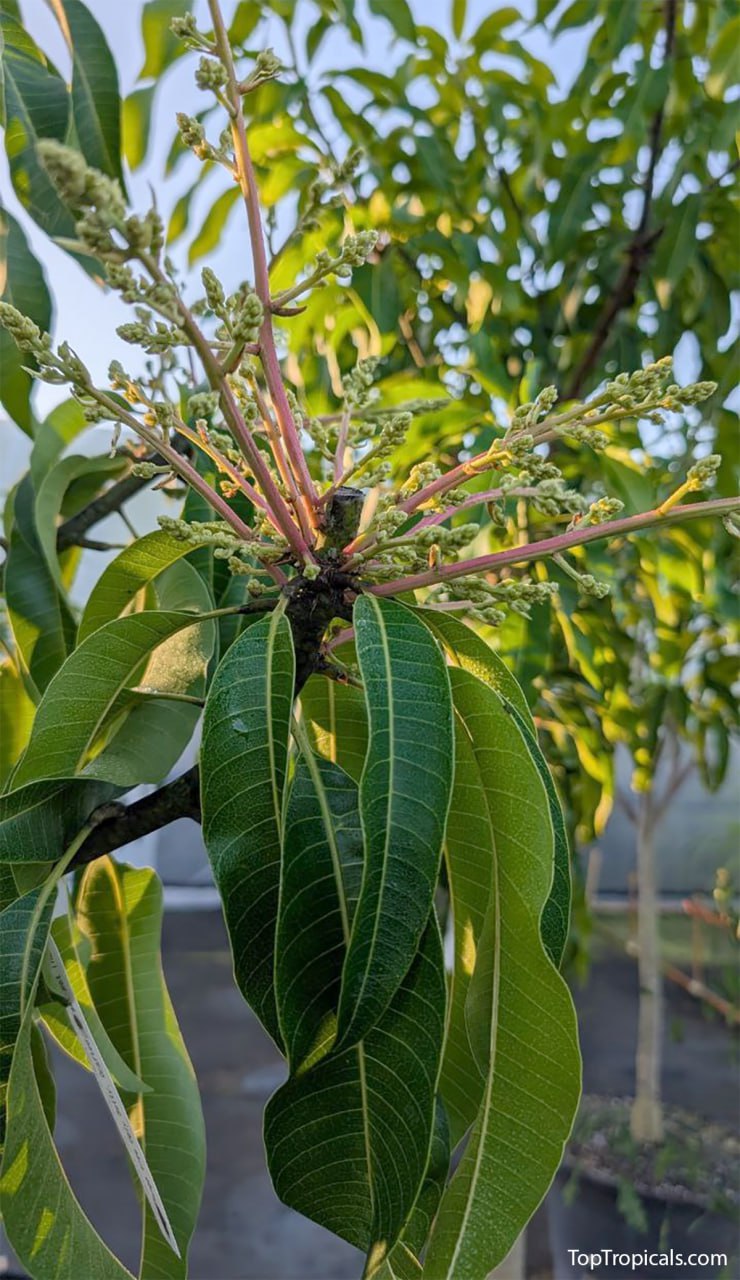
Mango tree tipping - Quick Field Guide
🥭 Mango tree tipping - Quick Field Guide: why it improves flowering and production
📊 Mango Tree Tipping - Quick Field Guide
It is mid-winter. While early mango varieties like Nam Doc Mai are already flowering, late varieties still have a month or two before they start. Trees such as Keitt, Honey Kiss, Kent, Venus, Beverly, Palmer, and Neelam bloom later in the season. In warm climates without expected cold snaps, this is still a good window for tipping before flowering begins. Tipping encourages more branching, more flower tips, and better fruit production. If cold weather is still possible, save this guide and tip after the risk of cold has passed - but always before the tree enters the flowering stage.
✔️ What tipping is
Tipping is the removal of the soft growing tip of a mango branch once it reaches about 20 inches long. This simple cut stops straight upward growth and forces the branch to split into multiple side shoots.
✔️ When to tip
- · Young, actively growing trees
- · After a flush hardens slightly (not brand-new soft growth)
- · Warm weather when the tree is growing strongly
- · Best during the training years, not heavy fruiting years
✔️ How to tip (step-by-step)
- · Let a branch grow to about 20 inches
- · Using clean pruners, remove 1-2 inches from the tip
- · Cut just above a node (leaf joint)
- · Do not cut into thick woody growth - this is a light heading cut
✔️ What happens next
- · 2-4 new branches usually form below the cut
- · The tree becomes shorter, wider, and stronger
- · More branch tips = more flowering points
- · Better light penetration inside the canopy
✔️ Why it improves flowering and production
- · Mango flowers form at branch tips
- · More branches = more tips
- · A well-shaped tree puts energy into fruiting, not height
- · Easier harvesting and long-term structure
❌ Common mistakes to avoid
- · Letting branches get too long before tipping
- · Tipping weak or stressed trees
- · Over-tipping all at once (stagger cuts)
- · Doing it right before cold weather
- · Doing it too close to flowering
✍️ Simple rule to remember
→ grow 20 inches → tip → repeat
This builds a compact, productive mango tree from the start.
🛒 Explore mango trees
📚 Learn more:
Tipping mango trees
📱 Why tipping mango trees makes them fruiting machines (DIY Garden Tip)
#Food_Forest #Mango #How_to
🟢 Join 👉 TopTropicals
Date: 7 Feb 2026
How to grow an Avocado tree on your patio
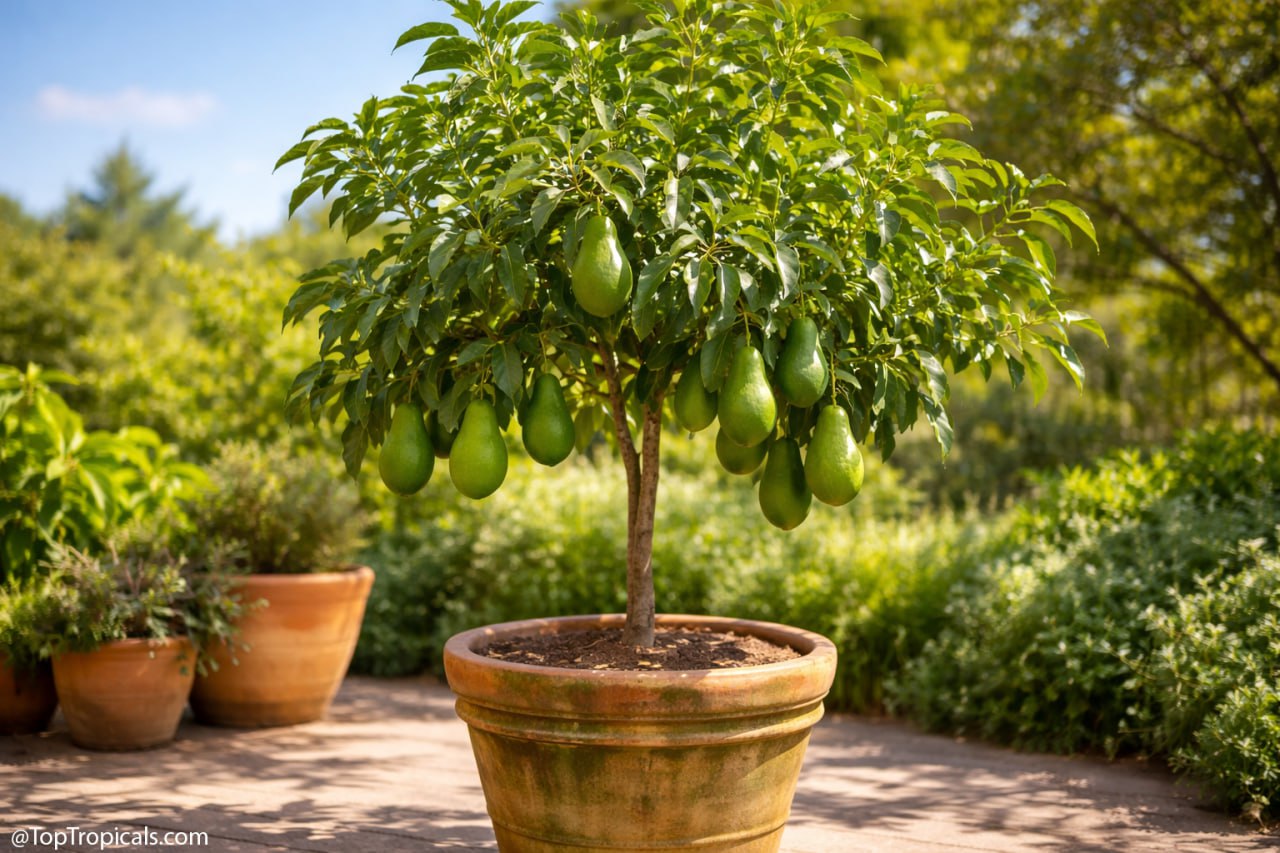
Avocado tree fruiting
Yes, you can grow an Avocado tree on your patio - here is how to do it right
- If you would love to grow your own avocado but don’t have a big yard, good news - avocado trees can grow very well in containers. Compact or dwarf varieties, often called condo avocados, are especially suited for pots, patios, balconies, and even indoor growing near a sunny window.
Pick a compact avocado variety
Choosing the right variety is the most important step. Standard avocado trees grow very large, but condo or compact varieties stay much smaller and adapt well to containers.
Good choices for pots include:
· Wurtz (Little Cado) - a true dwarf, perfect for containers
- · Fuerte - a semi-dwarf that stays manageable with pruning
- · Joey - naturally compact and easy to keep smaller
Choose the right pot
Start with a pot about 12 inches wide (around 5 gallons). This size is easier to water correctly and helps prevent root rot. Avoid planting a small tree into a very large pot too soon.
As the tree grows, move up gradually. A mature potted avocado will need an 18- to 24-inch container. Repot every couple of years when roots show through drainage holes.
Always use a pot with excellent drainage.
Use well-draining soil
Avocados love water but hate wet feet. Use a loose, fast-draining mix, such as Abundance Professional Soilless Mix. You can improve drainage by adding perlite or coarse sand. Avoid heavy garden soil.
Water deeply, but not too often.
Water thoroughly, then let the soil dry before watering again. Always check moisture first. In summer, watering may be needed once or twice a week; in cooler weather, much less.
Overwatering is the fastest way to kill a potted avocado.
Give plenty of sun
Avocado trees need at least 6 to 8 hours of full sun daily. Outdoors is best, but indoors place the tree near a bright south- or west-facing window. Grow lights can help if light is limited.
Fertilize and prune
Feed during the growing season with a balanced fertilizer such as Green Magic (every 6 months) or liquid Sunshine Boosters (safe to use with every watering, year-around). Prune lightly to keep the tree compact and well-shaped.
Protect from cold
Most Avocados are sensitive to hard freeze. When temperatures drop below 35F, move the pot indoors or into a protected space. Reduce watering in winter as growth slows.
Cold hardy varieties can take cooler temperatures down to 18F once established. For example, Joey is both cold hardy and dwarf - perfect choice.
Final thoughts
Growing an avocado tree in a pot is practical and rewarding. With good drainage, sun, careful watering, and the right variety, you can enjoy homegrown avocados even without a yard.
Small space? No problem. Just think condo avocado. According to Southern Living, Lemons can be grown in pots - and so can Avocados!
✔️ Check outAvocado Variety Guide interactive chart. Sort them by flower type A or B, tree habit, fruit shape and quality, cold hardiness, origin, season and more!
🛒 Explore Avocado varieties and Dwarf Avocado
📖 Our Book: Avocado Variety Guide, Snack or Guacamole?
- ·
📚 Learn more:


🎥 What is a Dwarf Condo Avocado that fruits at 3 ft tall? 📱
#Food_Forest #Avocado
🟢 Join 👉 TopTropicals
Date: 2 Feb 2022
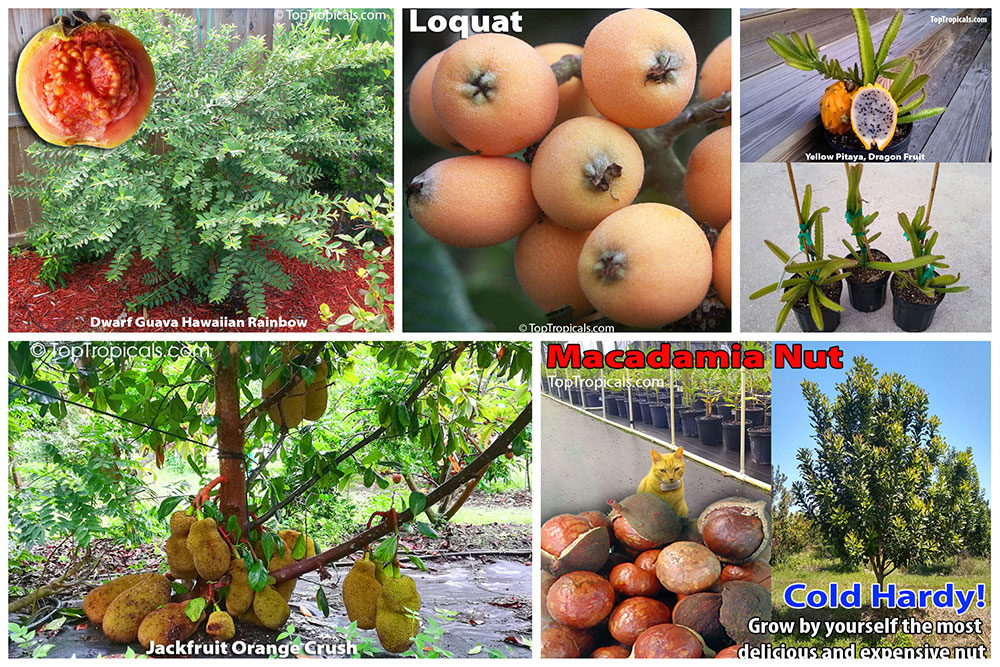
5 most rewarding tropical fruit trees
Top Tropicals @ Garden America Radio Show
...The most popular garden radio show Garden America is featuring Top Tropicals topic "5 most practical and rewarding fruit trees for subtropical areas".
1)
Jackfruit Orange Crush (Artocarpus heterophyllus)
...We recently obtained this variety and it is hands down the best Jackfruit we ever tasted. It is
crunchy, sweet, aromatic, with bright orange pulp...
2)
Dwarf Guava Hawaiian Rainbow (Psidium nana)
- A very small version of the favorite aromatic Guava.
- Grows only up to 5-6 ft tall with a short trunk and branching, bushy habit.
3)
Yellow Pitaya, Dragon Fruit (Selenicereus megalanthus)
- This particular species of Dragon fruit is the sweetest and has great
flavor unlike most pitayas
- doesn't mind regular water and rains but is also drought-tolerant
4) Loquat (Eriobotrya japonica)
- Can be kept as a very compact tree, and fruits in a pot.
- Flowers and fruits right away. The plants are covered with flowers now
and setting fruit.
- Very cold hardy to upper 20's, drought tolerant, fast growing
5) Macadamia Nut
(Macadamia integrifolia x tetraphylla)
- The most delicious and popular sweet nuts that are usually so expensive,
can be produced in your garden!
- Cold hardy, fast growing, and very productive.