How to make lots of Insulin Ginger plants quickly and get more health benefits
Costus igneus (Chamaecostus cuspidatus) - Fiery Costus or Spiral Flag
💚 How to make lots of Insulin Ginger plants quickly and get more health benefits
Costus igneus (Chamaecostus cuspidatus) - Fiery Costus or Spiral Flag is believed to help lower blood glucose levels naturally and managing diabetes.
Have you heard of Insulin Ginger? Everyone wants to have it in the garden!
Gardeners in India grow it not just for its pretty spiral leaves, but for what those leaves do. People with diabetes often chew them fresh or brew them into tea, saying it helps keep their blood sugar under control.
Researchers have found something interesting: the leaves contain an insulin-like compound, along with antioxidants and anti-inflammatory properties. In animal studies, extracts from the plant lowered blood sugar, protected the liver and kidneys, and even made the body more sensitive to insulin.
The way folks use it is simple. You can chew a leaf right off the plant, steep dried leaves for tea, or find it in powders and capsules. It's one of those plants that shows how tradition and science sometimes meet in the garden.
Its lush, turmeric-like leaves spiral around upright stems, with a glossy dark green top and a striking light purple underside. In warm months, it produces bright orange, cone-like flowers that stand out beautifully in the garden.
Beyond its beauty and natural insulin effects, the insulin plant is credited with aiding digestion, reducing cholesterol, boosting energy, improving skin health, supporting weight loss, relieving stress, and promoting heart wellness. A real botanical multitasker!
🎥 In this video, we’ll show you how to multiply Insulin Ginger fast, so you’ll have plenty of plants for yourself and even extras to share with friends and family.
✅ Don’t forget to use Green Magic fertilizer for the best results. Gingers absolutely love this plant food - they thrive on it and respond better than any other plant, with vigorous growth, lush foliage and loads of leaves you’ll need for all the benefits.
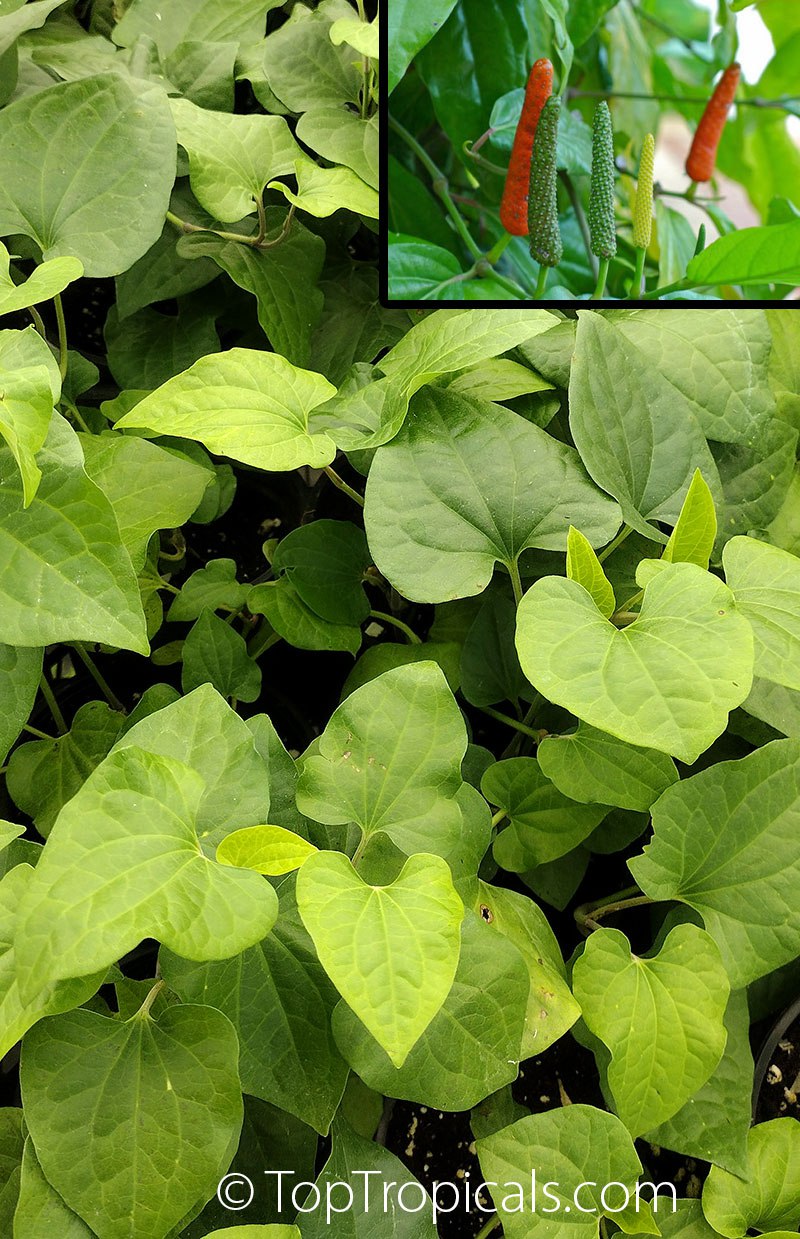
Piper longum - Indian Long Pepper, Bengal Pepper or Pippali
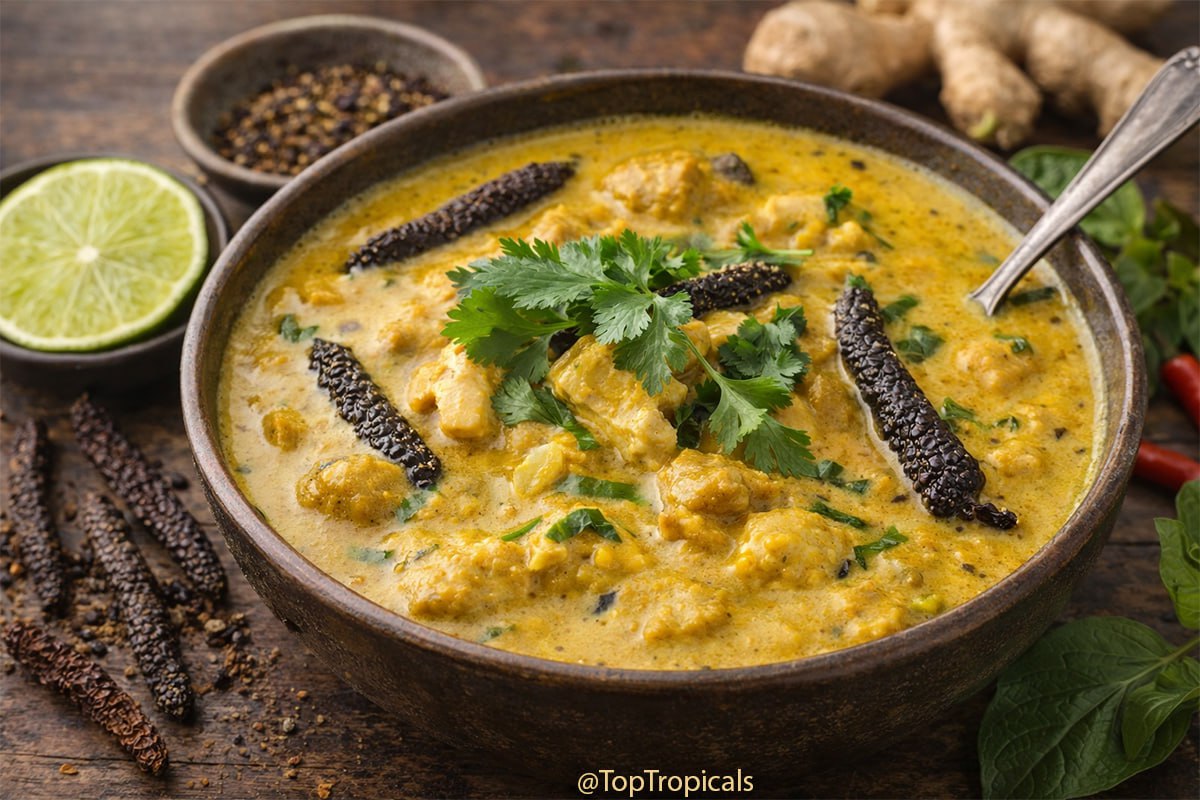
🍴 Long Pepper Curry (Quick-n-Fun Exotic Recipe)
Ingredients
1 can (13.5 oz) coconut milk
1/2 tsp crushed dried long pepper (Piper longum)
1 tbsp vegetable or coconut oil
1 small onion, finely chopped
2 cloves garlic, minced
1 tsp fresh grated ginger
1/2 tsp turmeric
Salt to taste
Fresh cilantro for garnish (optional)
Instructions
Heat oil in a pan over medium heat.
Add onion and saute until soft and translucent.
Add garlic, ginger, turmeric, and crushed long pepper. Stir for 30 seconds.
Pour in coconut milk and bring to a gentle simmer.
Cook for 8 to 10 minutes, stirring occasionally.
Season with salt and garnish with cilantro before serving.
🌿 About the plant:
Indian long pepper, also known as Pippali or Bengal pepper (Piper longum), is an ancient spice and medicinal plant from South Asia. Closely related to black pepper, it has a warmer, slightly sweeter heat and a complex aroma. Long pepper has been used for centuries in traditional medicine for respiratory and digestive support, including coughs, congestion, and stomach discomfort.
🌱 In the garden:
Piper longum grows as a climbing vine or shrubby climber that can be trained on a trellis, fence, or tree. It prefers warm conditions, regular moisture, and shade to partial shade. The plant starts with heart-shaped leaves that become more elongated as it matures, making it both useful and ornamental in tropical and subtropical gardens.