Garden Blog - Top Tropicals

Date: 24 Nov 2020

Healthy Plants: Q&A from Mr Booster

How not to kill gardenias?
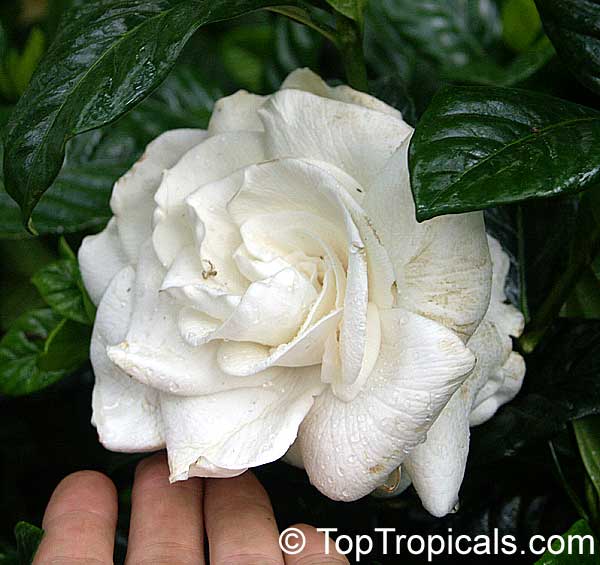
Q: I have tried to grow gardenia in pots for years and never keep them alive. When i look on camellia websites they say fertilize potted plants twice a year. I'm confused as I tend to kill them with kindness haha. Also, if our tap water has high cal/mag and that stops the gardenia getting other nutrients why would I make up the feed with tap water? So confusing and online is mixed messages...

A: Gardenias are not the easiest plants to grow, however, they are easier in pots than in the ground: they prefer acidic soils, and in many areas soils are alkaline. The most important factor is balanced and sufficient nutrients. In the ground, plants have no limits to reach out to different elements by spreading their root system. In a pot, once all the good stuff is consumed, plants start suffering nutrient deficiency. This is why a balanced feeding program is important.

Generally speaking, Cal/Mag in tap water cannot be bad, because they are essential elements, good for plants (in proper amounts). However, just Cal/Mag is not enough. This is why you need a balanced liquid fertilizer for plants that prefer acidic soil. Excessive Cal/Mag alone can create nutrient lock up, especially if they are chelated with EDTA like in dry fertilizers, which are not fully accessible for plants.
We recommend natural, Amino-Acid based fertilizers that are completely consumed by a plant and are safe to use with EVERY watering, even in Winter. They are scientifically formulated and cover all plant needs. For your gardenias, you should use SUNSHINE Pikake - Fragrant Flower Booster.
Another important factor is proper watering. Gardenias like regular water but don't like wet feet = well drained potting mix is a must, similar to Abundance professional growing mix.

Date: 25 Jul 2024

What are the best small fruit trees that will produce right away?

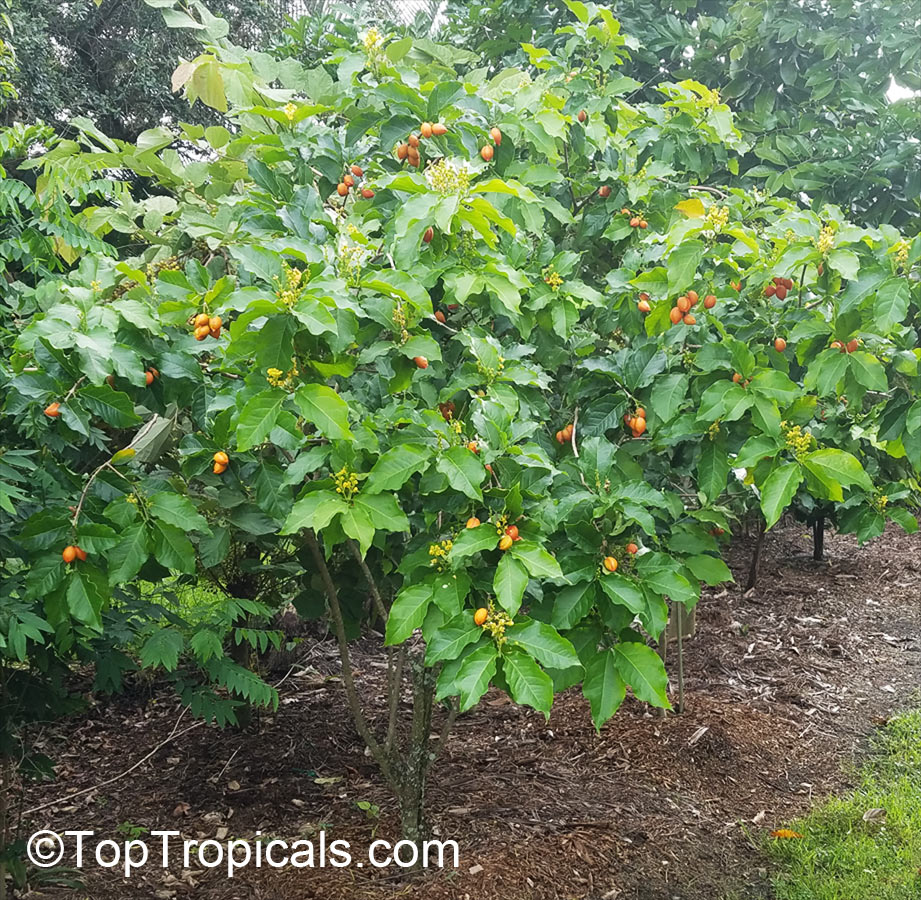
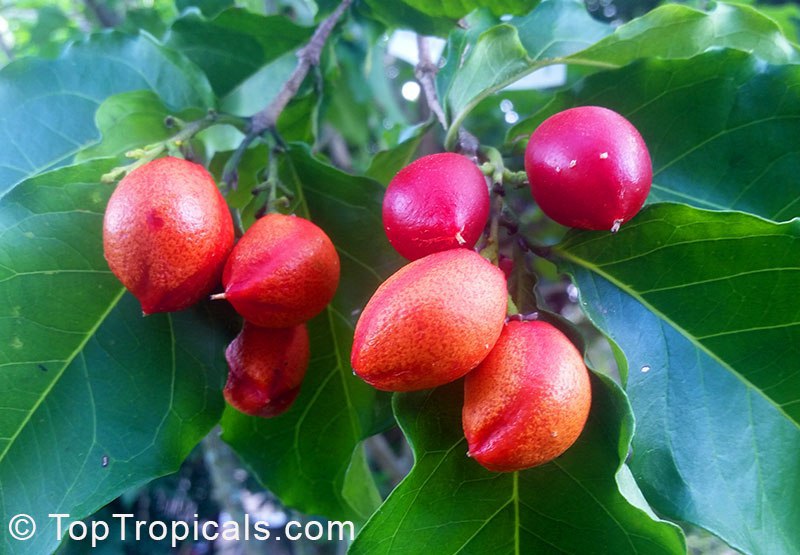
Bunchosia argentea - Peanut Butter Tree

Bunchosia argentea - Peanut Butter Tree

Bunchosia argentea - Peanut Butter Tree

Bunchosia argentea - Peanut Butter Tree

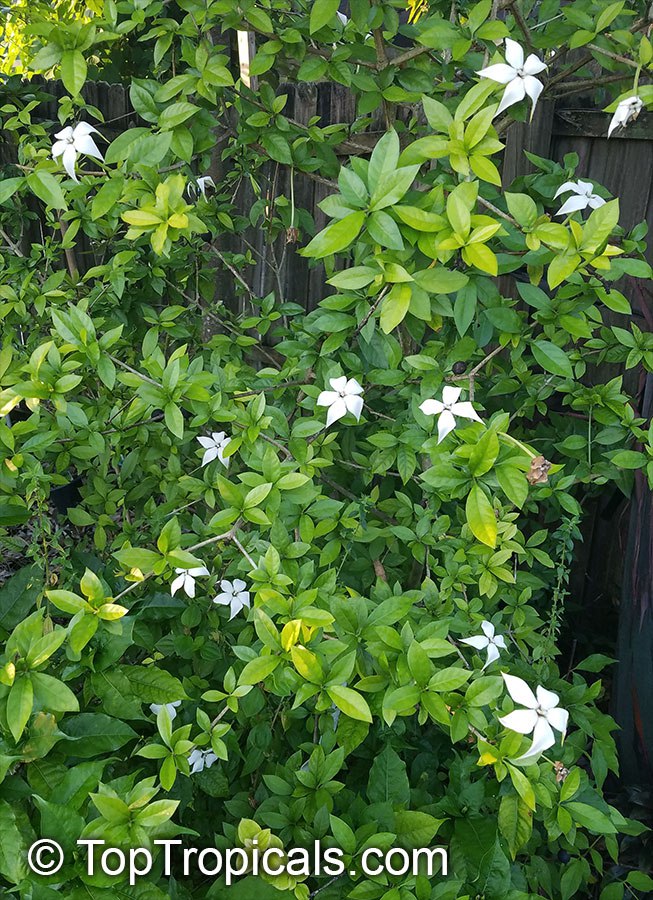
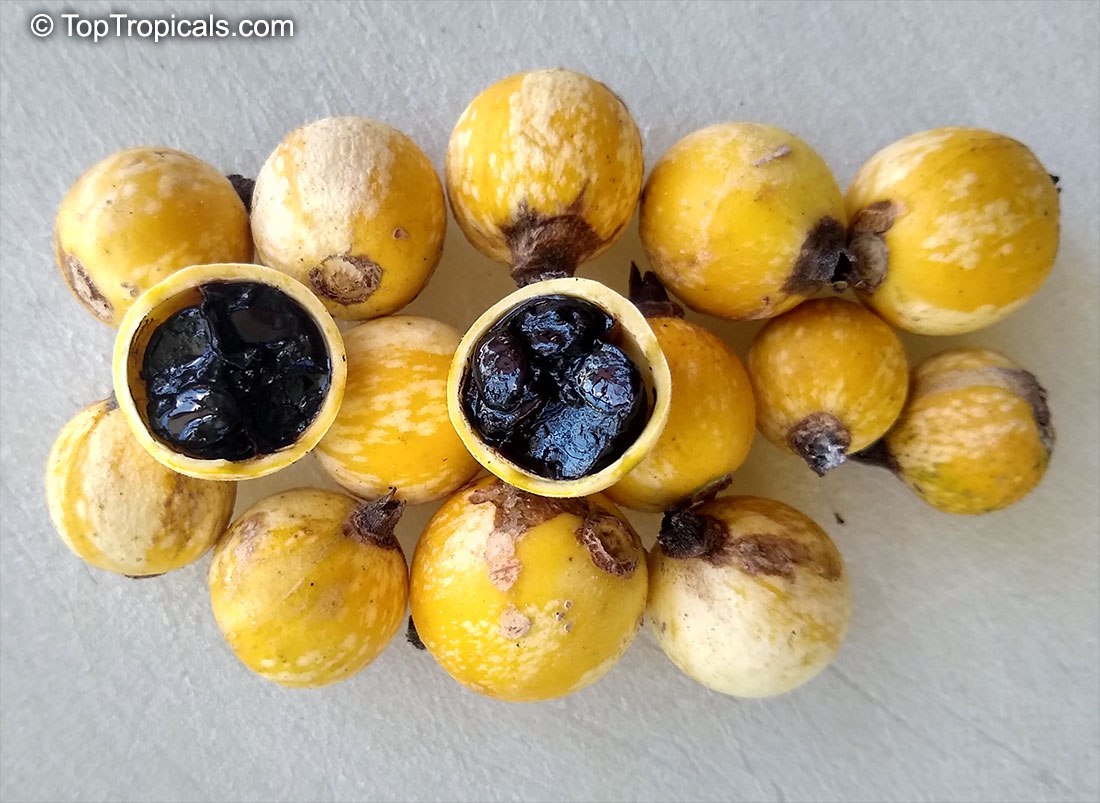
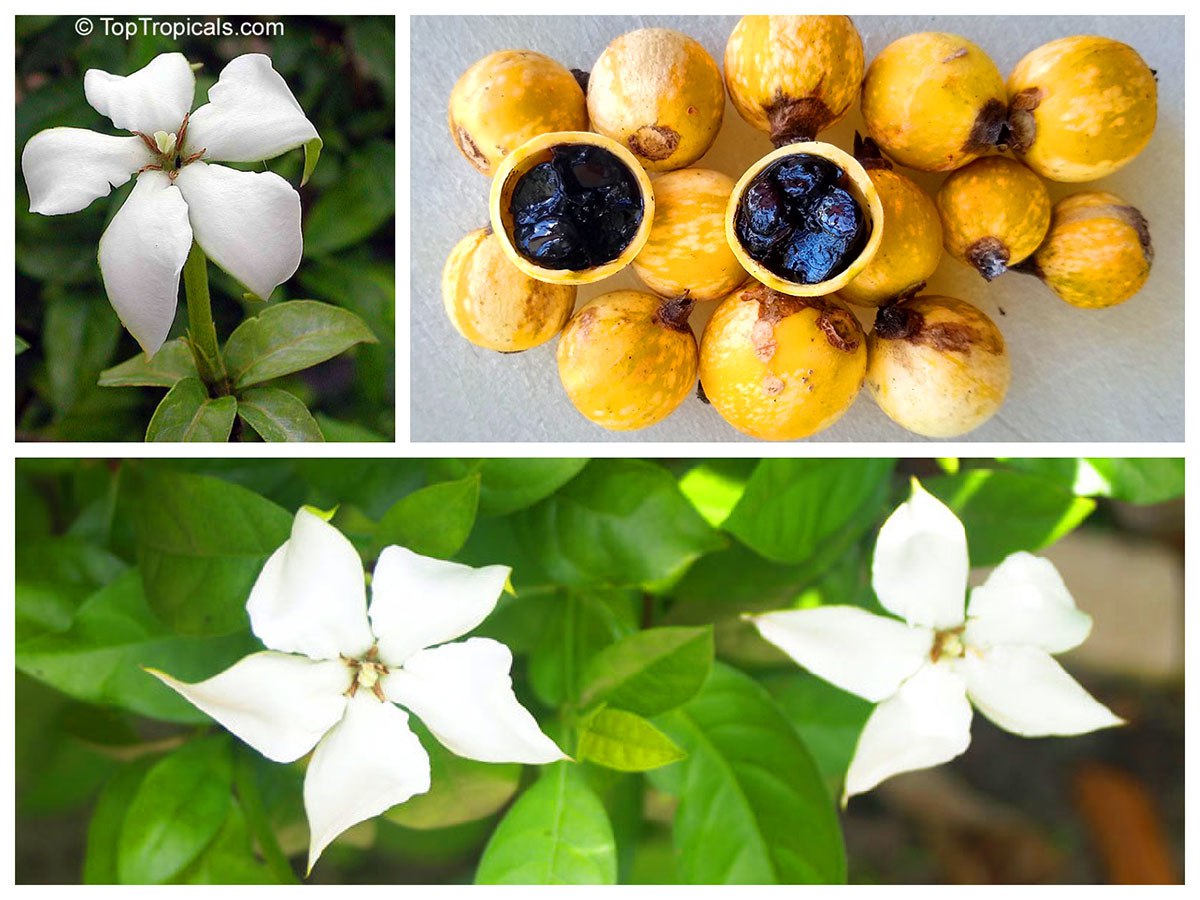
Randia formosa - Blackberry Jam Fruit, Jasmin de Rosa

Randia formosa - Blackberry Jam Fruit, Jasmin de Rosa

Randia formosa - Blackberry Jam Fruit, Jasmin de Rosa

Randia formosa - Blackberry Jam Fruit, Jasmin de Rosa

❔ What are the best small fruit trees that will produce right away? Peanut Butter Tree and Blackberry Jam Tree!


⬆️ These two little trees are absolute winners and will produce fruit for your right away, whether you grow them in container or in your small garden:
  1. Bunchosia argentea - Peanut Butter Tree, earns its name from its fleshy fruits that boast a delightful peanut butter flavor.
  2. Randia formosa - Blackberry Jam Fruit, Jasmin de Rosa - a curious small evergreen tree that combines features of a fragrant flower and delicious dessert fruit which tastes like fresh Blackberry jam. Fragrant white flowers are similar to Gardenia.


📚 Learn more from previous posts:
Craving a Nutty Surprise? Peanut Butter Tree
Truth about Blackberry Jam: it comes from Gardenia

🛒 Get your own Peanut Butter Tree and Blackberry Jam Fruit Tree

#Food_Forest #Container_Garden


🔴 Join 👉 TopTropicals

Date: 6 Sep 2024

Top 10 fast-fruiting trees:

Blackberry Jam Fruit (Randia formosa)

Blackberry Jam Fruit (Randia formosa)

Top 10 fast-fruiting trees:
#9. Blackberry Jam Fruit (Randia formosa)


🖤 Blackberry Jam Fruit, Jasmin de Rosa is a curious small evergreen tree or bush that combines features of a fragrant flower and delicious dessert fruit which tastes like fresh Blackberry jam. Fragrant white flowers are similar to Gardenia.

📚 Learn more from previous posts:


🛒 Shop Blackberry Jam Fruit

#Food_Forest

🔴 Join 👉 TopTropicals

Date: 21 Jul 2025

Five best fragrant plants for summer plantings

Brunfelsia isola - Lavender Lady of the Night

☀️ Five best fragrant plants for summer plantings

  • ☀️ Summer heat? No problem. These fragrant plants thrive in it - and will make your garden smell like vacation every day.
  • ☀️ Brunfelsia - Lady of the Night - releases its sweet scent after sunset, filling warm evenings with a dreamy, tropical perfume.
  • ☀️ Gardenia - Queen of Scent - classic creamy blooms with a rich, unmistakable fragrance that perfumes the air even in peak summer.
  • ☀️ Jasminum sambac - the most popular and the most fragrant Jasmine for both indoor or outdoor culture. Varieties: Arabian Nights, Belle of India, Mangalore Malli, Grand Duke, Grand Duke Supreme, Gundu Malli, Maid of Orleans, Mali Chat, Mysore Mulli, Little Duke Supreme - Baby Duke.
  • ☀️ Nyctanthes arbor-tristis - Parijat. Small tree or shrub from India with highly perfumed flowers, one of the most desired fragrant plants. Mythology says the plant came to earth with God Krishna, shedding flowers like tears before dawn.
  • ☀️ Plumeria - tropical icon known for its heavenly scent and stunning flowers - blooms all summer and keeps your garden smelling like vacation!


🛒 Shop fragrant plants

🎥 Brunfelsia isola, or Lavender Lady of the Night, are a "marble" twist of cream and purple, changing hue unpredictably. They are deliciously fragrant at night.

📚 More fragrant garden ideas:


Six most desired perfume plants

#Perfume_Plants #Discover

🟢 Join 👉 TopTropicals

Date: 20 Apr 2016

5 secrets of propagation

How to propagate rare plants? It is exciting and fascinating process - to be a Creator of a rare plant collection. Sometimes when you have a rare plant, you baby it and wish you could have at least two of the kind, just in case you lose one to weather conditions or an accident... If you lose one, it hurts! Plant collectors know the feeling - it is always a good idea to propagate a few more of the rare kind. Here at Top Tropicals we know that feeling too, and we want you to keep your baby plants alive and thriving, multiply them, share with others, and make our planet better - one plant at a time! Know your different plants, and different ways of their propagation. Ready for the secrets revealed?

1. Seeds. The most popular way and in most cases the most reliable. Also, a seedling has a strong, vertical root system (cuttings or air layers have shallow roots). However growing from seed is the only sexual method of propagation (vs other methods - asexual, or cloning), which means, some varieties don't come true from seed. Similar to a baby born from two parents, blonde mother and brunette father, can have either light or dark hair... or even red, genetically provided by the great-grand father! The most important factors of success when growing from seed are - well-drained germination mix (check out our Seed Germination Mix #3), and a combination of perfect temperature (high temperature 80-90F induces germination, but some species like it cooler!) and mix moisture level (can't stay soggy).

2. Cuttings. In most cases, works great as long as you know the secret for this method: clean (sterile) soil mix (check out our Propagation Mix #2), warm temperatures and very high air humidity (not moist soil, but humid air!). Mist house works well (see picture) with periodically controlled foggers (5-20 sec of fog every 5 to 20 min during light time - depending on species, and temperature), but simple clear plastic bag over a pot or tray works as well! Large leaves should be trimmed in half, or more, to eliminate extra evaporation, and soil should be only slightly moist, not soggy. Remember to use rooting hormone that not only improves rooting but keeps away fungus problems. You are welcomed to visit mist house in our facility, we will be happy to share experience.

3. Air Layers. From our experience, key to success with this method is patience. Most air layers take a few months to set root. Keep sphagnum moss moist, and create air layers only during active growth season - Sprint through Summer. Use rooting hormone.

4. Grafting. This method requires the most skills and experience but is not as difficult as it sounds. Plants can be grafted withing the same genus (e.g. one Gardenia sp. on another Gardenia sp.). There are many grafting manuals on internet. Try once, and you will get addicted to grafting! In many cases it is the most effective method. Especially when seeds not available and cuttings don't work with the species, while grafting works much faster than air-layering. The main secret in grafting is using the right type of graft, which comes with experience. Another important thing is keeping grafting parts and tools clean/sterile. Treat/clean surfaces with anti-fungicides horticultural soap (Example: Abound anti-fungal, Green Shield soap) and use rooting hormone.

5. Root divisions. All gardeners know that some plants are best to propagate by rhizome/root divisions, like Gingers, Heliconias, or Iris. And not everyone knows that some fruiting and flowering trees don't mind to reproduce by root divisions. For example, Jujube - Ziziphus jujuba, and Strawberry tree - Muntingia calabura, readily produce root suckers. Watch out for them and don't let them go to waist when spraying weeds. All time favorites, fragrant Clerodendrums also like this easy method of reproduction, especially C. bungei, C. philippinum, and many others.

Check out our Growing supplies section for professional soil mixes and drainage components that are so important in your propagation success. At Top Tropicals, we often use Coconut Coir for propagation. Good luck in your growing, and remember - if you propagated a few extra collectibles, Top Tropicals may trade or buy from you!