Date: 2 Mar 2026
😼😺 The Story Behind Smokey and Sunshine 🐾

Smokey: Not so fast, genius. Twenty five degrees is not the North Pole. And polar bears and penguins do not share zip codes.
Sunshine: You always pour cold water on my brilliance. Fine. Where do we start?
Smokey: Well, first you go talk to Tatiana. She graduated from the Geography Department. She can explain climate zones. Cherry of the Rio Grande can grow in North Florida, Texas, and similar climates. Let’s master that before we conquer Arctic.
Sunshine: So… Phase One: Geography?
Smokey: Exactly.
Some stories are easier to tell with a little humor. Smokey and Sunshine were never just mascots. They represent the two forces behind every decision we make here: bold ideas and careful reality. One dreams big. The other checks the climate zone map. Together, they remind us that growing plants is part science, part optimism, and always personal. If you have ever wondered why they keep appearing in our newsletters, you can read their full story on the Smokey and Sunshine page. They have been with us longer than most people realize.
🐾 Learn the Story of Smoky and Sunshine
Freeze Testing of Grumichama and Cherry of Rio Grande 🍒❄️
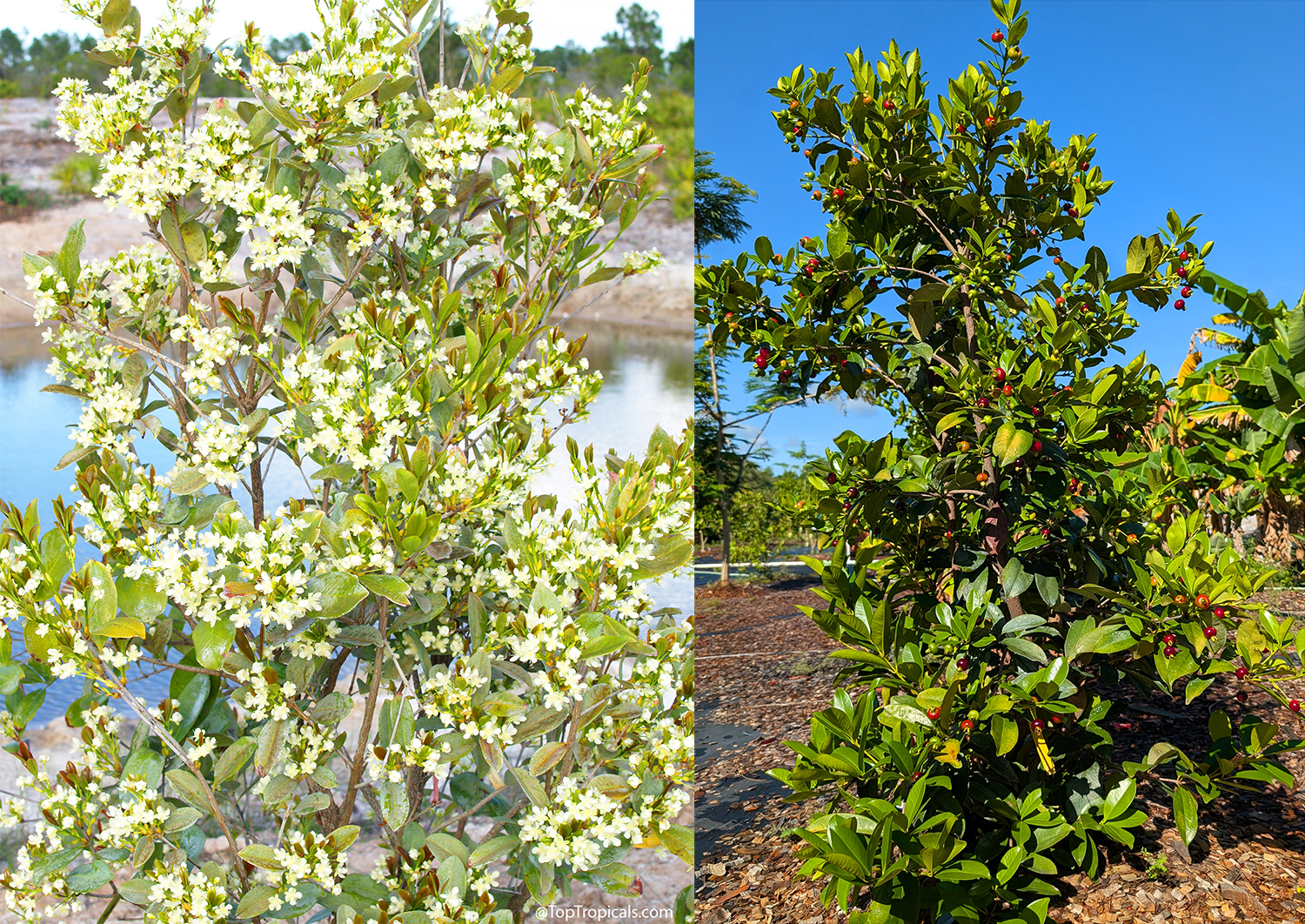
When temperatures dropped to 25F, with wind chill near 14F, winter made it clear which tropical trees were truly resilient. Some plants burned back. Tender growth collapsed. But our established Eugenia cherries stood steady. Leaves held. Branches stayed flexible. The canopy remained intact.
Cherry of the Rio Grande (Eugenia aggregata) and Grumichama (Eugenia brasiliensis) are among the most cold-hardy tropical cherries for Southern gardens. Both are native to Brazil and thrive in USDA Zones 9b–11, and even protected 9a sites.
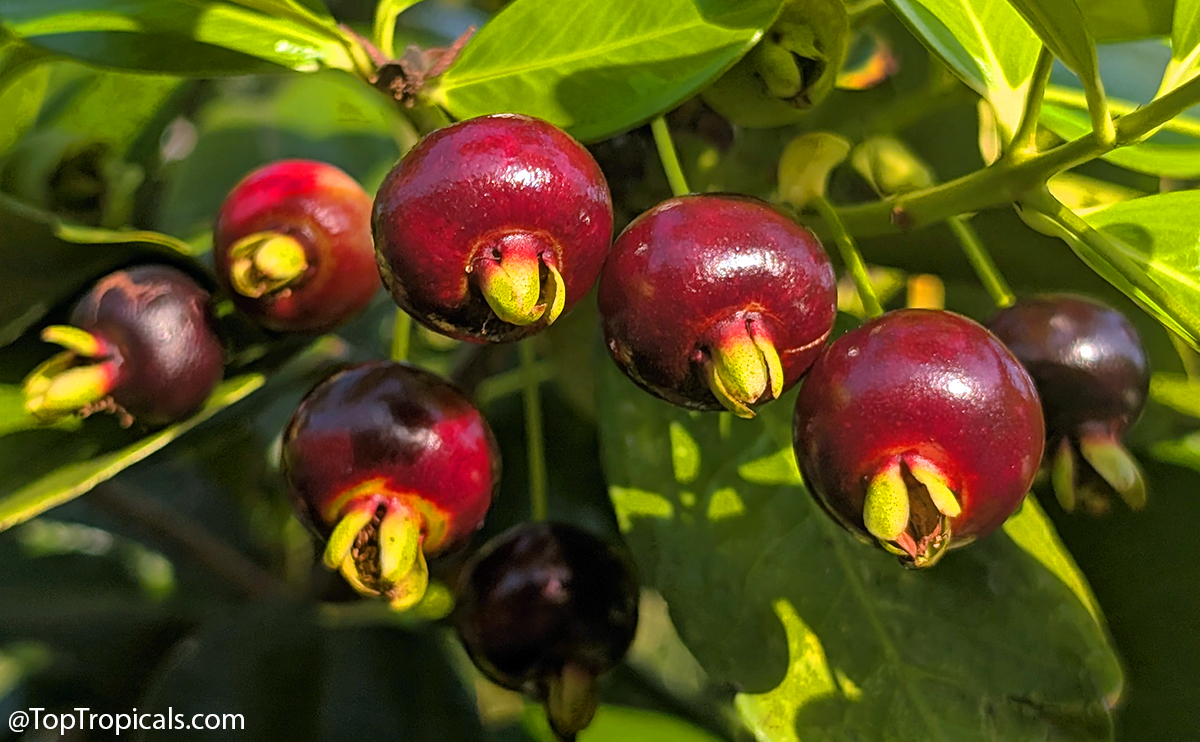
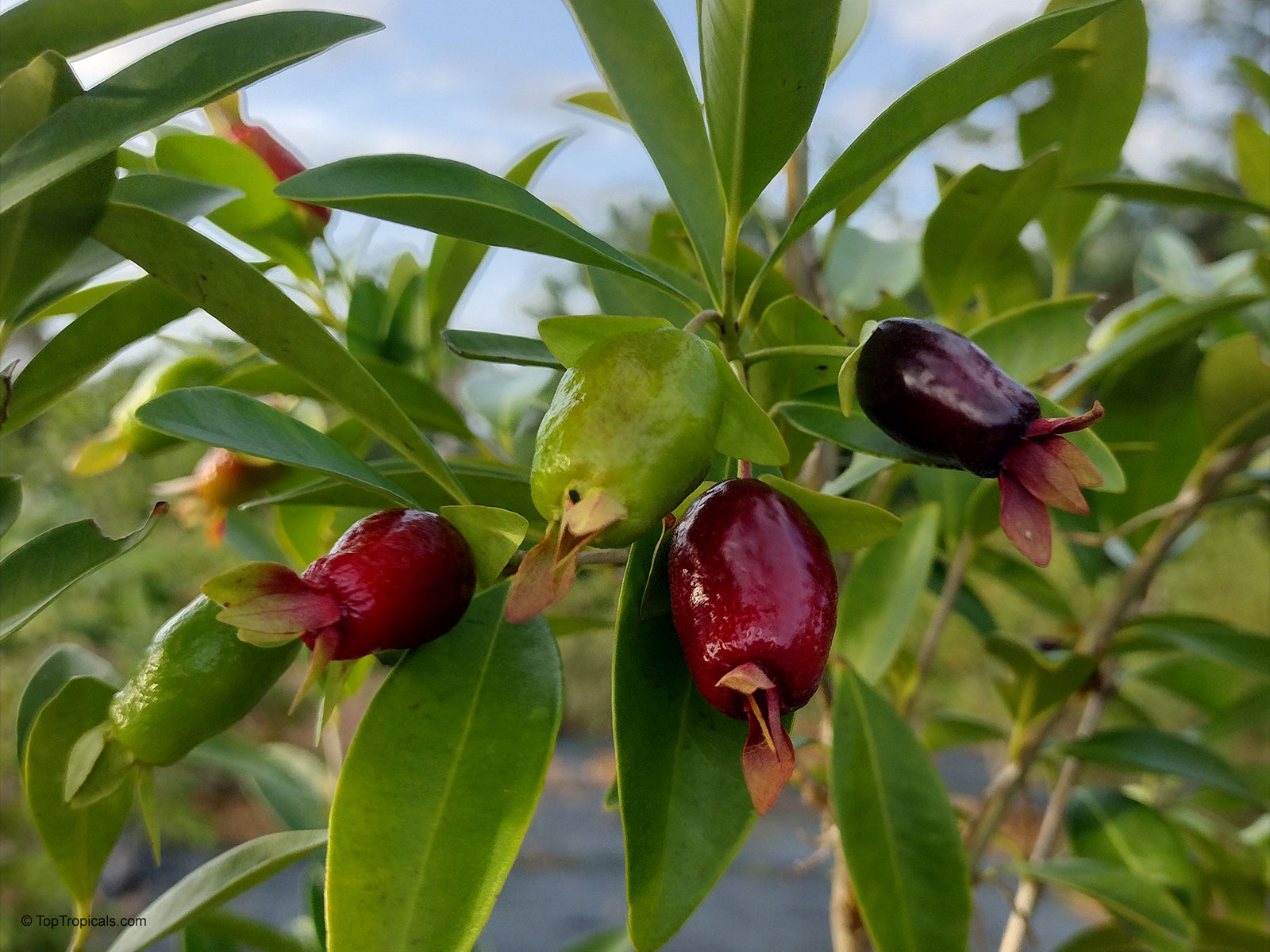
Cherry of the Rio Grande produces dark ruby fruit that ripens almost black, with a rich, full cherry flavor. It flowers early in spring and can fruit well into summer. Mature trees can tolerate brief drops into the low 20s once established. Trees typically grow 8 to 15 feet tall, remain naturally compact, and often begin fruiting within 2 to 3 years.
Grumichama is an evergreen tree known for both beauty and productivity. In spring, it covers itself in white starburst flowers that attract pollinators. Within about four weeks, glossy purple-black fruit develops. Established trees tolerate temperatures into the upper 20s and grow well in the ground or in 5–10 gallon containers. Mature trees can produce hundreds of fruits per season.
Across the Eugenia group, strengths are consistent: early bearing, compact growth, heat tolerance, light freeze endurance, and low pest pressure. They are adaptable to different soils, need modest water once established, and perform in full sun or partial shade. Birds enjoy the fruit, but there is usually plenty to share.
Nutritionally, Eugenia cherries provide Vitamin C, fiber, antioxidants, and notable Vitamin A that supports eye health. They offer sweetness with real dietary value.
In the kitchen, they are simple and rewarding. Cherry of the Rio Grande makes an easy compote. Simmer the fruit with a small amount of water until soft, mash lightly, and spoon over pancakes or warm bread. Grumichama turns into a deep red jam with sugar and lime, or can be blended into a bright spoon drizzle over vanilla ice cream.
Even when not fruiting, both trees remain attractive year-round with glossy evergreen foliage and clean structure. They fit well into edible landscapes, small yards, and container gardens.
Winter will return. The difference lies in planting fruit trees that can handle heat, humidity, and the occasional cold snap. If you are building a food forest for lasting harvests, cold-hardy tropical cherries like Cherry of the Rio Grande and Grumichama deserve a place in your garden.
Date: 26 Sep 2021
Edible Landscape: fruit bearing hedge
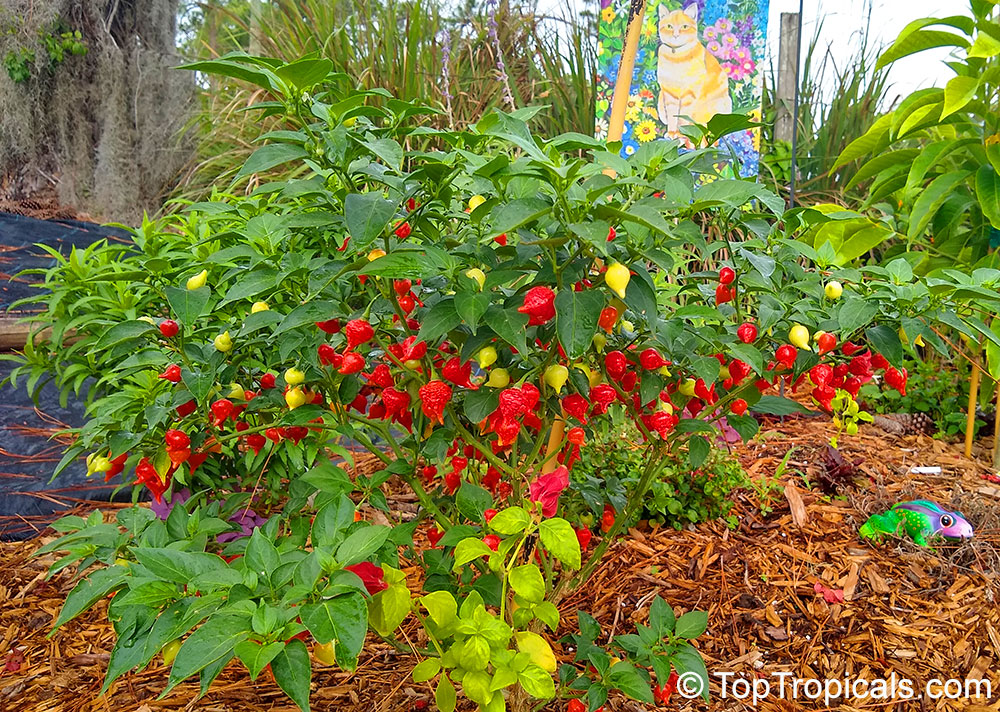
Photo above: Biquinho Pepper (2 months old plant)
Q: My mom had to remove a hedge for some renovations and after being heartbroken about losing my little bird haven, I've decided to plan on a fruit bearing hedge that offers some privacy and places for the little fledgling to wait for food. Any suggestions? I was thinking blueberries or citrus but open to any ideas.
A: Below are a few suggestions for a fruit bearing hedge planted with fast-growing, tropical species. They will contribute to a nice edible landscape for both your family and the birds - they will be very happy!
Larger size hedge (small trees), grows full-size within 1
season:
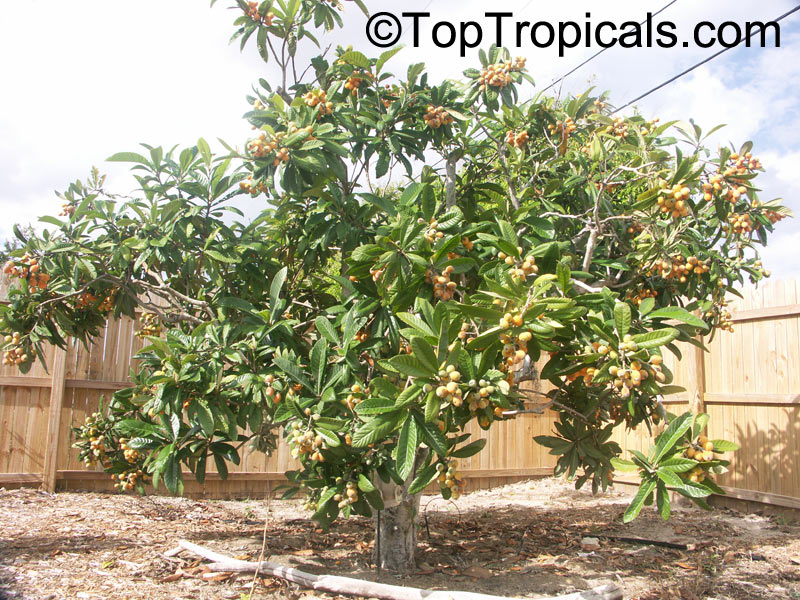
- Loquats
- Dwarf Mulberries (very cold hardy too) such as Dwarf Everbearing
Medium size hedge (shrubs or vines), 2-3 seasons to grow full
size:
-
Black Surinam Cherry Lolita
- Blackberries and raspberries
Low hedge (4-5 ft tall, 1 season, fast growing):
-
Biquinho Pepper
- Wiri
Wiri Pepper
Citrus is probably not a good idea, not bird's favorite, and blueberries require a special acidic soil here in Florida, so they will need extra maintenance, special soil, and heavy mulching.

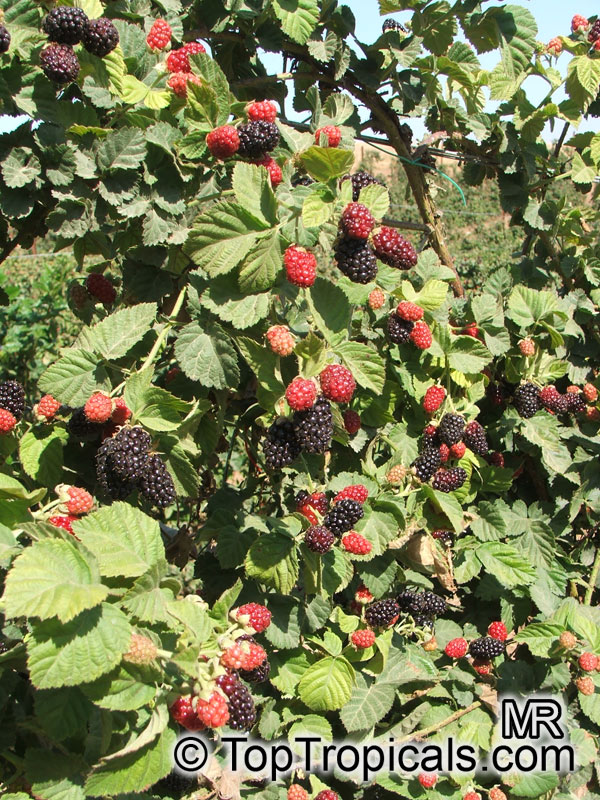
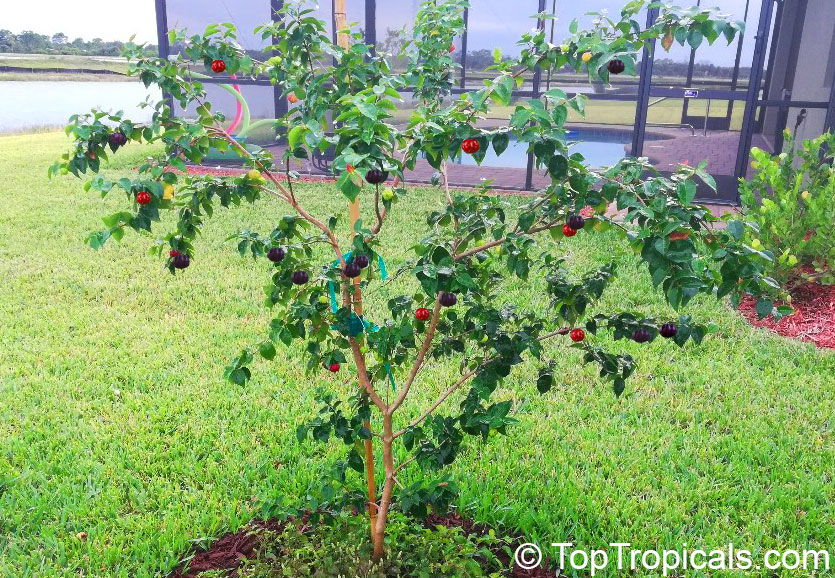
Surinam Cherry Lolita, 2 year old plant
Date: 16 Jun 2024
Good luck tree that brings money and prosperity? And yet shade, spectacular flowers and edible nuts? It is
Pachira aquatica (Bombax glabra) - Malabar Peanut or Guiana Chestnut
💰 Good luck tree that brings money and prosperity? And yet shade, spectacular flowers and edible nuts? It is Guiana Chestnut!
- Pachira aquatica (Bombax glabra) - Malabar Peanut or Guiana Chestnut is a beautiful, fast growing flowering tree with edible nuts!
- Tropical wetland tree native to Central and South America, known for its large, glossy leaves and its distinctive, braided trunk.
- The tree is believed to bring good luck and prosperity to those who own it, and is sometimes referred to as a "money tree."
- Pachira aquatica is also used in traditional medicine and often used for bonsai.
❓ What other plants bring good luck? Share in comments👇
🛒 Order Guaiana Chestnut Money Tree online
#Trees #Food_Forest
🏵 TopTropicals
Date: 4 Mar 2025
What are the best varieties of edible Banana and which one should I plant?
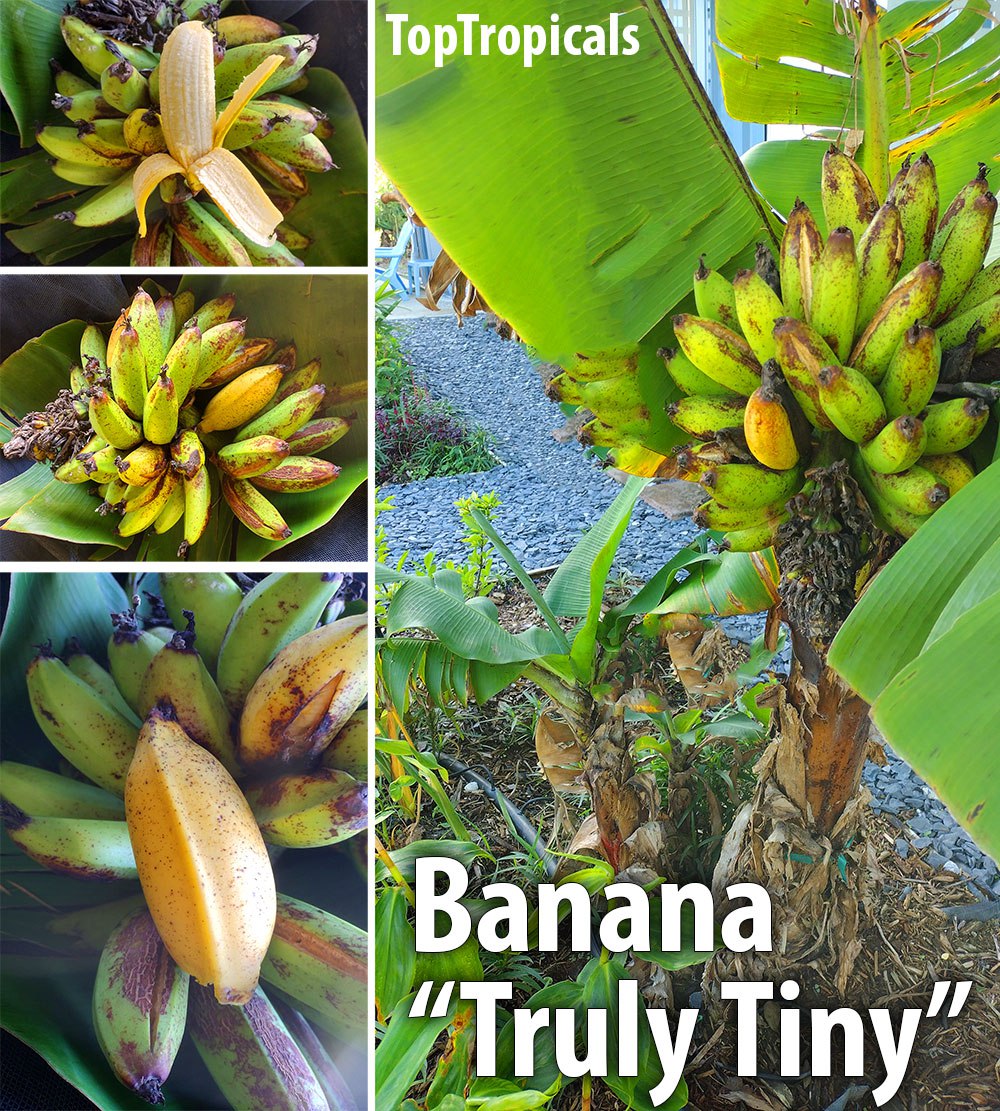
Truly Tiny Banana
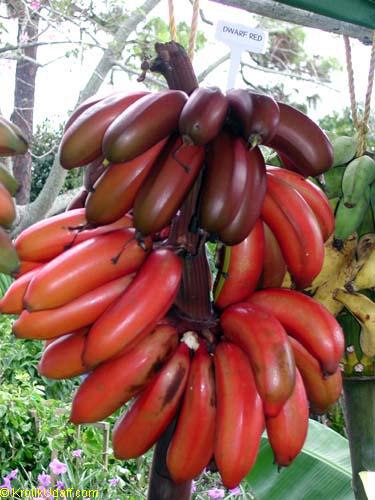
Cuban Red Dacca Banana
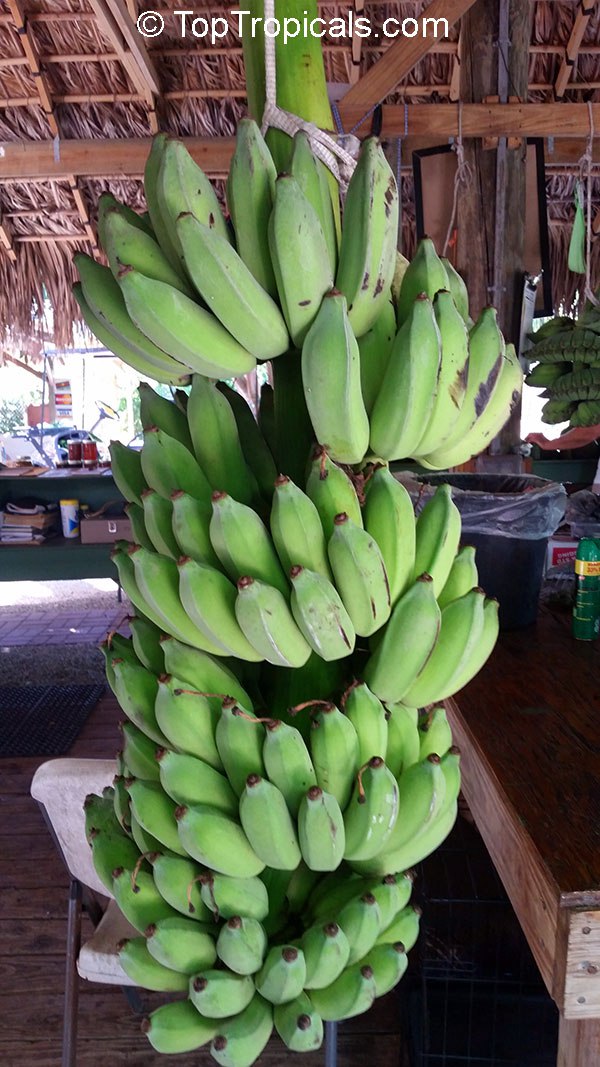
Double Mahoi Banana
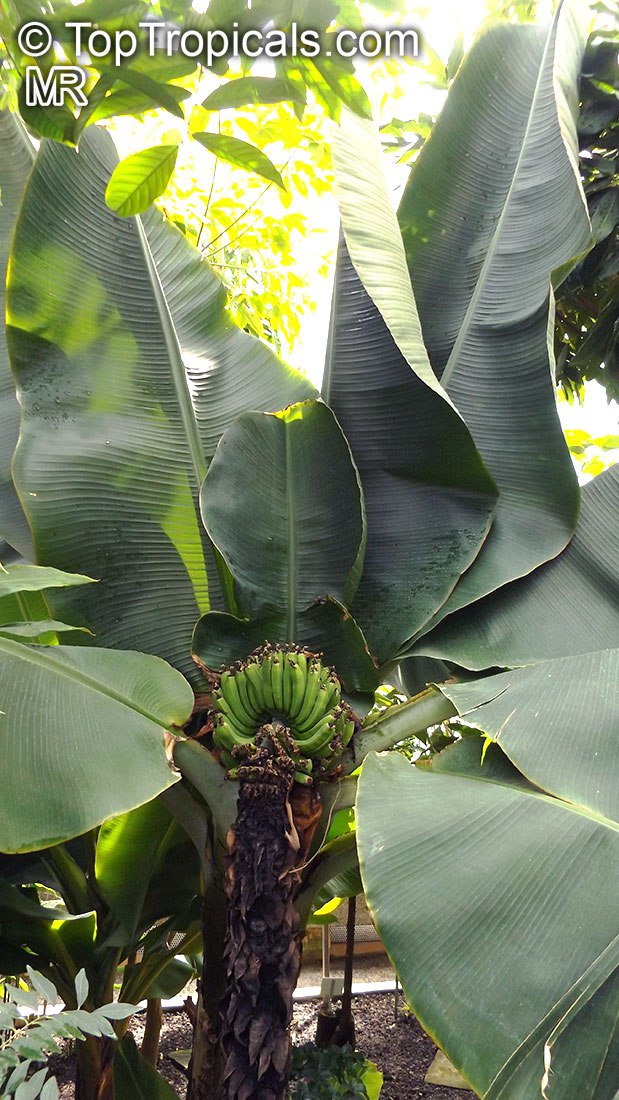
Dwarf Cavendish Banana

Gran Nain Banana
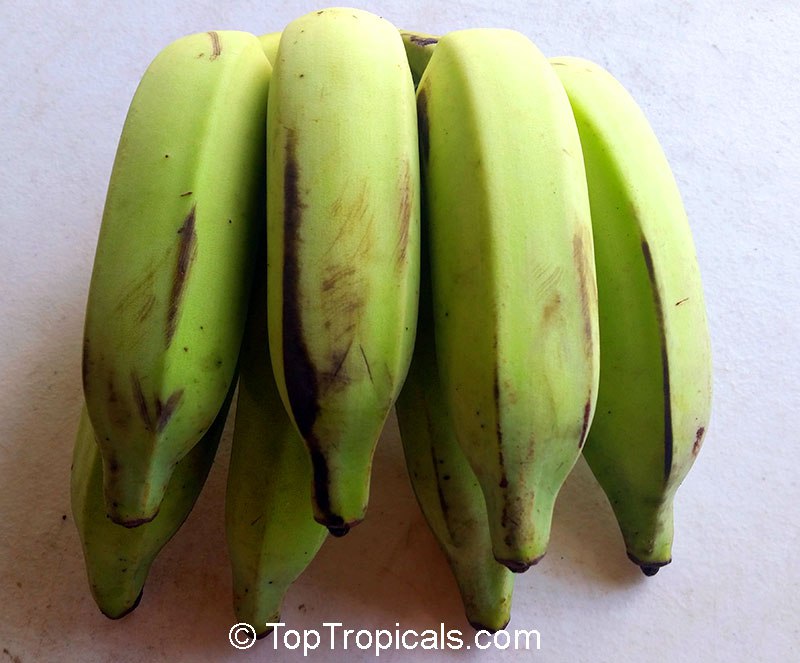
Banana Lakatan
🍌 What are the best varieties of edible Banana and which one should I plant?
Continued for the previous post🔼
🔥 The most popular edible banana varieties:
- 🍌 Truly Tiny - is a compact banana variety growing 2-3 feet in pots and up to 5 feet in the ground, perfect for small spaces or container gardening, producing 4-5 inch fruit with a distinctive pineapple flavor.
- 🍌 Cuban Red Dacca - a vibrant tropical banana variety with reddish-purple, plump, and short bananas that are sweeter and richer in flavor than common yellow bananas, thriving in warm climates and reaching 8-15 feet tall.
- 🍌 Double Mahoi - is a Cavendish banana variety that typically produces a double stalk of bananas in its second year, boosting the harvest.
- 🍌 Dwarf Cavendish - a hardy, vigorous banana variety growing under 5-8 feet, producing large, flavorful fruit with minimal care, making it a popular backyard banana in Florida and one of the most common Cavendish types for hobbyists and container gardens.
- 🍌 Gran Nain - is the true Chiquita banana, growing under 5-8 feet tall and producing large bunches of fruit, making it a staple of commercial banana production.
- 🍌 Ice Cream (Blue Java) - a cold-tolerant hybrid of Musa balbisiana and Musa acuminata, vigorous banana growing 10-15 feet tall and producing 40-60 lb bunches of stout, bluish-skinned fruit with sweet, vanilla-flavored, cream-like flesh that can be eaten raw or cooked.
- 🍌 Banana Lakatan - a popular Philippine banana cultivar prized for its sweet taste, rich aroma, and firm texture, making it a top choice for dessert bananas.
🆒 Banana #Fun_Facts
- 🟡Bananas are rich in potassium, which helps regulate blood pressure and supports heart health.
- 🟡They provide a quick source of energy and are great for post-workout recovery.
- 🟡The fiber in bananas aids digestion and promotes gut health.
- 🟡Eat them fresh, add to smoothies, bake into breads and desserts, or use in various savory dishes.
- 🟡Rubbing the inside of a banana peel on mosquito bites can reduce itching and swelling.
Learn about ornamental Bananas in next post 🔽
🛍Shop Banana varieties
#Food_Forest #Bananas
🔴 Join 👉 TopTropicals
Date: 19 May 2025
What edible plants and herbs can reduce your blood pressure. Tropical fruit and plants that help keep blood pressure in balance
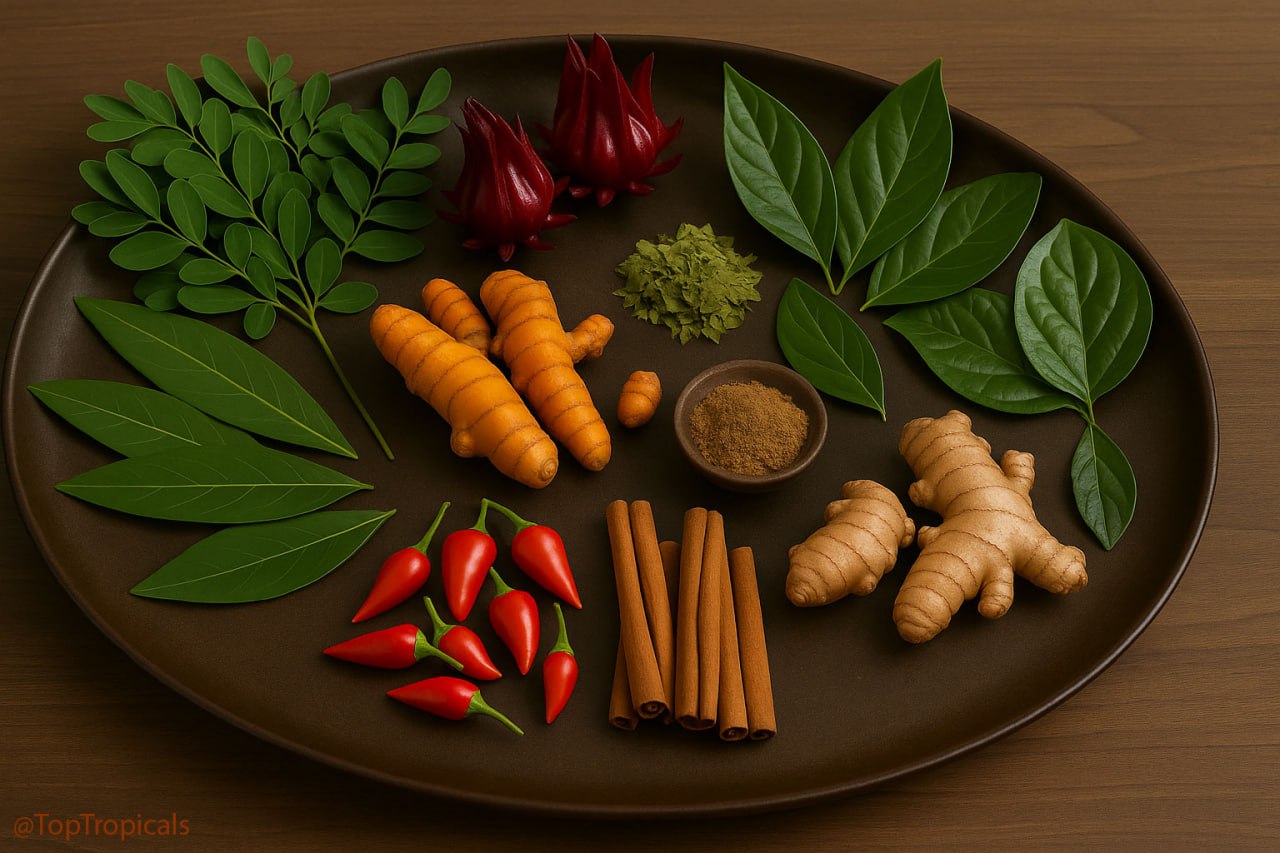
Edible plants and herbs reducing blood pressure
💚 Tropical fruit and plants that help keep blood pressure in balance.
Part 2: What edible plants and herbs can reduce your blood pressure?
Continued from previous post ⤴️
- 🌿 Moringa (Moringa oleifera, Horseradish tree) - Contains potassium and antioxidants, shown in studies to help reduce blood pressure.
- 🌿 Curry Leaf (Murraya koenigii) - Traditionally used for blood sugar and blood pressure regulation; contains cardio-protective compounds.
- 🌿 Hibiscus sabdariffa (Karkade) - Famous for hibiscus tea, clinically shown to lower blood pressure naturally.
- 🌿 Camellia sinensis (Tea Plant) - Green and black tea can support vascular health and slightly reduce blood pressure over time.
- 🌿 Turmeric (Curcuma) - Contains curcumin, which may support vascular relaxation and improve circulatory health.
- 🌿 Yerba Mate (Ilex paraguariensis)- Contains antioxidants and vasodilating compounds that may support blood pressure regulation.
- 🌿 Bay Leaf (Laurus nobilis) - Traditional uses include heart and circulatory support, with mild diuretic properties.
- 🌿 Piper sarmentosum (Vietnamese Pepper Leaf) and Piper betel (Betel Leaf) - Used traditionally to help with hypertension and circulation.
- 🌿 Cinnamon (Cinnamomum sp.) - May improve insulin sensitivity and support vascular relaxation, contributing to lower blood pressure.
- 🌿 Allspice (Pimenta dioica) - Contains anti-inflammatory compounds that support heart and circulatory health.
- 🌿 Ginger (Alpinia, Costus, Zingiber, etc.)- Known to help relax blood vessels and improve blood flow, which can reduce blood pressure.
- 🌿 Wiriwiri and Biquinho Peppers (Capsicum sp.) - Their capsaicin content may support vasodilation and improve circulation.
🛒 Shop tropical herbs and spice plants that boost your health
📚 Learn more:
Tropical fruit health benefits guide
#Disover more #Remedies and #Fruit_Forest
🔴 Join 👉 TopTropicals