Garden Blog - Top Tropicals

Date: 2 Jul 2016

Cancer Zodiac lucky plants

Cancer - 6/21-7/22. Cancer is a WATER sign and is ruled by the Moon. Cancer's plants generally have soft or Moon-shaped leaves, contain a lot of moisture, or are found near water. Oftentimes they have white, pale blue or pale yellow flowers. Cancer rules the stomach, diaphragm, and liver, so plants that aid digestion or affect the subconscious are associated with the sign of the Crab. Maternal Cancer also governs the breasts, the womb, and the ovaries. It rules all fluid secretions, including menstrual blood, fluids in the eye, and tears. The moon is often associated with conditions involving irregular periodicity: irregular menstruation and related moods, epilepsy, insomnia, hysteria. Lunar herbs tend to have white or yellow flowers and soft, juicy leaves. They often live in or near water. As they are so nurturing and warm, Cancer loves the homey smell of cinnamon. This sweet spice is good for gently heating things up; it also promotes movement and flow in life. Its familiar scent is soothing and calming for those who need a little retreat every now and again.

Cancer Zodiac lucky plants: Lilies, Eucomis, Magnolia, Nicotiana, Brugmansia, Dombeya, White flowers, Water lilies, Lotus, Maidenhair fern, Monstera, Cinnamon, Sage, Aloe, Lemon Balm, Bay leaf, Palasa - Butea monosperma, Acai, Mahogany, Mango, Banana, Apple, Pear, Geranium - Pelargonium, White roses, Solandra Chalice Vine, Butter Cup, Acalypha, Cornutia, Ruda, Oregano, Camphor plant, Grapes, Brunfelsia, Alocasia, Colocasia, Canna, Cyperus, Iris, Equisetum, Mangroves.

For other signs information, see full Plant Horoscope

Date: 17 Nov 2023

Hedges with Benefits
Reference Chart

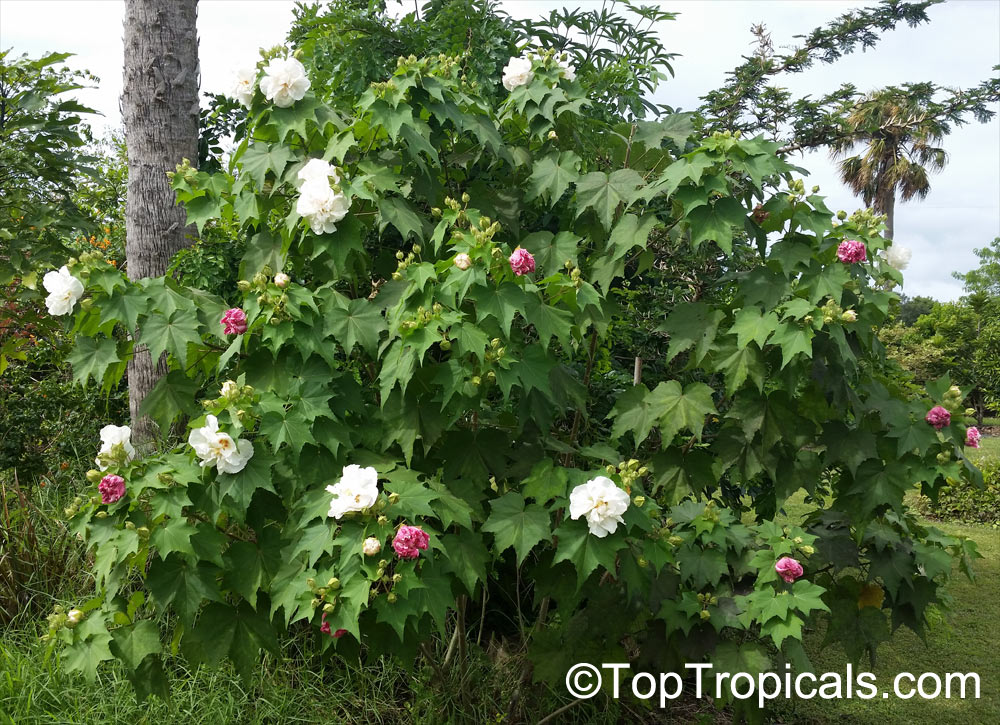
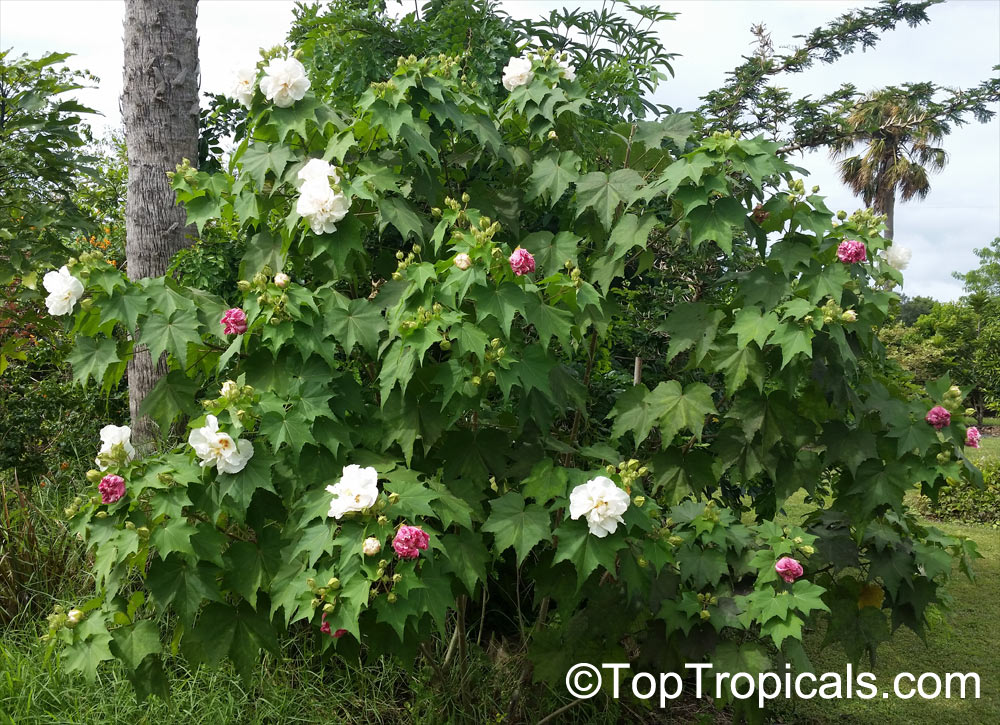
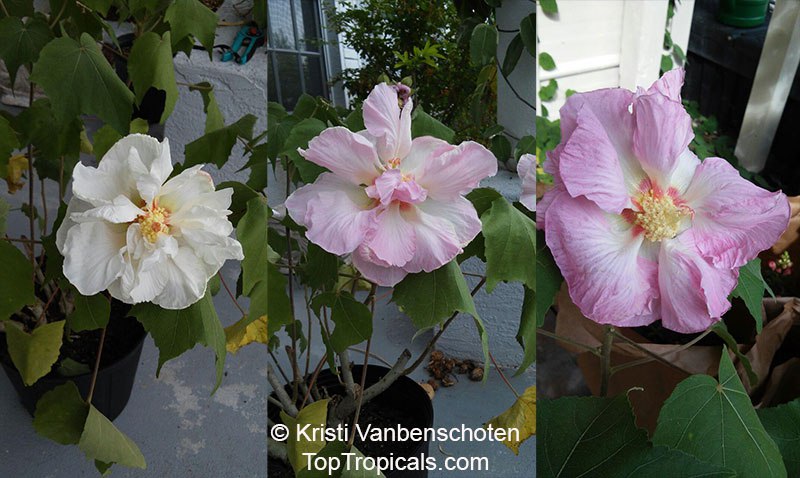
Hibiscus  mutabilis  flowering  hedge

Large and fast growing

Tithonia diversifolia - Sunflower tree
Acacia farnesiana - Sweet Mimosa
Calliandra surinamensis - Powderpuff
Aloysia virgata - Almond Bush
Dombeya x wallichii - Tropical Hydrangea
Cornutia grandifolia - African lilac
Gmelina philippensis - Parrots Beak
Hibiscus mutabilis Cotton Candy - Mallow Hibiscus
Senna alata - Empress Candle, Candelabra Plant

Medium or easy-trim

Acalypha hispida - Cat tail, Chenille plant
Bauhinia galpinii - Pride of De Kaap
Cestrum nocturnum - Night blooming jasmine
Dombeya seminole - Tropical Rose Hydrangea
Gardenia thunbergia - Forest gardenia
Hamelia patens - Fire Bush
Hibiscus variegated Snow Queen
Jasminum sambac Maid of Orleans
Ochna integerrima - Vietnamese Mickey Mouse, Hoa Mai
Odontonema callistachyum - Lavender Butterfly Bush
Odontonema cuspidatum - Firespike, Red
Rondeletia leucophylla - Panama Rose
Tecoma stans - Yellow Elder

Short or slow growing

Aglaia odorata - Chinese Perfume Plant
Allamanda schottii - Dwarf Allamanda Bush
Brunfelsia pauciflora Compacta - Dwarf Yesterday-Today-Tomorrow
Clerodendrum incisum - Musical Note
Calliandra schultzii - Dwarf calliandra
Gardenia vietnamensis - Vietnamese Gardenia
Leonotis leonurus - Lions Ears
Neea psychotrioides - Pigeon Plum, Hoja de Salat
Plumbago auriculata Imperial Blue

Garden Specimens

Combretum constrictum Thailand, Ball of Fire
Caesalpinia pulcherrima - Red Dwarf Poinciana, Bird of Paradise
Clerodendrum quadriloculare - Winter Starburst
Euphorbia leucocephala - Snows of Kilimanjaro, Pascuita
Gardenia nitida - Shooting Star Gardenia
Hibiscus schizopetalus - Coral Hibiscus
Jatropha integerrima compacta
Kopsia fruticosa - Pink Gardenia
Malvaviscus x penduliflorus Variegata - Summer Snow
Mussaenda philippica x flava - Calcutta Sunset (Marmelade)
Plumeria pudica - Bridal Bouquet

Semi-Shade to Shade

Clerodendrum bungei - Glory Bower
Clerodendrum paniculatum - Pagoda Flower
Eranthemum pulchellum - Blue Sage, Lead Flower
Clerodendrum speciosissimum - Java Glorybower Mary Jane
Justicia carnea - Pink Brazilian Plume, Jacobinia
Magnolia figo - Banana Magnolia
Megaskepasma erythrochlamys - Brazilian plume
Thunbergia erecta - Kings Mantle
Tibouchina lepidota - Ecuador Princess, Jules Dwarf

Edible Hedges

Eugenia uniflora - Black Surinam Cherry Lolita
Camellia sinensis - Tea Leaf
Hibiscus sabdariffa - Flor de Jamaica, Karkade Sorrel
Laurus nobilis - Bay Leaf
Manihot esculenta - Yuca Root
Nashia inaguensis - Moujean Tea, Bahamas Berry
Sauropus androgynus - Katuk, Tropical Asparagus
Sauropus Variegata - variegated Katuk

See full list of flowering shrubs

Date: 20 Oct 2024

How hibiscus plant acts like a chameleon

Hibiscus mutabilis Cotton Candy - Mallow Hibiscus

👀 How hibiscus plant acts like a chameleon

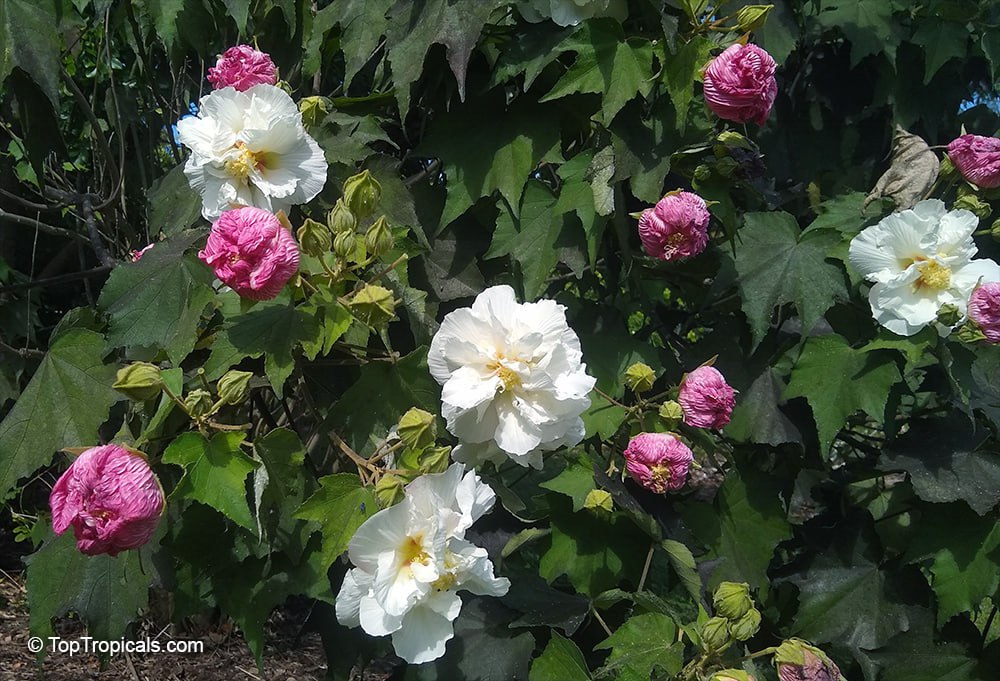
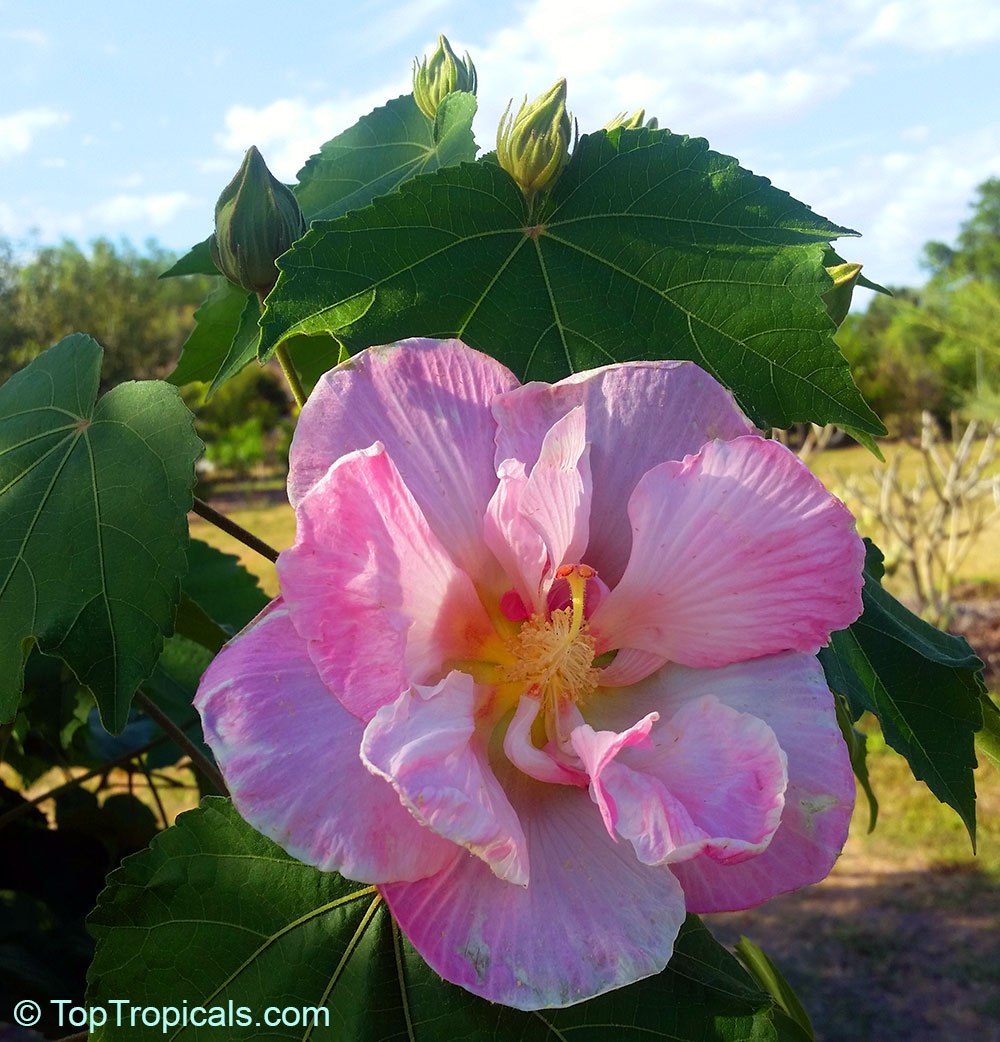
  • 🌺 Hibiscus mutabilis Cotton Candy - Mallow Hibiscus - is the magical chameleon of the garden! This beauty opens with pure white flowers that gradually shift to bright pink over three days, much like the Yesterday-Today-Tomorrow plant (Brunfelsia).
  • 🌺 As the blooms age, they take on a rich, deep pink hue, creating a stunning rainbow of colors on the bush all at once.
  • 🌺 With blossoms reaching up to 5 inches across, this hibiscus is as showy as it is unique.
  • 🌺 It's the perfect way to add a touch of dynamic color magic to your garden!


🛒 Order Cotton Candy Hibiscus

#Hedges_with_benefits #Nature_Wonders

🔴 Join 👉 TopTropicals

Date: 21 Dec 2024

Why this Hibiscus is changing color?

Hibiscus mutabilis Cotton Candy - Mallow Hibiscus

Hibiscus mutabilis Cotton Candy - Mallow Hibiscus

Hibiscus mutabilis Cotton Candy - Mallow Hibiscus

Hibiscus mutabilis Cotton Candy - Mallow Hibiscus

Hibiscus mutabilis Cotton Candy - Mallow Hibiscus

Hibiscus mutabilis Cotton Candy - Mallow Hibiscus

Hibiscus mutabilis Cotton Candy - Mallow Hibiscus

Hibiscus mutabilis Cotton Candy - Mallow Hibiscus

🌸 Why this Hibiscus is changing color?

  • 🌸 Hibiscus mutabilis Cotton Candy - Mallow Hibiscus - is an amazing winter bloomer that chances flower color! It opens pure white than gradually shifts to baby pink to dark pink over three days, much like the Yesterday-Today-Tomorrow plant (Brunfelsia).
  • 🌸 As the blooms age, they take on a rich, deep pink hue, creating a stunning rainbow of colors on the bush all at once.
  • 🌸 Blossoms reach up to 5 inches across!


📚 From previous posts:


How hibiscus plant acts like a chameleon
How to make your Hibiscus plants thrive and bloom

🛒 Order Cotton Candy Hibiscus

#Hedges_with_benefits #Nature_Wonders

🔴 Join 👉 TopTropicals

Date: 26 Apr 2023

The Benefits of Companion Planting

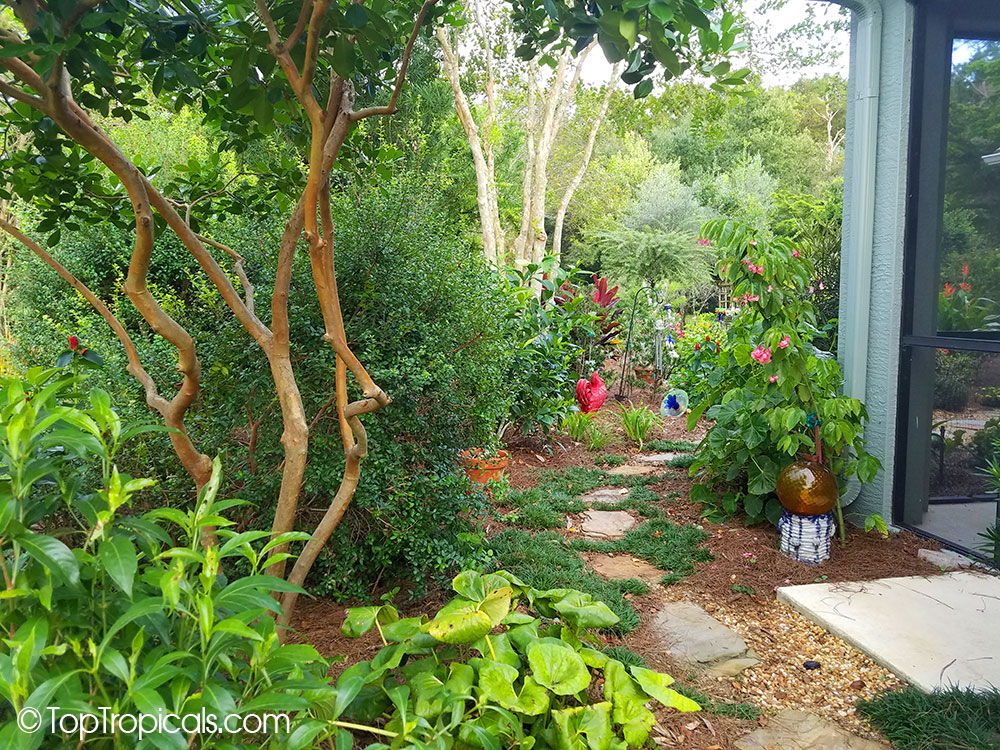
Landscaped  garden  with  companion  planting

Q: What is companion planting?

A: Companion planting is a gardening technique that involves planting different crops or types of plants together in a way that benefits all plants. This practice has been used for centuries, and it can be especially useful in tropical gardens where there is a diversity of plant life: trees, shrubs, vines and climbers, ground covers, fruit and edibles, and different flowering ornamentals. It is a great way to improve the health and yield of fruit tree crops while reducing the need for fertilizers and pesticides. By choosing the right companion plants and planning your garden layout carefully, you can create a vibrant and diverse ecosystem that will benefit both your plants and the environment.

Companion planting involves:

Planting different crops together to repel insects: adding such plants as Lemon grass, Patchouli leaf, or Moujean Tea near your vegetables can deter aphids and other pests.

Attracting pollinators - Butterfly plants. Many tropical crops, such as passion fruit, papaya, mango, and avocado, rely on pollinators to produce fruit. Companion planting can help to attract pollinators such as bees, butterflies, and hummingbirds to your garden.

Providing nutrients to the soil, adding mulch and low growing plants (ground covers) to preserve moisture.

Planting a variety of different types of plants together in order to create a more resilient ecosystem that is less susceptible to pests and diseases.

To get started, plan your garden layout and choose companion plants with similar water and light requirements.
For example, plant in the same group lush foliage plants, gingers, and flowering brunfelsias in shady areas; plant jasmines and gardenias in full sun and very well-drained spots.
Rotate annual crops regularly and experiment with combinations to find what works best. By doing this, you can create a thriving ecosystem that benefits both your plants and the environment, reducing the need for harmful chemicals.

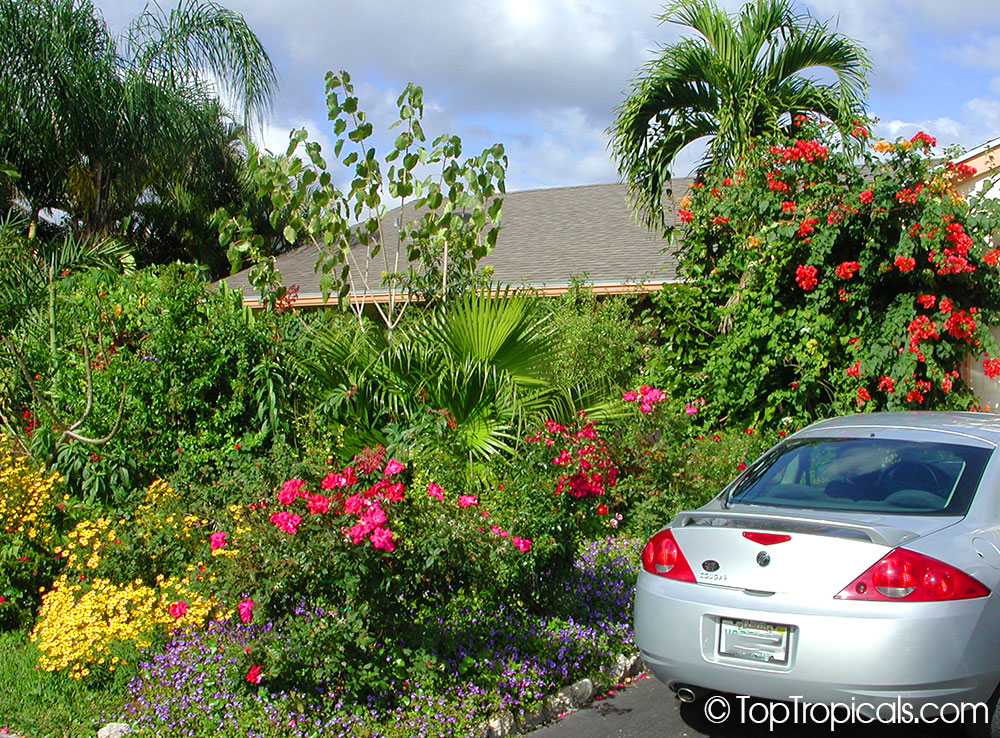
Landscaped  front  yard  with  companion  planting

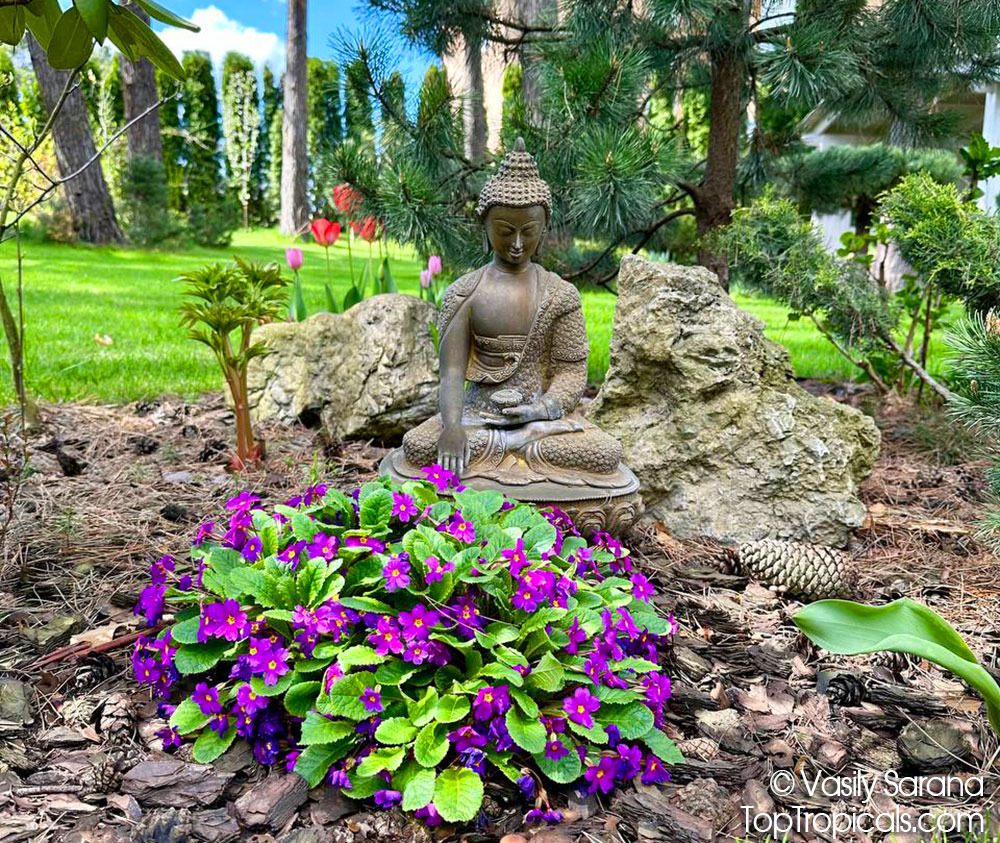
Buddah  and  flowers