Garden Blog - Top Tropicals

Date: 19 Feb 2026

10 ways to enjoy Wild Medlar - Spanish Tamarind
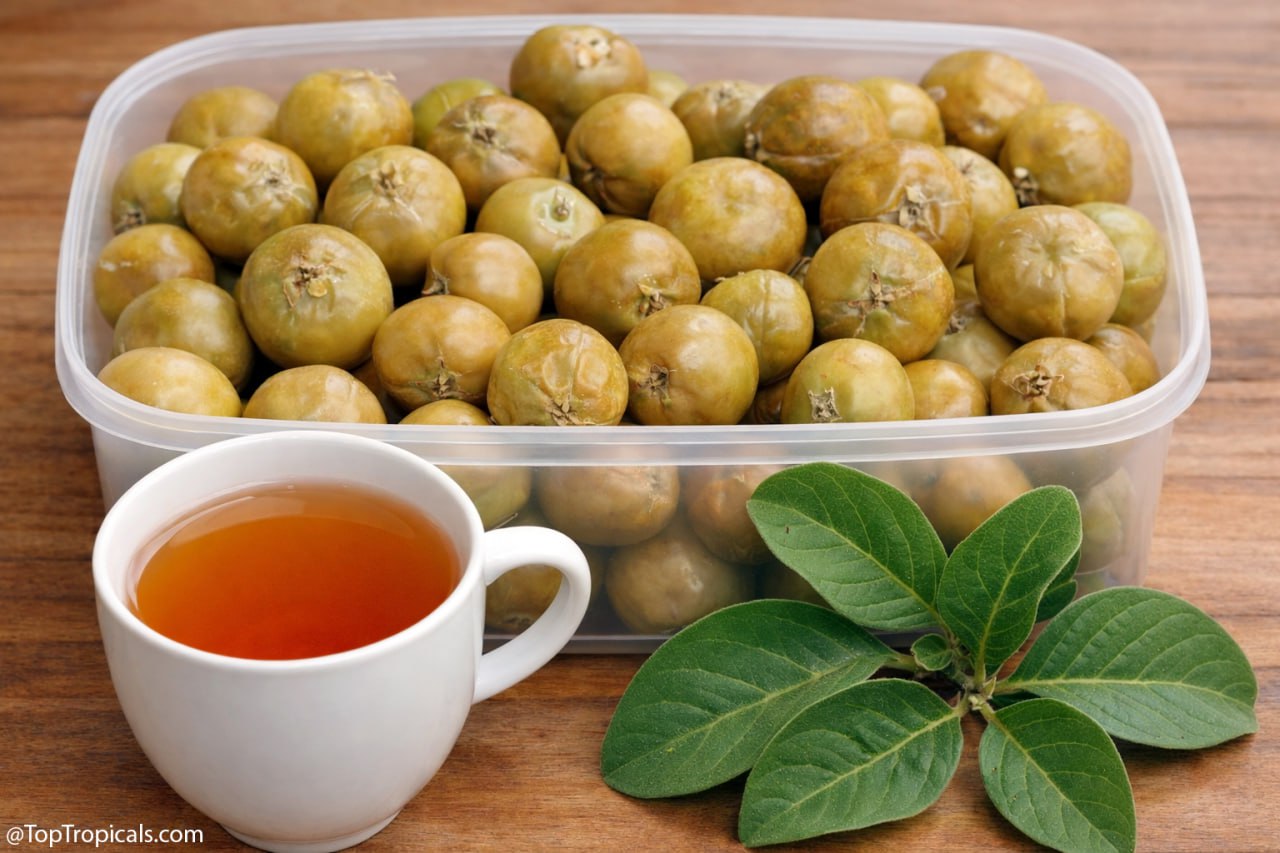
Vangueria infausta (Spanish Tamarind, Wild Medlar)

Vangueria infausta (Spanish Tamarind, Wild Medlar)

🍊 10 ways to enjoy Wild Medlar - Spanish Tamarind


Vangueria infausta (Spanish Tamarind, Wild Medlar) from Africa to your backyard: the fruit, the medicine, the tradition.

Wild Medlar Plant Facts

Botanical name: Vangueria infausta
Also known as: Wild Medlar, Spanish Tamarind
USDA Zone: 9 - 11
Highligths Small tree 10-20 ftFull sunWatering: Moderate. Water when top soil feels dryEdible plantDeciduous plantEthnomedical plant.
Plants marked as ethnomedical and/or described as medicinal, are not offered as medicine but rather as ornamentals or plant collectibles.
Ethnomedical statements / products have not been evaluated by the FDA and are not intended to diagnose, treat, cure, or prevent any disease. We urge all customers to consult a physician before using any supplements, herbals or medicines advertised here or elsewhere.Subtropical plant. Mature plant cold hardy at least to 30s F for a short time
Get personalized tips for your region


Spanish Tamarind may look like a small, unassuming fruit - but don’t let it fool you. In its native Africa, this tree is a food staple, a home remedy, and a cultural favorite, all wrapped into one. And now, it’s ready to bring that same magic into your garden and kitchen. People have used this fruit for generations - and how you can too.

🍊 1. Eat it fresh, off the tree


When ripe, the fruit turns golden brown and softens slightly. Its flavor is sweet-tart, almost like a tangy apple or tamarind with a hint of citrus. Just peel and eat!

🍬 2. Dry it for snacks


In many African regions, the fruit is sun-dried and enjoyed like natural fruit leather. It keeps well, travels well, and makes a great healthy snack.

🍵 3. Brew it into a fruit tea


Dried fruit can be steeped into a tart, refreshing tea that’s packed with vitamin C and antioxidants. Add honey or ginger for a soothing drink.

🍷 4. Ferment it into traditional beer or wine


In some local cultures, the fruit is fermented into a mild alcoholic drink, similar to fruit wine or beer. This is one of the tree’s oldest known traditional uses.

🍧 5. Make jams and preserves


Boil the pulp with sugar and lemon juice to make tangy medlar jam. Spread it on toast, stir into yogurt, or use it in baking.

6. Add to porridge or smoothies


Crushed or juiced medlar fruit is added to traditional maize porridge for a nutrient boost. You can do the same with oatmeal or smoothies.

7. Try traditional fruit pudding


A simple medlar mash with a little sweetener makes a rich, apple-like pudding with hints of spice. Great as a chilled dessert.

🌿 8. Use the leaves and bark medicinally


In folk medicine, leaves are brewed into a tea for treating fever, colds, and stomach aches. Bark is used for chest congestion and coughs. Roots are sometimes used for even stronger remedies like malaria treatment.

9. Clean your teeth the traditional way


Believe it or not, people use medlar leaves to clean their teeth! The leaves are antimicrobial and have a slight astringent taste that leaves your mouth feeling fresh.

🎨 10. Dye fabric naturally
Crush the bark or boil the leaves to create natural dyes in yellow, green, and even purple tones. This use is still practiced in rural areas of southern Africa.

✍️ Why this tree belongs in your life


Wild Medlar is more than just a fruit. It’s a versatile, resilient, and deeply cultural plant that connects generations. It’s food, it’s healing, it’s art—and now it can be part of your garden story.
Grow it for the fruit, the medicine, the tradition… or just for the joy of growing something wild and wonderful.

🛒 Plant Spanish Tamarind and enjoy exotic fruit benefits

📚 Learn more:


Vangueria infausta - Spanish Tamarind in Plant Encyclopedia
7 steps for a care-free Spanish Tamarind - the easiest rare fruit to grow
The wild fruit with a secret: health benefits of rare Spanish Tamarind - the exotic fruit you've never heard of

#Food_Forest #Remedies #Recipes #Discover

🟢 Join 👉 TopTropicals

Date: 22 Jan 2026

This old-school tropical fruit is making a quiet comeback: Eggfruit - Canistel

Canistel - Pouteria campechiana, Egg Fruit

💛 This old-school tropical fruit is making a quiet comeback: Eggfruit - Canistel


❓✔️ The tropical fruit that feels like dessert but isn’t junk: FAQ


💛 What is canistel fruit?


Canistel is the fruit of Pouteria campechiana, often called Egg Fruit because its texture resembles a cooked egg yolk. It has dense, yellow flesh and a naturally sweet, custard-like flavor.


💛 Is canistel a high-energy fruit?


Yes. Canistel contains complex carbohydrates that provide steady, long-lasting energy instead of quick sugar spikes. It is a good choice for active days or when you need sustained fuel.


💛 Does canistel help you feel full?


It does. The thick texture and fiber content make canistel very satisfying, helping you feel full with smaller portions.


💛 Can canistel support weight management?


Canistel is filling and naturally sweet, which can help reduce cravings for processed desserts and snacks.


💛 Is canistel easy to digest?


Yes. Its soft, pasty texture is gentle on the stomach and often well tolerated by people with sensitive digestion.


💛 How does canistel benefit skin health?


Canistel provides beta-carotene and vitamin C, which support skin renewal, elasticity, and overall skin appearance.


💛 Does canistel help with muscle function?


Yes. It contains potassium and other minerals that support muscle function and help reduce fatigue after physical activity.


💛 Is canistel good for brain health?


Canistel supplies iron and B vitamins that support oxygen delivery and mental clarity, especially during periods of fatigue.


💛 Does canistel support healthy aging?


Its antioxidants help protect cells from oxidative stress, which plays a role in aging and long-term wellness.


💛 Is canistel just a snack fruit?


Not at all. Canistel is a functional fruit used in custards, smoothies, baked goods, spreads, and even savory dishes, offering both nutrition and comfort-food satisfaction.


🛒 Plant Egg Fruit - Canistel Tree

📚 Learn more:

Canistel Plant Facts

Botanical name: Pouteria campechiana
Also known as: Canistel, Eggfruit, Chesa
USDA Zone: 9 - 11
Highligths Large tree taller than 20 ftSmall tree 10-20 ftFull sunWatering: Regular. Let topsoil dry slightlyEdible plant
Get personalized tips for your region

Pouteria campechiana - Canistel, Eggfruit - in Plant Encyclopedia
Canistel breakfast mash: quick-n-fun exotic recipes
Health Benefits of Canistel Fruit
Pouteria campechiana - Canistel, the curious heart-shaped Egg Super-Fruit

#Food_Forest #Remedies #Discover

🟢 Join 👉 TopTropicals

Date: 3 May 2026

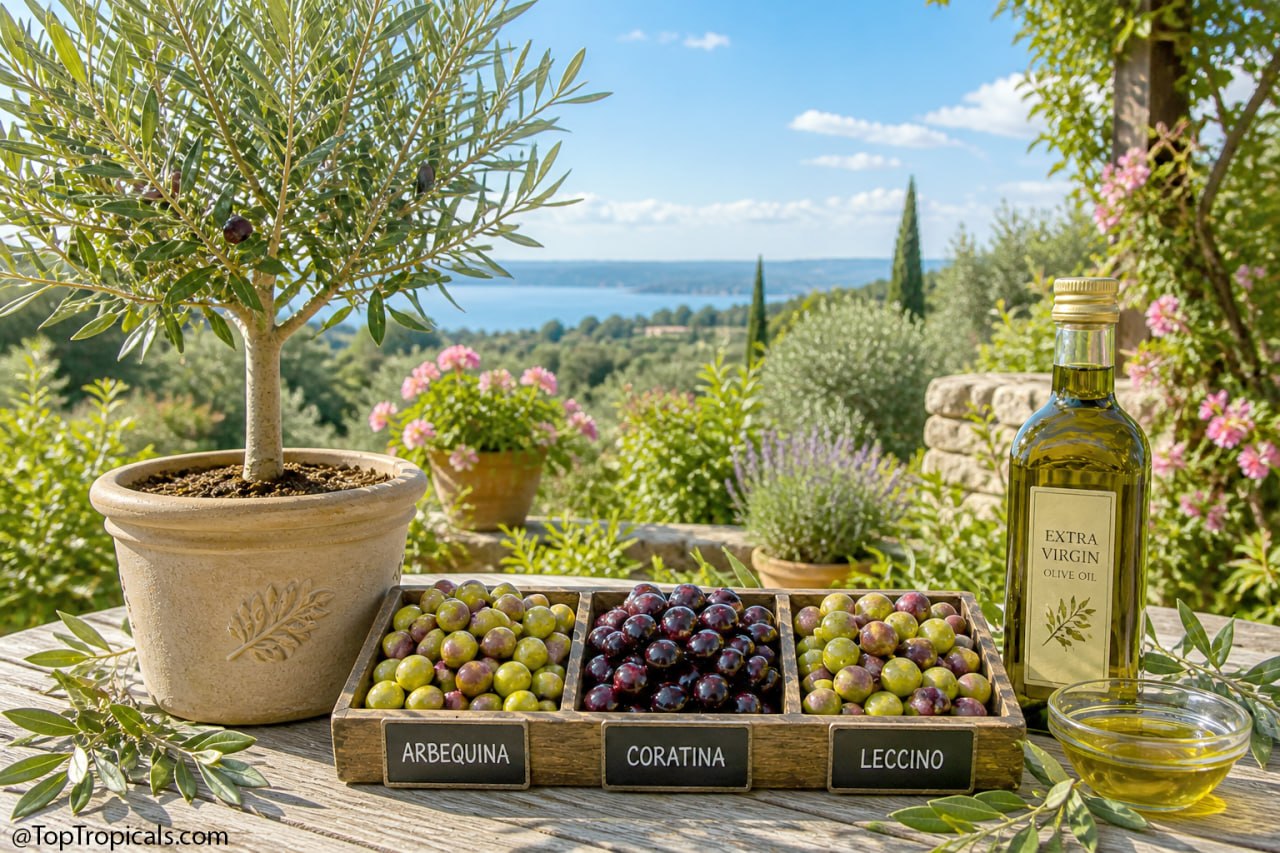
3 Olive Trees Worth Planting in Your Yard Right Now

3 Olive Trees Worth Planting in Your Yard Right Now

3 Olive Trees Worth Planting in Your Yard Right Now

3 Olive Trees Worth Planting in Your Yard Right Now

Olive trees aren’t just for the Mediterranean anymore. In warm parts of the U.S. - including much of Florida - certain varieties handle heat, humidity, and even occasional cold better than people expect. If you’ve been thinking about adding something useful, low-maintenance, and long-lived to your garden, olives deserve a spot on your list. Here are three varieties that actually make sense to grow.

1. Arbequina: Compact, Productive, and Beginner-Friendly

Arbequina is one of the easiest olives to grow, especially if space is limited. It is naturally compact, which makes it great for containers or small yards. It starts producing early compared to other olives, handles heat well, and adapts to different soils. The fruit is mild, buttery, and excellent for oil. If you want an olive tree that behaves well and produces without much fuss, this is the one. More...

2. Coratina: Bold Flavor and Strong Growth

Coratina is a completely different type of olive - vigorous, tough, and known for intense flavor. It is fast-growing and very hardy once established, and it produces heavily under the right conditions. The fruit is high in oil content with a flavor that is strong and peppery, making it prized for premium olive oil. This is a great choice if you want a more traditional, high-performance olive tree with character. More...

3. Leccino: Reliable and Cold-Tolerant

Leccino is known for consistency and is one of the most widely planted olives for a reason. It is more cold-tolerant than many other varieties and is a reliable producer year after year. It has a medium growth habit that is easy to manage, and the fruit works well for both oil and curing. If your area gets occasional cold snaps, Leccino is a safer bet. More...

Why olives make sense in your garden

Olives check a lot of boxes most fruit trees don’t. They are drought-tolerant once established and don’t need rich soil; average or even poor soil is fine. They are long-lived trees that can produce for decades and have low pest pressure compared to many tropical fruits. They’re not high-maintenance, and they don’t demand constant attention.

What to know before you plant

A few practical points make all the difference. Full sun is non-negotiable, and drainage matters because if water sits, the roots suffer. Light pruning keeps trees productive and manageable. Some varieties produce better with cross-pollination. In Florida conditions, airflow and avoiding overly wet soil are key.

If you want a tree that looks good, produces something useful, and doesn’t need babysitting, olives are hard to beat. Choose Arbequina for small spaces and ease, Coratina for strong growth and bold oil, or Leccino for reliability and cold tolerance. Plant one - or plant all three - and you’ll start to see why olive trees have been grown for thousands of years.

Shop Olive trees

"Learn more:
Olea europea - Olive Tree - in Plant Encyclopedia
Grow your own Olive Oil
Marinated green olives: quick-n-fun exotic recipes
How to grow your own Olive

Shop Olive trees

#Food_Forest #How_to #Discover

Olive Plant Facts

Botanical name: Olea europea
Also known as: Olive
USDA Zone: 8 - 11
Highligths Plant used for bonsaiSmall tree 10-20 ftFull sunWater Requirement: Low. Allow soil to dry out between wateringsWatering: Moderate. Water when top soil feels dryEdible plantPlant attracts butterflies, hummingbirdsEthnomedical plant.
Plants marked as ethnomedical and/or described as medicinal, are not offered as medicine but rather as ornamentals or plant collectibles.
Ethnomedical statements / products have not been evaluated by the FDA and are not intended to diagnose, treat, cure, or prevent any disease. We urge all customers to consult a physician before using any supplements, herbals or medicines advertised here or elsewhere.Subtropical plant. Mature plant cold hardy at least to 30s F for a short time
Get personalized tips for your region
Join TopTropicals

Date: 31 Aug 2025

Zero Sugar fruit: forget lemonade - new perfect summer drink discovered!

Costa Rican Guava, Cas Guava - Psidium friedrichsthalianum

Zero Sugar fruit: forget lemonade - new perfect summer drink discovered!


🍋 Costa Rican Guava, or Cas Guava (Psidium friedrichsthalianum) is the boldest fruit you can grow for refreshing drinks. Its flavor is sharp, tangy, and unforgettable - perfect for anyone who loves acidic fruit. Cas Guava has sugar at all, unless you decide to add some.

🍋 The trees are super prolific - even young ones fruit heavily, and we make gallons of juice at Top Tropicals.

🍋 The best part? You can freeze the fruit or boil it into a concentrate with a bit of sugar. That drink lasts in the fridge for months without going bad, thanks to Cas Guava’s natural antibacterial punch.

🍋 Cas Guava juice is Costa Rica’s traditional Agua de Cas - tart, refreshing, and perfect for summer heat. And if you save enough, you’ll still be sipping it through the winter.

♨️ Agua de Cas Quick Recipe


We boiled this fruit and the drink lasted for months!

Boil halved fruits in water with sugar to taste
Simmer 5-10 minutes, let sit, then mash the softened fruit to release all the flavor
Strain through a colander, bottle, and refrigerate - just dilute with water when serving

✔️ Why choose Cas Guava?


• Packed with vitamin C - four times more than lemons - for a powerful immune boost.
• Rich in antioxidants to combat stress and inflammation.
• Hardy and low-maintenance, thriving in poor soils and resisting pests.

🛒 Grow your own Cas Guava

📚 Learn more:


What is the best fruit for summer drinks and wine?
•  What fruit is more sour and has more vitamin C than a lemon
•  What fruit can you drink? Costa Rican Cas is the Guava for Drinking
•  Costa Rican Guava

#Food_Forest #Recipes #Guava

🟢 Join 👉 TopTropicals

Date: 4 Nov 2025

The secret Brain Food growing in my backyard (and it tastes like green peas!)

Tropical Asparagus (Sauropus androgynus)

🏆 The secret Brain Food growing in my backyard (and it tastes like green peas!)


🌿 Katuk, or Tropical Asparagus (Sauropus androgynus), is one of the most underrated edible plants you can grow. This leafy tropical shrub is a superfood in disguise. It grows fast, looks lush, and its tender young shoots taste just like green peas.

🌿 Native to Southeast Asia, Katuk is a kitchen staple in places like Vietnam, Malaysia, and Thailand. The leaves and shoots are used in soups, stews, and stir-fries with egg or seafood. It’s not only delicious but also incredibly nutritious - rich in nutrients linked to improved memory and reduced cognitive aging: folate, lutein, and especially vitamin K, which is rare in plants.

🌿 Katuk thrives in sun or partial shade, needs little care, and grows into a dense, bushy plant that gives you edible greens all year round. If you want something that feeds both your garden and your health, this one’s a winner!

🛒 Add Katuk Superfood to your Food Forest

Lean more:
🍴 Katuk egg stir-fry: Quick-n-Fun exotic recipes
✔️ Discover the health benefits of Katuk: a Superfood for your mind and body
📚 Tropical Asparagus, Katuk: Grow your own food
📱 How to cook with Katuk

#Food_Forest #Remedies #Discover

🟢 Join 👉 TopTropicals