Garden Blog - Top Tropicals

Date: 17 Jan 2026

Ti plant leaf color meaning
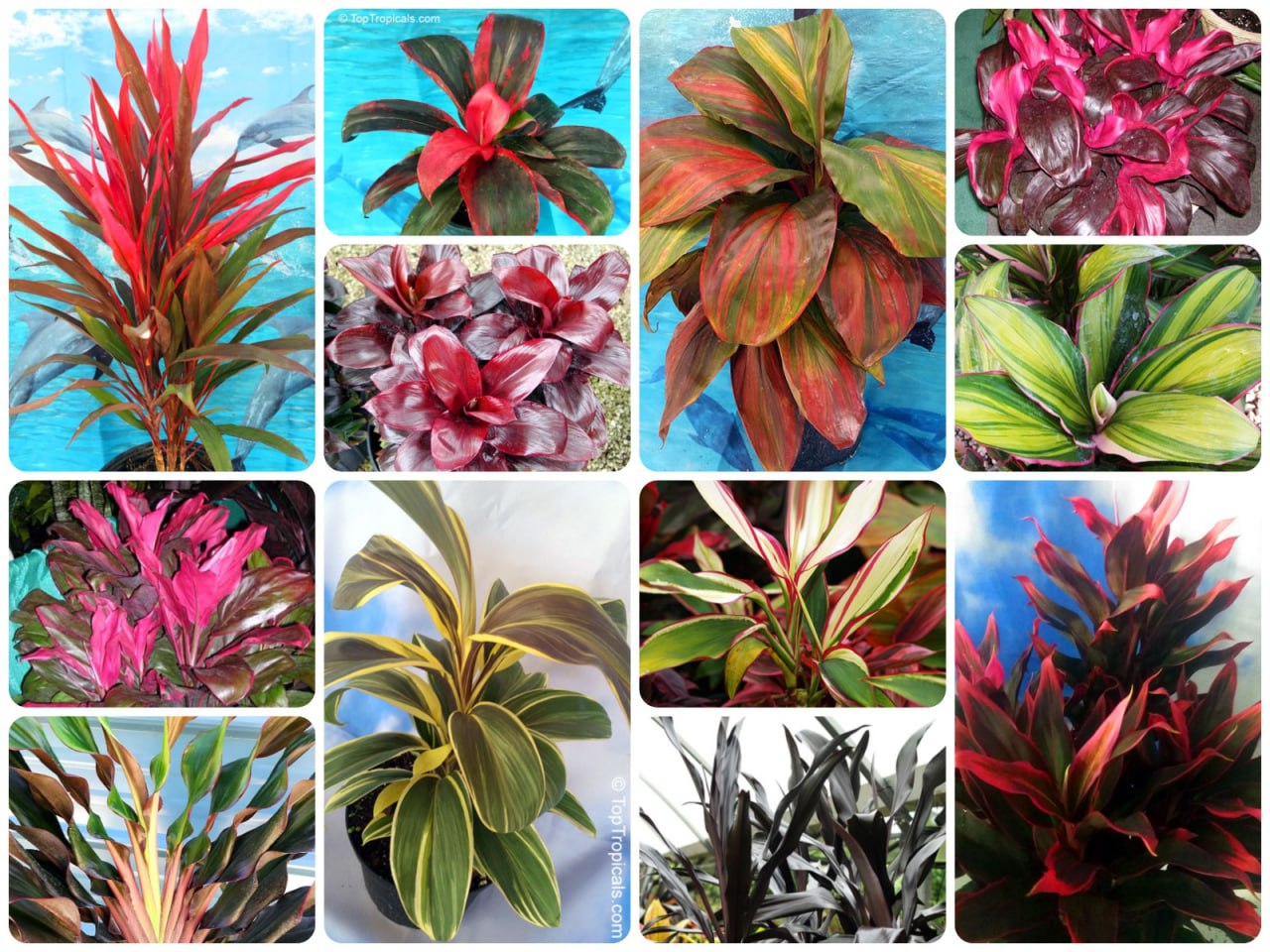
Hawaiian Ti plant (Cordyline fruticosa)

Hawaiian Ti plant (Cordyline fruticosa)

🌈 Ti plant leaf color meaning


The Hawaiian Ti plant (Cordyline fruticosa) is more than just a colorful tropical accent. Across Polynesian, Hawaiian, and Southeast Asian cultures, the color of ti plant leaves has long been associated with different meanings, moods, and uses - both symbolic and practical.
  • 🌈 Green leaves
  • Green ti plants are linked to peace, balance, and steady growth. Traditionally, they were planted around homes for protection and good fortune. In the garden, green varieties are usually the toughest and most shade-tolerant.
  • 🌈 Red and deep burgundy leaves
  • Red ti plants are associated with strength, power, and protection. In Hawaiian tradition, red ti leaves were believed to ward off negative energy and were often used in ceremonies. Garden-wise, deeper reds usually mean more sun exposure and stronger pigmentation.
  • 🌈 Pink, magenta, and multicolor leaves
  • These colorful ti plants symbolize joy, celebration, and creativity. They are often used as ornamental focal points and in festive plantings. Variegated and pink types tend to prefer brighter light to keep their colors sharp.
  • 🌈 Purple and dark-toned leaves
  • Purple ti plants are linked to mystery, spirituality, and transformation. Their dramatic color comes from high anthocyanin levels and usually intensifies in bright light with good nutrition.
  • 🌈 Yellow or light variegation
  • Yellow tones often represent optimism and new beginnings. Plants with lighter variegation may grow a bit slower and need protection from harsh sun, but they add a softer contrast in tropical landscapes.
  • 🌈 One practical note
Leaf color is influenced not just by variety, but also by light, temperature, and nutrition. Fading color usually means too little light or depleted soil, while rich, bold tones signal a happy plant.

Ti plant colors tell a story - part cultural tradition, part plant health, and part personal style in your garden.

🛒 Ti plants rainbow: collect them all

📚 Learn more:

Plant Facts

Cordyline fruticosa, Cordyline terminalis
Hawaiian Ti Leaf
USDA Zone: 9-11
Large shrub 5-10 ft tallSmall plant 2-5 ftSemi-shadeShadeFull sunRegular waterOrnamental foliageUnusual colorPink flowersSubtropical plant. Mature plant cold hardy at least to 30s F for a short time
  • Cordyline fruticosa in Plant Encyclopedia
  • Ti plant: bold color, easy care
  • Color that lasts year-round

  • #Container_Garden #Hedges_with_benefits #Shade_Garden #Discover #Horoscope

    🟢 Join 👉 TopTropicals
    Date: 3 Feb 2026

    Four popular plants of friendship, appreciation, and shared connection

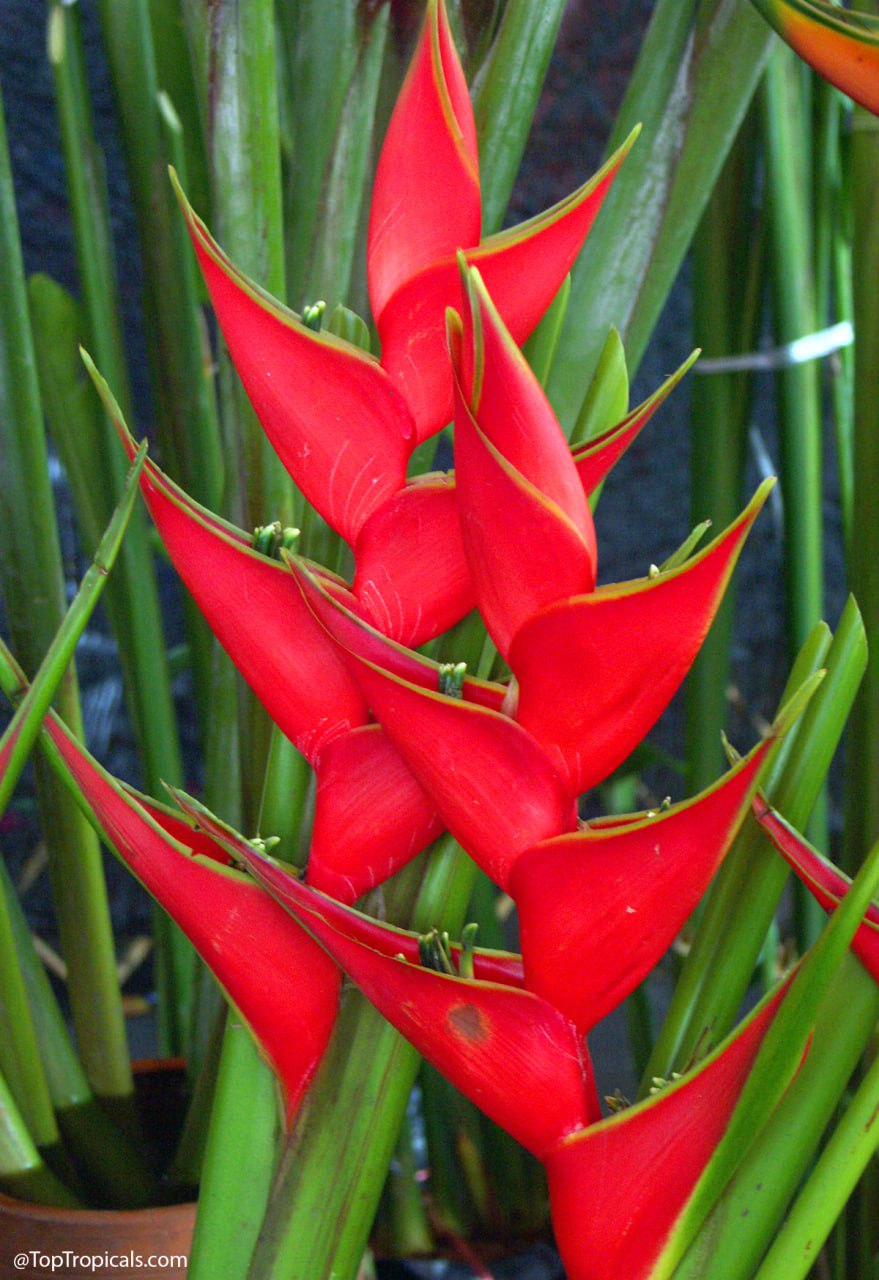
    Heliconia flower

    Heliconia flower

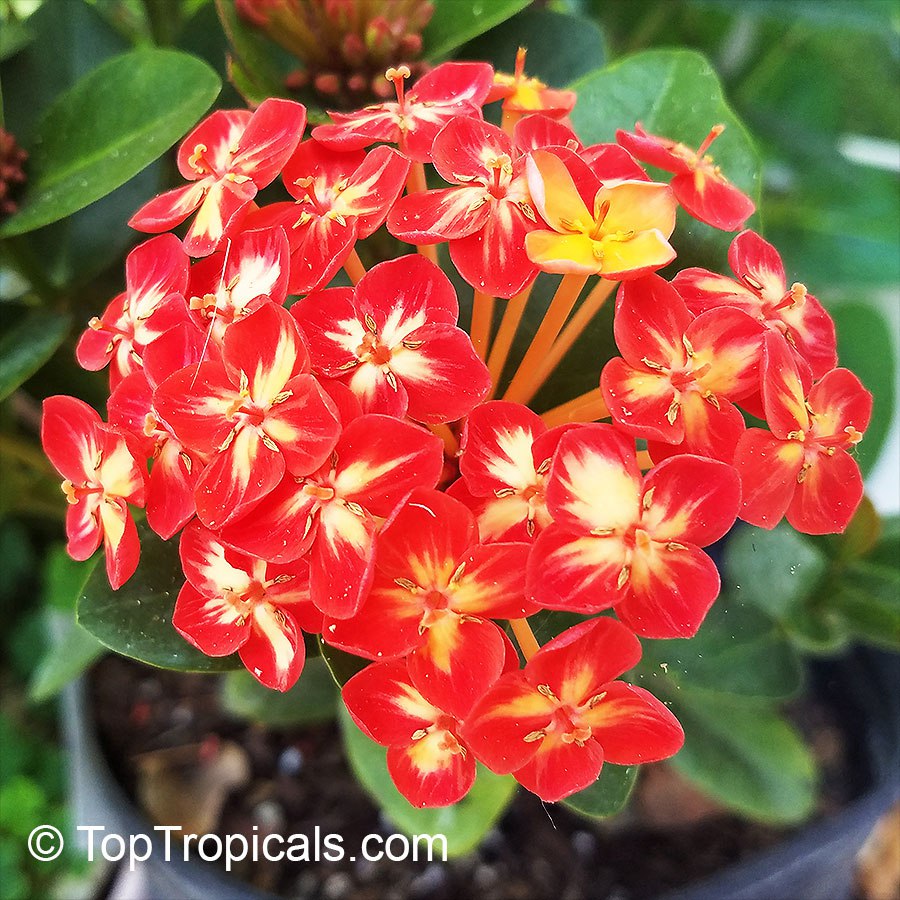
    Ixora flower

    Ixora flower

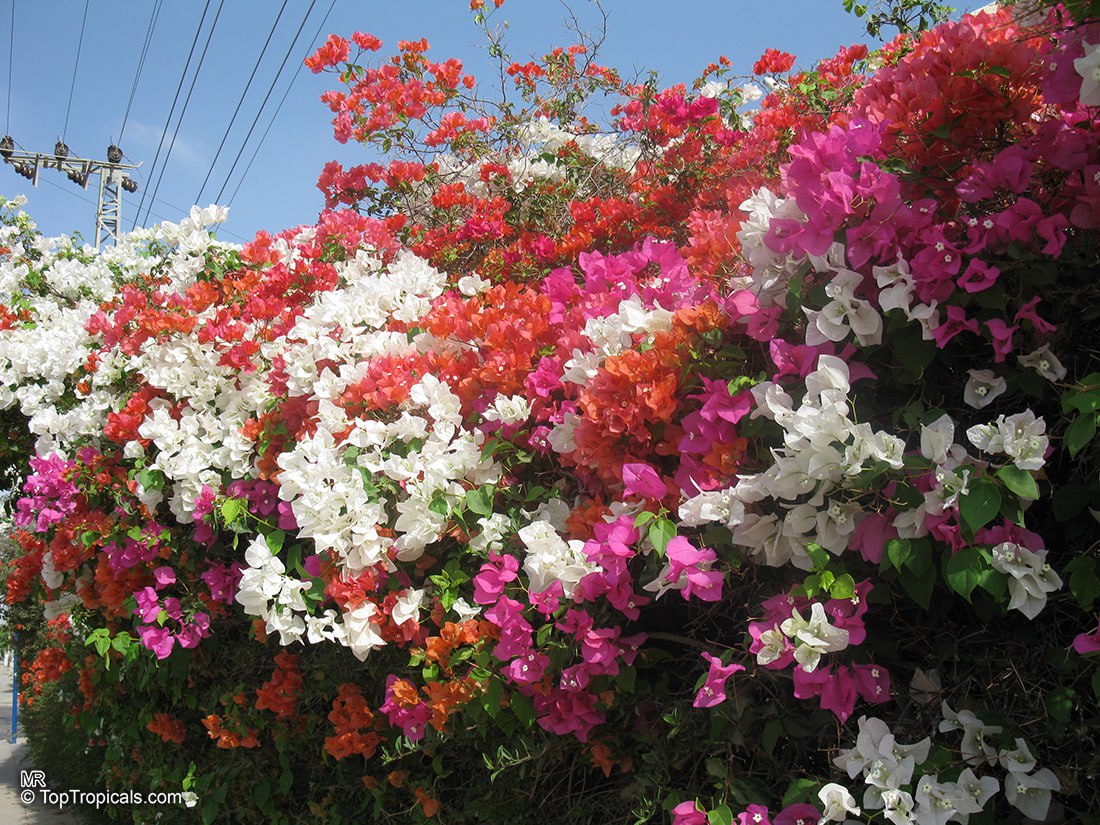
    Bougainvillea flower

    Bougainvillea flower

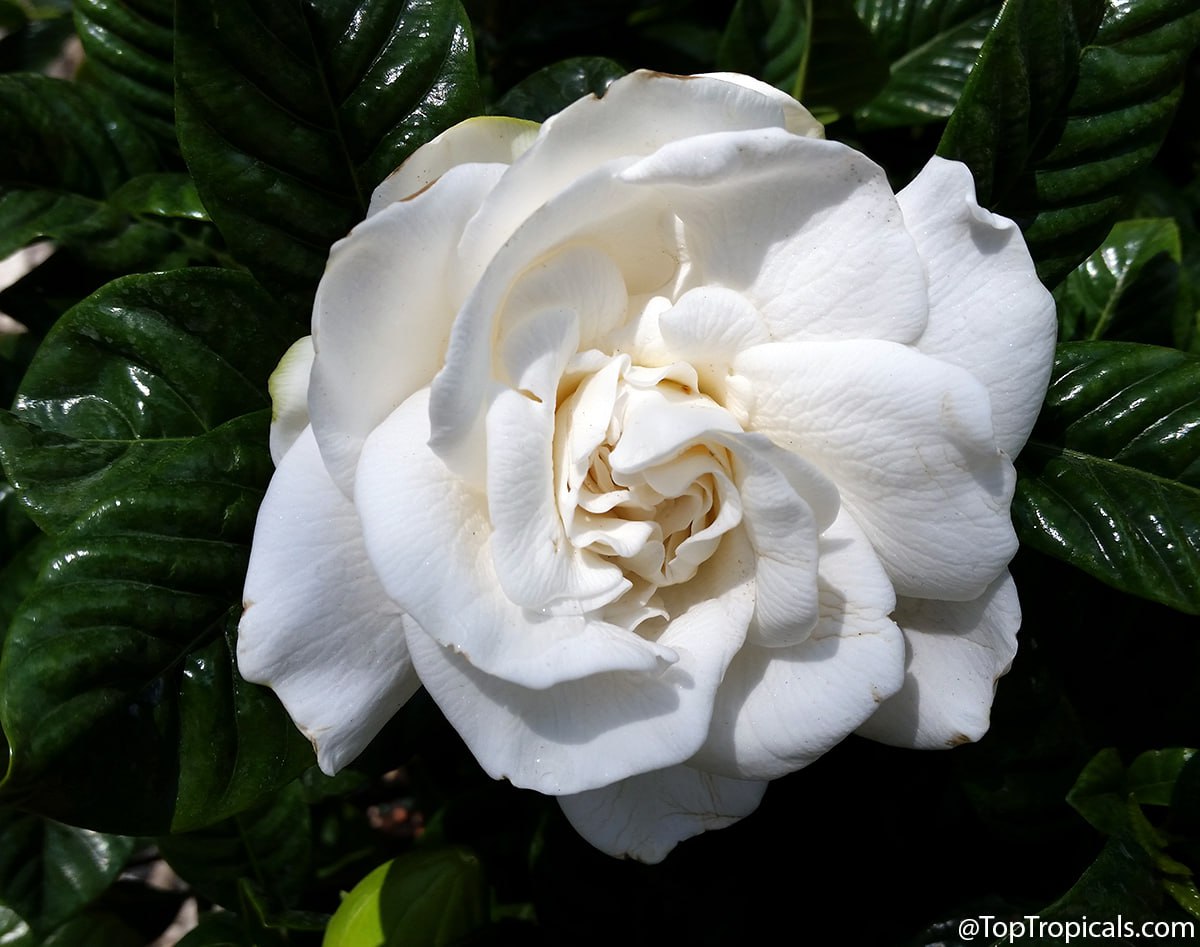
    Gardenia flower

    Gardenia flower

    💕 Four popular plants of friendship, appreciation, and shared connection


    Not all love is romantic. Many tropical plants symbolize warmth, friendship, hospitality, and human connection.
    • ❣️ 1. Gardenia


      Gardenia symbolizes quiet devotion, gratitude, and unspoken affection. It is often given to express deep appreciation rather than dramatic romance.

    👉 Gardenia gift
    • ❣️ 2. Heliconia


      With its interlocking bracts, heliconia represents unity, partnership, and celebration. It is often linked to joyful relationships and togetherness and is widely used as a long-lasting cut flower in tropical arrangements.

    👉 Heliconia gift
    • ❣️ 3. Bougainvillea


      Bougainvillea symbolizes enduring love and protection - beauty supported by strength. It is often associated with commitment and resilience in relationships.

    👉 Bougainvillea gift

    ❣️ 4. Ixora


    Known in parts of Asia as the "flower of love", Ixora represents friendship, emotional closeness, and community bonds.

    🛒 Explore gift plants
    🎁 Get a Gift Card

    📚 Learn more:


    #Shade_Garden #Container_Garden

    🟢 Join 👉 TopTropicals

    Date: 9 Mar 2026

    Dont Wait Years: 8 Fruit Plants You Can Harvest the Same Season

    Don't wait years for fruit! Harvest papayas, berries, figs, and more in the very same season you plant them with these fast-growing varieties.

    Don't wait years for fruit! Harvest papayas, berries, figs, and more in the very same season you plant them with these fast-growing varieties.

    Don't Wait Years: 8 Fruit Plants You Can Harvest the Same Season 🍒

    Growing fruit at home usually requires years of patience. Most gardeners view fruit trees as a long-term investment that may not pay off for a decade.
    But you don't have to wait.
    Certain tropical and subtropical plants are "fast-track" growers. In warm climates like Florida, choosing the right varieties means you can see flowers and fruit within months of planting - often in the very same season.
    If you want a backyard harvest without the wait, here are the fastest-producing fruits you can plant today.
    • 🍓 1. Blackberry Jam Fruit (Randia formosa)


      A compact shrub perfect for containers. It produces star-shaped flowers and dark purple fruit that tastes exactly like blackberry preserves. Established plants often fruit in their first season.
    • 🍓 2. Peanut Butter Fruit (Bunchosia)


      This fast-growing large shrub produces orange pulp with the uncanny flavor and texture of peanut butter. Expect flowers and bright red berries within months of planting in warm conditions.
    • 🍓 3. Papaya (Carica papaya)


      The "giant herb" of the fruit world. Papayas are legendary for their speed, often flowering just months after planting and providing sweet, vitamin-rich fruit within the same year.
    • 🍓 4. Grumichama Cherry (Eugenia brasiliensis)


      A stunning Brazilian evergreen. Grafted plants can fruit the same season they are planted, offering glossy, dark cherries with a sweet, mild finish.
    • 🍓 5. Black Surinam Cherry (Eugenia uniflora var. Lolita)


      The 'Lolita' cultivar is a game-changer. It grows quickly as an edible hedge and produces nearly black, resin-free fruit that is significantly sweeter than the common red varieties.
    • 🍓 6. Mysore Raspberry and Tropical Blackberries (Rubus sp.)


      Unlike traditional berries that require chill hours, these Rubus species thrive in the heat. Their vigorous canes grow rapidly, often fruiting the same season they hit the soil.
    • 🍓 7. Everbearing Mulberry (Morus sp.)


      Mulberries are incredibly generous. Everbearing varieties produce sweet berries over an extended window and often begin fruiting the very first year they are planted.
    • 🍓 8. Fig Trees (Ficus carica)


      Figs are the champions of container gardening. They are highly drought-tolerant and famous for setting honey-sweet fruit even at a very young age—often just months after being established.


    🏡 Where to plant them?
    • 👉 Tips for Faster Results


    • •  Start Large: Buy "nursery-established" plants rather than seeds.
    • •  Feed the Need: Use high-quality organic fertilizer to support rapid growth.
    • •  Sun is Fuel: Most of these varieties require at least 6-8 hours of direct sunlight to trigger flowering.


    🛒 Plant these fruits now - some can produce within months

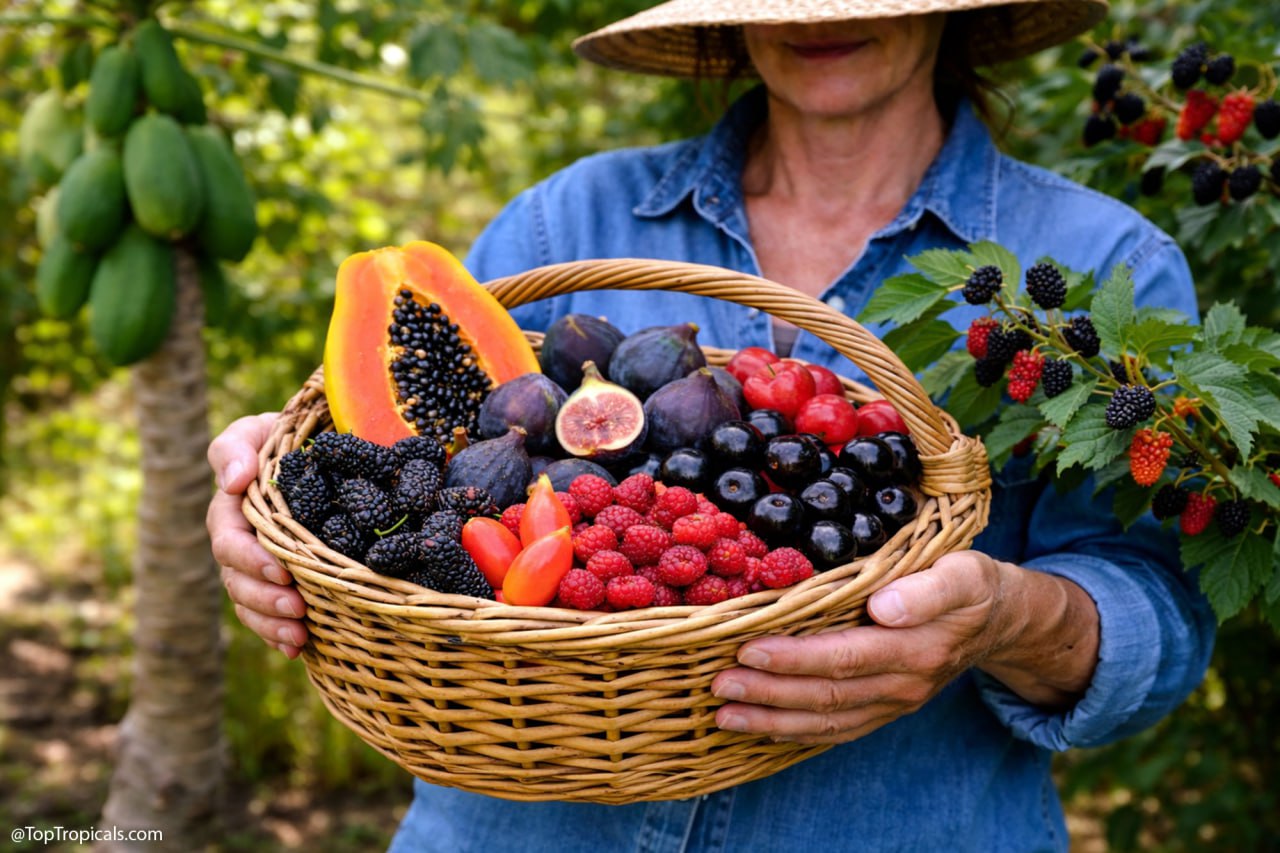
    📷 Freshly picked tropical fruit bounty: don't wait years for fruit! Harvest papayas, berries, figs, and more in the very same season you plant them with these fast-growing varieties.

    #Food_forest #How_to #Discover

    🟢 Join 👉 TopTropicals

    Date: 26 Jan 2017

    Aquarius Zodiac lucky plants

    Aquarius - 1/22 - 2/18. Aquarius is an AIR sign ruled by odd-ball Uranus.
    The water-bearer's plants will often grow in unusual places and may vary in appearance. They often have purple or blue flowers, or may have unusual colors.
    The most healing and beneficial plants for Aquarius are the ones that help circulation, relax the nervous system, or promote inspiration. When Uranus was discovered, it replaced Mercury as ruler of Aquarius. Physiologically, Uranus rules the bioelectrical impulses that power the body's nervous system (nervous tension and nervous exhaustion brought on by powerful changes in the environment are related to both Mercury and Uranus). Physically, Aquarius rules the lower legs, the calves, and the ankles, and the electrical impulses that travel through the body's nervous system. The nervous system itself is ruled by Mercury, and Uranus is said to be a "higher octave" of Mercury. Since Uranus was discovered after the correspondences with plants had been established, the herbs used in Aquarius are Mercury herbs. Always difficult to pinpoint, quirky Aquarius appreciates the unusual and complex flavor of star anise. Use this star-shaped spice when you wish to bring happy surprises into your life.

    Aquarius Zodiac lucky plants: Anise, Orchid, Golden rain - Koelreuteria paniculata, Bird of Paradise, Heliconia, Petrea, Mandevilla, Jasminum, Kiwi, Persimmon, Loquat, Olive, Alocasia, Colocasia, Citrus, Apple, Peppers, Gingers, Carambola, herbs spicy with an unusual flavor, White Pothos, Ivy, Shami - Prosopis cineraria, Neem, Medinilla, Sheesham Tree, Catnip, Passion fruit, Valerian, Aloe, Myrrh, Kava-kava, Cinnamon, Clove, Eucalyptus, Coffee, Cola nut, Nepenthes, Vanilla Orchid, Strongylodon - Jade vine, Tacca - Bat Lily, Eranthemums, Agapanthus, Orchid trees, Bolusanthus, Chamaedorea metallica, Clerodendrum ugandense, Clitoria, Duranta, Guaiacum, Jacaranda, Lavanda.

    For other signs information, see full Plant Horoscope.

    New Video: TopTropicals at TPIE show in Ft Lauderdale. Last week, your friends at Top Tropicals attended the 2017 Tropical Plant International Expo in sunny Ft. Lauderdale Florida. The Expo was an opportunity for Top Tropicals to introduce our SUNSHINE in a Bottle plant boosters as well as to bring a very rare plant Enchanted Incense to the tropical plant market!

    Check out this video: TopTropicals at TPIE.

    Stay updated with TopTropicals Videos by subscribing to our channel at YouTube.com/TopTropicals

    Date: 18 Nov 2016

    Happy Holiday Season!

    WINTER COMING TIPS. As the weather gets cooler, many of you move your potted tropical plants indoors. Please remember:

    1. Lower air humidity, lower light and short day may cause some LEAF DROP. This is normal for seasonal environment change.

    2. REDICE WATERING as winter coming. Under lower light and in cooler temperature, plants won't need much water; some plants go dormant and only need minimum water. Excess water may damage roots and kill a plant in winter.

    3. NO FERTILIZER in winter. Active growth stops. Let the plant to go into dormancy or simply have a rest.

    4. Watch for INSECTS by inspecting leaves regularly. They may attack plants more likely in the indoor conditions.

    5. Apply SUNSHINE boosters to protect your plants from cold by boosting their immune system, vogor and cold tolerance. STAY WARM!

    20% off sale ending soon! Check out our large selection of plants that are easily grown in containers