Garden Blog - Top Tropicals

Date: 7 Jun 2025

From seed to fruit. How to grow Loquat from seeds, step-by-step guide. Part 2: after germination
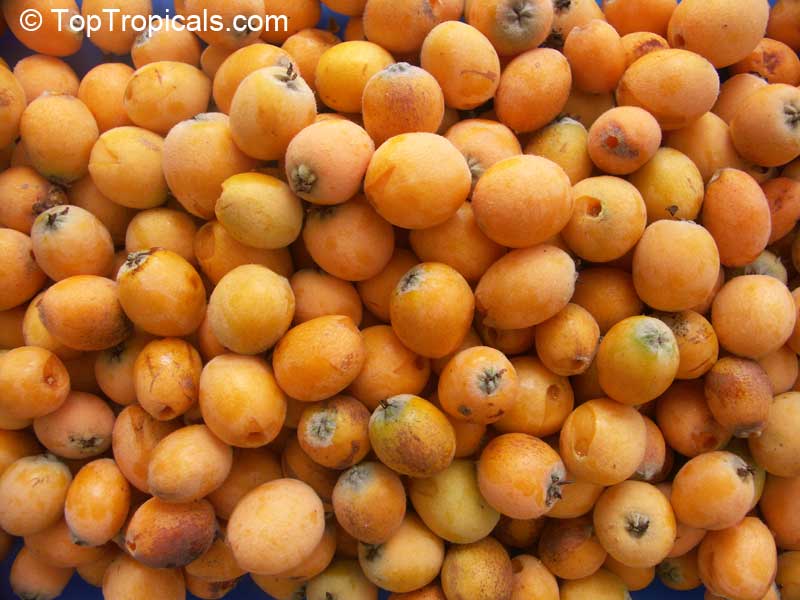
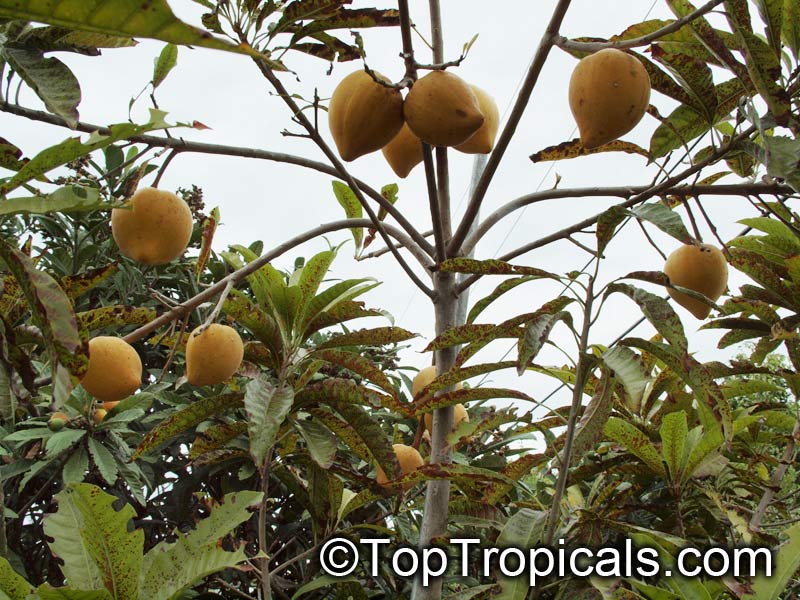
Loquat tree (Eriobotrya japonica) - fruit

Loquat tree (Eriobotrya japonica) - fruit

✍️ From seed to fruit. How to grow Loquat from seeds, step-by-step guide. Part 2: after germination


Continued from previous posts⤴️
  • 🍑 4. Transplanting Seedlings


  • When to Transplant: Once seedlings reach about 2-4” (5-10 cm) in height.
  • Transplanting and fertilizing: Move each seedling to its own pot and add controlled release fertilizer (Green Magic is the best), or use liquid balanced fertilizer Sunshine Boosters after 1-2 weeks once the seedlings establish.
  • Watering. Keep soil in a pot slightly moist but not soggy
  • Temperature. Keep seedling warm - above 70F (21C), and protect from extreme heat over 90F (35C) . For small plants, avoid freezing temperatures during winter. As the seedlings get bigger, they get higher drought-, heat- and cold tolerance. Established Loquat trees (2-3 years and older) may take light freezing temperatures.
  • Planting in the ground. You can plant the seedling in the ground when it reaches 2-3 ft tall (50-100 cm) in frost-free areas. During chill winter nights, young seedlings can be cold protected until established.


🍑 5. Sunlight Requirements

  • Light Exposure: Loquat established seedlings thrive in full sun but can tolerate partial shade. Start seedlings in bright shade and protect from afternoon hot sun to avoid leaf burn. Once seedlings are established and new growth appears (2-4 weeks), gradually move them to full sun.
  • Why adequate sunlight (full sun) is important:
- promotes healthy growth
- helps to avoid fungus and insect problems
- is critical for future flowering and fruit production

🍑 6. Fruit production

  • Loquat seedlings start producing seed within 3-4 years from seed, providing adequate sunlight, warm temperatures and regular irrigation.
  • Grafted Loquats start producing right away or the next year
  • Fruit will develop over the winter and ripen from March through May depending on location


🛒 Shop Loquat Trees and enjoy fresh fruit benefits

📚 Learn more:


🎥 YouTube video about Loquat
📁 Overlooked fruit: tasty Loquat recipes (PDF)

#Food_Forest #Loquat

🔴 Join 👉 TopTropicals
Date: 27 Jul 2025

Cocoplum: secret fruit in your hedge

Bahamas Cocoplum - Chrysobalanus icaco

🍒 Cocoplum: secret fruit in your hedge

  • 🍒 Most people think Cocoplum is just a boring hedge plant: Bahamas Cocoplum (Chrysobalanus icaco). Thick, green, easy to trim - great for privacy. But hidden in all that greenery? Super-sweet plum-like fruit that are edible and very tasty! They look like small plums and come in pink, purple, or white when ripe.
  • 🍒 Cocoplum is native to Florida and has been quietly feeding people for generations, long before it became a landscaping go-to. The fruit is mild, a little sweet, and great for snacking or making into jam.
  • 🍒 Cocoplum isn't just a tasty surprise - it comes with some health perks too:

Rich in antioxidants - especially anthocyanins, which give the purple fruit its color and help fight free radicals in the body.
  • Good source of fiber - helps with digestion and keeping you full.
  • Contains vitamin C - supports your immune system and skin health.
  • Low in calories - great for snacking without guilt.
  • So when you bite into a Cocoplum, you're not just tasting Florida - you're getting a little wellness boost too.


🍯 Quick Cocoplum Jam:

  • 🔸2 cups ripe Cocoplums
  • 🔸1 cup sugar
  • 🔸1 cup water*
  • 🔸1 tbsp lemon juice
  • 🔸Mash it all up, cook on low 20-30 minutes until thick. Cool and enjoy!

*To make a delicious summer drink, add 10 cups of water and just get to boil. Let sit 2 hrs, mash up, drain fruit and cool to enjoy.

So next time you walk by a Cocoplum hedge, check for fruit. There might be a free snack waiting for you!

🛒 Get your edible hedge Cocoplum: privacy with perks

#Food_Forest #Recipes

🟢 Join 👉 TopTropicals

Date: 31 Aug 2025

Zero Sugar fruit: forget lemonade - new perfect summer drink discovered!

Costa Rican Guava, Cas Guava - Psidium friedrichsthalianum

Zero Sugar fruit: forget lemonade - new perfect summer drink discovered!

  • 🍋 Costa Rican Guava, or Cas Guava (Psidium friedrichsthalianum) is the boldest fruit you can grow for refreshing drinks. Its flavor is sharp, tangy, and unforgettable - perfect for anyone who loves acidic fruit. Cas Guava has sugar at all, unless you decide to add some.
  • 🍋 The trees are super prolific - even young ones fruit heavily, and we make gallons of juice at Top Tropicals.
  • 🍋 The best part? You can freeze the fruit or boil it into a concentrate with a bit of sugar. That drink lasts in the fridge for months without going bad, thanks to Cas Guava’s natural antibacterial punch.
  • 🍋 Cas Guava juice is Costa Rica’s traditional Agua de Cas - tart, refreshing, and perfect for summer heat. And if you save enough, you’ll still be sipping it through the winter.


♨️ Agua de Cas Quick Recipe


We boiled this fruit and the drink lasted for months!
  • Boil halved fruits in water with sugar to taste
  • Simmer 5-10 minutes, let sit, then mash the softened fruit to release all the flavor
  • Strain through a colander, bottle, and refrigerate - just dilute with water when serving


✔️ Why choose Cas Guava?

  • • Packed with vitamin C - four times more than lemons - for a powerful immune boost.
  • • Rich in antioxidants to combat stress and inflammation.
  • • Hardy and low-maintenance, thriving in poor soils and resisting pests.


🛒 Grow your own Cas Guava

📚 Learn more:


#Food_Forest #Recipes #Guava

🟢 Join 👉 TopTropicals

Date: 28 May 2023

Benefits of Canistel tree and fruit

Canistel

Q: What is so good about Canistel fruit? Should I plant a Canistel tree in my garden?

A: Canistel fruit, also known as Eggfruit, has several appealing qualities. It is highly regarded for its sweet, custard-like flavor and smooth, creamy texture. Additionally, canistel fruit is a good source of essential nutrients such as vitamin A, vitamin C, and dietary fiber, making it a nutritious choice for those seeking a unique and tasty fruit experience.

Planting a Canistel tree can be beneficial for a few reasons. Firstly, it allows you to enjoy the delectable fruit it produces right in your own backyard, providing a fresh and unique addition to your homegrown produce.

Secondly, Canistel trees are relatively low-maintenance and can thrive in warm climates, making them a suitable choice for tropical or subtropical regions.

Finally, by planting a Canistel tree, you contribute to the preservation and diversity of fruit-bearing trees, enriching the ecosystem and potentially attracting wildlife to your garden.

To learn more about Canistel tree, fruit, tasty recipes, and more - see this article:

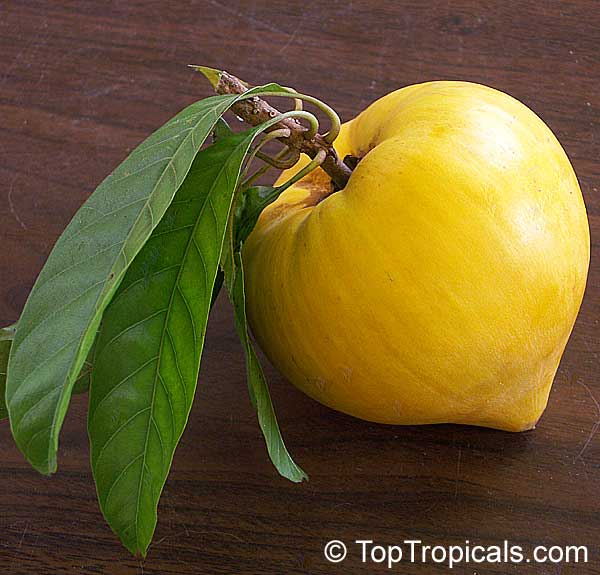
Pouteria campechiana - Canistel, the curious heart-shaped Egg Super-Fruit

Canistel  tree  with  fruit

Date: 28 Oct 2025

Before opening a jar, see where the natural peanut butter comes from!

Peanut Butter Tree (Bunchosia argentea)

Before opening a jar, see where the natural peanut butter comes from!

  • Peanut Butter Tree (Bunchosia argentea) is a small tropical tree with one of the most surprising fruits on earth. Its red, fleshy berries taste just like peanut butter - creamy, nutty, and sweet, with a texture that melts in your mouth. No nuts, no sugar, no processing - just pure tropical flavor, straight from nature!
  • Native to Central and South America, this rare fruit has been a favorite among tropical fruit collectors for decades. The tree stays compact, reaching only about 8-10 feet tall, and can even be kept as a bush. It's perfect for small gardens, patios, or large containers, and it can thrive indoors with enough light. Within just 2 to 3 years from seed, it begins to reward you with clusters of yellow flowers followed by rich, red fruits that taste like peanut butter candy.
  • The fruit isn't just fun - it's healthy, too. It's rich in antioxidants, vitamins, and beneficial plant compounds that support the immune system and overall wellness. Kids love it, adults can’t stop talking about it, and gardeners love how easy it is to grow.
  • If you’re looking for something truly unique - an edible curiosity that sparks conversation and delights the taste buds - the Peanut Butter Tree is the one. Grow your own, and the next time someone opens a jar of peanut butter, you can smile and say, "Mine grows on a tree!"


🛒 Try the real peanut butter fruit

📚 Learn more:


📱 How to grow the Amazing Peanut Butter Tree - in one short video

#Food_Forest #Nature_Wonders

🟢 Join 👉 TopTropicals