Fred - the most inquisitive and smartest of all her tuxedo cats!
Cat Fred
🕺 Meet Onika's cats: Fred
🐈📸 Meet Onika's cats from TopTropicals PeopleCats.Garden:
This is Fred - the most inquisitive and smartest of all her tuxedo cats! Fred is super smart. Very tough on the outside, but sweeter than a mango on the inside.
Staking a young tree is simple but important. The goal is to attach a bamboo stake to support the trunk, encourage straight growth, and-most importantly-prevent the stem from wiggling.
Young trees grow fast and vigorously, but their trunks are often much taller and heavier than their root systems can support. At the same time, those trunks are still thin and flexible. Even light wind can cause the tree to rock back and forth. This movement disturbs developing roots and slows establishment.
❗️ Without proper support:
🔹 The trunk can break in strong wind.
🔹 Roots loosen instead of anchoring.
🔹 The trunk may grow crooked.
🔹 The tree becomes uneven and less stable long-term.
🌳 How to stake correctly
🌳 Small trees
🔹 Create an A-frame with one bamboo stake.
🔹 Attach near the top, forming a triangle.
🔹 Do not push the stake right next to the trunk. It may look neat, but it can damage roots and will not provide proper stability.
🌳 Medium trees
🔹 Use 2-3 tie points along the trunk.
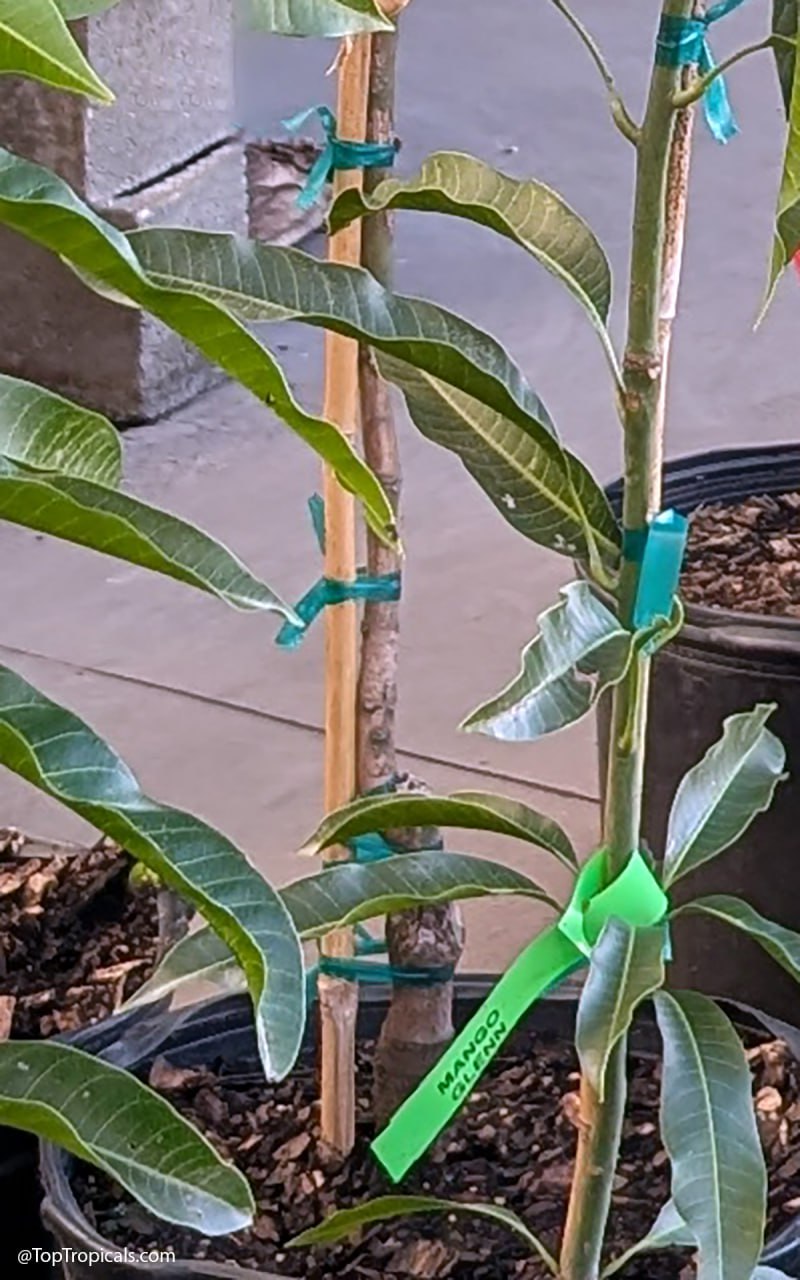
🔹 Use soft green garden tape, 1/2"wide.
🔹 Secure firmly but allow slight movement.
🌳 Tall or heavy trees
🔹 Use a strong support such as a metal pipe. We use 1" aluminum electrical conduit.
🔹 Attach with wider green tape, about 1"to protect the bark.
🔹 Build tripods around larger trees.
❗️ Important maintenance tips:
🔸 Check ties and tape often-every few weeks to once a month.
🔸 As the tree grows, re-adjust the tape so it does not cut into the trunk as it thickens and doesn't cause any rot.
🔸 Re-position bamboo stakes as needed, and be ready to replace them with a larger, stronger stake as the tree grows.
These rules apply to both potted trees and trees planted in the ground. Proper staking early on helps your tree establish faster, grow straighter, and develop a strong, stable root system for the future.
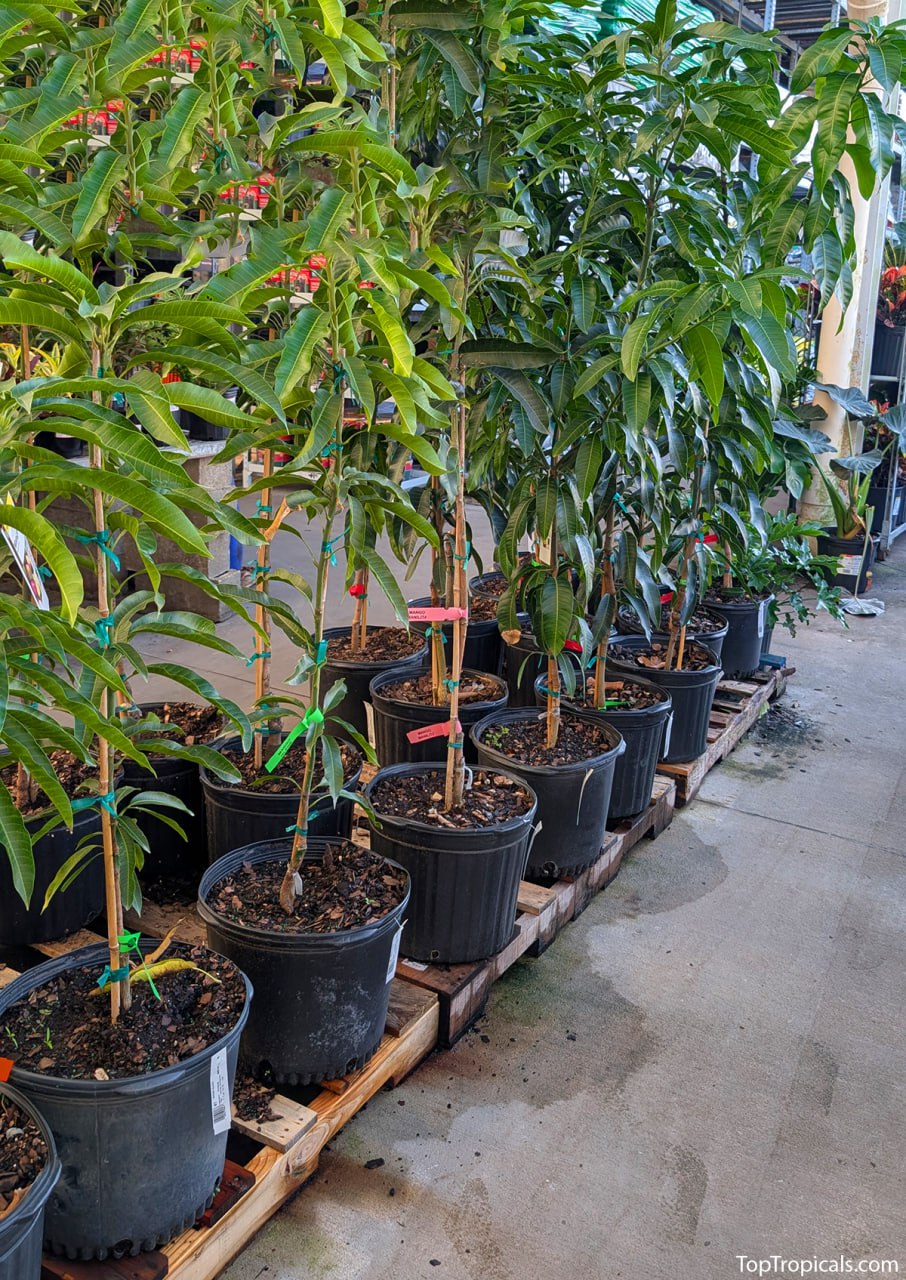
📸 Mango trees in 7 gal pots with"nursery-style"bamboo stakes that create a neat"standard". When stepping up or planting in the ground, attach a new stake and keep it away from the trunk.
Sunshine: January might feel warm, but its still winter. Wool socks,
scarf, hot coffee. Smokey: You get warm when you work. Plant now so roots are
established before spring growth starts. Sunshine: Alright. Lets see who stays warmer - you digging or me
with coffee.
🌴
Why winter planting works in a warm climate
By our plant expert Tatiana Anderson
We are lucky to live in a warm climate. This is how I think about the
seasons here. Winter is for roots. Spring is for growth. Summer is for
managing heat and water.
So if we want plants that handle summer better, we plant them in the
season that gives them the best start. Winter here is comfortable. The
soil stays workable. The days are mild. And plants are not being stressed by
heat. That is exactly why winter is the best time to plant in Florida and
other warm
areas.
If we use this season well, plants go into spring already settled instead
of trying to catch up. This is what I like to plant now, and why.
🟢 Shrubs next.
Shrubs establish faster than trees, but winter still gives
them an advantage. They settle in quietly before the spring flush and bloom
cycles begin. That usually means steadier growth and fewer problems
once heat returns.
Examples: gardenia,
jasmine, brunfelsia,
hibiscus, clerodendrums.
🟢
Vines are often overlooked. Vines want to grow fast when spring starts.
If the root system is not ready, you get weak growth and frustration.
Planting vines in winter gives them time to build a foundation first, so
spring growth has support.
Examples: Rangoon
creeper,
stephanotis, Petrea, Mexican
Flame Vine.
How to lose weight naturally with tropical fruit and plants
Fat orange cat on treadmill with tropical fruit that help lose weight naturally
🍑 How to lose weight naturally with tropical fruit and plants
🏃♀️ Losing weight isn’t about starving yourself - it’s about supporting your body with the right nutrients and keeping things balanced. Plants can help by boosting your metabolism, keeping you full longer, improving digestion, and regulating blood sugar. When you build a food forest with the right plants, you’re investing in long-term health that tastes good and feels good.
🏆 15 TOP TROPICAL plants and fruits that naturally help with weight management:
💚 Papaya – Contains enzymes like papain that aid digestion, and it’s high in water and fiber—great for feeling full.
💚 Mango – Supports fat metabolism and reduces inflammation. Its fiber helps regulate appetite and digestion.
💚 Avocado – Full of healthy fats and fiber, avocado helps you feel satisfied longer and supports steady energy levels.
💚 Banana – Rich in resistant starch (especially when underripe), bananas help support gut health and fat metabolism.
💚 Jackfruit – High in fiber and low in fat, this fruit keeps blood sugar steady and supports slow, sustained energy.
💚 Yerba Mate – A natural tea with gentle stimulant properties that may help reduce appetite and increase fat burn.
💚 Moringa – Known as a superfood, moringa helps regulate blood sugar and boosts metabolism with powerful nutrients.
💚 Galangal (Thai Ginger) – Supports digestion and contains compounds that may help increase fat burning, like regular ginger.
💚 Cinnamon – Can improve insulin sensitivity and help with sugar cravings, making it easier to stay on track.
💚 Insulin Ginger (Costus igneus) – Traditionally used to manage blood sugar, it also supports digestion and energy. Chewing the spiraled leaves or brewing them as tea is a natural way to get more from your garden.
💚 Dragon Fruit – Extremely high in fiber, dragon fruit supports healthy digestion and helps regulate metabolism, which can aid weight loss.
💚 Pomegranate – Used for centuries in Ayurvedic medicine to improve metabolism. Its antioxidant-rich juice supports fat burning and digestion.
💚 Tea Leaf Tree (Camellia sinensis) – The source of green, black, and white tea. These teas are linked to metabolism boost, heart health, and appetite regulation.
💚 Noni – A powerhouse fruit traditionally used for inflammation, immune health, blood sugar balance, and metabolism support. It may also help reduce fat accumulation and boost overall vitality.
💚 Canistel (Eggfruit, Pouteria campechiana) is a naturally sweet, nutrient-dense fruit that helps curb sugar cravings while keeping you full longer. Its rich fiber content and slow-digesting carbs make it a great choice for supporting weight management without reaching for processed snacks.
❗️When you grow these plants in your home garden or food forest, you're not just planting food - you’re planting tools for better health.
And bonus: gardening itself keeps you active and stress-free, which is another win for your waistline.
Q: I have ordered dozens of trees from you and have a question
about Soursop. I have a Soursop in a container and ants and aphids are under
new leaves. Do Soursop like little water? I water almost everyday living in
southern Los Angeles it's been around 76-80F. I spray the aphids and ants off
with a mist setting on my hose. They come back every day. They're only on new
leaves...
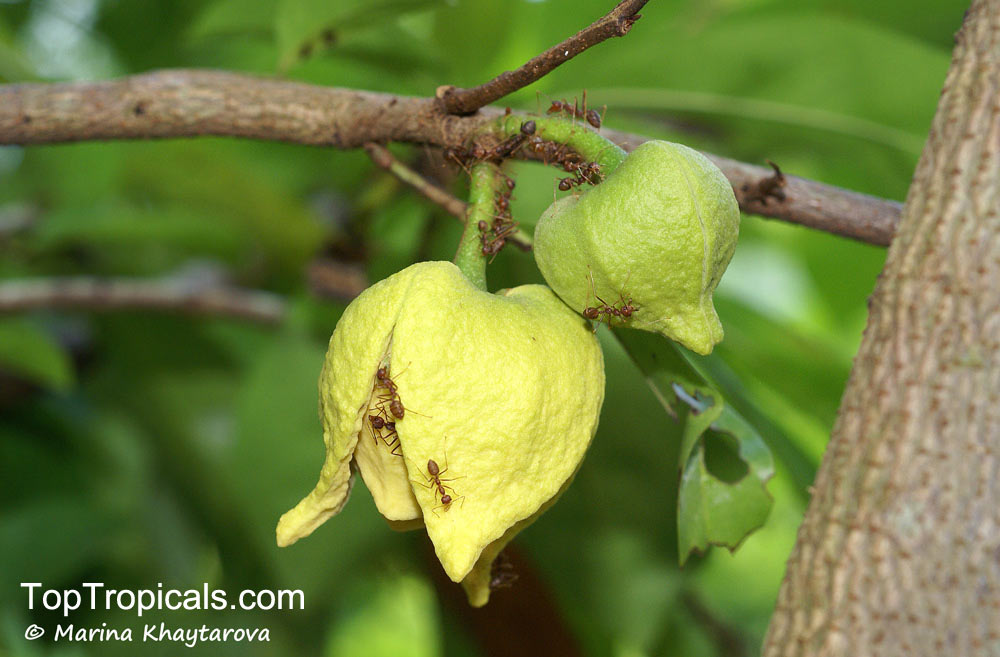
A: First of all, you don't have to remove the ants iа they
don't bother you. Ants are good insects, they do not harm plants; most likely
they are attracted by a sweet sap - aphid by-product. Ants clean up a plant,
and they may even take care of some bad insects.
It is not difficult to get rid of aphids. Use a safe treatment: in a
small spray bottle, mix 1 cup of warm water, 1 teaspoon of dish soap and 2
tablespoons of any cooking oil (if you have Neem oil or Horticultural oil - even
better, but prepare, they are pretty stinky). Spray the leaves with this
solution to a dripping point. Repeat in a few days if needed. This simple remedy
will take care of the aphids.
Daily water may be ok for the plant during hot weather, as long as the
soil is not constantly moist. Let the surface of the soil get a little dry
between waterings.